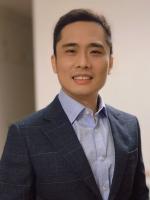
Dr. Yoon Seok Kim is a Postdoctoral Fellow at Stanford University’s Department of Bioengineering, focusing on structural and mechanistic studies of light-gated ion channels. He earned his Ph.D. in Bioengineering at Stanford, mentored by Drs. Karl Deisseroth and Brian Kobilka, with research centered on ion channel selectivity and optogenetic applications. Education: Ph.D. in Bioengineering, Stanford University Dr. Kim’s research spans Optogenetics , Structural Biology , and Neuroscience , particularly the molecular mechanisms of ion channels in neural and glioma contexts. His work includes structural analysis of potassium-selective channelrhodopsins and synaptic mechanisms in neurodegenerative diseases. Recent publications highlight interdisciplinary trends, merging Neuroscience , Molecular Biology , and Bioengineering , with subfields like diffuse midline gliomas , dopamine neuron resilience , and machine learning in protein engineering . His studies often integrate advanced imaging and optogenetic tools.
Sophia Lunt is a Professor in the Department of Biochemistry & Molecular Biology and Chemical Engineering & Materials Science at Michigan State University , where she has been since 2015 (Assistant Professor 2015-2021, Associate Professor 2021-2025, Professor 2025-present). She leads the Lunt Lab , focusing on cancer metabolism , particularly metabolic reprogramming in tumor proliferation, heterogeneity, and metastasis . Her work combines mass spectrometry , genetic cancer models , cell biology , and fluorescent agents to develop targeted cancer therapies . Ph.D. (2010) & B.S. (2005) in Chemistry Postdoctoral Fellow at MIT (2010-2015) NSF CAREER awardee (2019) 20+ peer-reviewed publications since 2007 Research Focus : Cancer metabolism (Warburg effect, PHGDH heterogeneity, TIGAR regulation) Photodynamic therapy (counterion-tuned agents, metal halide nanoclusters) Metabolomics (tumor-immune interactions, microbiome effects) Selected Scientific Awards : 2022 MSU College of Natural Science Teacher-Scholar Award 2022 MSU BMB Teaching Award 2020 MANA Young Investigator Award 2019 NSF CAREER & METAvivor Early Career Investigator Awards Her teaching includes BMB 101: Frontiers in Biochemistry (curriculum overhaul for freshman success) and BMB 461: Advanced Biochemistry I , covering metabolic regulation and pathways.
Jakub Vohryzek is a postdoctoral researcher at the Computational Neuroscience (CNS) Group at University Pompeu Fabra in Barcelona, supervised by Prof. Gustavo Deco. His work focuses on spacetime connectomics and whole-brain modeling, particularly in neurodegenerative disorders and psychedelic neuroscience. He holds a DPhil from the University of Oxford, where he studied under Prof. Morten Kringelbach. Research Interests: Spacetime connectomics Psychedelic-induced brain state transitions Neurotwin models for personalized medicine Cognitive and clinical applications of whole-brain dynamics Current projects include developing neurotwin models under a European grant for neurodegenerative treatments, investigating brain state dynamics in mindfulness therapy, and modeling psychedelic effects on Alzheimer’s disease. His recent work emphasizes low-dimensional brain network interactions and functional hierarchy perturbations. His research has explored connectivity profiles, oscillatory restoration in dementia, and algorithmic agent approaches to neuropsychiatric disorders. He collaborates on open-science initiatives like Brainhack and advocates for inclusive conference design.
Gerd Grau is an Associate Professor of Electrical Engineering at York University, affiliated with the Lassonde School of Engineering and the Department of Electrical Engineering & Computer Science. He holds a BA and MEng from the University of Cambridge and a PhD from UC Berkeley (2016). His research focuses on semiconductor devices, microfabrication, printed electronics, and additive manufacturing, funded by NSERC, CIHR, Mitacs, and industry partners. He leads the Electronics Additive Manufacturing (E-AM) Lab, which integrates 3D printing and printed electronics for applications in biomedical devices, aerospace, and smart materials. Education: BA and MEng (University of Cambridge), PhD (UC Berkeley, 2016). Research interests include printed transistor devices, carbon fiber composites with integrated sensors, and machine learning optimization for printing processes. His lab houses advanced equipment like 3D printers, micro-inkjet systems, and characterization tools. Grau supervises a dynamic group of graduate and undergraduate students, with former advisees now leading roles in industry and academia. Teaching includes courses on semiconductor physics, nanoelectronics, and printed electronics. The E-AM Lab collaborates with Prof. Garrett Melenka on carbon fiber structural health monitoring and explores novel applications of laser-induced graphene for energy storage and environmental sensors.
Dr. Stephen Renaud is an Associate Professor in the Department of Anatomy and Cell Biology at Western University. He holds a PhD and B.Sc. from Queen's University. His research focuses on placental development and function, particularly the cellular and molecular mechanisms underlying trophoblast differentiation and maternal-fetal immune interactions. Key interests include OVO-like transcription factors, endogenous retroviral genes, and maternal immune tolerance. His work bridges basic science with public health implications, addressing complications like pre-eclampsia and fetal growth restriction. Publications emphasize placental biology, immunology, and developmental mechanisms, with contributions to journals like Placenta , Proceedings of the National Academy of Sciences , and Cellular and Molecular Life Sciences . No scientific awards are listed, but his research has been widely cited (h-index 28). He advises no listed students but maintains an active lab exploring placental biology. His office is in the Medical Sciences Building, Room 428, with contact via srenaud4@uwo.ca.
Edward F. Chang, MD is a distinguished Professor and Chair of the Department of Neurological Surgery at the University of California, San Francisco (UCSF) School of Medicine. He co-directs the Center for Neural Engineering and Prostheses, a collaborative enterprise between UCSF and UC Berkeley, and leads the Chang Lab focused on speech neuroscience and neural engineering. As a practicing neurosurgeon, he specializes in treating adults with difficult-to-control epilepsy, brain tumors, trigeminal neuralgia, hemifacial spasm, and movement disorders. Dr. Chang's educational background includes a B.A. in Chemistry from Amherst College (1997), an M.D. from UCSF (2004), a Neurological Surgery residency at UCSF (2010), and a postdoctoral fellowship in Cognitive Neuroscience at UC Berkeley (2009). His research focuses on the brain mechanisms for speech, movement, and learning, with particular emphasis on advanced brain mapping methods to preserve crucial areas for speech and motor functions. He has pioneered work in speech neuroprostheses, developing technology that allows patients with paralysis to communicate through brain signals. His work integrates engineering, neurology, and neurosurgery to develop state-of-the-art biomedical technology to restore function for patients with neurological disabilities such as paralysis and speech disorders. Analysis of his recent publications reveals a strong trend toward developing advanced neuroprosthetic technologies, particularly speech decoding systems, and exploring the neural basis of speech production across multiple languages. His research also spans epilepsy surgery optimization, deep brain stimulation for psychiatric conditions, and molecular profiling of brain tumors. Blavatnik National Laureate for Life Sciences (2015) Elected to the National Academy of Medicine (2020) Inaugural Bowes Biomedical Investigator at UCSF HHMI Faculty Scholar Dr. Chang leads multiple NIH-funded research projects totaling millions of dollars, including a pilot clinical trial for speech neuroprosthesis and studies on the neural coding of speech across human languages. He has mentored numerous researchers in the field of neural engineering and speech neuroscience, though specific student names aren't listed in the provided materials. His work has resulted in groundbreaking technologies that have helped restore communication abilities to individuals with paralysis. As co-director of the Center for Neural Engineering and Prostheses, Dr. Chang leads a multidisciplinary team of engineers, neurologists, and neurosurgeons working at the intersection of neuroscience and technology. His lab has been instrumental in developing brain-computer interfaces that translate neural activity into speech, with recent publications demonstrating streaming brain-to-voice neuroprostheses that restore naturalistic communication.
Joseph N. Contessa, MD, PhD is an Adjunct Professor of Therapeutic Radiology and Pharmacology at Yale School of Medicine, where he serves as Director of Yale Medicine's Central Nervous System Radiotherapy Program. His clinical practice focuses on treating patients with brain tumors, head and neck cancers, and tumors at the base of the skull, including rare entities such as low-grade and malignant gliomas, ependymomas, high-grade meningiomas, hemangiopericytomas, paragangliomas, and schwannomas. Dr. Contessa's research spans multiple areas of cancer biology with a particular emphasis on molecular mechanisms of therapeutic resistance and novel approaches to radiosensitization. His work explores the role of N-linked glycosylation in cancer progression and treatment resistance, developing small molecule inhibitors targeting this pathway to overcome resistance to EGFR tyrosine kinase inhibitors. He also investigates targeted therapies for head and neck squamous cell carcinoma, molecular imaging of the epidermal growth factor receptor, and drug discovery through high-throughput screening approaches. Analysis of Dr. Contessa's recent publications reveals a consistent focus on the intersection of radiation oncology and molecular biology, particularly examining how glycosylation pathways influence cancer cell response to radiation and targeted therapies. His work spans basic science investigations into protein folding and quality control mechanisms to clinical applications in lung cancer, brain tumors, and head and neck cancers. A significant portion of his research explores how inhibiting specific glycosylation enzymes can sensitize tumors to radiation therapy. Dr. Contessa actively collaborates with leading researchers at Yale including Veronica Chiang (6 publications), Barbara Burtness (2 publications), Kimberly Johung (2 publications), and Scott Gettinger (2 publications). He serves as a Sub Investigator on the clinical trial 'Determining Mechanisms of Sensitivity and Resistance to Anti-Cancer Therapy for Advanced Lung Cancer' (HIC ID 1603017333), which is scheduled for primary completion in June 2026. His laboratory work is closely integrated with clinical care through multiple Yale centers including the Brain Tumor Center, Gamma Knife Center, Head and Neck Cancers Program, and Yale Cancer Center. Dr. Contessa's research bridges basic science discoveries in protein glycosylation with clinical applications in radiation oncology, creating a translational pipeline from bench to bedside for patients with challenging malignancies.
Patrick Gunning is a Professor at the University of Toronto (Mississauga campus), specializing in Biological Chemistry and Organic Chemistry. His research focuses on developing small molecule architectures to manipulate protein complexation events, particularly targeting aberrant protein interactions in diseases like cancer. Key areas include STAT3/STAT5 inhibition, histone deacetylase (HDAC) modulation, and molecular design strategies for cancer therapies. Research interests emphasize understanding protein-protein interaction 'hot spots' and designing drugs to suppress or enhance specific gene expressions. His work explores both organic and inorganic drug-like scaffolds to regulate cellular signaling pathways. Recent studies highlight novel treatments for leukemia, lymphoma, and brain metastases through targeted protein degradation and metabolic pathway manipulation. Over 50 publications demonstrate expertise in oncology, epigenetics, and drug discovery. Notable contributions include HDAC6-selective inhibitors, PROTAC-based degraders, and fluorine NMR methodologies for protein analysis. His interdisciplinary approach bridges organic chemistry, biochemistry, and clinical applications in precision medicine. Current projects investigate molecular mechanisms underlying cancer growth, with a focus on STAT signaling pathways and metabolic vulnerabilities. The lab also pioneers innovative drug delivery strategies using advanced spectroscopic techniques and chemical synthesis platforms.
Prof. Michael N. Smolka is a Professor in the Department of Psychiatry and Psychotherapy, focusing on neuro-cognitive mechanisms underlying addictive behaviors. His research employs longitudinal approaches to study addiction development, maintenance, and recovery, integrating computational modeling of behavior with functional MRI to map brain systems. Key areas include executive functions, decision-making, learning, and motivation. He contributes to research consortia such as SFB 940 and TRR 265. Research interests emphasize brain-behavior interactions in mental health, with studies on genetic risk factors, environmental influences, and neuroimaging correlates of psychiatric disorders. His work bridges clinical psychiatry with cutting-edge computational methods, aiming to develop diagnostic tools and personalized interventions. Recent studies explore machine learning applications for predicting substance use disorders and eating disorders, alongside investigations into developmental trajectories of brain morphology and cognitive control mechanisms. Publications highlight interdisciplinary approaches, linking genetic, environmental, and neurobiological factors to addictive behaviors and mental health outcomes. His contributions to frameworks like brain-derived nosology and diathesis-stress models reflect his commitment to advancing translational research in psychiatry.
Laura Dassama is an Assistant Professor at Stanford University with appointments in both the Department of Chemistry and Department of Microbiology & Immunology . She is actively affiliated with multiple interdisciplinary institutes including Bio-X , SPARK at Stanford , MCHRI , Sarafan ChEM-H , and Wu Tsai Neurosciences Institute . PhD in Biochemistry and Molecular Biology from Pennsylvania State University (2013) Postdoctoral training at Northwestern University (Molecular Biosciences, 2017) Research Associate position at Boston Children's Hospital/Harvard Medical School/Dana-Farber Cancer Institute (2018) Laboratory research focuses on chemical biology approaches to understand biomolecular interactions, particularly bacterial lipid trafficking and targeted protein degradation . Key methodologies include bioinformatic analyses , structural studies , and machine learning algorithms like SLiPP for lipid-binding pocket prediction. Recent publications emphasize antimicrobial resistance challenges and opportunities, protein delivery systems for erythroid cells, and structure-function relationships in lipid transport proteins. These studies demonstrate innovative approaches to address therapeutic limitations through chemical biology tools and interdisciplinary methods . MAC3 Impact Philanthropies Faculty Fellow (2023-2025) Terman Faculty Fellowship (2022-2025, 2018-2021) Hellman Faculty Scholar (2019-2020) Gabilan Junior Faculty Fellowship (2018-2021) Active advisor to multiple PhD candidates and postdoctoral researchers , with formal advising roles in Biophysics , Cancer Biology , and Microbiology & Immunology graduate programs. Laboratory located at Rm. W215 ChEM-H/Neuro Research Complex .
Roni Maimon Mor is a Research Fellow at the Institute of Ophthalmology, University College London. Their work bridges neuroscience, cognitive psychology, and biomedical engineering, focusing on vision science, neural plasticity, and human-technology interaction. They investigate how sensory deprivation (e.g., congenital sight impairment) and interventions (e.g., gene therapy) reshape neural processes and perceptual abilities. Research interests include developmental vision, robotic prosthetics, and the cognitive embodiment of artificial limbs. Their studies explore how early life experiences influence motor learning and how neural systems adapt to sensory loss or technological augmentation. Mor’s interdisciplinary approach integrates neuroimaging (e.g., fMRI, EEG), behavioral experiments, and engineering solutions like gaze-tracking systems for pediatric diagnostics. Publications highlight advancements in gene therapy outcomes for retinal dystrophies, cortical plasticity in sensory-deprived populations, and neural correlates of prosthetic limb use. Their work contributes to clinical tools for vision assessment and theoretical models of body representation. No scientific awards explicitly listed. Research is supported by collaborations in ophthalmology, robotics, and cognitive science. Mor’s lab at UCL focuses on translating neural findings into therapeutic and assistive technologies.
Micah Lattanner is an Assistant Professor in the Public Health Department at Santa Clara University. His research focuses on structural stigma , LGBTQ+ health disparities, and mental health outcomes, with a particular emphasis on how systemic stigma impacts marginalized populations. He employs both quantitative and qualitative methods, including meta-analyses and longitudinal cohort studies, to explore mechanisms linking stigma to health outcomes. Dr. Lattanner’s work bridges social sciences , public health , and clinical psychology , addressing topics such as sexual orientation disparities, racialized stigma, and the efficacy of mental health interventions in high-stigma contexts. His recent studies highlight the neurobiological and psychological impacts of stigma, particularly among Black, Latinx, and LGBTQ+ youth. Notably, his research examines intersectional factors such as partner gender, cultural sexism, and anti-Black racism, advocating for evidence-based policies to reduce health inequities. He has contributed to high-impact journals like Lancet Public Health and pioneered interdisciplinary approaches to stigma research.
Shengxian Ding is a Postdoctoral Associate at the Yale School of Public Health , focusing on Biostatistics, Neuroscience, and Public Health . Her research develops advanced statistical models for biomedical data analysis. Her work includes 2025: Subgroup Mediation Analysis , 2024: Shape Mediation in Alzheimer’s Disease , and 2023: Tumor Growth Quantification via MRI , reflecting expertise in Regression Models, Neuroimaging, and Computational Biology . Contact: naomi.ding@yale.edu
Chao Li is a Principal Research Fellow at the University of Cambridge's Faculty of Mathematics, specializing in AI-driven healthcare solutions. His research focuses on precision medicine through image-based AI and multi-omics integration, with applications in neurological disease modeling, surgical oncology, and clinical AI safety. He leads the Centre for Mathematical Imaging in Healthcare , advancing translational AI for personalized medicine. Research Themes: Image-based AI for precision mental health AI in surgical and interventional oncology Multi-omics approaches for disease characterization Evaluation of AI innovations for clinical translation Publications highlight advancements in multimodal fusion for diagnostics, histology-molecular marker integration, and neuroimaging analytics for mental health. His work bridges computational mathematics with clinical challenges, emphasizing real-world healthcare impact. Labs/Teams: Active member of the Centre for Mathematical Imaging in Healthcare , collaborating across departments to develop AI tools for clinical deployment.
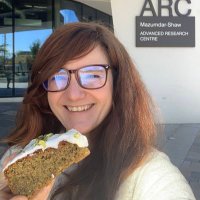
Dr. Caroline Muellenbroich is a Senior Lecturer at the School of Physics & Astronomy, University of Glasgow, where she develops advanced microscopy techniques for cardiac and neuro imaging. She joined the university in 2018 and is based at the Advanced Research Centre. Her work bridges physics, engineering, and biomedical sciences to create innovative imaging solutions. Dr. Muellenbroich received her physics education at the University of Heidelberg, Germany, and earned her PhD from the Institute of Photonics, University of Strathclyde, Glasgow in 2012. Her doctoral research focused on adaptive optics in advanced microscopy techniques. She then pursued postdoctoral research at the Biophotonics group at the European Laboratory for Nonlinear Spectroscopy (LENS) in Florence, Italy, where she implemented confocal light-sheet microscopy for whole mouse brain imaging and functional calcium imaging in Zebrafish. From 2016-2018, she worked as a researcher with the Italian National Institute of Optics, part of the Italian National Research Council. Dr. Muellenbroich's research focuses on developing and applying advanced optical imaging techniques, particularly light-sheet microscopy, for biomedical applications. Her work spans neuroscience and cardiology, with a strong emphasis on whole-brain imaging in model organisms and cardiac electrophysiology studies. She has made significant contributions to improving imaging fidelity, developing artifact removal techniques, and creating open-source microscope hardware. Her research bridges fundamental physics with practical biomedical applications, enabling new discoveries in brain function and cardiac physiology. Analysis of her recent publications reveals a strong focus on light-sheet microscopy applications in neuroscience and cardiology. Her work addresses technical challenges in whole-brain imaging, artifact reduction, and the development of novel optical approaches for studying brain activity and cardiac function. She has made important contributions to the field through both technical innovations in microscopy hardware and novel applications of these techniques to biological problems. Dr. Muellenbroich is actively involved in developing open-source approaches to microscope hardware, as evidenced by her 2022 Nature Methods publication "CAD we share? Publishing reproducible microscope hardware." Her research has been supported by various grants, though specific funding sources are not detailed in the available information. She leads research efforts in developing advanced microscopy techniques for cardiac and neuro imaging, working with interdisciplinary teams that include physicists, engineers, biologists, and medical researchers. Her laboratory likely focuses on pushing the boundaries of optical imaging to address challenging biomedical questions in brain function and cardiac physiology.