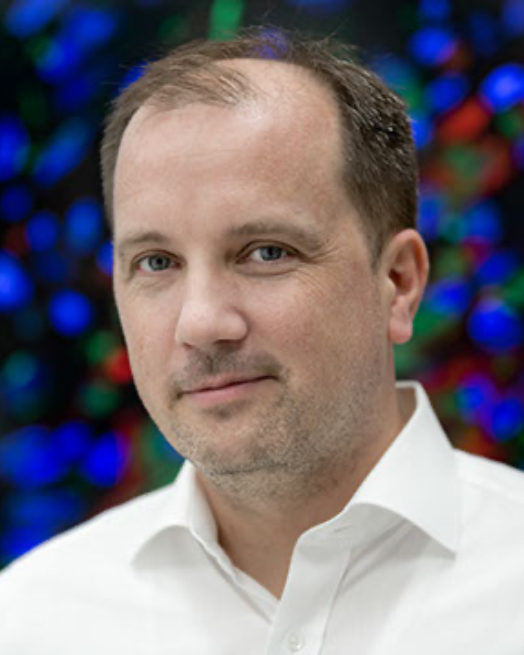
Thomas Wilson is a researcher at the Institute for Bioengineering of Catalonia (IBEC) and leads the Integrative Cell and Tissue Dynamics group. His work bridges interdisciplinary research at the frontier of engineering and life sciences, focusing on fundamental and applied bioengineering challenges. Research interests include: Biomaterials for neural and regenerative therapies Nanobioengineering and smart nano-bio-devices Cellular and molecular mechanobiology Biosensors and biomedical signal processing Protein phase transitions in disease Targeted therapeutics and spatial biotechnology
Abdulkerim Çapar is an Assistant Professor in the Faculty of Computer and Informatics at Istanbul Technical University, where he is affiliated with the Department of Computer Science. His research lies at the intersection of machine learning, image processing, and bioinformatics, with a strong emphasis on biomedical applications including digital pathology and neuroscience. His educational background includes a PhD in Computer Engineering from Istanbul Technical University, along with earlier degrees in Electronics and Communication Engineering from the same institution. He has also been a research assistant at both Istanbul Technical University and Wake Forest University Center for Artificial Intelligence. Dr. Çapar's research interests center on developing machine learning and computer vision methods for medical image analysis, particularly in fluorescence microscopy, myelin quantification, cervical and breast cancer diagnostics, and calcium imaging for neurological disorders. His work contributes to UN Sustainable Development Goals in health and innovation. His recent publications (2020–2024) reflect a strong trend in interpretable AI for histopathology, automated scoring systems for cancer biomarkers, and segmentation techniques for neural structures. He has published in high-impact journals such as PLoS ONE , IEEE JBHI , and Biomedical Signal Processing and Control . Scientific Awards: Dr. Akın Çakmakcı Thesis Award, Türkiye Technology Development Foundation, 2012 Memberships: Turkish Brain Research and Neurosciences Association (TÜBAS), 2019–present Grants and Projects: He has led or contributed to research on automated myelin detection, digitization of herbarium collections, and AI-assisted cervical cytopathology. He holds a patent for a method and system for automated myelin detection in fluorescence microscopy using machine learning. Labs and Collaborations: Dr. Çapar collaborates with interdisciplinary teams in neuroscience and medical imaging, including researchers from Wake Forest University and other Turkish institutions. His work involves close collaboration with medical experts in pathology and neurology.
Claudia Barros is an Associate Professor of Neuroscience and Principal Investigator at the Peninsula Medical School, Faculty of Health, University of Plymouth. She leads the Barros Team, focusing on neural stem cell biology and brain tumourigenesis using Drosophila and mammalian models. Education: Diploma in Biology/Genetics, Faculdade de Ciências, Universidade de Lisboa (1998, 1st class) PhD in Neural Stem Cell Division and Cell Fate, Gurdon Institute, University of Cambridge (2003) Postdoctoral Research, The Scripps Research Institute, USA (2009) Postdoctoral Research, Wellcome Trust Centre for Human Genetics, University of Oxford (2010) Leverhulme Early Career Fellow (2010–2013) Postgraduate Certificate in Academic Practice (PGCAP, 2014) Her research focuses on the molecular mechanisms governing neural stem cell quiescence, reactivation, identity, and transformation into brain tumour-initiating cells. Using Drosophila as an in vivo model, her lab investigates signaling pathways such as Hippo, Insulin Receptor, and TNF, translating findings into human brain tumour tissues and patient-derived stem cells. She is part of the Plymouth Brain Tumour Research Centre of Excellence sponsored by Brain Tumour Research, UK. Recent publications highlight her work on ribogenesis in tumour growth (EMBO Reports, 2024), TNF signaling in mitotic entry after CNS damage (Cell Reports, 2021), and STRIPAK regulation of neural stem cell reactivation (Cell Reports, 2019). Her research spans developmental neurobiology, cancer stem cells, and translational neuroscience, with strong emphasis on functional genetics and imaging. Scientific Awards and Recognitions: Leverhulme Early Career Fellowship Higher Education Academy Fellow (UK) Supervised student awards: First-place poster and third-place 3MT prize at Plymouth conferences She has supervised 6 PhDs (as Director of Studies) and 2 MRes students to completion, with 6 current PhD students. She has held leadership roles including Deputy Director of the Doctoral College, Faculty of Health, and Peninsula Medical School Postgraduate Research Coordinator. She teaches neuroscience, cancer biology, and stem cell development across medical, dental, and biomedical science programs. Her lab is funded by Brain Tumour Research, BBSRC, The Leverhulme Trust, and other major bodies. She is active in peer review and professional societies including the British Society for Cell Biology and European Association for Cancer Research.
Prof. Dr. Björn Scheffler is a leading researcher in translational neuro-oncology at the University of Duisburg-Essen (UDE), affiliated with the Medical Faculty and the West German Cancer Center (WTZ). His lab operates as an extramural division of the German Cancer Research Center (DKFZ) in Heidelberg under the German Cancer Consortium (DKTK), emphasizing a strong bridge between basic research and clinical application. His research focuses on human brain tumors, particularly glioblastoma, using stem cell biology and patient-derived models. Key areas include phenotypic plasticity of treatment-resistant cancer cells, the role of the immune system in cancer progression, development of novel anticancer therapeutics, and biomarker discovery for early-phase clinical trials. The lab fosters interdisciplinary collaboration with clinical neuro-oncology units at University Hospital Essen and national/international academic and industry partners. The most recent publications highlight groundbreaking work in tumor-immune interactions, such as the discovery of cranioencephalic lymphoid units in glioblastoma and mechanisms of immune evasion. Other studies explore subclone dynamics, drug repurposing (e.g., niclosamide), and advanced 3D tumor modeling. Collectively, these works reflect a consistent trajectory toward understanding tumor heterogeneity, resistance mechanisms, and innovative therapeutic strategies in neuro-oncology. Helmholtz Doctoral Prize awarded to Dr. Celia Dobersalske, a researcher in Prof. Scheffler's group, for work published in Nature Medicine on skull bone immunity in brain tumors. Research has led to new insights into pseudoprogression in glioblastoma and melanoma brain metastases using advanced PET imaging techniques. Prof. Scheffler mentors a dynamic team of clinician scientists, medical researchers, and students. His lab receives funding through DKFZ, DKTK, and national research programs, supporting a robust pipeline from bench to bedside. The team operates within a specialized research environment at the Zentrum für Molekulare Biomedizin (ZMB), equipped with advanced facilities for molecular and cellular oncology.
Professor Valeria Nicolosi is a leading academic in the Department of Chemistry and CRANN at Trinity College Dublin, specializing in advanced nanomaterials, particularly two-dimensional materials such as MXenes and their applications in energy storage, printed electronics, and electromagnetic shielding. Institution: Trinity College Dublin School: School of Chemistry Department: Department of Chemistry Research Center: CRANN (Centre for Research on Adaptive Nanostructures and Nanodevices) Her research focuses on the synthesis, characterization, and application of 2D materials, with a strong emphasis on liquid-phase exfoliation techniques. She investigates novel battery technologies including lithium-ion, potassium-ion, and sodium-ion systems, as well as supercapacitors and electrocatalysts for sustainable energy. Her work also extends to printed functional materials, conductive hydrogels for biomedical applications, and EMI-shielding composites. The recent publications highlight a consistent trend in energy materials, particularly in the development of high-performance battery electrodes using nanostructured materials like MXenes, 2D transition metal dichalcogenides, and nano-oxides. There is a strong focus on improving rate performance, areal capacity, and cyclability through material engineering and hybrid composites. Applications span from portable electronics to sustainable energy systems and environmental remediation. Notable scientific contributions include groundbreaking work on MXene-based inks, transparent conductive films, and flexible energy storage devices. She has published extensively in top-tier journals such as Nature Communications , Advanced Materials , ACS Nano , and Energy Storage Materials , reflecting her global impact in materials science. Professor Nicolosi actively mentors numerous graduate students and postdoctoral researchers, with many co-authored publications indicating a vibrant research group. She has been involved in significant collaborative projects, particularly with Professor Jonathan N. Coleman. Her research is supported by sustained publication output and integration into major scientific roadmaps such as the graphene and 2D materials roadmap. She also contributes to interdisciplinary efforts involving biomedical engineering and sustainable chemistry. Her laboratory focuses on nanomaterial synthesis, characterization (including electron microscopy), and device fabrication, particularly for energy and electronic applications. The team employs techniques such as liquid-phase exfoliation, ink formulation, aerosol jet printing, and electrochemical testing to develop next-generation functional materials.
Courtney C. Babbitt is an Associate Professor in the Department of Biology at the University of Massachusetts Amherst, with additional affiliation to the Commonwealth Honors College. Her research is centered in evolutionary genomics, focusing on gene regulation, cis-regulatory evolution, and phenotypic differences between humans and non-human primates. B.A., Columbia University, 1999 Ph.D., University of Chicago, 2005 Postdoctoral Training, Duke University, 2006–2013 Her research integrates computational and experimental approaches to study genome-wide changes in gene expression, noncoding RNA, and enhancer activity, particularly in neural and metabolic contexts across primates. She investigates how regulatory evolution shapes phenotypic innovation, with a focus on brain development and function. Recent publications highlight trends in primate brain gene expression, metabolic differences in neural cell types, and the functional evolution of regulatory elements. Her work frequently employs comparative genomics in human, chimpanzee, and other primates, using fibroblasts, neural progenitor cells, and brain tissues. While no personal scientific awards are listed, her students have received recognitions such as the Henry Little Award, UMass 21st Century Leadership Award, and travel awards for conference presentations, reflecting strong mentorship. Katie Rickelton – Outstanding Student Presentation, AABA 2025 Rithvik – Henry Little Award in BMB Chiruza – UMass 21st Century Leadership Award Dr. Babbitt actively advises graduate students and leads the Babbitt Lab for Evolutionary Genomics, which uses high-throughput sequencing and functional genomics to explore the genotype-to-phenotype map. The lab has secured ongoing research activity as evidenced by recent publications and student involvement. Current projects include functional testing of rapidly evolving cis-regulatory regions and comparative analyses of brain metabolism and extracellular matrix heterogeneity. The Babbitt Lab is located in Morrill Science Center III at UMass Amherst, with active research in neural cell type-specific gene expression, astrocyte activation, and evolutionary transcriptomics. The lab fosters a collaborative environment integrating bioinformatics and wet-lab techniques to address fundamental questions in evolutionary biology.
Yunus Ziya Arslan is a full professor at the Department of Robotics and Intelligent Systems, Institute of Graduate Studies in Science and Engineering, Turkish-German University. He also serves as the Dean of the Faculty of Science and Head of the Institute of Graduate Studies at the same university. Previously, he held associate professor positions at Istanbul University (2010–2020) and served as a visiting researcher at the University of Calgary and the Karlsruhe Institute of Technology. His research focuses on musculoskeletal biomechanics, computational modeling of human movement, and biomedical device design. Education: B.S. (2002), M.S. (2005), Ph.D. (2009) in Mechanical Engineering, Istanbul University. Research Interests: Dr. Arslan’s work spans biomechanical analysis of movement disorders, finite element modeling of orthopedic systems, and development of biomedical devices. His studies often integrate computational tools with clinical applications, such as surgical protocol evaluation and orthopedic implant design. Recent Research Trends: His articles emphasize applications of finite element analysis in spinal surgery instrumentation, machine learning for cerebral palsy gait prediction, and biomechanical validation of surgical techniques. A recurring theme is improving clinical outcomes through advanced modeling and material analysis. Administrative Roles: As Dean and Institute Head, he oversees academic programs in science and engineering, fostering interdisciplinary research initiatives. Labs/Teams: His work is conducted within the Robotics and Intelligent Systems department, collaborating with orthopedic clinics and bioengineering teams on biomechanical simulations and device prototyping.
Florian Solzbacher is a Professor in the Department of Electrical and Computer Engineering at the University of Utah, where he also served as Chair until December 2023. He holds adjunct professorships in Biomedical Engineering and Materials Science & Engineering, reflecting his interdisciplinary research profile. He is affiliated with the College of Engineering and leads research in harsh environment microsystems, neural interfaces, and implantable sensors. BS, Electrical Engineering, Universitat des Saarlandes, 1994 MS, Electrical Engineering, Technische Universitat Berlin, 1997 Dr.-Ing (Ph.D.), Engineering, Technical University Illmenau, 2003 Dr. Solzbacher's research focuses on harsh environment microsystems , including silicon carbide (SiC), SOI, and GaN materials, metallization systems for high temperatures, and silicon fusion bonding. His work extends to implantable sensors and neural interfaces , particularly in the development of wireless, biocompatible microsystems for biomedical applications. A significant portion of his recent research involves smart hydrogels for glucose and fentanyl sensing, employing ultrasound readout and microfluidic integration for point-of-care diagnostics. His expertise spans materials engineering, MEMS, and neural prosthetics. His recent publications reveal a strong trend toward minimally invasive, implantable sensors using smart hydrogels with ultrasound or optical readout. There is a focus on flexible, high-resolution neural electrode arrays for epilepsy and brain-computer interfaces, as well as artificial muscles based on twisted coiled polymers. His work bridges fundamental materials science with clinical translation, particularly in neuroengineering and metabolic monitoring. Fellow, National Academy of Inventors (NAI) Fellow, Institute of Electrical and Electronics Engineers (IEEE) Fellow, American Institute for Medical and Biological Engineers (AIMBE) Best of State winner in Applied Science/Technology Utah Best of State award, Medical Innovation Distinguished Innovation & Impact Award, University of Utah Distinguished Researcher Award, ECE Department Dr. Solzbacher has secured extensive research funding from NIH, NSF, DARPA, and private industry, supporting projects on neural interfaces, smart hydrogels, and auditory implants. He mentors graduate students through thesis research in PhD and MS programs. He is actively involved in technology commercialization, co-founding Blackrock Microsystems and holding multiple patents. He leads or participates in several advisory boards, including the FDA’s iBCI-CC, USTAR, and the European Research Council. His lab develops advanced microfabrication techniques for PCB-integrated MEMS and flexible neural arrays.
Mohammad Mehrali is an Assistant Professor specializing in Thermal Engineering, with an ORCID identifier and extensive research contributions. He maintains an h-index of 50 with over 7,000 citations, demonstrating significant academic impact since his first publication in 2012. Research Interests: Graphene-based nanomaterials Thermal conductivity optimization Phase change material innovation Nanofluid dynamics Composite material development His recent publications (2018-2019) focus on hybrid nanofluids for thermal systems, waste-derived biomaterials, and advanced solar energy conversion technologies. Key trends show integration of nanotechnology with both energy systems and biomedical applications.
Xuefeng Wei is an Associate Professor in the Department of Biomedical Engineering at The College of New Jersey. He earned his Ph.D. in Biomedical Engineering from Duke University in 2009. His research focuses on neural engineering, neural prosthetics, and computational neuroscience, with specialized expertise in deep brain stimulation technologies and neural interface design. Research Focus: Dr. Wei's work bridges computational neuroscience and biomedical device innovation. Key areas include: Development of novel electrode geometries to minimize tissue damage during neural stimulation High-frequency stimulation paradigms for neural modulation and desynchronization Computational modeling of sodium channel dynamics and axonal block mechanisms In-vivo validation of stimulation systems in hippocampal and thalamic networks Publication Trends: His 15 most recent articles (2005-2020) demonstrate consistent focus on optimizing neural stimulation through: Electrode design innovations (fractal, recessed, and segmented configurations) Advanced stimulation paradigms (time-varying, sinusoidal, high-frequency) Multiscale validation (computational models, rat hippocampus, nonhuman primates) Applications in epilepsy management and arousal regulation Honors: Support of Scholarly Activities (SOSA) Award (2023) Academic Service: Faculty Senate Representative (2021-2024) Strategic Plan Implementation Committee (2021-Present) PRC Committee Member (2022, 2024) Committee on Student and Campus Community (2025)
Rebecca J Shipley, MD, serves as an Assistant Professor at UMass Chan Medical School within the Department of Emergency Medicine and the T.H. Chan School of Medicine. Her academic foundation includes a BS in International Health from Georgetown University and an MD from Emory University. Dr. Shipley has established herself as an interdisciplinary researcher bridging mathematical modeling with biomedical applications. Her research interests focus on applying mathematical and computational approaches to biomedical problems, particularly in nerve tissue engineering, peripheral nerve regeneration, microvascular network modeling, and biomechanics. Dr. Shipley's work demonstrates a consistent trajectory from fundamental mathematical modeling to translational applications in tissue engineering and regenerative medicine. Her expertise spans mathematical modeling, computational biology, and biomedical engineering, with particular emphasis on quantitative approaches to understanding biological systems. Analysis of her recent publications reveals a strong focus on developing computational frameworks for nerve regeneration, vascular modeling, and drug delivery systems. Her work often integrates experimental data with sophisticated mathematical models to address challenges in tissue engineering and regenerative medicine. A notable trend in her research is the increasing use of machine learning techniques combined with physics-based modeling approaches. Dr. Shipley has collaborated extensively with researchers including Phillips JB, Sweeney PW, Walker-Samuel S, and others across multiple institutions. Her work demonstrates significant interdisciplinary reach, connecting mathematics, engineering, and clinical medicine. While formally affiliated with Emergency Medicine, her research portfolio aligns more closely with biomedical engineering and computational biology, highlighting her role as an interdisciplinary scientist bridging quantitative methods with biomedical applications.
Carsten Werner is a Professor for Biofunctional Polymer Materials at the Technical University of Dresden , affiliated with the Center for Regenerative Therapies Dresden and the Department of Chemistry and Food Chemistry . He serves as the head of the Institute Biofunctional Polymer Materials within the Max Bergmann Center of Biomaterials.
Dr. Philippa Warren is a Senior Lecturer at King's College London's Institute of Psychiatry, Psychology & Neuroscience (IoPPN), where she leads an independent research group focused on spinal cord injury recovery mechanisms. Based at the Wolfson Sensory, Pain and Regeneration Centre, she holds a prestigious Wellcome Trust & Royal Society Sir Henry Dale Fellowship and serves as Race Equality Champion for her department. Her research interests center on understanding physiological deficits following neurological trauma, with particular focus on respiratory and locomotor function recovery after spinal cord injury. Using advanced techniques including respiratory physiology, X-ray videography, neuroimaging, chemogenetics, and viral vector therapeutics, her lab develops translational approaches to restore normal breathing and movement in chronic injury cases. Her work bridges basic neuroscience with clinical applications, targeting the spinal-motor axis for therapeutic intervention. Warren's publication record demonstrates consistent focus on chronic spinal cord injury recovery, particularly respiratory function restoration. Her research shows progression from basic mechanisms of neural plasticity to development of specific therapeutic approaches including viral vector delivery systems, chondroitinase treatments, and neurotrophin-based interventions. The work spans from fundamental physiological characterization to pre-clinical therapeutic development. Sir Henry Dale Fellowship (Wellcome Trust & Royal Society) King's Prize Fellowship Guarantors of Brain Travel Award (2018) Trainee Professional Development Award (2018) Dr. Warren actively supervises research within her laboratory and contributes significantly to educational programs, co-leading Stem Cell and Spinal Cord Injury MSc programs while lecturing across undergraduate and postgraduate courses. Her research is supported by multiple major grants including projects from the Wellcome Trust, EPSRC, MRC, and International Spinal Research Trust, totaling millions in funding for investigations into chronic motor recovery, respiratory function restoration, and neural circuit dissection. The Warren Laboratory, situated within King's College London, represents a dynamic team applying state-of-the-art approaches to address the critical challenges of spinal cord injury recovery, with particular emphasis on respiratory function that affects quality of life for millions worldwide.
Xiaofeng Jia, BM, PhD, FCCM is a tenured Professor in the Department of Neurosurgery at the University of Maryland School of Medicine with secondary appointments in Neurobiology and Orthopaedics. He also serves as an adjunct professor in the Department of Biomedical Engineering at Johns Hopkins University School of Medicine. Dr. Jia directs the Neurosurgical Stem Cell Research laboratory and the Translational Neuroengineering and Neuroscience Laboratory at the University of Maryland, Baltimore (UMB). His academic journey includes an MD from Zhejiang Medical University (1994), an MS in Surgery from Shanghai Medical University (1997), and a PhD in Surgery (Orthopaedics) from Fudan University (2003), followed by postdoctoral training in Biomedical Engineering at Johns Hopkins University (2004-2007). Dr. Jia's primary research interests span stem cell therapy, peripheral nerve injury and regeneration, brain recovery after cardiac arrest, metabolic glycoengineering, brain monitoring and therapeutic hypothermia, spinal cord injury, and bone regeneration. His laboratory focuses on three major research thrusts: 1) Developing glycan-based interventions via metabolic glycoengineering to improve neural stem cell therapies for brain recovery after cardiac arrest; 2) Enhancing adipose stem cell adhesion and differentiation for peripheral nerve regeneration; and 3) Exploring pathological mechanisms and novel therapeutic methods for spinal cord injury. His work bridges fundamental neuroscience with clinical applications, emphasizing translational approaches to neurological injuries. Analysis of Dr. Jia's recent publications reveals a strong trend toward metabolic glycoengineering of neural stem cells for treating brain injury after cardiac arrest, with significant emphasis on neuroinflammation regulation and comparative therapeutic efficacy studies. His research consistently integrates advanced biomaterials, stem cell engineering, and sophisticated neurological monitoring techniques to develop novel interventions for neurological recovery. Society of Critical Care Medicine Star Research Achievement Award (2021, 2022, 2023) Society of Critical Care Medicine Presidential Citation Award (2022) NIH/NINDS RO1 grants as PI (2018-2027) Highlighted in NIH Research Matters and NIH Research Highlights (2015) Recipient of AAHS Annual Research Award (2008) Dr. Jia has secured substantial research funding including multiple NIH/NINDS RO1 grants as Principal Investigator, Maryland Stem Cell Research Fund awards, and American Heart Association funding. He serves as Editor-in-Chief of the International Journal of Molecular Sciences (Section: Molecular Pathology, Diagnostics, and Therapeutics) and has held numerous editorial positions with Frontiers journals. His professional leadership includes serving as Chair of the Research Section Steering Committee for the Society of Critical Care Medicine (SCCM) and as a Chartered Member of NIH study sections. Dr. Jia's laboratory maintains active collaborations with Johns Hopkins University and focuses on developing clinically translatable interventions for neurological injuries.
Steven M. Yellon is a Professor in both the Physiology Division of Basic Sciences and the Department of Gynecology and Obstetrics at Loma Linda University School of Medicine. His research focuses on the physiological mechanisms underlying pregnancy, parturition, and preterm birth, with particular emphasis on cervical remodeling processes and neural regulation of birth. Dr. Yellon's educational background includes: PhD from University of Michigan Ann Arbor (1985) MA from University of Connecticut (1981) BA from University of Kansas (1977) Bachelor of Arts from Hartwick College (1974) Dr. Yellon's research primarily investigates the complex interplay between neural, endocrine, and immune factors in cervical remodeling during pregnancy and parturition. His work has established critical connections between vagus nerve signaling, macrophage activity, and progesterone regulation in the processes leading to both term and preterm birth. Through innovative approaches using murine models, he has made significant contributions to understanding how inflammation triggers preterm labor and how potential interventions might prevent it. Analysis of Dr. Yellon's recent publications (2020-2025) reveals a strong focus on translational approaches to prevent preterm birth, with particular attention to nanoformulation drug delivery systems, macrophage phenotypes in cervical tissue, and the role of N,N-dimethylacetamide as a potential therapeutic agent. His work increasingly integrates advanced imaging techniques with molecular analyses to provide comprehensive understanding of cervical remodeling processes. Dr. Yellon has secured significant research funding through multiple NIH grants as Principal Investigator, including projects focused on: Prevention of Inflammation Driven Cervix Remodeling and Preterm Birth (2020-2022) Neural Regulation of Prepartum Cervical Ripening (2011-2017) Vagus nerve stimulation modulating neuroinflammation (2018-2020) Dr. Yellon maintains an active laboratory investigating the immunological, neural, and hormonal regulation of cervical ripening and parturition. His team employs a multidisciplinary approach combining molecular biology, histology, imaging techniques, and physiological measurements in both murine and human tissue models to advance understanding of the complex processes leading to birth.