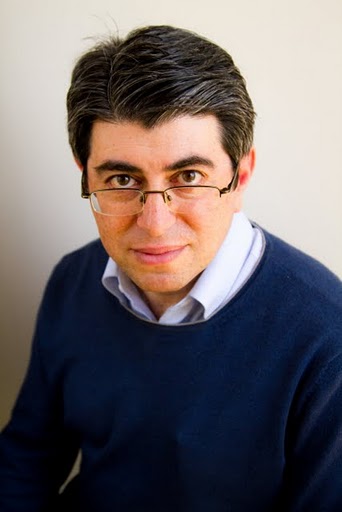
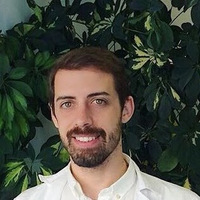
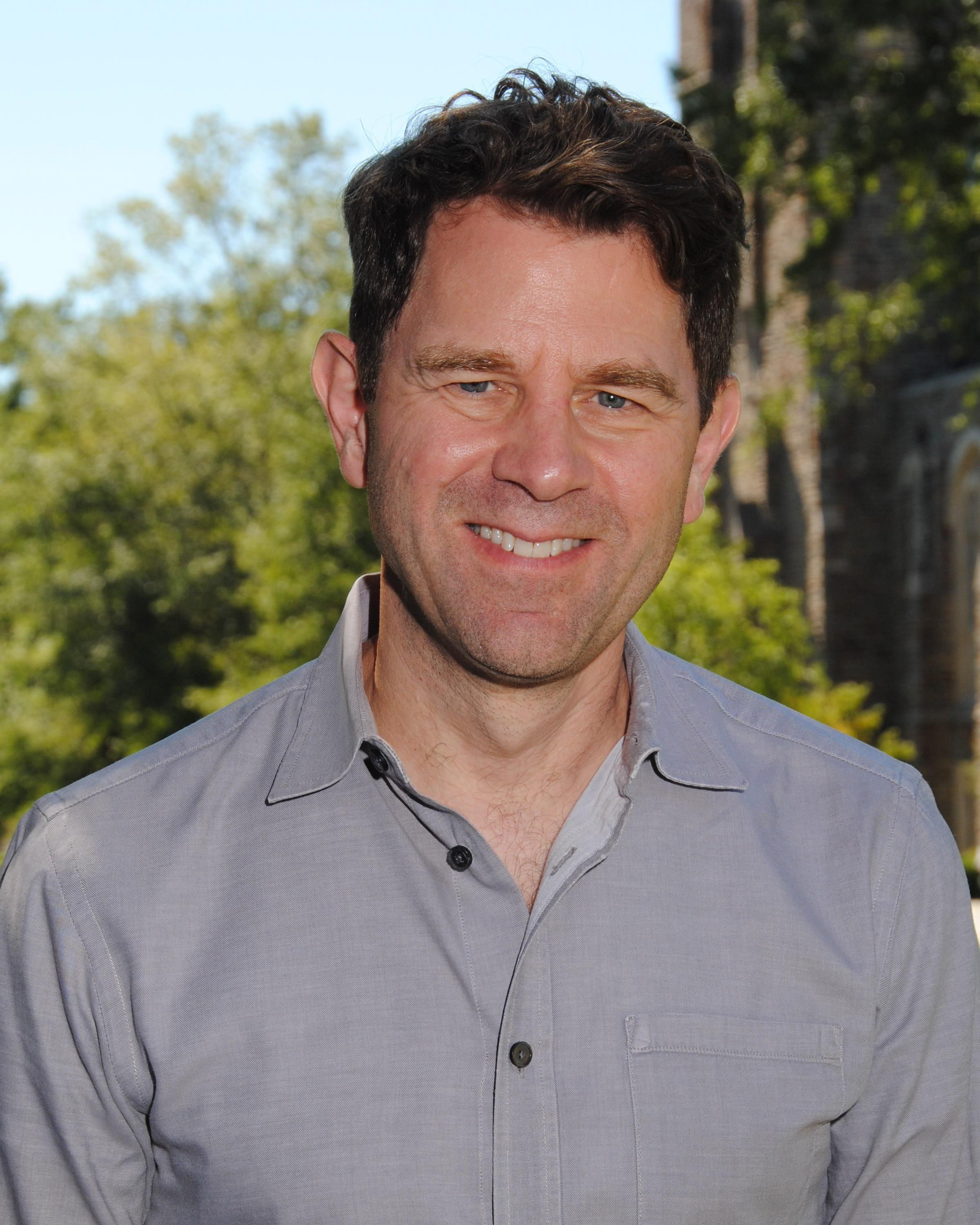
Associate Professor Socrates Dokos is Deputy Head of the Graduate School of Biomedical Engineering at UNSW Sydney. His research focuses on computational modeling of electrical and mechanical properties in excitable tissues, with over 160 publications and a sole-authored textbook on Modelling Organs, Tissues, Cells and Devices . He leads interdisciplinary work combining computational modeling, systems identification, and experimental electrophysiology. Current IEEE EMBC Editor for Computational Systems & Synthetic Biology Member of EMBS Technical Committee on Therapeutic Systems and Technologies Key research areas involve Cardiac electrical and mechanical function modeling Retinal neural stimulation simulations Electroconvulsive therapy (ECT) optimization Biomechanical modeling of tissues and devices Parameter optimization for ionic cell models Cardiovascular-rotary blood pump interactions His recent publications demonstrate expertise in multi-scale biological modeling, cardiac hemodynamics, retinal prosthetics, and therapeutic neuromodulation techniques. He actively engages in developing standards for the Modeling Markup Language (MML) framework. Contact: Room 506, Samuels Building (F25), UNSW Sydney. Email: s.dokos@unsw.edu.au . ORCID: 0000-0002-7399-2712
Xiaofei Xie is an Assistant Professor at the School of Computing and Information Systems (SCIS), Singapore Management University (SMU). He received his PhD from Tianjin University in 2018 and was a postdoctoral researcher at Nanyang Technological University (2018-2021) before joining SMU in 2022. His research focuses on software engineering, AI systems, and cybersecurity. Dr. Xie's primary research areas include program analysis, software testing, vulnerability detection, and quality assurance of AI systems. His work spans: Testing methodologies for autonomous systems and games AI security including backdoor detection and model robustness Automated program repair and code generation Formal methods and semantic code analysis His recent publications demonstrate strong emphasis on AI/ML system testing, cybersecurity applications, and program analysis techniques. Research trends show increasing focus on LLM-based program repair, autonomous system validation, and federated learning security. Major Awards: ACM SIGSOFT Distinguished Paper Awards (ASE'23, ISSTA'22, ASE'19, FSE'16) CCF Outstanding Doctoral Dissertation Award (2019) 3rd place in AI Singapore's Trusted Media Challenge (2022) Wallenberg-NTU Presidential Postdoctoral Fellowship (2019) APSEC Best Paper Award (2020) He currently advises 7 PhD/Master's students including CHENG Mingfei, KONG Jiaolong, and YU Jiongchi. Dr. Xie leads research in software reliability and AI security at SMU's SCIS.
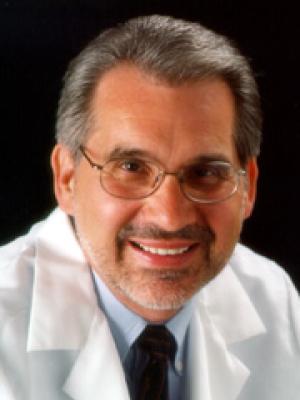
Dr. Lee S. Berk is the Associate Dean of Research at the School of Allied Health Professions and an Associate Research Professor in the Department of Pathology and Human Anatomy at the School of Medicine , Loma Linda University . His research spans psychoneuroimmunology , focusing on the physiological effects of mirthful laughter , humor , and neuroendocrine responses on stress, immune function, and brain health. Dr. Berk has served on numerous committees, including the Loma Linda University Health Research Oversight Committee and Board of Directors of the American College of Lifestyle Medicine . He has been an Editorial Board Member for the Journal of Physical Therapy and Rehabilitation and Advances in Mind-Body Medicine . His advisory roles include mentoring doctoral candidates Olivia Moses and Micheline Vargas . Over his career, Dr. Berk has been extensively featured in media outlets (e.g., CNN , NPR , Newsweek ) and has contributed to over 150 peer-reviewed publications. His work explores EEG gamma wave modulation , anti-oxidant effects on autism , and exercise interventions for inflammation and metabolic health . Current projects include studies on brain health , type 2 diabetes , and religious cognitive-behavioral therapy outcomes.
Dr Robert Cattley is a Senior Research Fellow at the University of Huddersfield , affiliated with the School of Computing and Engineering and Centre for Efficiency and Performance Engineering . His research focuses on industrial condition monitoring, fault detection in mechanical systems, and energy harvesting technologies. MSc (Process Plant Engineering, Cranfield University, 2003) PhD (Engineering, Lancaster University, 2009) Research interests span rotor dynamics , diesel engine diagnostics , wind turbine condition monitoring , and multivariate statistical analysis . His work contributes to UN Sustainable Development Goals for affordable clean energy and industrial innovation . Recent publications demonstrate expertise in machine learning applications for fault detection, wavelet packet analysis of turbine blades, and energy regeneration systems for combustion engines. Collaborations extend to institutions in China, Norway, and the UK. Active PhD supervisor and industry consultant Leader in RADAR condition monitoring and lubricant additive assessment projects He works full-time in the Department of Engineering , continuing applied research in mechanical fault diagnosis and energy-efficient systems.
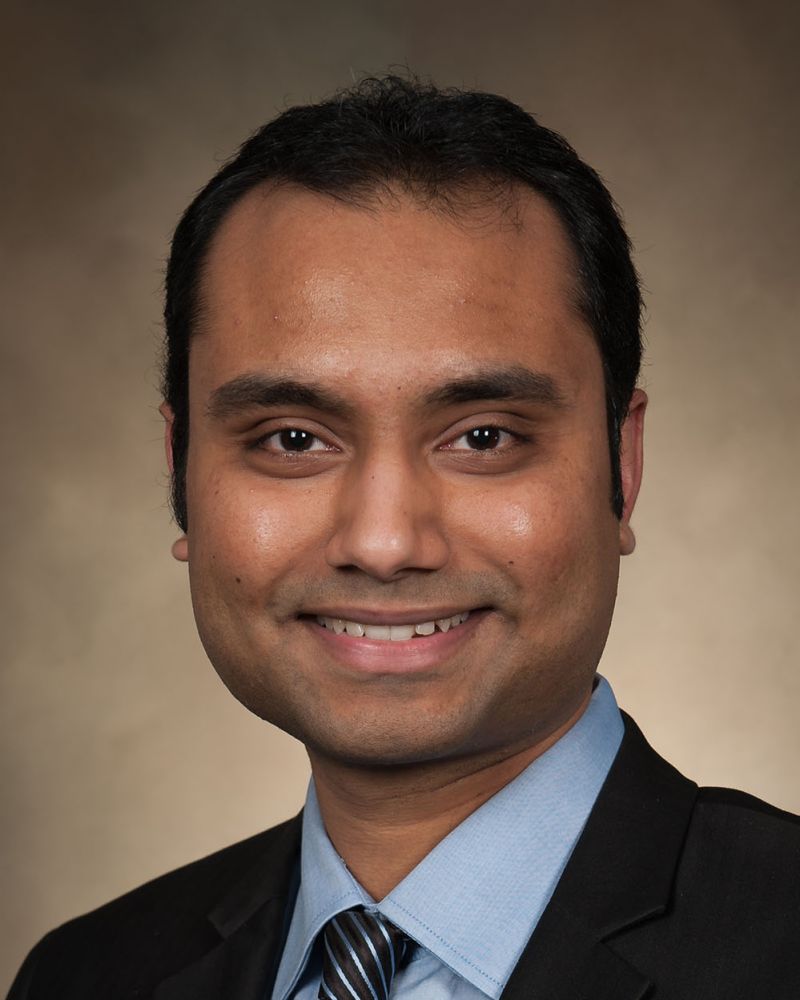
Dr. Shreyas S. Rao is an Associate Professor in the Department of Chemical and Biological Engineering at The University of Alabama, College of Engineering. He leads the Rao Laboratory, which is affiliated with the Polymers and Soft Materials Research Center. His research focuses on engineering 3D biomaterial scaffolds to model cancer microenvironments, particularly in metastatic breast cancer and brain metastases. Dr. Rao earned his Ph.D. and M.S. in Chemical Engineering from Ohio State University and a B.E. from R.V. College of Engineering, India. He joined The University of Alabama in 2015 after a postdoctoral position at the University of Michigan. His research interests lie at the intersection of biomaterials, cancer biology, and systems engineering. He develops hydrogel and porous scaffolds to mimic in vivo tissue conditions, enabling the study of tumor dormancy, drug resistance, and metastatic progression in physiologically relevant models. His lab integrates biomaterial design with systems biology to uncover mechanisms of therapeutic resistance and devise strategies to reprogram the tumor microenvironment. The recent publications from his lab highlight a strong focus on metastatic cancer, particularly brain metastasis in breast cancer, tumor dormancy, immune interactions, phage-based therapeutics, and biomimetic modeling. The work spans from fundamental biomaterial design to translational applications in drug screening and personalized medicine. CAREER Award, National Science Foundation, 2018 Grant recipient, Breast Cancer Research Foundation of Alabama, January 2024 Named 'Emerging Leader in Biological Engineering,' Journal of Biological Engineering, 2019 Reichhold-Shumaker Assistant Professorship, The University of Alabama, 2017 Ohio State College of Engineering’s Texnikoi Outstanding Alumni Award, 2024 National Academy of Inventors (NAI) Inductee, 2024 American Cancer Society Research Scholar Award METAvivor Early Career Investigator Award Dr. Rao has successfully advised numerous graduate and undergraduate students, many of whom have received national fellowships and awards. His research is supported by grants from the NSF, American Cancer Society, BCRFA, and METAvivor. He collaborates with researchers at institutions such as the University of Alabama at Birmingham, Ohio State University, and UNC/NCSU. The Rao Lab also engages in outreach, mentoring high school and undergraduate students through programs like Randall Research Scholars and REU. The Rao Laboratory operates within the Science and Engineering Complex and is part of a broader network of research centers including the Polymers and Soft Materials Research Center and the Integrative Center for Athletic and Sport Technology. The lab fosters interdisciplinary collaboration and innovation in bioengineering and cancer therapeutics.
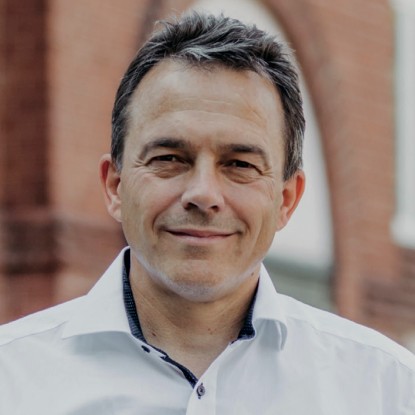
Prof. Rolf Findeisen is a Professor in the Department of Control and Cyber-Physical Systems (CCPS) at Technische Universität Darmstadt. His work focuses on advancing control theory and its applications in cyber-physical systems, autonomous systems, and energy storage systems. Key areas include model predictive control (MPC), battery management systems, machine learning integration into control frameworks, and optimization of crystallization processes. He leads research on safety-critical systems, data-driven control methods, and interdisciplinary applications in robotics and biotechnology. His research spans theoretical advancements in MPC stability, stochastic control, and Gaussian process modeling, alongside practical implementations in autonomous vehicles, lithium-ion battery systems, and bioprocess optimization. Notable contributions include frameworks like HILO-MPC for integrating machine learning with control systems, and methodologies for safe exploration in autonomous navigation. Prof. Findeisen's publications emphasize energy-efficient trajectory planning, fault detection in battery systems, and real-time optimization of manufacturing processes. His work bridges academic theory with industrial applications, addressing challenges in scalability, safety, and computational efficiency. His lab collaborates on national projects like IN-Fly-Tec and INFLIGHT, focusing on innovative flight control systems and sensor technologies. Current research trends include hybrid intelligent optimization, cybergenetic control of microbial systems, and safe reinforcement learning for control systems.
Holger Gerhardt is a postdoctoral researcher at the Department of Economics , Institute for Applied Microeconomics , University of Bonn , and serves as Lab Manager at BonnEconLab . He is affiliated with the Center for Economics and Neuroscience (CENs) and ECONtribute: Markets & Public Policy . His research bridges economics, psychology, and neuroscience to investigate human decision-making under risk, time, and social contexts. Ph.D. in Economics , Humboldt-Universität zu Berlin (summa cum laude) Diplom-Volkswirt (M.Sc. equivalent), Humboldt-Universität zu Berlin His research focuses on experimental and behavioral economics , with strong emphasis on neuroeconomics . Key interests include risk and time preferences , loss aversion , cognitive load effects , social decision-making , and the neurochemical modulation of behavior via oxytocin . He employs experimental methodologies, including neuroimaging and pharmacological interventions, to understand the psychological and neural mechanisms behind economic choices. His recent publications (2020–2024) reveal a consistent focus on preference estimation , social discounting , emotional modulation of risk , and neurochemical influences on norm compliance . His work appears in top journals such as Review of Economic Studies , PNAS , and Frontiers in Psychology , often using innovative experimental designs, including online platforms and neuroeconomic paradigms. WWG Prize for best diploma degree (2004/05 winter term) Dr. Gerhardt advises and collaborates with interdisciplinary teams across neuroscience and economics. He has not received specific grant mentions in the provided text but leads experimental infrastructure as Lab Manager. He is actively involved in ongoing research, including recent 2024 working papers on preference parameter estimation. He is associated with the BonnEconLab, a key experimental economics laboratory supporting behavioral and neuroeconomic research at the University of Bonn.
Dr. Katherine Beck is an NIHR Clinical Lecturer at King’s College London’s Institute of Psychiatry, Psychology & Neuroscience and an Honorary Consultant Psychiatrist at South London and Maudsley NHS Foundation Trust. She completed her PhD on neuroimaging in psychosis funded by Rosetrees Trust and Royal College of Psychiatrists. Her research focuses on schizophrenia neurobiology, glutamate systems, and treatment-resistant psychosis. Education: PhD (King’s College London), Medical Degree. Research interests include neuroimaging techniques (PET/MRI), glutamate dysregulation in schizophrenia, and novel drug development targeting neural circuits. She leads studies on NMDA receptors, clozapine efficacy, and psychedelic drugs’ psychiatric implications. Key awards include Royal Society of Medicine and Schizophrenia International Research Society recognitions. She developed a specialized service for treatment-resistant schizophrenia patients and collaborates internationally across 15 countries.
Shuai Zhao is an Assistant Professor at the AAU Energy Department, Faculty of Engineering and Science, Aalborg University. His research focuses on applying machine learning and artificial intelligence techniques to enhance reliability and condition monitoring in power electronic systems, with specific interests in lifetime estimation, fault diagnosis, and health management of critical components like capacitors and semiconductor devices. Institution: Aalborg University School: Faculty of Engineering and Science Department: AAU Energy Email: szh@energy.aau.dk His research spans multiple domains including: Physics-informed machine learning for power converter systems Remaining useful life prediction with hybrid Bayesian deep learning Thermal transient analysis and stress emulation methods IoT-enabled monitoring schemes for semiconductor devices Neural network applications in lithium-ion battery prognostics Recent publications show a strong trend toward integrating domain-specific physics with machine learning frameworks to address real-world challenges in: Power electronics reliability under operational stress Anomaly detection in multivariate time-series data Robust fault diagnosis for railway traction systems Temperature estimation in electric vehicle motors Imbalanced data handling in diagnostic systems Capacitance degradation modeling under environmental factors Current projects demonstrate collaboration with leading institutions on: AI-assisted long-term maintenance strategies Physics-informed neural network architectures Smart agricultural monitoring systems via IoT platforms Advanced particle filter methods for life prediction
Alexandros Poulopoulos, PhD, serves as Associate Professor in the Department of Pharmacology & Physiology at the University of Maryland School of Medicine. His research integrates synthetic biology with developmental neuroscience to pioneer molecular therapeutics for neurogenetic disorders through advanced CRISPR-based genome editing technologies. Education: BSc in Biology, University of Athens, Greece (2003) PhD in Neuroscience, University of Göttingen, Germany (2008) Postdoctoral Fellow, Max Planck Institute for Experimental Medicine (2009) Postdoctoral Fellow (EMBO fellow), Massachusetts General Hospital (2012) Postdoctoral Fellow (HFSP fellow) and Research Associate, Harvard University (2016) Dr. Poulopoulos' research focuses on cortical development, synaptogenesis, and neurogenetic disease mechanisms. His lab develops precision CRISPR agents like Cas9-RC for in vivo somatic genome editing, targeting conditions including epilepsy, autism, schizophrenia, and neurodegeneration. Key investigations explore mTOR signaling pathways, cell adhesion molecules (particularly Neuroligin), and CRISPR delivery systems using in utero electroporation. His work bridges fundamental synaptic biology with therapeutic applications for brain disorders. Analysis of recent publications (2023-2025) reveals three dominant research trajectories: 1) Advancement of prime editing technologies for modeling rare epilepsies (particularly GRIN2A-related disorders), 2) Elucidation of synaptic organization mechanisms through phosphorylation-dependent neuroligin localization and axon guidance principles, and 3) Development of novel delivery platforms including focused ultrasound-mediated blood-brain barrier penetration and nanoparticle systems. These efforts demonstrate a clear progression from basic synaptic biology toward clinically translatable genome editing therapies. Scientific Awards: NIH TARGETED Challenge, phase II winner (2025) Society for Neuroscience Greater Baltimore Chapter President (2024) GPILS Teacher of the Year Award, University of Maryland (2020) NIH Director's New Innovator Award (2019) Harvard Distinction in Teaching Award (2015) Human Frontier Science Program Fellowship (2012) EMBO Fellowship (2010) Max Planck Society Otto Hahn Medal (2009) Dr. Poulopoulos leads the Poulopoulos Lab (poulab.org), which operates within the University of Maryland's Center for Innovative Medicine. His team comprises postdoctoral fellows, graduate students, and research technicians focused on CRISPR agent development and neurogenetic disease modeling. Current funding includes NIH New Innovator Award support for precision genome editing platforms and recent success in the NIH TARGETED Challenge for rare epilepsy therapeutics. He actively mentors PhD candidates through the Graduate Program in Life Sciences (GPILS) and serves as course director for advanced neuroscience modules. The lab employs cutting-edge approaches including single-cell transcriptomics of neuronal compartments, in utero prime editing, and light-sheet imaging of developing cerebellar circuits. Collaborations with clinical neurologists at UMMC and industry partners accelerate translation of their CRISPR-Cas9-RC system toward correcting genomic lesions in neurodevelopmental disorders, with particular emphasis on patient-specific epilepsy models.
John A. Stanford is a Professor in the Department of Cell Biology and Physiology at the University of Kansas School of Medicine, serving as Associate Dean for Research and Graduate Education since 2004. He also directs the Kansas IDeA Network for Biomedical Research Excellence (K-INBRE), a multi-institutional initiative enhancing undergraduate research training. His academic credentials include: BA in Psychology, University of Mississippi MA in Psychology, University of Kansas PhD in Psychology, University of Kansas Post Doctoral Fellowship in Neurobiology of Aging, University of Colorado & University of Kentucky Dr. Stanford employs systems neuroscience and rodent models to investigate motor dysfunction in Parkinson's disease, ALS, neonatal jaundice, and aging. His lab pioneered bulbar deficit studies in ALS rodent models and explores isometric strength training's impact on disease progression. Current projects examine neonatal hyperbilirubinemia's neurological effects and obesity-neurodegeneration links through metabolic challenge studies. Analysis of his 15 most recent publications (2021-2025) reveals dominant focus on exercise interventions for neurodegenerative diseases, particularly resistance training in ALS and aging models. Key themes include mitochondrial function in brain aging, intrinsic aerobic capacity as a protective factor, and metabolic challenges exacerbating neurodegeneration. His work bridges basic neuroscience with translational applications through innovative rodent exercise paradigms. Award Recognition: Fellow, American Society for Neural Therapy and Repair As K-INBRE Program Director, Dr. Stanford manages federal grants supporting undergraduate research across 10 institutions. His NIH-funded research examines motor deficits and neuroprotective strategies, with mentorship extending to graduate students and postdocs. His laboratory maintains expertise in operant behavioral methods and neuromuscular physiology. Current initiatives include developing resistance exercise protocols for preclinical studies and investigating gut-brain axis interactions in obesity-related neurodegeneration, with ongoing work translating rodent findings to human clinical applications.
Dr. Rebecca Schaefer is an Associate Professor at Leiden University , affiliated with the Faculty of Social and Behavioural Sciences and the Health, Medical- and Neuropsychology department. She leads the interdisciplinary Music, Brain, Health & Technology research group, integrating clinical neuropsychology, cognitive neuroscience, and music psychology. PhD, Donders Institute for Brain, Cognition and Behavior (Radboud University Nijmegen) MSc, Clinical Neuropsychology (University of Amsterdam) MSc, Music Cognition (Keele University, UK) Research Interests Her work focuses on clinical applications of music, including: Musical interactions and neural processes Music technology for health interventions Movement entrainment to music Music imagery and its cognitive effects Learning musical skills and their neural underpinnings Behavioral and neural mechanisms in rehabilitation Grants & Collaborations Dr. Schaefer has secured major funding, including: NWO Aspasia grant (2019-2023, €150K) NWA-WECOM grant for SNAAR Festival (2020, €50K) Leverhulme Trust Early Career Fellowship (UK) FP7-PEOPLE-2010-IEF grant (€200K) Carnegie Trust Larger Grant (2013-2015, £50K as co-applicant) She collaborates with AI researchers, computational musicologists, composers, and medical professionals to translate musical engagement into therapeutic applications. Teaching & Leadership Dr. Schaefer teaches in the Psychology BSc and MSc programs, supervises MSc theses, and co-teaches a Music Cognition module in the Humanities Faculty. She also contributes to the Academy of Creative and Performing Arts.
Rubén Pérez Elvira is a Researcher at the Universidad Pontificia de Salamanca , affiliated with the Faculty of Psychology and Department of Biological and Health Psychology . His work focuses on neuropsychology , psychophysiology , and neurofeedback interventions for clinical populations. Research Interests His research explores quantitative EEG patterns in disorders like ADHD , learning disabilities , and fibromyalgia , with methodological expertise in decision-tree modeling , systematic reviews , and operant conditioning principles . Notably, he investigates how neurofeedback protocols (e.g., Live Z-Score Training) modulate theta/beta ratios and alpha peak frequency biomarkers in developmental and neurological conditions. Key Articles Recent studies include EEG activation during mindfulness for memory encoding (2024), factorial models of attention in ADHD (2024), and physical activity's cognitive effects in aging (2024). Earlier work (2020-2021) examines neurofeedback efficacy , comorbidities in ADHD , and deep encoding benefits in Alzheimer's .
Miiamaaria Kujala is an Academy Research Fellow at the Department of Psychology, University of Jyväskylä. Her research focuses on social cognition and emotionality in humans and non-human animals, particularly domestic dogs, through interdisciplinary collaboration across psychology, cognitive science, biology, veterinary medicine, and biomedical engineering. Academy Research Fellow (2024) Docent in Comparative Cognitive Neuroscience Her work employs non-invasive physiological methods such as eye gaze tracking, EEG/ERPs, thermal imaging, and fMRI to study emotional expressions, cross-species interaction, and the neural basis of social perception. Key themes include the development of expertise in decoding nonverbal cues, human-animal bond dynamics, and One Health/One Welfare frameworks. Recent publications highlight interdisciplinary approaches to canine emotionality, pharmacological behavior management in pets, and advanced sensor technologies for behavior classification. Her 2024 articles explore olfaction, empathy, and activity tracking in dogs, while older works examine contagious behaviors, social brain circuits, and developmental psychology in human-animal interactions. Scientific awards include the Academy Research Fellow fellowship. She leads the "Interaction of Dogs and Humans" research group, integrating expertise from psychology, veterinary medicine, and engineering to advance understanding of emotional and cognitive processes across species.
Tobias Egner is Professor of Psychology and Neuroscience at Duke University. He serves as Chair of Psychology and Neuroscience and is affiliated with the Duke Initiative for Science & Society, Center for Brain Imaging and Analysis, Center for Cognitive Neuroscience, and Duke Institute for Brain Sciences. Ph.D. and B.S. from University of London Postdoctoral training at Columbia University (2003-2006) and Northwestern University (2006-2009) His research focuses on cognitive control —how internal goals guide behavior—and spans computational modeling, neuroimaging, and neurostimulation studies of task switching , cross-task interference , and cognitive stability/flexibility trade-offs . Recent work investigates domain-specific cognitive flexibility and one-shot stimulus-control learning . Articles reveal neural substrates in prefrontal cortex, caudate nucleus, and parietal regions. Key themes in his 15 most recent publications (2024-2025) include cognitive stability , task-set reactivation , contextual adaptation , and neural dynamics across disciplines like Neuroscience, Cognitive Psychology, and Computational Modeling. Scientific Honors : Mid Career Award (BACN, 2024), Fellow (APS & Psychonomic Society), Honorary Guest Professor (Southwest University, China) Grants include the Duke-NCCU Interdisciplinary Postdoctoral Training Program (2024-2029), Neurocognitive Mechanisms of Control (2023-2028), and Mechanisms of Social Behavior (2016-2026). He teaches courses in cognitive neuroscience and advanced research methods.