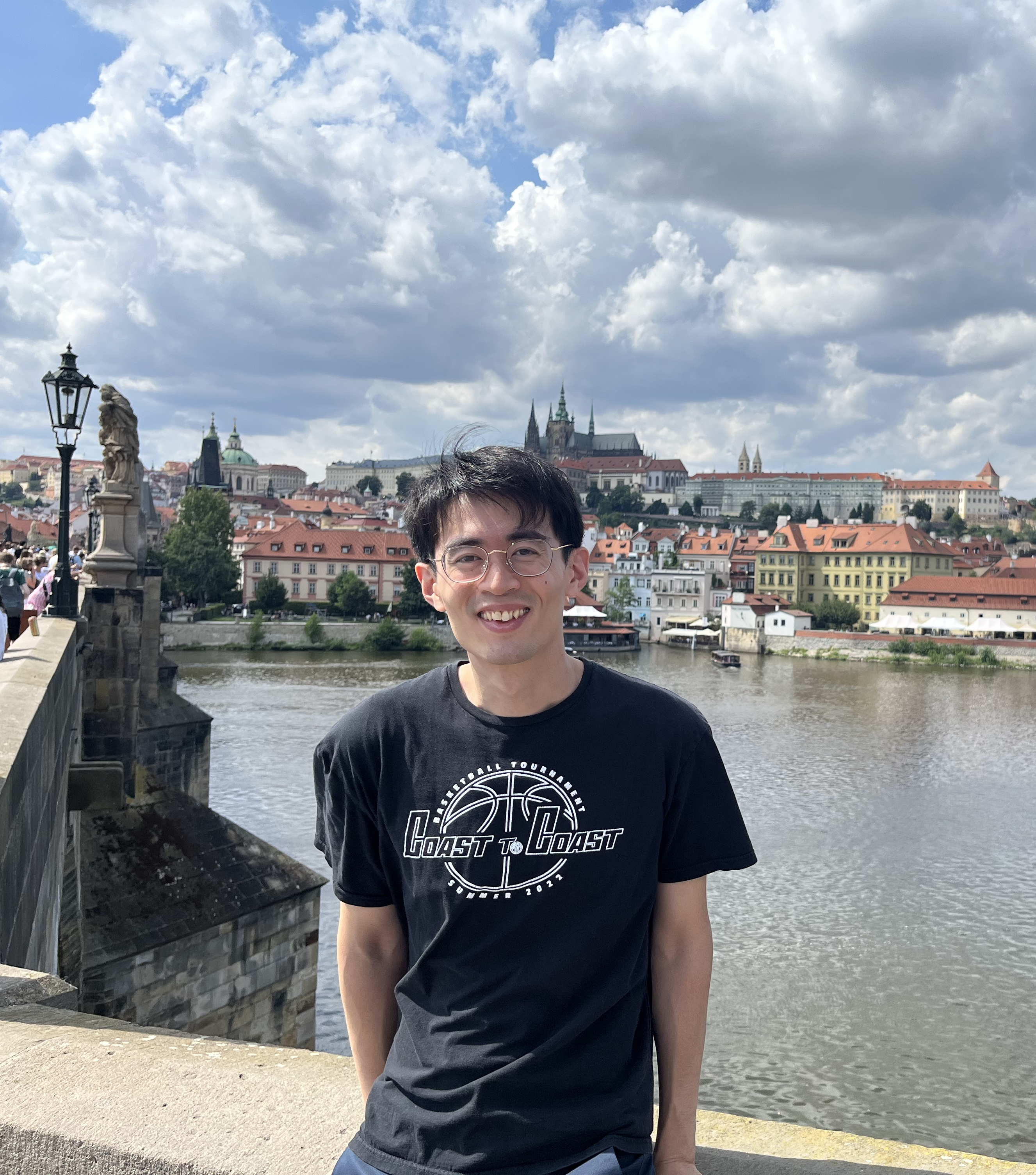
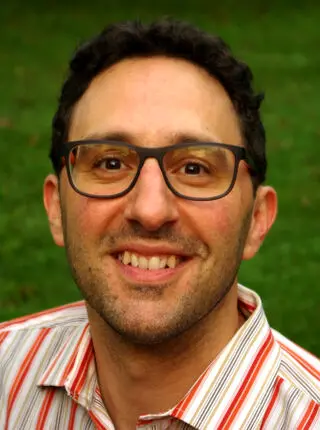
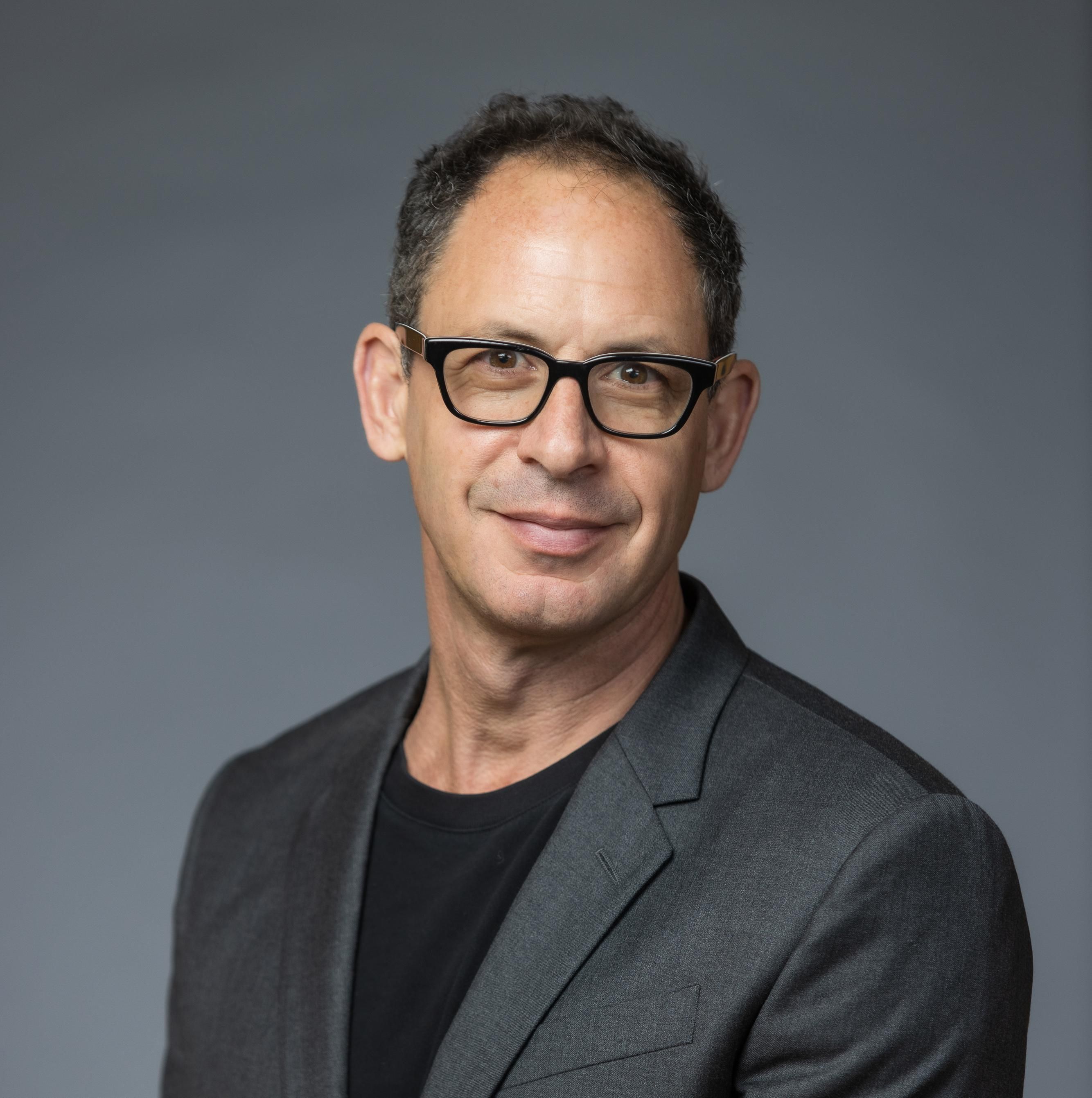
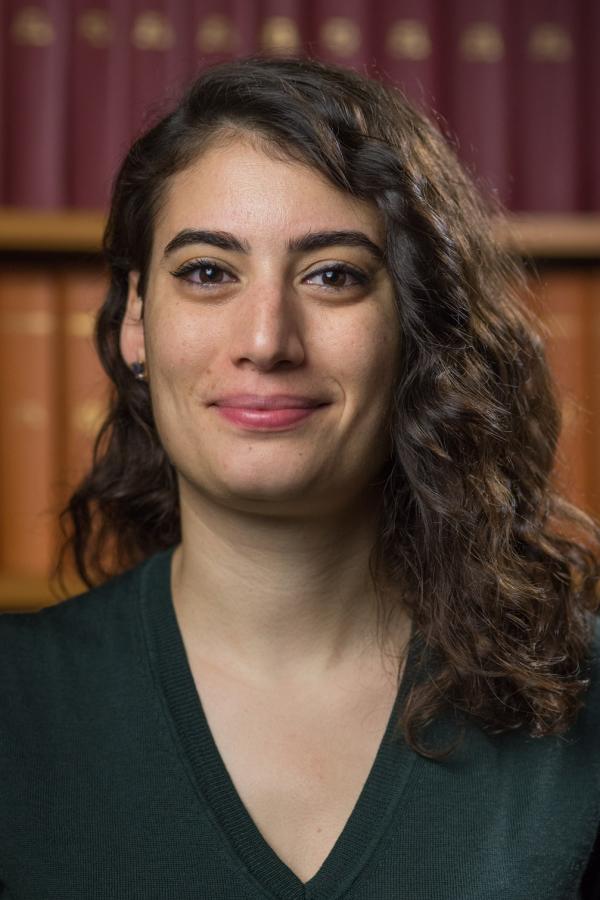
Wengong Jin is an Assistant Professor at the Khoury College of Computer Sciences, Northeastern University, and a visiting research scientist at the Eric and Wendy Schmidt Center at the Broad Institute. He holds a PhD from MIT CSAIL, advised by Prof. Regina Barzilay and Prof. Tommi Jaakkola. Research Interests: His work focuses on geometric and generative AI models for drug discovery, biology, and chemical engineering. Key areas include equivariant neural networks (e.g., FAFormer), diffusion models for binding energy prediction, antibody/enzyme design (RefineGNN, SurfPro), and molecular design through graph neural networks (Junction Tree VAE). He also explores domain generalization and systems for autonomous molecular discovery. Publications: His research has been published in top venues like NeurIPS, ICLR, ICML, Nature, Science, and Cell. Recent breakthroughs include discovering novel antibiotics using explainable AI and designing synergistic drug combinations for cancer treatment. Awards: He has received the BroadIgnite Award, Dimitris N. Chorafas Prize, and MIT EECS Outstanding Thesis Award for his contributions to computational biology and AI-driven drug discovery. Teaching: Currently teaches a PhD seminar on AI for Science, focusing on integrating machine learning into scientific discovery processes.
Anirban Paul is an Associate Professor in the Department of Neuroscience and Experimental Therapeutics at Pennsylvania State University, affiliated with the Penn State Neuroscience Institute. His research focuses on cellular and molecular mechanisms of GABAergic inhibitory circuits, with particular emphasis on interneuron biology and its implications in neurological disorders. Dr. Paul's research spans multiple neuroscience domains, with primary focus on GABAergic inhibitory circuits and interneuron biology. His work investigates how specific neuron subtypes, particularly Chandelier cells and cortical interneurons, contribute to brain function and dysfunction. He has made significant contributions to understanding the role of these cells in schizophrenia, Alzheimer's disease, and other neurological conditions. His research integrates molecular, cellular, and systems-level approaches to uncover fundamental mechanisms of neural circuit assembly, plasticity, and function. Key areas include RNA regulation in neuronal development, transcriptomic subtypes of inhibitory neurons, and cell-type specific vulnerabilities in neurodegenerative diseases. His research portfolio demonstrates consistent productivity with publications spanning from 2003 to 2025, showing an evolving focus from basic molecular neuroscience to translational research in neurological disorders. Recent work emphasizes single-cell analysis techniques and the role of specific interneuron populations in disease mechanisms, particularly in schizophrenia and Alzheimer's disease. His publications appear in high-impact neuroscience journals including Neuron, BMC Biology, and Frontiers in Cellular Neuroscience. Dr. Paul has received the NARSAD Young Investigator Award (2018), recognizing his promising research in neuroscience. His scientific contributions have been supported by multiple competitive grants from prestigious organizations including the National Institute on Aging (NIA) and the Brain and Behavior Research Foundation. He serves as Principal Investigator on multiple active research projects, including two major grants from the National Institute on Aging focused on cell-type specific risk and resilience in Alzheimer's disease and aging (2021-2024 and 2024-2026), as well as previous projects from the Brain and Behavior Research Foundation investigating Chandelier cells in schizophrenia. His research program demonstrates sustained funding and scientific leadership in the field of interneuron biology and its clinical implications.
Dr. Birgit Frauscher is the Lincoln Financial Group Distinguished Professor in Neurobiology at Duke University School of Medicine, where she serves as Professor of Neurology and holds a secondary appointment in the Department of Biomedical Engineering at the Duke Pratt School of Engineering. She is currently the Director of the Duke Comprehensive Epilepsy Center and leads the Analytical Neurophysiology (ANPHY) Lab. Her clinical and research work focuses on epilepsy and sleep medicine, utilizing both invasive and non-invasive electrical recordings to study brain activity in humans. Dr. Frauscher completed her medical training, neurology residency, and subspecialty training in electroencephalography, epilepsy, and sleep medicine at the Medical University of Innsbruck in Austria. After completing her clinical training in 2008, she earned her habilitation degree in 2011. She further specialized in intracranial EEG and signal analysis during a visiting professorship at the Montreal Neurological Institute and Hospital, McGill University (2013-2015), where she later served as an Attending Epileptologist and Group Leader of Epilepsy. Her research interests focus on developing novel seizure-independent EEG markers for the epileptogenic zone, investigating sleep-epilepsy interactions, and using intracranial EEG to study brain physiology during wakefulness and sleep. Her work aims to improve epilepsy diagnosis, prognosis, and treatment outcomes by better localizing the epileptic focus. Dr. Frauscher's recent publications demonstrate her continued leadership in epilepsy research, with over 170 peer-reviewed papers and an H-index of 62. Dr. Frauscher has received several prestigious awards including the Clinician-Scientist awards of the FRSQ (2018-2023), the Michael Prize of the International League against Epilepsy (2019), and the Ernst Niedermeyer Prize from the Austrian Epilepsy Society (2015). Her scholarly work has significantly advanced clinical knowledge in epilepsy and sleep medicine, establishing her as a leading figure in the field. As Director of the Duke Comprehensive Epilepsy Center and head of the ANPHY lab, Dr. Frauscher oversees a research program dedicated to advancing neuroscience through innovative approaches to studying brain activity. Her lab employs quantifiable tools to investigate neurophysiological and pathological processes related to epilepsy and sleep, with the ultimate goal of improving patient outcomes through better understanding of brain function.
Marc V Fuccillo is an Associate Professor of Neuroscience at the Perelman School of Medicine, University of Pennsylvania, where he leads a research laboratory focused on understanding the neural circuit mechanisms underlying behavioral control. His work bridges molecular, synaptic, and behavioral approaches to investigate how striatal circuits regulate mouse behavior from simple motor patterns to complex goal-directed actions. Fuccillo holds dual appointments in the Neuroscience and Cell and Molecular Biology Graduate Groups at Penn and maintains an active laboratory investigating the synaptic and circuit basis of neuropsychiatric disorders. Education: B.A. in Molecular and Cellular Biology and Music Performance (Violin) from Brown University (1998) Ph.D. in Developmental Genetics from New York University School of Medicine (2007) M.D. from New York University School of Medicine (2008) Fuccillo's research centers on the synaptic and circuit mechanisms of behavioral control, with particular emphasis on striatal circuits. His laboratory employs a range of technologies including mouse genetics, in vitro electrophysiology, in vivo imaging, and quantitative behavioral analysis to explore how neural circuits of the striatum regulate behavior and how disruptions in these circuits contribute to neuropsychiatric disorders. His work has particularly focused on autism-associated abnormalities in behavioral control, examining how synaptic adhesion molecules like neuroligins and neurexins shape circuit function and behavior, with significant findings regarding D1 dopamine receptor positive medium spiny neurons in the nucleus accumbens. Analysis of Fuccillo's recent publications reveals a strong focus on striatal circuit function across multiple dimensions. His work spans molecular neuroscience (examining synaptic adhesion molecules), cellular physiology (studying specific neuron types in striatal circuits), systems neuroscience (mapping circuit connectivity), and behavioral neuroscience (quantifying motor learning and decision-making). A unifying theme is how disruptions in specific molecular pathways lead to circuit-level abnormalities that manifest as behavioral phenotypes relevant to neuropsychiatric disorders, with particular attention to autism, OCD, and schizophrenia models. Scientific Recognition: Publications in high-impact journals including Nature Neuroscience, Current Biology, Cell Reports, and Neuron Research supported by multiple NIH grants including NIMH F32, NIMH K01, and HHMI Gilliam Fellowship awards for lab members Fuccillo actively mentors a diverse group of trainees including postdoctoral fellows, graduate students, and undergraduates. His laboratory has produced numerous successful alumni who have gone on to faculty positions, medical residencies, and graduate programs at prestigious institutions. His mentoring approach emphasizes technical skill development across multiple neuroscience disciplines while fostering independent scientific thinking. Current research in his lab is supported by NIH funding focused on understanding the molecular architecture of striatal circuits and their role in behavioral control, with three major research directions exploring molecular logic of striatal circuits, circuit mechanisms of behavioral control, and striatal dysfunction in neuropsychiatric disease models. The Fuccillo Laboratory operates within the Department of Neuroscience at the University of Pennsylvania, with access to state-of-the-art facilities for molecular, electrophysiological, imaging, and behavioral neuroscience research. The lab maintains active collaborations with other neuroscience research groups at Penn and beyond, creating a rich intellectual environment for studying the neural basis of behavior. Current research directions include investigating whether there is a molecular logic to striatal circuit composition, how striatal circuits shape behavioral control, and what mouse models of autism, schizophrenia, and OCD can reveal about striatal circuit dysfunction in disease pathophysiology.
John D. Murray is the Gregg L. Engles Associate Professor of Psychological and Brain Sciences at Dartmouth College and an Adjunct Associate Professor of Psychiatry at Yale School of Medicine. He holds a PhD in Physics from Yale University (2013) and a BS in Physics and Mathematics from Yale (2006). His research focuses on computational neuroscience and computational psychiatry, with secondary appointments in Physics and Neuroscience at Yale until 2023. His work integrates computational modeling, neuroimaging, and systems neuroscience to study decision-making processes, cortical organization, and psychiatric disorders. Collaborators include prominent researchers like Dr. John Krystal and Dr. Anticevic. Research interests include hierarchical brain organization, neuroimaging analysis techniques, and pharmacological effects on neural circuits. His lab (Murray Lab) develops computational tools like PsychRNN for cognitive task modeling. Notable contributions include linking transcriptomic data to neuroimaging patterns and modeling LSD’s effects on brain topography. He has been featured in YaleNews and Nature Communications for innovations in mapping mental illness variability and neural circuit dynamics. Grants and collaborations span translational neuroscience, addiction, and PTSD research through partnerships with Yale’s Center for Biomedical Data Science and VA National Center for PTSD. His interdisciplinary approach bridges physics, computer science, and clinical psychiatry to advance understanding of brain function and dysfunction.
Harri Lähdesmäki is an Associate Professor (tenured) at the Department of Computer Science, Aalto University, where he leads the Computational Systems Biology research group. His work focuses on probabilistic machine learning and deep generative models with applications in biomedicine and molecular biology. Key Research Interests: Probabilistic machine learning, deep generative models, computational biology, bioinformatics, longitudinal data modeling Contact: harri.lahdesmaki@aalto.fi | Konemiehentie 2, 02150 Espoo, Finland His recent publications highlight advancements in: Gaussian process priors for scalable deep generative models Single-cell analysis of immune repertoires in leukemia and diabetes Probabilistic deconvolution methods for RNA-seq data Epigenetic analysis using hidden Markov and mixed models Transformer-based survival prediction and missing data handling Harri’s work integrates mechanistic modeling with Bayesian inference, particularly applied to immunology, cancer biology, and early disease prediction.
Prof. Waldemar Kolanus leads the Molecular Immunology and Cell Biology department at the University of Bonn's Life & Medical Sciences Institute (LIMES) . His research bridges immunoregulation , stem cell dynamics , and metabolic stress responses in immune cells. Unit 2 member at LIMES Principal investigator in SFB 704 and ImmunoSensation Cluster Leads a multidisciplinary lab with postdocs, PhD students, and technical staff His work focuses on intracellular signaling pathways connecting immune activation to tissue homeostasis, particularly through: Cytohesin proteins in integrin-mediated adhesion and migration TRIM71 in stem cell regulation and congenital hydrocephalus High-salt environments affecting macrophage function Publication trends show expertise in immune cell migration , genetic models , and chemical inhibition , with frequent use of mice and zebrafish for in vivo studies. Key articles explore: TRIM71's dual role in auditory development and germ cell maintenance Cytohesin family's Golgi regulation and insulin signaling Ruxolitinib's off-target migration inhibition of dendritic cells Contact details: Address: LIMES Institute, Carl-Troll-Straße 31, Bonn Email: kolanus.sekretariat@uni-bonn.de Phone: +49 228 73-62788
Kevin M. Franks is an Associate Professor of Neurobiology at Duke University, where he investigates how the olfactory system forms neural representations of sensory environments. His work focuses on functional neural circuits in the olfactory bulb and piriform cortex, using techniques like in vivo recordings, optogenetics, and behavioral assays. His research explores Neural circuit dynamics and plasticity Odor coding mechanisms Role of recurrent circuitry Integration of sensory modalities Recent publications highlight his contributions to understanding cortical odor representations, developmental neural connectivity, and cross-modal interactions. Awards include the 2024 Don Tucker Finalist recognition. He teaches advanced neuroscience courses at Duke, including Neurobiology research and concepts in neuronal systems.
Konstantinos Anastassiadis is a Professor at the Center for Molecular and Cellular Bioengineering (CMCB) of Dresden University of Technology , leading the Stem Cell Engineering group at the Biotechnology Center (BIOTEC) . His research focuses on unraveling molecular pathways regulating stem cell self-renewal and lineage commitment, with a strong emphasis on genetic engineering tool development and epigenetic mechanisms during cellular reprogramming. The lab utilizes mouse and human embryonic stem cells, neural stem cells, mesenchymal stromal cells, and induced pluripotent stem cells (iPSCs) in their investigations. Core Research Areas: Molecular regulation of stem cell fate Epigenetic mechanisms (e.g., UTX/UTY histone demethylases) Genetic engineering tool development (Flp, Dre, Vika recombinases, CRISPR protocols) Conditional immortalization systems for rare cell expansion Publications highlight his contributions to understanding: Role of histone methyltransferases (MLL1, MLL2, Setd1b) in hematopoiesis and cancer Epigenetic regulation during mouse development and spermatogenesis Genetic tools for protein tagging, transposon-mediated BAC transgenesis Interactions between stem cells and niche microenvironments Transcriptional and mechanical markers during reprogramming Collaborations span immunology , developmental biology , and bioinformatics . The lab actively participates in teaching activities at CMCB and maintains a focus on translational applications of stem cell research.
Professor Guy Williams is a leading academic at the University of Cambridge with a focus on imaging science and clinical neurosciences, affiliated with Downing College and the Wolfson Brain Imaging Centre . Holding a PhD in Physics from his initial Natural Sciences degree, he specializes in nuclear magnetic resonance (NMR) and MRI techniques for brain imaging. Education: BA, PhD in Physics His research centers on non-invasive imaging of brain structure and function, particularly in traumatic brain injury (TBI) and dementia. His work involves developing novel MRI pulse sequences and advanced data analysis algorithms, including AI-based diagnostic tools. He leads studies on white matter integrity post-trauma, longitudinal dementia assessment, and applications of MRI in disorders of consciousness and addiction. Recent publications highlight collaborations in traumatic brain injury outcomes, AI-guided dementia prediction, and neuroimaging of post-COVID cognitive deficits. His team's work on ultra-high field laminar fMRI and distortion correction methods has advanced clinical neuroscience applications. Key techniques include diffusion tensor imaging (DTI), 7 Tesla MRI, and positron emission tomography (PET/MR). His research spans from basic NMR physics to clinical translation, with a strong emphasis on multi-site studies and real-world diagnostic implementation.
Colin J Akerman is Professor of Neuroscience and Group Leader in the Department of Pharmacology at the University of Oxford, concurrently serving as Corange Fellow and Medical Tutor at Corpus Christi College. His research investigates fundamental mechanisms of synaptic circuit formation and plasticity, with direct implications for epilepsy, dementia, and schizophrenia through multidisciplinary approaches integrating electrophysiology, optical imaging, and computational modeling. His primary research interests encompass Synaptic Plasticity, Neural Circuit Formation, and Excitatory-Inhibitory Balance, with specific focus on neuronal progenitor influences on connectivity, chloride dynamics in inhibitory transmission, and learning mechanisms in disease contexts. The lab employs custom-built equipment and molecular tools to probe synaptic function across in vivo , in vitro , and in silico platforms, emphasizing how activity-dependent processes shape neural networks during development and disease. Recent publications (2023-2025) reveal strong thematic convergence on intracellular chloride regulation in sleep-wake cycles, cortical circuit assembly from embryonic progenitors, and innovative optical tools for neural monitoring. This work bridges molecular neuroscience with systems-level understanding of synaptic plasticity, particularly regarding ionic mechanisms in epilepsy and sleep homeostasis. No scientific awards or fellowships are explicitly documented in the source materials. Professor Akerman currently mentors four PhD students (Vourvoukelis, Selfe, Wang, Gemayel) and multiple postdoctoral researchers, having previously trained scientists now leading independent groups in Toronto, Edinburgh, Cape Town, Oxford, and London. His research is funded by the European Research Council, Innovative Medicines Initiative, and Wellcome Trust, supporting investigations into synaptic mechanisms underlying neurological disorders. The Akerman Group, established in 2008, operates as an integrative neuroscience hub within Oxford's Pharmacology Department. The 10-member team combines expertise in patch-clamp electrophysiology, optogenetics, multiphoton imaging, and computational modeling, with current projects spanning neuronal progenitor biology, inhibitory synaptic plasticity, and learning rule implementation in neural networks. The lab emphasizes technical innovation, regularly developing custom instrumentation and molecular tools for neural observation and manipulation.
Michael J. Frank is the Edgar L. Marston Professor of Psychology and Professor of Brain Science at Brown University's School of Cognitive, Linguistic, and Psychological Sciences. He holds academic affiliations with the Carney Institute for Brain Science and specializes in cognitive neuroscience, computational neuroscience, and decision-making processes. Frank earned his Ph.D. in Neuroscience & Psychology from the University of Colorado at Boulder in 2004, and joined Brown University in 2011 after serving as a Professor at the University of Arizona. His research integrates computational modeling and experimental methods to explore neural mechanisms underlying reinforcement learning, decision-making, and cognitive control, with a focus on prefrontal cortex-basal ganglia interactions and dopamine modulation. Frank's honors include the Troland Research Award (2021), Kavli Fellowship (2016), and the Cognitive Neuroscience Society Young Investigator Award (2011). He is an editor for eLife, Behavioral Neuroscience, and the Journal of Neuroscience. His lab, based at http://ski.clps.brown.edu, investigates topics such as neural circuit models of cognitive control, neuropsychological testing, and translational applications of computational models in psychiatry. Frank's research emphasizes interdisciplinary approaches, combining behavioral experiments, neuroimaging (fMRI, EEG), and pharmacological studies to dissect brain-behavior relationships. Key findings include insights into dopamine's role in motivation, decision-making deficits in schizophrenia, and computational phenotyping of mental disorders. His work bridges basic science and clinical applications, aiming to inform therapeutic strategies for neurological and psychiatric conditions.
Dr. Hayriye Cagnan is a Senior Lecturer (equivalent to Associate Professor) at Imperial College London and Associate Unit Member at the MRC Brain Network Dynamics Unit. She holds a PhD in Neuroscience from the University of Amsterdam and Philips Research Laboratories (2010), an MSc in Engineering and Physical Science in Medicine from Imperial College London, and a BS in Electrical and Electronics Engineering from Cornell University as a Fulbright Scholar. Her research develops theory-driven strategies for selective modulation of brain rhythms using: Theoretical disease models and stimulation paradigms Dynamic neuromodulation approaches Wearable devices for remote therapy optimization Advanced signal processing techniques Her recent publications (2015-2025) demonstrate consistent focus on tremor pathophysiology, neural oscillations in Parkinson's disease, and advanced brain stimulation technologies. Research employs computational modeling, EEG, magnetoencephalography, and both invasive/non-invasive stimulation techniques. Awards & Fellowships: Fulbright Scholarship (2000-2004) British Chevening Scholarship (2004) MRC Skills Development Fellowship (2015) MRC Career Development Award (2018) Dr. Cagnan leads an independent research group originally established at the MRC Brain Network Dynamics Unit in 2018, maintaining close collaborations with clinical neuroscientists and engineers to translate basic research into therapeutic applications.
Anna Levina is an Assistant Professor for Computational Neuroscience at the University of Tübingen , affiliated with the Department of Computer Science under the Faculty of Science. Her research focuses on the self-organization of neuronal activity, critical dynamics in neural networks, and the excitation/inhibition balance in cortical circuits. Current positions: Assistant Professor (since 2018), Group Leader (2017-2018), Equality Officer (Computer Science) Previous roles: IST Fellow (2015-2017), Associated Researcher (2011-2015), Postdoc/PI (2011-2015), Postdoc (2008-2011) Her research integrates mathematical modeling , statistical physics , and computational neuroscience to study criticality phenomena, neural avalanches, and adaptive network dynamics. Key interests include: Self-organized criticality in neural systems Excitation/Inhibition balance mechanisms Network topology and dynamics Timescale analysis in neural processing Stochastic modeling of neural activity Recent publications reveal trends in understanding critical dynamics across biological and artificial networks, with applications to memory systems, sensorimotor integration, and disease modeling. She has received recognition as an IST Fellow .
Prof. Jan Theeuwes is a Full Professor of Cognitive Psychology at the Vrije Universiteit Amsterdam's Faculty of Behavioural and Movement Sciences, leading the ERC-funded research group on statistical learning and attention. He holds additional roles as Distinguished Visiting Research Professor at the William James Center for Research (Lisbon) and Visiting Professor at Zhejiang University (China). With over 474 publications and two ERC Advanced Grants (2013 & 2019), his work spans visual attention, statistical learning, and applied human factors in road design. He pioneered the 'Self-Explaining Roads' concept, revolutionizing global road safety design, and co-developed Open Sesame, a widely used open-source experiment builder. His research integrates EEG, fMRI, and computational modeling, addressing topics like distractor suppression, emotion, and leadership influence. Over 25 PhD students have graduated under his mentorship, many securing academic roles across Europe. Education: Cum laude degrees in Experimental Psychology (Tilburg University) and a PhD (VU Amsterdam, 1992). Key awards include the Bertelson Award (2001) and KNAW membership (2010). He advises the Dutch Department of Transportation and founded the Institute for Brain and Behavior Amsterdam (IBBA) in 2016. Ancillary roles include leadership in European psychological societies and consultancy for Attention Architects, applying eye-tracking research in corporate settings.