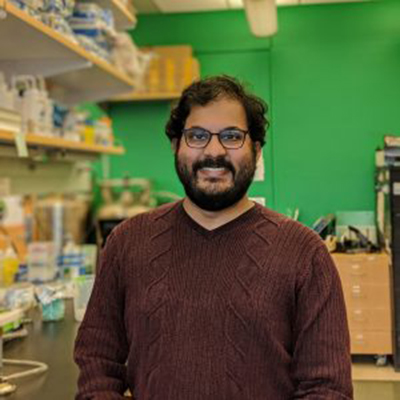
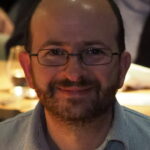
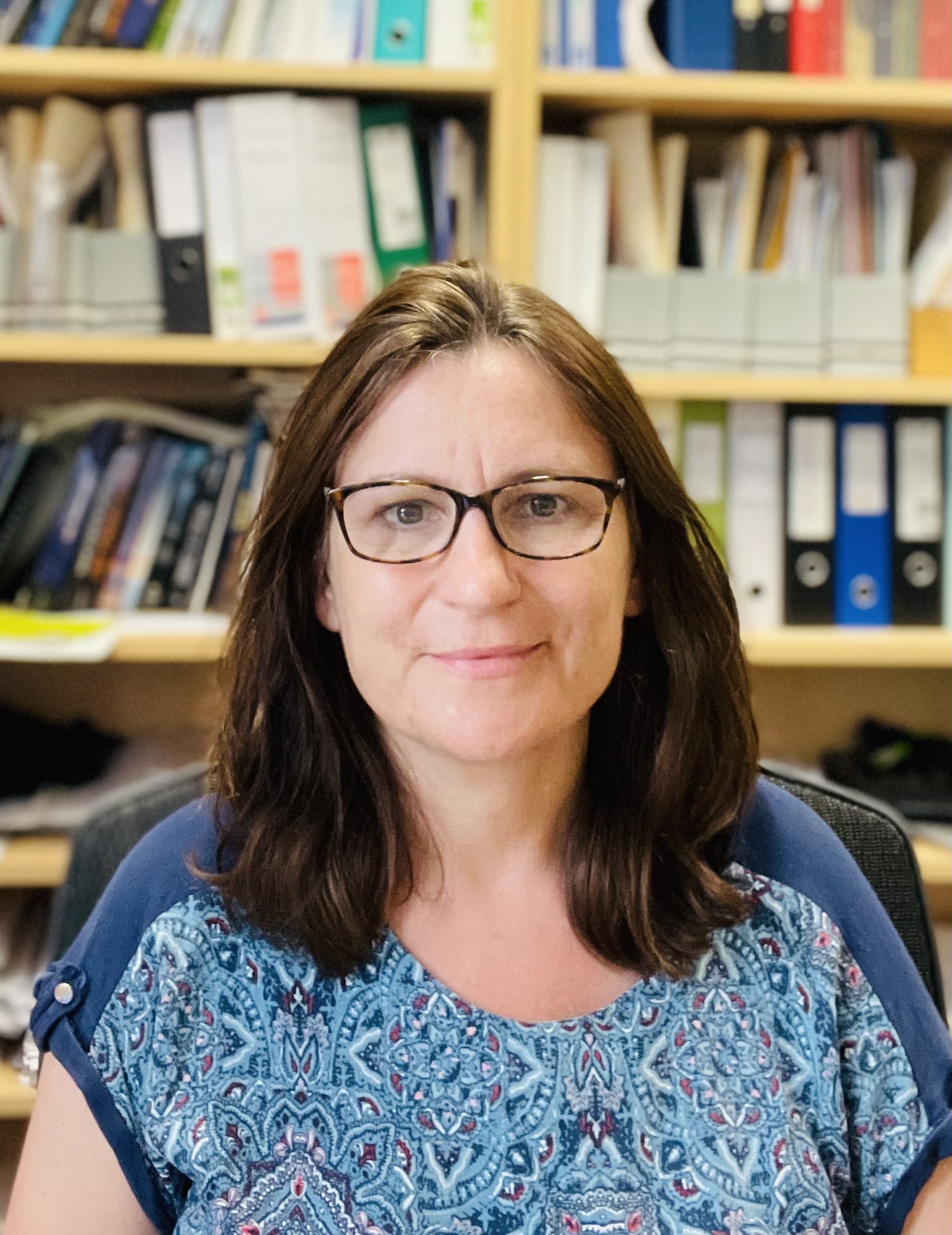
Pavak Shah is an Assistant Professor in the Department of Molecular, Cell, & Developmental Biology at UCLA's College of Life Sciences. He co-affiliates with the Institute for Quantitative and Computational Biosciences (QCBio). His laboratory develops advanced imaging and computational methods to study fundamental processes in organismal development. Research Focus: Development of Behavior : Maps neuronal circuit emergence in C. elegans embryos using quantitative imaging, genetics, and single-cell manipulations. Temporal Regulation of Cell Fate : Investigates cell cycle timing as a regulatory input for stem cell decisions via genetic perturbations and temperature-controlled microscopy. Evolution of Development : Builds comparative developmental maps across nematode species using machine learning and spatial transcriptomics, developing automated lineage-tracing tools. Publication Trends: Shah's recent work (2020-2025) centers on: 1) Novel microscopy techniques (label-free imaging, traction force microscopy), 2) Quantitative analysis of developmental heterogeneity, 3) Immune cell biomechanics, and 4) Genetic regulators of neural development in C. elegans . His lab consistently pioneers interdisciplinary approaches integrating biophysics, computation, and genetics. Lab & Resources: The Shah Lab focuses on C. elegans models and develops open-source tools for automated cell lineage reconstruction. Collaborative projects utilize microfabricated platforms for cell sorting and analysis.
Giuseppe Iannaccone is a full Professor at the University of Pisa , Department of Information Engineering. His research focuses on quantum electronics , neuromorphic computing , and 2D materials for advanced applications in analog circuits and high-temperature electronics. Lead researcher in QUEPE Quantum Engineering and QUEFORMAL projects Pioneer in neuromorphic chip design using silicon and 2D materials Active in developing high-temperature integrated circuits for industrial applications His recent work explores twisted transition metal dichalcogenides for spintronics, inkjet-printed 2D electronics on paper substrates, and wireless power transfer systems for medical devices. The Google Scholar articles show consistent contributions to analog neuromorphic engines , quantum transport modeling , and steep-slope transistor architectures . Collaborations include Gianluca Fiori and Benjamin Zambrano in neuromorphic hardware development. He actively promotes student well-being through institutional initiatives like the Ufficio Benessere at University of Pisa and has taught RFID and IoT courses for PhD students. Current research integrates MoS2/graphene heterostructures and van der Waals junctions for next-generation electronics.
Alexander Banks, Ph.D. is an Associate Professor of Medicine at Beth Israel Deaconess Medical Center, specializing in the Division of Endocrine. His research focuses on energy metabolism, obesity, diabetes, and related metabolic disorders. Dr. Banks' research interests span multiple areas of metabolic physiology including: Energy homeostasis and metabolic regulation Thermogenesis and adipose tissue biology Mechanisms of insulin resistance Growth Differentiation Factor 3 (GDF3) signaling PPAR gamma regulation in metabolic diseases Neural control of metabolism and energy balance Analysis of his recent publications reveals a strong focus on molecular mechanisms linking adipose tissue function, neural regulation, and metabolic homeostasis. His work spans from basic molecular mechanisms to translational applications, with particular emphasis on developing tools like the CalR toolkit for metabolic phenotyping. Recent trends show increasing integration of neuroscience approaches with traditional metabolic research, examining how brain circuits regulate whole-body energy balance. Dr. Banks has been Principal Investigator on multiple NIH-funded research projects including: RC2DK142612 (2025-2030): A database of indirect calorimetry experiments for energy homeostasis R01DK133948 (2022-2025): CalR toolkit development R01DK107717 (2016-2025): Mechanism of Gdf3 action in obesity His laboratory utilizes advanced techniques including indirect calorimetry, continuous glucose monitoring, neural circuit mapping, and proteomic analysis to investigate metabolic regulation. Collaborations with prominent researchers in metabolism and neuroscience have enabled multidisciplinary approaches to understanding energy homeostasis.
Mark Albers is an Assistant Professor of Neurology at Harvard Medical School and a clinician-investigator at Massachusetts General Hospital (MGH), where he directs the Albers Laboratory at the MassGeneral Institute for Neurodegenerative Disease (MIND). His research bridges clinical and basic science, focusing on early detection and therapeutic development for neurodegenerative diseases like Alzheimer’s, ALS, Parkinson’s, and traumatic brain injury through olfactory system studies. Education: PhD in Organic Chemistry from Harvard Graduate School of Arts and Sciences (1995), MD from Harvard Medical School (1995). Clinical Expertise: Memory and olfactory disorders; practices in the Memory Disorders Unit at MGH. His lab investigates pathogenic mechanisms of neurodegenerative disease genes using transgenic mouse models, CRISPR screens, multiphoton imaging, and in silico drug trials. Key projects include identifying olfactory deficits as early biomarkers and repurposing FDA-approved drugs for neurodegenerative diseases via the NADALS basket trial. Publications span Alzheimer’s disease , olfactory dysfunction , neuroinflammation , systems pharmacology , and CRISPR technology . Collaborations with the Laboratory of Systems Pharmacology and Harvard Program in Therapeutic Science further his translational goals.
Anthony J. Windebank, M.D., is a Professor of Neurology at Mayo Clinic in Rochester, Minnesota, affiliated with the Mayo Clinic College of Medicine and Science. He serves as a Consultant in the Department of Neurology and holds leadership in faculty development. His research is centered at the Regenerative Neurobiology Laboratory, with collaborative ties to the Mayo Clinic Comprehensive Cancer Center, Neurosurgery, Orthopedic Surgery, and Biochemistry departments. University: Mayo Clinic School: Mayo Clinic College of Medicine and Science Department: Department of Neurology Academic Rank: Professor Dr. Windebank's research focuses on understanding the cellular mechanisms of neuronal death and regeneration in the nervous system. His work spans spinal cord injury, peripheral nerve repair, amyotrophic lateral sclerosis (ALS), and chemotherapy-induced peripheral neuropathy. He utilizes cellular, Drosophila, and rodent models to explore regenerative strategies and translate findings into clinical applications through tissue and cell engineering. His recent publications highlight a strong trend in regenerative neurology, including stem cell therapies for spinal cord injury and ALS, mitochondrial function in neurodegeneration, and exosome-based interventions. These works reflect interdisciplinary efforts combining molecular biology, translational medicine, and clinical neurology. Chemotherapy-Induced Peripheral Neuropathy Spinal Cord Injury and Repair Neural Stem Cell Regeneration Mitochondrial Dysfunction in Neurodegeneration Regulatory Science in Regenerative Medicine Neuroprotective Growth Factors Dr. Windebank has received numerous scientific honors, including the Judith and Jean Pape Adams Charitable Foundation Professorship (2019), an honorary doctorate from Paracelsus Medical University (2010), and the E.T.S. Walton Fellowship (2005). He is also recognized for teaching excellence, having received multiple Teacher of the Year awards and the Distinguished Educator award from Mayo Clinic. He has led major research grants from the National Institutes of Health (NIA, NIBIB, NINDS) and the National Center for Advancing Translational Sciences, supporting projects such as biodegradable polymer implants for spinal cord repair and neuroprotective strategies using IGF-1. He has mentored postdoctoral researchers, medical students, and graduate students, and has held leadership roles in education and research policy at Mayo Clinic. Dr. Windebank is actively involved in professional societies including the Peripheral Nerve Society, American Academy of Neurology, and Society for Neuroscience, and has served on advisory boards for the ALS Association and the Neuropathy Association.
Prof. Pavan Ramdya, the DSM-Firmenich Next Generation Chair in Neuroscience at École Polytechnique Fédérale de Lausanne (EPFL), leads the Neuroengineering Laboratory. His research focuses on reverse-engineering biological intelligence in Drosophila melanogaster to inspire neuroprosthetics, robotics, and AI. He holds a PhD in Neurobiology from Harvard University and completed postdoctoral training in robotics (EPFL), neurogenetics (UNIL), and bioengineering (Caltech). University: École Polytechnique Fédérale de Lausanne (EPFL) School: School of Life Sciences Academic Rank: Professor His lab employs computational, engineering, genetic, and microscopy approaches to study neural population dynamics, biomechanics, and gene expression in limb-dependent behaviors. Key research trends from his publications include neuromechanical modeling of Drosophila , sensory-motor integration, and AI-robotics synergy for biological discovery. HFSP Career Development Award Swiss National Science Foundation Eccellenza Grant UNIL Young Investigator Award in Basic Science FENS-Kavli Network of Excellence member The lab mentors doctoral researchers such as Sibo Wang, Victor Stimpfling, and Femke Hurtak, alongside postdoctoral fellows like Jasper Phelps and alumni including Victor Lobato Rios. Collaborations span robotics (Auke Ijspeert), microrobotics (Sakar), and computational imaging (Fua).
Matthew R. Guthaus is a Professor in the Electrical and Computer Engineering Department at the University of California Santa Cruz's Baskin School of Engineering. With an active research career spanning over two decades, his work focuses on VLSI design, Electronic Design Automation, and memory systems. His research interests include VLSI Design, Computer-Aided Design, Electronic Design Automation, Memory Design, Clock Distribution, Resonant Clocking, and Machine Learning for EDA. Guthaus has made significant contributions to open-source EDA tools, most notably OpenRAM, which has become an important resource for memory compiler development in academia and industry. Analysis of his recent publications (2021-2025) reveals a strategic evolution in his research, incorporating machine learning techniques into traditional EDA problems while maintaining strong foundations in circuit design. His work spans from fundamental circuit design to high-level system considerations, with particular emphasis on open-source frameworks that enable broader collaboration in the semiconductor community. Guthaus has been actively involved in national initiatives addressing semiconductor research and workforce development, as evidenced by his contributions to NSF workshops on integrated circuits. His recent publications show continued innovation in memory design, clock distribution, and the application of AI to traditional EDA challenges. His research has practical applications in low-power circuit design, high-performance computing systems, and the growing field of neuromorphic computing. The consistent publication record through 2025 demonstrates ongoing active research and leadership in the EDA community.
Caleb Kelly is an Associate Professor in the Faculty of Arts, Design and Architecture at the University of New South Wales (UNSW). His research focuses on sound in the fields of media arts, gallery arts, and music, leading to a rethinking of how art is listened to, historically and in contemporary practice. Kelly coordinates the research group Sound, Energies and Environments (SEE), which explores the intersection of sound, energy, and environmental concerns in contemporary art practices. His educational background includes: Bachelor of Arts in Art History & Philosophy from the University of Otago, New Zealand (1993) Master of Arts (Hons) in Art History from the University of Auckland, New Zealand (1996) Doctor of Philosophy in Creative Communications from the University of Canberra, Australia (2007) Kelly's research centers on sound studies , particularly examining the role of sound in contemporary art and gallery contexts. His work explores cracked media (the sound of malfunction), imperfection in experimental instruments , and feedback systems in artistic practice. He investigates how sound functions within visual art spaces, challenging traditional distinctions between visual and auditory experience. His research has led to significant contributions in understanding gallery sound , audio installations , and the materiality of sound in contemporary art. Kelly's approach combines art historical analysis with practical experimentation, often working directly with artists to understand the technical and conceptual dimensions of sound-based art. Kelly's publications reveal a consistent focus on the intersection of sound, media, and contemporary art practices. His work traces the historical development of sound art exhibitions while simultaneously exploring cutting-edge sonic art practices. A notable trend is his sustained interest in imperfection, malfunction, and error as creative forces within media art. His research spans from historical examinations of sound art exhibitions to contemporary investigations of ecological concerns in media practices. Kelly's writing frequently addresses the material dimensions of sound, examining how physical substances and technological systems shape auditory experiences in gallery settings. Among his notable recognitions: Edgard Varèse Guest Professor at the Technische Universität Berlin (2015) Kelly has supervised numerous doctoral and master's students working at the intersection of sound, art, and technology. His current and completed students have explored diverse topics including cello performance with long-throw speakers, improvisational feedback systems, underwater sound experiences, electro-acoustic feedback, neural networks in music, sound surveillance, ecological sound practices, video feedback art, electromagnetic constellations in radio, and organizational structures in experimental music. His supervision emphasizes practice-based research, encouraging students to develop both theoretical frameworks and creative outputs. While specific grant information isn't detailed in the provided text, his research activities suggest involvement in substantial funding projects supporting his publications, exhibitions, and research group activities. Kelly coordinates the research group Sound, Energies and Environments (SEE), which serves as a hub for interdisciplinary research on sound in contemporary art. The group brings together artists, curators, and scholars to explore how sound functions within gallery contexts and beyond. SEE has facilitated numerous exhibitions, publications, and collaborative projects examining the relationship between sound, energy systems, and environmental concerns. The group's work has contributed significantly to the field of sound studies, particularly in understanding how sound operates within institutional art spaces.
Ivo Gomperts Boneca is a permanent researcher and head of the Laboratory of Biology and Genetics of the Bacterial Cell Wall at the Institut Pasteur, Paris, within the Department of Microbiology. His research focuses on peptidoglycan (PGN) metabolism in bacterial pathogens such as Helicobacter pylori , Neisseria meningitidis , and Leptospira interrogans , examining both bacterial physiology and host immune responses. He leads major funded projects including ERC-2024-SyG-AI4AMR, which integrates artificial intelligence into antibiotic discovery, and participates in the INCEPTION convergence institute for interdisciplinary research. Institut Pasteur, Paris, France Department of Microbiology Laboratory of Biology and Genetics of the Bacterial Cell Wall Principal Investigator, ERC grants Member, INCEPTION program His research interests center on understanding how the bacterial cell wall is assembled and remodeled during growth and division, and how PGN fragments influence host innate immunity. He investigates how pathogens modulate PGN to evade immune detection and how commensal bacteria contribute to gut homeostasis and disease prevention. His work bridges microbiology, immunology, and systems biology, with implications for antibiotic development and inflammatory disease treatment. The recent publications reflect a strong trend in microbial cell wall biology, host-pathogen interactions, and the gut-immune-brain axis. Themes include PGN dynamics in host tissues, bacterial shape modulation, immune sensing mechanisms, and the role of microbiota in inflammation and cancer immunotherapy. The integration of AI in antimicrobial discovery highlights a forward-looking approach to combating antibiotic resistance. ERC-2007-Stg-202283-PGNfromSHAPEtoVIR ERC-2024-SyG-AI4AMR INCEPTION convergence program Dr. Boneca mentors numerous PhD students and postdoctoral researchers, fostering a dynamic research environment. His lab receives substantial funding from the European Research Council and participates in collaborative, interdisciplinary grants. He leads projects on PGN assembly inhibition, gut microbiota effects on immunity and cancer therapy, and the development of optogenetic tools. His team includes research engineers, technicians, and administrative staff, reflecting a well-supported research structure. He is affiliated with core research platforms at the Institut Pasteur, including those in bioimaging and microbiology. His laboratory is embedded within a network of interdisciplinary teams working on infectious diseases, immunity, and microbial evolution. The integration of computational and experimental approaches is evident in his participation in AI-driven drug discovery initiatives.
Dmitry Velmeshev is an Assistant Professor in the Departments of Neurobiology and Biomedical Engineering at Duke University. He focuses on understanding human brain development and neurodevelopmental diseases at the single-cell level, particularly autism. His work integrates genomics, proteomics, and molecular biology to dissect genetic programs and neuronal circuitry. Ph.D., University of Miami (2016) Research interests include neurodevelopmental disorders, single-cell genomics, and molecular mechanisms of autism. Recent studies explore SARS-CoV-2 tropism for astrocytes, LRRK2 kinase activity in Parkinson’s disease, and glial roles in neurodegeneration. His lab employs transcriptomic and proteomic approaches to identify phenotypic modifiers in disease models. Selected publications highlight applications of single-cell analysis in autism and multiple sclerosis, proteomic mapping in neurodevelopmental models, and inflammation in neurodegenerative disease. No scientific awards or student advisees are mentioned in the provided text. He teaches courses such as NEUROSCI 494, NEUROSCI 493, NEUROBIO 790S, NEUROBIO 735, CMB 710F, and CMB 710E at Duke University.
Demetri Psaltis is a **Professor honoraire** at the École Polytechnique Fédérale de Lausanne (EPFL), affiliated with the School of Basic Sciences (STI) and the Department of Physics (PH-STI). He holds roles as **Chargé de cours** (Lecturer) across multiple departments including Microengineering (SMT-ENS), Electrical and Electronics Engineering (SEL-ENS), and serves as **Professeur hôte** (Host Professor) at the Laboratoire d'hémodynamique et de technologie cardiovasculaire (LHTC). His research focuses on advanced optical systems, biomedical imaging, nonlinear optics, and the integration of machine learning with optical technologies. Key affiliations include the Institute of Bioengineering (IBI-STI) and administrative roles in the IBI-STI-GE management unit. He has advised over 20 PhD students at EPFL, contributing significantly to their thesis work. His laboratories develop cutting-edge tools for applications in medical diagnostics, energy systems, and optical computing. Research interests span computational optical imaging, optical computing architectures, 3D printing with light, and AI-driven wavefront shaping. Recent publications emphasize innovations in hybrid neural networks, optical diffusion models, and scalable optical circuit switching. His work bridges fundamental physics with practical applications in healthcare and renewable energy sectors. Labs: Laboratoire d'hémodynamique et de technologie cardiovasculaire (LHTC), IBI-STI Institute Teaching:** Courses include Computational Optical Imaging, Optical Computing, and 3D Printing with Light.
Jan Kaslin is a researcher at Life Sciences University specializing in zebrafish models to investigate neural regeneration, spinal cord injury recovery, and related biological processes. With a publication record spanning from 2016 to 2021, Dr. Kaslin's work focuses on understanding the mechanisms of neuronal circuit regeneration and functional recovery following injury. Dr. Kaslin's research interests center around zebrafish biology as a model system for studying human neurological conditions. Key areas include neural regeneration mechanisms, inflammation responses in neural repair, precursor neuron migration, spinal cord injury recovery, and molecular pathobiology of genetic disorders like Sanfilippo syndrome. The research employs advanced molecular and cellular techniques to unravel the complex processes underlying neural circuit formation and repair. Analysis of Dr. Kaslin's publications reveals a clear research trajectory focused on leveraging zebrafish's remarkable regenerative capabilities to understand neural repair mechanisms. The work spans developmental biology, neural regeneration, and disease modeling, with particular emphasis on how inflammation triggers precursor neuron migration to facilitate circuit regeneration. This research has significant implications for developing therapeutic approaches for spinal cord injuries and neurodegenerative conditions. Dr. Kaslin actively collaborates with researchers across multiple institutions, as evidenced by the co-authorship patterns in publications. The research has garnered substantial attention in the scientific community, with multiple papers receiving significant citation counts and media coverage. Current work appears focused on translating findings from zebrafish models to potential applications in human neural repair and regeneration. Dr. Kaslin's laboratory likely focuses on zebrafish neurobiology and regeneration, utilizing this powerful model organism to investigate fundamental questions about neural circuit formation, injury response, and repair mechanisms. The research program integrates molecular biology, genetics, and behavioral analysis to provide comprehensive insights into neural regeneration processes.
Dr. Preethi Srivathsa is an Assistant Professor - Senior Scale in the School of Computer Engineering at Manipal Academy of Higher Education (MAHE), Bengaluru. She holds a B.Tech, M.Tech, and Ph.D. (awarded by Presidency University in 2022). Her academic career includes positions at Presidency University (2019-2023) and East Point College of Engineering (2008-2019). Her research focuses on: Computer architecture and low-power hardware design IoT applications and cyber-physical systems Cryptography and blockchain security Machine learning implementations in hardware FPGA-based accelerators and optimization techniques Her publication portfolio shows strong emphasis on hardware-efficient algorithms, cryptographic systems (especially elliptic curve applications in blockchain), and emerging IoT architectures. Recent work integrates machine learning with hardware acceleration for smart home systems and agricultural technology. Awards and recognitions: Best Paper Award at IEEE iSES-2021 for low-power sorter design Infosys Bronze Partner Faculty (2013) She has developed intellectual property including IoT-based monitoring systems and blockchain educational frameworks. Technical skills include Verilog, FPGA design, IoT platforms (Arduino/Raspberry Pi), and multiple programming languages.
Adam C. Puche, PhD, is a tenured Professor and Vice Chair of the Department of Anatomy and Neurobiology at the University of Maryland School of Medicine. His laboratory investigates olfactory system development, neural circuitry, and function using neuroanatomical, electrophysiological, and advanced imaging techniques. He directs the medical school course Structure and Development , covering gross anatomy, histology, and embryology. Education: Ph.D. in Anatomy and Cell Biology, University of Melbourne (Australia) Post-doctoral training at University of Maryland with Dr. Michael T. Shipley Research Focus: Dr. Puche's work examines: (1) Embryonic/postnatal olfactory system development; (2) Neurogenesis and migration of olfactory interneurons via the rostral migratory stream; (3) Synaptic processing in glomerular microcircuits; (4) In vivo neural activity mapping using calcium imaging and electrophysiology; (5) Clinical applications in trauma training and neurodegenerative diseases. Publication Trends (2019-2025): His recent articles demonstrate strong foci on olfactory bulb neural dynamics, cortical signaling pathways, innovative surgical training models (VR/cadaveric), fluorescence imaging techniques, and neuropathology of brain injury. Computational approaches like AI-based medical imaging analysis are emerging themes. Laboratory: The lab employs multidisciplinary approaches including whole-cell patch clamping, two-photon microscopy, molecular biology, and behavioral assays to study neural circuit mechanisms in rodent models.
Professor Lisa Alexander is a climate scientist at the University of New South Wales (UNSW), holding the rank of Professor. She serves as a Chief Investigator and contributes to international climate initiatives including the Intergovernmental Panel on Climate Change (IPCC), where she was a Lead Author for the 5th Assessment Report and contributed to assessments in 2001, 2007, and 2021. Her educational background includes: Bachelor of Science Master of Science in Applied Mathematics PhD from Monash University Professor Alexander's research centers on climate extremes, specifically investigating the variability and driving mechanisms of temperature and rainfall extremes globally. Her work provides critical insights for climate adaptation and risk assessment, with significant applications in IPCC reports and climate services development. She examines how anthropogenic factors influence extreme weather patterns and develops methodologies for attributing climate impacts. Analysis of her 2024-2025 publications reveals two distinct research streams: climate science (focusing on extreme weather events, precipitation modeling, and climate change attribution) and molecular biology (specializing in CRISPR gene-editing systems and protein engineering). This interdisciplinary pattern suggests active collaboration across departments despite her primary affiliation with climate science. Her scientific recognition includes: 2011 Priestley Medal by the Australian Meteorological and Oceanographic Society 2013 Australian Academy of Science Dorothy Hill Award Fellow of the Australian Meteorological and Oceanographic Society (2020) Professor Alexander chairs a World Meteorological Organisation Expert Team and serves on the Executive Committee of the International Association of Meteorology and Atmospheric Sciences and the Joint Scientific Committee of the World Climate Research Programme. Her work in co-producing climate services addresses implementation challenges for decision-makers facing climate extremes.