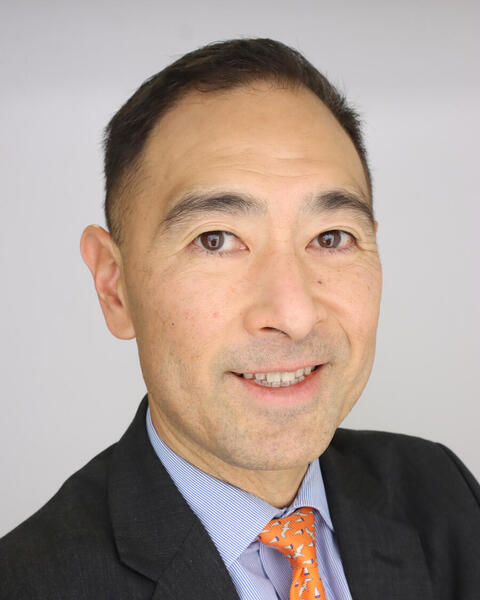
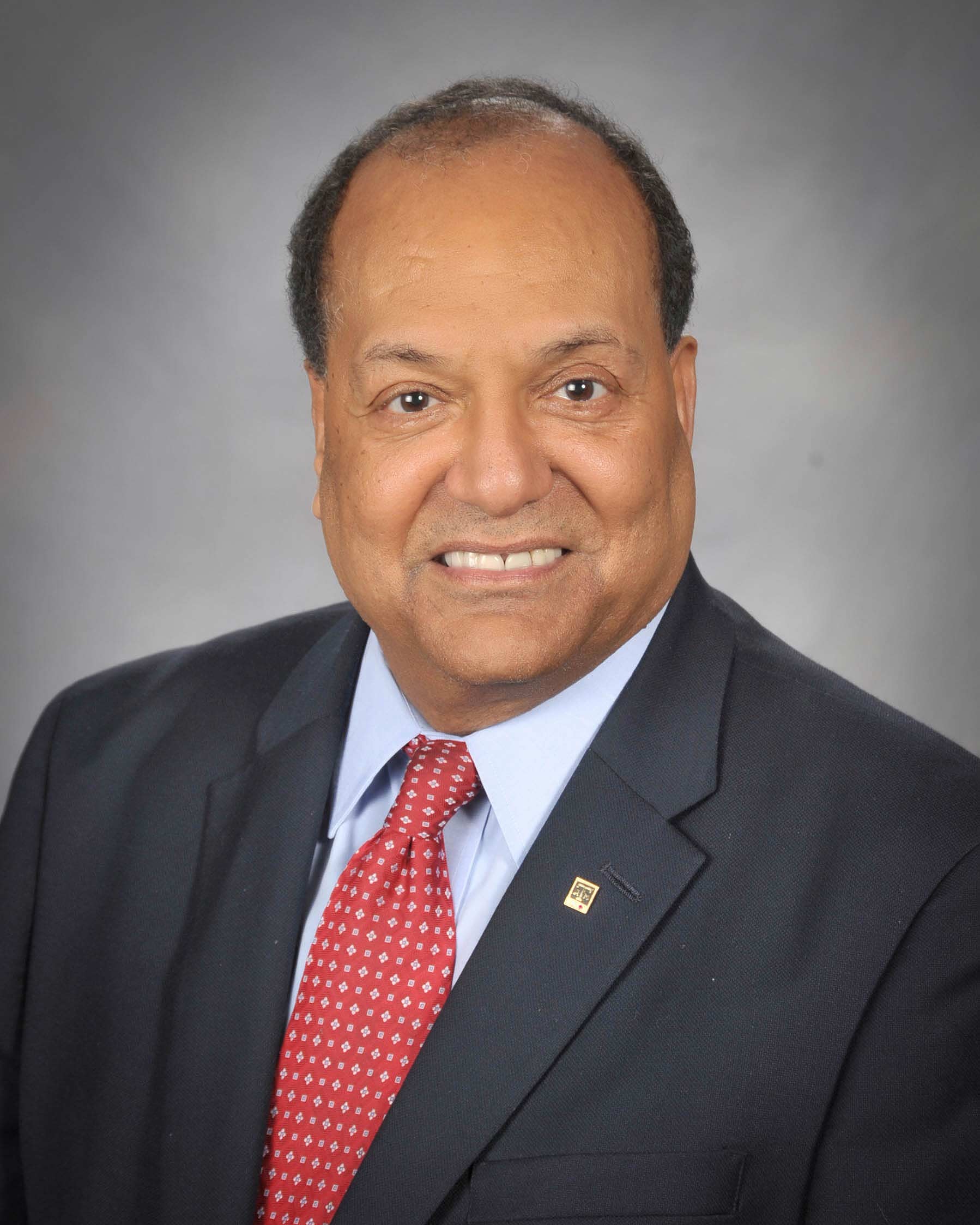
Christian Desrosiers is a Research Professor at the Department of Software Engineering and IT, École de technologie supérieure (ÉTS), with a Ph.D. from Polytechnique Montréal. His research focuses on data mining, machine learning, and computer vision, particularly in medical imaging and optical network analysis. Research Units: Zebra Research Chair in Computer Vision for Industrial Applications, LIVE – Interventional Imaging Laboratory, LIVIA – Imaging, Vision and Artificial Intelligence Laboratory Research Axes: Intelligent and autonomous systems, Health technologies His expertise spans medical image analysis, domain adaptation, and computer vision. Recent publications highlight advancements in 3D point cloud learning, MRI harmonization, domain generalization, and real-time segmentation networks. Scientific awards include the prestigious Zebra Research Chair. He has co-supervised over 30 graduate students in topics ranging from optical network diagnostics to brain imaging and machine learning applications.
Edward S. Ahn, M.D., is a Professor of Neurosurgery and Pediatrics at Mayo Clinic in Rochester, Minnesota. As a pediatric neurosurgeon, he specializes in minimally invasive techniques for craniosynostosis, fetal surgery for myelomeningocele, and management of pediatric neurovascular disorders like arteriovenous malformations and moyamoya disease. Education: B.A. in Biology and East Asian Studies, Harvard University (1999) M.D., New York University School of Medicine (2000) Internship in General Surgery, University of Maryland Medical Center (2001) Residency in Neurosurgery, University of Maryland Medical Center (2006) Fellowship in Pediatric Neurosurgery, Children’s Hospital (2007) Dr. Ahn’s research focuses on improving surgical outcomes for children with neurosurgical conditions, including craniosynostosis , hydrocephalus , and Chiari malformation . He pioneered image-based craniometric diagnostics for early craniosynostosis detection and explores telehealth applications for neonatal cranial screening. His recent work analyzes machine learning integration in surgical diagnostics. His publications span pediatric neurosurgical outcomes , fetal interventions , and vascular anomaly management . Dr. Ahn serves on editorial boards for Journal of Neurosurgery: Pediatrics and Child's Nervous System , and has received multiple Top Doctor recognitions since 2011. He also contributes to surgical education as Director of Neurosurgical Medical Student Education at Johns Hopkins University (2013–2014).
Dr. Tyson Phillips serves as Senior Lecturer and Director of Teaching and Learning at The University of Queensland's School of Mechanical and Mining Engineering within the Faculty of Engineering, Architecture and Information Technology. He is an active Affiliate of the Future Autonomous Systems and Technologies research group, focusing on translating robotics innovations into practical mining applications. His academic leadership includes curriculum development for engineering programs and direct industry engagement with major mining equipment manufacturers. He earned his Doctor of Philosophy (PhD) from The University of Queensland in 2016, with thesis research centered on LiDAR-based perception systems for autonomous excavators. His doctoral work established foundational methods for object pose verification in mining contexts. Phillips' research specializes in robotics perception for extreme mining environments, developing LiDAR-centric solutions for autonomous equipment operation amid dust, fog, and unstructured terrain. Key contributions include evidential reasoning frameworks for uncertainty management, real-time pose estimation algorithms, and sensor fusion techniques for excavators and bulldozers. His work bridges theoretical computer vision with industrial deployment, targeting operational safety and efficiency in mineral extraction. Publication analysis reveals consistent focus on mining robotics since 2012, with recent works (2021-2024) emphasizing minimal-sensor configurations, probabilistic terrain mapping, and vibration-assisted gripper technology. His 14 scholarly outputs demonstrate evolution from sensor evaluation (2012-2015) toward integrated autonomy systems (2018-2024), predominantly in Journal of Field Robotics and Sensors . He actively supervises graduate researchers as Principal Advisor for a PhD on multimodal perception mapping and Associate Advisor for two PhD projects involving spreader systems and physics-informed neural networks. Completed supervision includes a 2024 PhD on bulldozer terrain mapping and a 2021 Master's on shovel/hopper interaction strategies. Research funding spans 14 projects from 2012-2026, including current Australian Coal Association Research Program support (2025-2026) and major Caterpillar Inc. collaborations for ERS self-protection and articulated truck automation. Phillips operates within The University of Queensland's Future Autonomous Systems and Technologies group, which develops field-deployable autonomy solutions for mining partners. This team conducts real-world testing of perception systems using Caterpillar and FMG operational sites as validation environments.
Tuomas Aura is a Professor at the Department of Computer Science , Aalto University , and a member of the Helsinki Institute for Information Technology (HIIT) and the Helsinki-Aalto Institute for Cybersecurity (HAIC) . His expertise spans information security , privacy , pervasive computing , and communications . Research Trends: His recent work focuses on securing Kubernetes clusters , TLS identity binding , SIM provisioning protocols , and IoT authentication , with a strong emphasis on network security and cryptographic protocols . Key sub-fields include microservice connectivity , threat modeling , and EAP-based authentication . Publications: His 2025 work on Kubernetes misconfigurations and TLS identity binding addresses critical cloud and protocol vulnerabilities. Earlier studies (2024-2020) explore SIM transparency, HTTP/2 security, and formal verification of device-pairing flaws, reflecting a consistent focus on IoT security and network protocols .
Mahdi Fazeli is an Associate Professor at the School of Information Technology, Halmstad University, Sweden, specializing in hardware security and trust, energy-efficient computing, and embedded and cyber-physical systems. His academic journey began with a Ph.D. in Computer Engineering from Sharif University of Technology, Iran, in 2011. His career progression includes positions as Associate Professor at Bogazici University (2019-2021) and Iran University of Science and Technology (2016-2019), and Assistant Professor at the same institution (2011-2016). His research interests focus on hardware security and trust, reliable VLSI circuits and systems, energy-efficient computing, and dependable embedded systems. His work bridges the gap between theoretical security concepts and practical implementations in real-world systems, particularly in IoT and embedded environments. He has established himself as a leading researcher in Physical Unclonable Functions (PUFs), hardware trojans detection, and energy-efficient security solutions for resource-constrained devices. His publication record shows a clear progression and deepening expertise in hardware security, with recent work focusing on cutting-edge applications in edge computing, vehicular networks, and IoT security. His 2023-2025 publications demonstrate significant contributions to magnetic memory-based security primitives, anomaly detection systems, and energy-efficient security mechanisms. Throughout his career, Fazeli has led multiple research initiatives including the Dependable Systems and Architecture Lab (DSA) and the Networked and Embedded Systems Lab at Iran University of Science and Technology. His leadership extends to heading the Hardware Group and serving as Vice Chair for Educational Affairs, demonstrating his commitment to both research excellence and academic administration.
Dr. Wai Kiong Oswald Chong is an Associate Professor at Arizona State University's School of Sustainable Engineering and the Built Environment, with a dual affiliation as Senior Global Futures Scientist at the Global Futures Scientists and Scholars program. He holds a PhD in Civil Engineering from the University of Texas-Austin, MSc and BSc in Building from the National University of Singapore, and focuses on integrating artificial intelligence with sustainable engineering systems. PhD (2005): Civil Engineering, University of Texas-Austin MSc (1999) & BSc (1997): National University of Singapore His research bridges lunar construction with Earth-bound sustainable systems, covering topics like: Space habitat modularization Resource circularity systems AI-enhanced building codes Climate-resilient infrastructure Advanced energy modeling Construction supply chain optimization Publications demonstrate consistent focus on: Semiconductor facility HVAC optimization Building energy consumption anomalies Life cycle assessment frameworks Construction risk management Deconstruction and material reuse AI-driven system modeling Current research projects include: Lunar MVI (Moon Village Initiative) Semiconductor fab design optimization Human-AI knowledge interfaces Thermal insulation systems for extreme environments Smart grid energy modeling
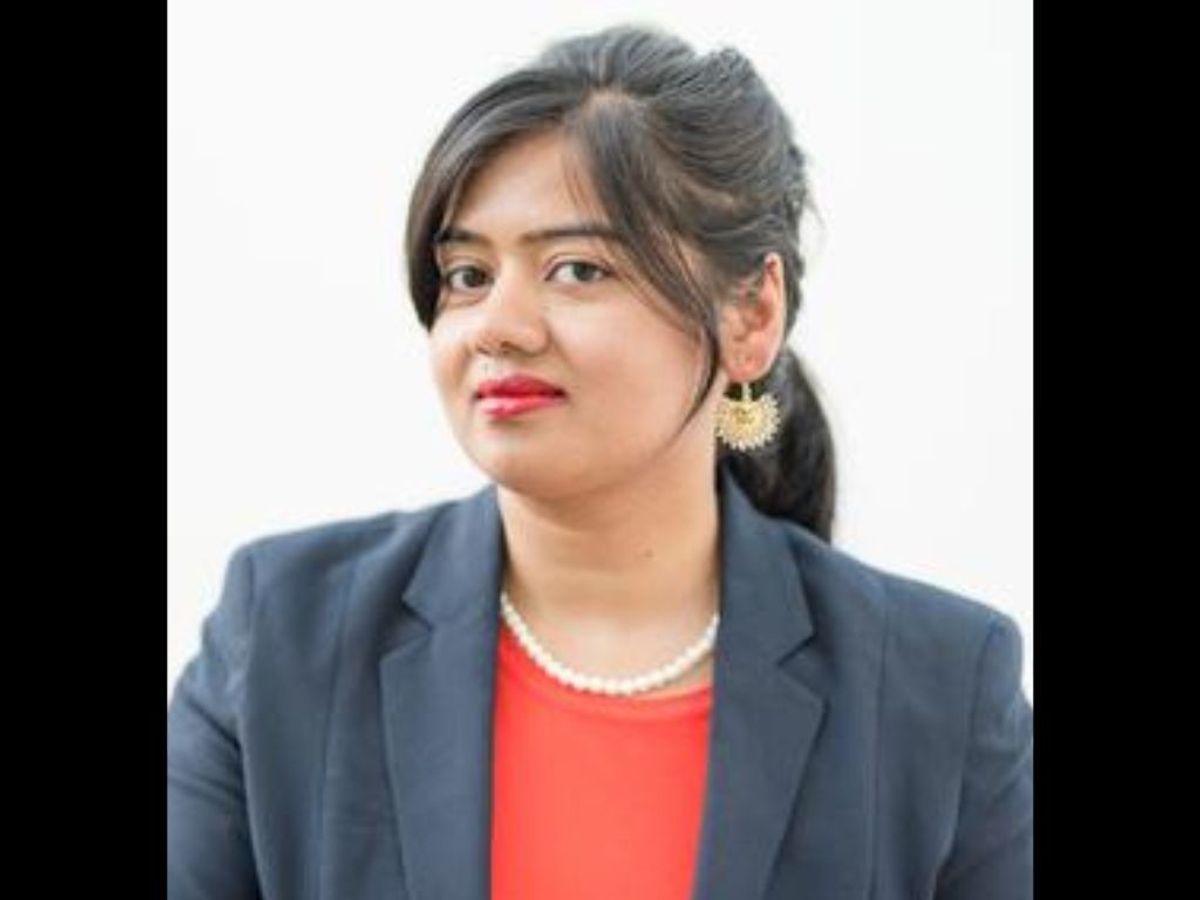
Dr. Shweta Singh serves as an Assistant Professor of Information Systems and Management at Warwick Business School, University of Warwick. She concurrently holds prestigious appointments as a Fellow at the Warwick Institute for Global Sustainability Development (IGSD) and a Behavioral Data Science researcher at The Alan Turing Institute in London. Her academic journey includes a Ph.D. in Information and Decision Sciences from the Carlson School of Management at the University of Minnesota, complemented by dual Master's degrees in Computer Science and Applied Economics from the same institution. Ph.D. in Information and Decision Sciences, University of Minnesota Master's in Computer Science, University of Minnesota Master's in Applied Economics, University of Minnesota Dr. Singh's research centers on developing ethical and responsible artificial intelligence systems that address societal challenges. Her work specifically targets mitigating AI bias, creating explainable AI frameworks, and leveraging technology to combat societal injustice. She investigates how digital platforms, sharing economy models, and IT outsourcing create business value while ensuring these technologies promote sustainability and reduce inequalities. Her innovative approach combines technical AI expertise with deep social awareness, particularly focusing on gender equality and child protection in digital spaces. Her publication record demonstrates consistent high-impact contributions to Information Systems Research, International Conference on Information Systems, and related venues. The trajectory of her work shows increasing focus on practical applications of responsible AI, with recent projects addressing online child safety and human trafficking prevention. Her research increasingly intersects with policy development, as evidenced by her contributions to UK Parliamentary Office of Science and Technology briefs. Doctoral Dissertation Fellowship, University of Minnesota McNamara Fellowship, University of Minnesota Social Impact Project of the Year shortlist (2023) Asian Women of Achievement Award finalist (2023) British Indian Awards finalist (2019) Top 5 Women in Tech for Good Award shortlist (2022) Inspiring 50 UK recognition (2025) Dr. Singh actively mentors students and has been recognized with the Staff Social Inclusion Award (2024) for her teaching excellence. Her advisory roles extend beyond academia to include the UN Women UK delegation for the Commission on the Status of Women and the Advisory Board of AI retail company 'Love the Sales'. She serves as an external collaborator for Boston Consulting Group's Henderson Institute, bridging academic research with industry applications. Through her leadership in the ISM-Analytics (ISMA) Group at Warwick, Dr. Singh fosters interdisciplinary collaboration focused on creating socially responsible technological solutions. Her work with the IGSD specifically targets UN sustainability goals related to reducing inequalities and promoting inclusive societies through responsible AI implementation.
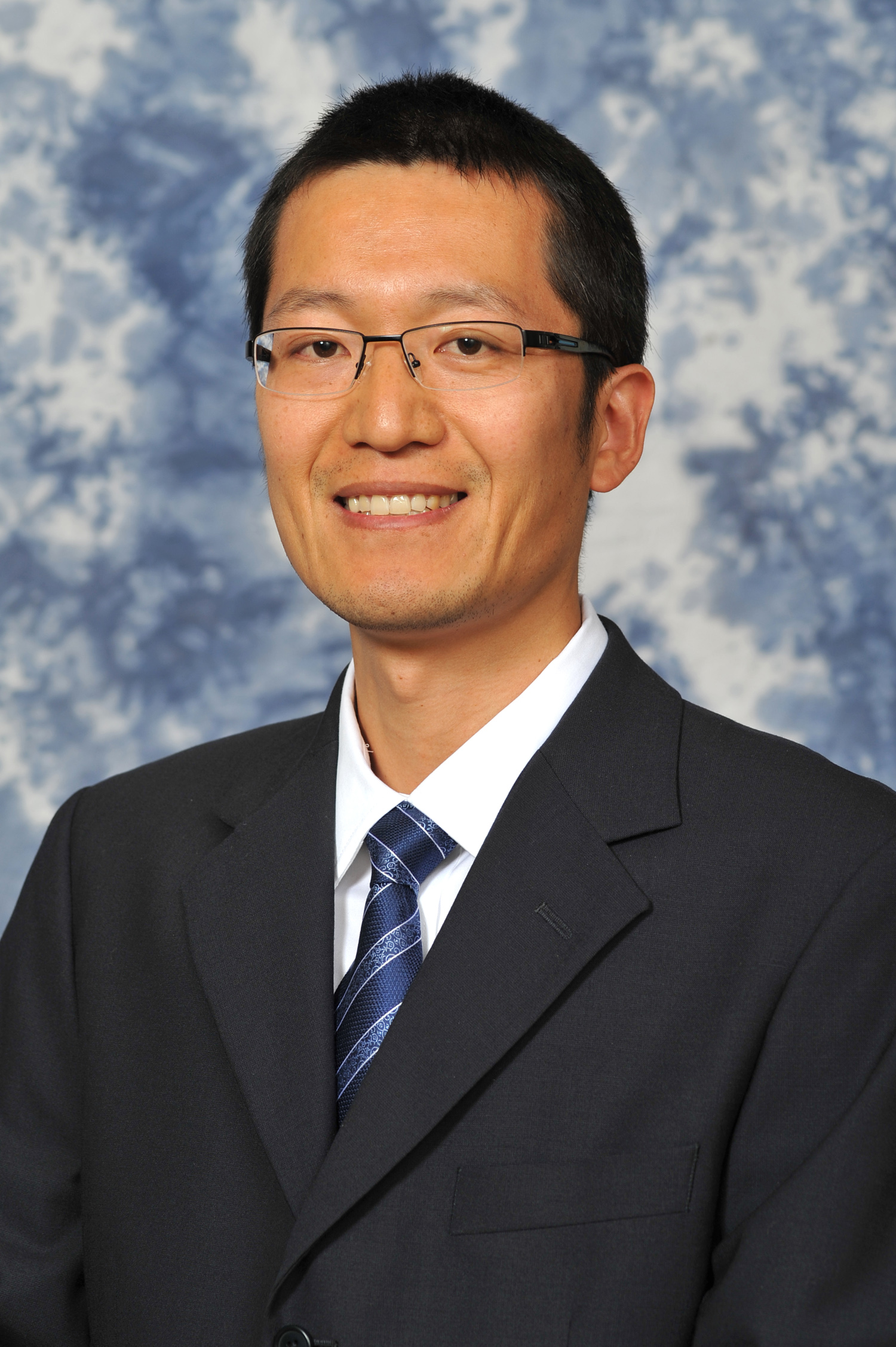
Weiqing Sun is a Professor in the Computer Science and Engineering Technology Program within the Department of Engineering Technology at the College of Engineering, University of Toledo. He serves as the Program Director for the Master's Programs in Cyber Security and is also the Cyber Security Faculty Fellow for UT DTAS (Division of Technology and Advanced Solutions). His office is located in NE 1627 at the University of Toledo. Dr. Sun earned his Ph.D. degree from the Computer Science Department at Stony Brook University (SUNY at Stony Brook) in 2008. He completed his undergraduate and master's education in China, holding both B.E. and M.E. degrees in Computer Science and Engineering from Tongji University, Shanghai. Dr. Sun's primary research focuses on computer and network security, with particular emphasis on malware defense and detection, security policy development, security testbed creation, and intrusion detection systems. His work extends to enhancing security across various critical infrastructure systems including smart grids, cloud computing environments, software-defined networks, unmanned aerial vehicles, healthcare information systems, and transportation networks. His research approach combines theoretical foundations with practical implementations, often developing simulation testbeds to evaluate security solutions in realistic scenarios. Analysis of Dr. Sun's publication record reveals a consistent focus on practical cybersecurity solutions across multiple domains. His work shows evolution from foundational security mechanisms toward specialized applications in emerging technologies like UAV networks, smart grids, and connected vehicles. A notable trend is his development of simulation testbeds for security evaluation, demonstrating his commitment to bridging theoretical security concepts with real-world implementation challenges. His research increasingly incorporates machine learning and deep learning techniques for intrusion detection and anomaly identification. Dr. Sun has been actively involved in mentoring students and developing curriculum in cybersecurity. His teaching portfolio includes advanced courses in computer and network security, software engineering, programming languages, and web services. He has contributed to cybersecurity education through the development of hands-on lab environments that provide practical security experience for students. His research has received support from the Ohio Department of Transportation and the University of Toledo, enabling his work on critical infrastructure security. Dr. Sun leads research initiatives focused on creating secure environments for emerging technologies and critical systems. Dr. Sun directs the Cyber Security Research Lab at the University of Toledo, where his team works on developing innovative security solutions for various platforms and systems. The lab focuses on practical security implementations, often creating simulation environments to test security mechanisms before real-world deployment.
Xiaonan Lu is an Associate Professor of Electrical Engineering Technology at Purdue University's School of Engineering Technology, with a courtesy appointment in the Elmore Family School of Electrical and Computer Engineering. His research focuses on critical challenges in modern power systems dominated by inverter-based resources, particularly stability and control in microgrids and renewable-integrated grids. His research interests span power systems engineering with emphasis on small-signal stability analysis, dynamic modeling of hybrid AC/DC microgrids, and advanced control strategies for grid-forming and grid-following inverters. He investigates AI-assisted modeling techniques, resilience enhancement through hydrogen integration, and data-driven optimization of microgrid operations to address challenges in low-inertia power systems and distributed energy resource coordination. Analysis of his recent publications (2024-2025) reveals dominant trends toward AI-aided stability assessment, seamless control transitions between inverter modes, and quantifiable trade-offs in voltage regulation and power sharing. His work consistently addresses practical implementation challenges including communication delays, cyber resilience, and standardized testing methodologies for inverter-dominated systems.
Professor Mohammed Salamah is a distinguished faculty member in the Computer Engineering Department at Eastern Mediterranean University's Faculty of Engineering. He maintains an office in room 114 and can be contacted at +90 392 630 1149/1334 or via email at muhammed.salamah@emu.edu.tr. His academic website provides additional resources for students and colleagues. Dr. Salamah earned his BS, MS, and PhD degrees in Electrical and Electronics Engineering from Middle East Technical University in 1988, 1990, and 1996 respectively, establishing a strong foundation for his career in network communications and wireless systems. His research interests span multiple critical areas in modern networking, with particular expertise in Wireless Sensor Networks, Internet of Things (IoT) security, Mobile Communications, and Energy Efficiency in network protocols. Professor Salamah has made significant contributions to the understanding of network security mechanisms, trust management systems, and optimization of wireless communication protocols. An analysis of his recent scholarly output reveals a strong focus on security challenges in IoT communication systems, controller placement optimization in software-defined wireless sensor networks, and trust-based malicious node detection schemes. His work demonstrates consistent attention to practical network performance issues while addressing emerging challenges in next-generation communication technologies. Throughout his academic career, Professor Salamah has demonstrated exceptional commitment to student mentorship, supervising numerous graduate students through their research journey. His administrative contributions include service as an associate editor, reviewer, and session chair for academic conferences. His laboratory work focuses on practical implementations of wireless communication protocols, with emphasis on energy efficiency, security mechanisms, and performance optimization for various network architectures including cellular networks, cognitive radio systems, and wireless sensor networks.
Sami Äyrämö is an Associate Professor at the Faculty of Information Technology , University of Jyväskylä. His research bridges machine learning and health science , focusing on innovative applications in biomechanics , medical imaging , and exercise physiology . Specializes in automated scoring systems for medical diagnostics Pioneer in domain-specific transfer learning for healthcare data Develops synthetic data for wellbeing sector innovation His work spans colorectal cancer tissue analysis , ACL injury risk modeling , and dementia detection from speech , with recent studies applying cluster analysis and deep learning to sports biomechanics challenges. Current projects include the WellbeingDataLab initiative for synthetic exercise data, and collaborations with the Computational Data Science Research Group on spectral imaging and health analytics.
Johanna Sörensen is an Associate Senior Lecturer at the Division of Water Resources Engineering within Lund University's Faculty of Engineering (LTH) . She specializes in urban hydrological processes , particularly during extreme precipitation , and advocates for blue-green infrastructure (NBS, SUDS) to enhance climate change adaptation and reduce flood risks . Her work bridges technical performance of water systems with urban planning reforms for sustainable solutions. Research Focus : Urban hydrology, blue-green infrastructure, stormwater management Teaching : Advanced Hydrology, Sustainability, Pipe System Engineering Her research involves Artificial Neural Networks for hydrological modeling, decision support indicators for water planning, and fieldwork in Malmö . She collaborates with Swedish Environmental Protection Agency and companies on leakage minimization in water distribution systems. Recent projects include StormMan (governance for sustainable stormwater) and RörANN (smart pipe monitoring). Scientific Awards: The New Generation Prize by Swedish Association for Water (2018) Supervision: Regularly supervises 2–3 Master's thesis projects with industry partners. Network: Active in EU projects and collaborations across Scandinavia, Brazil, and Eastern Africa .
Dr. Yassin A. Hassan is a Professor at the College of Engineering , Texas A&M University , with joint appointments in Nuclear Engineering and Mechanical Engineering . He holds the L.F. Peterson '36 Chair II , is a University Distinguished Professor , and directs the Center for Advanced Small Modular and Microreactors (CASMR) . Ph.D., Nuclear Engineering, University of Illinois – 1980 M.S., Nuclear Engineering, University of Illinois – 1975 B.S., Engineering, University of Alexandria in Egypt – 1968 His research interests include: Computational & Experimental Thermal Hydraulics Reactor Safety Fluid Mechanics Two-Phase Flow Turbulence & Laser Velocimetry Imaging Techniques His recent publications focus on: Thermal hydraulics of heat pipes and microreactors AI integration in nuclear thermal-fluid systems Flow regime transitions in wire-wrapped fuel assemblies CFD validation for pebble bed and molten salt reactors Uncertainty quantification in reactor simulations Flow visualization techniques under elevated pressures Scientific awards include: American Nuclear Society Seaborg Medal (2008) James N. Landis Medal (ASME, 2017) Akiyama Medal (ICONE 24, 2016) Arthur Holly Compton Award (ANS, 2003) Texas A&M TEES Research Impact Award (2018-2019) Honorary professor, Bangor University, UK Dr. Hassan leads the Thermal-Hydraulics Research Laboratory and has pioneered advancements in reactor safety, digital twin technologies, and AI-driven thermal-fluid simulations.
Dr. Sven Mackenbach serves as a Postdoctoral Researcher and Senior Engineer at RWTH Aachen University's Institute of Construction Management, Digital Engineering and Robotics in Construction (ICoM) since January 2023. Holding a doctorate in circular construction from the same institution, he leads the development of the "Circular Construction" research area, oversees multidisciplinary projects, and teaches Sustainable Construction Management to engineering students. His academic credentials include: PhD in Circular Construction, RWTH Aachen University (2023) Mackenbach's research integrates circular economy principles with digital construction technologies, focusing on strategic management frameworks for sustainable building practices. His expertise spans modular construction methods, BIM-based sustainability assessment, and digital twinning applications for infrastructure management. He bridges theoretical research with practical implementation through sustainability consulting for construction stakeholders, addressing real-world challenges in resource efficiency and regulatory compliance. His publication portfolio reveals a decisive shift toward data-driven circular construction solutions, with increasing emphasis on BIM-ontology integration for deconstruction planning, public participation systems, and sewer infrastructure management. Recent works demonstrate sophisticated methodological approaches to quantify ecological, economic, and social sustainability metrics without specialized expertise. As a scientific supervisor, Mackenbach mentors research assistants in project execution while contributing to curriculum development through his specialized course instruction. His leadership in research project coordination indicates substantial grant management experience, though specific funding sources aren't detailed in available materials. Within ICoM's collaborative environment, he contributes to cross-disciplinary teams advancing digital engineering and robotics applications in construction, particularly through the KaSyTwin sewer management project and BIPV facade digitalization initiatives.
Dr. Erma Perenda serves as Professor and Chair of Distributed Signal Processing at RWTH Aachen University, Germany, leading research within the Department of Distributed Signal Processing. Her contact details include email perenda@dsp.rwth-aachen.de and phone +49 241 80-27879, with office location at Kopernikusstraße 16, 52074 Aachen in the ICT Cubes facility. Her research spans: Distributed Signal Processing Wireless Communications Machine Learning (Deep Reinforcement Learning, Federated Learning) Modulation Classification AI-driven Network Optimization She focuses on solving real-world challenges in wireless systems including hardware impairments, channel variations, and energy efficiency through advanced AI techniques. Analysis of her 2018-2024 publications reveals consistent innovation in applying multi-agent deep reinforcement learning to wireless power allocation, developing robust modulation classification methods resilient to channel impairments, and implementing federated learning for industrial edge computing. Her work bridges theoretical machine learning with practical wireless communication constraints. Scientific Awards: No awards documented in available sources Advising and Grants: No student advisees or grant information provided Labs and Teams: Leads Distributed Signal Processing research group at RWTH Aachen University Based in ICT Cubes building focusing on wireless AI systems