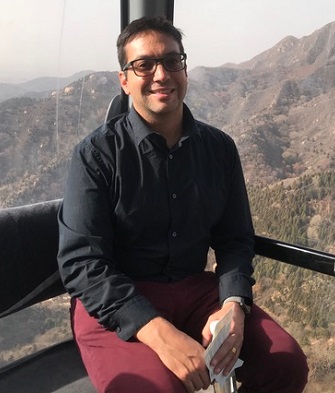
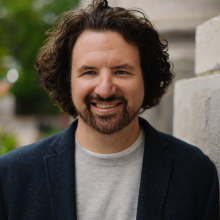
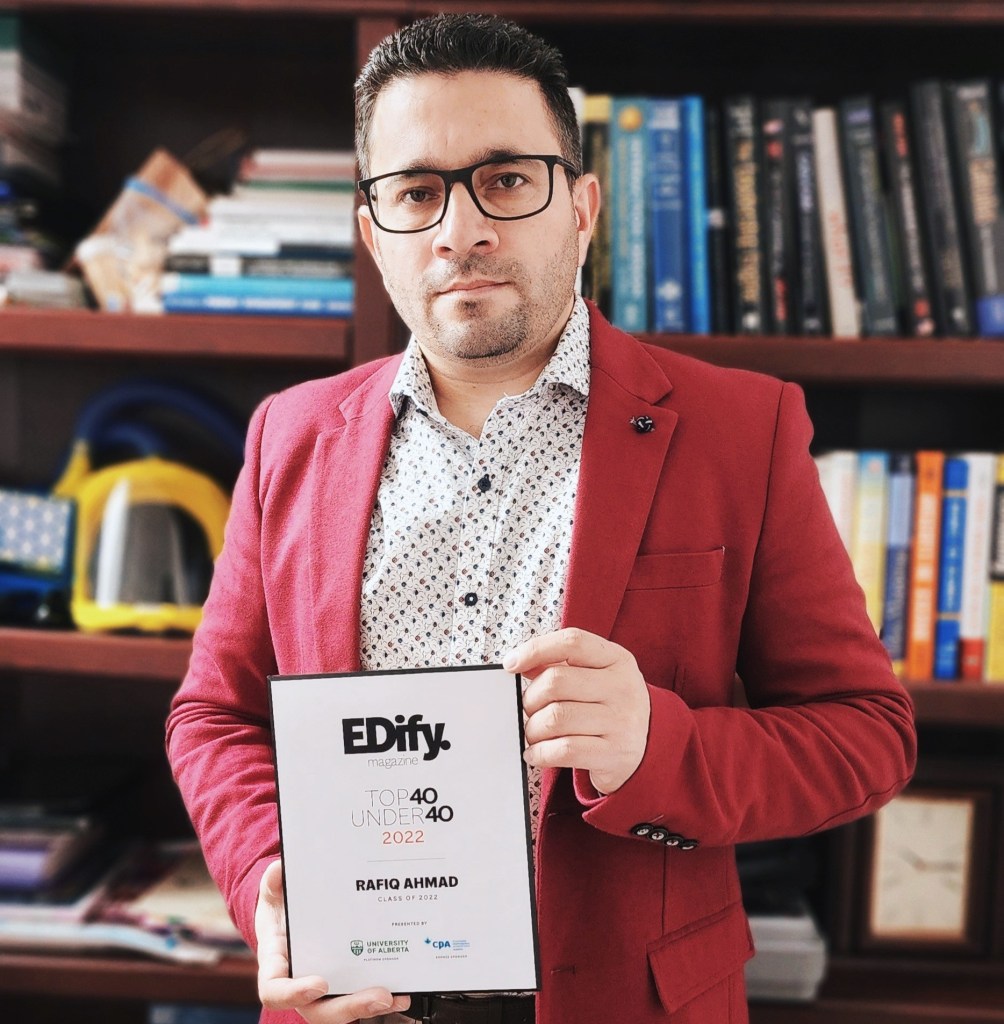
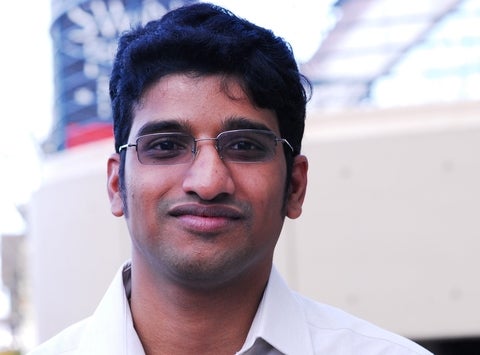
Farshid Agharebparast serves as an Associate Professor Teaching in the Department of Electrical and Computer Engineering at the University of British Columbia's Faculty of Applied Science. His academic career is anchored in data communications networks and mobile computing, with active contributions to the Communication Systems Research Group specializing in Data Communications. Education: BSc, University of British Columbia MASc, University of British Columbia PhD, University of British Columbia Dr. Agharebparast's research explores stochastic network calculus applications for wireless performance evaluation, cross-layer design in fading channels, and QoS provisioning. His work bridges theoretical frameworks like min-plus algebra with practical challenges in 4G handover privacy, bandwidth allocation in WiMAX, and traffic shaping for unreliable channels. These investigations address critical needs in next-generation mobile infrastructure where latency guarantees and resource efficiency are paramount. His teaching encompasses core engineering subjects including Circuit Analysis (ELEC 201), Operating Systems (CPEN 331), Computer Networking (ELEC 331, CPEN 400N), and multiple design studio courses (ELEC 291, CPEN 291). This portfolio demonstrates deep engagement with both foundational theory and hands-on implementation across electrical and computer engineering curricula. Scientific Awards: No awards documented in source materials Through design studio courses and undergraduate teaching assistantships, Dr. Agharebparast mentors emerging engineers in practical system development. His publication trajectory from 2001-2022 indicates sustained research activity in network performance modeling, though specific grant funding details remain unreported. His work consistently targets real-world wireless challenges including video streaming optimization and privacy-preserving mobility management. Affiliated with UBC's Communication Systems Research Group, he contributes to a collaborative ecosystem focused on data communications innovation. Current investigations appear centered on stochastic performance bounds for modern wireless architectures, extending his two decades of scholarship in network calculus applications.