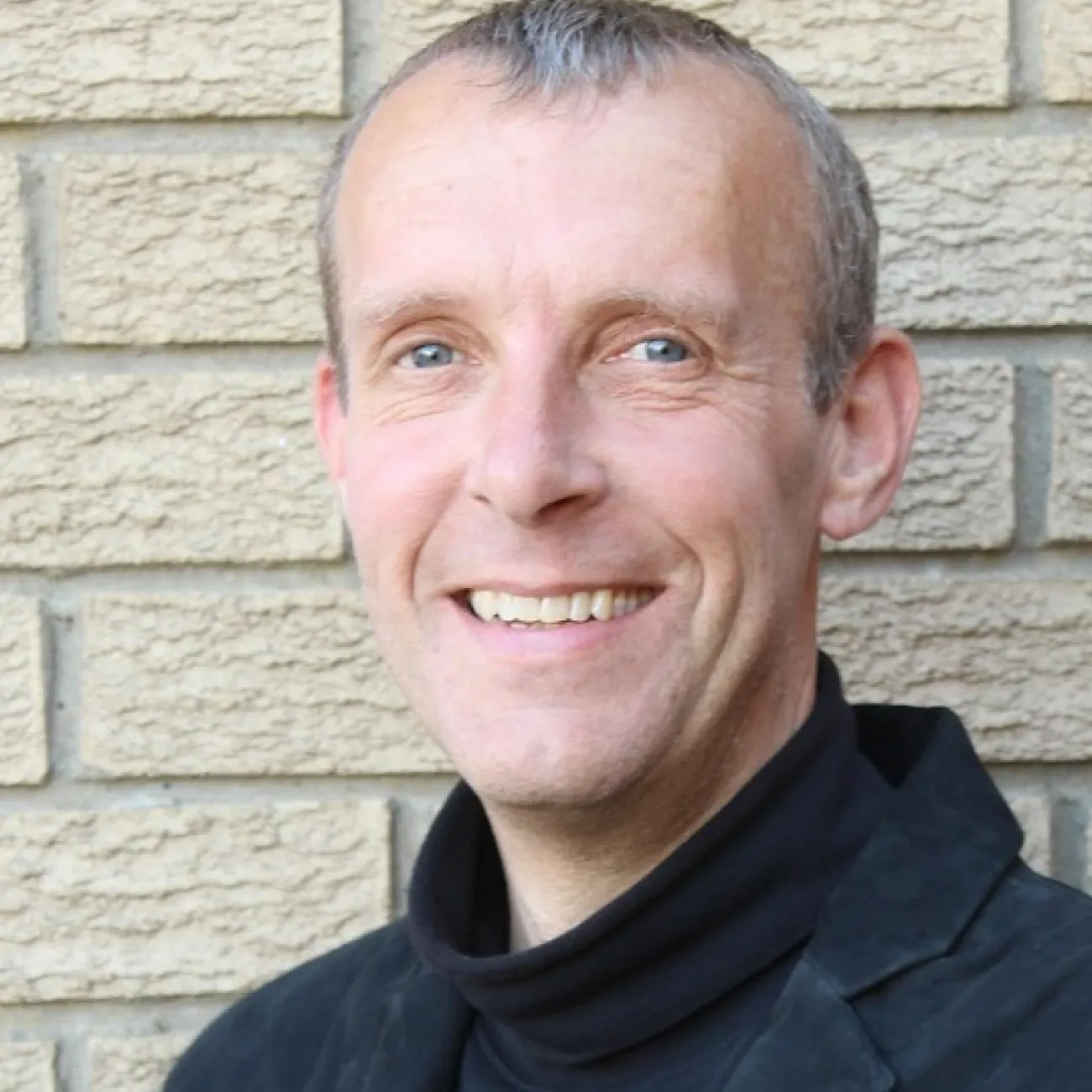
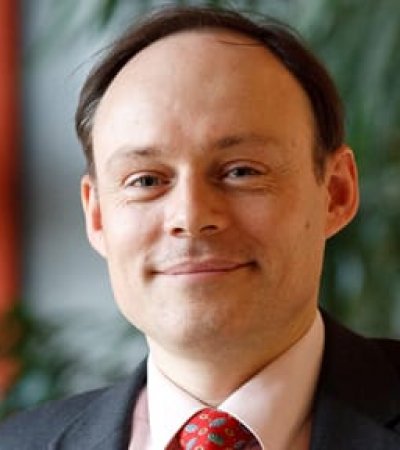
Jiri Srba is a Professor at Aalborg University's Department of Computer Science, part of the Technical Faculty of IT and Design. He leads research in the Distributed, Embedded and Intelligent Systems group and contributes to projects like "ControLing wAter In an uRban Environment" and "Collective Adaptive System SynThesIs using Non-zero-sum Games". His office is located at Selma Lagerløfs Vej 300, 9220 Aalborg Øst, Denmark. Contact him at +4599409851 or srba@cs.aau.dk. His core research focuses on formal methods and applied computer science: Model checking and verification of concurrent systems Petri nets and their applications Network protocol verification and synthesis Distributed system correctness Automated reasoning for industrial systems His publication record shows strong emphasis on network verification, model checking optimization, and applying formal methods to environmental systems. Recent work integrates computer science with sustainable engineering, particularly in water management systems and energy control.
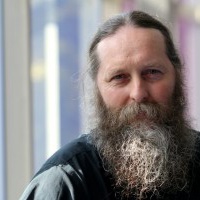
Professor Itai Einav is a renowned academic in civil engineering and geomechanics at The University of Sydney. He serves as Director of SciGEM (Science of Granular and Multiphase Energy Materials) and holds an honorary professorship at University College London. His research focuses on granular materials, particulate systems, and geomechanics, with particular emphasis on breakage mechanics and applications in mining, heat transfer, and fault dynamics. He advises PhD students on topics like robotic navigation inspired by earthworms and soil mechanics. Einav's work bridges fundamental physics and engineering applications, leveraging advanced imaging techniques (e.g., X-ray tomography) and computational models. He is affiliated with The Net Zero Institute and collaborates globally on projects like granular flow dynamics and porous media behavior. Notable contributions include the 2007 development of breakage mechanics theory and innovations in granular rheology and fault modeling.
Vincent Dufour-Décieux is a researcher at the Professorship for Energy and Process Systems Engineering at ETH Zürich , focusing on developing computational methods for material screening in separation processes and global net-zero transitions. He earned his Master's in Materials Chemistry from Ecole Polytechnique (France) and a PhD in Materials Science from Stanford University , where he pioneered statistical methods combining Kinetic Monte Carlo and random graph theory to study planetary diamond formation. Research Highlights: Application of Classical Density Functional Theory (cDFT) for 100x faster adsorption property predictions in porous materials Development of science-based definitions for "hard-to-abate" emissions to guide climate action prioritization Integration of Coulombic interactions in cDFT for CO2 adsorption accuracy Article Trends : His work spans computational materials science (cDFT, random graph theory) and climate policy analysis, with recent publications in Joule , AIChE Journal , and Physical Review E . These studies emphasize scalable solutions for carbon capture, material screening efficiency, and accurate thermodynamic modeling. Collaborations : Active in international conferences (FOA15, MolMod, Gordon Research Conference) and cross-institutional projects with teams at Stanford, ETH Zürich, and industry partners.
Dr. Michel Chaaya is a Senior Lecturer in Civil Engineering at the University of Sydney, with expertise in project management, construction engineering, and sustainability. He holds a PhD from the University of Sydney and is a Fellow of the Institution of Engineers Australia and the College of Leadership and Management. His research focuses on innovative project management methodologies, sustainable construction practices, and BIM implementation. Education: BE, ME(Res), PhD in Project Management and IT from the University of Sydney. Research Interests: Enhancing project success through risk management, modular construction, and BIM adoption. He emphasizes communication, sustainability, and community wellbeing in construction projects. Recent projects include studies on net-zero steel production, BIM in SMEs, and NCC 2022 energy requirements. Awards: ARCHIBUS Excellence Awards (2017-2013), Best Residential Development Awards (2009-2010), and Australian Postgraduate Award (1997). Teaching: Courses include Project Planning, Professional Practice in Engineering Management, and Global Project Management. He has supervised over 250 theses since 2003. Industry Roles: Director of Business Development for multiple organizations, specializing in construction, IT systems, and real estate. He advises on complex project delivery and stakeholder management.
Miguel Mujica Mota is a Senior Lecturer at the Faculty of Technology, National Autonomous University of Mexico (UNAM), and a member of the Centre of Applied Research Technology. His research focuses on airport operations, multimodal transport systems, and simulation modeling. He has expertise in analyzing capacity challenges in multi-airport systems, particularly in Mexico City, and developing decision support systems for airport security and resource allocation. His work integrates sustainability and efficiency, addressing topics like environmental reporting in airlines and post-pandemic airport recovery strategies. Research Contributions: Dr. Mujica Mota has published extensively on airport capacity optimization, multimodal transport integration, and simulation-based methodologies. Key projects include the X-TEAM D2D initiative for door-to-door travel and the IMHOTEP project for smart passenger flow management. His work often involves collaboration with institutions like Schiphol Airport and the H2020 EU framework. Research Interests: Airport terminal design, air traffic management, simulation modeling, multimodal logistics, and sustainable aviation. Awards: A-BOOST Research Fund (2020) Beste paper award EMM2018 X-TEAM D2D Project Recognition (2020) Activities: Organized conferences like the 2023 EUROSIM Simulation Seminar and served on committees for events such as the 2024 Multilog Conference. Grants & Projects: Involved in EU-funded initiatives like H2020, focusing on multimodal integration and sustainable transport solutions. His research also explores climate change impacts on infrastructure and simulation-based validation approaches.
Garrett Cullity is a Professor of Philosophy at the School of Philosophy, Australian National University (ANU), within the Research School of Social Sciences (RSSS). Previously, he held positions at the Universities of Oxford, St Andrews, and Adelaide, including the Hughes Professor of Philosophy at Adelaide. His research spans moral philosophy, focusing on topics such as moral judgment, moral knowledge, practical reason, moral virtues, and applied ethics related to climate change, international aid, and consumer ethics. Education: B.Phil. and D.Phil. (Oxford), undergraduate studies at UWA. He has supervised numerous research students and contributed to projects like The Ethics of Net Zero (2023–2026) and Ethics, Responsibility and the Carbon Budget (2018–2024). Research interests include the theoretical foundations of morality, moral virtues, climate ethics, fairness in collective action, and global poverty. His work bridges abstract moral theory with practical issues like environmental policy and humanitarian responsibility.
Professor Alan J Murphy is a leading academic in Maritime Engineering at the University of Southampton. He holds a First-Class BEng in Naval Architecture and a PhD in Experimental Hydrodynamics. His research focuses on decarbonizing maritime systems, emission reduction, and sustainable propulsion technologies. He has held leadership roles including Head of the Marine, Offshore and Subsea Technology Group at Newcastle University and is currently Editor-in-Chief of the International Journal of Maritime Engineering. Education: BEng Naval Architecture (Newcastle University), PhD Experimental Hydrodynamics (University of Southampton) Affiliations: Royal Institution of Naval Architects Fellow, Worshipful Company of Shipwrights Liveryman Research interests include net-zero maritime propulsion, energy efficiency, and policy/regulation for sustainable shipping. He has supervised numerous PhD students and contributed to major projects such as the establishment of Newcastle University’s Singapore campus. Publications span topics like electrified port systems, alternative marine fuels, and underwater vehicle navigation. Awards include the Stanley Grey Fellowship and Froude Scholarship.
Professor Tim Lenton is the Chair in Climate Change / Earth System Science at the University of Exeter and founding Director of the Global Systems Institute. With over 25 years of research experience, his work focuses on modeling biosphere-climate interactions, biogeochemical cycles, and climate tipping points. He has contributed to global climate governance frameworks, including the Global Tipping Points Report 2023 launched at COP28. Education: PhD in Environmental Sciences (University of East Anglia, 1998), BA Honours in Natural Sciences (University of Cambridge, 1994). His research spans Earth system science , climate change modeling , and ecological tipping points , emphasizing risks from nature loss and opportunities for societal transformation via positive tipping points . Recent activities include co-hosting the 2025 Global Tipping Points Conference and advising policymakers on net-zero strategies. Leadership: Directed the Global Systems Institute (2017–2023). Collaborations: Partnered with Bezos Earth Fund and institutions like Potsdam Institute for Climate Impact Research. Tim actively bridges climate science and governance, advocating for risk mitigation and socially just transitions through his work on planetary boundaries and system dynamics.
Dr Stathis Tingas is a Lecturer at Edinburgh Napier University's School of Computing Engineering and the Built Environment. His research focuses on hydrogen fuel systems, combustion engineering, and sustainable transportation technologies. With numerous publications in high-impact journals and conference proceedings, Dr Tingas has established himself as a significant contributor to the field of alternative energy systems. Dr Tingas' research interests center on hydrogen and ammonia as alternative fuels for transportation, with particular emphasis on combustion characteristics, engine performance, and emissions control. His work spans theoretical modeling, computational analysis, and practical applications for decarbonizing various transportation sectors including aviation, heavy-duty vehicles, and maritime transport. Recent publications demonstrate his focus on hybrid propulsion systems combining fuel cells with traditional engine technologies. Dr Tingas' publication record shows consistent productivity with research outputs spanning from fundamental combustion science to applied engineering solutions. His work often employs computational singular perturbation techniques for analyzing complex combustion phenomena, with recent focus shifting toward practical applications of hydrogen and ammonia fuels in real-world engine systems. The trend in his publications indicates growing emphasis on zero-emission transportation solutions aligned with net-zero targets. Dr Tingas serves as a second supervisor for PhD students, including Richard Wallace who is working on subsurface hydrogen storage simulation. He has successfully secured multiple research grants from UK government bodies including the Department for Science, Innovation & Technology, Scottish Government, and the Royal Society of Edinburgh, with projects totaling over £500,000 in funding. His current research portfolio includes projects focused on accelerating clean energy technology development, creating sustainable cities, advancing electromobility, and developing zero-carbon hydrogen engines for heavy transport applications. These projects demonstrate his commitment to addressing practical challenges in the transition to sustainable energy systems.
Dr. Joanne M Leach is a Research Fellow at the University of Birmingham's Department of Civil Engineering within the School of Engineering. Her work focuses on urban liveability, sustainability, and resilience, emphasizing transdisciplinary collaboration and the science of team science. She holds a PhD in Civil Engineering from the University of Birmingham (2020) and earlier degrees in Design Management (MSc, Salford) and International Business (BSc, Trinity University). Dr. Leach has extensive experience in EPSRC-funded projects, including the Liveable Cities Programme Grant (£6M) and the UK Collaboratorium for Research on Infrastructure and Cities (UKCRIC). Her research integrates infrastructure, urban planning, and wellbeing, with notable contributions to policy consultations, media engagements, and international collaborations. Key projects include the Healthy Low-Carbon Transport Hub (2025–present) and the Road to Net Zero initiative (2024–present). Education: PhD in Civil Engineering, University of Birmingham (2020) MSc (Distinction) in Design Management, University of Salford (2010) BSc (Hons) International Business with Mathematics, Trinity University (1995) Research Interests: Dr. Leach's work bridges urban sustainability, infrastructure resilience, and transdisciplinary methodologies. She develops diagnostic tools to assess urban challenges and communicates findings to policymakers. Her recent focus includes low-carbon transport, net-zero urban systems, and the role of infrastructure in wellbeing. She has contributed to high-impact publications and won awards for her work on urban design creativity and sustainable solutions. Awards: 2015 Reed Mallik Prize for Best Paper in Proceedings of the ICE 2020 Richard Trevithick Fund Prize Advising & Grants: Dr. Leach has led or contributed to over £20M in EPSRC-funded projects, including Liveable Cities (£6M) and Designing Resilient Cities (£3M). She advises on policy commissions, such as Future Urban Living (House of Lords) and National Infrastructure Commission (NIC) projects. Her collaborative networks span over 20 UK universities and 200+ industry/government bodies. Labs & Teams: She is integral to UKCRIC and the Centre for Urban Wellbeing at Birmingham, fostering innovation in urban systems through labs like PLEXUS (UKCRIC Pump-Priming Project) and the Urban Living Birmingham pilot.
Uwe Cantner is a Full Professor of Economics at Friedrich Schiller University Jena and holds a professorship at the University of Southern Denmark/Odense. He has held significant roles such as Vice President for Young Researchers and Diversity Management at FSU Jena (2014–2024), Chairman of the German Federal Government's Commission of Experts for Research and Innovation (EFI), and Spokesman of the DFG-GRK 1411 Research Training Group. His work focuses on the economics of innovation, evolutionary economics, industrial economics, productivity measurement, and public finance. Education : Dipl.oec. in Business Administration/Economics (1985) from University of Augsburg; MA in Economics (1984) from Wayne State University; Dr.oec.publ. (1990) and Dr.rer.pol.habil. (1996) from Ludwig-Maximilians-University Munich. Cantner's research bridges theoretical and empirical analyses of innovation systems, technological sovereignty, and entrepreneurial ecosystems. He has contributed to debates on missions-oriented innovation policy, productivity dynamics in global value chains, and the role of institutional transparency in regional development. His recent publications analyze industrial policy frameworks (2023), digitalization challenges in European higher education (2022), and corruption-innovation linkages (2020). Articles span evolutionary economics, environmental economics, and policy analysis, with cross-cutting themes in sustainability, governance, and regional development. Cantner actively shapes academic discourse as President of the International Joseph A. Schumpeter Society (since 2015) and editorial roles in journals like the Journal of Evolutionary Economics . He has directed graduate programs and contributed to EU energy transition research through expert surveys.
Paola Alejandra Saenz Cavazos is a Visiting Researcher and postdoctoral researcher in the Department of Chemical Engineering at Imperial College London, affiliated with the Hitachi-Imperial Centre for Decarbonisation and Natural Solutions. She collaborates with Prof. Nilay Shah's research group, focusing on Negative Emissions Technologies (NETs) and their regulatory/commercial drivers. Her work bridges nature-based and engineered Carbon Dioxide Removal (CDR) methods like blue carbon and Direct Air Capture (DAC), alongside CCUS techniques such as carbon mineralization and Sustainable Aviation Fuels (SAFs). Education: PhD in Chemical Engineering from Imperial College London (supervised by Prof. Daryl R. Williams), focusing on solid sorbents for CCUS under real-world conditions. Developed experimental frameworks and characterization techniques for scaling porous materials in gas adsorption applications. Research emphasizes technical performance, environmental impact, techno-economic analysis, and geo-social considerations of decarbonization technologies. Previously, she advised industries (energy, oil/gas, cement, mining, Waste-to-Energy) on net-zero strategies through her consultancy work, helping navigate decarbonisation complexities. Labs/Teams: Active in the Hitachi-Imperial Centre for Decarbonisation and Natural Solutions, contributing to interdisciplinary decarbonisation initiatives.
Sarah Kirkpatrick is a Professor at the Australian National University (ANU) in the Fenner School of Environment and Society . She is Deputy Director of Communications and Outreach for the ARC Centre of Excellence for 21st Century Weather , Chief Investigator at the ARC Centre of Excellence for Climate Extremes , and Vice President of the Australian Meteorological and Oceanographic Society . Education : BSc (Macquarie University) PhD (UNSW Sydney, 2010) Research Interests : Climate extremes, particularly heatwaves Extreme event attribution (natural vs anthropogenic drivers) Climate modeling and CMIP simulations Urban environment impacts on heatwaves Marine heatwaves and oceanic climate change Research Trends : Recent publications focus on heatwave mortality attribution (2009 Victorian heatwave), humid heat survivability thresholds, net-zero climate impacts, and interdisciplinary work with health experts. Her work integrates climate modeling with physiological vulnerability assessments to analyze age-group specific risks. Scientific Awards : 2021-2023 : Clarivate Highly Cited Researcher 2021 : Australian Academy of Science Dorothy Hill Medal 2016 : Australian Meteorological and Oceanographic Society Early Career Researcher Award Grants & Leadership : Current ANU Futures Scheme 2.0 project (2024-2028) Previously held ARC Discovery Early Career Researcher Award (2014-2017) and Future Fellowship (2017-2023) Scientific partner at the Monash Climate Change Communications Research Hub Outreach & Collaboration : A prominent science communicator in media, she collaborates with health experts, leads climate communication projects, and works with international research teams across 7+ institutions.
Professor Michael Pollitt is a faculty member at the University of Cambridge , holding the title of Professor of Business Economics . He serves as Director of the MPhil in Technology Policy Programme and is affiliated with the Centre for Business Research (CBR) . Additionally, he holds advisory roles on Ofwat's Water 2020 board and the National Infrastructure Commission's Regulatory Challenge Panel , and is a Joint Academic Director at CERRE Centre on Regulation in Europe . His research focuses on industrial economics , privatisation and regulation of utilities (particularly electricity), productive efficiency measurement , and the intersection of Christian ethics with business practices . He has advised numerous governmental and international bodies, including the UK Competition Commission , World Bank , and European Commission , and has consulted for major energy firms like National Grid and Eneco . His publications address critical energy and regulatory issues, with recent work exploring electricity market design , carbon pricing , net zero transitions , and infrastructure productivity . He contributes to academic governance as a member of editorial boards for journals such as The Energy Journal and Utilities Policy , and leads the Association of Christian Economists, UK .
Professor Peter Smith is a Chair in Plant & Soil Science at the University of Aberdeen within the School of Biological Sciences . He obtained his PhD in 1991 and has held academic positions since 2001, including Senior Lecturer (2001), Reader (2003), and Professor of Soils & Global Change (2005). His work focuses on modelling greenhouse gas mitigation , bioenergy systems , and global food security . Fellowships: Royal Society (FRS), Royal Society of Edinburgh (FRSE), European Academy of Sciences (FEurASc), Indian National Science Academy (FNA) Leadership: Co-leader of the Environmental Modelling Group , Science Director at Scotland's Climate Change Centre of Expertise His research spans soil carbon dynamics , greenhouse gas removal technologies , and climate-agriculture interactions , with over 900 publications. Articles highlight work on bioenergy crops , soil monitoring frameworks , and global food system resilience . Funding includes major grants from NERC , EU , and UK government for projects like GHG Europe, DEVIL, and VERIFY. He serves as Editor for Global Change Biology and Global Change Biology Bioenergy .