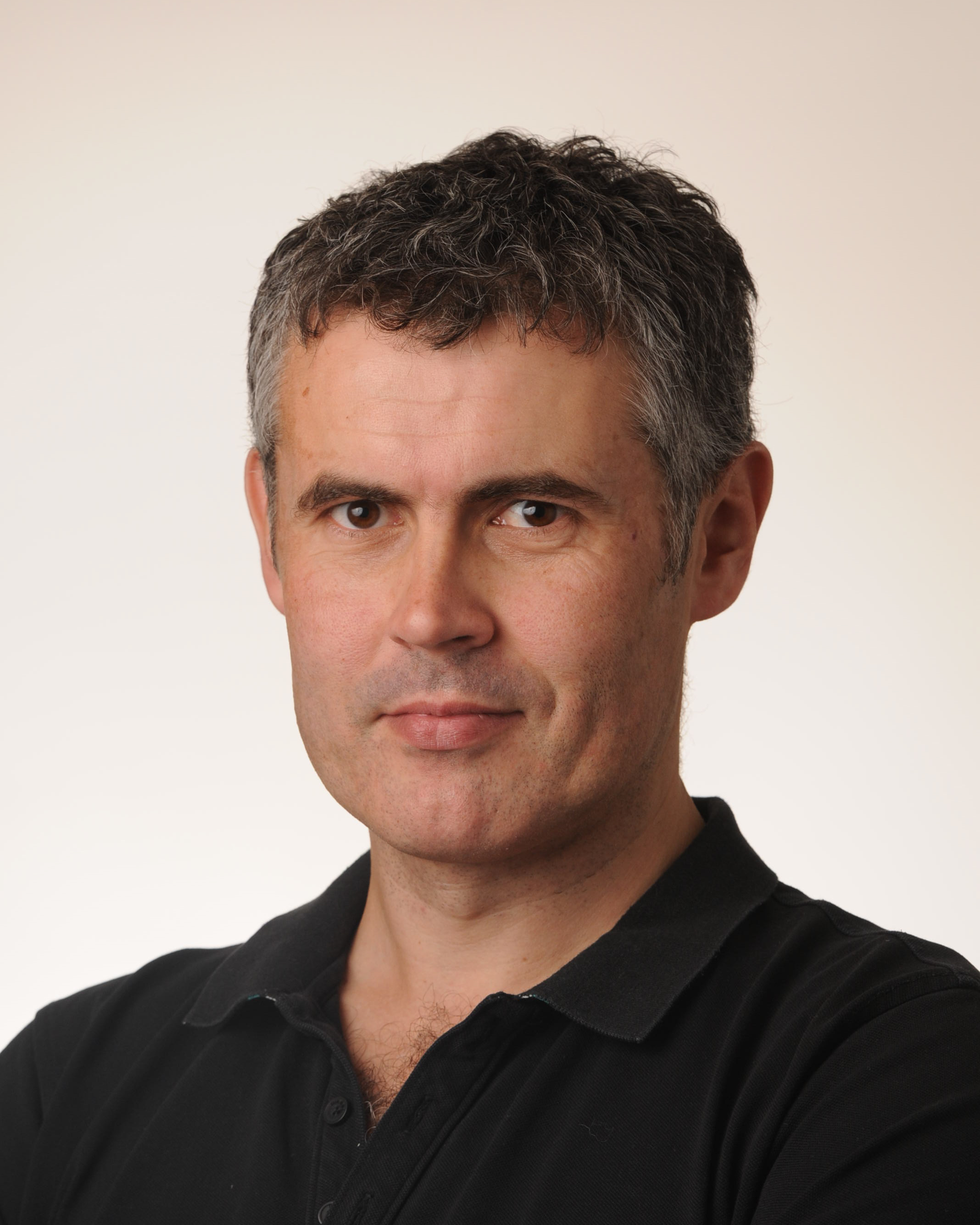
Nick Heard is a Professor and Chair in Statistics at the Department of Mathematics, Faculty of Natural Sciences, Imperial College London. His research focuses on computational Bayesian inference, clustering, and changepoint analysis applied to dynamic networks (e.g., computer networks, social networks) and bioinformatics. He leads the EPSRC-funded NeST project on Network Stochastic Processes and Time Series, collaborating with universities including Bristol, Oxford, and LSE. His work bridges statistical theory with applied problems in cyber-security and neuroscience. Research Interests - Modelling large dynamic networks - Changepoint analysis and anomaly detection - Statistical methods for cyber-security - Bayesian computation and inference - Spectral clustering and graph embeddings Grants & Collaborations - Co-leads the NeST project on Dynamic graph embeddings: procedures and inference - EPSRC Programme Grant (EP/T004870/1) supporting Network Stochastic Processes and Time Series research Software & Tools - Developed open-source packages for Bayesian changepoint analysis (e.g., changepoints ) - Code for p-value combination methods ( standardised_partial_product )
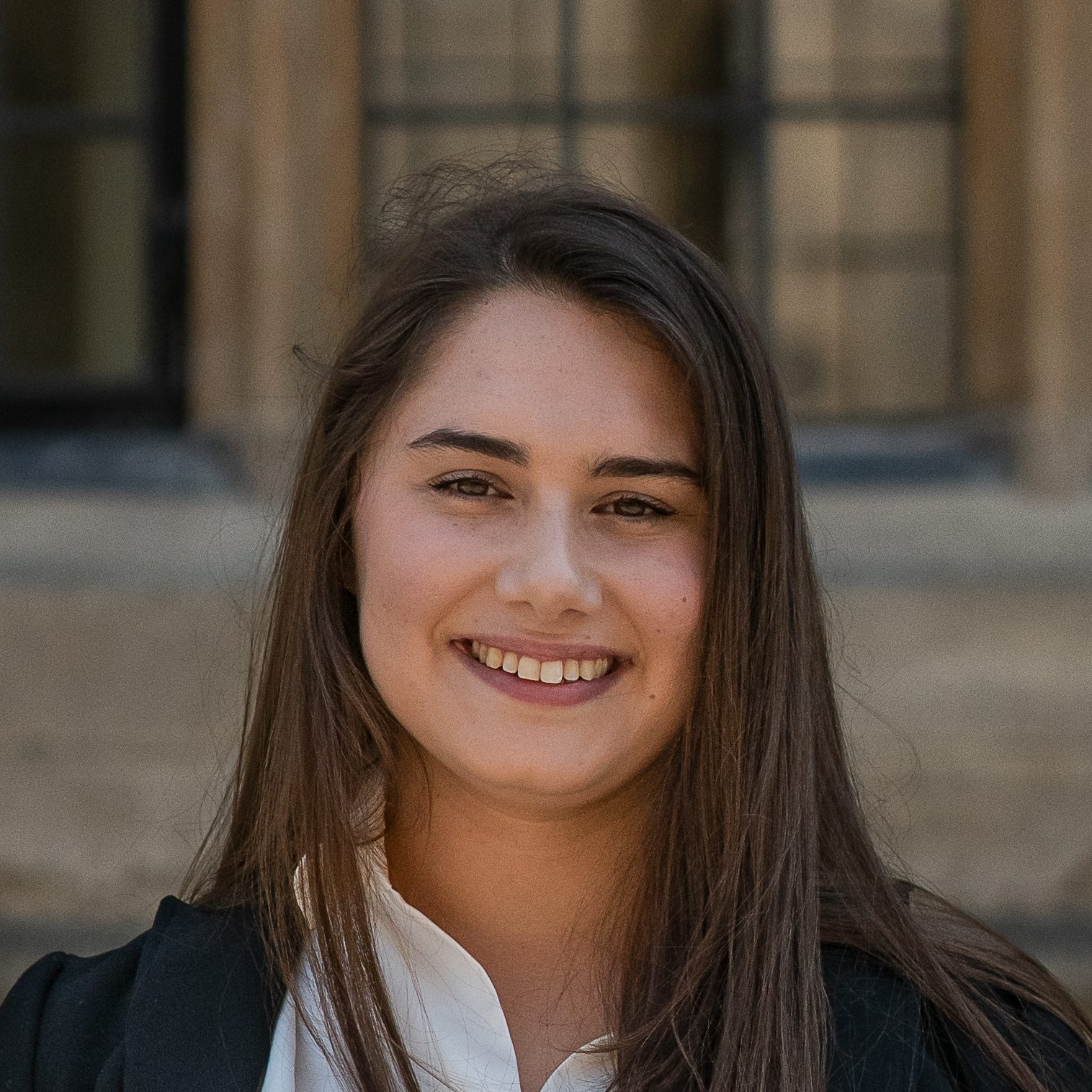
Anna Gautier is an Assistant Professor in the Department of Computer Science at Chalmers University of Technology, affiliated with the Division of Data Science and AI. Previously, she was a Digital Futures Postdoctoral Fellow at KTH Royal Institute of Technology (2023–2025), focusing on mechanism design for multi-robot systems. Her research emphasizes planning under uncertainty, multi-agent systems, and human-robot interaction. She holds a PhD from the University of Oxford (2023), an MSc from the London School of Economics, and dual undergraduate degrees from Washington University in St. Louis. Education Background: PhD in Computer Science, University of Oxford (2023) MSc in Applied Mathematics, London School of Economics BA in Mathematics and BS in Computer Science, Washington University in St. Louis Research Interests: Dr. Gautier explores planning algorithms for multi-agent systems, particularly in uncertain environments. She designs mechanisms to coordinate robots and humans, leveraging game theory and formal methods. Her work addresses challenges like resource allocation, risk-aware decision-making, and trust in autonomous systems. Recent projects include contingency planning for autonomous vehicles and auction-based resource distribution. Professional Activities: She co-chairs the ECAI 2025 Demonstration Track and teaches the course Safe Robot Planning and Control at KTH. Her projects include collaborations with WASP-Nest (PerCorSo) and TECoSA on trustworthy autonomy. She actively publishes in top venues like AAMAS and AAAI. Labs and Teams: Affiliated with Chalmers' Data Science and AI division, she leads research in multi-agent systems and human-AI collaboration.
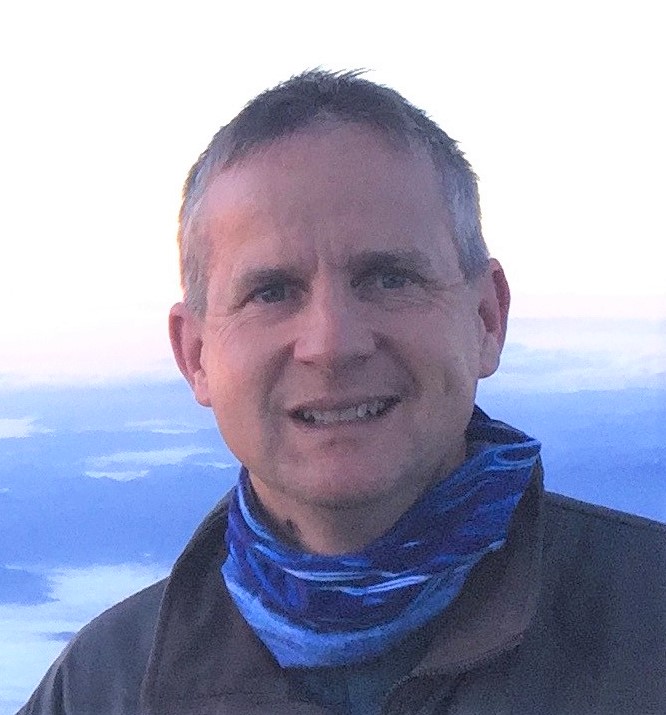
Tianyu Guan is an Assistant Professor in the Department of Mathematics and Statistics at York University, Faculty of Science. He previously served as an Assistant Professor at Brock University and joined York University in 2024. He holds a PhD in Statistics from Simon Fraser University (2020), an MSc in Actuarial Science from the same institution (2014), and a BSc in Statistics from Jilin University (2011). PhD in Statistics, Simon Fraser University, 2020 MSc in Actuarial Science, Simon Fraser University, 2014 BSc in Statistics, Jilin University, 2011 His research centers on sports analytics, functional data analysis, and nonparametric statistics, with strong applications in machine learning and data science. He applies statistical methodologies to understand sports performance, player behavior, and game dynamics. His work also extends to theoretical developments in sparse modeling and functional regression. The recent publications highlight a clear trend toward integrating advanced statistical techniques with real-world sports and entertainment data. His work combines functional data analysis, machine learning, and probabilistic modeling to extract insights from complex longitudinal and high-dimensional datasets. Topics span soccer, rugby, football, and movie reviews, demonstrating interdisciplinary reach. While no formal scientific awards are listed in the provided text, his publications in high-impact journals such as Annals of Applied Statistics and Statistics and Computing reflect strong academic recognition. Tianyu Guan actively advises multiple graduate students at both MSc and PhD levels, primarily at Brock and Simon Fraser Universities. His teaching portfolio includes advanced courses in nonparametric statistics, sampling theory, and experimental design at the undergraduate and graduate levels. He has not received external grant information in the provided text, but his research output suggests active engagement in funded or independent research projects. He leads methodological and applied research in sports analytics, often co-supervising students with colleagues across institutions. His lab or research group appears focused on developing and applying statistical tools for performance analysis and decision-making in sports, supported by computational implementations such as the R package ngr .
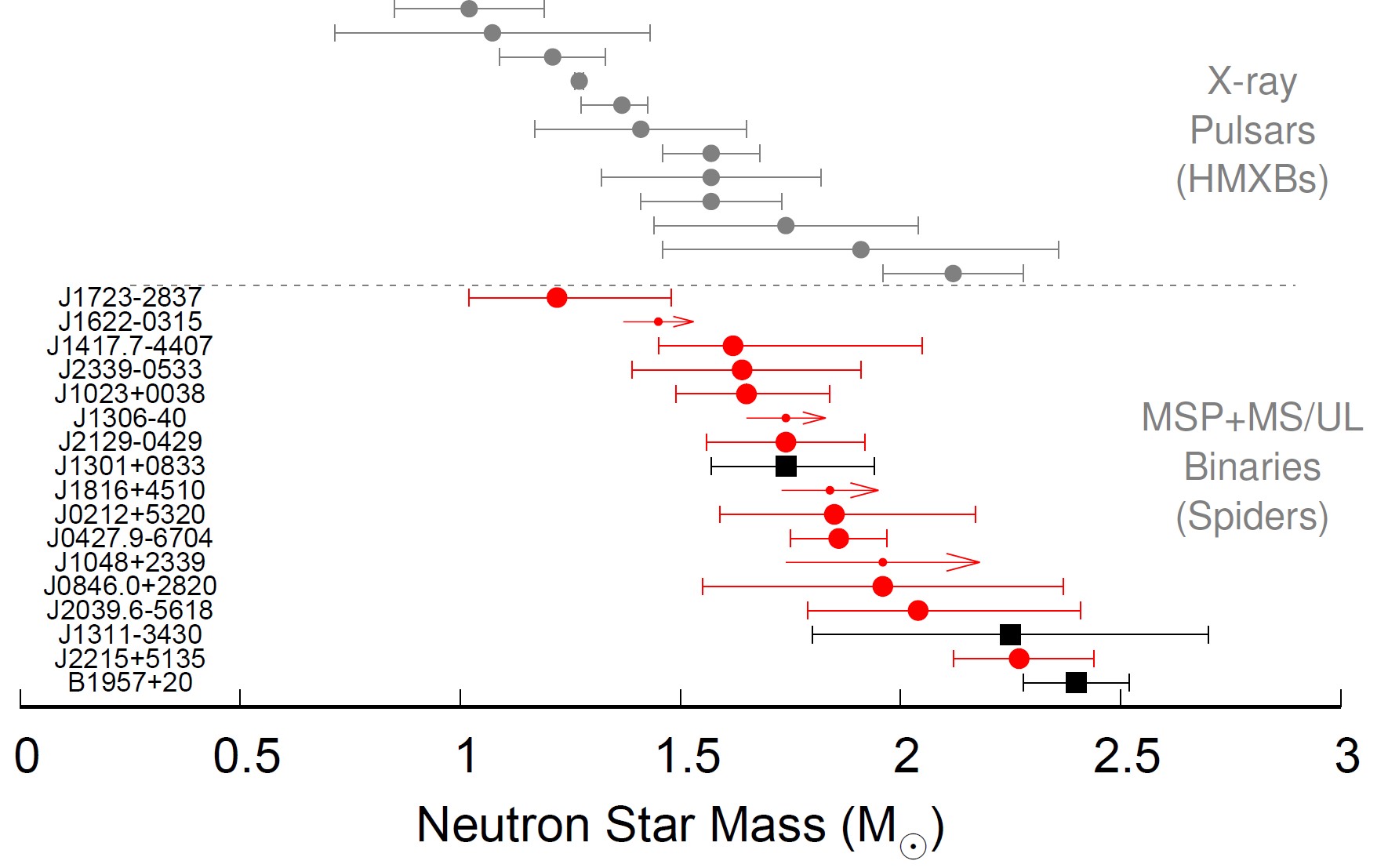
Manuel Linares Alegret is a Professor in the Department of Physics at the Norwegian University of Science and Technology (NTNU) in Trondheim, Norway, where he has been employed since September 2021. He also holds an Associate Professor position at the Polytechnic University of Catalonia (UPC) in Barcelona, Spain, since 2018. His research focuses on high-energy astrophysics with particular emphasis on neutron stars, black holes, white dwarfs, and compact objects in binary systems. Dr. Linares earned his Physics Degree from Universitat de Barcelona (1998-2004) followed by a PhD in Astronomy from Universiteit van Amsterdam (2004-2009). His subsequent career includes prestigious fellowships including Rubicon Fellow at MIT (2009-2012), IAC Fellow (2012-2017), and Marie Curie Fellow at UPC (2017-2018). His research interests primarily center on compact binary systems, particularly millisecond pulsars known as 'spiders' (including black widows and redbacks), neutron star physics, accretion flows, thermonuclear bursts, and the search for super-massive neutron stars. His work combines observational astronomy with theoretical modeling to understand extreme physics in these systems. He leads the LOVE-NEST project, which investigates compact binary millisecond pulsars to find the most massive neutron stars and understand the interaction between accretion flows, pulsar winds, and neutron star magnetospheres. An analysis of his recent publications reveals a strong focus on spider pulsar systems, with particular attention to mass measurements, orbital dynamics, irradiation effects, and the relationship between accretion and rotation-powered states. His work spans multiple observational wavelengths including optical, X-ray, and radio, often utilizing data from major telescopes and space observatories. ERC Consolidator Grant for LOVE-NEST project Marie Curie Fellow IAC Fellow Rubicon Fellow Dr. Linares has supervised numerous students at various levels, including PhD candidates, Master's students, and undergraduate research projects. He currently leads a substantial research team under the LOVE-NEST project, which has received 2M EUR in funding. His group includes multiple postdoctoral fellows and PhD candidates working on various aspects of compact object astrophysics. He teaches Observational Astrophysics (FY3215) at NTNU and has previously taught Quantum Physics and Physics I at UPC. He is the principal investigator of the LOVE-NEST (Looking for Super-Massive Neutron Stars) research group at NTNU, which focuses on compact binary millisecond pulsars. This team conducts research using multiple observational facilities worldwide and collaborates with international groups including those at the Instituto de Astrofísica de Canarias and the University of Manchester.
Anna Pidgeon is Professor in the Department of Forest and Wildlife Ecology at University of Wisconsin-Madison. Her research addresses habitat requirements of vertebrate species, particularly birds, within human-modified landscapes. Pidgeon investigates conservation challenges through habitat suitability modeling, landscape connectivity analysis, and remote sensing applications. Research integrates field surveys with satellite-derived metrics like Dynamic Habitat Indices to predict biodiversity patterns across scales. Current studies examine how climate change and land-use alter habitat resilience, with projects spanning Wisconsin forests, Patagonian ecosystems, and tropical regions. Methodological innovations include texture analysis of satellite imagery to quantify habitat heterogeneity. Educational background includes PhD in Wildlife Ecology from UW-Madison (2000), MS from Central Washington University (1995), and BS degrees from University of Minnesota in Life Science Education (1989) and Wildlife Management (1983).
Professor Owen Lewis is a Professor of Ecology and Tutorial Fellow at Brasenose College, University of Oxford. His research focuses on community ecology and conservation biology, particularly in tropical rainforests, emphasizing biodiversity maintenance, species interactions, and climate change impacts. He holds an MA (Oxford) and PhD (Leeds) and has led the Ecology and Conservation Section in the Department of Biology since 2007. His teaching includes ecology, entomology, and conservation biology across undergraduate years, alongside supervising fourth-year research projects. Lewis organizes annual tropical field courses in Sabah, Malaysian Borneo. His research explores insect-driven ecosystems, invasive species, and human-ecosystem interactions. Notable contributions include studies on parasitoid communities under climate change, ant invasion dynamics, and seed predation in tropical forests. He leads the Community Ecology Research Group, collaborating internationally on biodiversity conservation and ecosystem functioning. His work integrates field experiments, molecular analyses, and ecological modeling to address global environmental challenges. Education: MA in Biological Sciences, St. Hugh's College, Oxford PhD in Population Ecology of Butterflies, University of Leeds Research Interests: Tropical biodiversity, insect-plant interactions, climate change effects, and conservation strategies in modified ecosystems. He prioritizes functional and community-level approaches to understand ecosystem resilience. Publications: Over 100 peer-reviewed articles, with recent focus on experimental climate impacts, food web structures, and invasive species effects. His work bridges theoretical and applied ecology, influencing conservation policies. Awards & Grants: Not explicitly listed, but his leadership roles and extensive publications suggest recognition in ecological research. Advising & Grants: Supervises undergraduate and postgraduate students, coordinates field courses, and secures grants for tropical research. Collaborates with institutions like the Smithsonian Tropical Research Institute and the Natural History Museum (London). Labs & Teams: Heads the Community Ecology Research Group, focusing on tropical forest biodiversity, functional ecology, and conservation biology. The group’s website highlights ongoing projects and international collaborations.
Edel Hyland is a Senior Lecturer in Biochemistry at Queen's University Belfast's School of Biological Sciences, affiliated with the Institute for Global Food Security since 2015. Her research examines how genome architecture influences environmental adaptation through chromatin dynamics, utilizing yeast pathogens from the Saccharomycotina subphylum with active PhD recruitment in antifungal resistance. Her academic training includes a BSc in Biochemistry from Trinity College Dublin (1996-2000), PhD under Prof. Jef Boeke at Johns Hopkins School of Medicine (2002-2008), and postdoctoral work at Harvard Medical School (2001-2002), Harvard University (2009-2014), and Dublin City University (2014-2015). Research centers on chromatin-based gene regulation mechanisms across evolutionary timescales, specifically investigating: experimental evolution of Saccharomyces cerevisiae histone variants, CRISPR-Cas9 reverse genetics in Candida glabrata virulence, and comparative epigenomics of histone marks in fungal pathogens. This work directly addresses antifungal resistance and phenotypic plasticity in human-infecting yeasts. Recent publications (2019-2023) reveal strong interdisciplinary trends combining medical mycology with evolutionary genomics, particularly in Candida drug resistance mechanisms. Parallel work extends to malaria pathogenesis (Plasmodium transporters) and innate immune evolution, consistently applying chromatin analysis to pathogen adaptation challenges. She holds the Charles A. King Postdoctoral Fellowship award and serves as Co-Investigator on two major research projects: IMMACULATE: Improving Mass Spectrometry Sustainability in Food, Environmental, and Health Research (2023-present) Phosphorus from wastewater: Novel technologies for advanced treatment and re-use (2014-present) Hyland coordinates undergraduate Experimental Biochemistry (BIO2102) and MSc Protein Structure & Function (BBC8039) modules while actively supervising PhD students. Her laboratory focuses on yeast epigenetics within the Institute for Global Food Security, maintaining international collaborations evidenced by co-author networks spanning the USA, Ireland, and UK, and participates in science outreach including the Northern Ireland Science Festival.
Tim J. Nye is an Associate Professor in the Department of Mechanical Engineering at McMaster University's Faculty of Engineering. He holds a Ph.D. in Mechanical Engineering (1997) from the University of Waterloo, following an M.Sc. (1989) at Ohio State and B.A.Sc. (1987) at Waterloo. His research focuses on applying operations research techniques to manufacturing systems, with specific expertise in optimization algorithms for sheet metal processes, hydroforming reliability, and adaptive control in forging. Education: Ph.D. Mechanical Engineering, University of Waterloo (1997) M.Sc. Mechanical Engineering, Ohio State (1989) B.A.Sc. Mechanical Engineering, University of Waterloo (1987) Research interests span multiple dimensions of advanced manufacturing: developing decision models for production investment, creating novel lot-sizing algorithms incorporating work-in-process costs, exact solutions for 2D nesting problems, and agent-based systems for reliability prediction using warranty data. His work bridges theoretical operations research with practical metal forming applications. Recent publications demonstrate consistent contributions to manufacturing optimization, with particular focus on stamping processes, sheet metal design, and hydroforming reliability. These align with McMaster's research clusters in Advanced Materials & Manufacturing and Infrastructure. Scientific awards include the 2002 CSME Best Student Paper competition win for machine vision research with S. Dworkin. He maintains active collaborations with industry partners, as evidenced by his research on industry-university R&D ventures. Current projects explore intelligent open die forging as a solid freeform fabrication method, demonstrating his commitment to both traditional manufacturing improvement and emerging rapid prototyping technologies.
Jon Wakefield is a Professor in the Department of Biostatistics at the University of Washington's School of Public Health, with additional appointments in the Department of Statistics. He maintains affiliations with the Fred Hutchinson Cancer Research Center, the Center for Statistics and the Social Sciences, and serves on technical advisory groups for the World Health Organization and United Nations on mortality assessment, child mortality estimation, stillbirths, and pre-term births. Wakefield's research focuses on spatial epidemiology, spatial demography, and small area estimation, with particular emphasis on estimating under-5 mortality in low and medium income countries. His work integrates hierarchical models for survey data, space-time models for infectious disease data, and ecological inference methods for both infectious and non-infectious disease contexts. He has made significant contributions to understanding the links between Bayesian and frequentist statistical procedures, developing innovative methods for spatial modeling and disease burden estimation. His publication record shows a strong focus on methodological development with practical applications in global health, particularly in mortality estimation, infectious disease modeling, and demographic analysis. Recent work has addressed critical issues in pandemic response, including excess mortality estimation during the COVID-19 pandemic and seroprevalence studies. His research increasingly incorporates advanced computational methods, including Template Model Builder and integrated nested Laplace approximations for spatial modeling. Fellow, American Statistical Association (2007) Guy Medal in Bronze, Royal Statistical Society (2000) Member of the National Academies of Sciences, Engineering and Medicine Wakefield leads significant research initiatives funded by NIH/NCI and NIH/NIAID, including projects on spatio-temporal epidemiology and statistical issues in AIDS research. He has developed influential software tools including SUMMER, surveyPrev, and SAE4Health, which enable sophisticated small area estimation and spatial analysis for public health applications. His work with WHO and UN technical advisory groups demonstrates the real-world impact of his methodological contributions to global health measurement.
Xiaoning Ding is an Associate Professor in the Department of Computer Science at New Jersey Institute of Technology (NJIT). His research focuses on virtualization, multicore computing, cloud infrastructure optimization, and mobile systems. He leads projects addressing challenges in nested virtualization, memory management, and cache conflicts in distributed and cloud environments. Key research interests include optimizing task scheduling in cloud VMs, reducing TLB misses through huge page strategies, and mitigating interference in multi-tenant GPU clouds. His work on page placement mechanisms and dynamic page coalescing aims to enhance virtualized cloud performance. Ding has received federal funding, including an NSF grant for virtualization research in heterogeneous memory hierarchies (2016–2019). His research outputs span over 74 publications, with notable contributions in EuroSys, IEEE Transactions, and conferences like PACT. Media coverage highlights his studies on cloud computing and collaborative mobile systems, such as parking assignment algorithms. Beyond technical contributions, Ding advises students in interdisciplinary projects, exemplified by collaborations with Applied Math majors on cloud computing challenges.
Noa Pinter-Wollman is a Professor in the Department of Ecology and Evolutionary Biology at the University of California, Los Angeles, within the College of Life Sciences . Her work integrates field experiments, laboratory assays, computational modeling, and social network analysis to understand how individual variation among animals translates into emergent collective behavior, and how these dynamics intersect with conservation challenges. Research Focus: Mechanisms underlying collective decision-making in social insects (especially Argentine ants and harvester ants) Social network structure and its ecological consequences in endangered griffon vultures Interface between spatial ecology and social behavior, including impacts on disease transmission and conservation management Biomimetic insights from social animals to inform resilient human-designed systems Across 2023–2025, her team has produced a steady stream of high-impact articles that collectively advance four thematic pillars: (1) microbiome–behavior feedbacks in ants, (2) conservation technology for scavengers, (3) network-analytic methods for disentangling spatial versus social drivers of interaction, and (4) cooperative strategies that underlie invasion success in ants. The work is notable for integrating high-resolution tracking technologies with rigorous statistical modeling. Funding & Collaborations: Current NSF awards include the collaborative grant “ The causes and consequences of Higher Order Interactions (HOI) ” and prior support for “ Uncovering how links between social and spatial interactions affect ecological processes .” These grants foster interdisciplinary partnerships spanning ecology, computer science, and conservation practice. Laboratory & Team: The Pinter-Wollman Lab at UCLA houses graduate researchers, post-docs, and undergraduates who conduct integrative studies on ants, paper wasps, spiders, and vultures. The lab website ( https://pinter-wollmanlab.weebly.com ) provides protocols, data resources, and outreach materials that translate basic findings into actionable conservation guidance for wildlife managers.
Tao Wen serves as an Assistant Professor in the Department of Earth and Environmental Sciences at Syracuse University's College of Arts and Sciences, where he joined the faculty in 2020. He directs two specialized research laboratories: the Hydrogeochemistry And eNvironmental Data Sciences (HANDS) Lab and the Noble Gases in Earth Systems Tracing (NEST) Lab, focusing on human-natural system interactions in water and elemental cycles. Education: Ph.D. in Geology, University of Michigan (2017) M.S. in Geology, University of Michigan (2014) B.S. in Environmental Sciences, University of Science and Technology of China (2011) Dr. Wen's research integrates field measurements, laboratory analyses, and advanced computational methods to investigate water-carbon cycles across spatial and temporal scales. His group employs noble gas geochemistry (He, Ne, Ar, Kr, Xe), isotopic tracing (O, H, C, N), and machine learning to assess impacts from energy extraction, urbanization, and climate change on freshwater systems. Key methodologies include ion chromatography, mass spectrometry, and geostatistical modeling for environmental data science applications. Recent publications demonstrate a pronounced shift toward data-intensive environmental science, with machine learning models increasingly central to analyzing freshwater salinization, methane migration pathways, and shale gas impacts. The research portfolio spans regional groundwater contamination studies to continental-scale freshwater analyses, consistently emphasizing the interplay between anthropogenic activities and natural processes in Earth-surface systems. Scientific Awards: Excellence in Review Award from Applied Geochemistry, International Association of GeoChemistry (2021) Dr. Wen serves as Editor for Applied Geochemistry (2023-present) and previously for Frontiers in Earth Science (2021-2024). He secured NSF funding for developing climate change data search engines and advises students through senior thesis projects and laboratory research in the WEN group. Media coverage of his work includes features in Popular Mechanics, Yahoo News, and AGU press releases regarding freshwater salinity trends and shale gas environmental impacts. The HANDS Lab develops machine learning tools for environmental data analysis while NEST Lab specializes in noble gas applications for tracing fluid migration and tectonic events, together supporting comprehensive investigations of water quality degradation mechanisms across diverse geological settings.
Dr. Bok Sowell is a Professor in the Department of Animal & Range Sciences at Montana State University, affiliated with the College of Agriculture. His expertise spans rangeland ecology, wildlife habitat conservation, and livestock nutrition. He holds a Ph.D. in Range Nutrition from New Mexico State University (1989), an M.S. in Mule Deer Nutrition from Texas Tech University (1981), and a B.S. in Wildlife Management from New Mexico State University (1978). Research focuses on sagebrush ecosystems, sage-grouse conservation, grizzly bear behavior, and livestock grazing management. Notable projects include studies on fence modifications for sage-grouse nest survival, stable isotope analysis of army cutworm moths, and dormant season grazing strategies for beef cattle. Teaching includes courses like Natural Resource Conservation and Wildlife-Livestock Nutrition . Over 35 peer-reviewed articles highlight contributions to rangeland ecology and wildlife management. Awards include the 2024 Founder's Day Award for Excellence and recognition for academic advising. Grants include funding from the US Fish and Wildlife Service for sagebrush landscape management. Professional service includes roles with the Society for Range Management and Ecosphere journal. He leads efforts to restore aspen ecosystems and mitigate human-wildlife conflicts in the Greater Yellowstone Ecosystem.
Michael Everett is an Assistant Professor at Northeastern University with a joint appointment in the Department of Electrical & Computer Engineering and the Khoury College of Computer Sciences. He directs the Autonomy & Intelligence Laboratory, focusing on certifiable learning machines at the intersection of robotics, deep learning, and control theory. His research emphasizes safety, reliability, and efficiency in robotics applications like off-road navigation and social environments. Education: PhD in Mechanical Engineering, Massachusetts Institute of Technology (2020) SM in Mechanical Engineering, MIT (2017) SB in Mechanical Engineering, MIT (2015) Research Interests: Robotics and motion planning Control theory and neural network verification Reinforcement learning applications Certifiable safety guarantees for autonomous systems Navigation in dynamic/human environments Awards: Runner-Up: Best Paper Award (ICML 2022) Winner: Best Student Paper (IROS 2017/2023) Editors’ Top 5 Published Articles (IEEE Access 2021) Lab & Contributions: The Autonomy & Intelligence Lab develops algorithms for high-speed off-road autonomy, socially aware navigation, and neural feedback verification. His work includes the RAMP planning pipeline and Evora traversability learning framework. He collaborates with Google’s PAIR team on trustworthy AI.
Matthew E. Wolak is an Associate Professor in the Department of Biological Sciences at Auburn University, where he leads a research group focused on evolutionary ecology and quantitative genetics. His work bridges empirical field studies, laboratory experiments, and computational modeling to understand how natural selection and inheritance shape phenotypic variation across generations. Education: Ph.D., University of California, Riverside (2013) B.Sc., The College of William and Mary (2007) His research interests center on ecology, evolution, and quantitative methods, particularly in understanding individual differences in morphology, performance, and behavior, and how these affect survival, mating success, and reproductive output. He investigates sexual dimorphism, inbreeding, genetic variance, and the evolutionary consequences of environmental change using both theoretical and data-driven approaches. His recent publications span top-tier journals and reveal a strong focus on meta-analysis, animal models, genetic inheritance, and conservation applications. Themes across his work include the genetic architecture of fitness, repeatability of behavior, and responses to anthropogenic pressures such as urbanization and climate change. Scientific Awards: NSF CAREER Award ($1.2 million) Dr. Wolak actively mentors students, as evidenced by his guidance of PhD candidates like Molly and Jorge. His research is supported by significant grants, including the NSF CAREER award, reflecting national recognition of his contributions. He teaches courses such as Principles of Ecology and Evolutionary Biology at both undergraduate and graduate levels. He is affiliated with the Wolak Research Group at Auburn University, which emphasizes scientific integrity, inclusivity, and collaborative research. The lab fosters a supportive environment committed to equity and academic excellence in evolutionary ecology.