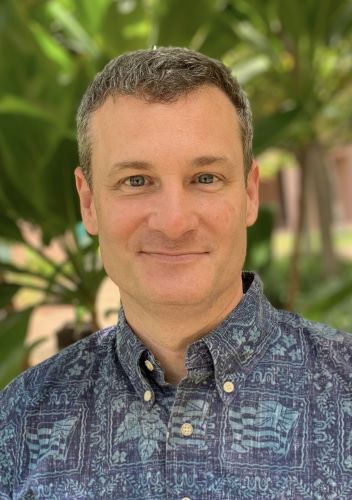
Ben Fogelgren, PhD is an Associate Professor in the Department of Anatomy, Biochemistry and Physiology at the University of Hawaii's John A. Burns School of Medicine. He is also affiliated with the Institute for Biogenesis Research. BSE in Bioengineering, University of Pennsylvania (1997) PhD in Cell and Molecular Biology, University of Hawaii (2005) Dr. Fogelgren's research focuses on intracellular protein and membrane trafficking, particularly the exocyst complex 's role in diseases like polycystic kidney disease and Alzheimer's disease . His work spans cell biology, developmental biology, and molecular physiology. Recent studies have explored the exocyst's involvement in amyloid precursor protein trafficking in neurons, renal epithelial ciliogenesis , and urothelial differentiation . His publications cover fields such as cell biology, nephrology, and developmental biology. Dr. Fogelgren has collaborated with researchers like Noemi Polgar, Joshua Lipschutz, and Scott Lozanoff, utilizing mouse models and cell culture systems to investigate trafficking mechanisms in health and disease. His laboratory investigates how exocyst dysfunction contributes to congenital obstructive nephropathy and renal pathologies , with recent projects examining exocyst interactions with Rab GTPases and kinases.
Dr. Yali Dou is a Professor of Medicine and Cancer Biology at the University of Southern California (USC) , holding the Marion and Harry Keiper Chair in Cancer Research . She co-directs the Ph.D. Program in Molecular Medicine and the USC Norris Brown Center for Cancer Drug Development , focusing on epigenetic mechanisms in cancer and development. Research Interests Epigenetic regulation of cell fate Chromatin modifications and gene networks MLL/KMT2 methyltransferases in leukemia Metabolic-genomic interplay Her work explores how histone methyltransferases like MLL1/3 contribute to oncogenic transformation and developmental disorders, with recent studies on nucleoprotein organization, metabolic heterogeneity, and kidney organoid modeling. Key Scientific Awards AAAS Fellow (2025) Leukemia & Lymphoma Society Scholar Award (2012) Stand Up to Cancer IRG Award (2011) AACR Gertrude B. Elion Award (2010) Dean’s Award in Basic Science, University of Michigan (2014) Dr. Dou’s lab investigates chromatin-based therapies for cancer and regenerative medicine, publishing extensively on MLL complexes, MOF acetyltransferase, and epigenetic-metabolic crosstalk.
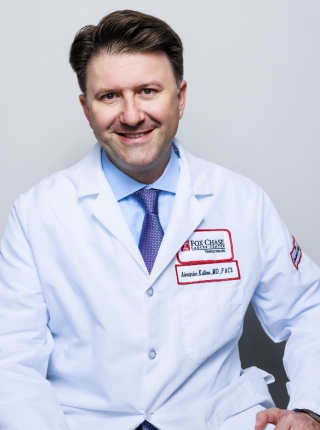
Alexander Kutikov is Professor and Chair of the Department of Urology at Fox Chase Cancer Center, Temple University, holding the Roberta R. Scheller Endowed Chair in Urologic Oncology. He is a board-certified urologic surgical oncologist specializing in tumors of the adrenal gland, kidney, prostate, bladder, and testis. Dr. Kutikov completed his MD at Harvard Medical School (2003), urology residency at the University of Pennsylvania (2008), and a Society of Urologic Oncology fellowship at Fox Chase Cancer Center. His research focuses on urologic oncology with emphasis on kidney, prostate, bladder, and adrenal cancers. Key interests include carcinogenesis of genitourinary cancers, risk-stratification of surgical outcomes, quantification of competing risks, minimally invasive surgical techniques (robotic/laparoscopic), and development of digital tools for patient engagement. He leads research on zinc's role in prostate cancer progression and tyrosine kinase inhibitor resistance mechanisms. Dr. Kutikov has authored over 300 peer-reviewed publications demonstrating consistent focus on surgical innovation, outcome optimization, and diagnostic improvements in urologic oncology. Recent work highlights include adrenal surgery techniques, social media in scientific dissemination, opioid-sparing protocols, and gender disparities in academic recognition. His publications frequently address surgical risk stratification, renal function preservation, and technology applications in urology. Andrew C. Novick Award (2023) Young Urologist of the Year (2021) Philadelphia Magazine Top Doctor (2017-2021, 2023-2024) Best Doctors in America (2019-2020) Everyday Hero Award (2018) ACS Excellence in Research Award (2010) He collaborates with Drs. Vladimir Kolenko and Robert Uzzo in the Nuclear Dynamics and Cancer research program, investigating prostate cancer biochemistry and renal carcinoma therapeutics. Dr. Kutikov co-founded several technology ventures to enhance physician education and patient care, serving previously as Associate Editor of Digital Media for European Urology.
Lorenzo Moroni is a Full Professor in Biofabrication for Regenerative Medicine at the MERLN Institute for Technology-Inspired Regenerative Medicine of Maastricht University. He leads research in developing biofabrication technologies to generate instructive scaffolds for controlling stem cell fate in tissue engineering applications. His work bridges the gap between advanced manufacturing techniques and regenerative medicine solutions. Ph.D. (cum laude) in Tissue Regeneration from Universiteit Twente (2003-2006) M.Sc. (cum laude) in Nanoscale Science and Engineering from Chalmers tekniska högskola (1999-2002) M.Sc. in Biomedical Engineering from Politecnico di Milano (1995-2001) Professor Moroni's research focuses on the intersection of biomaterials science, stem cell biology, and advanced manufacturing techniques. His laboratory specializes in developing 3D scaffolds and biofabrication technologies for tissue engineering applications, with particular emphasis on controlling stem cell fate through engineered microenvironments. The group investigates various biomaterial systems including hydrogels, nanofibers, and composite scaffolds for applications in bone, cartilage, nerve, vascular, and kidney tissue regeneration. Recent work has expanded into computational modeling of scaffold design and multi-material bioprinting approaches that enable more complex tissue architectures. His publication record reveals a strategic evolution toward increasingly sophisticated biofabrication methodologies, with significant emphasis on melt electrowriting, multi-material bioprinting, and the development of organ-specific models. The research spans multiple tissue systems but demonstrates particular depth in vascular engineering, osteochondral regeneration, and kidney organoid development. A distinctive pattern across his recent work is the integration of computational modeling with experimental validation to optimize scaffold architecture and predict cellular responses, representing a systems approach to tissue engineering challenges. Professor Moroni has served as principal investigator for numerous collaborative research projects in regenerative medicine and maintains an active laboratory environment that fosters interdisciplinary collaboration. His research group includes specialists in biomaterials science, stem cell biology, computational modeling, and advanced manufacturing, creating a comprehensive ecosystem for tissue engineering innovation. The laboratory maintains strong partnerships with clinical researchers and industry collaborators to facilitate translational development of biofabricated constructs. The Moroni Lab at Maastricht University's MERLN Institute operates state-of-the-art facilities for biomaterials development, biofabrication, and tissue characterization. The team employs a multidisciplinary approach combining expertise in materials science, stem cell biology, biomechanics, and advanced manufacturing to address complex challenges in regenerative medicine. Current projects focus on developing next-generation biomaterial platforms that can precisely guide tissue formation and integration in vivo, with particular attention to vascularization strategies and the creation of functional organ-specific microenvironments.
Dr. Ian Logan is a Researcher at Newcastle University, specializing in molecular mechanisms related to prostate cancer and renal disease. His work focuses on androgen receptor signaling, epigenetic regulation, and ubiquitin-mediated pathways in cellular processes. Key collaborations with Professors Craig Robson, Neil Sheerin, and David Neal Extensive research in renal physiology, hypertension management, and prostate cancer therapeutics Research trends across 15 publications (2002-2022) highlight expertise in: Androgen receptor interactions with histone deacetylase and SMAD3 Mechanisms of renal fibrosis (SETD7, TGFβ signaling) Ubiquitin pathway modulation (MDM2, PIRH2, Usp12) Cancer cell apoptosis through Nutlin-3 and c-FLIP inhibition Sex/gender differences in disease outcomes (hypertension, COVID-19 mortality) His work spans interdisciplinary domains including biochemistry, genetics, nephrology, and oncology, with a focus on translational implications for kidney disease and prostate cancer.
Dr. Mildred A. Pointer is a Professor and Chairperson of the Department of Biology at Howard University. With continuous funding since 2005, she has secured over $5.3 million as Principal Investigator and $8 million as co-PI for research on hypertension and renal physiology. B.S. in Biology, NC Central University (1974) Ph.D. in Physiology, Wake Forest University (1983) Her research focuses on renal physiology , particularly: Mechanisms of salt-sensitive hypertension Stress-induced kidney and cardiovascular disease Role of calcium signaling in cardio-metabolic disorders Recent publications highlight her work on: Sex differences in stress-related kidney injury Calcium dynamics in hypertension models Psychosocial factors in blood pressure regulation Scientific awards include: AHA Career Development Award (2018) Founding member of the American Society of Hypertension NIH SCOR Grant contributions (1995-2000) AstraZeneca Pharmaceutical Award (1998-2001) Her research has been supported by: NIMHD U54 RCMI Grant (2017-2022) examining stress and kidney disease in African American males Dr. Pointer has led studies on: Racial health disparities in hypertension Renal denervation effects in animal models Thrombolytic therapy and vascular integrity
Dr. Morag Mansley is a Lecturer in the School of Medicine at the University of St Andrews, affiliated with the Cellular Medicine Division. Her research focuses on understanding molecular mechanisms of hormonal control of ion transport in the distal nephron, particularly sodium transport via the epithelial sodium channel (ENaC). Combining electrophysiology and molecular techniques, her work examines receptor signaling, ion transport modulation, and disease-related dysregulation. She supervises PhD students Etang Collins Etang and Morag Milne. Dr. Mansley holds a PhD from the University of Dundee and a BSc (Hons) in Biomedical Sciences from the University of Aberdeen. She is an Editorial Board member of The Journal of Physiology and serves on the American Physiological Society’s Epithelial Transport Group Steering Committee. Her research has been supported by grants including a Royal Society-funded project (2022–2023) investigating corticosteroid-induced transport mechanisms. Key contributions include studies on glucocorticoid action in kidney cells, prostaglandin regulation of ENaC, and proteasome inhibitor effects on renal physiology. She has published widely in journals like American Journal of Physiology and Journal of General Physiology , with a focus on renal epithelial cell biology and ion transport pathways. Grants: Royal Society Research Grant (2022–2023) Editorial Roles: The Journal of Physiology Editorial Board Professional Affiliations: The Physiological Society Conferences Committee Dr. Mansley’s lab explores renal electrolyte homeostasis, linking molecular mechanisms to hypertension and electrolyte disorders. Her collaborative projects include transcriptomic analyses of corticosteroid effects in kidney cells, published in Kidney360 (2022).
Dr. Joan Li is an Associate Professor at the University of Queensland's Academy for Medical Education within the Faculty of Health, Medicine and Behavioural Sciences. She holds an MD and PhD, blending clinical practice with biomedical research. Her dual focus spans medical education innovation and kidney/heart disease research. She contributes to curriculum design, assessment strategies, and student learning outcomes in biomedical science and medicine courses. Education: MD and PhD from The University of Queensland. Research expertise includes cardiac and renal disease mechanisms, stem cell biology, and regenerative medicine. Notable work includes discovering novel renal papilla development mechanisms and exploring AI applications in medical assessment (e.g., ChatGPT evaluation). Research interests bridge biomedical science and education: kidney/heart regeneration, tissue engineering, and educational technology. Over 40 peer-reviewed publications include high-impact papers in Nephrology , Stem Cells Translational Medicine , and Australasian Journal of Educational Technology . Grants and Funding: Secured grants for kidney fibrosis research (Twin Towns Services Foundation) and nanoparticle-based therapies (Diabetes Australia). Supervision: Actively mentors PhD students on topics like intervertebral disc regeneration, cardiac cell reprogramming, and pediatric heart surgery outcomes. Academic Engagement: Editor for Frontiers in Cell and Developmental Biology , invited lecturer at American Society of Nephrology conferences, and presenter at AMEE and ANZAHPE education forums.
Dr. Laura Katharina Sievers serves as a Clinician Scientist at the Institute of Clinical Molecular Biology (IKMB) within the Faculty of Medicine at Kiel University and the University Medical Center Schleswig-Holstein (UKSH) in Kiel, Germany. Her position bridges clinical medicine and molecular research, focusing on cellular signaling pathways in disease pathogenesis and therapeutic development. Her research centers on Systems Immunology and Translational Inflammation Research , with three primary thrusts: (1) regulation of intestinal epithelial cell Hippo pathway signaling and its cellular impacts; (2) differential Hippo signaling roles in lymphocytes/endothelium during hypertensive end-organ damage; and (3) endocrine effects on intestinal inflammation for personalized medicine approaches. This work integrates molecular biology, immunology, and clinical translation. Analysis of her 2018-2021 publications reveals consistent focus on renal pathophysiology, particularly TMEM16 channel functions in kidney development and hypertension. Her research spans nephrology, pulmonology, and infectious diseases, demonstrating strong translational capacity from molecular mechanisms (e.g., TrkC-Igf1R signaling) to clinical applications (e.g., pediatric SARS-CoV-2 management). She actively contributes to the DFG-funded project Pregnancy as a perturbation principle of the intestinal microbiota , investigating pregnancy's impact on gut microbiome dynamics and its relationship to intestinal inflammation and inflammation-associated cancer. This collaborative effort involves the Max Planck Institute for Evolutionary Biology, Research Center Borstel, and Universität zu Lübeck. As a core member of Philip Rosenstiel's Systems Immunology research group at IKMB, Dr. Sievers operates within a multidisciplinary environment leveraging biobanking, genotyping, and single-cell technologies to advance inflammation research. Her laboratory work at Rosalind-Franklin-Str. 12 integrates epithelial cell biology with clinical datasets to develop novel therapeutic strategies.
Paul Smith, MD, is an Assistant Professor with dual appointments in the Department of Urology and Department of Surgery. His research focuses on Pediatric Urology, Congenital Kidney Anomalies, and Minimally Invasive Surgical Techniques, contributing to advancements in nephron-sparing treatments and antegrade continence enema procedures. His work aligns with UN Sustainable Development Goals, particularly in health and well-being. Key research outputs include contributions to clinical guidelines and multidisciplinary pediatric care. Smith’s recent publications highlight trends in minimally invasive surgery training, congenital kidney malformations, and quality of life improvements for spinal cord injury patients.
Britta George is a Professor and Director of the Department of Nephrology at the University Hospital Zurich, with a chair in Nephrology at the University of Zurich. Her career spans clinical and research roles at institutions including University of Münster, University of Pennsylvania, and University of Michigan. Research Focus: Mechanisms of glomerular diseases, monogenetic kidney disorders, and acute-to-chronic kidney injury transition. Technical Expertise: Drosophila models, cell culture systems, and murine disease models. Publications highlight her work on podocyte biology, including signaling pathways at intercellular junctions, Rab7-dependent cellular processing, and Hippo pathway disruptions in kidney disease. Her research spans nephrology, cell biology, and genetic disease mechanisms. Clinical Expertise includes lipid metabolism disorders (certified Lipidologist DGFF®) and kidney transplantation. She serves on the Board of Trustees of Zurich Transplantation Center.
Nils Lindstrom is an Assistant Professor in the Department of Stem Cell and Regenerative Medicine at the University of Southern California. His research focuses on understanding kidney development, particularly the mechanisms governing nephron progenitor cell behavior, organoid engineering, and regenerative medicine applications. His work integrates genetic manipulation, single-cell profiling, and comparative developmental studies to unravel the molecular and cellular processes underlying kidney formation and disease. Research interests include nephron patterning, cell fate plasticity, Wnt signaling pathways, and the application of kidney organoids for modeling human disease. Lindstrom has pioneered methods for generating kidney organoids with proximal tubule specialization and studying species-specific differences in kidney development between humans and mice. Key contributions include defining the role of Wnt signaling in nephrogenesis initiation, identifying conserved and divergent developmental programs in kidney organogenesis, and developing expandable nephron progenitor cell models for disease modeling. His work bridges basic developmental biology with translational applications in regenerative medicine and kidney disease therapy. Lindstrom's research has been published in high-impact journals such as Developmental Cell , Cell Stem Cell , and Science Advances . Collaborative projects focus on kidney regeneration strategies, synthetic biology approaches for organoid maturation, and translational applications of nephron progenitor biology.
Nuria Maria Pastor-Soler, MD, PhD, FASN, is an Associate Professor of Medicine and Assistant Dean for Research Mentoring at the Keck School of Medicine of the University of Southern California (USC). She also serves as the Associate Vice Chair for Faculty Development and Director of the Required Scholarly Project Program. Her research focuses on kidney acid-base homeostasis, vacuolar proton ATPase (V-ATPase) regulation, and renal transport mechanisms. Key interests include metabolic pathways in chronic kidney disease and renal cell carcinoma biomarker discovery. Dr. Pastor-Soler earned her MD from Jefferson Medical College and a PhD in Biochemistry and Molecular Biology from Thomas Jefferson University. She completed her Nephrology Fellowship at Brigham and Women’s/Massachusetts General Hospital. Her research explores V-ATPase in kidney and male reproductive tract physiology, sodium transport regulation via bicarbonate-sensitive adenylyl cyclase (sAC), and WNK kinase signaling in salt transport. She investigates how acidosis impacts renal metabolism in CKD progression and seeks clinical biomarkers for renal carcinoma. Notable awards include the American Heart Association’s Council for the Kidney in Cardiovascular Disease Chair (2016), American Physiological Society Young Investigator Award (2012), and Claflin Distinguished Scholar Award (2005). Her work spans over 70 peer-reviewed publications, emphasizing kidney organoid engineering, drug delivery systems for polycystic kidney disease, and AMP-activated protein kinase (AMPK) signaling in renal health. Dr. Pastor-Soler mentors trainees through the Required Scholarly Project Program and holds leadership roles in professional societies. Her lab integrates ex vivo kidney slices, cell cultures, and organoids to model renal pathophysiology and test therapeutic strategies.
Melissa Little is an Honorary Professor at the Institute for Molecular Bioscience (IMB), University of Queensland. Her research focuses on kidney development, organoid engineering, and regenerative medicine. She leads projects like the KidGen national kidney genomics study and has pioneered kidney organoid models for disease modeling and drug screening. Her work bridges developmental biology with translational medicine, aiming to address kidney dysfunction and regeneration. Key collaborations include partnerships with institutions like the GUDMAP database and projects involving stem cell differentiation, nephron progenitors, and vascularization. Her lab explores kidney organoid maturation, viral infection mechanisms, and synthetic kidney design. She has co-authored over 230 journal articles, book chapters, and reviews, with a focus on kidney pathology, stem cell applications, and bioengineering solutions for renal replacement therapy. Her research integrates experimental and computational methods, including single-cell analysis and biophysical modeling, to understand kidney development and disease. She advocates for rigorous organoid standards and ethical applications of stem cell technologies. Melissa Little has been instrumental in establishing Australia's genitourinary research networks and mentoring early-career investigators in the field.
Amie Lund is an Associate Professor of Environmental Toxicology at University of North Texas, serving as Director of the Advanced Environmental Research Institute. Her research investigates environmental pollution impacts on human health, particularly cardiovascular disease, neurovascular disorders, and microbiome alterations. Key research themes include air pollution-mediated disease mechanisms, particulate toxicity, and neurodegenerative pathways. Recent publications demonstrate expertise in particulate matter exposure models, nanotoxicology, and pollutant interactions with metabolic systems. Laboratory techniques encompass transcriptomic analysis, microbial profiling, and behavioral assessment in rodent models. Articles frequently employ multi-stressor approaches examining interactions between pollutants, diet, and UV radiation.