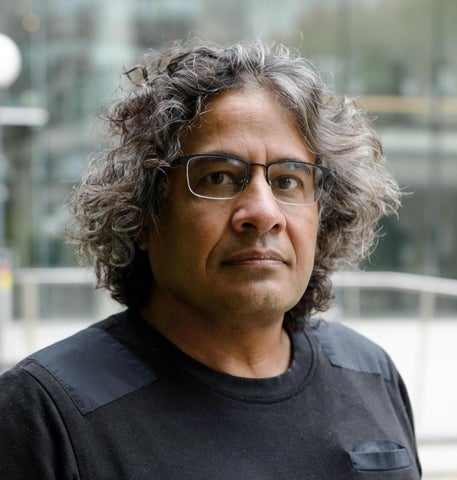
Sachdev Sidhu is a Research Professor and Entrepreneur in Residence at the University of Waterloo. His research focuses on synthetic antibodies, protein engineering, and biotechnological applications. He leads efforts in developing novel therapeutic antibodies, engineered protein systems, and molecular tools for biomedical research. His work spans cancer therapy, viral infection countermeasures, and regenerative medicine. Sidhu is also involved in translational research, bridging academic discoveries with commercial applications through entrepreneurial ventures. Key research interests include synthetic antibody libraries, CAR T-cell engineering, ubiquitin-based therapeutics, and phage display technologies. He has contributed to advancements in targeted therapies for glioblastoma, leukemia, and ocular diseases. His team develops innovative methods for protein design, such as engineered ubiquitin variants and modular antibody architectures. Publications highlight breakthroughs in antibody-based treatments, including synNotch CAR T cells for glioblastoma and neutralizing antibodies against SARS-CoV-2. His work integrates structural biology, molecular biology, and computational approaches to address complex biomedical challenges. Sidhu collaborates with industry partners to advance technologies into clinical and commercial settings.
Dr. Anagha Vaze is a Clinical Lecturer affiliated with the University of Sydney's Faculty of Medicine and Health (FMH) and the Save Sight Institute. Her expertise lies in ophthalmology, with a focus on retinal disorders, diabetic eye diseases, and clinical research. She has contributed to studies on VEGF inhibitors, corticosteroid delivery platforms for macular edema, and the application of genomics in retinal diagnostics. Research Interests: Retinal degeneration and vascular abnormalities Management strategies for diabetic retinopathy and macular telangiectasia Clinical outcomes of anti-VEGF therapies Infectious diseases in immunocompromised patients (e.g., heart transplant recipients) Her publications (2014–2022) emphasize observational studies, drug delivery innovations, and case reports on rare infections. Key contributions include assessing treatment discontinuation protocols for neovascular AMD and exploring photobiomodulation for diabetic macular edema. While no scientific awards or grants are explicitly listed, her work reflects active engagement in clinical research and patient care. She is part of the Save Sight Institute, a prominent research center within the FMH, focusing on vision science and ophthalmic advancements.
Tohru Fukai is a Professor and holds the Barbara A. Schnuck Endowed Chair in Translational Medicine at the Medical College of Georgia, Augusta University, where he serves in the Department of Pharmacology and Toxicology. His research is centered at the Vascular Biology Center, where he leads a productive laboratory investigating the molecular mechanisms of oxidative stress and dysfunctional copper metabolism in cardiovascular and metabolic diseases. Dr. Fukai earned his MD in 1988 and PhD in Medical Science in 1995, both from Kyushu University in Japan. Following his medical and doctoral training, he completed postdoctoral fellowship at Emory University School of Medicine in Atlanta from 1995-1999. His research focuses on oxidative stress in cardiovascular and metabolic disease pathogenesis, particularly investigating the role of extracellular SOD (ecSOD, SOD3) and copper transport proteins. His lab has pioneered research on copper transport proteins CTR1, Atox1, and ATP7A in regulating vascular function, demonstrating their critical roles in hypertension, vascular remodeling, inflammatory angiogenesis, atherosclerosis, and diabetes. Notably, his team discovered that copper chaperone Atox1 functions as a copper-dependent transcription factor regulating cell proliferation and inflammatory responses. Analysis of Dr. Fukai's recent publications reveals a strong focus on the intersection of redox signaling, copper metabolism, and vascular function. His work increasingly explores how oxidative stress and copper transport mechanisms contribute to conditions like diabetes, atherosclerosis, Alzheimer's disease, and ischemic injury. A prominent theme across his recent work is the role of protein modifications (particularly sulfenylation and SUMOylation) in regulating vascular responses to oxidative stress, with significant implications for therapeutic interventions. Dr. Fukai's scientific achievements have been recognized with numerous awards including the Barbara A. Schnuck Endowed Chair in Translational Medicine (2017), World Science Leaders in Human Biology Program (2021), and multiple Circulation Research Reviewer Awards. He has served on editorial boards for prestigious journals including Scientific Reports, Journal of Molecular and Cellular Cardiology, and American Journal of Physiology-Heart and Circulatory Physiology. As a mentor, Dr. Fukai has advised numerous graduate students and postdoctoral fellows, including several who have received AHA awards and trainee recognition. He serves on various committees including the VBC post-doc evaluation committee and the CNVAMC Subcommittee for Research Safety. His lab has secured significant funding, including a recent $11.3 million NIH grant for vascular disease research. Dr. Fukai leads an active research group at the Vascular Biology Center comprising senior research associates, assistant research scientists, postdoctoral fellows, and graduate students working collaboratively on multiple projects related to copper transport, redox signaling, and vascular disease mechanisms. His lab has made seminal contributions to understanding how copper transport proteins function as key regulators of vascular antioxidant enzymes and as unexpected signaling molecules in inflammatory disease processes.
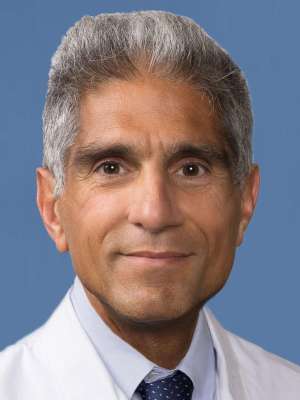
Dr. David Sarraf is a full-time Professor at the Stein Eye Institute, University of California, Los Angeles (UCLA), specializing in retinal disorders and ophthalmic genetics. He practices at the Doris Stein Eye Research Center and is affiliated with Ronald Reagan UCLA Medical Center . Education: MD from University of Toronto Faculty of Medicine (1990) Certifications: Board certified in Ophthalmology (American Board of Ophthalmology, 1998) Training: Residency at University of Chicago Hospitals (1996), Fellowships at Moorfields Eye Hospital (1997) and UCLA (1993), Internship at Toronto Hospital (1991) Research Focus: Clinical research in retinal diseases, particularly Age-related Macular Degeneration (AMD) , Diabetic Retinopathy , and Retinal Imaging . His work explores OCT applications, imaging biomarkers, and therapeutic outcomes for anti-VEGF agents. Publications: Over 60 peer-reviewed papers, reviews, and book chapters, with recent studies on Multimodal Imaging in Uveitis (MUV) guidelines, OCT biomarkers in diabetic macular edema, and novel retinal disease classifications. Scientific Recognitions: LuEsther T Mertz Lectureship (2018) Mark J Daily Keynote Lecture (2018) American Academy of Ophthalmology Secretariat Award AAO Honor Awards Leadership: Associate Editor for Retinal Cases and Brief Reports , director of community ophthalmology courses, and active member in the Retina Society , Macula Society , and American Society of Retinal Specialists .
Ali Ansari is a Teaching Assistant Professor in the Department of Bioengineering at the University of Illinois Urbana-Champaign (UIUC), part of the Grainger College of Engineering. He previously served as a Visiting Assistant Professor at Bucknell University’s Bioengineering/Electrical and Computer Engineering departments (2021–2023). Ansari holds a B.S. in Electrical Engineering from Southern Methodist University (2012) and a Ph.D. and M.S. in Bioengineering from UIUC (2018 and 2016, respectively). Education: Bachelor of Science in Electrical Engineering, Southern Methodist University, 2012 Master of Science in Bioengineering, University of Illinois Urbana-Champaign, 2016 Doctor of Philosophy in Bioengineering, University of Illinois Urbana-Champaign, 2018 His primary research focus is in Biomedical Engineering Education, with scholarly contributions spanning biomaterials, microfluidics, and cell isolation technologies. Recent work includes studies on extracellular matrix microparticles for heart regeneration, microfluidic systems for cell co-culture, and surface functionalization techniques. Ansari’s research trajectory reflects advancements in translational biomedical engineering, balancing foundational studies with applied innovations. Ansari’s articles highlight trends in biomaterials for regenerative medicine, microfluidic device design, and cell isolation methodologies. His work emphasizes integrating engineering principles with biological systems to address challenges in tissue repair and biomedical device development. No scientific awards are listed in the provided information. Professional affiliations include membership in the American Society for Engineering Education (ASEE), Biomedical Engineering Society (BMES), and the Biomedical Engineering Education Council (BEEC). His academic roles suggest involvement in teaching, student mentorship, and educational program development. Details about grants or lab affiliations are not explicitly detailed, though his research interests align with UIUC’s bioengineering research ecosystem.
Professor Reinhold J. Medina serves as Chair Professor of Vision and Vascular Science and Head of the Department of Eye and Vision Science at the University of Liverpool's Institute of Life Course and Medical Sciences, leading research in vascular biology with emphasis on vascular ageing, diabetes complications, and regenerative mechanisms. Educational milestones include an MD from San Agustin University-Arequipa (2000) and a PhD in Stem Cell Biology from Okayama University Medical School (2006), followed by clinical training in Peru and postdoctoral work in Japan before joining Queen's University Belfast. His research program integrates cell and molecular biology to investigate endothelial progenitor cell function in diabetic retinopathy, vascular repair mechanisms, and ageing-related pathologies, with international recognition for advancing understanding of vascular dysfunction in ocular diseases. Current work focuses on metabolic regulation in endothelial cells and senescence pathways in age-related macular degeneration. Recent publications demonstrate strong interdisciplinary convergence across ophthalmology, vascular biology, and gerontology, with recurring themes in metabolic dysregulation (glycolysis), oxidative stress (NOX4), cellular senescence, and translational applications for diabetic complications and retinal diseases. Key scientific awards include: Juvenile Diabetes Research Foundation International Postdoctoral Fellowship (2008) Fight for Sight Postdoctoral Fellowship (2010) Active research grants drive innovation in dry AMD treatment through choriocapillaris senescence targeting (Macular Disease Society), RNA sensing in endothelial ageing (Leverhulme Trust), and stem cell-microengineering approaches for perfused organoids (BBSRC), reflecting strategic collaborations across vascular science, engineering, and clinical ophthalmology. He directs a multidisciplinary research team advancing vascular repair strategies through stem cell biology and molecular pathway analysis, with particular focus on translating basic discoveries into therapeutic interventions for diabetic vascular complications and age-related eye diseases.
Xinyan Zhang is a Researcher in the Department of Cell Biology at Yale School of Medicine, Yale University. Her research focuses on understanding the molecular mechanisms of viral infections, particularly cytomegalovirus (CMV), and their interactions with host cellular processes such as autophagy and apoptosis. She investigates how viral infections trigger inflammatory responses and contribute to pathologies in organs like the retina and liver. Her work includes studies on the role of caspase-12 in retinal cell death during CMV retinitis, the impact of autophagy inhibition on viral replication, and the long-term ocular pathologies caused by neonatal CMV infection in mice models. She also explored adipokine involvement in Kawasaki disease and meta-inflammation in obese children during her graduate studies. Zhang collaborates with mentors Dr. Feng Fang (pediatric infectious disease expert) and Dr. Ming Zhang, contributing to interdisciplinary projects at the Su Lab. Her research integrates molecular biology, immunology, and clinical insights to address translational challenges in virology and infectious diseases.
Lars Aagaard is an Associate Professor at the Department of Biomedicine - Research and Education, Aarhus University, Denmark. He is based at the Bartholin Building in Aarhus C and is actively engaged in research and teaching in the fields of gene therapy, RNA interference, and genome editing. His work focuses on developing viral vectors, particularly AAV and lentiviral vectors, for ocular gene therapy targeting retinal diseases such as age-related macular degeneration and diabetic retinopathy. His research interests include the development of Dicer-independent RNAi systems, combinatorial gene therapy using microRNA and CRISPR/Cas9, and the delivery of RNA- and protein-based therapeutics. He also teaches Genetics and Personalized Medicine and supervises postdoctoral researchers, PhD, master's, and undergraduate students. The recent publications (2022–2024) reflect a strong trend in RNAi therapeutics, viral vector engineering, and translational applications in ocular and systemic diseases. Themes include gene silencing, immune modulation, and regenerative approaches using engineered cells. Aagaard actively contributes to the scientific community as a reviewer for journals such as Nature and Molecular Therapy . He has participated in key international conferences including ARVO, ASGCT, and ESGCT, demonstrating ongoing engagement with the global gene therapy community. Supervision of postdocs, PhD, master’s, and undergraduate students Active participation in international conferences and workshops Collaborative research across institutions, including Universidade Federal de Sao Paulo He is involved in both basic and translational research, with potential for clinical applications in gene and cell therapy.
Yali Jia, PhD is Professor of Ophthalmology and Biomedical Engineering and Jennie P. Weeks Professor of Ophthalmology at Oregon Health & Science University (OHSU). She serves as associate director of the Center for Ophthalmic Optics & Lasers and co-founded the International Ocular Circulation Society. Recognized as a world-leading expert in advanced ophthalmic imaging, Dr. Jia pioneered functional optical coherence tomography (OCT) and OCT angiography (OCTA) technologies with over 180 peer-reviewed publications, 13,000+ citations (h-index=48), and six co-edited books. Her research centers on Optical Coherence Tomography, OCT angiography, retinal imaging, and artificial intelligence applications for ophthalmic diagnostics. Dr. Jia's revolutionary SSADA technique enabled clinical deployment of OCTA across 1,000+ international centers. Current work integrates AI with multimodal imaging for automated pathology detection, widefield pediatric applications, and quantitative perfusion analysis. Recent breakthroughs include OCT oximetry (PNAS, 2020) and deep learning models for diabetic retinopathy classification (PRER, 2021). Analysis of her 15 most recent publications (2023-2025) reveals dominant trends in AI-enhanced OCT/OCTA systems, with 80% incorporating machine learning for vascular segmentation and pathology detection. Research spans pediatric applications (Retinopathy of Prematurity), neuro-ophthalmology (MS/glaucoma differentiation), and widefield imaging, demonstrating consistent focus on clinical translation of imaging biomarkers. Dr. Jia's scientific honors include: Special Scholar Award from Research to Prevent Blindness Carl Camras Translation Research Award from ARVO Fellow of the American Institute for Medical and Biological Engineering Senior Member of the National Academy of Inventors As principal investigator on federal, foundation, and industry-sponsored grants, she has secured funding for clinical translation of OCTA with over 10 licensed patents. Her NIH-funded projects focus on AI-driven diagnostic systems and handheld pediatric OCT devices, emphasizing real-world clinical implementation. Leading the imaging research arm of OHSU's Center for Ophthalmic Optics & Lasers, Dr. Jia directs a multidisciplinary team developing next-generation OCT systems. Her lab specializes in projection-resolved angiography, oximetry, and multimodal platforms for neuronal-vascular imaging, with active collaborations across neurology, pediatrics, and biomedical engineering departments.
Prof. Dr. Andreas Stadlbauer is a medical physicist affiliated with the Clinical Institute for Diagnostic and Interventional Radiology at St. Pölten University Hospital and the Department of Neurosurgery at Friedrich-Alexander University Erlangen-Nuremberg. He holds an adjunct professorship at the University of Erlangen-Nuremberg and contributes to both clinical and academic research in biomedical imaging and AI applications in oncology. University: Friedrich-Alexander University Erlangen-Nuremberg Hospital Affiliation: St. Pölten University Hospital Department: Department of Neurosurgery Academic Rank: Adjunct Professor His research focuses on advanced MRI techniques, particularly physio-metabolic imaging of brain tumors, oxygen metabolism, and the integration of artificial intelligence in clinical diagnostics. He has led research on glioma classification, tumor microenvironment characterization, and deep learning models for radiomic analysis. The recent publications highlight a strong trend toward AI-driven diagnostic tools in neuro-oncology, particularly in differentiating glioblastomas from metastases and predicting genetic mutations using machine learning. His work emphasizes the clinical translation of complex imaging data into actionable insights. Artificial Intelligence in Oncology Medical Imaging and Radiomics Brain Tumor Metabolism Deep Learning for MRI Analysis Oxygen Metabolism Imaging Clinical Decision Support Systems Prof. Stadlbauer has been involved in seed-funded research projects developing deep learning algorithms for clinical integration. He collaborates extensively with neurosurgeons, radiologists, and oncologists across institutions, contributing to multidisciplinary tumor boards and translational research initiatives. He completed his doctorate in medical physics in 2004, habilitation in 2008, and an MBA in Health Management in 2010. His academic journey reflects a blend of technical expertise and leadership in healthcare innovation.
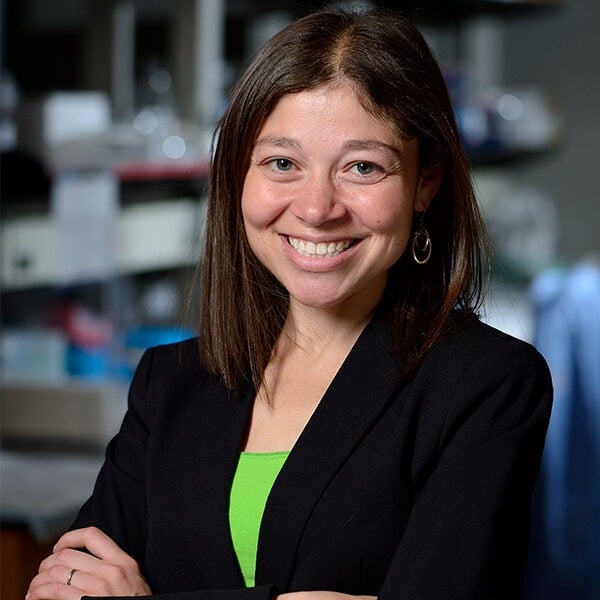
Jamie Spangler, PhD, is an Associate Professor at Johns Hopkins University, holding joint appointments in Biomedical Engineering, Chemical & Biomolecular Engineering, Oncology, Ophthalmology, and Molecular Microbiology & Immunology. She leads the Spangler Lab, focused on engineering proteins to advance therapies for cancer, autoimmune disorders, and infectious diseases. Her work integrates structural biophysics, biomolecular engineering, and translational immunology to develop innovative protein-based treatments. Education : PhD in Biological Engineering, MIT (2011) BS in Biomedical Engineering, Johns Hopkins University (2006) Research Interests : Her lab engineers antibodies and cytokines to manipulate immune responses. Key areas include: Designing IL-2/IL-15 mimetics for T cell modulation Bispecific antibodies targeting VEGF pathways for ocular diseases Orally bioavailable Th17 antagonists Protein degradation platforms using endocytosis-inducing proteins Nanoparticle delivery systems for regulatory T cell expansion Awards : William R. Brody Faculty Scholar Award (Johns Hopkins) Melanoma Research Alliance Pilot Award (2024) Early Career Contributions Recognition (2025) Advancing Therapeutics : Dr. Spangler's lab collaborates with industry and clinical partners to translate engineered proteins into therapies. Recent work includes: CD25-biased IL-2 immunocytokines for cancer immunotherapy Anti-AML CAR-NK cell affinity optimization VEGF-A/C bispecific decoys for neovascular eye diseases Labs & Affiliations : Affiliated with the Translational Tissue Engineering Center and multiple interdisciplinary initiatives at Johns Hopkins. Her lab emphasizes cross-disciplinary approaches bridging engineering, immunology, and clinical medicine.
Denise Eygendaal is a Full Professor at Erasmus MC in the Department of Orthopedics and Sports Medicine. She is a leading researcher in sports medicine, focusing on musculoskeletal conditions, tendon disorders, and clinical outcomes in athletes. Her work bridges orthopedic surgery, rehabilitation, and biomechanics, with a strong emphasis on evidence-based practice. Her research interests include patellar tendinopathy , elbow arthroplasty , patient-reported outcomes , and biomechanical assessment . She investigates the effectiveness of physical therapy, tendon loading exercises, and digital tools like ChatGPT in patient education. Her studies often employ longitudinal, cross-sectional, and causal mediation designs, contributing significantly to sports medicine literature. The recent articles show a consistent trend in athlete-centered research, integrating clinical assessment with technology and patient feedback. Her work spans biomechanics , rehabilitation science , AI in healthcare , and normative data development , reflecting a multidisciplinary approach. Although no specific scientific awards are listed in the provided text, her high publication output and international collaborations suggest recognition in the field. She supervises research, as indicated by 'Supervised Work (8)', and collaborates with institutions globally, contributing to impactful research in orthopedics and sports medicine. Dr. Eygendaal is actively involved in advancing clinical tools and digital health applications, with ongoing research into mobile assessments and AI-driven patient education. She leads studies on calf muscle endurance, forearm rotation modeling, and long-term prognosis in athletes, indicating a sustained commitment to improving musculoskeletal care.
Hannah Spitzer is a Research Group Leader at the Institute for Stroke and Dementia Research (ISD) at Ludwig Maximilian University of Munich and an associated Research Group Leader at Helmholtz Munich's Computational Health Center. She leads the Spitzer Lab, focusing on computational analysis of multimodal brain datasets to advance understanding of neurovascular and neurodegenerative diseases. Her educational background includes: PhD in Computer Science from Heinrich-Heine University Düsseldorf and Research Center Jülich (2015-2020) Master's in Computer Science from RWTH Aachen (2013-2015) Bachelor's in Computer Science from RWTH Aachen (2009-2013) Dr. Spitzer's research integrates computational biology and machine learning to decode brain complexity, with emphasis on spatial omics analysis , interpretable image representation learning , and cross-modal data integration . Her group develops tools like squidpy and campa for spatial omics while applying graph neural networks to epilepsy lesion detection through the international MELD project, prioritizing biological interpretability in AI models. Recent publications reveal strong trends in leveraging graph neural networks for subtle brain lesion detection and creating computational frameworks for spatial omics integration. Her work consistently bridges advanced machine learning with clinical neuroscience to uncover disease mechanisms in neurodegeneration and vascular disorders. Dr. Spitzer actively mentors students including current PhD candidate Beatrice Guastella and alumni Deniz Fettahoglu (MSc) and Katia Berr (PhD). Her lab operates through major collaborations including the MELD epilepsy consortium and Helmholtz Imaging Project, with funding supporting computational pipeline development for small-vessel disease prediction and multimodal brain atlasing. The Spitzer Lab comprises postdoc Wasim Aftab and PhD student Beatrice Guastella, working on computational pipelines that integrate histology, spatial omics, and neuroimaging data to decode brain disease mechanisms through interpretable AI approaches.
Matthias Meier is a Full Professor at the Institute of Biochemistry, University of Leipzig, and Principal Investigator at Helmholtz Pioneer Campus, Helmholtz Zentrum München. His research focuses on advancing microfluidic organ-on-chip technology for single-cell and whole-organ disease modeling. Education: PhD in Biophysics (University of Basel, 2006) Research Interests: Dr. Meier's work bridges bioengineering and metabolic disorders, using organ-on-chip platforms to study stem cell differentiation, pancreatic/adipose tissue interactions, and dynamic microenvironmental signals. His lab integrates microfluidics with hiPSC-derived organoids for obesity and diabetes research. Publication Trends: Recent studies emphasize organ-on-chip systems, single-cell analysis , and stem cell engineering , with applications in cardiovascular disease modeling, spatial transcriptomics, and bioelectronic monitoring. Scientific Awards: Feodor-Lynen Postdoctoral Fellowship (2008) Emmy-Noether Fellowship (2012-2018) ERC Consolidator Grant (2017) Advising & Grants: He has led independent research groups with major grants, focusing on energy imbalance mechanisms and patient-specific organoid models for metabolic disease therapies. Labs & Teams: The Matthias Meier Lab develops microfluidic platforms to control chemical, architectural, and mechanical cues for hiPSC differentiation, emphasizing spatial protein profiling and organoid assembly.
Travis W. Hein, PhD, is a Professor in the Department of Medical Physiology at Texas A&M University's School of Medicine. His research focuses on microvascular dysfunction in diabetes, particularly in retinal and coronary microvessels, and its implications for vision loss and heart failure. He also investigates spaceflight-associated neuro-ocular syndrome (SANS) mechanisms in astronauts. Hein holds significant teaching awards, including the 2023 R. Kelly Hester Distinguished Teaching Award and membership in the Academy of Distinguished Medical Educators. Education: BA in Biology from St. Olaf College (1992), PhD in Medical Physiology from Texas A&M Health Science Center (1997). Research interests emphasize molecular mechanisms of vasomotor regulation, diabetes-induced vascular damage, and space health challenges. His work identifies therapeutic targets for microvascular diseases and explores ocular blood flow dynamics in space environments. Key publications highlight breakthroughs in retinal degeneration therapies (e.g., stanniocalcin-1), diabetic microvascular complications, and cardiovascular dysfunction mechanisms. His articles span 20+ years, demonstrating sustained contributions to vascular biology and translational medicine. Scientific awards: 2023 R. Kelly Hester Distinguished Teaching Award 2021 Elected to Academy of Distinguished Medical Educators 2017 Texas A&M Distinguished Teaching Award Grants and mentoring: Extensive NIH-funded research programs and training of graduate students/postdocs in cardiovascular and ocular physiology. Collaborates on space health initiatives through NASA partnerships. Labs/Teams: Directs Texas A&M's Microvascular Physiology Lab, focusing on translational research in diabetes and space health. Active in multidisciplinary teams addressing ocular vascular dysfunction and cardiac microcirculation.