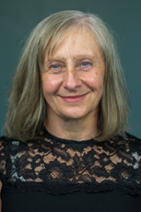
Faly Golshan is a Researcher in the Department of Psychology at the University of Saskatchewan. Her work focuses on cognitive neuroscience, neurodevelopmental disorders, and the application of mindfulness meditation in managing neurological conditions like migraines and autism spectrum disorder. She leads the Brain Health Lab and has been recognized for her contributions with awards including the EDI Scholarship (2024) and a Teacher-Scholar Fellowship (2022). Her research interests span neurophysiological mechanisms underlying attentional processing, stress-related disorders, and the impact of environmental factors such as noise pollution. She employs techniques like fMRI, ERP, and EEG to investigate sensory processing in rodent models and human populations. Golshan teaches courses in cognitive and neuropsychology, emphasizing evidence-based practices in mental health. Key Research Areas : Migraine neurophysiology, autism spectrum disorder interventions, meditation neuroscience, and neurodevelopmental toxicology. Recent Grants : Small Grant for Junior Scientist (2024), supporting clinical trials on neurofeedback mindfulness. Her publications analyze gender differences in concussion reporting, pandemic stress impacts, and the efficacy of mindfulness-based therapies. She actively collaborates with interdisciplinary teams to translate neuroscientific findings into clinical applications.
Dr. Shawn Bugden is Dean and Professor in the Department of Pharmacy, Faculty of Medicine at Memorial University of Newfoundland. He is a trained pharmacist with postgraduate studies at the University of Manitoba, University of Washington, and University of Oxford, and has over a decade of experience in hospital pharmacy management, especially in rural and remote Canada. His research focuses on the optimal use of medications, with key interests in: Pharmacoepidemiology Pharmacoeconomics Drug Utilization Medication Safety Opioid Stewardship Health Policy Pharmacy Practice Dr. Bugden's recent publications reflect a strong emphasis on drug safety, chronic disease management, and health policy, particularly in diabetes, dementia, opioid use, and maternal health. His work often involves large-scale observational studies and collaborations with national research networks such as CNODES. His scientific awards include: 2024 Canadian Pharmacists Association’s (CPhA) Past Presidents Award 2018 CCA Educator of the Year 2018 Honorary Life Member, College of Pharmacists of Manitoba 2017 Outstanding Teacher, University of Manitoba 2016 Merit Award, University of Manitoba 2015 Pharmacist of the Year, College of Pharmacists of Manitoba 2010 Centennial Award, College of Pharmacists of Manitoba 2009 Award of Merit, Pharmacists Manitoba Dr. Bugden is actively involved in teaching, particularly in pharmacoepidemiology, biostatistics, and evidence-based medicine. He has contributed significantly to pharmacy education and competency development. His leadership as Dean underscores his commitment to advancing pharmaceutical sciences and health outcomes research. He is also engaged in scholarship of teaching and learning. He leads research initiatives in: Drug safety and appropriate medication use in dementia Opioid utilization and stewardship Over-diagnosis and over-treatment in diabetes and COPD Pharmacy health human resources policy
Bryon Defrance is an Associate Professor in the Department of Obstetrics & Gynecology at McMaster University . With over two decades of scholarly activity, his work focuses on placental research, fetal development, and obstetric complications. Roles: Associate Professor, Researcher Institutional Affiliation: McMaster University Department: Obstetrics & Gynecology His research explores key areas including: Placental perfusion models and endotoxin contamination Fetal growth restriction and vascular resistance Pregnancy complications like molar pregnancies Development of artificial placenta technologies Key collaborations include researchers like Gerhard Fusch and Christoph Fusch, with publications spanning 2001–2024. While grant details are not available in the VIVO database, his work has been shared on academic platforms like X and Facebook, with broader implications in obstetric safety and medical engineering.
Marcus Ng is an Associate Professor of Neurology at the Max Rady College of Medicine, University of Manitoba, with an adjunct appointment in Biomedical Engineering at the Price Faculty of Engineering. He specializes in clinical neurophysiology and epileptology, and serves as Director of the Dreamspike Research Laboratory and Principal Investigator at the PrairieNeuro Research Centre, Kleysen Institute for Advanced Medicine. Max Rady College of Medicine, University of Manitoba Department of Internal Medicine, Section of Neurology Adjunct, Biomedical Engineering, Price Faculty of Engineering Principal Investigator, PrairieNeuro Research Centre Director, Dreamspike Research Laboratory Dr. Ng's research centers on the anti-epileptic properties of REM sleep, a phenomenon his lab terms "dreamspike," where epileptic activity breaks through the normally inhibitory state of REM sleep. His work spans quantitative EEG , critical care neurophysiology , chronobiology , and neuromodulation using hd-tDCS. He employs advanced techniques including EEG, neuroimaging (MRI, PET), and sleep laboratory experiments to explore mechanisms and develop clinical applications. The 15 most recent publications reflect a strong focus on sleep-epilepsy interactions , critical care EEG , quantitative EEG biomarkers , and translational neurology . His research integrates clinical neurophysiology with engineering and data science, emphasizing real-time monitoring, seizure detection, and interdisciplinary collaboration. Themes include circadian influences on epilepsy, surgical timing, and non-invasive brain stimulation. Dr. Ng has received numerous scientific awards, including: Warren T. Blume Award, Canadian Society of Clinical Neurophysiologists (2024) Fellow, American Epilepsy Society (2022) Fellow, American Clinical Neurophysiology Society (2019) Travel grants and presentation awards from ACNS, ILAE, AAN, and others Multiple scholarships and awards from the University of Alberta (2000–2005) He has supervised over 40 trainees, including graduate students, residents, and medical students, many of whom have won national and international awards. He is actively involved in medical education as an examiner for the CSCN and other boards, serves on committees of major neurological societies, reviews grants and journals, and lectures at national teaching courses. His lab is currently hiring research associates, post-docs, MSc, and summer students, with opportunities in both patient-facing and data-facing roles. Dr. Ng leads the Dreamspike Research Laboratory, which collaborates with the Manitoba Centre for Nursing and Health Research, Canadian Epilepsy and Mother-Infant Health Group, Critical Care EEG Monitoring Research Consortium, and the Sleep and Epilepsy Workgroup. The lab fosters a multidisciplinary environment bridging clinical neurology and biomedical engineering.
Murray Alexander Potter is a Professor at McMaster University in the Department of Pathology and Molecular Medicine , with clinical and academic leadership roles in the Division of Genetics and Metabolics at the McMaster Children’s Hospital . His research focuses on translational studies for inherited metabolic diseases , particularly in newborn screening , diagnostic test development , and therapeutic cell encapsulation . MD, University of Manitoba (1995) Specialist Certificate in Medical Biochemistry, McMaster University (2000) Specialist Certificate in Biochemical Genetics, McMaster University (2002) Dr. Potter’s research spans analytical biochemistry , clinical genetics , and metabolic disease therapies . He has pioneered microencapsulation techniques for gene therapy and developed LC-MS/MS methods for metabolic screening. His work includes metabolomics for dietary adherence in phenylketonuria and quality assurance for laboratory diagnostics. Recent scholarly activity highlights innovations in acylcarnitine analysis , epidemiological studies on mitochondrial disorders , and health services research for inherited metabolic disease patients. His 15 most recent articles (2025–2019) reflect expertise in diagnostic methods , therapeutic monitoring , and pediatric metabolic care . Scientific Recognition: Fellow, 2002 Fellow, 2001 Dr. Potter also teaches Clinical Biochemistry (BIOCHEM 3H03) and contributes to pan-Canadian research networks like CIMDRN. Contact: mpotter@mcmaster.ca , 905-525-9140 ext. 73722.
Benjamin De Leener is an Associate Professor in the Department of Computer Engineering and Software Engineering at Polytechnique Montréal. He holds the TransMedTech Research Chair in Pediatric Neuroimaging and serves as Co-director of the Neuroimaging Research Laboratory (NeuroPoly). His work bridges engineering and medical research through multiple institutional affiliations including the Sainte-Justine University Hospital Research Center, the Groupe de recherche en gestion et mondialisation de la technologie (GMT), and the Union Neuroscience et Intelligence Artificielle - Québec (UNIQUE). Dr. De Leener's research focuses on developing advanced technologies for pediatric neuroimaging, particularly open-source image analysis tools for brain and spinal cord MRI. His work integrates techniques from image segmentation and registration, neurodevelopmental templates and atlases, and machine learning. His research spans both biomedical technology and artificial intelligence applications, with particular emphasis on pediatric populations. His recent publications demonstrate a strong trajectory in developing computational methods for spinal cord and brain imaging, with increasing focus on pediatric applications and machine learning approaches. The research shows consistent growth in methodological sophistication, moving from basic image processing to advanced deep learning applications for medical imaging. Dr. De Leener actively supervises doctoral and master's students, with current projects focusing on neonatal brain imaging, spinal cord quantification, and advanced MRI techniques. His laboratory maintains strong collaborations between engineers, researchers, psychologists, radiologists, and physicians through its connections with the TransMedTech Institute and Sainte-Justine University Hospital.
Marie-Noelle Simard is an Associate Professor at the School of Rehabilitation, University of Montreal. Her research focuses on child neurodevelopment, particularly in at-risk populations such as children born prematurely or with congenital heart defects. She specializes in neurodevelopmental screening, identification of delays, and designing adapted physical activity programs. Education: B.Sc. in Occupational Therapy, University of Montreal (2001) M.Sc. in Biomedical Sciences (Rehabilitation Option), University of Montreal (2003) Ph.D. in Biomedical Sciences (Rehabilitation Option), University of Montreal (2009) Postdoctoral Research at Université Laval (2013) Her main ongoing projects include improving neurodevelopmental screening practices for preterm infants, validating early clinical and biological markers for developmental delays, systematic monitoring of children with congenital heart disease, and developing/evaluating parent-child yoga programs for neurorehabilitation. Her research spans pediatrics, developmental medicine, and rehabilitation sciences. Selected publications highlight her work on the Ages and Stages Questionnaire validation, motor development in congenital heart disease, sensory assessment in autism, and longitudinal studies of preterm infants. She collaborates with institutions like CHU Sainte-Justine Research Center and Université Laval.
Philippe Jouvet is a Clinical Professor in the Department of Pediatrics at Université de Montréal's Faculty of Medicine. He is affiliated with CHU Sainte-Justine, a leading pediatric healthcare institution in Montreal, Canada. His clinical and research activities focus on advanced technologies for critical care environments, particularly in respiratory assistance and diagnostic automation. Dr. Jouvet's research spans pediatric intensive care innovations, including machine learning applications for clinical decision-making, respiratory distress detection, and safety protocols for aerosol transmission. His work addresses key challenges in mechanical ventilation, hypoxemia triage, and artifact detection in physiological signals, with a strong emphasis on cross-national collaborative studies. His recent publications demonstrate expertise in integrating artificial intelligence with clinical workflows, evidenced by studies on LoRA adapters for LLMs, vision transformers for rPPG estimation, and hybrid neural networks for signal processing. His work also includes critical contributions to international guidelines for pediatric ventilator liberation and acute respiratory distress syndrome management.
Dr. Valérie Marchand is a Clinical Associate Professor at the University of Montreal's Faculty of Medicine , affiliated with the Department of Pediatrics . She practices at CHU Sainte-Justine , where she leads the Intestinal Failure Program and works as a pediatric gastroenterologist. Medical Degree: University of Sherbrooke Pediatrics Residency: University of Montreal Pediatric Gastroenterology Residency: University of Montreal Nutrition Fellowship: Medical University of South Carolina Her research focuses on pediatric nutrition , particularly addressing feeding difficulties , short bowel syndrome , and neurological deficit-associated nutritional challenges . Current projects examine appetite stimulant efficacy and quality of life outcomes after gastrostomy procedures. Notable awards include the Best Doctors Award (2008) and Clinical Excellence Award (2016) . She serves on key medical boards including the Royal College of Physicians and Surgeons of Canada and previously held leadership roles in the Canadian Nutrition Society and Canadian Paediatric Society .
Dr. Marie Arrieta serves as Associate Professor in the Department of Physiology and Pharmacology at the Cumming School of Medicine, University of Calgary. She holds full membership in the Snyder Institute for Chronic Diseases and Inflammation Research Network, and serves as Child Health & Wellness Researcher at the Alberta Children's Hospital Research Institute. Her research program bridges clinical studies and experimental animal work to investigate gut microbiome interactions with infant development. Doctor of Philosophy in Experimental Medicine, University of Alberta (2011) M.Sc. in Physiology, University of Alberta (2005) B.Sc., University of Costa Rica (2001) Dr. Arrieta's research centers on early-life gut microbiome interactions with immune, metabolic, and neurological development. Her translational approach characterizes microbial dysbiosis associated with asthma, obesity, and stress dysregulation using birth cohort studies and mouse models. As a prominent science communicator, she authored the best-selling book Let Them Eat Dirt and contributes to documentary projects exploring microbiome science. She participates in three major university strategic initiatives: Brain and Mental Health (2015-2021), Child Health and Wellness (2020-2025), and Infections, Inflammations and Chronic Diseases (2015-2021). Analysis of her recent publications (2023-2025) reveals consistent focus on microbiome maturation trajectories, with particular emphasis on fungal-bacterial interactions (mycobiome), stress-axis perturbations, and metabolic programming. Her work increasingly examines inter-kingdom dynamics and behavioral outcomes, demonstrating evolution from foundational dysbiosis studies toward causal mechanisms and translational applications. Key trends include antibiotic impacts, maternal stress effects, and nutritional interventions targeting microbiome-mediated disease pathways. Dr. Arrieta actively mentors graduate students and postdoctoral fellows in the Arrieta Lab, which includes PhD candidates Fatimoh Kasaba and Emily Mercer, MSc student Kaetlyn Phillips, and multiple postdoctoral associates. Her research program receives substantial institutional support through university strategic initiatives and likely external funding from Canadian health research agencies, though specific grants aren't detailed in the profile. The Arrieta Lab maintains active collaborations across multiple research networks, including the BLOOM Clinical Study investigating early-life microbiome development. Lab operations include dedicated research staff managing gnotobiotic facilities for mouse studies and clinical sample processing for birth cohort analyses. Current projects focus on microbial transplantation, fungal-bacterial interactions, and microbiome-based interventions for developmental disorders.
James (Jay) Johnston is a Clinical Professor in the Department of Medicine at the University of British Columbia and an Associate Member of the UBC School of Population & Public Health . He serves as the Evaluation Lead for Provincial TB Services at the British Columbia Centre for Disease Control (BCCDC). Research Interests : Dr. Johnston specializes in Tuberculosis Epidemiology , Treatment Outcomes , and Drug Resistance , utilizing Health Administrative Data to analyze TB risk in migrant populations. His work extends to Multinational Randomized Controlled Trials in TB screening and prevention. Scientific Awards : Health Research BC Health Professional Investigator (2025), Grzybowski Fellowship in TB Research Education : Master of Public Health (MPH) from the Harvard School of Public Health .
Earl Rubin, MD is an Associate Professor in the Department of Pediatrics at McGill University's Faculty of Medicine and Health Sciences, and serves as an Associate Investigator at the Research Institute of the McGill University Health Centre (RI-MUHC). He specializes in the Division of Infectious Diseases at the McGill University Health Centre (MUHC), where his clinical and research activities focus on pediatric infectious diseases with particular expertise in vaccine development and clinical trials. Dr. Rubin's primary research interest centers on industry-sponsored vaccine trials, with numerous publications spanning vaccine safety, immunogenicity, and development across various pediatric populations. His work particularly focuses on combination vaccines, hexavalent formulations, and pneumococcal conjugate vaccines. Beyond vaccine research, his scholarly contributions extend to significant public health issues including Ebola response, Zika virus implications, tuberculosis prevention challenges, and commentary on predatory academic publishing practices. Analysis of his publication record reveals a clear trajectory from earlier work in cancer therapeutics (particularly tubulin-targeting agents) to his current focus on infectious disease management and vaccine development. His more recent publications (2025) appear as commentaries in high-impact journals like the New England Journal of Medicine, addressing contemporary health policy challenges, while his earlier work includes detailed clinical trials on pediatric vaccines and reviews on cancer therapeutics. Dr. Rubin has contributed significantly to understanding infectious disease management in vulnerable populations, including premature infants with invasive candidiasis and children in global health crisis situations. His collaborative work demonstrates engagement with international research teams across North America addressing critical issues in pediatric infectious disease management and vaccine implementation.
Frances Plane is an Associate Professor at the University of Alberta specializing in vascular biology and cardiovascular pharmacology. Her research targets endothelial dysfunction in metabolic diseases, focusing on endothelial-smooth muscle communication mechanisms critical for blood pressure regulation and tissue perfusion. Education: PhD Pharmacology, University of London, 1992 Her laboratory investigates how disruption of endothelial-derived factors like nitric oxide and myoendothelial gap junctions contributes to hypertension, atherosclerosis, and thrombosis in diabetes. Using functional, electrophysiological, and molecular approaches, her team identifies novel ion channel targets to restore vascular function. Current work emphasizes metabolic disease models and therapeutic strategies for endothelial repair. Recent publications (2018-2022) reveal strong thematic continuity in vascular pharmacology, with emphasis on endothelial ion channels, platelet-vascular interactions, and sex-specific responses. Key trends include oxidative stress mechanisms in metabolic disease, repurposing existing drugs for vascular conditions, and myoendothelial feedback pathways as therapeutic targets. Scientific Awards: NSERC Discovery Grant Research Grant from Marshall Eliuk Fund for Medical Research Dr. Plane actively mentors graduate students including MSc candidate Stephen Gust, while leading a research team with lab assistant Caleb McInroy. Her grants support investigations into vascular dysfunction biomarkers and novel interventions for diabetic vascular complications. She is affiliated with the Cardiovascular Research Institute and teaches PMCOL425 (Pharmacology). Her laboratory operates from the Medical Sciences Building (9-62), utilizing advanced techniques to study resistance artery physiology and endothelial signaling pathways in metabolic disease contexts.
Dr. Felippe Borlot is a Clinical Assistant Professor in the Department of Clinical Neurosciences at the University of Calgary's Cumming School of Medicine. He also holds a position as Assistant Professor of Neurology at the University of Manitoba. Clinically, he works at the Epilepsy Clinic at South Health Campus in Calgary, Alberta, providing specialized care for patients with epilepsy across the lifespan. Dr. Borlot's educational background includes: MD from Escola Superior de Ciências da Santa Casa de Misericórdia de Vitória, Brazil (2004) Master of Science in Medicine, Clinical Genetics from Faculdade de Medicina da Universidade de Sao Paulo (2014) Clinical Fellowship in Adult Epilepsy at Toronto Western Hospital, University of Toronto (2015) Clinical Fellowship in Pediatric Epilepsy at The Hospital for Sick Children, University of Toronto (2020) As an epileptologist trained in both adult and pediatric epilepsy, Dr. Borlot's primary research focuses on transitional care for epilepsy patients moving from pediatric to adult healthcare systems and epilepsy genetics. His work has demonstrated that genetic testing in adults with epilepsy provides significant diagnostic yield and directly informs precision medicine approaches to treatment. He has published extensively on childhood-onset epilepsy in adults, genotype-phenotype correlations in rare epilepsies, and the clinical utility of genetic findings for treatment decisions. Dr. Borlot has 57 publications with over 1,000 citations. His recent work shows a strong emphasis on epilepsy genetics, with multiple studies examining multigene panel testing in adult epilepsy populations, specific genetic epilepsies like PURA-related and KCNT1-related disorders, and the development of clinical pathways for transitional care and diagnostic testing. His notable achievements include: CLAE Trainee Publication Award Research grants from the University of Toronto Travel grants from the American Epilepsy Society Travel grants from BioMarin Dr. Borlot is actively involved in improving care for people with epilepsy through his research on transitional care pathways and genetic diagnostics. He has developed evidence-based recommendations for epilepsy transition between healthcare systems and has researched telehealth effectiveness for children with epilepsy. His dual training in pediatric and adult epilepsy uniquely positions him to address the complex needs of patients with lifelong epilepsy conditions.