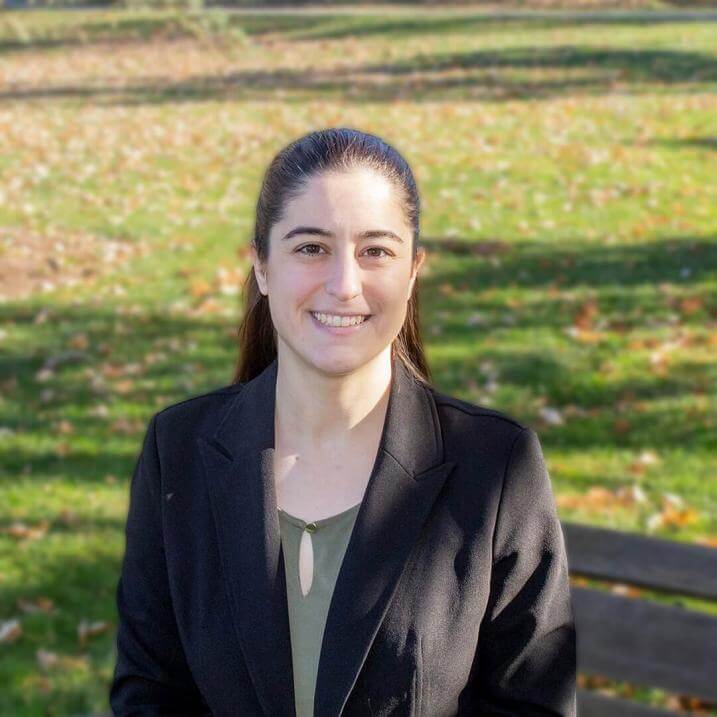
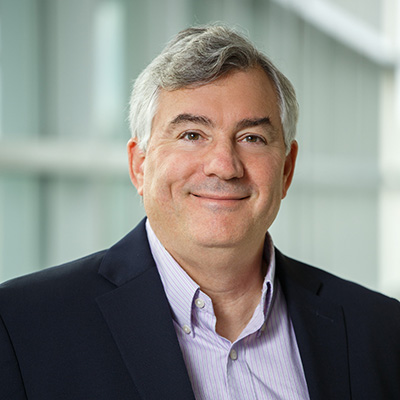
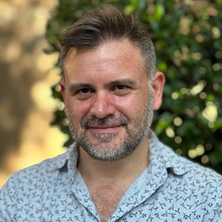
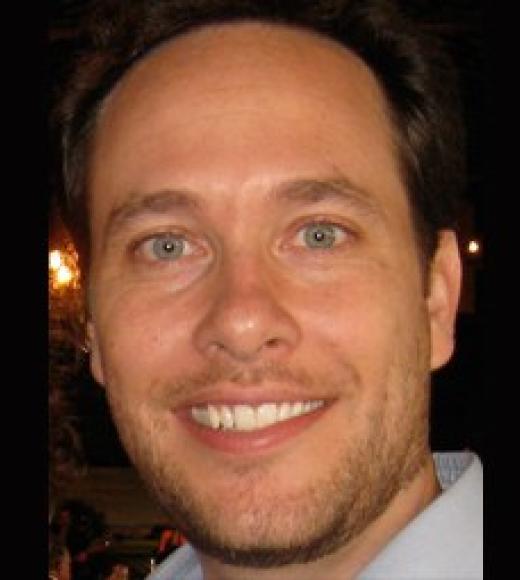
Gloster Aaron is a researcher at Wesleyan University, leading studies on adult neurogenesis in avian song systems and its implications for neural circuitry. His work focuses on the role of adult-born neurons (ABNs) in the zebra finch brain, particularly in the HVC region, which is critical for song production. Collaborating with undergraduate teams, he investigates how adult-born HVC-RA neurons integrate into vocal circuits and explores the identity and function of DARPP-32+ neurons in HVC. Research Interests: Adult neurogenesis and neuronal integration in songbirds Neurobiological mechanisms underlying vocal learning Neuronal plasticity and circuit dynamics Role of GABAergic interneurons in epilepsy and synaptic connectivity Advising and Collaborations: Supervises undergraduate researchers in projects involving retroviral labeling techniques and DARPP-32 immunohistochemistry. Collaborates on studies of human embryonic stem cell-derived interneurons for epilepsy treatment. Labs and Facilities: Conducts research in the Shanklin Lab, focusing on electrophysiological recordings and optogenetic interrogation of neural circuits.
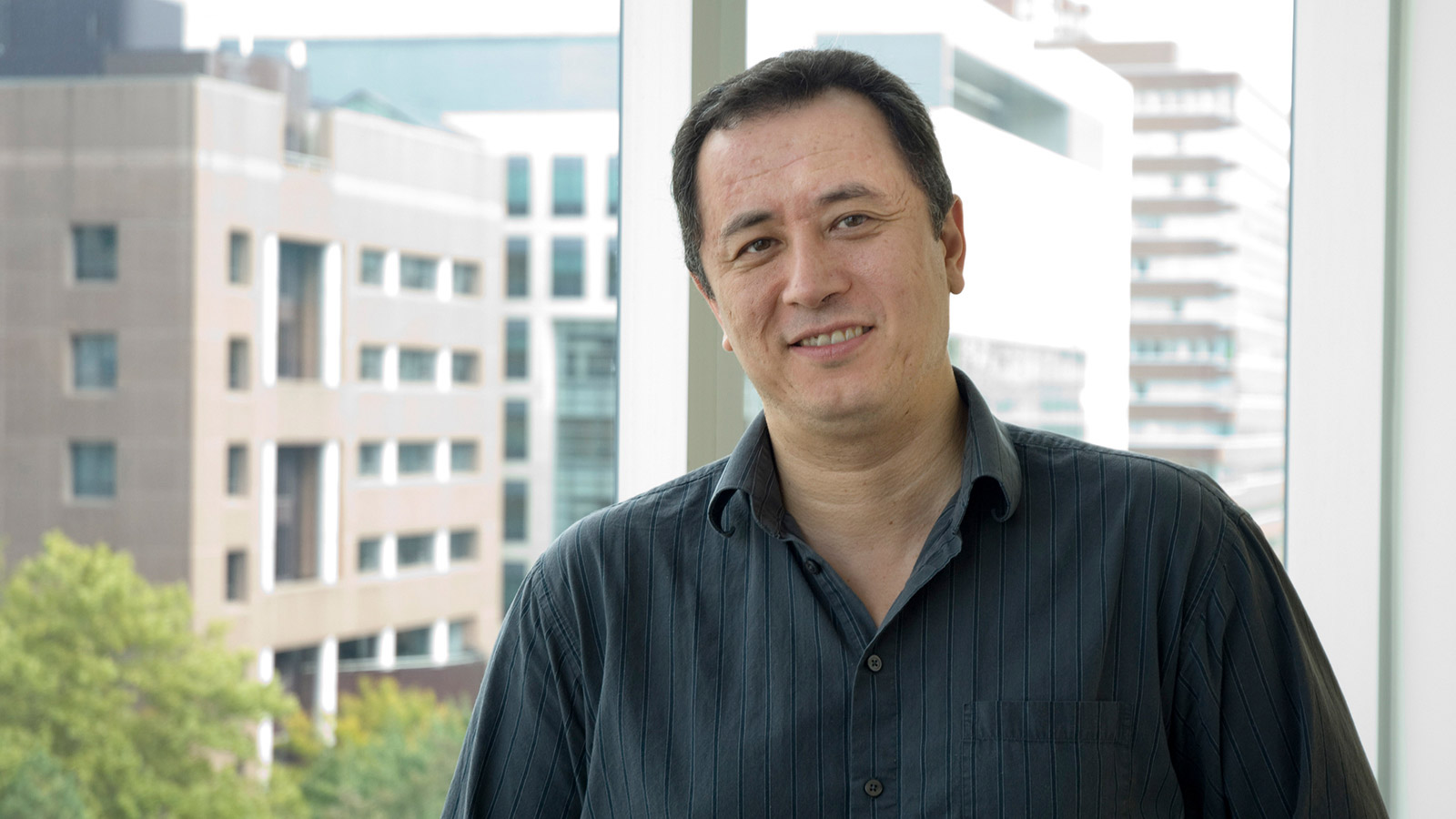
David Linden is a Professor of Neuroscience at the Solomon H. Snyder Department of Neuroscience, Johns Hopkins University School of Medicine. His research focuses on neuronal plasticity, particularly structural and functional changes in the adult mammalian brain in response to injury, learning, hormonal cycles, and pharmacological interventions. He employs in vivo two-photon microscopy to visualize dynamic changes in neural circuits, with a special emphasis on serotonin and norepinephrine axon regeneration. His research interests include cellular and molecular neuroscience , neural circuits , synaptic plasticity , and the neurobiology of disease . He investigates how experience shapes brain structure and function, including how estrogen affects spine dynamics, how brain injury triggers axonal regrowth, and the molecular basis of long-term synaptic depression. His work bridges molecular mechanisms with behavioral outcomes. The most recent publications reveal a strong trend toward understanding functional axon regeneration in the central nervous system, particularly in catecholaminergic systems. His lab has demonstrated that serotonin and norepinephrine axons can regrow across injury sites and restore function—a rare phenomenon in the adult brain. Other studies explore hormonal modulation of plasticity, receptor dynamics in learning, and cerebellar circuit stability. These works span in vivo imaging , molecular neuroscience , and behavioral neurobiology . David Linden is affiliated with the Cellular and Molecular Medicine and Neuroscience Training Program graduate programs at Johns Hopkins. While no formal list of students is provided, his publications include numerous trainees and collaborators, indicating active mentorship. There is no mention of external grants, but his consistent publication record in top journals suggests sustained funding. His lab closed in November 2024, marking the end of active research operations. He has not received any explicitly mentioned scientific awards in the provided text. However, his body of work has significantly contributed to the understanding of neuroplasticity and regeneration. David Linden led the Linden Lab, which specialized in in vivo imaging of neural plasticity and axon regeneration . The lab utilized advanced microscopy to track structural changes in real time, particularly in cortical and cerebellar circuits. Research teams included neuroscientists, molecular biologists, and imaging specialists. The lab closure in 2024 indicates the conclusion of this research program.
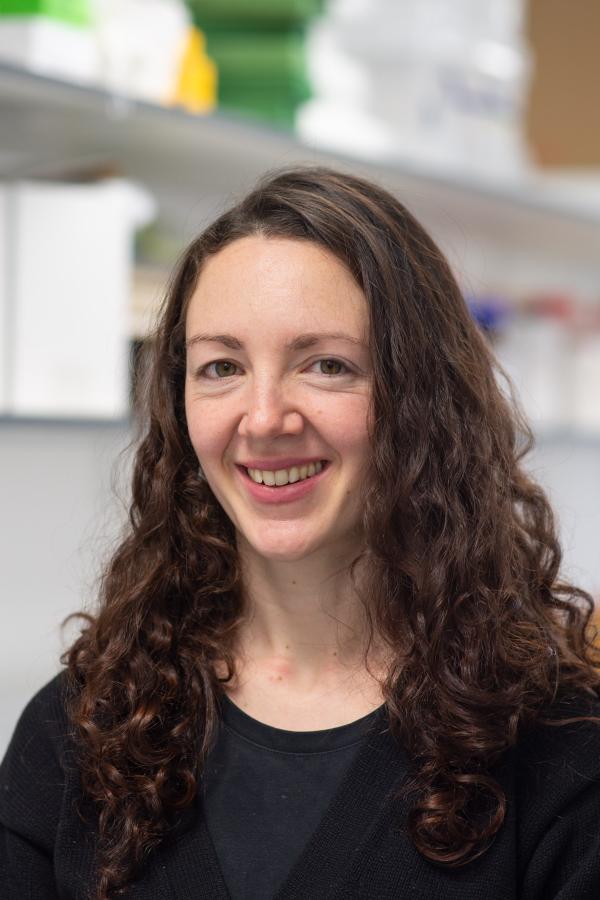
Danielle Fournier is a Lecturer in the Department of Psychological Science at the University of Vermont. She is affiliated with the College of Arts and Sciences and holds expertise in neuroscience and cognitive science. Her research focuses on neocortical contributions to learning and memory in rodent models, employing techniques such as viral manipulations to study neural activity in regions like the retrosplenial cortex. Education: B.A., Wheaton College (MA), 2016 Ph.D., Experimental and Molecular Medicine, 2021 Research Interests: Danielle’s work examines the role of the neocortex in memory processing phases (encoding, consolidation, retrieval) using associative learning frameworks. Her methodologies include viral manipulations to dissect neural circuits involved in learning and memory formation. Publications & Awards: No specific publications or awards are listed here, though her research contributions are noted in the departmental profile. Advising & Grants: Details about student advising or grant activities are not explicitly provided in the available text. Labs/Teams: No specific laboratory or collaborative teams are mentioned in the profile.
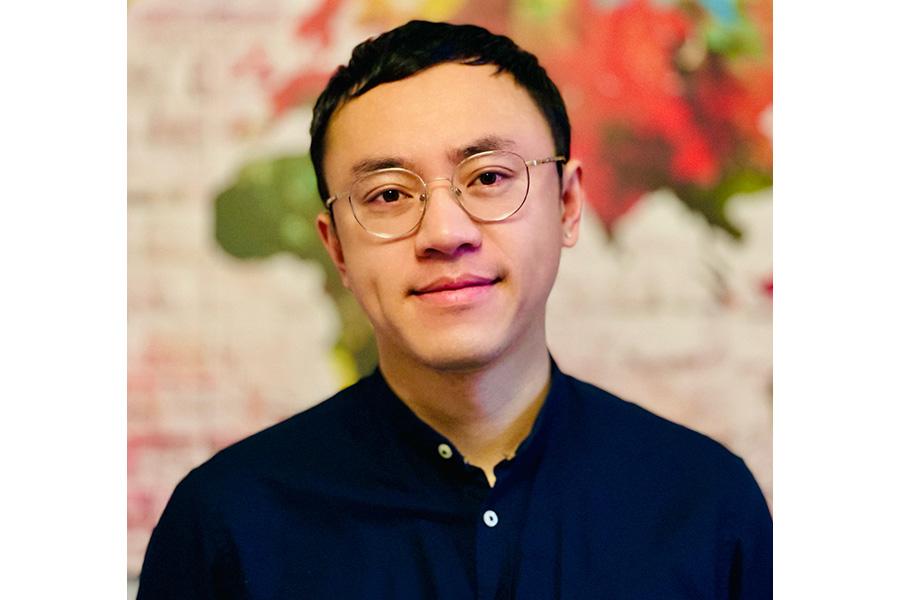
Chris de Kock is an Associate Professor at Vrije Universiteit Amsterdam, holding dual affiliations in the Faculty of Science (Department of Integrative Neurophysiology) and the Amsterdam Neuroscience research center's Compulsivity, Impulsivity & Attention division. His work contributes to UN Sustainable Development Goals related to health and well-being through neuroscientific research. Research interests focus on neuronal network dynamics , synaptic communication , and neuronal physiology , particularly in human and rodent models. Key topics include dendritic processing, action potential mechanisms, and interneuron diversity. Recent studies explore human hippocampal neurons and voltage-gated ion channels' roles in neuronal signaling. Teaches Cognitive Neuroscience , Neuronal Networks in Vivo , and Five O’Clock Neurosciences (Honours) . Supervised 7 PhD theses. Active in collaborative projects with institutions globally, evidenced by international co-authorships and datasets on synaptic communication and neuronal morphology. Contributed datasets include analyses of high-bandwidth synaptic communication and pyramidal neuron intelligence correlations. Recognized for work with over 100+ Mendeley readers and news coverage for studies linking neuronal traits to human intelligence.
Benjamin Adric Dunn is an Associate Professor in (Neural) Data Science at NTNU's Department of Mathematical Sciences. Formerly, he held positions as a PhD researcher and postdoc at NTNU's Kavli Institute for Systems Neuroscience, with prior education including an MS in Computational Engineering from Purdue University and a BS in Applied Mathematics from the University of Connecticut. His career also includes industrial experience as a Computational Methods Engineer at Pratt & Whitney, UTC. His research focuses on integrating mathematical and computational approaches to understand neural systems, particularly spatial cognition, grid cells, and topological data analysis in neuroscience. Key contributions include work on toroidal representations in grid cells, posture coding in neocortex, and cohomological feature extraction from neural data. Publications emphasize multidisciplinary methods bridging algebraic topology, statistical physics, and neuroscience. Teaching includes courses like TMA4255 (Applied Statistics) and TMA4285 (Time Series). Outreach activities highlight engagement in scientific communication, including media interviews about posture-coding neurons and grid cell research.
Matthew A. Wilson is the Sherman Fairchild Professor of Neuroscience and Picower Scholar at the Massachusetts Institute of Technology (MIT), affiliated with the Picower Institute for Learning and Memory. His research focuses on understanding neural processes underlying learning and memory formation, particularly in the hippocampus and neocortex. He employs advanced techniques like multi-neuron recordings and genetic/pharmacological manipulations to study how neural ensembles encode and replay experiences during behavior and sleep. Education: PhD in Neuroscience, California Institute of Technology (1991) BS in Electrical Engineering, Rensselaer Polytechnic Institute (1983) Research Interests: Dr. Wilson's work centers on hippocampal-neocortical interactions, sleep-dependent memory consolidation, and the role of neural ensemble activity in cognitive processes. His lab develops cutting-edge methodologies, including real-time neural feedback systems and high-resolution imaging technologies. Key Achievements: Recipient of the 2012 American Academy of Arts and Sciences Fellowship. Pioneered studies on hippocampal sharp-wave ripples and their role in memory replay. Lab Activities: The Wilson Lab investigates neural mechanisms of memory through interdisciplinary approaches, combining electrophysiology, optogenetics, and computational modeling. They also focus on technological innovations, such as the ArtE system for real-time experimental control and the Twister3 microwire twister for stable neural recordings.
Associate Professor Helen Barron is a UKRI Future Leaders Fellow at the University of Oxford, leading the Barron Group at the MRC Brain Network Dynamics Unit (BNDU) and the Wellcome Centre for Integrative Neuroimaging. Her research bridges cellular mechanisms with human cognition through cross-species approaches to decode memory computations. Education: Natural Sciences, University of Cambridge PhD, University College London (UCL) Helen Barron's work centers on memory circuitry , specifically defining hippocampal-neocortical interactions during learning/sleep, characterizing inhibitory interneuron roles in memory separation/integration, and linking memory pathophysiology to psychiatric symptoms. Her lab employs multi-scale techniques including electrophysiology, calcium imaging, optogenetics, and neuroimaging to reveal how neural computations enable adaptive behavior while identifying disruptions in disease. Analysis of her 2019-2024 publications reveals a trajectory toward integrative neuroscience : early work established cross-species frameworks for inferential reasoning (2020 Cell paper), while recent studies combine fMRS/fMRI with computational modeling to decode neurotransmitter dynamics during memory recall (2021-2023). Current research emphasizes translational bridges between rodent circuit manipulations and human memory disorders. Scientific Awards: UKRI Future Leaders Fellowship (2022) Junior Research Fellowship at University of Oxford (2015) Barron directs a thriving research program mentoring PhD students (including Rawson, Nalluru, Tang) and postdocs, with group projects funded by her UKRI fellowship focusing on memory circuit perturbations in psychiatric disease. Her lab actively shares datasets and code via the MRC BNDU Data Platform, supporting open science in neuroscience. The Barron Group operates within Oxford's MRC BNDU, utilizing specialized facilities for cross-species experimentation . Team members apply electrophysiology, calcium imaging, and optogenetics in rodents alongside human fMRI/MRS, with strong emphasis on equality/diversity and clinical translation pathways for memory-related disorders.
Adrien Peyrache is an Assistant Professor at the Department of Neurology and Neurosurgery, Faculty of Medicine and Health Sciences, McGill University, and directs the Peyrache Lab at The Neuro (Montreal Neurological Institute-Hospital). He holds the Canadian Research Chair in Systems Neuroscience (Tier 2) and joined the Azrieli Centre for Autism Research in 2022. His research investigates the neuronal basis of cognition, focusing on: Spatial navigation and the brain's 'GPS' in rodents Neural circuit organization during sleep and wake states Learning, memory consolidation, and neuronal population dynamics Neurodevelopmental disorders (autism) using Fragile X models His publications demonstrate expertise in neural coding mechanisms, particularly in head-direction systems, hippocampal-prefrontal networks, and sleep-related neural dynamics. Research frequently employs electrophysiology, computational modeling, and behavioral analysis. Awards and Honors: Killam Laureate (2017-2022) NIH K99 Award (2014) Human Frontiers Science Program Fellowship He chairs The Neuro's Open Science Prize committee and advocates for open neuroscience practices. His lab collaborates internationally on projects linking neural circuit dysfunction to epilepsy and depression.
Lei Xing is an Assistant Professor in the Department of Biological Sciences at the University of Manitoba's Faculty of Science. His research focuses on understanding how placental factors regulate neural stem cell behavior during neocortex development, using multidisciplinary approaches combining bioinformatics, molecular techniques, and advanced imaging. He employs genetically modified mice and 3D organoids to study cellular and molecular mechanisms underlying human brain development and neurodevelopmental disorders like Autism Spectrum Disorder. The Xing Lab actively recruits motivated students and postdocs. Research Interests: Neural stem cell proliferation/differentiation Human neocortex evolution Neurodevelopmental disorder mechanisms Stem cell-derived organoid models Publications highlight investigations into metabolic pathways, neurotransmitter regulation, and evolutionary genetic factors impacting brain development. Collaborations involve cutting-edge tools like transcriptome analysis and proteomic profiling to address neurobiological questions.
Sacha Nelson is the Gyula and Katica Tauber Professor of Life Science in the Department of Biology at Brandeis University , with affiliations to the Neuroscience Program and the Benjamin and Mae Volen National Center for Complex Systems . His research focuses on physiological genomics of the mammalian neocortex , examining how genetic and epigenetic mechanisms maintain neuronal identity and connectivity in both healthy and disease states. Education : MD/PhD from University of California, San Diego; BA/BS from Brown University Nelson employs genetic, genomic, and electrophysiological approaches to study cortical development, function, and disease models. His work has implications for autism spectrum disorders, epilepsy, schizophrenia, and Alzheimer’s disease , with a focus on molecular mechanisms of circuit homeostasis and activity-dependent transcription . Recent publications emphasize transcriptional regulation in neocortical maturation, synaptic plasticity under activity deprivation, and molecular architecture of thalamic pathways. Key themes include neuronal identity , chromatin accessibility , and gene expression constraints in cortical networks. Scientific Awards : HHMI Senior Fellowship, GEAR Award, Henry Strage Award, Sloan Foundation Research Fellowship, NIH Postdoctoral Fellowship Nelson's work bridges molecular neuroscience and circuit physiology , contributing to understanding both normal sensory processing and disease-altered cortical function . His research team utilizes mouse models and genomic tools to explore these fundamental neurobiological questions.
Johan Lind is a senior associate professor in ethology at Linköping University and deputy director of the Centre for Cultural Evolution at Stockholm University. His research focuses on the evolutionary mechanisms underlying animal and human cognitive capacities, particularly in memory, associative learning, and cultural development. He has held postdoctoral and visiting fellowships at St Andrews University and Cambridge University, respectively. Key Research Areas: Cognitive evolution, associative learning, human cultural uniqueness, and behavioral ecology Notable Contributions: Critique of Dunbar's number, development of A-learning theory, analysis of sequence representation in cognition Scientific Awards: No explicit awards mentioned in the provided texts. Collaborations: Regular collaborator with Stefano Ghirlanda and Magnus Enquist on associative learning models and cognitive evolution.
Dr. Rozan Vroman is a Research Fellow in the Department of Electronic and Electrical Engineering at the University of Strathclyde, specializing in neuroscience and biomedical microfluidics. His research focuses on neurodegenerative disease mechanisms, particularly Parkinson's disease, using advanced microfluidic platforms to study neuronal pathology propagation. Research interests span neuroengineering, retinal neurobiology, synaptic transmission, and neural circuit analysis. His work integrates microfluidic technology with cellular neuroscience to develop innovative models for studying brain function and disease. Recent publications demonstrate sustained focus on neuronal activity mapping, synaptic function, and neurodegenerative processes across multiple neural systems. Collaborative work includes international projects in medical device calibration and neural imaging.
Alexander Fleischmann is the Provost's Professor of Brain Science at Brown University's Neuroscience Department, joining in January 2018. His research focuses on neural circuit mechanisms underlying sensory perception and behavior, particularly in the mouse olfactory cortex. Using molecular genetics, in vivo imaging, and computational approaches, his lab investigates odor information coding, cortical network functions, and the impact of learning on neural circuits. Key research interests include stochastic coding in olfactory systems, epigenetic regulation of neuronal diversity, and evolutionary signatures in neural cell types. Fleischmann advocates for neuroscience data standardization through initiatives like Neurodata Without Borders. His work bridges molecular, systems, and translational neuroscience, with recent studies exploring cerebrospinal fluid biomarkers for neurological conditions like Normal Pressure Hydrocephalus. Publications highlight innovations in neuroimaging (e.g., GRIN lens-based microendoscopy) and groundbreaking insights into olfactory receptor choice mechanisms. His lab's interdisciplinary methods enable exploration of how cortical circuits integrate sensory, spatial, and behavioral information. No scientific awards are explicitly listed, though his work contributes to foundational neuroscience knowledge. He advises no listed students, focusing primarily on collaborative research and grant-funded projects. Laboratory activities emphasize cutting-edge techniques such as single-cell genomics and 3D spatial transcriptomics to uncover molecular pathways in olfactory systems. His work aims to advance understanding of neural circuitry's role in health and disease, with clinical implications for neurological diagnostics and treatment.
Associate Professor Rodrigo Suarez is an Associate Professor in the School of Biomedical Sciences at the University of Queensland. His research focuses on the development and evolution of mammalian brain circuits, particularly the neocortex. He uses molecular, genetic, and imaging techniques to study how developmental processes shape brain connectivity and contribute to evolutionary innovations. PhD in Biomedical Sciences from Universidad de Chile. Research interests include: Evolutionary timing of brain development Role of neuronal activity in circuit formation Comparative neuroanatomy of forebrain structures Key findings include the discovery of clade-specific brain architectures in extinct species and the role of developmental timing in cortical evolution. His work spans from molecular mechanisms to organism-level outcomes, with applications to neurodevelopmental disorders like autism. He supervises multiple PhD students and leads a lab investigating brain evolution using marsupials and placental mammals as models. Current grants include ARC Future Fellowships and NHMRC projects.
Brian Wiltgen is an Associate Professor in the Department of Psychology and the Center for Neuroscience at the University of California, Davis. He is the director of the Wiltgen Lab, where he investigates the neurobiological mechanisms of learning and memory, with a focus on the hippocampus and neocortex. His research centers on systems-level consolidation and the stabilization of memories over time, using integrative methods including behavioral analysis, optogenetics, electrophysiology, and pharmacology in transgenic mice. Wiltgen's recent publications highlight key findings in memory reactivation, neural ensemble dynamics, and hippocampal contributions to contextual memory. His work spans high-impact journals like Neuron , Current Biology , and Learning & Memory , emphasizing the molecular and systems-level underpinnings of memory. McKnight Memory & Cognitive Disorders Award Whitehall Foundation Research Grant Alzheimer’s Association Young Investigator Award He advises research within his lab and contributes to academic training through teaching in biological psychology, cognition, and cognitive neuroscience. His lab is affiliated with major neuroscience societies, reflecting broad professional engagement. The Wiltgen Lab at UC Davis is dedicated to uncovering how the brain encodes, stores, and retrieves memories across the lifespan, with implications for neurodegenerative and cognitive disorders.