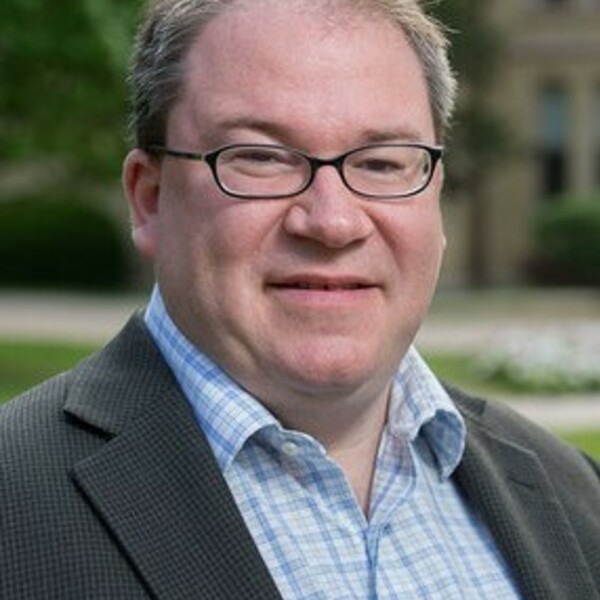
Steven A. Corcelli is a Professor and Interim Dean of the College of Science at the University of Notre Dame, with a research focus on Theoretical Chemistry and Molecular Dynamics Simulations . His work bridges Physical Chemistry and Biochemistry , targeting Energy Applications and Biomolecular Binding Mechanisms . He leads the Computational Molecular Science & Engineering Laboratory (CoMSEL). Ph.D., Chemistry, Yale University (2001) Sc.B., Chemistry, Brown University (1997) Research interests span ionic liquids for Carbon Capture , aqueous electrolytes in battery technologies , and molecular binding processes in immunology and DNA interactions . His group employs GPU-accelerated simulations and weighted ensemble methods to uncover structural and dynamic motifs. Recent publications highlight trends in vibrational spectroscopy , TCR-MHC binding , and CO2 solvation mechanisms . Awards include the Thomas P. Madden Award (2020) , ACS Fellowship (2016) , and NSF CAREER Award (2009) . Staff: Erin Brossard (Ph.D.), Nell Karpinski, Shuang Wu, Noah Vasconez, Kaitlyn Handy, Isabel Thompson
Stanley Riddell, M.D., is a Professor at the University of Washington School of Medicine's Department of Immunology and holds the Burke O’Reilly Family Endowed Chair in Immunotherapy at Fred Hutchinson Cancer Research Center. He leads the Riddell Lab, focusing on adoptive T-cell therapy, CAR T-cell engineering, and overcoming tumor immune evasion. His work includes clinical trials targeting B-cell malignancies, solid tumors, and viral infections post-transplant. Key contributions include CD19 CAR T-cell therapy for leukemia/lymphoma and identification of tumor antigens like BRAFV600E. He collaborates with institutions like TUM School of Medicine and UW's Institute for Protein Design. Education: MD from University of Manitoba (1979), residency/internal medicine (1983), hematology fellowship (1985). Clinical expertise includes stem cell transplantation and GVHD management. Awards include the American Cancer Society Research Professorship. His lab includes researchers like Josh Veatch, Carla Jaeger, and postdocs Tamer Shabaneh/Sylvain Simon. Research spans immunotherapy safety, T-cell subset optimization, and neoantigen targeting. Current projects address solid tumor CAR T-cell challenges, ROR1-targeted therapies, and synthetic biology innovations.
Michal Bassani-Sternberg is an Assistant Professor on conditional pre-tenure at the Faculty of Biology and Medicine, University of Lausanne (UNIL), and an Assistant Member at the Ludwig Institute for Cancer Research, Lausanne. She leads the Antigen Discovery Group and the Immunopeptidomics Unit at the Center for Experimental Therapies, Department of Oncology, UNIL-CHUV. Her work bridges proteogenomics, mass spectrometry, and computational biology to advance personalized cancer immunotherapy. Her educational background includes a Bachelor, Master, and Doctorate in Biology from the Technion – Israel Institute of Technology, Haifa, all earned with Cum Laude distinction. She completed postdoctoral training at the Technion and the Max Planck Institute for Biochemistry, Germany, in the group of Prof. Matthias Mann. Dr. Bassani-Sternberg's research focuses on identifying cancer-specific Human Leukocyte Antigen (HLA) ligands to guide the development of personalized immunotherapies. Her group develops cutting-edge proteogenomic and mass spectrometry-based immunopeptidomics approaches to discover tumor-associated antigens, neoantigens, and non-canonical peptides. A key contribution is the development of NeoDisc, a continuous bioinformatics pipeline that integrates genomics, transcriptomics, and immunopeptidomics data for direct neoantigen identification in clinical trials. Her recent publications, appearing in high-impact journals such as Nature , Nature Biotechnology , Immunity , and Nature Cancer , reflect a strong trend in integrating multi-omics data to understand tumor immunogenicity, T cell responses, and antigen presentation dynamics. Her work increasingly incorporates machine learning to improve neoantigen prediction and TCR specificity inference. She has been recognized with the Pfizer Research Prize in 2021 for her contributions to immuno-oncology. Pfizer Research Prize (2021) Dr. Bassani-Sternberg leads an active research group involved in phase I clinical trials for personalized cancer vaccines and adoptive T cell therapies. Her lab is supported by major grants from the Swiss Cancer League, Swiss National Science Foundation, and ISREC Foundation. She mentors doctoral and postdoctoral researchers and collaborates extensively within the Lausanne immuno-oncology ecosystem, including CHUV and Ludwig Lausanne. Her lab, the Bassani-Sternberg Lab, is part of the Department of Oncology’s research platforms and focuses on immunopeptidomics, antigen discovery, and the development of analytical tools for personalized immunotherapy.
Robert M Prins is a Professor of Neurosurgery and Professor of Molecular and Medical Pharmacology at the University of California Los Angeles (UCLA). He leads the Robert Prins Lab at UCLA, which focuses on developing novel immunotherapies for brain tumors, particularly glioblastoma. Dr. Prins received his B.S. in Kinesiology (1992) and M.S. in Physiological Science (1996) from UCLA, followed by a Ph.D. in Anatomy & Immunology from the Medical College of Virginia/Virginia Commonwealth University (2001). He completed fellowships in Tumor Immunology at Cedars-Sinai Neurosurgical Institute (2002) and Brain Tumor Immunotherapy at the David Geffen School of Medicine at UCLA (2003). His research focuses on brain tumor immunology and immunotherapy, with particular emphasis on dendritic cell vaccination, immune checkpoint inhibitors, and adoptive T cell therapy for glioblastoma. Dr. Prins has secured multiple NIH grants as Principal Investigator, including current funding for neoadjuvant checkpoint blockade for recurrent glioblastoma (R01CA267726) and identification of neoantigen-specific T cells for GBM immunotherapy (R01CA222695). Dr. Prins' work has demonstrated the potential of neoadjuvant immunotherapy approaches for glioblastoma, showing that early administration of immune checkpoint inhibitors before surgery can induce significant immune responses within the tumor microenvironment. His research has also explored mechanisms of immunotherapy resistance in brain tumors and strategies to overcome these barriers. He has published extensively in high-impact journals including Nature Medicine, Nature Communications, and Neuro-Oncology, with his most recent work focusing on spatial immune profiling of glioblastoma, CAR-T cell therapies, and epigenetic approaches to enhance immunotherapy efficacy. Dr. Prins is actively involved in clinical translation of his research findings, with several clinical trials underway at UCLA to evaluate novel immunotherapeutic approaches for patients with malignant brain tumors.
Bin Ma is Professor of Computer Science at the University of Waterloo's Cheriton School of Computer Science, specializing in bioinformatics and computational proteomics. He develops novel mass spectrometry methods and algorithms for protein sequencing and antibody discovery. Education: Ph.D. Computer Science, Peking University B.Sc. Computer Science, Peking University Professor Ma's research creates computational tools for de novo protein sequencing using mass spectrometry data. His innovations enable high-accuracy determination of protein amino acid sequences without reference databases. Current applications include identifying neutralizing antibodies for COVID-19 and detecting cancer biomarkers. Recent publications (2021-2024) focus on clinical proteomics advancements: M-protein monitoring for multiple myeloma (2021), antibody discovery from serum (2024), and neoantigen identification (2024). His 15 most cited works demonstrate consistent innovation in mass spectrometry data analysis and diagnostic applications. Professor Ma leads research funded by national agencies and industry partners. He collaborates with clinical researchers to translate computational methods into medical diagnostics. Professional service includes editorial work for bioinformatics journals and conference program committees.
Morten Nielsen is a Professor at the Department of Health Technology, Technical University of Denmark, specializing in Bioinformatics with a focus on Immunoinformatics and Machine Learning . His research develops pattern recognition algorithms for immune system characterization and protein structure analysis, contributing to vaccine design against infectious diseases like HIV and tuberculosis. Professor since 2008 Director of Algorithm in Bioinformatics course (27623) Active in 8 current and 27 completed research projects Research spans epitope prediction , T-cell receptor modeling , and genomic variation analysis of pathogens. Recent work (2024) includes cancer neo-epitope immunogenicity studies, B-cell epitope prediction tools (DiscoTope-3.0), and TCR specificity modeling using machine learning. Current projects involve deep immune receptor modeling , personalized neoantigen screening , and autoimmunity pattern identification , with students including L. Machado, B. Scapolo, S. N. Deleuran, G. Nos, and A. B. Saksager.
Caroline Arber Barth is an Associate Professor at the University of Lausanne (UNIL), affiliated with the Faculty of Biology and Medicine and the UNIL-CHUV Department of Oncology. She specializes in hematology and immuno-oncology, with a focus on hematopoietic cell transplantation and immunotherapy using genetically modified cells. Her research spans basic, translational, and clinical domains, aiming to improve cancer immunotherapies through adoptive T cell transfer and neoantigen identification. She has pioneered approaches to reduce post-transplant infections and enhance immune reconstitution. Her work targets long-term tumor control while minimizing toxicity in patients. The trends in her publications reflect a strong focus on cellular therapies, particularly CAR-T and TCR-modified T cells, for treating hematological malignancies such as leukemia, lymphoma, and myeloma. Her research integrates molecular engineering, tumor immunology, and clinical applications, emphasizing personalized treatment strategies. Awarded international recognition, her scientific honors include: Dean's Recognition, Stanford University (2002) L'Oréal UNESCO Award for Women in Science (2010) Award from the American Society of Bone Marrow Transplantation (2012) Award from the American Society of Hematology (2013) She has secured major research funding from the NIH, SNSF, Oncosuisse, the Leukemia and Lymphoma Society, and the Cancer Prevention and Research Institute of Texas. She has supervised multiple undergraduate and doctoral students and is actively involved in teaching at both Swiss and U.S. institutions. Her laboratory, based at the Center for Cellular and Gene Therapy (CAGT) during her time in Houston and now at UNIL-CHUV, focuses on developing next-generation cell therapies for cancer.
Xinbo Yang is an Assistant Professor in the Molecular Pharmacology Program at Memorial Sloan Kettering Cancer Center (MSKCC) and Weill Cornell Medicine's Graduate School of Medical Sciences. His research focuses on understanding T cell receptor (TCR) specificity in cancer and autoimmune disease, using interdisciplinary approaches including antigen-discovery platforms, protein engineering techniques, and structural biology tools. Dr. Yang received his PhD from the University of Maryland College Park. His educational background has prepared him for cutting-edge research at the intersection of immunology, structural biology, and cancer therapeutics. Dr. Yang's research program centers on how T cells distinguish between self and foreign antigens. The lab investigates the molecular basis of T cell receptor recognition in both cancer and autoimmune contexts. By studying how T cells scan host tissues to eliminate infected or malignant cells, the Yang lab aims to understand the mechanisms behind immune evasion in cancer and inappropriate immune responses in autoimmunity. The lab develops antigen-discovery platforms to identify targets for 'orphan' TCRs, which allows for specific perturbation of targets to study T cell responses. This work has significant implications for understanding disease pathogenesis and developing pMHC-based therapeutics. Analysis of Dr. Yang's recent publications reveals a strong focus on T cell receptor biology, structural immunology, and cancer immunotherapy. His work spans multiple disease contexts including cancer, autoimmune disorders, and infectious diseases. A recurring theme is the application of structural biology and protein engineering to understand and manipulate T cell recognition. His research bridges basic science with translational applications, particularly in developing novel immunotherapies. PhD, University of Maryland College Park Dr. Yang leads the Xinbo Yang Lab, which is part of the Molecular Pharmacology Program at MSKCC. The lab includes research staff such as Emily Howie, a Research Technician. The lab collaborates extensively with other researchers at MSKCC and beyond, as evidenced by the co-authorship patterns in publications. Dr. Yang has disclosed financial interests with 3T Biosciences where he holds equity, suggesting potential commercial applications of his research.
Dr. Asolina Braun is a Senior Research Fellow at the Department of Biochemistry & Molecular Biology, Monash University. She actively supervises PhD students and contributes to research in Skin Immunology Psoriasis Pathogenesis Immunopeptidomics Tissue-Resident Memory T Cells . Education : Biology, Hannover Medical School Doctoral Degree in Immunology (Hannover Medical School, Germany, 2011–2014) Postdoctoral Fellowship with Francis Carbone and Thomas Gebhardt (Germany, 2014–2018) Research Focus : Her work explores HLA-Cw6-dependent antigen presentation and TRM cell survival factors in psoriasis, aiming to develop tolerization strategies for autoinflammatory skin diseases. She also pioneered tactile science communication methods for psoriasis outreach. Key Projects : Leading Psoriasis Antigen Triggers (2023–2025) Investigating Influenza Immune Cross-Protection (2024–2027) Validating HLA-Cw6 Antigen Presentation (2020–2022) Awards & Roles : DFG Fellowship Treasurer, Australian and New Zealand Society for Immunology (2018–2022) Executive Committee Member Collaborations span institutions in Australia, Germany, and Denmark, with expertise in flow cytometry , mass spectrometry , and MHC-peptide interactions .
Pilar Alcaide is a Professor of Immunology at Tufts University School of Medicine. Her research focuses on understanding molecular mechanisms of T lymphocyte trafficking in inflammatory heart diseases, particularly heart failure. She combines immunology, vascular biology, and cardiac physiology to investigate immune-cardiac interactions using mouse models and advanced microscopy techniques. Education: Ph.D. and M.S. in Immunology from Universidad Autónoma de Madrid (Spain) Dr. Alcaide's lab explores how T cell-endothelial interactions contribute to cardiac pathophysiology, with translational goals toward developing immune-based therapeutics. Key areas include: STING signaling in microglial-neuronal interactions Myeloid fatty acid metabolism in HFpEF CXCR3 blockade for immunotherapy myocarditis Her work has been funded by NIH grants (e.g., mechanisms of T cell activation in cardiac fibrosis). Notable awards include the ASIP Cotran Early Career Investigator Award.
Nathan Croft is a Senior Lecturer in Biochemistry & Molecular Biology at Monash University, Australia. He transitioned to Monash in 2012 after postdoctoral work at the University of Melbourne. His research focuses on MHC antigen processing pathways, T cell immunity, and developing bioinformatics tools for immunopeptidomics. He holds a PhD from the University of Birmingham (2009), where he studied Epstein-Barr Virus immune evasion. Research Interests: Nathan's work bridges immunology and bioinformatics, with a focus on understanding how MHC-peptide abundance influences T cell responses to pathogens and tumors. Key areas include peptide repertoire mapping, immunopeptidome analysis, and developing computational tools like Immunolyser and MHCpLogics. His projects address viral immunology, cancer antigen discovery, and drug-induced antigen modifications. Grants & Collaborations: He co-led an NHMRC-funded project (2015–2019) on T cell recognition of virus-infected cells. Collaborations span institutions globally, with notable work on SARS-CoV-2 antigen analysis and N-glycan remodelling in MHC-II presentation. Education: PhD in Immunology (University of Birmingham, 2009). Academic Background: Postdoctoral positions at the University of Melbourne (2009–2012) before joining Monash. Professional Activities: Member of Monash's Biochemistry & Molecular Biology unit (2018–2020). Actively supervises PhD students and contributes to open-access research dissemination.
Professor Xiaojing Ma is a tenured faculty member at Weill Cornell Medicine's Graduate School of Medical Sciences, serving in the Department of Microbiology and Immunology. His research focuses on tumor immunology and cancer immunotherapy, particularly studying UBR5 E3 ubiquitin ligase in breast and ovarian cancers. Education: Bachelor of Science in Animal Science, Beijing Agricultural University, China (1982) PhD in Molecular Genetics, University of Edinburgh, UK (1987) Research Interests: Professor Ma's laboratory conducts cutting-edge research in tumor immunology using animal models of breast and ovarian cancers. His work centers on understanding the mechanisms of immunosuppression in cancer and developing novel targets for cancer immunotherapy. A major focus is the UBR5 pathway, a HECT domain E3 ubiquitin ligase that acts as a cross-cancer regulator of tumorigenesis and anti-tumor immunity. His team explores UBR5's immunological role in identifying neoantigens for cancer vaccine development and investigates molecular degraders of UBR5 via PROTAC technology for therapeutic applications. Current Research Projects: Identification of UBR5's E3 ligase substrates and interacting protein partners Discovery of tumor-associated antigens in UBR5-deficient tumors for cancer vaccine development Investigation of UBR5's immunoregulatory activities on myeloid cells in the tumor microenvironment Exploration of UBR5's role in T cell lineage development and tumor immunity Development of molecular degraders targeting UBR5 via PROTAC technology Research Trends: Professor Ma's research spans cancer immunotherapy, tumor immunology, and molecular oncology, with particular emphasis on ubiquitin-mediated protein degradation pathways. His work bridges basic science discoveries in molecular immunology with translational applications in cancer treatment, focusing on developing novel immunotherapeutic strategies against aggressive and therapy-resistant malignancies. Professional Affiliations: Department of Microbiology and Immunology, Weill Cornell Medicine Immunology & Microbial Pathogenesis Program Laboratory Focus: The Ma laboratory employs state-of-the-art technologies and experimental strategies to explore the pathophysiology and immunobiology of UBR5, an enigmatic molecule with significant clinical potential. The lab's research aims to bring immediate clinical benefits to patients with highly aggressive and therapy-resistant cancers through immune activation and generation of T cell memories for long-term immunosurveillance against cancer recurrence.
Nicholas Truex is an **Assistant Professor** in the **Department of Chemistry and Biochemistry** at the **University of South Carolina**, affiliated with the **McCausland College of Arts and Sciences**. His research focuses on engineering molecular immunotherapies to enhance control of immune pathways for cancer and infectious disease treatment. Education: B.S., Chemistry, Purdue University (2007–2011) Ph.D., Chemistry, University of California, Irvine (2012–2017) Research Interests: Design of protein adjuvants and immunotherapies Peptide/protein engineering for targeted drug delivery Machine learning-driven epitope design Supramolecular peptide assemblies for vaccine kinetics Awards: NIH Postdoctoral Fellowship (2020–2022) MIT Ludwig Center Postdoctoral Fellowship (2018) UC Regents’ Dissertation Fellowship (2017) Lab & Teaching: Labs located in GSRC 411, 412, and 420 Prior teaching experience at UC Irvine in organic chemistry and spectroscopy
Stina Wickström is a Principal Researcher and Docent at the Department of Oncology-Pathology , Karolinska Institutet, with a focus on immunology and cancer immunotherapy . She completed her PhD in 2016 at the Department of Microbiology, Tumor and Cell Biology, KI, and was promoted to Assistant Professor (2020-2024) before becoming Docent in 2024. PhD: Department of Microbiology, Tumor and Cell Biology, Karolinska Institutet (2016) Docent: Karolinska Institutet (2024) Her research centers on adoptive cell therapy (ACT) , particularly engineering natural killer (NK) cells and CAR T cells to overcome tumor immune tolerance. Key areas include oxidative stress in tumor microenvironment, regulatory T cell interactions , and CD137/CD137L downregulation mechanisms. She investigates pathways like IL-6/STAT3 and Nrf2 to enhance immune cell functionality against cancers such as ovarian, cervical, and melanoma. Her 15 most recent publications (2024-2010) explore NK cell biology , TIL expansion , CAR T cell dysfunction , and macrophage-mediated immune suppression . Themes include tumor immune tolerance mechanisms , cytokine signaling , and innovative cell therapy techniques to counteract oxidative stress. She leads grants from the Swedish Research Council (2024-2026) and Swedish Cancer Society (2023) for personalized cellular immunotherapy in gynecological cancers. Her work aims to expand ACT for patients with recurrent cervical/ovarian cancer by enhancing ROS tolerance in immune cells.
Johanna Olweus is a Professor at the Institute of Cancer Research, University of Oslo, and heads the KG Jebsen Center for Cancer Immunotherapy. She leads the SFF PRIMA research group, focusing on experimental immunotherapy in cancer. Her work bridges cutting-edge research in tumor immunology, T cell engineering, and neoantigen targeting. Affiliation: Faculty of Medicine, University of Oslo Research Focus: Cancer immunotherapy, T cell biology, antigen presentation, and tumor microenvironment Her recent publications highlight advances in aberrant mRNA translation as a source of targetable antigens, TCR engineering for leukemia, and regulatory T cell dynamics in lymphoma. These studies intersect with Nature , Cancer Cell , and Immunity journals. She has contributed to clinical translation in hematological malignancies, including FLT3 mutation targeting and T cell receptor optimization . Her work also explores peptide presentation anomalies in melanoma and alloreactive T cell applications in tumor antigen discovery.