Ali Aslamمشاهده پروفایل
دانشیار
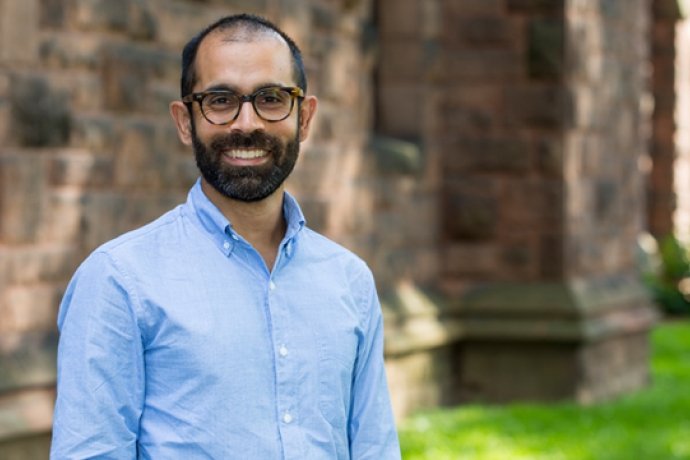
Ali Aslam is an Associate Professor in the Department of Politics at Mount Holyoke College, where he contributes to interdisciplinary scholarship through the Entrepreneurship, Organizations, and Society Committee. His work bridges political theory with real-world democratic practices. Research Interests: Ali Aslam's research centers on political theory, particularly democratic theory, grassroots democracy, and the ways citizens negotiate freedom, recognition, and sovereignty through political struggle. He examines social movements such as Black Lives Matter and Occupy, exploring how marginalized groups enact democracy outside institutional frameworks. His theoretical work challenges neoliberal conceptions of citizenship and advocates for more inclusive, embodied, and entangled forms of political life. Publication Trends: His recent publications reflect a sustained engagement with fugitive, embodied, and ecological models of democracy. Themes include repair, interdependence, and non-traditional collectivity, often drawing from continental philosophy and critical theory. His co-authored 2024 book introduces 'earthborn democracy' as a framework for understanding life as politically entangled across species and environments. Best Paper Award in Contemporary Political Theory (2024) for 'The Politics of Repair' Advising and Grants: Aslam has mentored undergraduate researchers, including Azulina Green '17 and Savannah Harriman-Pote '20, on cooperative models in higher education. While specific grant details are not listed, his collaborative and applied research suggests active engagement in funded or institutionally supported scholarly projects. He teaches core courses in democratic theory, political economy, and the history of political thought, shaping the next generation of critical thinkers. Labs and Teams: He is actively involved in the Entrepreneurship, Organizations, and Society Committee at Mount Holyoke, promoting interdisciplinary dialogue on democratic institutions and social innovation. This engagement reflects his commitment to bridging theory and practice in organizational and educational settings.