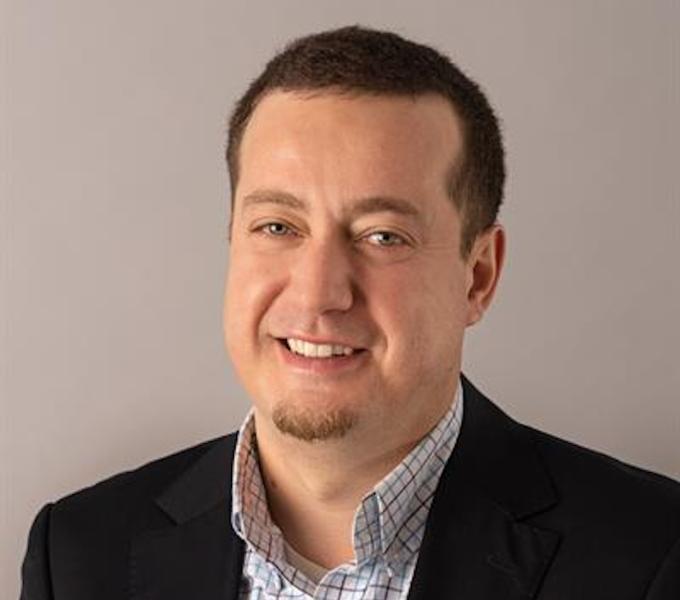
Professor Alexander Leff is a leading academic at University College London , holding the title of Professor of Cognitive Neurology at the Queen Square Institute of Neurology . His work bridges clinical practice and translational research, focusing on cognitive rehabilitation for acquired language and visual disorders following stroke. He has developed seven web-based rehabilitation tools co-designed with patients, including iReadMore , iTalkBetter , and Eye-Search , which have progressed through phase II clinical trials sponsored by NIHR, MRC, and The Stroke Association.
Lane Strathearn is a Professor of Pediatrics at the University of Iowa, holding joint appointments in Psychiatry, Neuroscience and Pharmacology, and Psychological and Brain Sciences. He serves as Division Director of Developmental and Behavioral Pediatrics, Physician Director of the Center for Disabilities and Development (CDD), Co-director of the Hawkeye Intellectual and Developmental Disabilities Research Center (Hawk-IDDRC), and Co-Director of the University of Iowa Autism Center within the Stead Family Department of Pediatrics. His educational background includes: MBBS from University of Queensland Medical School PhD from University of Queensland School of Medicine Pediatrics Residency at Mater Children's Hospital Fellowships in Child Protection/Neurodevelopment, Child Maltreatment Research, and Developmental Pediatrics at Mater Children's Hospital and Baylor College of Medicine Dr. Strathearn's research centers on neurobiological mechanisms of attachment, with pioneering work on oxytocin pathways in maternal-infant bonding. His lab investigates how early adversity—including child maltreatment and neglect—alters brain development and increases risk for autism spectrum disorder (ASD), ADHD, and addiction. Using eye-tracking, fMRI, and longitudinal cohort studies, his team identifies modifiable intervention targets at the intersection of genome, epigenome, and social experience. Current projects include large-scale analyses of adverse childhood experiences (ACEs) and their neurodevelopmental consequences. Analysis of his recent publications reveals a strong focus on longitudinal birth cohort studies examining lifelong impacts of childhood maltreatment, with increasing integration of multi-omics approaches in autism research. His work bridges clinical pediatrics, neuroscience, and public health, emphasizing translational pathways from basic mechanisms to community interventions. Dr. Strathearn leads the Attachment and Neurodevelopment Lab (ANL) and the Hawkeye IDDRC, directing multidisciplinary teams studying neurodevelopmental disorders. His leadership spans clinical service development at the CDD and national initiatives through the NICHD Neonatal Research Network.
Shalini Wijekulasuriya is a Researcher at the Australian Institute of Health Innovation , Macquarie University , specializing in healthcare resilience, implementation science, and climate change mitigation in health systems. ORCID: 0000-0002-5269-955X Email: shalini.wijekulasuriya@mq.edu.au Her research focuses on: Climate change adaptation in healthcare Adverse childhood experiences and long-term health outcomes Integrated care models for chronic disease Quality indicators for end-of-life care Digital health solutions for system resilience Recent publications analyze strategies for reducing healthcare’s carbon footprint, systemic responses to pandemics, and impacts of early-life trauma on adolescent health trajectories. She collaborates with multidisciplinary teams across Australia and internationally. Her work includes systematic reviews, qualitative studies, and consensus-building projects with institutions like the Fragility Fracture Network , focusing on translating research into policy and practice.
Kjersti Mæhlum Walle is a Researcher at the Department of Health, Developmental and Personality Psychology at the University of Oslo . She works in the Behavioral Neuroendocrinology Lab , focusing on hormonal mechanisms (particularly oxytocin) influencing cognitive and behavioral flexibility, which are critical components of executive functions. PhD in Psychology (2018) Master's in Cognitive Neuroscience (2011) Bachelor's in Cultural and Social Sciences with specialization in Psychology (2004) Her research spans neurodevelopmental conditions, attention deficits, and cognitive rehabilitation, with interdisciplinary work on topics like synesthesia and neuroplasticity. She has previously taught Neuroscience and Perception at the Master's level. Key research projects include: Unraveling oxytocin's role in behavioral flexibility ADHD risk factors linked to maternal infections Eye movement analysis post-stroke Investigations of synesthetic phenomena
Dr. Christopher Striemer is a Professor in the Department of Psychology at MacEwan University and an affiliate faculty member at the Neuroscience and Mental Health Institute of the University of Alberta. He holds a PhD in Psychology from the University of Waterloo (2008), preceded by an MA (2005) and BA Hons. (2001) from the University of Saskatchewan. His research focuses on the cognitive neuroscience of attention, perception, and visuomotor control , utilizing behavioral testing, eye tracking, and MRI in both healthy individuals and neurological patients. Education PhD, Psychology (Behavioral and Cognitive Neuroscience), University of Waterloo (2008) MA, Psychology, University of Waterloo (2005) BA Hons., Psychology, University of Saskatchewan (2001) His work examines how cerebellar lesions affect spatial neglect and attention, with recent studies on visuomotor adaptation , executive function , and stroke rehabilitation . His Google Scholar profile highlights publications on topics like optical ataxia , prism adaptation , and non-conscious visual processing . He has received significant recognition including the NSERC Discovery Grant and the Board of Governors Research Chair at MacEwan University. Scientific Awards NSERC Discovery Grant (2022–2027) Board of Governors Research Chair, MacEwan University (2021) Distinguished Researcher Award, MacEwan University (2020)
Murat Akcacaya is an Associate Professor in the Electrical and Computer Engineering Department at the University of Pittsburgh and serves as the director of the Signal Processing and Statistical Learning (SPSL) Laboratory. He is also a Senior Member of IEEE. His research spans multiple disciplines with significant contributions to both theoretical and applied signal processing. PhD in Electrical and Systems Engineering, Washington University, 2010 MSc in Electrical and Systems Engineering, Washington University, 2010 BSc in Electrical and Electronics Engineering, Middle East Technical University, 2005 Dr. Akcacaya's research focuses on machine learning, statistical signal processing, and optimization with diverse applications. His work develops machine learning methods for human-computer interaction, human-in-the-loop systems, and assistive technologies, as well as techniques to analyze ambulatory and multimodal physiological data. He also creates cognitive systems for nonstationary environments and probabilistic models for complex physical systems. His space research aligns with these interests, particularly in physiological data analysis and cognitive systems for nonstationary environments. Analysis of his recent publications reveals a strong trend toward medical applications of signal processing and machine learning, particularly in cardiology (ECG analysis), neurorehabilitation (stroke recovery assessment), and autism research (EEG analysis). His work consistently integrates multimodal data fusion approaches, combining techniques from radar signal processing with biomedical applications. There's also a notable emphasis on practical implementation of theoretical concepts in real-world healthcare settings. Dr. Akcacaya has secured significant research funding from multiple federal agencies including the National Science Foundation (NSF), National Institutes of Health (NIH), Air Force Office of Scientific Research (AFOSR), and Department of Energy (DOE), supporting his diverse research portfolio. As director of the SPSL Laboratory, he mentors students working on cutting-edge projects at the intersection of signal processing, machine learning, and various application domains. The Signal Processing and Statistical Learning Laboratory serves as the hub for Dr. Akcacaya's research activities, providing a collaborative environment for developing innovative signal processing techniques and their applications across multiple domains including healthcare, aerospace, and human-computer interaction systems.
Dr. Ibrahim Ahmed Bani is a public health physician with over 20 years of international experience, currently serving as Associate Professor at Ajman University College of Medicine (UAE), Adjunct Associate Professor in Chronic Disease Epidemiology at Yale School of Public Health, and Associate Professor (adjunct) at Emory University's Rollins School of Public Health. His career spans faculty roles at King Saud University, Jazeera Medical School, George Washington University, University of Chicago, and American University Beirut, alongside collaborations with WHO, UNICEF, World Bank, and USAID in crisis-affected regions including Sudan, Iraq, and the MENA corridor. Dr. Bani's educational foundation includes: PhD in Nutrition from University of Surrey, School of Biomedical Sciences (1984) Diploma in Tropical Medicine and Hygiene (DTM&H) from Royal College of Physicians, London (1984) MBBS in Medicine from Khartoum University, Sudan Non-Degree Program in Public Health/Health Policy at Johns Hopkins School of Public Health (1989) His research critically addresses public health systems in conflict zones , migrant health infrastructure , and chronic disease epidemiology in low-resource settings, with recent focus on Sudan's health crisis, MENA migrant health data systems, and breast cancer's intersection with Sustainable Development Goals. Methodologically, he pioneers scoping reviews and tool development for health surveillance, emphasizing practical solutions for vulnerable populations. Analysis of his 2023-2025 publications reveals three dominant trends: (1) Health system resilience in conflict-affected Sudan, (2) Standardized migrant health assessment tools for MENA, and (3) Non-communicable disease impacts on global development frameworks. His work consistently bridges epidemiological rigor with humanitarian action, particularly in refugee and post-conflict contexts. Professional recognition includes: Fellow of the Royal Society of Public Health (FRSPH) Throughout his career at institutions across Saudi Arabia, Sudan, UAE, and the US, Dr. Bani has mentored medical and public health students, though specific advisees are unlisted in source materials. His extensive work with WHO, USAID, and UN humanitarian missions indicates significant grant-funded project leadership, particularly in nutrition programs, disease surveillance, and health system strengthening in crisis zones. Current initiatives focus on the Migrant Health Country Profile tool (MHCP-t) for MENA and brain tumor epidemiology in Sub-Saharan Africa. No laboratory or dedicated research team affiliations are specified in the provided documentation, though his collaborative publications suggest networked partnerships across global health institutions.
Hiroyasu Iwata is Professor at Waseda University's Faculty of Science and Engineering, School of Creative Science and Engineering. He serves as Director of the Frontier Mechanical Engineering Research Institute and Director of Global Robot Academia Institute. Holding a Dr. Engineering degree from Waseda University, his research spans intelligent machines, medical robotics, and rehabilitation engineering, with over 256 publications and an h-index of 22. His research focuses on human-robot symbiosis with emphasis on humanoid robotics, tactile perception, and medical applications. Iwata develops systems for rehabilitation, tele-operated medical procedures, and human-coordinated machine systems that enhance human capabilities. His recent work explores VR applications for cognitive rehabilitation, particularly for stroke patients with spatial neglect, and human augmentation through supernumerary robotic limbs. Iwata's publications reveal strong interdisciplinary trends across medical robotics, virtual reality applications, and human augmentation technologies. His research bridges engineering and medical fields with particular focus on stroke rehabilitation, echocardiography robotics, and VR training systems for cognitive and physical rehabilitation. Best Paper Award, Robotics Society of Japan (2018) Multiple Outstanding Presentation Awards from Society of Instrument and Control Engineers (2017) Grand Prize, System Control Fair 2017 Executive Committee (2017) The Young Scientists' Prize from Minister of Education, Culture, Sports, Science and Technology (2009) Distinguished Achievement Award from Waseda University (2007) Iwata actively collaborates with medical institutions including Nippon Medical School through joint symposia on medical-science-engineering collaboration. His laboratory conducts research on robotic echocardiography, VR rehabilitation systems, and supernumerary robotic limbs, securing funding for projects that translate engineering innovations into medical applications. He directs the Frontier Mechanical Engineering Research Institute and Global Robot Academia Institute at Waseda University, fostering interdisciplinary collaboration between engineering and medical fields. Through the Nippon Medical School and Waseda University Joint Symposium series, his work promotes the integration of robotics, medicine, and engineering for clinical applications.
Janina Jochim is a Postdoctoral Researcher at the University of Oxford's Department of Social Policy and Intervention, affiliated with the Centre for Evidence-Based Intervention (CEBI). She contributes to the HEY BABY team and Accelerate Hub led by Lucie Cluver, focusing on policy-relevant research to improve wellbeing for adolescent girls and young women globally. Her educational background includes: Doctorate from University of Oxford (2021), researching school enrollment interruptions for adolescent mothers in South Africa. Dr. Jochim's research centers on adolescent health, maternal-child wellbeing, and education policy in resource-limited settings. She investigates pre/post-pregnancy risk factors, childcare access impacts, and collaborates with South African policymakers to translate evidence into practice. Her work emphasizes intersectional approaches addressing HIV, mental health, and socioeconomic barriers affecting adolescent mothers. Analysis of her 15 publications (2017-2022) reveals a dominant focus on South African adolescent mothers (2020-2022), with interdisciplinary exploration of HIV, child development, and education policy. Earlier neuroscience work (2017-2020) demonstrates methodological versatility, while recent outputs show concentrated public health impact through cohort studies and policy evaluations. She actively engages in grant-funded initiatives including UNICEF-supported 'Package of Care' development for African adolescent mothers and collaboration with the South African Department of Education on learner support policies. Her work operates through the Accelerate Team framework addressing child welfare, health inequalities, and violence prevention across multiple countries.
Elisabeth Marie Strømme serves as Associate Professor at the University of Bergen with dual appointments in the Department of General Practice and Department of Global Health and Community Medicine. Her academic home resides within the Faculty of Medicine, where she bridges clinical practice and population health research. Dr. Strømme's research program focuses on critical intersections of migration health, primary care, and global health equity. Her work examines health trajectories of Syrian refugees through migration phases, mental health and chronic pain conditions in displaced populations, food insecurity in clinical settings, and women's health experiences. This research program manifests through major projects including CHART, Integration for Health, and PRICE. Her publication record shows consistent output since 2010, accelerating significantly from 2018 onward with longitudinal studies on Syrian refugees. Recent work (2023-2024) expands into food insecurity research within Norwegian primary care contexts, demonstrating methodological evolution from observational studies to intervention trials. Teaching responsibilities span multiple medical curriculum components with emphasis on cross-cultural communication, refugee health, and clinical skills development. She serves as course leader for communication training and supervises various clinical skills modules. Dr. Strømme's research demonstrates strong collaborative networks across Norwegian institutions and international partners, particularly with researchers studying refugee populations in Lebanon. Her work receives funding from the Research Council of Norway and university-based initiatives.
Joscelyn E Fisher is a Research Associate Professor in the Department of Psychiatry at the Uniformed Services University (USU) School of Medicine and serves as Project Director/Research Psychologist for the Henry M. Jackson Foundation for the Advancement of Military Medicine at the Center for Study of Traumatic Stress (CSTS). Her academic career spans multiple prestigious institutions across her professional trajectory. Dr. Fisher earned her Bachelor of Arts with majors in Music and Psychology from the University of Virginia, followed by a PhD in Psychology from the University of Illinois Urbana-Champaign (UIUC). She completed her post-doctoral training at the Maryland Psychiatric Research Center (MPRC) at the University of Maryland, Baltimore (UMB), where she subsequently transitioned to a faculty position as an Instructor. Her research program focuses on investigating symptom or diagnostic overlap/comorbidity and how symptoms/diagnoses alone or in combination differentially affect, or are affected by, emotion and cognitive processes. At CSTS, she has been investigating indicators of risk and resilience and their associations with depression, anxiety, grief and other health outcomes in bereaved family members. Her work spans multiple significant studies including the National Military Family Bereavement Study (NMFBS), Stepping Forward in Grief (SFG), Bereavement Due to Terrorism, and the Bereavement Coping Study. Dr. Fisher's publications reveal a strong emphasis on military bereavement, grief trajectories, coping mechanisms, and the psychological impact of traumatic loss, with particular attention to how comorbid conditions like anxiety and depression affect cognitive functioning in bereaved populations. Dr. Fisher has received notable recognition including a National Research Service Award from NIMH during her time at UIUC, a Young Investigator Award from NARSAD while at UMB, and a grant from the American Foundation for Suicide Prevention during her tenure at CSTS/USU. Her scientific contributions have significantly advanced understanding in military bereavement, grief assessment, and mental health outcomes following traumatic loss. As Project Director at CSTS, Dr. Fisher leads research examining bereavement in military contexts, with particular focus on the long-term psychological effects of loss on military spouses and children. Her work integrates clinical psychology with military-specific considerations, addressing the unique challenges faced by military families experiencing bereavement. Current research directions include understanding bereavement during the COVID-19 pandemic and developing assessment tools for bereavement and interpersonal domains.
Dr. Peter Stubbs is a Senior Lecturer in Physiotherapy at the University of Technology Sydney's Graduate School of Health, where he also serves as Higher Degree Research Coordinator. With extensive international experience across multiple healthcare systems, he contributes significantly to both clinical practice and academic research in rehabilitation sciences. Dr. Stubbs completed his BSc in Sport and Exercise Science from Auckland University (New Zealand) in 2005, followed by a Master of Physiotherapy from Sydney University (Australia) in 2008, and a PhD in Neurorehabilitation and Clinical Neurophysiology from Aalborg University (Denmark) in 2011. His academic journey includes post-doctoral research at Neuroscience Research Australia and Hammel Neurorehabilitation Centre in Denmark. His research spans multiple domains including neurorehabilitation (particularly acquired brain injury), development of research databases to improve patient outcomes, and application of emerging technologies like Virtual Reality, Blood Flow Restriction, and Robotics in rehabilitation. He also conducts meta-epidemiological research focusing on abstract spin, trial pre-registration, and systematic review quality. Analysis of his recent publications reveals a strong emphasis on evidence-based practice, with systematic reviews and meta-analyses across musculoskeletal conditions, stroke rehabilitation, and emerging technologies in rehabilitation. His work demonstrates a consistent pattern of collaboration across international institutions and interdisciplinary teams. Dr. Stubbs actively supervises Masters and PhD students and teaches courses including Sub-acute Rehabilitation (96084), Professional Practice (96081), and research design courses. His teaching approach integrates his diverse international experiences from working in India, Japan, the Philippines, New Zealand, Australia, and Denmark.
Hans Samuelsson is a Lecturer in the Department of Psychology at the University of Gothenburg, with a research focus on clinical neuropsychology. Born in 1955, he received his Ph.D. in Psychology in 1997 and has been a university lecturer since 1999. He also maintains research connections with Sahlgrenska University Hospital's Department of Clinical Neuroscience. His research interests center on the relationship between brain injury and cognitive/behavioral changes, with particular emphasis on conditions following right-sided strokes including visuospatial neglect, altered visual attention, anosognosia, and visual scanning patterns. His work spans from acute to long-term (7+ years) post-stroke outcomes. Dr. Samuelsson's recent publication record through 2025 shows consistent research output in stroke recovery, cognitive outcomes, and neuropsychological assessment. His work frequently appears in journals like Acta Neurologica Scandinavica, European Journal of Neurology, and Stroke, with a growing emphasis on long-term trajectories and biomarkers of recovery. His research methodology combines clinical assessment with longitudinal study designs, often collaborating with multidisciplinary teams across institutions. Current projects include the FIND Stroke Recovery Study examining recovery trajectories and biomarkers post-stroke. Dr. Samuelsson has maintained an active research program for over 25 years since completing his doctorate, with publications spanning from 1988 to the present. His work has evolved from focused studies on specific neuropsychological phenomena to broader investigations of long-term stroke recovery and quality of life outcomes.
Dr. Bethany Davies serves as Senior Lecturer in Infection at Brighton and Sussex Medical School (BSMS), with an honorary consultant position in Infectious Diseases at Brighton and Sussex University Hospitals Trust. Holding qualifications including MBBS, MD, MSc, FRCPath, MRCP, FHEA, and PGCertMedEd, she operates within the Global Health and Infection department. Her academic leadership includes roles as undergraduate teaching lead for infection, module 402 lead, teaching lead for infection, academic lead for the e-portfolio, and module lead for the MSc Internal Medicine Infection module. Dr. Davies' research centers on two innovative domains: Mobile technology in medical education - investigating how mobile resources facilitate clinical learning through projects like MoMEd Ethnography in hospital medicine - conducting qualitative studies on technology integration in healthcare practices using sociomaterial approaches Her scholarly impact is significant, with her 2012 MoMEd study accumulating 198 citations, demonstrating substantial influence in medical education technology. Her research methodology combines rigorous qualitative analysis with practical applications for clinical education. Dr. Davies has received notable professional recognition: Fellow of the Higher Education Academy (FHEA) Postgraduate Certificate in Medical Education (PGCertMedEd) Fellow of the Royal College of Pathologists (FRCPath) Member of the Royal College of Physicians (MRCP) As an educator, she delivers the comprehensive vertical infection theme throughout BSMS's undergraduate program, with particular emphasis on the microbiology wet lab practical. She teaches across all years using both small and large group formats, and extends her educational impact to physician associates and postgraduate instruction. Her commitment to national medical education standards is evident through her contributions to Royal College of Physicians exam question writing. Dr. Davies completed her specialist training in Infectious Diseases and Microbiology in 2017. Her academic journey began with undergraduate medical training at Sidney Sussex College, Cambridge and University College London, where pathology studies in her third year ignited her interest in infectious organisms. After initial clinical experience in central London hospitals, she moved to Brighton during her specialist training, where her clinical teaching fellowship at BSMS launched her academic career.
Sofia von Humboldt is an Associate Professor and Researcher at ISPA-Instituto Universitário, where she is affiliated with the William James Center for Research (WJCR). She also holds a post-doctoral position at the University of Alberta, demonstrating her international academic engagement. As a clinical and health psychologist with extensive experience working with older adults, her work bridges academic research and practical applications in gerontology. Dr. von Humboldt's educational background includes: PhD in Psychology from ISPA-Instituto Universitário (2009-2014) Master's in Psychology from ISPA-Instituto Universitário (2004-2006) Her research focuses on critical aspects of aging, particularly sexual well-being, adjustment to aging, mental health, and cross-cultural studies with older populations. Through a multidimensional lens, she examines how older adults navigate physical, psychological, and social challenges associated with aging. Her work often employs qualitative methodologies to capture nuanced experiences of older adults across different cultural contexts, particularly comparing Portuguese, Spanish, Mexican, and Slovenian populations. This cross-cultural approach reveals how societal norms, family values, and healthcare systems influence aging experiences and well-being outcomes. Dr. von Humboldt's scientific contributions have been recognized with several prestigious awards: Investigador de Mérito (Meritus Researcher) at the 10th National Congress of Health Psychology (2014) Best Presentation Award at the 20th European Congress of Psychiatry (EPA) (2012) As an academic mentor, Dr. von Humboldt has guided numerous students and early-career researchers in gerontology and health psychology. Her extensive publication record (over 750 publications) demonstrates significant research productivity and impact. She has secured funding for multiple cross-national studies examining aging experiences across different cultural contexts, with particular emphasis on Portuguese-speaking countries and their European and Latin American counterparts. Her collaborative approach is evident in her work with researchers from diverse institutions globally. At the William James Center for Research, Dr. von Humboldt leads a vibrant research team focused on aging well across multiple dimensions. The team employs mixed-methods approaches to investigate how older adults maintain quality of life, navigate health challenges, and sustain meaningful relationships in later life. Their current projects include examining the impact of the COVID-19 pandemic on older adults' mental health, exploring sexual well-being across cultures, and developing interventions to promote successful aging.