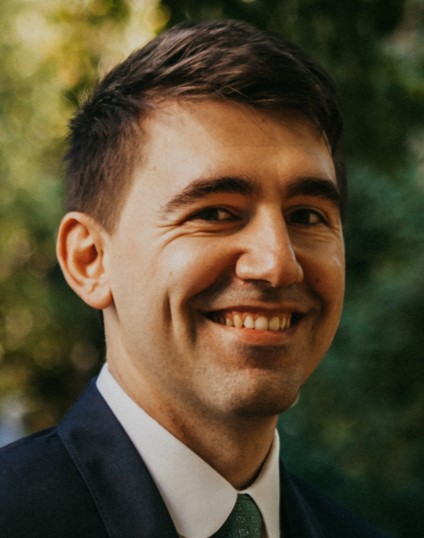
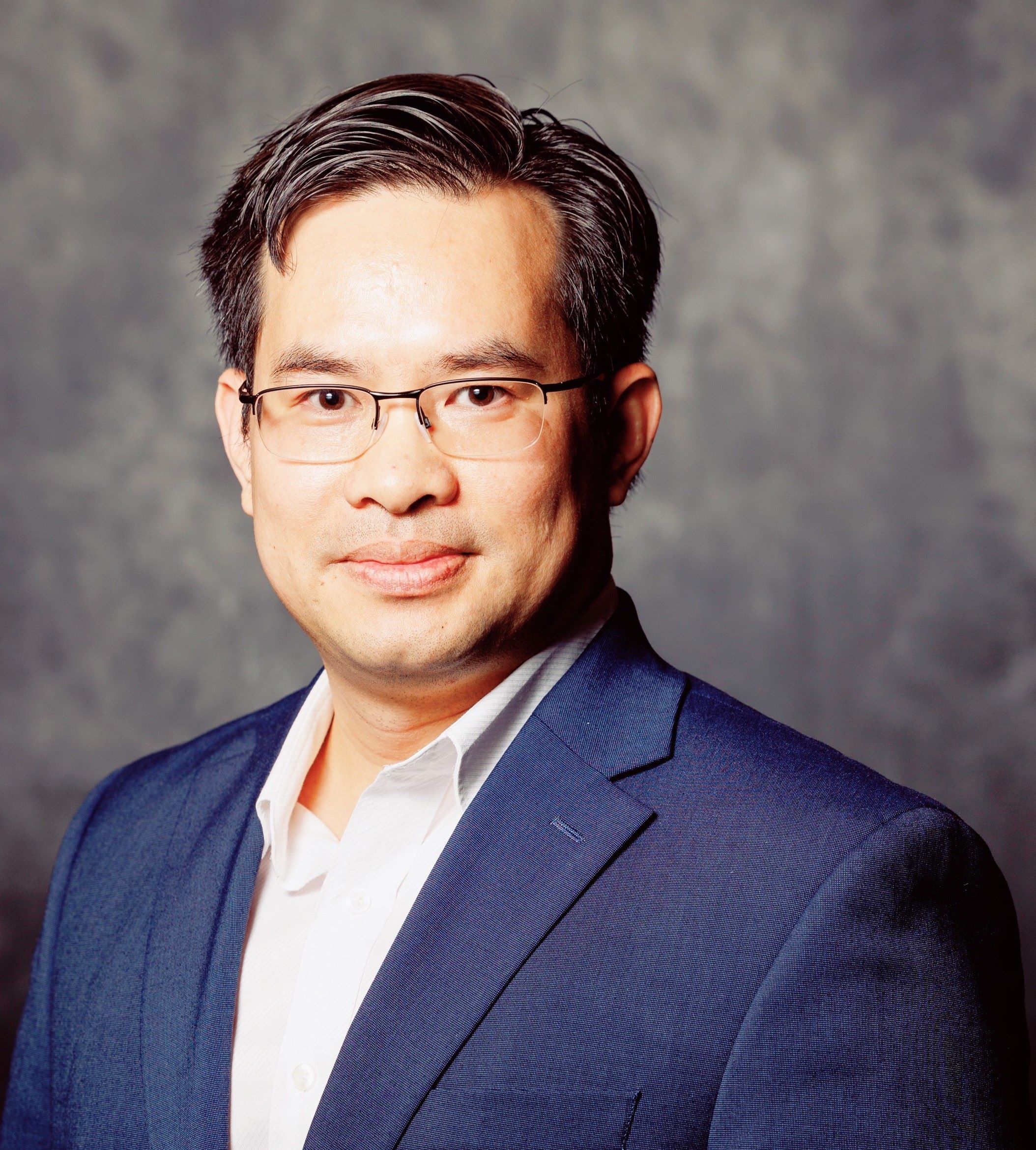
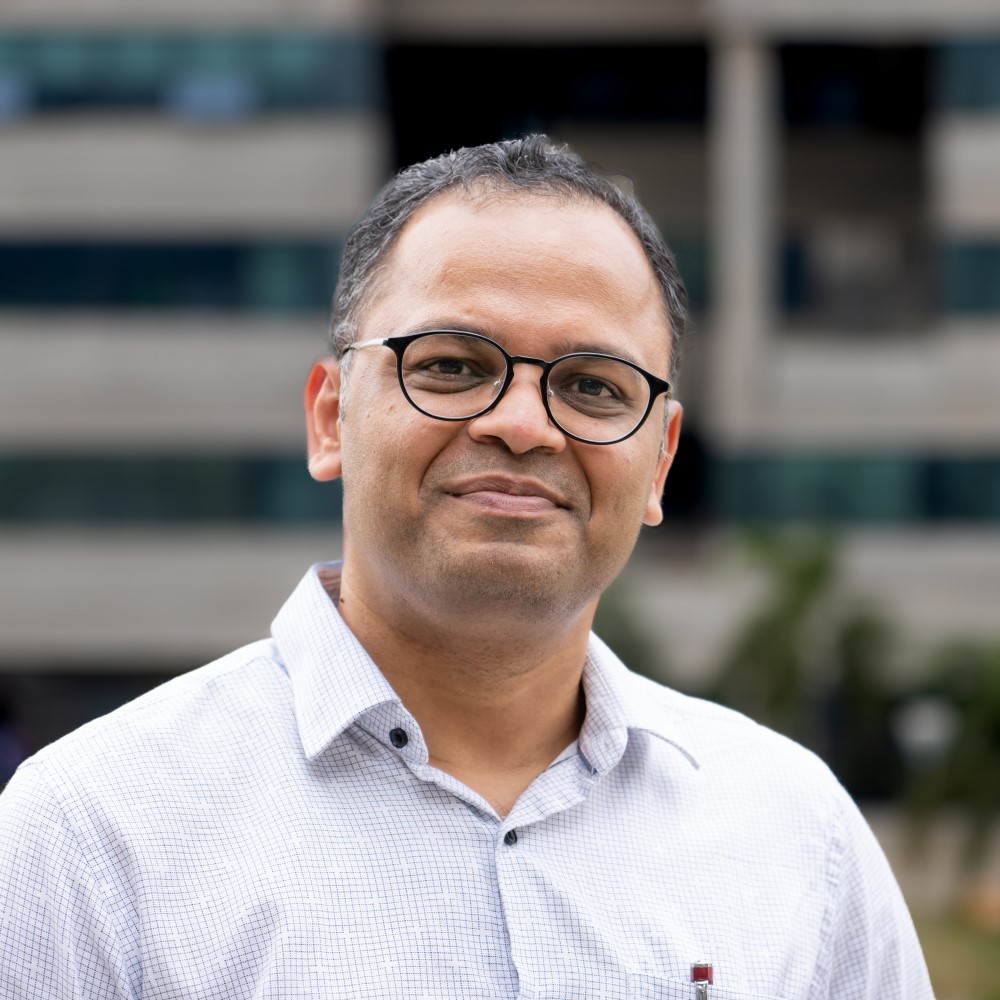
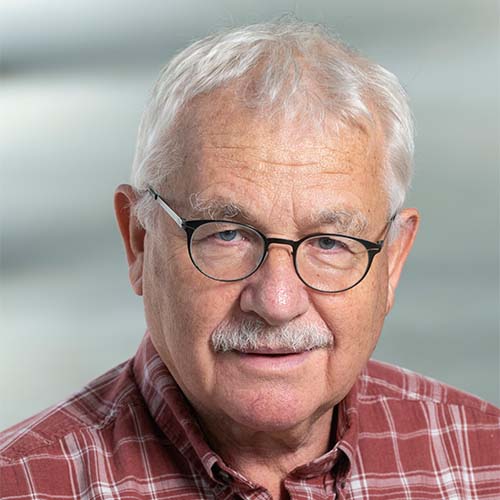
Zoran D. Prijic is a Full Professor at the Department of Microelectronics, Faculty of Electronics, University of Niš, Serbia. He has been a faculty member since earning his PhD in 1993 and was promoted to Full Professor in 2004. His academic work is deeply rooted in microelectronics, with a focus on energy harvesting, sensor systems, and semiconductor reliability. Education: PhD in Microelectronics, Faculty of Electronics, University of Niš (1993) Master's in Microelectronics, Faculty of Electronics, University of Niš (1990) Bachelor's in Electronic Components, Faculty of Electronics, University of Niš (1987) His research spans energy harvesting for wireless sensor nodes using thermoelectric and photovoltaic methods, PCB-integrated sensors , and reliability of power MOSFETs under stress and radiation. He explores thermal cutoffs, capacitive sensing, and CMOS-based photodiodes, contributing significantly to low-power and robust electronic systems. His work often bridges theoretical modeling with practical implementation in industrial and embedded environments. The recent publications indicate a strong trend in self-powered sensor systems , particularly using ambient thermal and light energy. A secondary but consistent theme involves device degradation mechanisms like NBTI and radiation-induced damage in power transistors—critical for aerospace and high-reliability applications. His integration of energy harvesters into PCBs reflects innovation in system miniaturization and sustainability. Scientific Awards: No awards explicitly mentioned in the provided text. Advising and Grants: While no formal students are listed, Zoran D. Prijic has collaborated extensively with researchers such as A. Prijić, Lj. Vračar, and D. Danković. He is currently involved in one national research project, indicating ongoing funding and research activity. His work in engineering education also suggests mentorship in curriculum development and laboratory instruction. Labs and Teams: Though not explicitly named, his research is conducted within the Department of Microelectronics at the Faculty of Electronics, likely involving a research group focused on semiconductor devices, sensors, and energy systems. The repeated collaborations suggest a well-established team working on energy harvesting, device reliability, and PCB-based systems.