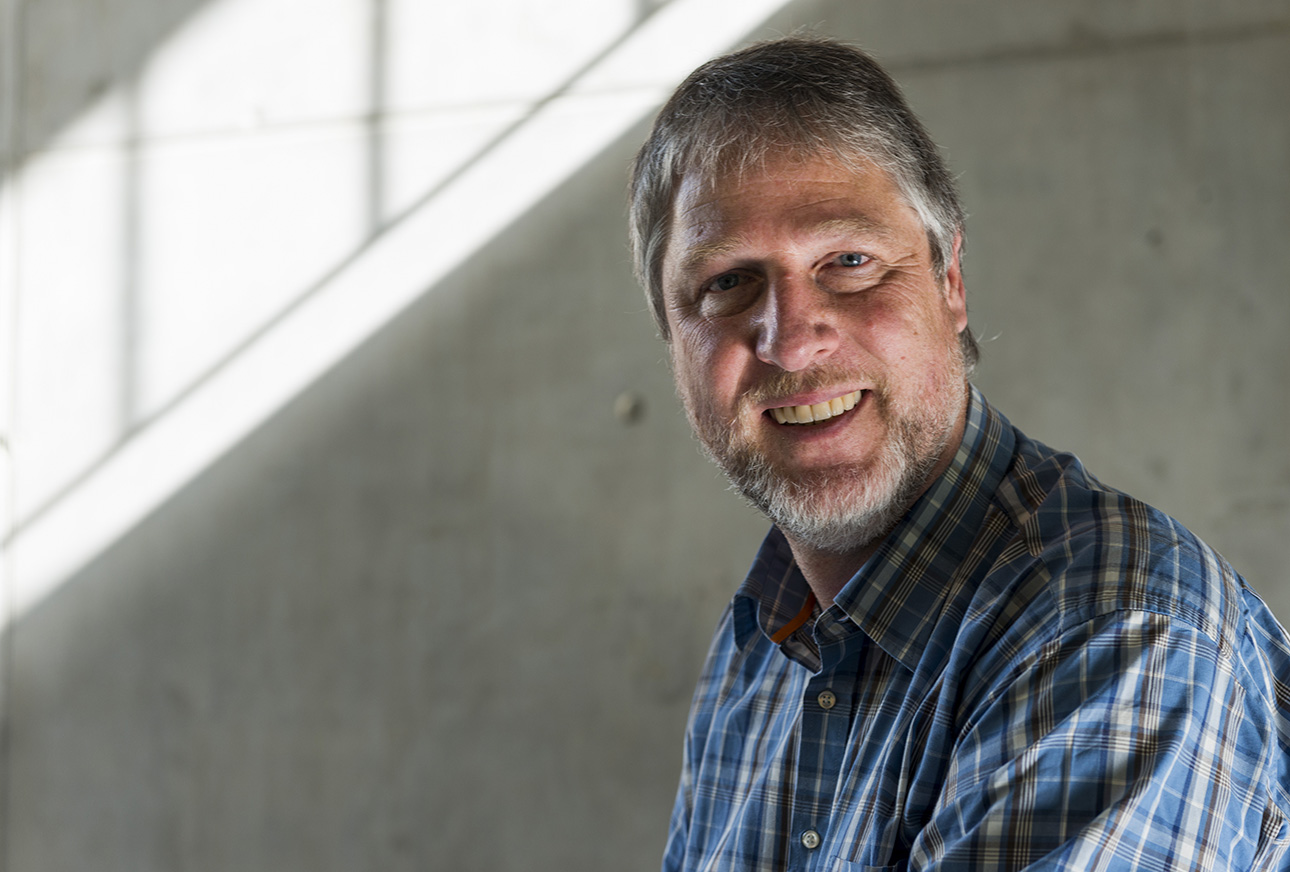
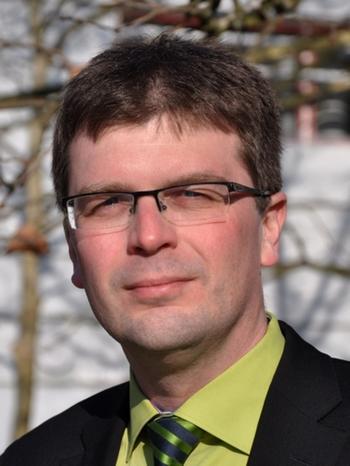
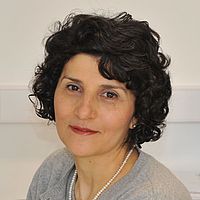
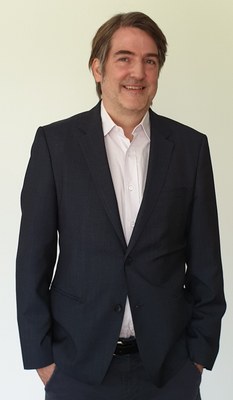
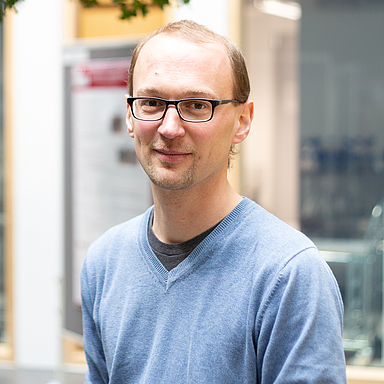
Professor Bernd Möbius is a leading academic in Phonetics and Phonology at the Department of Language Science and Technology, Saarland University. His research bridges phonetic theory with speech technology applications, focusing on text-to-speech systems, prosody modeling, and computational simulations of speech processes. Current research projects: DFG SFB 1102, C1: Information density and phonetic structure predictability DFG SFB 1102, C4: Slavic intercomprehension and surprisal theory (INCOMSLAV) Research Themes: Key areas include text-to-speech synthesis, speech prosody analysis, experimental methods in speech production/perception, information density in phonetics, and cross-linguistic studies of Slavic-Germanic languages. Scientific Contributions: Recent work explores Parkinson-induced dysarthria detection, breath noise acoustics, surprisal-driven speech behaviors, multilingual BERT models for idiomaticity, and perceptual consequences of acoustic adjustments.
Prof. Dr. Philipp Heretsch is a Professor and Executive Director at the Institute of Organic Chemistry, Faculty of Natural Sciences, Leibniz University Hannover. He leads the Natural Product Synthesis research group and holds key roles in academic governance, including Deputy Coordinator for Exchange Programmes and representation on various examination and curriculum boards. Research Interests: His research focuses on the synthesis of complex natural products, particularly terpenes and alkaloids, using biosynthesis-inspired strategies. He develops novel carbon–carbon bond manipulation techniques and rearrangement cascades. A significant emphasis is placed on the biological activity of synthesized compounds. He also pioneers the development of continuous flow reactor systems for the selective transformation of sensitive and short-lived chemical species. Publication Trends: His recent publications (2020–2025) demonstrate a strong focus on biogenesis-inspired total synthesis of highly complex natural products (e.g., canataxpropellane, swinhoeisterol), the application of radical-polar crossover and rearrangement strategies, and the innovative use of flow chemistry for scalable and efficient synthesis of both natural products and functional molecules like odorants and ferrocenyl compounds. Scientific Awards: ADUC Prize of the GDCh (2018) DECHEMA Young Scientist Prize for Natural Product Research (2020) ORCHEM Prize for Young Scientists of the Liebig Association for Organic Chemistry of the GDCh Advising and Grants: While specific students are not listed, he leads an active research group. His work is supported by significant external funding, including an ERC Consolidator Grant for the project "RadCrossSyn" and support from the DFG Heisenberg Program, which facilitated his move to Leibniz University Hannover in 2021. Labs and Teams: He heads the Natural Product Synthesis research group at the Institute of Organic Chemistry, Leibniz University Hannover. His research group, often referred to as the "Heretsch group," is dedicated to developing novel synthetic methodologies and applying them to the synthesis of biologically relevant natural products.
Prof. Dr. Oliver Reiser is a full Professor at the Institute of Organic Chemistry within the Faculty of Chemistry and Pharmacy at the University of Regensburg. His research group focuses on cutting-edge developments in organic synthesis, particularly in the areas of photocatalysis and visible light chemistry. He leads the Collaborative Research Centre CRC 325 on "Assembly Controlled Chemical Photocatalysis," which aims to develop new frontiers in photocatalysis for organic synthesis through designed control of catalyst-substrate interactions. University of Hamburg (PhD, 1989) IBM Research Center (Postdoc) Harvard University (Postdoc) University of Göttingen (Habilitation, 1995) Prof. Reiser's research spans multiple interconnected fields with a strong emphasis on sustainable chemistry. His group extensively utilizes modern techniques for organic synthesis including flow reactors, microwaves, and high-pressure systems. The primary research thrusts include catalysis (both metal and organocatalysts), unnatural amino acids and peptide foldamers, and natural product synthesis. His work on visible light photocatalysis has been particularly influential, with numerous publications in high-impact journals like Angewandte Chemie and Nature Catalysis. The group's research integrates experimental, spectroscopic, and computational techniques to analyze catalyst-substrate interactions for more rational design of photochemical reactions. Analysis of Prof. Reiser's recent publications (2023-2025) reveals a strong focus on copper-based photocatalysis, sustainable chemistry using earth-abundant metals, and innovative approaches to heterocycle synthesis. His work demonstrates a clear trend toward developing more efficient and environmentally friendly catalytic processes, with particular emphasis on visible light activation, catalyst immobilization for recyclability, and applications in medicinal chemistry. The research spans from fundamental mechanistic studies to practical applications in synthesis. German Academic Scholarship Foundation Minerva Foundation NATO Fellowship German Research Foundation Support Karl Winnacker Foundation Prof. Reiser has supervised numerous doctoral students, with recent PhD theses focusing on copper photoredox catalysis, magnetic nanoparticle-supported catalysts, and the synthesis of bioactive compounds. His research is supported by multiple collaborative projects, including the Collaborative Research Centre CRC 325, and involves extensive national and international collaborations with institutions such as the University of Kansas, the National Institute of Chemistry in Pune, the Institut Chimie de Coordination du CNRS in Toulouse, and the University of Zaragoza. The group maintains strong ties with pharmaceutical research through collaborations with Prof. A. Beck-Sickinger in Leipzig on neuropeptide ligands. The research group operates well-equipped laboratories with capabilities for advanced organic synthesis and characterization. They have developed specialized expertise in flow chemistry, high-pressure techniques, and magnetic nanoparticle-based catalyst systems. The CRC 325 initiative has provided significant infrastructure for collaborative research in photocatalysis, bringing together multiple research groups with complementary expertise in organic synthesis, spectroscopy, and computational chemistry.
Prof. Dr. Mathias Christmann is a faculty member at the Institute of Chemistry and Biochemistry, Freie Universität Berlin , leading the research group in Organic Chemistry . His work focuses on strategic and methodological challenges in synthetic chemistry, particularly in total synthesis, organocatalysis, and renewable resource transformations. Position: Professor Contact: mathias.christmann@fu-berlin.de Location: Takustr. 3, Room 24.16, 14195 Berlin Research Interests include: Natural product-inspired small molecule synthesis for biological pathway modulation Minimizing C-C bond formations through selective functionalization of terpene building blocks Organocatalytic and metal-catalyzed reactions in multistep sequences Flow chemistry applications for scalable and sustainable synthesis Biological evaluation of TRPC channel agonists/antagonists for cancer therapy Publication Trends highlight expertise in total synthesis of complex terpenoids, organocatalysis for stereocontrolled reactions, flow chemistry for late-stage transformations, and TRPC4/5 channel modulation in renal cancer studies. His group pioneers asymmetric desymmetrization , photo-oxidation protocols , and electrosynthesis methods with minimal reagent waste. Advisees include PhD candidates Jan-Hendrik Dickoff , Mayar Elbendary , Nadine Kreidt , Tobias Olbrisch , Kamar Shakeri , and Zhen Wang , focusing on terpene-based drug discovery and catalytic reaction design.
Prof. Dr. Deniz Tasdemir is a Full Professor (W3) of Marine Natural Products Chemistry at GEOMAR Helmholtz-Zentrum für Ozeanforschung Kiel and serves as Director of the GEOMAR-Biotech center and Head of the Marine Natural Product Chemistry Research Unit. Her career spans institutions including the National University of Ireland Galway and UCL School of Pharmacy. PhD in Pharmacy, ETH Zurich (1997) Post-doctoral work, University of Utah (2001) Dr. Helmut Legerlotz Fellowship, University of Zurich (2002-2025) Her research focuses on marine chemical ecology , metabolomics , and bioprospecting for bioactive compounds from sponges, algae, and marine microbiomes. Recent work explores seagrass pathogen reduction, microbiome interactions, and aquafeed applications. Scientific awards include: Waters Award for Natural Products Innovation (2016) Egon Stahl Silver Medal (2005) Pierre Fabre Prize (2004) ETH Zurich Medal (1997) She leads collaborative projects on ocean sustainability and marine drug discovery, with editorial roles in Marine Drugs , Planta Medica , and Phytochemistry Letters .
Prof. Dr. Peter Strasser is a faculty member at the Technische Universität Berlin , affiliated with the Institute of Chemistry and leading the Electrochemical Catalysis, Energy and Materials Sciences Group within the Faculty II - Mathematics and Natural Sciences . His research spans electrocatalysis , fuel cell technology , and high-throughput materials testing , with a focus on nanostructured catalysts for clean energy systems. Research Interests : High Throughput Testing Fuel Cells Electrocatalysis Electrochemical Materials Water Splitting CO2 Conversion Scientific Contributions highlight trends in oxygen evolution reactions , dealloyed catalysts , and non-noble metal electrocatalysts . His work bridges materials science and energy storage , particularly for hydrogen fuel cells and magnesium batteries . Awards : Otto Roelen Medal 2016 Advising notable researchers like former PhD student Mehtap Özaslan , who established a junior research group at the University of Oldenburg and won the Umicore Scientific Award. Prof. Strasser's team collaborates with UniSysCat and has secured funding from the Federal Ministry of Research for catalyst innovation.
Prof. Johannes A. Lercher is a retired professor (as of April 2023) at the Technical University of Munich (TUM), holding the Chair of Chemical Technology II within the Department of Chemistry. His research focuses on heterogeneous catalysis, particularly understanding catalytic processes at solid-liquid and solid-gas interfaces, with applications in sustainable energy production, CO₂ conversion, and catalytic upcycling of polymers. He has held academic positions at the University of Twente (Netherlands) and the Pacific Northwest National Laboratory (USA), and has been Editor-in-Chief of the Journal of Catalysis . His honors include the Alwin Mittasch Prize (2021), ENI Award (2016), and Kozo Tanabe Prize (2013). His recent work emphasizes low-temperature polymer upcycling, methane activation, and bioinspired catalyst design, leveraging advanced spectroscopic and operando techniques. Despite retirement, his contributions to catalysis research remain impactful. Education: PhD (1980) and Habilitation (1985), Vienna University of Technology Visiting Lecturer, Yale University (1982) Research Interests: Heterogeneous catalysis, catalytic interfaces, sustainable energy carriers, CO₂ valorization, and polymer waste upcycling. Key areas include: Design of catalysts for selective hydrocarbon synthesis Mechanistic studies using advanced spectroscopy Development of scalable catalytic processes for industrial applications Recent Trends in Publications: Focus on low-temperature polymer recycling (e.g., PVC and polyolefin upcycling), methane activation via novel catalysts (e.g., Co 2+ in ZSM-5), and bioinspired catalytic strategies. His work bridges fundamental catalysis with industrial relevance, emphasizing sustainability and energy efficiency. Awards and Recognition: Member, Academia Europaea and US National Academy of Engineering Recipient of multiple international catalysis awards (see full list above) Grants and Labs: Led the Institute for Integrated Catalysis (Pacific Northwest National Lab, 2011–present). His research groups have pioneered studies on zeolite-confined reactions and interfacial catalysis, with collaborations spanning academia and industry. Labs/Teams: Active in the TUM Department of Chemistry and international networks focused on catalytic innovation for a carbon-neutral economy.
Professor Sarah E. O'Connor is the Director of the Department of Natural Product Biosynthesis at the Max Planck Institute for Chemical Ecology in Jena, Germany. Her research focuses on understanding and engineering biosynthetic pathways for plant-derived natural products. 2024 Prelog Medal and Lectureship, ETH Zurich 2024 Member of the German National Academy of Sciences Leopoldina 2024 Doctors honoris causa, Université de Tours 2023 Gottfried Wilhelm Leibniz Prize 2023 Fellow of the Royal Society 2022 Ernest Guenther Award in Natural Product Chemistry 2019 RSC Perkin Prize for Organic Chemistry O'Connor's work bridges plant biochemistry, enzymology, and synthetic biology to explore complex natural product synthesis. She is recognized for her contributions to biotechnology and chemical ecology through prestigious awards and memberships.
Andreas Jentys is a Professor at the Department of Technical Chemistry within the TUM School of Natural Sciences at Technische Universität München (TUM). His research focuses on understanding surface reactions and transport phenomena in mesostructured, micro- and mesoporous oxides with acid/base or redox properties, as well as supported metal catalysts for gas and condensed phase reactions. He prepares materials with tailored functionality and studies their sorptive and catalytic properties using in situ electron and vibrational spectroscopy combined with microkinetic experiments. Education: PhD (Dr. techn.) in Chemistry from TU Wien (1991) Postdoctoral: Royal Institution of Great Britain (1992-1993) with Prof. Richard Catlow Academic Career: TU Wien (1998: Associate Professor), TUM (1999: Senior Scientist; 2011: Professor) Teaching: Active in TUM Asia since 2006 Research interests span catalysis, surface chemistry, material science, and chemical reaction engineering. He specializes in zeolites, bimetallic catalysts, and in situ spectroscopic methods. Recent work examines: Hydrogen evolution and carbon-carbon coupling on Cu Methane activation via Co²⁺ sites in ZSM-5 Photocatalytic systems using metal-organic frameworks Solvent effects in palladium-catalyzed hydrogenation CO₂ hydrogenation over bifunctional catalysts Publications trend toward heterogeneous catalysis, with emphasis on: Design of mesoporous and microporous materials Characterization of metal clusters and oxo species Microkinetic modeling of catalytic systems Environmental applications (NOx/CO₂ reduction) Hydrogen and hydrocarbon processing Teaching includes courses on: Reaction Engineering and Kinetics Industrial Chemical Processes I & II Fundamentals of Catalysis TC Praktikum (internship)
Prof. Dr.-Ing. Selin Kara is a Professor at the Institute of Technical Chemistry, Faculty of Natural Sciences, Leibniz University Hannover. She leads research in biocatalysis and bioprocessing, with a focus on sustainable and innovative enzyme-based technologies. Her leadership roles include Spokesperson of the Curriculum and Teaching Committee for Life Science and Chairperson of the Admissions Board for MSc Life Science. Full Name: Selin Kara Institution: Leibniz University Hannover Faculty: Faculty of Natural Sciences Department: Institute of Technical Chemistry Academic Rank: Professor Email: selin.kara@iftc.uni-hannover.de Her research interests center on biocatalysis and bioprocessing , particularly in redox biocatalysis , enzyme immobilization , non-conventional media such as deep eutectic solvents, biocatalytic cascades , and flow biocatalysis . She explores enzyme kinetics and process engineering to enhance efficiency and sustainability in chemical synthesis. Her group develops novel reactor systems and materials, including hydrogels and 3D-printed microfluidics, for advanced biocatalytic applications. She emphasizes green chemistry principles, aiming to replace traditional chemical processes with eco-friendly enzymatic alternatives. The most recent publications (2024–2025) demonstrate a strong trend in deep eutectic solvents , fusion enzymes , immobilization techniques , and sustainable synthesis of bio-based chemicals . Her work integrates experimental and computational methods to understand enzyme behavior and optimize reaction systems. Key themes include process intensification, solvent engineering, and industrial scalability, with applications in pharmaceuticals, fragrances, and sustainable materials. She holds leadership positions in academic governance, including: Spokesperson, Curriculum and Teaching Committee, Life Science (BSc/MSc) Chairperson, Admissions Board for MSc Life Science Executive Board Member, Institute of Technical Chemistry Deputy Representative for Professors in Faculty Council and Examination Boards Her research is highly collaborative, involving interdisciplinary teams and international partners, and is consistently published in high-impact journals such as Green Chemistry , ACS Catalysis , and ChemSusChem . While specific scientific awards and student advisees are not listed in the provided text, her extensive publication record and leadership roles reflect significant academic contributions.
Prof. Oliver Seitz leads the Bioorganic Synthesis research group at the Department of Chemistry, Faculty of Mathematics and Natural Sciences, Humboldt University of Berlin. His lab focuses on cutting-edge chemical biology approaches for protein/nucleic acid interrogation, with recent work advancing DNA/RNA-programmed assemblies for cellular imaging and therapeutic applications. Research spans chemical protein synthesis, glycoprotein/phosphoprotein engineering, and nucleic acid-templated reactions. Key innovations include Forced Intercalation (FIT) probes for wash-free RNA imaging, loss-of-affinity principles for catalytic efficiency, and peptide-PNA conjugates for targeted cellular delivery. The group actively develops tools for live-cell protein labeling and biomolecular spatial screening. Recent publications (2021-2024) emphasize fluorescence-based detection systems, catalytic templated reactions, and therapeutic peptide synthesis. Trends show increasing sophistication in multi-dye probes, glycan engineering, and RNA-triggered pro-drug activation. Scientific awards include: Max Bergmann Award (2019) Prof. Seitz actively advises doctoral students, with recent graduates Marvin Björn Stutz (2023, magna cum laude ), Dino Gluhacevic von Krüchten (2023, summa cum laude ), and Sophie Schöllkopf (2023, magna cum laude ). Current PhD candidates include Ekaterina Kazakova (glycoprotein synthesis), Alina Herfort (phosphoproteins), and Lina-Marie Beck (peptide-nucleic acid conjugates), with postdocs like Dr. Mandana Oloub (viscosity sensors). The Bioorganic Synthesis lab operates within Berlin's vibrant chemical research ecosystem, utilizing specialized techniques for chemical protein synthesis and nucleic acid detection. Recent team growth reflects ongoing projects in RNA imaging, catalytic templated reactions, and therapeutic conjugate development, supported by open positions for new researchers.
Prof. Dr. Aliaksandr Bandarenka is a Professor at the Technical University of Munich (TUM) in the TUM School of Natural Sciences , leading the Assistant Professorship of Physics of Energy Conversion and Storage . His research focuses on electrochemical surface science and energy materials development. Education: PhD in Chemistry from Belarusian State University (2005) Key Collaborations: Ruhr University Bochum, University of Twente, Technical University of Denmark Prof. Bandarenka's research explores: Design of electrocatalytic materials via bottom-up approaches Characterization of electrified interfaces Development of sustainable energy conversion/storage systems Surface structure-activity relationships in catalysis Recent article trends (2024) include: ORR electrocatalyst optimization using ZIF-8 templating Advanced impedance spectroscopy for battery/electrolyzer diagnostics Mesoporous oxide materials for energy applications Surface structure effects on double layer capacitance Scientific Recognition: Ernst Haage-Prize (2016) Hans-Jürgen Engell Award (2013) He teaches graduate courses on: Electrified interfaces Energy materials science Electrocatalysis fundamentals Hands-on experiments in battery technology
Martin Kaltenpoth serves as Director at the Max Planck Institute for Chemical Ecology in Jena since 2020 and Professor for Evolutionary Ecology at Johannes Gutenberg University of Mainz since 2015. Previously, he led the Research Group Insect Symbiosis at the MPI for Chemical Ecology from 2009 to 2015. Education: PhD in Biology (summa cum laude), University of Würzburg, 2006 Diploma in Biology (with honors), University of Würzburg, 2003 His research centers on insect-bacterial symbioses , investigating evolutionary, ecological, and chemical dimensions of host-microbe interactions. Key foci include nutritional and defensive symbiosis in beetles, genomic adaptations of symbiotic bacteria, and chemical mediation of symbiotic relationships. His work bridges entomology, microbiology, and chemical ecology to unravel coevolutionary mechanisms. Analysis of recent publications reveals dominant trends in beetle-microbe systems, emphasizing symbiont roles in cuticle synthesis, antifungal defense, and host-plant adaptation. His studies frequently employ genomic, biochemical, and experimental approaches across diverse insect lineages. No scientific awards were documented in the source material. While specific advisees and grants remain unlisted, his leadership of research groups and dual academic appointments indicate active supervision of graduate researchers and externally funded projects in symbiosis evolution. Currently directing research at the Max Planck Institute, Kaltenpoth advances understanding of symbiotic systems with implications for evolutionary theory and sustainable pest management strategies.
Dr. Golo Storch is a Junior Fellow and Research Group Leader at the Technical University of Munich (TUM), where he leads the Emmy Noether Research Group funded by the German Research Foundation and holds an ERC Starting Grant. He is affiliated with the TUM School of Natural Sciences and the Department of Organic Chemistry I, focusing on flavin-based catalysis for organic synthesis. Dr. Storch completed his undergraduate and graduate studies in Chemistry at Heidelberg University (2007-2012), followed by a doctorate in 2016 under Prof. Oliver Trapp, focusing on stereodynamic ligands and self-amplifying catalysis. He then conducted postdoctoral research at Yale University (2016-2018) with Prof. Scott Miller, exploring quinone redox-interconversion and peptide ligands for site-selective catalysis. Since 2019, he has led his independent research group at TUM. Dr. Storch's research centers on designing molecular flavin catalysts for selective organic transformations, inspired by flavoenzyme chemistry. His work focuses on position- and stereoselective catalysis, particularly using non-covalent interactions to control catalytically active sites. Key research directions include photochemical excitation of flavins for oxidation/reduction reactions, activation of molecular oxygen for selective oxygenation, and applications in modifying peptide natural products and complex organic molecules. His group combines synthetic methodology, photochemistry, DFT calculations, and spectroscopy to develop sustainable alternatives to precious metal catalysts. Dr. Storch's recent publications demonstrate significant contributions to flavin catalysis, showing how tailored flavin structures can enable diverse chemical transformations including hydrogen atom abstraction, C-H functionalization, selective oxygenation, and deracemization reactions. His work bridges photochemistry and organocatalysis, with applications in natural product modification and sustainable synthesis. Research Award of the Dr. Otto Röhm Memorial Foundation (2023) ERC Starting Grant 2023 (2023) ADUC Prize of the German Chemical Society (2023) Member of the Young College of the Bavarian Academy of Sciences and Humanities (2023) Exploration Grant, Boehringer Ingelheim Foundation (2024) ORCHEM Award 2024, German Chemical Society Emmy Noether Programme, German Research Foundation (since 2021) Liebig Fellowship, Chemical Industry Fund (2019-2021) Dr. Storch actively mentors PhD and Master's students in his research group, with several successful PhD completions. His research is supported by multiple prestigious grants including the ERC Starting Grant "BifurCAT," the DFG Emmy Noether Programme, and the Boehringer Ingelheim Foundation Exploration Grant for hybrid macrolide natural products research. He is also an Associate PI at the Catalysis Research Center (CRC) and participates in the newly funded CRC 392 on Molecular Evolution. The Storch Lab, part of the TUM Catalysis Research Center, focuses on "Designed Flavins for Catalysis" with the motto "Tailor-Made Catalysts - New Reactivity - Selective Editing." The group collaborates extensively with other research teams at TUM, including the de Vivie-Riedle group, Hauer lab, Bach group, and Dreuw labs, demonstrating strong interdisciplinary connections within the university's chemistry and physics departments.
Prof. Dr. Norbert Sewald, Chair of Organic and Bioorganic Chemistry at Bielefeld University, is a leading figure in Bioorganic Chemistry , Chemical Biology , and Enzymatic Halogenation . As head of the Organic and Bioorganic Chemistry Group at the Center for Biotechnology (CeBiTec), he drives research on natural products and drug conjugates. Full Professor, Bielefeld University (since 1999) Founding Coordinator, International Graduate School of Chemistry and Biochemistry (2001-2003) Chairman, Institute of Biochemistry and Bioengineering at CeBiTec (2006-2008) Dean, Department of Chemistry (2008-2011) Chairman, Max-Bergmann-Kreis e.V. (since 2010) Coordinator, Marie Skłodowska-Curie Training Networks (MAGICBULLET, 2015-2018; Magicbullet::reloaded, 2020-2023) His research focuses on halogenases for mild peptide bromination, cryptophycin-based tumor targeting , and bioactive natural products from African flora. Collaborative projects span antiplasmodial agents , antibacterial compounds , and neurodegenerative disease inhibitors . Recent work highlights include: Enzymatic halogenation cascades Click-to-release drug conjugates Fluorescent probes for amyloid detection Key affiliations: Faculty of Chemistry Center for Biotechnology (CeBiTec) European Peptide Society (Scientific Affairs Officer, 2016-) Leibniz Institute of Plant Biochemistry (Scientific Advisory Board, 2010-2017)