- Environmental Ethics
- Animal Ethics
- Deep Ecology
- +۳ مورد دیگر
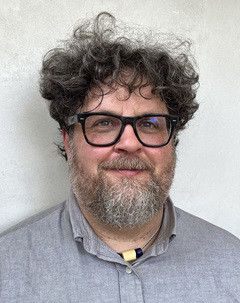
Professor Christian Diehm is a full Professor in the Department of Philosophy at the University of Wisconsin–Stevens Point (UWSP), where he has taught since 2005 and has served as the Environmental Ethics Program Coordinator since 2006. He also co-coordinates the Environmental Studies Program and sits on the campus Animal Care and Use Committee. Education Ph.D. in Philosophy, Villanova University M.S. in Philosophy, Villanova University B.A. in Philosophy, Salisbury University Research Interests Diehm’s scholarly work explores the intersections of ethics and the natural world, focusing on deep ecology , animal ethics , environmental ethics , and the ethics of wildlife conservation . His investigations span theoretical frameworks such as Levinas-inspired environmental thought, ecofeminism, and the philosophical underpinnings of biodiversity and species preservation. Publication Trends Across more than two decades, his articles and edited volumes have consistently engaged with the moral dimensions of human–nature relationships. Recurring themes include the moral status of non-human animals, the philosophical justification for conserving species and ecosystems, critiques of anthropocentrism, and the application of phenomenological and deep-ecological insights to contemporary conservation dilemmas. Scientific & Teaching Awards UW-Stevens Point Excellence in Teaching Award (2013) Visiting Scholar, Institute for Environmental and Regional Studies, Pace University, New York (Fall 2002) Campus Roles & Service Professor Diehm chairs the Department of Philosophy and actively contributes to interdisciplinary environmental programs. He teaches courses ranging from introductory philosophy to advanced seminars in environmental and animal ethics, fostering an undergraduate major and certificate program in Environmental Ethics—one of the first and few in the United States. Labs, Teams & Future Work While no formal laboratory is listed, his intellectual community includes the International Society for Environmental Ethics (member since 2005) and collaborative networks with environmental philosophers and conservation scientists worldwide. Future scholarly directions are likely to continue interrogating the ethical challenges posed by emerging conservation technologies and deepening society’s connection to the natural world.