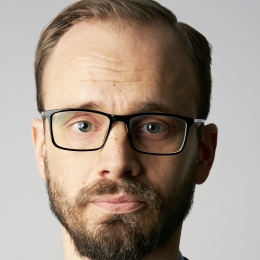
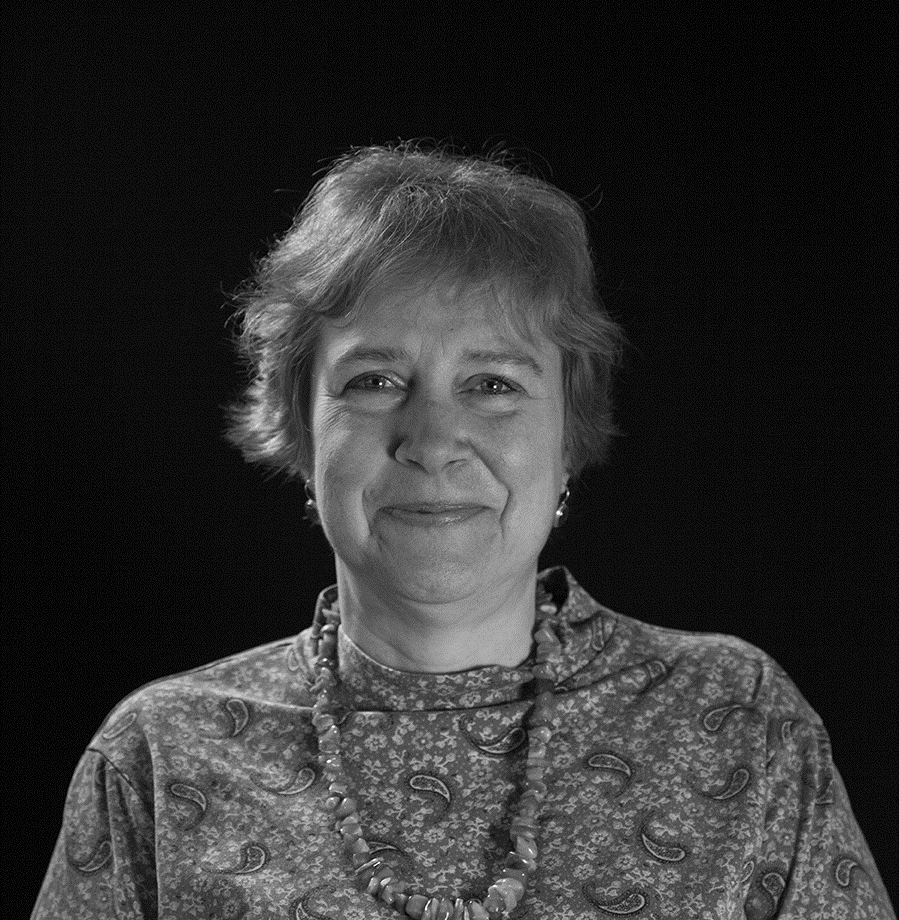
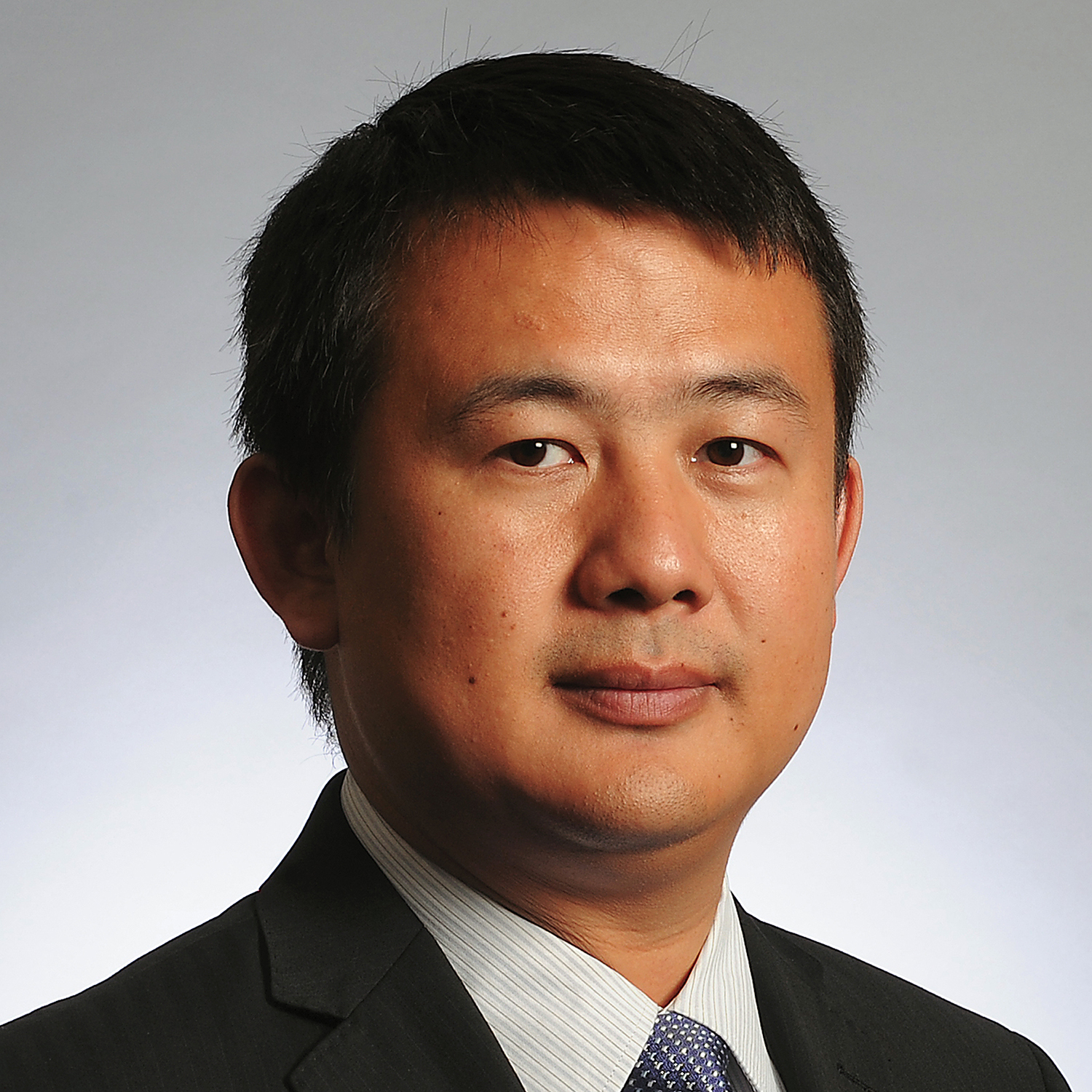
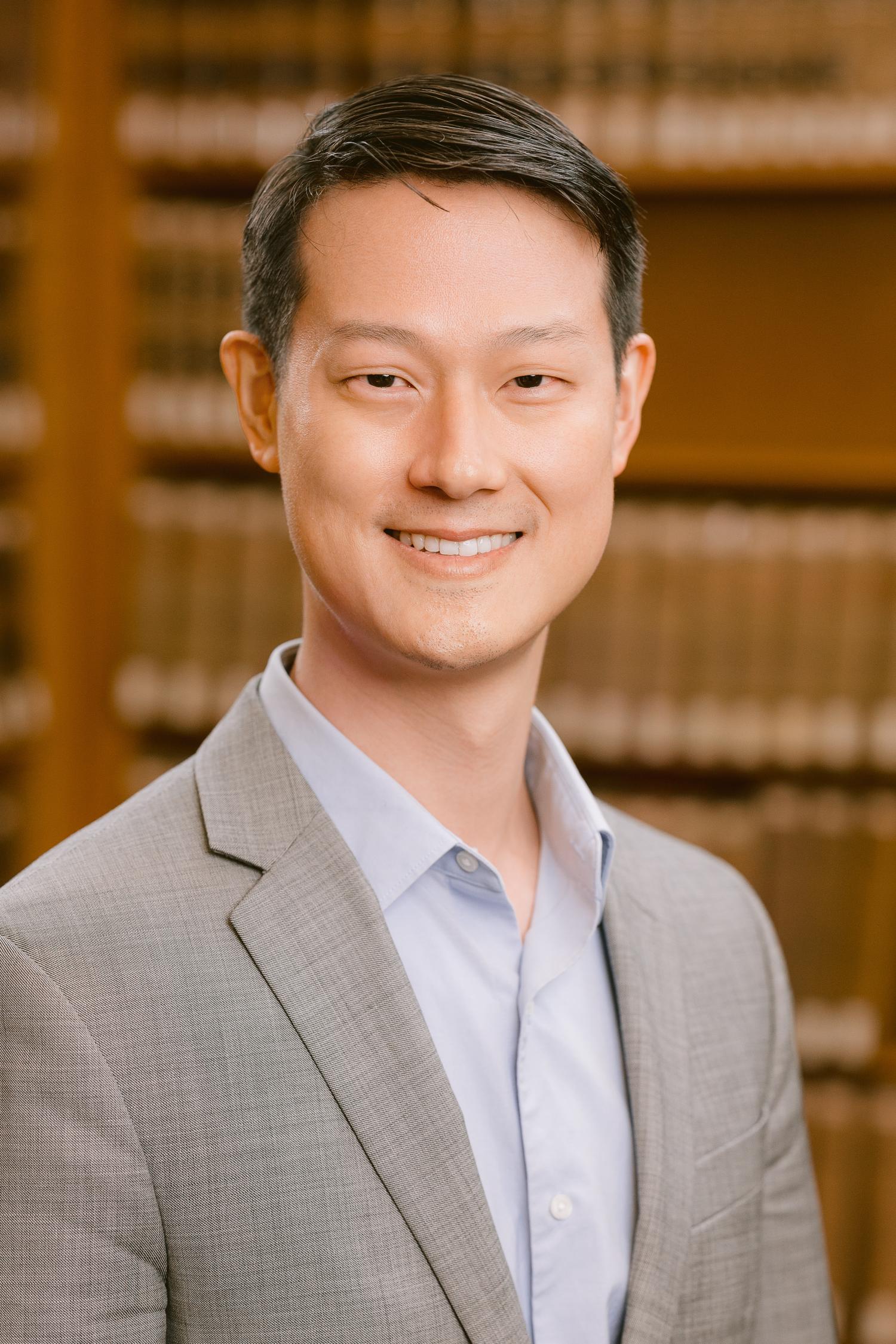
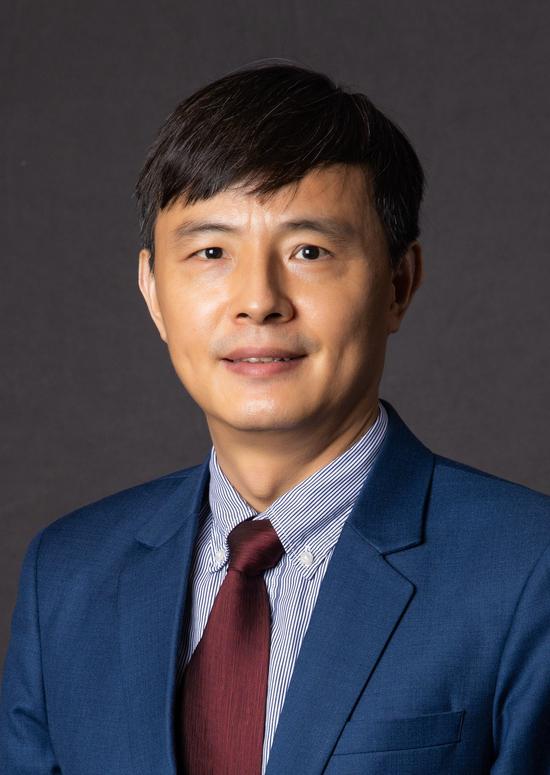
Karl Gustafsson is a Professor at Stockholm University within the Department of Economic History and International Relations. His work bridges security studies , collective memory , and digital research methods in international relations. Current Role: Professor of International Relations, Stockholm University Previous Positions: Post-Doc at Lund University, Researcher at Swedish Institute of International Affairs Visiting Appointments: University of Tokyo, Osaka University, Keio University, Academia Sinica, Nordic Institute of Asian Studies Research Focus: Karl specializes in memory politics , ontological security , and anxiety-driven international dynamics , particularly in Sino-Japanese relations and digital platforms . His studies explore how historical narratives and online memory construction influence state identity and policy. Awards & Grants: Recipient of the Wang Gungwu Prize (2014) and Stockholm University Association’s award (2011). Holds Swedish Research Council and Marianne & Marcus Wallenberg Foundation grants for projects on apologies in international politics and digital memory in East Asia . Publications: His work appears in journals such as International Studies Quarterly , European Journal of International Relations , and Memory Studies , addressing topics like narrative power in East Asia, anxiety’s role in policy change , and digital humanities applications in IR.
Keir A. Lieber is a Professor at Georgetown University, holding dual appointments in the Edmund A. Walsh School of Foreign Service and the Department of Government. His research focuses on nuclear strategy, deterrence, technology’s role in warfare, and U.S. national security policy. He co-authored The Myth of the Nuclear Revolution and authored War and the Engineers , exploring how political decisions outweigh technological determinism. Lieber’s work appears in International Security , Foreign Affairs , and other leading journals. He has received major fellowships from institutions like the Brookings Institution and the Council on Foreign Relations. Education: Ph.D. and M.A. in Political Science from the University of Chicago; B.A. in Political Science and International Relations from the University of Wisconsin-Madison. A proud alumnus of D.C. public schools, Lieber emphasizes interdisciplinary approaches to security studies. His research interests span nuclear deterrence theory, the impact of emerging technologies on conflict, and the evolution of U.S. defense strategies. Recent work addresses nuclear tripolarity and the challenges of escalation control in modern conflicts. Awards include recognition for his contributions to international relations scholarship and policy analysis. Lieber’s academic contributions include co-editing volumes on realism and advising on national security policy. Grants and fellowships have supported his exploration of topics like cyber warfare and nuclear non-proliferation.
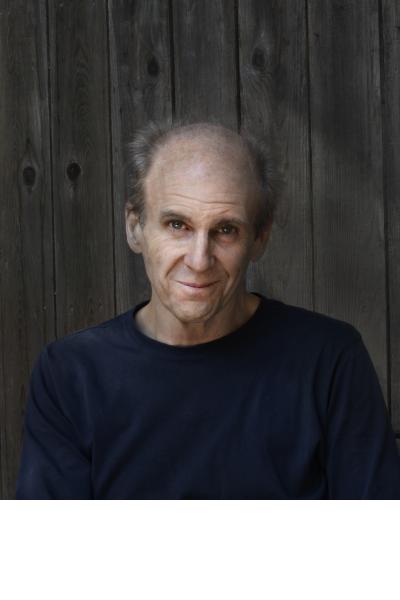
David Trend is a Professor and former Chair of the Department of Art at the Claire Trevor School of the Arts, University of California, Irvine. He previously served as Dean of Creative Arts at De Anza College and Graduate Program Coordinator at San Francisco State University's Inter-Arts Center. Trend specializes in visual culture, cultural studies, and critical pedagogy, teaching courses like Language and Vision in Everyday Life and Media, Art, and Technology . His research bridges media analysis, education policy, and radical democracy. He has authored over 200 articles and 16 books, including Elsewhere in America and Reading Digital Culture . As a Getty Scholar, his work explores cultural belonging, digital media impacts, and educational innovation. He advises on state arts councils and the National Endowment for the Arts. His academic contributions span visual arts education, media literacy, and the sociopolitical role of art. Education: - MFA in Photography, Visual Studies Workshop Program, SUNY Buffalo - PhD in Curriculum Theory, Miami University Research Interests: Trend's work examines cultural crises of meaning, digital media's societal impact, and the intersection of art with education and activism. He critiques gentrification's artistic drivers, explores identity formation in digital spaces, and advocates for culturally democratic pedagogical frameworks. Publications Trends: Recent works focus on gentrification's artistic dimensions ( 2022 ), creativity crises ( 2020 ), and belonging in fragmented cultures ( 2016 ). Earlier work addressed media violence myths ( 2007 ), digital literacy ( 2001 ), and radical democracy ( 1996 ). His writing spans academic critiques to practical pedagogical solutions. Awards: Getty Scholar Grants & Consulting: Extensive NEA collaborations, foundation advising, and state arts council consultations. His work emphasizes bridging educational institutions with Silicon Valley corporations through multimedia partnerships. Labs/Teams: Affiliated with UCI's University Art Galleries, Institute and Museum of California Art, and Electronic Art + Design programs.
Albrecht Fuess is a Professor of Islamic Studies at Philipps University of Marburg since 2010, specializing in Middle Eastern History (13th–17th centuries), Mamluk socio-cultural dynamics, and contemporary European Islamic discourses. His research spans historical continuity in Ottoman-Mamluk-Safavid interactions, Islamic youth cultures, and Mediterranean geopolitics. Research Focus: Medieval Islamic history, Transottomanica mobility studies, Islam in Europe, and cultural integration of Muslim migrants. Awards: Le Studium Fellowship (2007–2009) at Université de Tours. His publications emphasize military-economy interplay, legitimacy through religious narratives, and resource management in empires, with a focus on Mamluk and Ottoman transformations. He has advised on doctoral projects covering topics like Islamic welfare, Arabic ʾAmālī literature, and Cypriot-Ottoman relations. Leadership: Co-coordinator of Transottomanica (DFG-SPP 1981), member of ANR and DAAD committees, and liaison professor for the German National Academic Foundation. Editorial Roles: Co-editor of 'Transottomanica' and 'Muslim Worlds' series, and advisory board member for journals in Cairo, Paris, and Leuven.
Associate Professor Kiat Boon, Daniel SENG is a leading academic at the National University of Singapore (NUS), specializing in technology law and infocommunications law. He currently serves as Director of the LLM (Intellectual Property & Technology Law) program and IT Coordinator. Previously, he held roles as Director of Research at the Singapore Academy of Law (2001–2003), partner and head of technology practice at Rajah & Tann, and non-residential fellow at Stanford Law School’s Center for Legal Informatics (CodeX). His education includes a JSD and JSM from Stanford University, BCL (Oxford, Rupert Cross Prize recipient, 1994), and LLB (NUS with first-class honors). His research employs machine learning, NLP, and big data to analyze digital law challenges, particularly in copyright takedown notices and AI governance. Research interests span information technology law, empirical legal studies, quantitative research, and AI’s intersection with legal reasoning. He contributes to global legal reform via advisory roles at the World Intellectual Property Organization (WIPO), focusing on copyright exceptions, music licensing, and intermediary liability. Key awards include the 1994 Rupert Cross Prize. His work bridges law and technology through publications on digital evidence, metaverse legal frameworks, and AI’s impact on private law. He is actively involved in shaping Singapore’s legal infrastructure through government committees and academic initiatives.
Dr. Herb Lin is the Hank J. Holland Fellow in Cyber Policy and Security at the Hoover Institution and Senior Research Scholar for Cyber Policy and Security at the Center for International Security and Cooperation (CISAC), both at Stanford University. He also serves as Chief Scientist, Emeritus for the Computer Science and Telecommunications Board of the National Academies, where he worked from 1990 to 2014, and as Adjunct Senior Research Scholar and Senior Fellow in Cybersecurity at Columbia University's Saltzman Institute for War and Peace Studies. Dr. Lin received his doctorate in physics from MIT, providing him with a strong technical foundation that informs his policy work at the intersection of technology and national security. His academic background bridges the gap between deep technical understanding and policy application in the cybersecurity domain. Dr. Lin's research focuses on the policy dimensions of cybersecurity and cyberspace, with particular emphasis on offensive cyber operations as instruments of national policy, information warfare, and influence operations affecting national security. His work addresses critical challenges at the intersection of emerging technologies like artificial intelligence, quantum computing, and their implications for nuclear security, election integrity, and democratic processes. He has been instrumental in analyzing how cyber capabilities are transforming traditional security paradigms and how policy frameworks must adapt to these changes. His extensive publication record reveals a consistent focus on the evolving relationship between cyber capabilities and national security strategy. Lin's work demonstrates increasing attention to the implications of artificial intelligence for warfare, the vulnerabilities created by quantum computing for current cryptographic systems, and the growing threat of cyber-enabled information warfare to democratic institutions. His research trajectory shows a progression from traditional cybersecurity issues toward the broader implications of digital technologies for national and international security. Member of Science and Security Board of Bulletin of the Atomic Scientists Served on President Obama's Commission on Enhancing National Cybersecurity (2016) Regular congressional testimony on cybersecurity matters Contributor to Stanford Emerging Technology Review As a mentor and collaborator, Dr. Lin works extensively with policymakers, military officials, and technology experts to translate complex cybersecurity concepts into actionable policy recommendations. His approach emphasizes practical solutions to emerging threats while recognizing the technical limitations and policy constraints that shape real-world security outcomes. Dr. Lin is associated with multiple research initiatives including Stanford's Center for International Security and Cooperation and the Stanford Emerging Technology Review, which aim to connect technological advances with policy considerations for national security decision-makers.
University of Illinois Urbana-ChampaignUnited States
Paolo Gardoni is the Alfredo H. Ang Family Professor and an Excellence Faculty Scholar in the Department of Civil and Environmental Engineering at the University of Illinois Urbana-Champaign, with additional professorial appointments in Industrial & Enterprise Systems Engineering and Biomedical & Translational Sciences. He also serves as Director of the MAE Center and Editor-in-Chief of Reliability Engineering & System Safety. Education Ph.D. in Civil Engineering, University of California, Berkeley (2002) M.A. in Statistics, University of California, Berkeley (2001) M.Eng. in Structural Engineering, University of Tokyo (1997) Laurea (BS+MS equivalent) in Structural Engineering, Politecnico di Milano (1997) Research Interests Gardoni’s scholarship integrates probabilistic methods with large-scale infrastructure systems to advance reliability, risk, and life-cycle analysis. His work quantifies the performance of deteriorating systems under natural and anthropogenic hazards, models societal impacts of disasters, and develops decision frameworks for sustainable and resilient infrastructure. He also examines ethical, social, and legal dimensions of risk, and investigates optimal strategies for hazard mitigation, disaster recovery, and climate adaptation. Across more than 250 refereed journal papers, he has advanced sub-fields ranging from probabilistic mechanics and earthquake engineering to catastrophe bond pricing and engineering ethics, leveraging tools such as stochastic differential equations, Bayesian networks, and physics-informed machine learning. Awards & Honors Alfredo Ang Award on Risk Analysis and Management of Civil Infrastructure (ASCE, 2021) Best Paper Awards in ASCE Journal of Sustainable Water in the Built Environment (2019) and Geotechnical Research (2018 Telford Premium Prize) Fellowships and named professorships: Alfredo H. Ang Family Professor, Excellence Faculty Scholar, and courtesy or honorary professorships at Tsinghua, IIT Guwahati, Tongji, Jianghan, and Loughborough universities. Research Leadership & Funding Gardoni has secured over $58 million in research funding from NSF, DHS, NIST, USAID, Qatar National Research Fund, and other agencies. He directs the MAE Center—formerly an NSF Engineering Research Center—focused on multi-hazard engineering approaches, and is Editor-in-Chief of Reliability Engineering & System Safety (Elsevier, IF 9.4). He founded and formerly led the journal Sustainable and Resilient Infrastructure (Taylor & Francis) and serves on editorial boards of nine additional journals. Advising & Mentorship He has graduated 27 PhD and 35 Master’s students, many of whom now hold faculty positions worldwide. His group maintains an active pipeline of doctoral and post-doctoral researchers working on resilience analytics, infrastructure monitoring, and risk-informed decision-making. Laboratories & Collaborations He leads the MAE Center and is affiliated with the Critical Infrastructure Resilience Institute (CIRI) and the Biomedical and Translational Sciences group. International collaborations span the UK (Loughborough), India (IIT Guwahati), and China (Tsinghua, Tongji, Jianghan), fostering cross-disciplinary research in reliability and resilience engineering.
Myriam Dunn Cavelty serves as Deputy Head of Research and Teaching at the Center for Security Studies (CSS) at ETH Zurich, where she leads significant academic initiatives in cybersecurity and digital governance. She holds formal affiliations as an associate researcher at the Center for Advanced Security Theory at the University of Copenhagen, and has held prestigious visiting positions at Brown University, the University of Darmstadt (as a Mercator Fellow), and the Central European University. Her research expertise centers on how digital technologies influence political behavior and societal values, with particular attention to governance arrangements for digital technologies and their embedding in social, political, and economic processes. Her scholarly contributions span cybersecurity politics, cyber warfare, critical infrastructure protection, and strategic foresight, reflecting an interdisciplinary approach that bridges political science, international relations, and technology studies. Dunn Cavelty's publication record demonstrates remarkable consistency and impact, with works spanning from 2008 to the present. Her research shows an evolution from early analyses of cyber-threat construction to contemporary examinations of AI in security contexts and the political dimensions of cybersecurity governance. Her work consistently addresses the intersection of technological capabilities and political constraints, examining how states and other actors navigate security challenges in the digital domain. Mercator Fellow at the University of Darmstadt Editor-in-Chief of Contemporary Security Policy Advisory work for governments, international institutions, and corporations As an academic leader, she has advised numerous doctoral students and supervised research projects examining the political dimensions of cybersecurity. Her work with the Center for Security Studies involves directing research programs that connect academic inquiry with policy relevance, particularly in the areas of risk analysis and strategic foresight. She has established herself as a leading voice in European cybersecurity scholarship, with particular expertise in the Swiss context and broader European security frameworks.
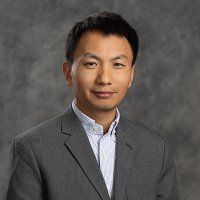
Junjian Qi serves as the Hohbach Endowed Associate Professor in the Department of Electrical Engineering and Computer Science at South Dakota State University's College of Engineering, holding this position since 2023. His academic journey includes prior appointments as Assistant Professor at Stevens Institute of Technology (2020-2023) and University of Central Florida (2017-2020), along with research roles at Argonne National Laboratory and University of Tennessee. His educational background includes: Ph.D. in electrical engineering from Tsinghua University, Beijing, China (2013) B.E. in electrical engineering from Shandong University, Jinan, China (2008) Dr. Qi's research centers on electric power systems resilience, with particular expertise in cascading failure mechanisms, microgrid control architectures, cyber-physical security vulnerabilities, and synchrophasor applications. His work integrates advanced data analytics and machine learning techniques to enhance grid stability against extreme weather events and cyber threats. Current investigations focus on developing distributed control strategies for inverter-dominated grids and modeling system interdependencies during failure propagation. Analysis of his 15 most recent publications (2021-2024) reveals a strong methodological shift toward data-driven approaches for power system challenges. Key trends include machine learning applications for cascading failure prediction, novel distributed control frameworks for AC/DC microgrids, and cybersecurity enhancements for inverter-based resources. His work consistently bridges theoretical models with real-world utility data, particularly evident in multiple Best Paper Award-winning publications analyzing actual outage sequences. Dr. Qi's scientific recognition includes: NSF CAREER Award (2020) Three consecutive Best Paper Awards at IEEE PES General Meetings (2022-2024) World's Top 2% Scientist designation in energy (2020-2023) IEEE PES Outstanding Working Group Award (2023) Multiple journal Best Paper Awards (IEEE Transactions on Power Systems, Journal of Modern Power Systems) He currently leads significant research initiatives including an NSF CAREER project ($500k) on cascading failure analysis and an NSF collaborative grant ($219k) for grid stability, alongside previous DOE funding ($1.8M) for cybersecurity of distributed energy resources. His service includes editorial roles for IEEE Transactions on Power Systems and IEEE Power Engineering Letters, plus leadership in IEEE PES technical committees focused on voltage control and smart grid security.
Professor Beatrice Heuser is a distinguished academic in the Department of Politics within the School of Social & Political Sciences at the University of Glasgow. Her career spans multiple prestigious institutions across Europe, including King's College London, University of Reading, and visiting professorships at Sciences Po Paris, Bundeswehr University Munich, and MGIMO. She maintains significant affiliations with major strategic research institutes including Chatham House, RUSI, IFRI, and IRSEM. Education: BA from Bedford College London, MA from LSE, DPhil from Oxford (St Antony's/St John's), Habilitation from University of Marburg Professional Experience: Former Director of Studies at German Bundeswehr's military history research office, NATO Headquarters consultant, and extensive teaching across European institutions Her research centers on strategic studies with particular focus on the cultural dimensions of warfare, nuclear strategy, and the historical evolution of strategic thought. Key research areas include strategic culture, military exercises as political instruments, laws of war development, and European defense policy. Her work bridges historical analysis with contemporary security challenges, examining how cultural narratives shape strategic decision-making from antiquity to the nuclear age. Professor Heuser's recent publications demonstrate consistent scholarly output across strategic theory, military history, and contemporary security issues. Her work shows particular emphasis on the conceptual foundations of strategic culture, historical analysis of warfare evolution, and practical applications to modern security challenges including nuclear deterrence and asymmetric warfare. The interdisciplinary nature of her research connects political theory, historical analysis, and security studies. She actively supervises graduate students in strategic theory, nuclear strategy, insurgency studies, and defense policy-making within NATO/EU contexts. Her teaching portfolio includes War and International Relations, Defense Policy, and Strategic Theory courses.
Wei Sun is an Associate Professor in the Department of Electrical and Computer Engineering at the University of Central Florida, where he also serves as the Director of the Siemens Digital Grid Lab. His research focuses on power system restoration, self-healing smart grids, cyber-physical security, and renewable energy integration. Dr. Sun received his Ph.D. from Iowa State University in 2011, and his M.S. and B.S. from Tianjin University in 2007 and 2004, respectively. Prior to joining UCF, he was an Assistant Professor at South Dakota State University (2013-2015), a power system engineer at Alstom Grid (2011-2012), a visiting scholar at the University of Hong Kong (2011), and an intern at California Independent System Operator (2010). His research interests include: Power System Restoration and Self-healing Smart Grid Resilient and Secure Critical Infrastructure Cyber-Physical Systems Renewable Energy and Microgrid Distributed Energy Resources Integration Dr. Sun's recent publications demonstrate strong focus on cyber-physical security in power systems, distributed energy resource integration, and resilient grid operations. His work shows increasing emphasis on AI and machine learning applications for grid security and resilience, particularly in the context of high renewable penetration. His notable scientific awards include: Microsoft Software Engineering Innovation Foundation Award (2014) Best Paper Award, 2019 IEEE PES ISGT Asia Mentor of the Year, UCF Graduate Student Association (2019) Dr. Sun has successfully secured multiple research grants totaling millions of dollars from agencies including the US Department of Energy, National Science Foundation, Florida Center for Cybersecurity, and Microsoft. He currently serves as PI or Co-PI on several major projects including "Secure and Resilient Operations Using Open-Source Distributed Systems Platform (OpenDSP)" funded by the Department of Energy. He leads the Siemens Digital Grid Laboratory at UCF, which is equipped with utility-grade software and hardware including Spectrum Power Microgrid Management System, Power System Simulator for Engineering, and Siemens Distribution Feeder Automation. The lab provides capabilities for both software modeling and hardware-in-the-loop testing of power systems.
Bryan H. Choi is an Associate Professor of Law at the University of Colorado Law School , where he bridges law and computer science to address software and AI safety. His work on software liability has influenced national cybersecurity strategy discussions. As an Adviser for the ALI Principles Project on Civil Liability for Artificial Intelligence , he shapes legal frameworks for emerging technologies. Education : JD and AB in Computer Science from Harvard University; clerkships with U.S. Court of Appeals judges Leonard I. Garth and William C. Bryson. Roles : Former joint appointment at Ohio State University Law School and Computer Science Department; Faculty Fellow at UPenn's CTIC; Director of Law and Media at Yale's ISP. Research Focus : Choi's scholarship examines software liability , AI accountability , and privacy law through interdisciplinary lenses. He critiques institutional approaches to software safety and advocates for empirical legal frameworks over participation-based models. Recent Articles address AI malpractice , NIST software standards , and forensic tool validation , reflecting trends in AI regulation and cyber-physical system liability . His 2021 NSF grant funded technical-legal methods for safety-critical systems. Awards & Grants : National Science Foundation (NSF) Grant (2021) Adviser, ALI Principles Project on Civil Liability for Artificial Intelligence Community Engagement : Active in Law and Computer Science communities , serving on committees for the ACM Symposium , Cybersecurity Law and Policy Scholars Conference , and co-organizing the AAAI Bridge Program on AI and Law .
Fei Ding is a Senior Researcher at National Renewable Energy Laboratory (NREL) specializing in Power Systems Engineering within the Grid Modernization Research Topic. Her work focuses on integrating renewable energy into electrical grids, optimizing distributed energy resources, and enhancing grid resilience. Education: PhD in Electrical Engineering from Case Western Reserve University Her research spans: Distribution grid modeling and control strategies Grid-edge resource optimization for reliability and cybersecurity Photovoltaic hosting capacity analysis Recent publications emphasize: AI-driven voltage regulation with neural networks Microgrid formation for grid restoration Data fusion techniques for outage detection Award highlights: NREL Chairman’s Award (2018) NREL President's Award (2020) NREL Distinguished Member of Research Staff (2021) She actively contributes to IEEE as a Senior Member and leads projects developing advanced distribution management systems.
Li Mingjiang serves as Associate Professor and Provost's Chair in International Relations at Singapore's S. Rajaratnam School of International Studies (RSIS), Nanyang Technological University. He concurrently holds leadership roles as PhD Programme Coordinator, Deputy Head of Graduate Studies at RSIS, and Deputy Chair of NTU's 8th Senate, while maintaining a nonresident scholar position at Carnegie China. His academic foundation includes: Ph.D. in Political Science from Boston University Specializing in Chinese foreign policy , China-ASEAN relations , and Asia-Pacific security dynamics , he has authored or edited 15 books including China’s Economic Statecraft (2017) and New Dynamics in US-China Relations (2014). His research spans global governance frameworks and Sino-U.S. strategic competition through publications in journals like Journal of Contemporary China and Chinese Journal of International Politics . Recent publications (2023-2025) reveal concentrated analysis on emerging geopolitical flashpoints including U.S.-China tensions in Southeast Asia, South China Sea confrontations, cyber nationalism commercialization, and technology policy conflicts - demonstrating consistent engagement with real-time strategic developments in the Indo-Pacific region. In his capacity as PhD Programme Coordinator, Li Mingjiang oversees graduate academic development and research supervision at RSIS, though specific student details and grant information remain unreported in public sources.
Seddik M. Djouadi is a Professor in the Min H. Kao Department of Electrical Engineering and Computer Science at the University of Tennessee, Knoxville. He holds a PhD from McGill University (1999), an M.A.Sc. from École Polytechnique (1992), and a B.Sc. from École Nationale Polytechnique (1989). His research focuses on robust control, distributed systems, wireless communication, model reduction, and power networks. He has authored over 100 publications and received awards including recognition as an outstanding reviewer by Automatica (2006-2007, 2003-2004) and the Tibbets Award (1999). Education: PhD in Electrical Engineering, McGill University, 1999 M.A.Sc., École Polytechnique, 1992 B.Sc., École Nationale Polytechnique, 1989 Research Interests: Robust and distributed control Wireless communication systems Model reduction for fluid flows Power network dynamics and renewable integration Biological systems modeling Cyber-physical systems security Awards: Outstanding Reviewer, Automatica (2006-2007, 2003-2004) Best Paper Award, Mediterranean Conference on Intelligent Systems (2008) Ralph E. Powe Junior Faculty Enhancement Award (2005) Tibbets Award (1999) Students and Advising: Djouadi has mentored over 20 graduate students and postdoctoral researchers, including current advisees Yichen Zhang and Ehsan Raoufat. Notable past students include Jin Dong (now at Oak Ridge National Laboratory) and Xiao Ma (Western Digital). Projects: Current research includes distributed control of large power networks, data-driven nonlinear model reduction, and stochastic modeling of wireless systems. Collaborations involve ORNL and TVA on energy systems and cybersecurity.