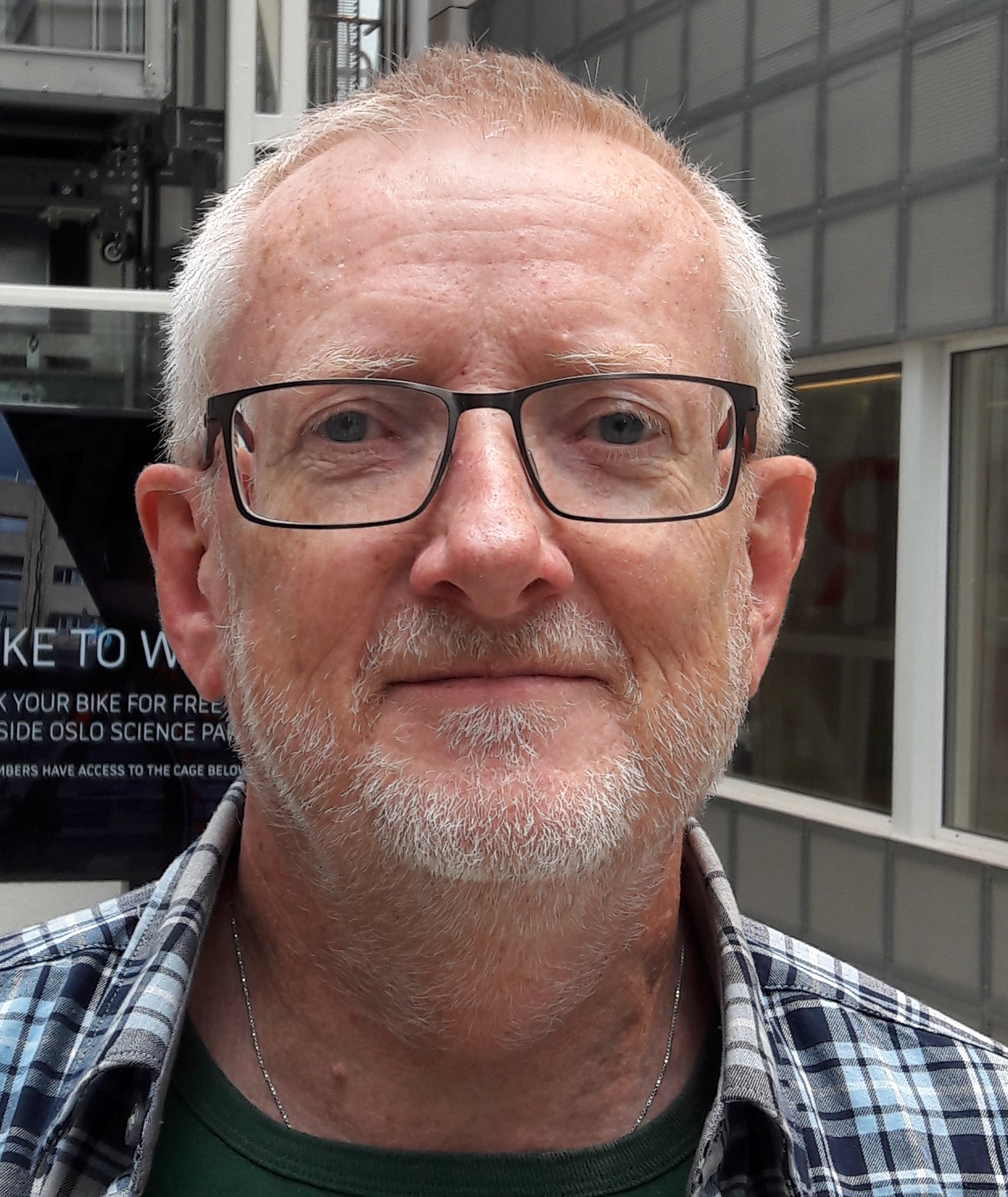
Philippe Vernouxمشاهده پروفایل
استاد پژوهشی
Philippe Vernoux is a Research Professor at IRCELYON (Institut de Recherches sur la Catalyse et l'Environnement de Lyon), a joint research unit of CNRS and Claude Bernard University Lyon 1. He serves as the Leader of the 'Catalysis and Atmospheric Reactivity for the Environment (CARE)' research group, which comprises 15 permanent and 25 non-permanent staff members. Vernoux has been actively involved in environmental catalysis research since joining CNRS as a Research Scientist in 2000, with significant contributions to electrochemical promotion of catalysis and automotive emission control. His educational background includes a Master in Physical Chemistry and Catalysis from University Lyon 1 (1995), a Ph.D. in Gradual Internal Reforming of Methane in Solid Oxide Fuel Cells from the National Polytechnic Institute of Grenoble (1998), and a Habilitation (HDR) in Environmental Catalysis and Electrochemical Promotion of Catalysis from University Claude Bernard Lyon 1 (2006). He also completed a post-doctoral fellowship at the Laboratory of Electrochemistry and Analytical Chemistry of Paris (1999-2000). Vernoux's research focuses on environmental catalysis, particularly ionically conducting ceramics as active catalyst supports, electrochemical promotion of catalysis, and applications for NOx abatement, soot combustion, and clean energy production. His work bridges fundamental electrochemistry with practical environmental applications, developing innovative catalysts for automotive emission control and sustainable energy conversion processes. Recent trends in his publications show increasing emphasis on biomass valorization, plastic waste upcycling, and photoelectrocatalytic systems for sustainable chemical production. As an active research manager, Vernoux has coordinated multiple European and French national projects including EFEPOC, PIREP, PIREP2, and EPOX. He serves as Editor of Frontiers in Chemistry since 2013 and has taught courses in electrocatalysis and catalysis at the Master level since 2004. His laboratory work combines advanced characterization techniques with practical applications for environmental protection and energy transition.