Dr. Praveen Krishna Chitneedi is a Researcher in Genomannotation at Forschungsinstitut für Nutztierbiologie (FBN) in Dummerstorf, Germany. His research focuses on bioinformatics, genomic association studies, genotype-environment interactions, machine learning, and NGS data analysis. His recent publications include developing computational pipelines for eQTL detection and identifying mastitis resistance genes in dairy cattle through meta-analysis. His work demonstrates expertise in large-scale genomic data processing and analysis.
Shashirekha Shetty, PhD, serves as Associate Professor in the Department of Pathology at Case Western Reserve University School of Medicine. Externally, she holds dual leadership roles at University Hospitals: Director of the Cytogenetics Laboratory at the Center for Human Genetics Laboratory and Associate Director of the Laboratory Genetics and Genomics (LGG) Fellowship Program. Her office is located on the 6th floor of the Walker Building. As a board-certified clinical cytogeneticist and molecular geneticist, Dr. Shetty specializes in cytogenomics and molecular diagnostics for both germline and somatic conditions. Her primary clinical focus involves developing non-invasive prenatal screening (NIPS) assays using panel-based testing to evaluate genes linked to ultrasound-detected fetal structural abnormalities. Research collaborations center on characterizing human model cell lines to decipher disease mechanisms. The cytogenomics laboratory under her direction employs chromosome karyotyping, fluorescence in situ hybridization (FISH), and genomic chromosomal microarrays to detect balanced structural and unbalanced copy number changes, while the molecular laboratory utilizes next-generation sequencing (NGS) for comprehensive genomic profiling. Analysis of her publication record reveals a strong emphasis on cancer genomics, with research spanning acute myeloid leukemia, breast cancer, mantle cell lymphoma, and multiple myeloma. Her work consistently bridges diagnostic cytogenetics with molecular pathology to address clinical challenges in oncology and prenatal genetics, demonstrating translational applications of genomic technologies in disease characterization and biomarker discovery. No scientific awards were mentioned in the provided text. The text does not specify any graduate students, postdoctoral advisees, or research grants under Dr. Shetty's direct supervision. Her laboratory infrastructure at University Hospitals serves as a critical resource for genomic characterization, providing clinically validated data that supports both diagnostic operations and collaborative research initiatives. Dr. Shetty's laboratory ecosystem integrates cytogenomics and molecular diagnostics workflows, featuring dedicated facilities for karyotyping, FISH analysis, chromosomal microarray processing, and NGS-based testing. This infrastructure enables comprehensive genomic characterization that informs clinical decision-making while generating high-quality data for translational research partnerships across oncology and prenatal medicine domains.
Vincent Ng is an Assistant Professor in the Department of Psychology at the University of Houston, within the College of Liberal Arts and Social Sciences. His research centers on industrial-organizational psychology, with a focus on character, well-being, and leadership development. He employs advanced methodologies, including machine learning and big data analytics, to study moral attributes and personality in organizational contexts. Dr. Ng earned his educational degrees as follows: B.A. in Psychology, Vassar College M.S. in Industrial/Organizational Psychology, Salem State University M.S. and Ph.D. in Industrial/Organizational Psychology, Purdue University His research interests span several interrelated domains: Character assessment and development, particularly how moral attributes are measured and how they evolve The relationship between character cultivation and well-being Leadership development and the role of moral characteristics in effective leadership Methodological challenges in measuring socially desirable traits, with a focus on innovative approaches like forced-choice formats and automated assessment He is also actively involved in advancing measurement techniques, including Likert scale development and ideal point modeling. His recent publications reflect a strong trend toward integrating psychological theory with data science. His work explores character measurement (e.g., CIVIC, forced-choice formats), the application of machine learning in personnel selection, behavioral measures of humility, and automated personality assessment via video interviews. These studies combine rigorous psychometrics with cutting-edge computational methods, positioning his research at the intersection of psychology, organizational behavior, and artificial intelligence. Scientific recognition includes: Houston Bar Foundation award for an outstanding legal article (2008) Dr. Ng mentors students and is accepting new advisees for Fall 2025. He collaborates extensively, particularly with Louis Tay and others in organizational and positive psychology. While specific grant details are not listed, his active publication record and methodological focus suggest involvement in funded research. He is a key contributor to Louis Tay's Lab, focusing on character, well-being, and data science applications in psychology.
Benoit Bihin is a Lecturer at the University of Namur, affiliated with the Namur Research Institute for Life Sciences and the UNamur Institute for Research in Didactics and Education. He serves as a Biostatistician at UCL Namur University Hospital since 2014 and contributes to United Nations Sustainable Development Goals (SDG3, SDG15, SDG17). Research Interests : Biostatistics, medical education, didactic engineering, biomedical data analysis, and pharmaceutical stability studies. Key Article Trends : Focus on statistical test interpretation errors in biomedical research (2016-2021), stroke rehabilitation neuroscience (2024), equine wound healing (2024), chemotherapy drug stability (2023), and SARS-CoV-2 sequencing validation (2023). Utilizes advanced analytical methods like ultra-high-performance chromatography and didactic frameworks. Projects : Led the 'errors in statistical tests' thesis project (2016-2021), presented at conferences (2015-2022), and contributed to caregiver health datasets (2018). Education : Holds a Master's in Biochemistry/Molecular Biology (2012) and a Doctorate in Sciences (2021) from University of Namur. External Roles : Member of UCL Namur University Hospital ethics committee, conference speaker on pharmaceutical automation (2015-2016), and active participant in statistical societies (2015-2016, 2022).
Gabriel Renaud is an Associate Professor at the Department of Health Technology , Technical University of Denmark (DTU) , leading the Bioinformatics Modern and Ancient Genomes group within the DTU Microbes Initiative . His research focuses on computational genomics, ancient DNA analysis, and pangenome graph algorithms. Active projects: PhD supervision on algorithms for pangenomic graphs (2024-2027), genomes and genes (2022-2025) Research Interests include: Population Genomics of Postglacial Eurasia Pangenome Graph Applications in Taxonomic Identification Next-Generation Sequencing Data Processing Ancient Environmental DNA Analysis Phylogenetics and Evolutionary Genetics Publications (2023-2024) highlight work on: High-resolution taxonomic identification using mitochondrial pangenome graphs Population turnovers in Neolithic Denmark Ancient Clostridium DNA and tetanus toxin evolution Benchmarking NGS tools for ancient DNA Supervision: Current main supervisor for four PhD students in bioinformatics and genomics.
Associate Professor Kee Siong Ng is affiliated with the School of Computing at the Australian National University (ANU). His research focuses on privacy-preserving technologies, reinforcement learning, distributed systems, and blockchain applications. He has contributed extensively to areas such as privacy-preserving machine learning, federated learning, entity resolution, and scalable database systems. His work emphasizes balancing computational efficiency with privacy guarantees in data-driven environments. Key research contributions include methodologies for secure data processing in federated learning frameworks, privacy-preserving reinforcement learning for population-level systems, and blockchain-based digital identity solutions. He has led projects like Integrated Graph Analytics and contributed to initiatives involving the Australian Medicare dataset. His research often intersects theoretical foundations with practical implementations, addressing challenges in scalability and real-world applicability. Ng has published over 24 peer-reviewed articles, with notable works appearing in venues like IEEE Transactions on Parallel and Distributed Systems and Transactions on Machine Learning Research . His articles frequently explore cutting-edge topics such as differential privacy, approximation algorithms, and multi-agent systems. Collaborations include industry partnerships and interdisciplinary efforts involving health informatics and financial intelligence. His projects include Integrated Graph Analytics (2018–2021): Focused on scalable graph-based data analysis. Translational Fellowship (2018–2022): Bridging theoretical research with practical applications. Research on Data Sets for Health and Pharmaceutical Schemes (2020): Analyzing Medicare and pharmaceutical data with privacy safeguards. Ng's work prioritizes ethical AI and privacy-by-design principles, with a focus on real-world deployment challenges in distributed and federated systems.
Dr. Matthew Ng is a Research Fellow and research data scientist at the City Futures Research Centre, University of New South Wales (UNSW), within the School of Arts, Design & Architecture. His work focuses on applying spatial analytics, machine learning, and AI to address urban challenges in housing, planning, transport, and property markets. As UNSW’s first Industry Scientia Fellow (since 2022), he collaborates with PEXA to improve valuation systems through scalable modeling. He also leads the Asia-Pacific arm of the Colouring Cities Research Programme, aiming to enhance urban data accessibility and reliability. Education : PhD in Spatial Data Science, University College London (UCL) MSc in International Planning, UCL BSc (Hons) in Biology, University of Manchester Research Interests : Dr. Ng’s research bridges data science and urban policy, with a focus on spatial modeling, housing systems, and applied machine learning. His work emphasizes practical solutions for governments and communities, such as advising NSW on housing strategies and addressing rental vulnerability through data-driven methods. Grants & Partnerships : His collaborations include projects with the NSW Government, non-profits, and global initiatives like the Alan Turing Institute. He currently supervises five research students and welcomes inquiries on urban data infrastructure and machine learning applications. Labs & Teams : He is part of the City Futures Research Centre and contributes to the Colouring Cities Programme, fostering international partnerships to improve urban data systems.
Ren Ng is a Professor in the Department of Electrical Engineering and Computer Science at the University of California, Berkeley. He is affiliated with the Berkeley Artificial Intelligence Research Lab (BAIR) and the Visual Computing Lab (VCL). His research focuses on imaging, graphics, computer vision, human vision, and artificial intelligence, with notable contributions to computational photography, light field cameras, and neural radiance fields (NeRF). Ng previously founded and served as CEO of Lytro, Inc., which commercialized his Ph.D. research in light field photography. Ng holds a Ph.D., M.S., and B.S. in Computer Science and Mathematical Sciences from Stanford University. His awards include the ACM Doctoral Dissertation Award, Sloan Research Fellowship, and multiple industry recognitions such as MIT Tech Review's TR35 and Fast Company's 100 Most Creative People in Business. His research spans cutting-edge topics like color vision modeling, neural rendering, and lensless 3D imaging. Recent work explores stimulating photoreceptors for novel color perception and developing frameworks for human brain-based color vision emergence. Ng advises students in advanced imaging and computational techniques, with publications in top venues like Science Advances , ACM Transactions on Graphics , and NeurIPS . Key Contributions: Pioneered the Lytro light field camera technology Co-developed the NeRF framework for 3D scene representation Advanced computational imaging techniques (e.g., DiffuserCam) Grants & Labs: Active in NSF-funded projects and collaborates with institutions like Stanford and UC Berkeley labs. His research impacts fields from medical imaging to consumer electronics.
Assoc. Prof. Dr. Mehmet Baysan is a faculty member in the Department of Computer Engineering at Istanbul Technical University (ITU), where he leads BaysanLab, focusing on computational genomics and bioinformatics. He holds a Ph.D. in Computer Science from The University of Texas at Dallas and completed postdoctoral training at the National Institutes of Health (NIH), specifically the National Cancer Institute. His academic journey includes research scientist roles at NYU Cancer Institute and Weill Cornell Medical College before returning to Turkey. B.S., Computer Engineering, Bilkent University (1999–2003) M.S. and Ph.D., Computer Science, The University of Texas at Dallas (2003–2008) Postdoctoral Fellow, National Cancer Institute, NIH (2010–2013) Dr. Baysan's research lies at the intersection of computer science and genomics, with a strong emphasis on cancer genomics , bioinformatics pipeline development , and machine learning applications in biological data. His work involves integrating multi-omics datasets to improve cancer diagnosis and treatment strategies, particularly in glioblastoma and colorectal cancer. He has developed tools like COSAP for comparative sequencing analysis and VCF Observer for variant file inspection. His recent publications (2023–2024) demonstrate sustained activity in somatic exome sequencing , genetic variant interpretation using tree-based models , and evaluation of NGS pipelines across different tumor microenvironments. These works appear in high-impact journals such as BMC Bioinformatics and Stresses , highlighting his contributions to methodological rigor and reproducibility in computational genomics. Dr. Baysan has led multiple research projects funded by TTO, SRP, and TUSEB, including initiatives on spinal muscular atrophy diagnostics and cancer sequencing algorithm comparisons. While specific awards are not listed, his h-index of 11 and 393 citations reflect significant scholarly impact. He mentors students through supervised research and advises on bioinformatics projects. His lab, BaysanLab, is actively involved in developing efficient and accurate sequencing analysis workflows, contributing to precision medicine. Collaborations span institutions like Istanbul University and involve interdisciplinary teams working on cancer and rare disease genomics.
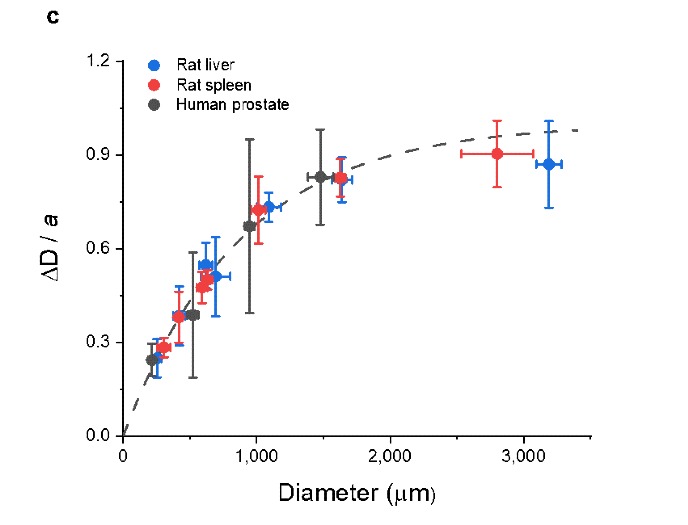
Prof. dr. Pieter Jan van der Zaag is a faculty member at the University of Groningen's Zernike Institute for Advanced Materials (ZIAM), leading the Molecular Biophysics group. His research focuses on bionanotechnology, optical imaging techniques for biological tissues, and cancer drug interaction studies. He holds academic positions in both the Faculty of Science and Engineering and the Faculty of Medical Sciences, bridging physics and medical research. Prof. van der Zaag's work includes developing advanced 3D optical imaging methods (e.g., Light Sheet and confocal microscopy) for cancer drug distribution analysis and tissue clearing techniques. His group collaborates with the UMCG and industry partners to translate optical methods into clinical applications like intraoperative imaging. He is active in academic governance, serving as Chairman of NWO's Physics for Technology and Instrumentation committee and co-chair of ESMI's Intra-Operative Imaging study group. His patent portfolio includes innovations in imaging devices, microfluidics, and diagnostic systems. Key research trends in his publications include material characterization for biomedical applications, optical imaging advancements, and single-cell analysis. His work addresses challenges in tissue transparency, drug delivery visualization, and real-time surgical guidance systems.
Amos H. C. Ng is a Professor at the School of Engineering Science, University of Skövde, specializing in simulation-based optimization and Industry 4.0 technologies. His research bridges production engineering with human-robot collaboration, ergonomics evaluation, and cloud-based cyber-physical systems for manufacturing efficiency. Key Affiliations: University of Skövde (School of Engineering Science), Uppsala University (Industrial Engineering and Management) Research Themes: Multi-objective optimization, Digital Twin frameworks, Human-centric production systems, Reconfigurable manufacturing, Throughput bottleneck analysis Projects: ACCURATE 4.0 (Knowledge Foundation), VF-KDO (Virtual Factories with Knowledge-Driven Optimization), EWASS (Wire Harness Assembly Optimization) His recent publications demonstrate expertise in applying evolutionary algorithms, machine learning models, and digital human modeling tools to solve complex manufacturing problems ranging from crankshaft machining to wood supply chain robustness. Current work integrates motion capture technology with DHM tools for objective ergonomic assessments in assembly stations. Amos collaborates extensively with industrial partners like Volvo Penta and academic institutions, utilizing simulation-based approaches to enhance decision-making in production systems. His methodological focus includes non-dominated sorting genetic algorithms, surrogate modeling, and parallel computing architectures for optimization tasks.
Jørgen Vildershøj Bjørnholt is an Associate Professor at the Department of Clinical Medicine, University of Oslo, and a senior physician at the Department of Microbiology, Oslo University Hospital, Rikshospitalet. With an MD from the University of Copenhagen (1991) and a PhD from the University of Oslo (2003), he specializes in Infectious Diseases and Medical Microbiology. Since 2017, he has held his academic position at UiO, and in 2022 became group leader of the "Fungal and bacterial infections research group" at the Department of Microbiology. His research interests focus on: Diagnostics, treatment and prevention of bacterial and fungal infections Antimicrobial resistance mechanisms and epidemiology Molecular epidemiological understanding of resistance development and spread Translation of basic microbiology and molecular biology (NGS) into clinical practice Rational use of antimicrobials and infection control Dr. Bjørnholt's recent work demonstrates a strong focus on antimicrobial resistance patterns, particularly in Enterococcus species, Klebsiella pneumoniae, and carbapenemase-producing Enterobacterales. His research spans One Health approaches, examining connections between human, animal, and environmental reservoirs of resistant bacteria. He has led or participated in several significant national studies including the Norwegian VRE study, epidemiology of Neisseria gonorrhoeae, and the ResCan study on preventing antibiotic-resistant infections in cancer patients. His scientific contributions include numerous publications in high-impact journals covering antimicrobial resistance, bacterial pathogenesis, and infection control. His work often involves interdisciplinary collaborations across healthcare institutions, research centers, and government agencies focused on public health surveillance and antimicrobial stewardship. Dr. Bjørnholt is actively involved in teaching, providing lectures and courses in microbiology and infection control for medical, dental, and nutrition students. He serves as course leader for "Antimicrobial agents" and teaches prevention of hospital infections for medical specialists. His major collaborations include: Internal collaboration at the Department of Microbiology and Department of Infection Control The Veterinary Institute The National Competence Service for the Detection of Antibiotic Resistance (K-res) Folkehelseinstituttet (Norwegian Institute of Public Health) Research groups at Østfold Hospital and Stavanger University Hospital
Anna Treydte is an Associate Professor in Nature and Environmental Management at the Department of Physical Geography, Stockholm University. She also holds Adjunct Professor positions at the University of Hohenheim (Ecology of Tropical Agricultural Systems) and the Nelson Mandela African Institution of Science and Technology (Dept of Life Sciences and Bioengineering). Her interdisciplinary research spans across multiple continents, addressing biodiversity conservation, human-wildlife coexistence, and sustainable rangeland management in diverse ecosystems including temperate climates (Germany, Sweden, Italy), desert environments (Mongolia, Saudi Arabia), savanna systems (eastern and southern Africa), mountain regions (Andes), and tropical forests (China, Vietnam, Thailand, Tanzania). Dr. Treydte's primary research focus lies in assessing how climate change and human activities alter structural, species and functional biodiversity of flora and fauna in natural and agro-ecological systems. She investigates plant-animal interactions, animal population management, human-wildlife coexistence, livestock impacts on rangelands, and shifts in nutrient cycling and carbon stocks across landscapes with varying human land use pressure. Her work uniquely integrates socio-ecological aspects, recognizing that sustainable human-wildlife coexistence requires local stakeholder participation in resource use decision-making. She employs diverse methodological approaches including field observations, laboratory experiments, GPS tracking, and socio-economic surveys to address complex conservation challenges. Her publication record demonstrates a strong focus on understanding human-environment interactions across diverse ecosystems. Recent work examines wildlife-livestock dynamics, invasive species management, land use change impacts on biodiversity, and socio-ecological approaches to conservation. A notable trend in her research is the integration of empirical field data with advanced modeling techniques to understand ecological processes across spatial and temporal scales. Her work frequently addresses the practical implications of ecological research for sustainable land management and conservation policy, with direct applications for pastoral communities and protected area management. Dr. Treydte actively supervises numerous graduate students at both the master's and doctoral levels, with current projects spanning topics from human-wildlife conflict to rangeland restoration technologies. She leads multiple research projects including 'Human-Wildlife Coexistence,' 'Rangeland Ecology,' and 'Invasive Plant Species Management,' funded by various sources including Stockholm University, FORMAS, and international collaborations. Her laboratory group, NG| Landskapsekologi (Landscape Ecology), conducts field work across multiple continents, with particular emphasis on eastern Africa. The group employs interdisciplinary approaches that combine ecological field studies, socio-economic surveys, and advanced spatial analysis to address pressing conservation challenges in human-dominated landscapes.
Professor Raymond Tak-Yan Ng is a distinguished faculty member in the Department of Computer Science at the University of British Columbia's Faculty of Science. His research spans data mining, bioinformatics, health informatics, and natural language processing. He serves as the Director of the Data Science Institute at UBC and holds the Canadian Research Chair on Data Science and Analytics. Additionally, he works part-time as the Chief Informatics Officer at the PROOF Centre of Excellence for the Prevention of organ failures based at St. Paul's Hospital. Professor Ng received his academic training at prestigious institutions: B.Sc. (Hons) in Computer Science from the University of British Columbia (1986) M.Math. in Computer Science from the University of Waterloo (1988) Ph.D. in Computer Science from the University of Maryland, College Park (1992) Professor Ng's research focuses on developing data mining tools that place the human user front and center in the discovery process. His work emphasizes constraint-based mining, unified models for analysis and mining, performance optimization, and new data mining capabilities like outlier detection. In bioinformatics, he applies data mining techniques to link clinical and genomic data, particularly for cancer analysis. His health informatics research develops biomarker panels for conditions related to organ failures in hearts, lungs, and kidneys. His natural language processing work focuses on creating metadata from unstructured conversations to facilitate access to raw data. Professor Ng has received numerous prestigious awards recognizing his contributions: Outstanding Paper Award Genome BC Award Academic Data Leader List Killam Research Prize Fellow of the Royal Society of Canada Bio-IT Best Practices Award CASCON Best Exhibit Award Best Paper Award from ACM SIGMOD Professor Ng has supervised numerous graduate students, with doctoral dissertations completed from 2009-2021 and master's theses from 2013-2022 covering diverse topics from RNA-binding proteins to financial knowledge graphs. His research has been supported by significant grants enabling work at the intersection of computer science, healthcare, and data science. His collaborative approach has led to partnerships with medical researchers, clinicians, and industry partners to translate computational methods into practical healthcare applications. Professor Ng leads the Data Systems and Mining Laboratory at UBC and is deeply involved with multiple research centers including the CAIDA (Centre for Artificial Intelligence Decision-making and Action), the Data Science Institute, the Blockchain at UBC initiative, and the Language Sciences Institute. He collaborates extensively with the PROOF Centre of Excellence and various health research institutes including the Centre for Heart Lung Innovation and the Providence Health Care Research Institute. His interdisciplinary work bridges computer science with clinical applications through partnerships with medical researchers and healthcare institutions.
Kenney Ng is a Researcher at IBM Research and the science program manager for the MIT-IBM Watson AI Lab . He focuses on applying data mining, machine learning, and AI techniques to real-world healthcare data, particularly in cardiovascular disease, diabetes, and genomic risk modeling. His career spans roles at IBM Software Group, iPhrase Technologies, and MIT-affiliated labs. Bachelor's, Master's, and PhD in Electrical Engineering and Computer Science from Massachusetts Institute of Technology Kenney Ng’s research interests include biomedical informatics , machine learning , and genomic data analysis . His work connects AI with clinical applications, such as predicting disease progression, analyzing cardiometabolic risks, and developing causal inference frameworks. His publications emphasize AI in healthcare (e.g., drug screening, diabetes prediction, cardiovascular risk modeling) and methodological advancements in machine learning (e.g., bias formulas, latent space exploration). Fellow of the American Medical Informatics Association Senior Member of IEEE Kenney Ng collaborates with institutions like the Broad Institute , Massachusetts General Hospital , and Cleveland Clinic . He co-authored over 100 publications and 25 patents, with leadership roles in IBM’s Center for Computational Health and the MIT-IBM Watson AI Lab .