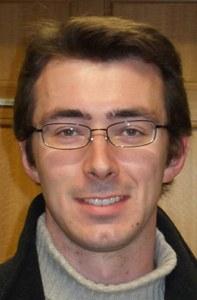
Dr. Matt Castle is a Researcher affiliated with the University of Cambridge , specializing in interdisciplinary approaches to food security and plant sciences. He serves as the Head of Bioinformatics Training and Head of PSLS Biostatistics Initiative within the Department of Plant Sciences . His work spans multiple domains, including plant disease modelling, infectious disease dynamics, and global governance of food systems. Research Themes: Modelling for Food Security, Plant Disease Modelling, Food Landscapes, Political Economy of Hunger His recent publications highlight expertise in ecological and agricultural modelling, with a focus on: Aflatoxin contamination in maize Urban forest pest dynamics Climate-driven range expansions Size-structured ecosystem resilience While his work intersects with food supply chains, land resources, and health, no specific scientific awards or student advisement details were listed in available public records.
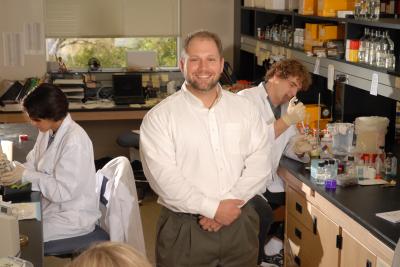
Kathie Therese Hodge is an Associate Professor at Cornell University's School of Integrative Plant Science, specializing in fungal systematics and plant/insect pathogens. She leads the Cornell Plant Pathology Herbarium (CUP), a globally significant biodiversity repository with 300,000+ specimens. Her research focuses on fungal biodiversity, mycotoxin production in food systems, and evolutionary relationships among fungi. She also serves as Associate Director of Teaching for the School. Education: Ph.D. (1998), M.S. (1993) from Cornell University; B.Sc. (1990) from University of Toronto. Teaching includes courses like 'Magical Mushrooms, Mischievous Molds' and field-based 'Mushrooms of Field and Forest,' reaching over 300 undergraduates annually. Research Interests: Fungal classification and evolution Pathogens impacting global food systems Biohybrid robotics using fungal networks Public outreach on mycology Notable Achievements: 2024 Donald C. Burgett Distinguished Advisor Award Recipient of NSF-funded herbarium digitization projects Pioneered Paecilomyces niveus research linking fungal spoilage to patulin contamination Outreach: Leads New York State 'Peck' mushroom foray, maintains the Cornell Mushroom Blog and @cornellfungi Instagram, and advises on mushroom poisoning emergencies.
Prof. Chiara Dall'Asta is a Full Professor of Food Chemistry at the University of Parma's Department of Food Science. Since 2023, she serves as the Rector's Delegate for Doctoral Programs and has coordinated the PhD Course in Food Science since 2019. She acts as the Chancellor’s liaison to the European Food Safety Authority (EFSA) and contributes to EFSA Working Groups, authoring multiple scientific opinions on mycotoxin risk assessment. Her research spans natural bioactive compounds, mycotoxins, metabolomics, and computational toxicology, with recent expansion into food fraud detection using non-targeted mass spectrometry. Key methodologies include HR-MS metabolomics, ion mobility MS, and computational models to study xenobiotic interactions. She has published over 200 peer-reviewed papers and edited the book Masked Mycotoxins . Recent publications (2022-2025) highlight trends in mycotoxin analysis, food safety risk assessment, plant-based product safety, and computational toxicology. Work frequently integrates advanced analytical technologies (e.g., GC-IMS, LC-HRMS) with chemometrics for food authenticity and contamination studies. Teaching responsibilities include courses in Food Characterization, Risk Assessment of Chemical Compounds, and Xenobiotics in Food across undergraduate and graduate programs in Gastronomic Science, Food Safety, and Pharmaceutical Chemistry.
Xiaonan Lu is a Professor at McGill University's Faculty of Agricultural and Environmental Sciences, holding the Department of Food Science and Agricultural Chemistry. They serve as a Canada Research Chair (Tier 1) in Food Safety, Ian & Jayne Munro Chair in Food Safety, and William Dawson Scholar. Their research spans multiple critical areas within food safety and analytical food science. Dr. Lu's research focuses on developing innovative detection technologies for food safety applications. Their work integrates food microbiology, analytical chemistry, and engineering to address challenges in pathogen detection, food authentication, and contaminant analysis. Key research areas include food safety engineering, food synthetic biology, cellular agriculture, and the development of smart materials for food applications. They employ advanced techniques such as Raman spectroscopy, CRISPR-based detection systems, microfluidics, and machine learning to create rapid, sensitive detection methods. Analysis of Dr. Lu's recent publications reveals a strong emphasis on practical food safety solutions with immediate industry applications. Their work spans multiple food safety challenges including pathogen detection (particularly Campylobacter), mycotoxin analysis, food authentication, and novel antimicrobial approaches. The research demonstrates a clear progression toward more sensitive, rapid, and field-deployable detection technologies, with increasing integration of machine learning and advanced materials science. Scientific awards: Canada Research Chair (Tier 1) in Food Safety William Dawson Scholar Ian & Jayne Munro Chair in Food Safety Dr. Lu leads a research group focused on food safety engineering and detection technologies. Their work has significant implications for food industry practices, regulatory frameworks, and consumer protection. Current research directions include the development of next-generation antimicrobial resistance surveillance systems, smart traceability solutions, and advanced detection platforms for foodborne hazards. Their laboratory utilizes cutting-edge instrumentation for molecular analysis, microfluidics development, and food microbiology studies.
Dr. Silvia Gratz serves as a Senior Research Fellow and Principal Investigator at the University of Aberdeen's School of Medicine, Medical Sciences and Nutrition, where she leads the Gut Health research group at the Rowett Institute. Her work bridges nutritional science and toxicology with significant implications for public health and food safety. Her academic foundation includes: MSc in Human Nutrition from the University of Vienna, Austria (2002) PhD in Food Toxicology from the University of Kuopio, Finland (2007) Dr. Gratz's research program investigates how gut microbiota processes dietary components and toxins, with particular expertise in mycotoxins (foodborne toxins from molds) and their impact on human health. She examines how microbial metabolism of these compounds affects intestinal toxicity and how dietary interventions like fiber supplementation can mitigate harmful effects. Her work on masked mycotoxins—bound forms that become active through gut bacterial action—has significantly advanced understanding of food contaminant risks. Analysis of her recent publications reveals a strong focus on gut microbiome interactions with dietary components, mycotoxin metabolism across different food matrices, and development of biomarkers for human exposure assessment. Her work consistently bridges basic microbiological mechanisms with practical applications for food safety and nutritional recommendations. Dr. Gratz actively contributes to scientific governance as a member of the FSA Committee on Toxicity of Chemicals in Food, Consumer Products and the Environment (since 2022) and serves on the editorial board of Frontiers in Predictive Toxicology. She demonstrates strong commitment to academic service through leadership roles including Co-lead of the Equality, Diversity and Inclusivity Team at the Rowett Institute and membership on the Athena Swan Self-Assessment Team. As an educator, she coordinates the MSc Clinical Nutrition course and lectures across multiple nutrition programs, while supervising PhD students in Nutrition and Health and Biomedical Sciences. Her substantial grant portfolio demonstrates research leadership across multiple funding sources including Scottish Government programs, research councils, and industry partnerships.
Prof. Irene Chetschik leads the Research Group for Food Chemistry at ZHAW School of Life Sciences and Facility Management. Her work focuses on food chemistry, particularly cocoa processing, mycotoxin mitigation, and flavor analysis. She has spearheaded projects like the 'Decoding of Flavour Properties of Cocoa Liquors' and 'Upcycling of Wheat Harvest Losses'. Key research areas include aroma compound identification in chocolate, detoxification strategies for mycotoxins (e.g., zearalenone), and innovative post-harvest treatments for cocoa beans. Her expertise spans food safety, plant-based product development, and microbial biotechnology. Notable contributions include studies on cocoa fermentation dynamics, moisture incubation alternatives, and hemp's potential in food systems. She has published widely in journals like Journal of Agricultural and Food Chemistry and Food Research International , with a focus on sensory-driven improvements and sustainable food technologies. Research Group Leadership: Head of Food Chemistry Research Group Project Leadership: 12+ projects including detoxification strategies, cocoa innovation, and hemp analysis Publications highlight molecular approaches to flavor profiling and mycotoxin reduction, emphasizing interdisciplinary methods like GC-MS and molecular networking. Her work bridges agricultural science with industrial applications, aiming to enhance food quality and safety globally.
Rachel Schendel is an Assistant Professor in the Department of Animal and Food Sciences at the University of Kentucky's Martin-Gatton College of Agriculture, Food and Environment. Her research program focuses on the structural analysis of plant cell wall carbohydrates and their relationship to fermentation behavior, with applications in food ingredient development and agricultural waste utilization. Dr. Schendel's research interests include: Structural analysis of plant cell wall carbohydrates Relationship between carbohydrate structure and fermentation/digestion behavior Development of novel sources of prebiotics as food ingredients Utilization of agricultural and food processing waste products Her recent publications demonstrate a growing focus on hempseed polysaccharides, bourbon production byproducts, and mare milk composition, reflecting an expanding research portfolio that bridges traditional food chemistry with emerging agricultural applications. Her work combines advanced analytical techniques including NMR, LC-MS, and HPAEC-PAD for comprehensive structural characterization. Dr. Schendel has received recognition through two American Association of Cereal Chemists International fellowships: Endowment Fund Fellowship recipient (2013-2014) Elvira A. Tarleton Fellowship recipient (2012-2013) She serves on the Bioactives Committee of the American Association of Cereal Chemists International and is a member of the Institute of Food Technologists. Her mentoring experience includes advising eight diploma students and five bachelor thesis students during her time at Karlsruhe Institute of Technology, in addition to teaching laboratory classes in GC-MS analysis.
Dr. Scott Napper is a Professor in the Department of Biochemistry, Microbiology & Immunology at the University of Saskatchewan, with a concurrent appointment as Senior Scientist at VIDO-Intervac. His work bridges structural biochemistry and immunology to address challenges in protein misfolding diseases, vaccine development, and host-pathogen signaling. Ph.D., Department of Biochemistry, 1999, University of Saskatchewan B.Sc. Honours, Department of Biochemistry, 1994, University of Saskatchewan Dr. Napper's research focuses on: Vaccine development for prion diseases and proteinopathies Kinome analysis for infectious disease mechanisms Peptide array technology for high-throughput signaling studies Science education outreach to secondary and undergraduate students Recent publications highlight his work in: Prion disease immunization strategies Host kinome responses to prebiotics Epitope immunogenicity prediction Comparative stress response analysis in livestock Scientific recognition includes: Three-time recipient of University of Saskatchewan Teaching Excellence Award His research program integrates computational approaches with experimental validation to identify therapeutic targets in: Infectious diseases of humans and animals Cancer signaling pathways Protein misfolding disorders Food contaminant toxicity
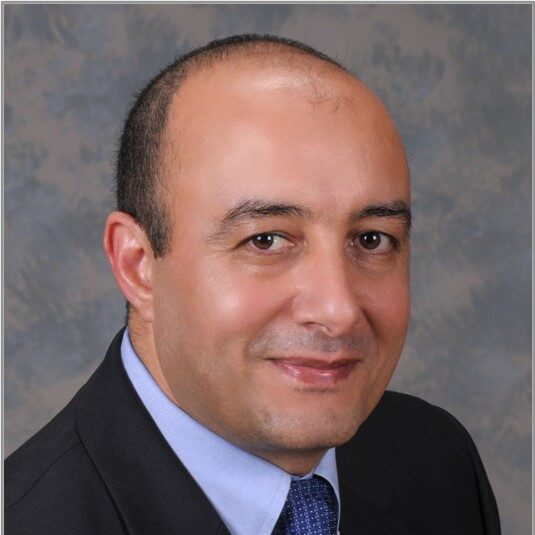
Achour Amiri is an Associate Professor in the Department of Plant Pathology at Washington State University, affiliated with the Wenatchee Tree Fruit Research and Extension Center (TFREC). His work bridges applied epidemiology and disease management for tree fruits in the Pacific Northwest. Education: Ph.D. in Plant Pathology, University of Pierre et Marie Curie (Paris, France) M.Sc. in Plant Pathology, Gembloux Agricultural University (Belgium) Engineering Degree in Agricultural Sciences, National Institute of Agronomy (Algeria) Amiri's research focuses on tree fruit diseases , particularly postharvest pathologies of pome fruits. He investigates: Applied epidemiology of orchard pathogens like Podosphaera leucotricha and Botrytis cinerea Development of integrated pest management (IPM) strategies Molecular tools for fungicide resistance detection Risk assessment modeling for disease outbreaks His publications reveal trends in fungicide resistance mechanisms and molecular diagnostic technologies for pathogens affecting apples, pears, and cherries. Key subfields include: Botrytis fruit rot dynamics Penicillium expansum resistance evolution Neofabraea species detection Chemical control optimization Postharvest disease surveillance Genomic resources for fungal pathogens Amiri actively engages in extension activities, collaborating with stakeholders in Washington's tree fruit industry through diagnostic services and research partnerships at TFREC's Overley Laboratory.
Stamen Radulović is an Associate Professor at the Department of Nutrition and Botany within the Faculty of Veterinary Medicine. His academic role focuses on advancing research in animal nutrition and feed science, with affiliations centered on veterinary biosciences and agricultural technology. His research examines critical areas in animal husbandry, including: Feed Technology : Optimization of nutrient digestibility, alternative protein sources (e.g., insect meal), and selenium/vitamin supplementation in poultry and swine. Food Safety : Mycotoxin contamination in feeds, heavy metal bioaccumulation in animal products, and risk mitigation strategies. Sustainable Practices : Use of phytobiotics, essential oils, and prebiotics as growth promoters and antibiotic replacements. Radulović's publications (2012–2022) reflect a consistent focus on enhancing animal health and product quality through nutritional interventions. Key trends include feed additive efficacy, contaminant detection in animal products, and biotechnology applications in feed formulation. His work frequently involves collaborative studies with colleagues across veterinary and environmental sciences.
Adam Okorski is a Full Professor at the University of Warmia and Mazury in Olsztyn, affiliated with the Department of Entomology, Phytopathology and Molecular Diagnostics within the Faculty of Agriculture and Forestry. He holds a D.Sc. (dr hab.) and is an active researcher in plant pathology and molecular diagnostics. University: University of Warmia and Mazury in Olsztyn Faculty: Faculty of Agriculture and Forestry Department: Department of Entomology, Phytopathology and Molecular Diagnostics Email: adam.okorski@uwm.edu.pl ORCID: 0000-0002-9545-4771 ResearchGate: Profile His research focuses on plant-pathogen interactions, particularly Fusarium species and their mycotoxins in cereal and legume crops. He investigates biological control methods using plant extracts, nanoparticles, and beneficial microbes. His work integrates molecular techniques like qPCR and genomic analysis with field and laboratory studies to improve plant health and food safety. The recent publications highlight a strong trend in developing rapid, non-destructive detection methods for fungal contamination using electronic noses and GC-MS, alongside exploring sustainable alternatives to chemical pesticides. His work also extends to biofertilizers, seed priming, and the impact of agricultural practices on crop health. Adam Okorski has supervised two doctoral students as a co-promoter and is accepting new PhD candidates. He has a robust publication record with over 100 articles, significant citations, and an h-index of 11 on Google Scholar. He is actively involved in research projects related to: Biological plant protection in nurseries Use of plant extracts and nanoparticles in disease control Molecular identification of fungal pathogens Impact of fertilization and agricultural practices on crop health Development of diagnostic tools for mycotoxin-producing fungi
Maninder Singh is an Associate Professor of Cropping Systems Agronomy at the Department of Plant, Soil and Microbial Sciences, Michigan State University (MSU), located within the College of Agriculture & Natural Resources. His research focuses on improving the productivity, profitability, and resiliency of Michigan's cropping systems through optimized variety selection and management strategies, particularly in corn, soybean, and wheat systems. His work integrates climatic patterns, modern farming practices, and economic conditions to address emerging challenges like mycotoxin contamination, soil health, and pest interactions. Education: Ph.D., University of Florida (Agronomy); M.S., Punjab Agricultural University (Agronomy); B.S. (Hons.), Guru Nanak Dev University (Agriculture). Research Interests: Cropping systems, precision agriculture, crop physiology, climate resilience, and sustainable farming practices. Key Focus Areas: Mycotoxin management in silage crops, soil biological health, and optimizing planting strategies for Michigan's climatic conditions. Dr. Singh's publications (2023–2025) highlight advancements in corn kernel moisture estimation, soybean nitrogen fixation, and biochar application impacts. He collaborates widely with institutions like the Kellogg Biological Station and engages in farmer-focused research to bridge practical agricultural challenges with scientific solutions. Teaching: CSS212 Advanced Crop Production (since 2017). Labs: Cropping Systems Agronomy Lab.
Ana Maria Lopez Beceiro is a contracted professor at the Faculty of Veterinary Medicine , University of Santiago de Compostela , specializing in the Department of Anatomy, Animal Production and Veterinary Clinical Sciences . Her research focuses on Animal Medicine and Surgery within the MIV Veterinary Internal Medicine and Experimental Surgery groups. She earned a PhD in 1997 for her thesis on pharmacological agents in inhalation anesthesia for common voles. Her work spans Veterinary Hematology Infectious Disease Diagnostics Ruminant Health Reproductive Pathophysiology Toxicology . Her recent publications analyze: Canine Leishmaniosis diagnostics Rifampicin efficacy in monocytic ehrlichiosis Hematologic impacts of zearalenone Diagnostic cytology techniques Postpartum metabolic disorders Reproductive activity stress in rams .
Noemi Vergopolan is an Assistant Professor in Earth, Environmental and Planetary Sciences at Rice University. Her research focuses on computational hydrology and the water-climate nexus, leveraging satellite remote sensing, machine learning, and high-performance computing to improve hydrological prediction and decision-making for water resource management. Education: B.S. in Environmental Engineering (Federal University of Paraná), M.A. and Ph.D. in Civil and Environmental Engineering (Princeton University). Research Interests: Computational hydrology, satellite remote sensing of soil moisture, Earth system modeling, and the water-energy-food nexus. Her work emphasizes scalable approaches for high-resolution hydrological prediction and bridging gaps between local and global monitoring systems. Awards: 2022 American Geophysical Union - Science for Solutions Award 2022 Paul F. Boulos Excellence in Computational Hydrology Award Her research includes developing frameworks like HydroBlocks and SMAP-HydroBlocks for field-scale hydrological modeling, advancing drought monitoring, and integrating machine learning with climate models. Current projects address flash drought dynamics, agroforestry systems, and hyper-resolution soil moisture applications in India and Malawi.
Prof. Shana Sturla is a Full Professor at the Department of Health Sciences and Technology (D-HEST) at ETH Zurich. Her research focuses on understanding human toxicity through the lens of chemical structure-reactivity relationships, with a particular emphasis on dietary chemicals and nucleic acid interactions. Her work bridges toxicology, biochemistry, and molecular biology, aiming to elucidate mechanisms linking chemical exposure to cancer initiation and treatment. Research interests include Mechanisms of mutagenesis via DNA-damaging agents Biomarkers for precision cancer therapy Safety assessment of nanomaterials Gut microbiota-mediated chemical toxicity Systems toxicology approaches for exposure modeling Recent studies highlight her lab's work on DNA repair pathways (e.g., MGMT protein function), microbiome-driven metabolism of dietary carcinogens, and PBK modeling to predict internal exposure. Her interdisciplinary approach combines synthetic chemistry, bioanalytical techniques, and computational modeling to address translational toxicology challenges. Key methodologies include Genome-wide DNA damage mapping In vitro-to-in vivo extrapolation High-content imaging for toxicity assessment Physiologically based kinetic modeling No scientific awards or grants are explicitly listed in the provided text, but her extensive publication record reflects significant contributions to toxicology and cancer biology.