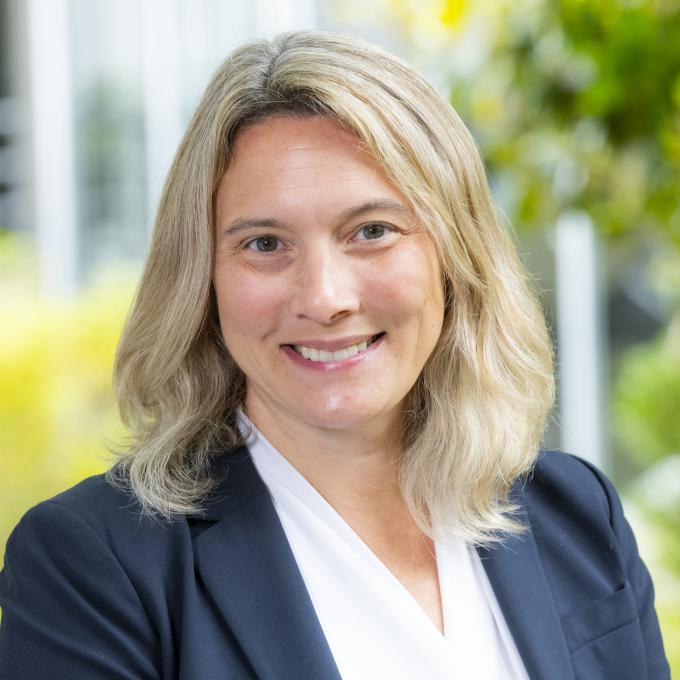
Bayan Alzumaili, MD, is a Lecturer in Pathology at Harvard Medical School and affiliated with Massachusetts General Hospital . Her clinical and research focus spans Thyroid Pathology Breast Pathology Endocrine Tumors Molecular Diagnostics Medullary Thyroid Carcinoma RAS Mutations in Thyroid Nodules Research highlights include contributions to Novel Genomic Drivers in Thyroid Cancer Validation of Thyroid Grading Systems Immunohistochemistry for Molecular Alterations HPV-Associated Head and Neck Cancer Detection Precision Diagnostics for Thyroid Neoplasms with publications in Genes (Basel) , J Clin Oncol , and Thyroid . Clinical interests include Adult & Pediatric patient care, with expertise in Breast Pathology Endocrine Pathology Genitourinary Pathology and practice locations in Boston, MA.
Aleksandar Rajkovic, MD, PhD, serves as Chief Genomics Officer at UCSF Health with a joint academic appointment as a Professor in the Departments of Pathology and Obstetrics, Gynecology and Reproductive Sciences at the University of California San Francisco. He holds the Stuart Lindsay Distinguished Professorship in Experimental Pathology and is affiliated with multiple UCSF campuses including Mission Bay, Parnassus Heights, and Mount Zion. BS in Chemistry from Johns Hopkins University (1985) MD/PhD in Medicine & Molecular Biology from Case Western Reserve University (1992) Residency & Fellowship in Obstetrics/Gynecology and Maternal-Fetal Medicine at Metrohealth Medical Center (1997) Medical Genetics Residency at Baylor College of Medicine (1999) Dr. Rajkovic's research focuses on reproductive genetics and reproductive tract development , particularly investigating genetic causes of human infertility and accelerated reproductive tract aging. His lab discovered critical transcriptional regulators like Nobox, Lhx8, Sohlh1/2, and Hormad1 through animal models and next-generation sequencing of reproductive pathologies. Current work includes genomic analysis of uterine leiomyomas using Med12 gene variant mouse models and DNA damage response gene studies (MCM8/9) in gonadal dysgenesis. His team applies cutting-edge technologies like single-cell sequencing to understand cellular heterogeneity in reproductive tissues and leverages global genomic databases (gnomAD) for equitable carrier screening frameworks. Scientific recognition includes: Election to Association of American Physicians (2017) Keynote Speaker, International Federation of Fertility Societies (2016) Stuart Lindsay Distinguished Professorship (2018) Multiple research awards from Metrohealth Medical Center and professional societies His 15 most recent publications (2022-2025) demonstrate expertise in reproductive genomics, covering topics from uterine fibroid pathogenesis and pregnancy loss genetics to pharmacogenomics implementation and diverse population carrier screening . These works employ advanced techniques like optical genome mapping, single-cell sequencing, and cross-institutional electronic health record analysis.
Soma Das is a Professor in the Department of Human Genetics at the University of Chicago. Her work focuses on the molecular diagnosis of human genetic diseases, with particular emphasis on translating basic research findings into clinical diagnostic applications. She has established herself as a leading expert in neurogenetics and molecular diagnostics, with a research program that spans both rare neurodevelopmental disorders and more common conditions like ataxia. Dr. Das received her B.Sc. in Health Sciences from the University of Ife, Nigeria (1985), followed by an M.Sc. in Medical Genetics from the University of Glasgow, UK (1987), and a Ph.D. in Molecular Biology from University College London, UK (1991). She completed her postdoctoral training in Clinical Molecular Genetics at the University of California San Francisco (1995). Her research interests center on neurodevelopmental disorders, with a focus on understanding the molecular basis of these conditions and establishing genotype-phenotype correlations. Dr. Das's laboratory works on a spectrum of disorders ranging from rare conditions like Rett and Angelman syndromes to more common disorders such as ataxia. Her team employs high-throughput sequencing techniques, particularly exome sequencing, to identify disease-causing variants. A long-term goal of her research is to evaluate the diagnostic and clinical utility of whole genome sequencing and transcriptome sequencing in molecular diagnostics. Dr. Das has maintained an active research program, with numerous publications in high-impact journals spanning hematology, neurology, and genetics. Her recent work has focused on germline variants in hematopoietic malignancies, spinocerebellar ataxia, and variant interpretation methodologies. She has served as Principal Investigator on NIH-funded research examining DNA methylation in endometrial cancer. Dr. Das has made significant contributions to the field of clinical genomics, particularly through her involvement with the American College of Medical Genetics and Genomics (ACMG) where she has helped establish standards for variant interpretation and clinical genomic testing. Her laboratory's work bridges basic science and clinical applications, with a strong emphasis on developing tools and implementing new technologies to improve the diagnosis of human genetic disease. Dr. Das continues to be an active researcher and educator in the field of human genetics.
Ashley Brown is an Assistant Professor at the University of Chicago in the Department of Medicine-Hospital Medicine . Her research focuses on optimizing patient care through studies on hospital length of stay, readmission rates, and diagnostic methodologies. Research Themes : Patient outcomes, diagnostic testing, medical education Key Publications : 2024 study on health confidence and hospital outcomes, 2017 work on BRAF mutation testing in thyroid lesions, and 2017 analysis of student volunteering's impact on residency choices Networks : Collaborates with Valerie Press and David Meltzer; associated with hospital medicine specialists in Chicago
Amy Sprowles is an Associate Professor in the Department of Biological Sciences at Humboldt State University, specializing in Cellular/Molecular Biology. She has taught and mentored students since 2006 and holds a Ph.D. in Biochemistry from Vanderbilt University, with postdoctoral work at UC Davis Cancer Center and the Animal Genomics Laboratory. Education: B.A. in Biology from Clark University (1995), Ph.D. in Biochemistry from Vanderbilt University (2003) Leadership: Co-Director of the Humboldt CIRM Bridges Program, Program Director for the HHMI Inclusive Excellence '17 Program, Co-Director of the Humboldt HSI STEM grant, Co-PI NSF INCLUDES Transcending Barriers Planning Grant, and CSU STEM NET Faculty Advisor Research Interests: Dr. Sprowles investigates signal transduction mechanisms regulating early embryonic development, particularly those linked to cancer when mutated. She is also a discipline-based educational researcher focused on improving learning outcomes for all students through inclusive, place-based pedagogy. Publications & Impact: Her work emphasizes place-based learning communities that bridge equity gaps in STEM education, reduce retention disparities, and connect students to regional ecosystems. Collaborative efforts with colleagues have demonstrated significant improvements in academic performance and belonging among racially minoritized students. Awards: CSU Faculty Innovation and Leadership Award (2020) Advising & Grants: Dr. Sprowles has mentored numerous graduate students and contributed to grants like the NSF INCLUDES Transcending Barriers Planning Grant, focusing on systemic equity in STEM education.
Agnese Zariņa serves as an Assistant Professor in the Department of Biology and Microbiology at Riga Stradins University's Faculty of Medicine in Latvia. She has been affiliated with RSU since 2006, initially working as a laboratory assistant before progressing through academic ranks to her current position. Dr. Zariņa also maintains a scientific collaboration with RSU's Scientific Laboratory of Molecular Genetics. Her primary research focuses on identifying genetic factors that influence the clinical course of monogenic liver diseases including Wilson disease, Gilbert syndrome, Hereditary haemochromatosis, and Alpha1-antitrypsin deficiency. She also conducts population genetics research using uniparental markers (mtDNA and Y chromosome) to study Latvian population structure. Her scholarly work demonstrates a strong emphasis on molecular diagnostics and genetic epidemiology of liver disorders in the Latvian population. Dr. Zariņa's publication record shows consistent research output with a concentration on Wilson disease genetics, particularly examining ATP7B gene mutations and their clinical implications. Her work bridges clinical medicine with molecular genetics, contributing to improved diagnostic protocols for genetic liver disorders. She has also explored connections between different genetic liver conditions and their interactions with viral hepatitis. Award (3rd place) at 4th Baltic Sea Region Conference in Medical Sciences, research 'High frequency of Wilson Disease and new mutations found in Latvia' (Warsaw) As an educator, Dr. Zariņa teaches Medical Genetics for the Faculty of Dentistry and Molecular Biology and Genetics for the Faculty of Medicine. She has supervised multiple study courses including Biology, Biology and Genetics, Biology and Medical Genetics, and Cytology and Genetics. Her professional memberships include the Latvian Association of Human Genetics (since 2016) and the Latvian Medical Association (since 2013).
Dr. Alissa Maria D'Gama, M.D., Ph.D. is an Assistant Professor of Pediatrics at Boston Children's Hospital, specializing in the Division of Newborn Medicine. Her research bridges genomic medicine and neonatal care, with particular expertise in epilepsy genetics and brain somatic mosaicism. She is actively involved in multiple research networks including the VIGOR Network, Gene-STEPS Study Group, and the International Precision Child Health Partnership (IPCHiP). Dr. D'Gama's research interests focus on the application of genomic medicine in neonatal intensive care settings, with particular emphasis on diagnostic approaches for critically ill infants. Her work explores the utility of rapid genomic sequencing, particularly in safety-net hospitals serving vulnerable populations. She investigates brain somatic mosaicism in epilepsy, examining how genetic variants in brain tissue contribute to seizure disorders. Her research also addresses neurodevelopmental disorders, congenital anomalies, and the implementation challenges of genomic medicine in resource-limited NICU settings. Analysis of Dr. D'Gama's recent publications reveals a strong focus on translating genomic discoveries into clinical practice. Her work spans from fundamental research on somatic mosaicism in brain tissue to implementation science studies examining how to deliver genomic medicine equitably across different healthcare settings. She frequently collaborates on international consortia studying rare pediatric diseases, with particular attention to improving diagnostic yield and clinical utility of genomic testing in neonatal and pediatric populations. Dr. D'Gama has been involved in significant research initiatives including the Gene-STEPS study evaluating rapid genome sequencing for infantile epilepsy, the VIGOR Network implementing genomic sequencing in safety-net NICUs, and the IPCHiP initiative accelerating discovery in rare pediatric diseases. Her work demonstrates a commitment to addressing healthcare disparities in genomic medicine and improving outcomes for critically ill infants through precision medicine approaches. Dr. D'Gama collaborates extensively with researchers across institutions, particularly with Annapurna Poduri, Christopher Walsh, and Monica Wojcik. Her laboratory work focuses on analyzing DNA from brain tissue to identify mosaic variants related to epilepsy, while her clinical research examines implementation strategies for genomic medicine in neonatal intensive care. She is actively involved in developing consensus guidelines for reporting ultra-rare genetic conditions and improving phenotypic characterization of neurodevelopmental disorders.
Dr. A. Wagner is a researcher at Erasmus MC specializing in hereditary gastrointestinal tumors. The research group focuses on diagnostics and clinical management of syndromes like Lynch syndrome and Peutz-Jeghers syndrome, collaborating with departments of Gastroenterology & Hepatology, Gynecology, and Pathology. Key Affiliations : Erasmus MC (Gastroenterology & Hepatology, Gynecology, Pathology), Leiden University Medical Center Collaborations : INVUSE consortium for MMR gene variant classification Research interests center on improving genetic diagnostics, cancer risk estimation, and surveillance strategies for hereditary colorectal cancer syndromes. The group pioneered the LIMO study, establishing routine Lynch syndrome testing in Dutch clinical guidelines. Recent publications highlight work on MMR mutation detection, cost-effectiveness of screening programs, and comparative imaging techniques for Peutz-Jeghers syndrome surveillance. Notable keywords include DNA repair, microsatellite instability, and population-based cancer prevention. The group is funded through national research grants and participates in guideline development for hereditary cancer management. For inquiries, contact the Erasmus MC office via their provided form.
Kristine S. Wong is an Assistant Professor of Pathology at Brigham and Women's Hospital . She specializes in thyroid pathology and head and neck cancer diagnostics. Member of Department of Pathology Focus on molecular diagnostics and HPV-related cancers Research Focus Kristine Wong's work centers on thyroid neoplasms and HPV-associated cancers , with particular attention to: Diagnostic challenges in Hürthle cell lesions Clinicopathologic outcomes in anaplastic and papillary thyroid carcinomas Molecular characterization of follicular-patterned tumors Advancements in thyroid cytology and fine-needle aspiration HPV biomarker development for oropharyngeal cancer Standardization of medullary thyroid carcinoma grading Publication Trends Her 15 most recent publications (2019-2025) demonstrate focus on thyroid pathology (12/15) and HPV-related head and neck cancers (5/15), using methodologies like: Molecular profiling (RNA in situ hybridization, genomic analysis) Clinical trial design (immunotherapy applications) Multi-institutional collaborations Diagnostic algorithm development Interobserver reproducibility studies Circulating tumor DNA analysis
Professor Nicola Ragge is the Baillie Gifford Professor of Developmental Eye Genetics at Oxford Brookes University and a Consultant Clinical Geneticist at Birmingham Women’s and Children’s NHS Foundation Trust. She leads a national specialist practice in eye genetics and investigates the genetic basis of eye and brain anomalies. Key research areas: developmental eye genetics, translational genetic therapies, and genotype-phenotype correlations Major contributions: identification of over 200 genetic conditions affecting eye development, design of customized eye gene arrays Leadership in national initiatives: Genomics England testing, Eye Genomics Centre (Oxford/West Midlands/Wessex) Research Trends: Her recent publications focus on neurodevelopmental disorders (e.g., ZFHX4, MED12), eye malformations (GJA8, ALDH1A3), and signaling pathways (Wnt, Retinoic Acid) with interdisciplinary methods combining genomics, molecular biology, and clinical observation. Scientific Awards: National Silver Clinical Excellence Award Senior Surgical Scientist Award (Academy of Medical Sciences/Health Foundation) Fellowships: Royal College of Physicians, Royal College of Paediatrics and Child Health Collaborations & Funding: Secured £3.5M+ from charities (VICTA, MACS), Baillie Gifford, and traditional funders. Leads the Vision for GoOD Research Fund and collaborates with international institutions including Children’s Hospital Los Angeles and Genomics England.
Philip Griffiths is a researcher at Newcastle University specializing in mitochondrial genetics and neurodegenerative eye disorders. His work focuses on the role of mitochondrial DNA mutations in conditions such as Leber hereditary optic neuropathy (LHON), chronic progressive external ophthalmoplegia (CPEO), and dominant optic atrophy linked to OPA1 mutations. Griffiths' research explores disease mechanisms, treatment strategies (e.g., idebenone, steroids), and clinical outcomes in mitochondrial optic neuropathies. He investigates genetic modifiers, neurodegenerative pathways, and multisystemic implications of mitochondrial defects. His publications often involve collaborations with experts like Professor Patrick Chinnery and Professor Gavin Hudson . Recent articles highlight his contributions to understanding mitochondrial dysfunction in optic nerve degeneration, intraocular pressure as a risk factor, and the natural history of OPA1-related disorders. His work bridges genetic analysis with clinical neuro-ophthalmology, emphasizing diagnostic precision and therapeutic innovation.
Hugh Watkins is a Radcliffe Professor of Medicine at the University of Oxford , specializing in Cardiovascular Medicine . His research focuses on the molecular genetics of inherited heart diseases, particularly hypertrophic cardiomyopathy (HCM), and coronary artery disease. He leads the Watkins Group within the Inherited Heart Disease Service and serves as Principal Investigator of the CureHeart project. Education: Not explicitly mentioned Key Collaborators: Dr. Charles Redwood, Dr. Houman Ashrafian Research Interests: Watkins investigates genetic mechanisms in cardiovascular diseases, including: Energy compromise in HCM and therapeutic interventions Role of Lp(a) lipoprotein in coronary disease Genome-wide association studies (GWAS) for disease susceptibility Proteomic profiling of HCM phenotypes AI applications in cardiac diagnostics Functional genomics for novel therapeutic targets Article Trends: Recent publications emphasize: Genetic loci in HCM and coronary disease Proteomic biomarkers for risk stratification Novel therapies like cardiac myosin inhibitors Population-level genomic analysis Computational modeling of arrhythmias Scientific Awards: Fellow of the Royal Society (FRS) Fellow of the Academy of Medical Sciences (FMedSci) Leadership: He chairs the international C4D Consortium for coronary artery disease research and pioneered the NHS national DNA diagnostic service for sudden cardiac death syndromes. His work bridges basic science (molecular genetics, model organisms) and clinical translation. Labs/Teams: Leads the Watkins Group at Oxford, collaborating closely with Dr. Charles Redwood and Dr. Houman Ashrafian. Involved in the HCM Registry and CureHeart initiatives.
Matthew T. Murrell, M.D., Ph.D., serves as Assistant Professor of Anesthesiology at Weill Cornell Medical College and Assistant Attending Anesthesiologist at New York Presbyterian Hospital. He specializes in thoracic and regional anesthesiology, focusing on complex procedures like esophagectomy, lobectomy, and airway reconstruction. Weill Cornell Medical College (Cornell University) New York Presbyterian Hospital Education: M.D., Ph.D., Mount Sinai School of Medicine (2006) B.A., Williams College (1995) His research spans two domains: (1) Neuromuscular pharmacology through clinical trials on novel blocking agents like CW002, and (2) Virology with foundational work on paramyxovirus hemagglutinin-neuraminidase protein interactions. Publications highlight his contributions to thoracic anesthesia protocols and interventional pulmonology trends . Scientific Awards: Sadel Wortis Klein Award for Clinical Excellence Research Focus: Development of cysteine-degradable neuromuscular blocking agents; optimizing protective ventilation strategies in thoracic surgery; viral protein dynamics in paramyxovirus infections.
Jeff Jones is a Senior Proteomics Bioinformatician at the Roukes Group within the Division of Physics, Mathematics and Astronomy at California Institute of Technology (Pasadena, CA). He holds a Ph.D. in Analytical Chemistry (2005, University of Arkansas) and dual BS degrees in Biochemistry and Microbiology (2001, Cal Poly). Expert in proteomics, mass spectrometry, and data science Developed algorithms for single-cell proteomics and spatial proteomics Created open-source tools: tidyproteomics , msfastar Recipient of patents for tandem identification engines and sample workflow systems Research interests span ultra-sensitive mass spectrometry , machine learning , and infectious disease proteomics . Current projects include NEMS for drug-target interactions , spatial proteomics of tuberculosis , and single-cell proteome analysis . His scientific contributions include: Over 20 years of experience in proteomics and bioinformatics Commercial development of colorectal cancer biomarker tests Collaborations with Prof. Steyn (AHRI)
Elizabeth M. Berry-Kravis, MD, PhD is a Professor at Rush Medical College , affiliated with the Department of Pediatrics at Rush University. Her research focuses on molecular genetics, particularly in fragile X syndrome, FXTAS, and PHOX2B-related disorders such as congenital central hypoventilation syndrome (CCHS) and sudden infant death syndrome (SIDS). Institution: Rush University Medical Center Lab Location: Jelke Building, Room 1565, 1750 W. Harrison St., Chicago, IL 60612 Research Interests: Dr. Berry-Kravis investigates molecular-phenotype relationships in genetic disorders, including: FMR1 DNA testing and methylation studies Role of FMRP, FMR1 mRNA, and AGG interruptions in fragile X disorders PHOX2B mutations in CCHS and SIDS Biomarkers for cellular function in FMR1 expansions Publications Overview: Her work spans molecular genetics, neurodevelopmental disorders, and respiratory medicine, with a focus on fragile X-associated disorders, neurogenetics, and genetic testing methodologies. She employs techniques like transgenic models and epigenetic analysis to study disease mechanisms. Key Collaborations: Lili Zhou, MD (co-author in multiple studies) Labs: Leads the Laboratory of Elizabeth Berry-Kravis at Rush University Medical Center