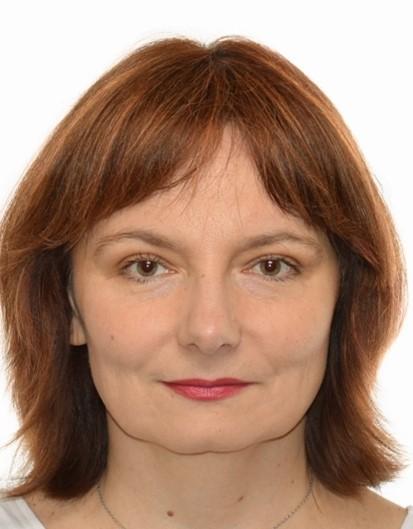
Dr. Eng. Joanna Strug is a lecturer at the Department of Automation and Computer Science within the Faculty of Electrical and Computer Engineering at Cracow University of Technology. Her research focuses on software testing methodologies, machine learning applications in test automation, and database technologies. Specialization in mutation testing and fault injection Expertise in UML/OC validation and business process testing Active researcher in relational and non-relational database modeling Recent research trends indicate a focus on database technology performance analysis, including: Comparative benchmarking of relational vs. NoSQL databases Cost optimization in mutation testing using machine learning Structural similarity applications for test classification Validation frameworks for service-oriented architectures Model-based testing of business processes Bytecode-level mutant classification Her work appears in prominent venues including: Information Systems Architecture and Technology Artificial Intelligence and Soft Computing Journal of Engineering International Conference on Software Engineering (ENASE)
Marta Barzał-Nowosielska is an Adjunct Professor at the Department of Restorative Dentistry within the Faculty of Medicine with the Division of Dentistry and Division of Medical Education at the Medical University of Bialystok. Her research focuses on the intersection of virology, oncology, and dentistry, particularly examining human papillomavirus (HPV) in relation to oral pathology and cancer development. Specializes in HPV infection mechanisms and their role in oral neoplasms Expertise in molecular diagnostics and immunohistochemical analysis Active in interdisciplinary medical education initiatives With 8 documented publications and a Scopus h-index of 2, her work emphasizes tumor suppressor pathways, genetic susceptibility, and environmental risk factors in oral oncology. Her research utilizes polymerase chain reaction techniques and explores metabolic reprogramming in HPV-associated tumors. Current research trends include: HPV genotyping and viral integration analysis Development of diagnostic protocols for oral lesions Regional epidemiological studies in Polish populations Academic productivity metrics (SNIP: 2.674)
Rita Abi-Raad, MD, is an Associate Professor of Pathology at Yale School of Medicine, specializing in cytopathology. She is affiliated with the Department of Pathology and contributes to programs in Gynecological Pathology and the Pancreatic Diseases Program. Her clinical expertise includes diagnosing thyroid, head and neck, and gynecologic cancers through cytological evaluation. Associate Professor of Pathology, Yale School of Medicine Board Certified in Anatomic & Clinical Pathology and Cytopathology Associate Residency Program Director, Pathology Active member of the Papanicolaou Society of Cytopathology Education: MD, Université Saint Joseph, Lebanon (1994) Residency, Anatomic and Clinical Pathology, Yale-New Haven Hospital (2015) Fellowship, Cytopathology, Yale-New Haven Hospital (2016) Dr. Abi-Raad's research focuses on improving diagnostic accuracy in cytopathology, particularly in thyroid, pancreatic, and gynecologic specimens. Her work explores the utility of biomarkers such as NKX3.1 and Ki-67, and molecular markers like KRAS mutations, in fine-needle aspirations and cytology specimens. She emphasizes methodical diagnostic approaches to guide clinical management in complex cases. Her recent publications reflect a strong trend in diagnostic pathology, with emphasis on immunohistochemical markers, molecular testing, and cytological evaluation of neoplasms. Key areas include thyroid FNA interpretation, grading of pancreatic neuroendocrine tumors, and distinguishing benign from malignant gynecologic lesions using molecular tools. Scientific Collaborators: Pei Hui, PhD, MD Natalia Buza, MD Guoping Cai, MD, MS Andrea Barbieri, MD Catherine Anne Dinauer, MD Dr. Abi-Raad plays a key role in pathology education as Associate Residency Program Director, mentoring future pathologists. She is actively involved in clinical research and has contributed to multiple peer-reviewed studies, though specific grants or advising of graduate students are not detailed in the available information. She is also engaged in professional development through the Papanicolaou Society of Cytopathology. Laboratory and Research Affiliations: Yale Pathology Department Pancreatic Diseases Program Gynecological Pathology Training in Pathology & Laboratory Medicine
Anna Sułek is a lecturer at the Faculty of Medicine of Lazarski University since 2017, focusing on the molecular basis of neurodegenerative diseases. She is affiliated with the Laboratory of the Molecular Basis of Neurodegenerative Diseases, where she conducts research on genetic disorders such as spinocerebellar ataxias (SCAs), Huntington's disease, and amyotrophic lateral sclerosis (ALS). University of Warsaw (Biology, 1994) Warsaw School of Economics (1998) Polish Academy of Sciences (PhD, 2003) Her research spans molecular biology, medical genetics, and clinical neuroscience, emphasizing diagnostic and therapeutic approaches for neuromuscular and neurodegenerative conditions. Key projects include studies on dynamic mutations, miRNA biomarkers, and genetic rehabilitation systems. Anna Sułek has contributed to over 50 publications, with a focus on spinocerebellar ataxias, hereditary spastic paraplegia, and mitochondrial disorders. Her work often involves longitudinal cohort analyses and genetic epidemiology. Zespołowa nagroda drugiego stopnia Dyrektora Wojskowego Instytutu Medycznego w Warszawie (2011) Nagroda III stopnia Polskiego Towarzystwa Genetycznego (1998) She has led research grants from the National Science Centre (NCN) and the National Centre for Research and Development (NCBiR), including projects on miRNA biomarkers, molecular rehabilitation systems, and genetic regulatory mechanisms.
Cezary Cybulski is a Professor at the Department of Genetics and Pathomorphology , part of the Faculty of Pharmacy, Medical Biotechnology and Laboratory Medicine at Pomeranian Medical University in Szczecin . His research focuses on cancer genetics, inherited cancer risk factors, and biomarker discovery , with a particular emphasis on BRCA1/2 mutations, genetic modifiers of cancer penetrance, and trace element metabolism in oncology. He holds academic milestones including: Professor (2012) Assistant (2008) Doctorate (2001) Research interests span: Cancer predisposition in hereditary syndromes Genetic epidemiology of breast, ovarian, and prostate cancers Role of metals (selenium, zinc, copper) in cancer risk Molecular mechanisms of tumor progression Publications (489+), patents (9), and projects (2) reflect expertise in translational oncology. He has supervised 7 promoted theses and contributed to 12 scientific achievements. Notable collaborations include the Ovarian Cancer Association Consortium and ESMO Precision Oncology Working Group. Labs/Teams: Active in Genetics and Pathomorphology research groups at Pomeranian Medical University.
Janusz Limon is a former Professor in the Faculty of Medicine at the Medical University of Gdańsk, with a distinguished career in medical genetics and oncology. His research focuses on genetic disorders, cancer genomics, and molecular pathology, with notable contributions to understanding Huntington’s disease, melanoma genetics, and familial hypercholesterolemia. He has authored over 478 publications and supervised 15 promoted theses. His work includes pioneering studies on mitochondrial DNA in neurodegenerative diseases and the application of genomic technologies in prenatal diagnostics. Limon has also contributed to clinical guidelines for managing lipid disorders in pediatric populations. Research Interests: Oncology, Medical Genetics, Molecular Pathology, Genetic Biomarkers, Prenatal Diagnosis, Neurodegenerative Diseases His publications span advancements in cytogenetic analysis, epigenetic mechanisms, and targeted therapies for cancers. He has collaborated on international projects like the EGFR mutation diagnostic program in non-small cell lung cancer. Limon’s legacy includes advocating for forgotten scientific contributors like Wacław Mayzel and Albert de la Chapelle. Over 478 publications and 15 promoted theses reflect his prolific academic output. Notable projects include the Polish experience in prenatal genomic hybridization, analysis of BRCA mutations in ovarian cancer, and studies on lipid metabolism in familial hypercholesterolemia.
Krzysztof Rębała is an Assistant Professor in the Department of Forensic Medicine at the Medical University of Gdańsk since 2014. He holds a PhD (2006) and habilitation. His research focuses on forensic genetics, population genetics, and disease-associated genetic markers, particularly in psoriasis, sarcoidosis, and Y-chromosome studies. With 144 publications, his work spans genetic epidemiology, molecular diagnostics, and bioinformatics. He contributed to the development of the UYSD Y-SNP database and pioneered non-invasive prenatal zygosity testing using plasma DNA. His achievements include 2 scientific awards and collaborations via Scopus/ORCID profiles. Research interests also include immunogenetics, neuropsychiatric genetics, and wildlife forensic biology. Education: PhD in Genetics (2006), Habilitation (date unspecified) Labs/Teams: Forensic Genetics Lab, Molecular Medicine Group Key research areas include: Forensic STR profiling for human and wildlife identification Population genetic studies of Slavic and European populations Genetic risk factors for psoriasis, sarcoidosis, and other inflammatory diseases Y-chromosome haplogroup analysis for ancestry and forensic applications Recent publications emphasize clinically relevant genetic markers and molecular mechanisms in diseases like psoriasis and sarcoidosis. His work bridges basic research and clinical applications, including diagnostic assays and population databases.
Beata Stefania Lipska-Ziętkiewicz is a Professor in the Department of Biology and Medical Genetics at the Medical University of Gdańsk. She holds a doctoral degree (Dr. Habil.) and has been active in academic roles since 2008, advancing to her current professorship in 2015. Her research focuses on medical genetics, pediatric genetics, molecular genetics, and kidney-related genetic disorders. She has published over 149 peer-reviewed articles and supervised 3 promoted theses. She is an active member of the PRA 1 Team IX, dedicated to cancer prevention and early detection. Education: Doctorate (2008), Habilitation (year unspecified). Her research interests include the genetic basis of human syndromes, mutation analysis, and clinical genetics. She has contributed to studies on nephrotic syndrome, genetic testing methodologies, and pediatric genetic abnormalities. Her work integrates molecular and clinical approaches to address genetic disorders in children and adults. She has been involved in 2 research projects and 2 academic activities, reflecting her commitment to advancing medical genetics. Her achievements include 2 notable accomplishments (specific details unspecified). Labs/Teams: Member of the PRA 1: Research Team IX (Cancer Prevention and Early Detection).
Dr. Mariusz Grinholc serves as an Associate Professor at the Institute of Biotechnology within the Intercollegiate Faculty of Biotechnology of University of Gdańsk and Medical University of Gdańsk. He concurrently holds the position of Deputy Dean for Research and leads the Laboratory of Photobiology and Molecular Diagnostics. His academic career focuses on developing light-based antimicrobial strategies to combat the global crisis of antibiotic resistance, with particular emphasis on translational applications in healthcare and food safety sectors. Grinholc's research program centers on Antimicrobial Photodynamic Inactivation (aPDI) and Antimicrobial Blue Light (aBL) therapies. His team investigates molecular mechanisms of bacterial response to phototreatments, resistance development pathways, and nanotechnology-enhanced delivery systems. Key areas include genomic analysis of stress responses, optimization of gallium porphyrin photosensitizers, and development of hybrid nanofibers for wound healing. His interdisciplinary approach bridges photobiology, molecular diagnostics, and nanotechnology to address ESKAPE pathogen infections and biofilm-related challenges. Analysis of Grinholc's recent publications reveals three dominant trends: (1) genomic characterization of bacterial tolerance mechanisms to aBL through genome-wide screens and mutant analyses; (2) refinement of the "Trojan horse" strategy using cationic heme-mimetics to disrupt iron metabolism in resistant pathogens; and (3) development of multifunctional nanomaterials combining natural compounds (chamomile oil, gallic acid) with metallic nanoparticles for synergistic antimicrobial effects. His work increasingly incorporates in vivo validation using murine models for skin colonization and vaginal infection scenarios. As head of the Laboratory of Photobiology and Molecular Diagnostics, Grinholc oversees research on phototherapeutic applications spanning food safety decontamination, chronic wound management, and prevention of vertical pathogen transmission. The lab maintains active collaborations with medical institutions for translational studies on Group B Streptococcus and Staphylococcus aureus infections, with emphasis on virulence factor suppression rather than mere bacterial killing.
Janusz Milanowski is a Professor and Chair of the Department of Pneumology, Oncology, and Allergology at the Faculty of Medicine, Medical University of Lublin. He is a leading figure in clinical and translational research focused on lung diseases and oncology, with over 650 publications and extensive contributions to the understanding of non-small cell lung cancer (NSCLC). PhD, MD, DSc - Medical University of Lublin Doctoral Degree Awarded: 1985 His research interests span pneumology, oncology, allergology, and immunology , with a strong emphasis on lung cancer diagnosis, genetic factors, chemotherapy, and patient-specific variables such as age, gender, and smoking history. His work integrates clinical data, molecular biology, and epidemiological analysis to improve patient outcomes. The analysis of his recent publications reveals consistent focus on non-small cell lung cancer (NSCLC) , particularly in elderly patients, with attention to genetic markers, receptor expression, immunological responses, and treatment efficacy . His research often involves multi-center collaborations and patient cohort studies. Over 650 publications 19 promoted doctoral theses 3 patents in medical research 4 contributions to research infrastructure He has actively promoted doctoral students and contributed to national and international research infrastructure. While specific grant details are not listed, his volume of output and patents suggest sustained funding and institutional support. He has not listed specific awards, but his H-index and publication record indicate high academic impact. He leads a research group focused on lung cancer and respiratory diseases, likely involving clinical teams, laboratory researchers, and data analysts, though specific lab names are not mentioned.
Magdalena Wójcik-Superczyńska is an Assistant Professor at the Chair and Department of Pneumology, Oncology and Allergology within the Faculty of Medicine at the Medical University of Lublin, Poland. Her academic and clinical work focuses on lung cancer, immunology, and molecular diagnostics, particularly in non-small cell lung carcinoma. She is actively engaged in research involving biomarkers, genetic mutations, and treatment response. Research Interests: Her research spans lung immunology, respiratory oncology, and molecular mechanisms of drug resistance. She investigates the role of interleukin-10, protein tyrosine kinases, and genetic mutations such as EGFR, KRAS, and TP53 in lung cancer progression and prognosis. Her work often employs liquid biopsy and circulating tumor DNA analysis for non-invasive monitoring. Publication Trends: Her recent publications (2016–2023) show a consistent focus on prognostic and predictive biomarkers in lung cancer, with increasing emphasis on immunotherapy, immune microenvironment, and precision oncology. The studies are often multi-center and involve survival analysis, molecular profiling, and clinical correlations. Scientific Achievements: ORCID: 0000-0001-9153-9850 Scopus, Europe PMC, and Crossref profiles active 57 documented publications One formal achievement recognized by the institution Advising and Grants: While specific students and grant names are not listed, her role as an Assistant Professor and active researcher suggests involvement in mentoring graduate students and participation in research projects. Her multi-center publications indicate collaboration across institutions and potential grant funding. Laboratories and Research Teams: She is affiliated with the Chair and Department of Pneumology, Oncology and Allergology, which likely supports a research team focused on respiratory diseases and thoracic oncology. Her work appears integrated into broader clinical and translational research networks in Poland.
Zhang R is a Professor at Texas A&M University's College of Engineering, specializing in interdisciplinary research across environmental engineering, renewable energy systems, and biomedical nanotechnology. Recent work includes: Developing thermal energy storage solutions with moisture effect modeling and regeneration strategies Advancing UAV-based agricultural monitoring through OSNet instance segmentation networks Innovating hydrogel sensors for biomedical applications using MXene-cellulose composites Key contributions span: Marine stress genomics - Investigating shrimp hepatopancreas responses to alkalinity stress Cancer nanomedicine - Designing biomimetic nanoparticles for leukemia treatment Immunological mechanisms - Discovering USP30 inhibition in T cell longevity Collaborative research extends to neurogenetic studies of stuttering disorders and electrochemical seawater oxidation catalysts. Current projects integrate machine learning with energy systems and advance biomedical diagnostics through nanomaterial innovations.