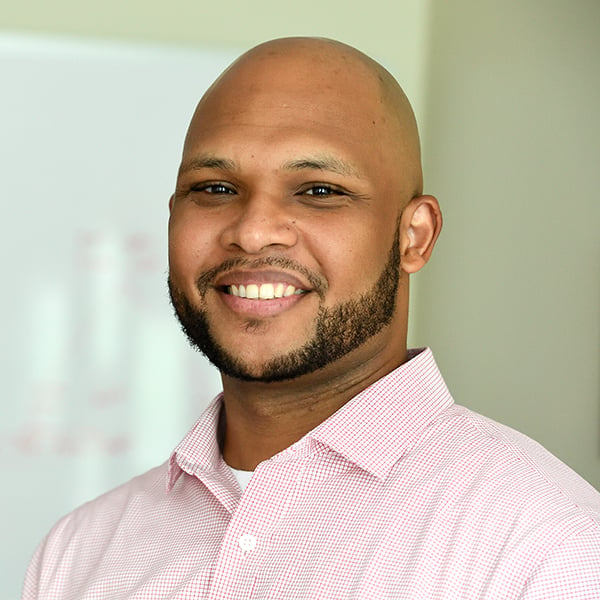
Professor Richard Wade-Martins is a leading academic in University of Oxford 's Department of Physiology, Anatomy and Genetics . He directs the Molecular Neurodegeneration Research Laboratory and the Oxford Parkinson’s Disease Centre (OPDC). With degrees from Cambridge (MA) and Oxford (DPhil), he has held prestigious fellowships including Wellcome Trust Research Career Development Fellowship and NIH reviewer roles. His research targets molecular mechanisms in Parkinson’s and Alzheimer’s diseases through iPSC models , transgenic mice , and lysosomal function studies . He pioneered work on SNCA , MAPT , and LRRK2 gene pathways. Current projects focus on gene therapy and mitochondrial dysfunction in neurodegeneration. Key publications (2019–2025) reveal trends in single-cell transcriptomics , calcium channel inhibition , and TFEB/TFE3 lysosome modulation . His awards include Wellcome Trust Fellowships and advisory roles for Parkinson's UK , Alzheimer's Research UK , and EU consortia like StemBANCC and EFACTS . He leads the UK Dementia Platform iPSC Initiative and serves on international boards in Luxembourg and Canada.
Colin Cooper is a Professor of Cancer Genetics at the Norwich Medical School, University of East Anglia. He is also a member of the Metabolic Health and Cancer Studies research groups. His work focuses on genomic evolution, tumor microbiome dynamics, and biomarker development for prostate cancer and musculoskeletal health. Cooper’s recent research explores the interplay between cancer genetics and microbial communities, emphasizing their role in prognosis and treatment outcomes. He investigates clonal evolution in tumors, mutational signatures, and non-invasive diagnostic tools like urinary extracellular vesicles. His collaborations span genomics, microbiology, and clinical applications. 2025: Causes of evolutionary divergence in prostate cancer (Genomics, Precision Medicine) 2024: Applications of urinary extracellular vesicles... (Biomarker Development, Liquid Biopsy) 2023: Caution regarding pan-cancer microbial structure (Methodological Considerations, Microbiome Analysis) In 2022, Cooper received the European Urology Oncology SoMe Award for his contributions. His work is frequently cited and has been featured in media outlets globally, highlighting his impact on cancer and aging research.
Maria Chikina is an Assistant Professor at the University of Pittsburgh School of Medicine's Department of Computational and Systems Biology. She holds a PhD in Molecular Biology from Princeton University. Her research focuses on developing computational methods to analyze large-scale genomic datasets, bridging statistical rigor with biological insights to overcome experimental biases. Key research areas include latent variable modeling (e.g., PLIER, CellCODE), interpretable neural networks for sequence-to-function modeling, evolutionary rate analysis (RERconverge), and applications in tumor immunology, exercise genomics, and infectious disease (e.g., SARS-CoV-2). Her lab has developed tools like InstaPrism, NIFA, and L0 segmentation for data-driven biological discovery. Her work spans collaborations with institutions like UPMC (on tumor microenvironment) and the Molecular Transducers of Physical Activity Consortium (MoTraPAC). Notable projects include analyzing convergent evolution in marine mammals and subterranean species, and developing epigenetic biomarkers for disease states through the ECHO program. Lab members include PhD students (Rezwan Hosseini, Tugrul Balci) and postdocs (Tina Subic, Anish Sevekari). Past students Wynn Meyer now leads a group at Lehigh University. Her group emphasizes open-source tools (GitHub repository ChikinaLab) and interdisciplinary approaches to systems biology challenges.
Kjetil Taskén is a full Professor at the Institute for Clinical Medicine, Faculty of Medicine, University of Oslo , and serves as the Director of the Institute for Cancer Research, Oslo University Hospital . He leads the OUS Center for Precision Medicine in Cancer (SEPREK) since 2021 and has held multiple leadership roles in molecular medicine initiatives, including Director of the Norwegian Centre for Molecular Medicine (NCMM) and co-founder of Bioteknologisenteret. Current affiliations: University of Oslo | Oslo University Hospital Education: Dr.med. (Molecular Cell Biology) | Cand.med. | Research Leadership Course Research interests include immunoregulation in cancer , precision oncology , cellular signal transduction in disease , and drug development targeting immune checkpoints . His work bridges translational immunology and molecular oncology , with a focus on regulatory T cell modulation for cancer therapy. Scientific contributions span high-impact publications on regulatory T cell inhibition , precision medicine implementation , and signal pathway drug targeting . Recent articles highlight collaborations across Europe (PCM4EU, PRIME-ROSE) and Norway (IMPRESS-Norway), with methodological advances in tumor microenvironment modeling and mutation timing analysis . Awards : King Olav V Cancer Research Prize | Anders Jahre Medical Prize | Faculty Medal (UiO) | Norwegian Academy of Science and Letters Leadership : Director of NCMM | Founder of Bioteknologisenteret | Head of multiple national cancer research initiatives Labs and teams include the Cancer Immunology Section at Oslo University Hospital and affiliations with the K. G. Jebsen Center for B-Cell Malignancies , where he co-leads research groups.
Ash A. Alizadeh is the Moghadam Family Professor of Medicine, Oncology, and Hematology (by courtesy) at Stanford University, where he serves as leader of the Cancer Genomics Program at Stanford Cancer Institute. He holds multiple academic appointments including Professor in Medicine - Oncology, and membership in Bio-X, the Institute for Stem Cell Biology and Regenerative Medicine, and the Maternal & Child Health Research Institute (MCHRI). Dr. Alizadeh received his BS in Biochemistry from UCLA (1994), MD from Stanford Medical School, and PhD in Biophysics from Stanford. He completed additional training at the National Cancer Institute (NCI), the National Institutes of Health (NIH), and the Howard Hughes Medical Institute (HHMI). His primary research focuses on developing and applying genome technologies and computing (machine learning & data science) to problems in human disease, with special emphasis on cancer detection, classification, monitoring, and tumor immunology. His laboratory pioneers noninvasive cancer genomic techniques including CAPP-Seq, PhasED-Seq, and EPIC-Seq for "liquid biopsies" that analyze circulating nucleic acids for early cancer detection and monitoring therapeutic response. Using machine learning approaches, his group studies how cellular compositional variation impacts cancer behavior and therapeutic response, including anti-tumor immunity. His work spans molecular, cellular, organism and population levels of tumor behavior analysis. Dr. Alizadeh has received numerous prestigious awards including the Scholar Award from the American Society of Hematology (ASH), the Leukemia & Lymphoma Society (LLS), the V-Foundation, as well as awards from the American Red Cross, Damon Runyon Cancer Research Foundation, and Doris Duke Charitable Research Foundation. He is an elected member of the American Society for Clinical Investigation (ASCI) and serves on the Scientific Advisory Board of the Lymphoma Research Foundation (LRF). As an educator and mentor, Dr. Alizadeh advises numerous doctoral students, postdoctoral fellows, and medical scholars. He teaches in the Department of Medicine and Immunology and serves on various admissions panels at Stanford. His laboratory, the Alizadeh Lab, is a hub for interdisciplinary cancer genomics research that combines computational biology, molecular genetics, and clinical oncology to develop novel cancer diagnostics and therapeutics.
Prashant Mali is a Professor in the Department of Bioengineering at the University of California, San Diego . His research bridges genome engineering, RNA biology, and biomedical applications, with a focus on CRISPR-Cas systems and ADAR-mediated RNA editing. Education : Ph.D. in Bioengineering Key Affiliations : UC San Diego, Altman Clinical and Translational Research Institute Dr. Mali's work centers on CRISPR-Cas9 technology , RNA editing , and human pluripotent stem cells . His lab develops tools for programmable gene regulation, synthetic lethal screens, and metabolic pathway analysis in disease contexts. Recent publications highlight innovations in circular RNA engineering , ADAR activity mapping , and metabolic reprogramming in cancer . His team employs multi-omics approaches and in vivo models to translate genome editing into clinical applications. Students and Collaborators Current Lab Members : Sami Nourreddine (Postdoc), Amir Dailamy (Graduate), Andrew Portell (Graduate), Michael Tong (Graduate) Alumni : Kyle Ford (PhD 2022), Nathan Palmer (PhD 2022), Udit Parekh (PhD 2021) Research Themes CRISPR Screens : Synthetic lethal interactions, oncogenic pathways, metabolic vulnerabilities RNA Editing : ADAR engineering, circular guide RNAs, clinical translation Tissue Engineering : Vascularized organoids, cardiac maturation, ex vivo models
Dr. Brent Fogel is a Professor in the Departments of Neurology and Human Genetics at the David Geffen School of Medicine, UCLA. He directs the Neurogenetics Clinic and the UCLA Clinical Neurogenomics Research Center , focusing on diagnosing and managing genetic neurological disorders such as cerebellar ataxia , ataxia with oculomotor apraxia , spastic paraplegia , and leukodystrophies . His research integrates genomics , bioinformatics , and neuroimaging to improve precision medicine in prenatal counseling and rare disease diagnosis. Education: MD, PhD from Medical College of Wisconsin (2003) PhD in Genetics (2001) Internship in Internal Medicine (Northwestern University, 2004) Residency in Neurology (UCLA, 2007) Fellowship in Neurogenetics (UCLA, 2009) Board Certified in Neurology (2009) Research Focus: Dr. Fogel’s work spans neurogenetics , spinocerebellar ataxia , leukodystrophy , and genomic technologies . He has pioneered gene discovery in hereditary ataxias, developed transcriptional biomarkers , and contributed to diagnostic guidelines for rare disorders. His studies on lysosomal genes in Parkinson’s disease and exome sequencing disparities address critical gaps in neurogenetic research. Key Collaborations: He leads multicenter studies with the Ataxia Global Initiative , Undiagnosed Diseases Network , and Genomics England Research Consortium . His lab ( FogelLab ) develops tools like multiWGCNA for gene network analysis.
Prof. Dr. med. Franz Lennard Ricklefs is a Senior Physician and Head of the Working Group at the Department of Neurosurgery, University of Hamburg Faculty of Medicine. He is a Medical Specialist in Neurosurgery with cross-disciplinary expertise in neuro-oncology, molecular pathology, and extracellular vesicle research. Affiliations: University Medical Center Hamburg-Eppendorf (UKE), European Liquid Biopsy Society (ELBS), International Consortium on Meningiomas (ICOM) Research Interests: His work focuses on neurosurgical oncology, particularly glioblastoma and meningioma pathobiology. He investigates DNA methylation patterns, extracellular vesicle biomarkers, and liquid biopsy implementation in clinical neuro-oncology. Additional interests include surgical outcomes for epilepsy and aneurysm management. Article Trends: Over the last decade, Dr. Ricklefs has published extensively on: Extracellular vesicle applications as liquid biopsy markers DNA methylation subclasses for glioblastoma and meningioma Multicenter surgical outcome benchmarking Immune evasion mechanisms in neuro-oncology Technological innovations in neurosurgical visualization Molecular characterization of rare CNS tumors Professional Contributions: He co-authored the MISEV2023 guidelines for extracellular vesicle studies and participates in international consensus reviews for meningioma classification. His collaborations span institutions across Europe and North America.
Zhiming Cai is a Visiting Professor at the National Cancer Institute (NCI) and holds multiple leadership roles in China, including President of Shenzhen Medical Association, Deputy Director of Carlson International Oncology Center at Shenzhen University, and Director of the Guangdong Key Laboratory of Systemic Biology and Synthetic Biology in Genitourinary Oncology. As an Outstanding Principal Investigator at the Chinese Academy of Science's Institute of Synthetic Biology, he leads groundbreaking research in cancer genomics and synthetic biology. Doctor Philosophiae Honoris Causa, The National Academy of Science of Ukraine Fellow, American Institute for Medical and Biological Engineering (AIMBE) His research focuses on synthetic biology applications for cancer therapy , including engineered cell treatments and artificial gene circuits for tumor targeting. Notable work includes the "Remodeling Tumor Suppressor Theory" and CRISPR-based signal transduction systems that earned recognition from Nobel laureates and top-tier journals. With over 330 publications and an H-Index of 36, Cai's work has appeared in Nature , Cell , and European Urology . His research team has successfully treated over 200 advanced tumor patients using synthetic biology approaches, demonstrating clinical translation of cutting-edge technology. Guangdong Medical Natural Science Award (First Class) May 1st Labor Medal (China's highest worker award) State Council Special Allowance Expert National Model Worker International Genetically Engineering Machine Competition Gold Award Cai directs multiple high-profile research institutions including the National Tumor Genome Application Engineering Laboratory and the Academic Committee of the National and Local Joint Medical Synthetic Biology Engineering Laboratory. His work bridges basic research with clinical applications in genitourinary oncology through systematic biology approaches.
Simon Crouch is a Senior Research Fellow in Biostatistics at the University of York's Health Sciences department. With a strong mathematical background from Cambridge and Warwick, he leads the analytics team within the Epidemiology and Cancer Statistics Group and works closely with the Haematological Malignancy Research Network (HMRN) and Cardiovascular Health team. His work focuses on statistical modeling of complex epidemiological data related to hematological malignancies. University of Cambridge: MA, MMath in Mathematics University of Warwick: PhD in Mathematics University of Lancaster: MSc in Medical Statistics Dr. Crouch specializes in the statistical modeling of complex epidemiological data, with particular focus on hematological malignancies. His research encompasses predictive modeling, event history analysis, and machine learning applications in cancer epidemiology. He has made significant contributions to understanding myelodysplastic syndromes, lymphoma classification, and survival analysis in blood cancers through population-based studies. His work often involves collaboration with international registries including the European Myelodysplastic Syndromes Registry (EUMDS) and the Haematological Malignancy Research Network. Analysis of his recent publications reveals a strong focus on myelodysplastic syndromes (MDS), with particular attention to risk stratification, survival analysis, and treatment outcomes. His work increasingly incorporates genomic and molecular data to refine disease classification and prediction models. The trend shows progression from purely statistical methodology development toward integrated translational research that combines clinical, genomic, and epidemiological data to improve patient outcomes. Extensive publication record with 113 research outputs including 66 articles, 21 patents, and numerous meeting abstracts Active participation in major international research consortia including MDS-RIGHT and ImmunAID Significant contributions to the development of statistical methodologies for cancer epidemiology Dr. Crouch actively supervises PhD students in mathematical and statistical modeling applied to cancer epidemiology, with particular interest in time-to-event models, complex longitudinal models, and simulation techniques. His research has been supported through multiple projects, including the European Myelodysplastic Syndromes Registry and the MDS-RIGHT project focused on facilitating informed decision-making in hemato-oncology. He contributes to the Advanced Health and Social Statistics module for postgraduate students at the University of York.
Kyu Y. Rhee is a Professor of Medicine and Professor of Microbiology and Immunology at Weill Cornell Medical College . His research focuses on Mycobacterium tuberculosis , with emphasis on metabolic pathways , antibiotic resistance mechanisms , and drug development . Research highlights include: Multi-omic approaches to TB drug discovery Mechanistic studies of antibiotic action Deciphering TB transmission genetics Metabolomics-driven target identification Current funding includes: Bill & Melinda Gates Foundation : AI/ML-assisted bacterial permeability platform National Institute of Allergy & Infectious Diseases : UM1 TB drug regimen design consortium National Heart, Lung, & Blood Institute : Studies on M. tuberculosis PE/PPE proteins and fructose-induced cancer He has authored over 50 publications on TB metabolomics, drug development, and pathogen persistence. His work bridges systems biology , chemical biology , and clinical research to address antimicrobial resistance.
Allan David serves as the John W. Brown Professor of Chemical Engineering and Associate Dean for Research at Auburn University's Samuel Ginn College of Engineering. His leadership extends across academic administration and cutting-edge nanomedicine research, with a focus on translating laboratory discoveries into clinical applications. His educational foundation includes: Ph.D. in Chemical Engineering, University of Maryland B.S. in Chemical Engineering, University of Maryland Dr. David's research program pioneers nanomedicine applications through the development of smart materials for cancer diagnostics and therapy. His work spans nanoparticle-based MRI contrast agents , ocular drug delivery systems , and vaccine delivery platforms , with particular emphasis on optimizing physicochemical properties for targeted biological interactions. Current projects address critical healthcare challenges including safer contrast agents for patients with kidney impairment and precision cancer targeting mechanisms. Analysis of his 15 most recent publications reveals a cohesive research trajectory centered on magnetic nanoparticles and biomimetic delivery systems . The work demonstrates increasing translational focus, evolving from fundamental nanoparticle characterization (2020-2021) to clinically relevant applications like ocular delivery and cancer theranostics (2022-2024), culminating in commercialization efforts through NanoXort, LLC. Dr. David has secured significant research funding including an $184,773 grant from the Alabama Department of Economic and Community Affairs (ADECA) for developing cardiovascular MRI agents. He leads collaborative efforts that bridge chemical engineering with biomedical innovation, notably co-founding NanoXort, LLC to commercialize safer MRI contrast agents addressing gadolinium toxicity concerns for renal-impaired patients. His laboratory operates at the intersection of chemical engineering and medicine, focusing on nanoparticle-cell interactions and targeted delivery systems. The research group maintains strong industry partnerships through the NanoXort startup, which has secured $1 million NSF funding to advance MRI contrast agent technology toward clinical implementation.
Sai Zhang is an Assistant Professor in the Department of Epidemiology at the University of Florida (UF), holding affiliations with the College of Public Health & Health Professions and College of Medicine. He is also an Affiliate Faculty in the J. Crayton Pruitt Family Department of Biomedical Engineering at the Herbert Wertheim College of Engineering. Previously, he was an Instructor at Stanford University School of Medicine and a Research Associate at the VA Palo Alto Epidemiology Research and Information Center (ERIC). Dr. Zhang completed his Ph.D. in Computer Science and Technology at Tsinghua University, followed by postdoctoral training in Dr. Michael Snyder’s lab at Stanford Genetics. His research integrates machine learning, genomics, and precision medicine to uncover genomic bases of complex diseases. Key focuses include developing algorithms for multiomic data analysis, modeling genotype-phenotype relationships, and leveraging deep learning for biological sequence analysis. His work emphasizes cell-type-specific mechanisms in diseases like ALS, coronary artery disease, and neurodegenerative disorders. Notable contributions include frameworks for polygenic risk scoring (e.g., PRS-Net), biomarker discovery for ALS, and tools for time-to-event prediction in neurological diseases. He leads the Zhang Laboratory, advancing computational systems for precision health applications.
Jude M. Phillip, PhD, is an Assistant Professor in the Departments of Biomedical Engineering and Chemical and Biomolecular Engineering at Johns Hopkins University. His research integrates engineering principles with aging and cancer biology to develop cell-based biomarkers and mechanistic insights into age-related diseases. He leads the Phillip tiME Lab, which focuses on aging dynamics, tumor microenvironment interactions, and translational technologies. Education : PhD, Chemical and Biomolecular Engineering, Johns Hopkins University, 2015 Postdoctoral Research, Melnick/Cerchietti Labs, Weill Cornell Medicine, 2016-2020 B.Eng, Chemical Engineering, City College of New York, 2010 Research Interests : Dr. Phillip’s work spans aging mechanisms, cancer biology, and mechanobiology. Key areas include: Cell-based biomarkers for aging and disease Scale-dependent aging pathways Lymphoma tumor-immune microenvironment (tiME) Single-cell profiling of senescence subtypes ECM mechanoregulation of stem cell fate His lab employs longitudinal cell profiling, data science, and clinical measures to bridge biological aging research with translational medicine. Recent Highlights : 2025: NIH R35 MIRA Award for lymphoma microenvironment research 2024: Johns Hopkins Catalyst Award for aging biomarker studies 2023: AFAR-Glenn Foundation Award for senescence subtype classification Lab & Collaborations : The Phillip Lab collaborates with the Institute for NanoBioTechnology and maintains a living patient-derived tumor biorepository for lymphoma studies. Current projects include ovarian aging organoid models and immune-mechanical interactions in cancer progression.
Livio Trusolino is a Professor in the Department of Oncology at the University of Turin, affiliated with the Institute for Cancer Research and Treatment (IRCCS) in Candiolo. His research focuses on mechanisms of neoplastic transformation, growth factor receptor signaling, and preclinical models of targeted therapies, particularly in colorectal cancer. He leads courses such as 'Targeted Therapies in Colon Cancer' and contributes to the MD-PhD Program in Medicine. His work integrates molecular profiling (proteomics, genomics) with experimental models like patient-derived xenografts to study drug sensitivity and resistance. Key collaborations include projects on KRAS mutations, EGFR blockade, and drug combination therapies. He chairs academic bodies within the Department of Oncology and oversees the Molecular Pharmacology Laboratory. Recent research highlights include identifying biomarkers for therapeutic response and elucidating adaptive mutability in cancers. His contributions bridge basic science and clinical applications, advancing precision oncology strategies for colorectal cancer.