Hartmut Rosa holds the Professorship of General and Theoretical Sociology at Friedrich Schiller University Jena since 2005. He serves as Director of the Max Weber College in Erfurt and leads multiple DFG-funded research groups including the Collaborative Research Center TRR 294 'Structural Change in Property'. A leading theorist in social acceleration and resonance theory , he combines temporal analysis with democratic theory and critical sociology. Born: August 1965 Current: Director of Max Weber College Key Positions: New School for Social Research affiliation His research spans : Social acceleration across technological, cultural, and experiential dimensions Resonance as alternative to alienation Democratic theory under time pressure Modernity diagnostics Critical theory foundations Recent article themes include: Digital self-tracking motivations (2021) - intersection of big data and temporal ethics Corona crisis as temporal disruption (2020) - rethinking economic priorities Acceleration's impact on democracy (2005-2023) - temporal overload analysis World relations theory (2011-2022) - new materialist approaches Major scientific awards : 2023 Gottfried Wilhelm Leibniz Prize (Germany's highest research honor) 2018 Erich Fromm Prize for Social Psychology 2018 Paul Watzlawick Ring of Honor 2016 Tractatus Prize for Philosophical Essays He leads multiple research projects : SFB TRR 294 Subproject C06 'Making Things Available' DFG Priority Programme on Aesthetic Eigenzeiten Research Group 'Land Grabbing, Acceleration, Activation' VW Foundation project on 'Aporias of Perfection' in acceleration
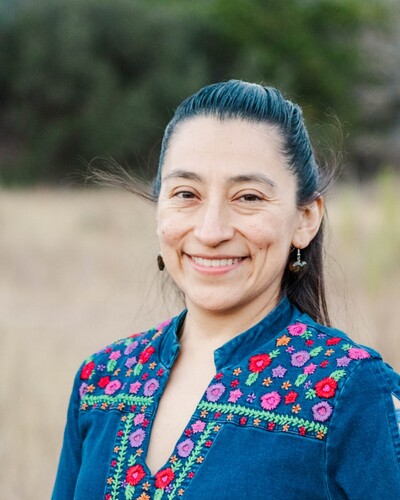
Dr. Martha Sidury Christiansen is a Professor of Applied Linguistics/TESOL at the University of Texas at San Antonio , where she serves in the College of Education and Human Development . She is the Principal Investigator of Project RESPETO , a NSF-funded initiative exploring racial equity in engineering education. Her work spans sociolinguistics, digital literacies, and raciolinguistic analysis, with a focus on transnational multilingual communities. Born in Veracruz, Mexico Ph.D. in Foreign/Second Language Education (Ohio State University, 2013) M.A. in English Composition (Indiana University, 2007) B.A. in English Language Teaching (Universidad Veracruzana, 2002) Her research examines how transnational youth navigate digital spaces through multiliteracies , challenges Western academic writing norms via Mexican decolonial methodologies , and investigates raciolinguistic intersections in identity formation. The 15 most recent publications reveal a strong focus on digital communication , transnationalism , and critical pedagogy across journals like TESOL Quarterly and Language@Internet . 2023-2025: Expanding raciolinguistic frameworks in digital contexts 2021-2022: Analyzing multimodal identity construction 2019-2020: Exploring Mexican bilinguals' online language use She has received multiple honors including ACUE Fellow (2023), Fulbright Scholar (2017), and Faculty Leadership Fellow (2021-2022). Her presentations at conferences like ICOLLITE and DDVM Lab highlight her expertise in critical sociolinguistic awareness and digital discourse analysis . Dr. Christiansen actively consults for nonprofits on linguistic equity and multilingual education .
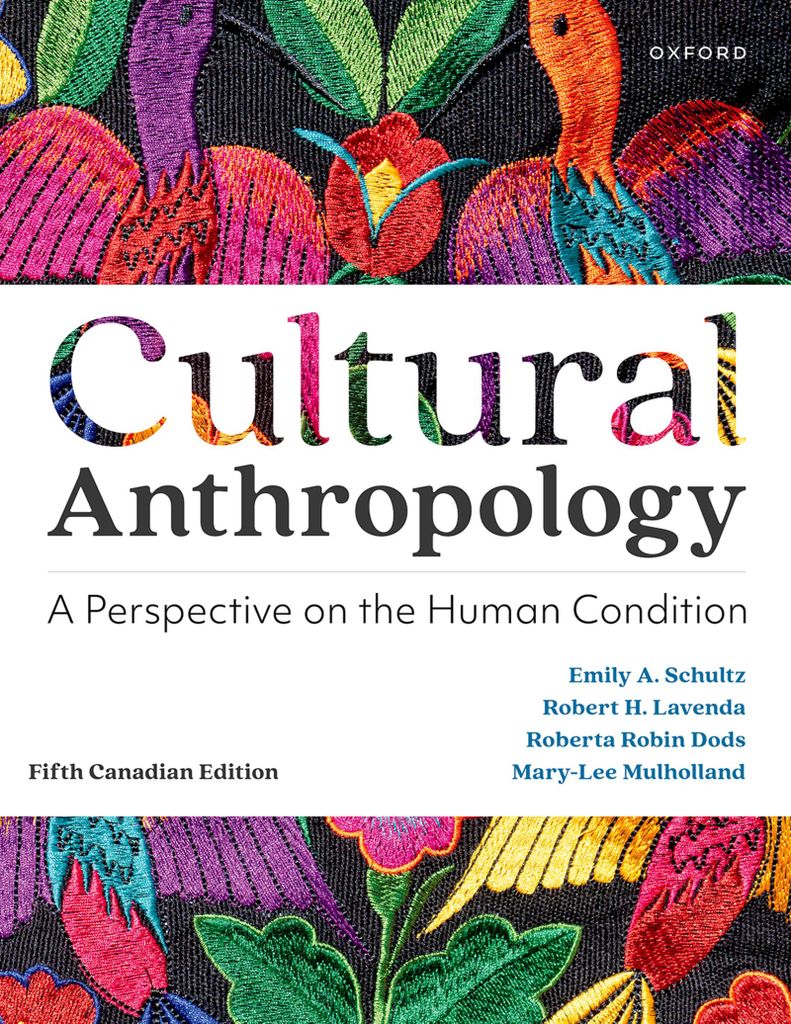
Mary-Lee Mulholland is a full-time Professor at Mount Royal University's Faculty of Arts, Department of Sociology & Anthropology. Holding a Ph.D. from York University, an M.A. from Carleton University, and a B.A. (Hons) from the University of Calgary, she brings extensive academic credentials to her role. She serves as Chair of the department while teaching courses such as Introduction to Cultural Anthropology, Anthropology of Religion, and Anthropology of the Body. Education: Ph.D., York University M.A., Carleton University B.A. (Hons), University of Calgary Her scholarly work examines intersections of race, gender, sexuality, and class through Latin American popular culture forms like salsa and mariachi. As an applied anthropologist, she has worked with governmental and non-governmental organizations on diversity policies and newcomer integration strategies. Currently, she explores how science and pseudo-science shape perceptions of fear and violence in martial arts contexts. Her research has garnered recognition through multiple awards, including the Distinguished Faculty Award (2017), Teaching Excellence Award (2019), and Outstanding Service Award (2020). Her publications span topics from mariachi performance studies to academic ethics frameworks. For a comprehensive list of her scholarly contributions, see her Google Scholar profile. Scientific Awards: Distinguished Faculty Award (2017) Teaching Excellence Award (2019) Outstanding Service Award (2020) Contact her directly at mmulholland@mtroyal.ca for academic collaboration, departmental inquiries, or research discussions.
Ruth Padel is a Visiting Professor of Poetry at King's College London, acclaimed poet, and author. Her work bridges classical scholarship, conservation science, and literary creativity. Education: D.Phil in Classics from University of Oxford (Greek tragedy and medicine). Research: Poetry composition, Darwinian studies, conservation narratives, and classical reception in contemporary culture. Current projects explore Beethoven/Schubert biographies in verse and migration ecology. Awards & Leadership: First Prize in National Poetry Competition; chaired judging panels for T.S. Eliot Prize and Forward Prize. Fellow of Royal Society of Literature and Zoological Society of London. Public Engagement: Frequent broadcaster (BBC Radio 3/4); international festival appearances including Jaipur Literature Festival and Edinburgh Festival.
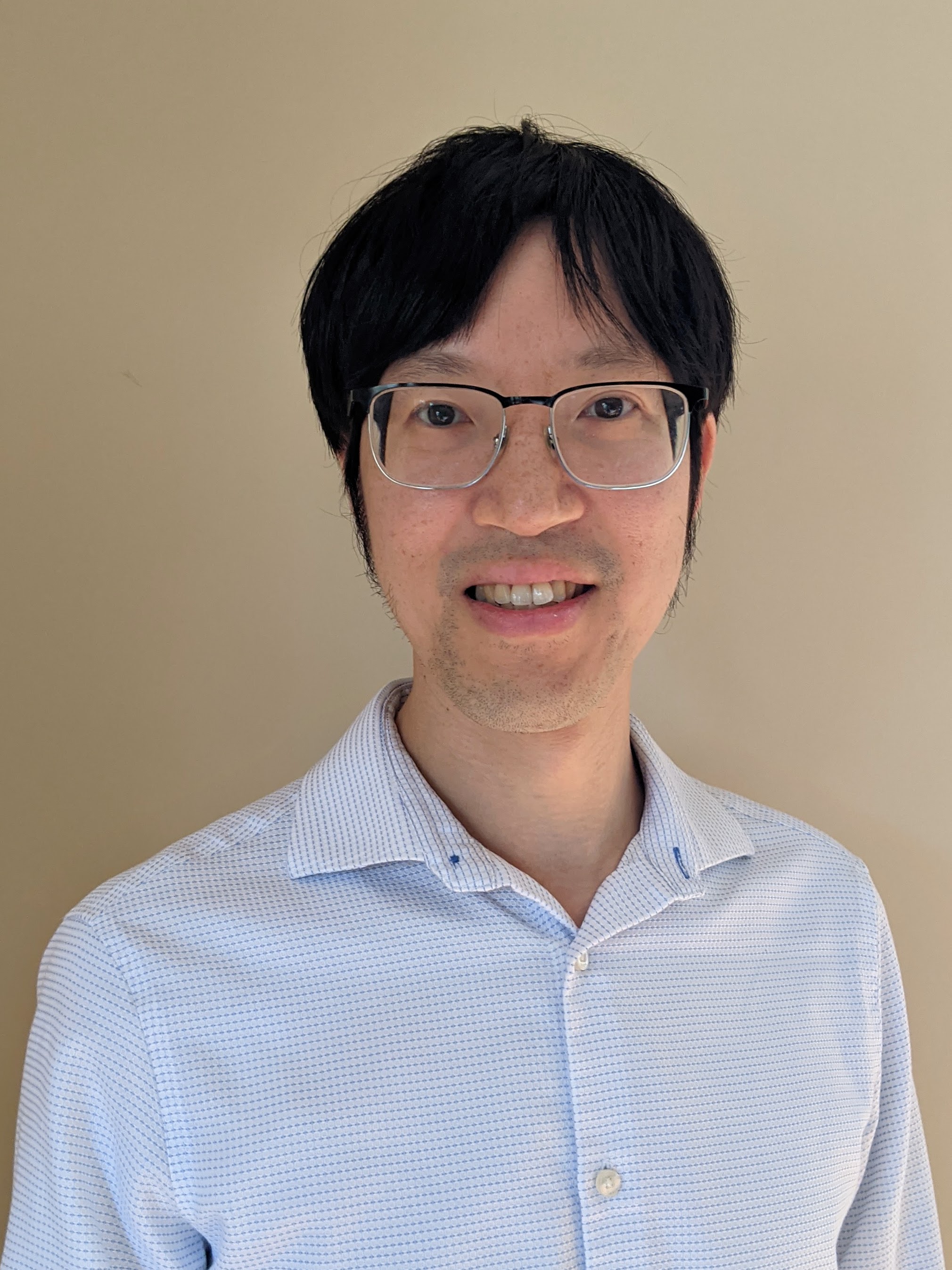
Samuel W.K. Wong is an Associate Professor in the Department of Statistics and Actuarial Science at the University of Waterloo. He holds a Ph.D. in Statistics from Harvard University (2013) under Prof. Samuel Kou. His research focuses on statistical methodology for complex data science challenges in protein structure modeling, dynamic systems inference, and reliability engineering of wood-based products. He has held academic positions at the University of Florida (2013–2018) and has been at Waterloo since 2018. His research interests include Bayesian computation, statistical inference for dynamic systems, and spatial-temporal data analysis. Notable contributions include the development of manifold-constrained Gaussian processes (MAGI package) and sequential Monte Carlo methods for protein folding studies. He has advised over 15 graduate students and researchers, many of whom are now in academic or industry roles worldwide. Wong has received teaching distinctions at Harvard and holds awards including the Nash Medal (2008) for academic excellence. His work bridges computational statistics with applications in bioinformatics, structural engineering, and environmental science. He has published extensively in top-tier journals like Journal of Computational and Graphical Statistics and Biometrics , and collaborates with wood scientists to improve real-time lumber quality assessment using laser imaging data. His teaching portfolio includes courses on probability theory, statistical inference, and spatial data analysis at both undergraduate and graduate levels. Beyond academia, he maintains an active passion for classical piano performance, having performed recitals combining music with his statistical research interests.
Jack Martínez Arias is an Assistant Professor of Hispanic Studies at Hamilton College , specializing in Indigenous and Andean Studies . His work critically examines the intersections of extractive industries , cultural production , and environmental impacts in Peruvian and Bolivian contexts. Education: Ph.D. from Northwestern University, B.A. from Universidad Nacional Mayor de San Marcos. His research explores how literature , film , and cultural narratives reflect and resist extractivism , colonialism , and environmental degradation . He also investigates transculturación in Andean traditions and the role of science fiction as a tool for cultural resistance . Martínez Arias’ publications focus on Andean modernity , mining fictions , and ecocritical responses to extractive practices. His recent journal contributions span Latin American literature , film studies , and popular culture , emphasizing historical memory and social justice . Additional roles include serving on the Latin American Studies Committee and advising the Spanish Club . He is a member of the Latin American Studies Association and has taught courses on Hispanic cinema , Indigenous migration , and Spanish immersion .
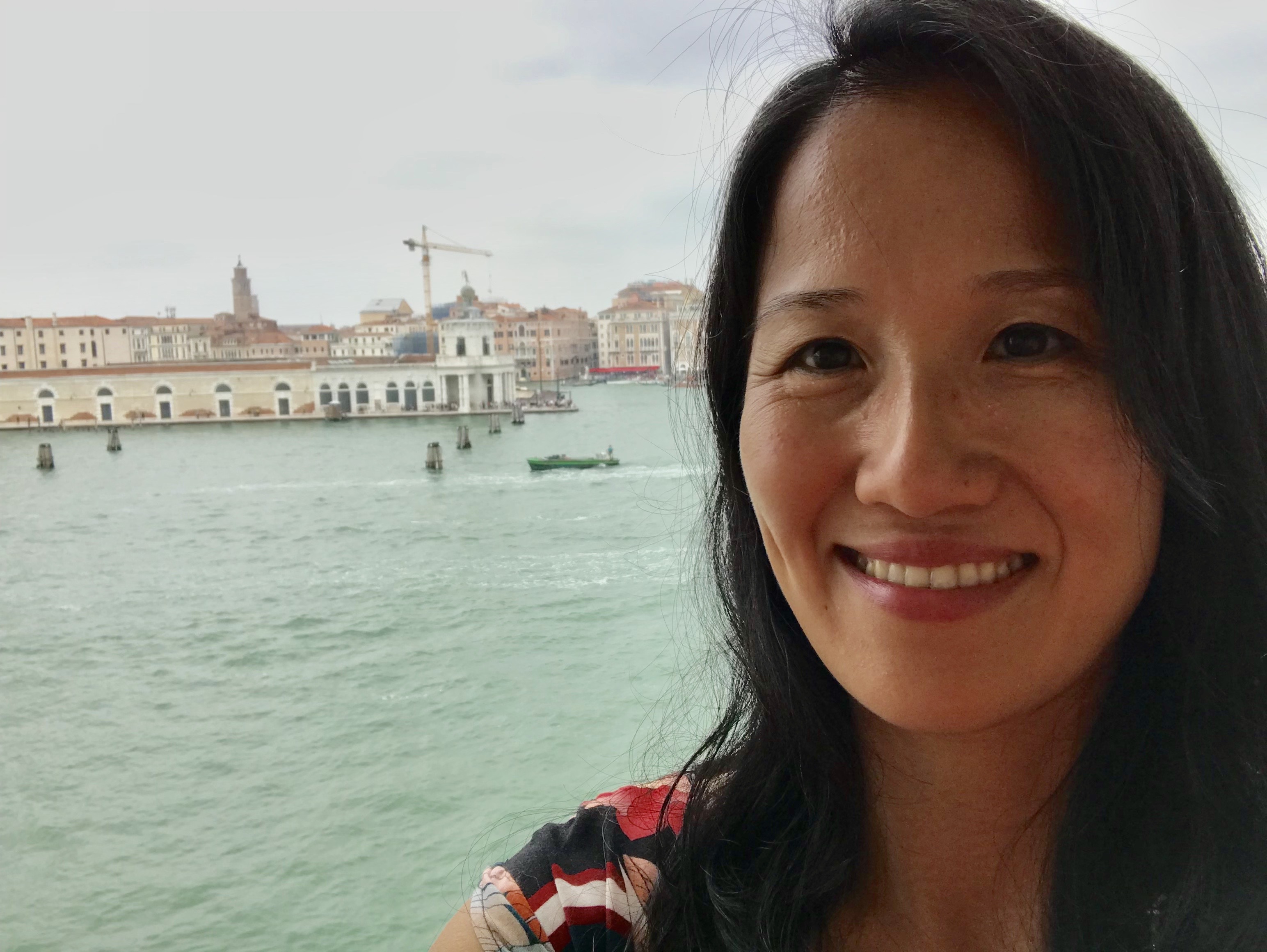
Ana Paulina Lee is an Assistant Professor of Writing and Digital Humanities in the Comparative Literature, English, and Creative Writing Department at the American University of Paris. She joined AUP in 2025 after teaching Latin American literature and culture at Columbia University for eight years and serving as a Mellon Postdoctoral Fellow at Tulane University. Her interdisciplinary scholarship bridges literature, history, law, and urban studies with particular focus on marginalized narratives in the Americas. Ph.D. from University of Southern California M.A. from New York University B.A. from Binghamton University Professor Lee's research examines how stories—archival, fictional, oral—shape legal imagination, social life, and urban experience in the Americas. She specializes in the intersections of magic, law, and literature in Latin America, with particular focus on Asian and African diasporas in Brazil. Her work traces how narrative functions as both historical record and catalyst for social transformation, exploring themes of slavery, emancipation, colonial legacies, and urban memory. She approaches these topics through interdisciplinary lenses combining literary analysis with histories of labor, migration, and performance. Lee's recent publications reveal a consistent focus on marginalized narratives and their impact on social structures. Her scholarship connects legal history with cultural production, showing how magical thinking and narrative practices shape urban spaces and social relations. Works like 'Urban Sorcery, Segregation, and Spectacle in Twentieth-Century Rio de Janeiro' and 'Black Magic City' demonstrate her innovative approach to understanding the relationship between occult logics and legal frameworks in Brazilian contexts. Her research on diasporic communities, particularly Chinese and Japanese experiences in Latin America, contributes significantly to transnational and comparative race studies. David B. Larson Fellowship in Health and Spirituality, Kluge Center, United States Library of Congress (2025-2026) National Endowment for the Humanities Fellowship (2025) Social Sciences Research Council, Inaugural Recipient of Interdisciplinary Projects in the Social Sciences (2020-2023) Institute for Ideas and Imagination Fellowship, Columbia University in Paris, France (2021-2022) Provost's Tsunoda Senior Fellowship, Visiting Scholar, Waseda University, Tokyo, Japan (2019) Heyman Center Fellow, The Heyman Center for the Humanities, Columbia University (2017-2018) Fulbright, Lisbon, Portugal (2013-2014) Professor Lee's scholarly activities have been generously supported by major research grants from the National Endowment for the Humanities, the Social Sciences Research Council, and the Library of Congress. Her work demonstrates a commitment to interdisciplinary approaches that bridge humanities and social sciences, particularly through projects examining intersections of race, migration, and cultural production in the Americas. Her publication 'Socially Engaged Oral History Pedagogy Amid the COVID-19 Pandemic' indicates a strong commitment to innovative teaching methods and community-based research. While specific details about current advisees aren't provided, her research program suggests engagement with graduate students interested in diaspora studies, urban history, and literary-cultural analysis. Though not explicitly mentioned in the available information, Professor Lee's research on urban spaces, magic, and law in Brazil likely involves collaborative work with scholars across disciplines. Her participation in centers like the Institute for Ideas and Imagination at Columbia University suggests engagement with interdisciplinary research communities focused on global cultural production and social transformation. Her work contributes to ongoing conversations about how narrative practices shape legal frameworks and social structures in the Americas, particularly regarding racial formation and diasporic experiences.
Jeremy Julian Sarkin is a Distinguished Research Professor of Law at NOVA School of Law, NOVA University of Lisbon, and a member of the Centro de Investigação e Desenvolvimento sobre Direito e Sociedade (CEDIS). He holds the rank of Invited Full Professor, indicating a significant academic appointment within the institution's Law faculty. His research spans critical areas in International Law , with a focus on Human Rights Violations , Transitional Justice , and Refugee Law . His work addresses Conflict Zones , Gender-Based Violence , and Climate Justice . He has explored the intersection of technology and law, particularly regarding AI Arms Races , and contributed to studies on Truth Commissions and Amnesties globally. Recent publications analyze Migration Law through intersectional frameworks in Israel, Greece, and Uganda, and examine Drone Warfare in Ukraine. His articles reflect a commitment to International Humanitarian Law and Victim Rights . While no specific awards are listed, his 119 h-index and 78 research outputs (including books, articles, and reports) demonstrate substantial academic impact. He has no listed students, suggesting his work is primarily independent or collaborative with peers.
Helle Hochscheid is a University Lecturer in antiquity and heritage at University College Roosevelt, a Liberal Arts & Sciences college within Utrecht University in Middelburg. She holds an affiliation with the Humanities Research Institute for History and Art History and the Department of Ancient History and Classical Civilization. Her academic roles include coordinating the Archaeology in the Classroom project and serving on the Scientific Advisory Board of the Netherlands Institute in Athens, the Editorial Board of PHAROS: Journal of the Netherlands Institute at Athens , and the Advisory Board of Theran Press. Her research expertise spans Greek archaeology, ancient history, cultural heritage, and women’s history, with a focus on craft production (particularly sculpture and musical instruments like auloi) in ancient Greek societies. She investigates social contexts of craftsmanship, including the roles of non-elite groups and women in Athenian artistic networks. Key themes include gender diversity, migration’s societal impact, and the intersection of craft labor with early knowledge economies. Hochscheid regularly collaborates with undergraduate students, co-editing volumes such as The World on Walcheren (2024). She teaches courses including Academic Internship , Greek Art & Archaeology , and Making Society in Archaeology , emphasizing interdisciplinary education and community-engaged learning. Her work bridges academic research and public heritage through projects like Archaeology in the Classroom , which introduces transferable skills via archaeology to primary school children. Her professional contributions include organizing sessions at the EAA Annual Conference (2024) and presenting on topics like women’s work in ancient Athens. She is a member of the Engendering Ancient Economies Network (EAEN) and the TEXNH research collaboration, exploring economic and social dimensions of ancient Mediterranean crafts.
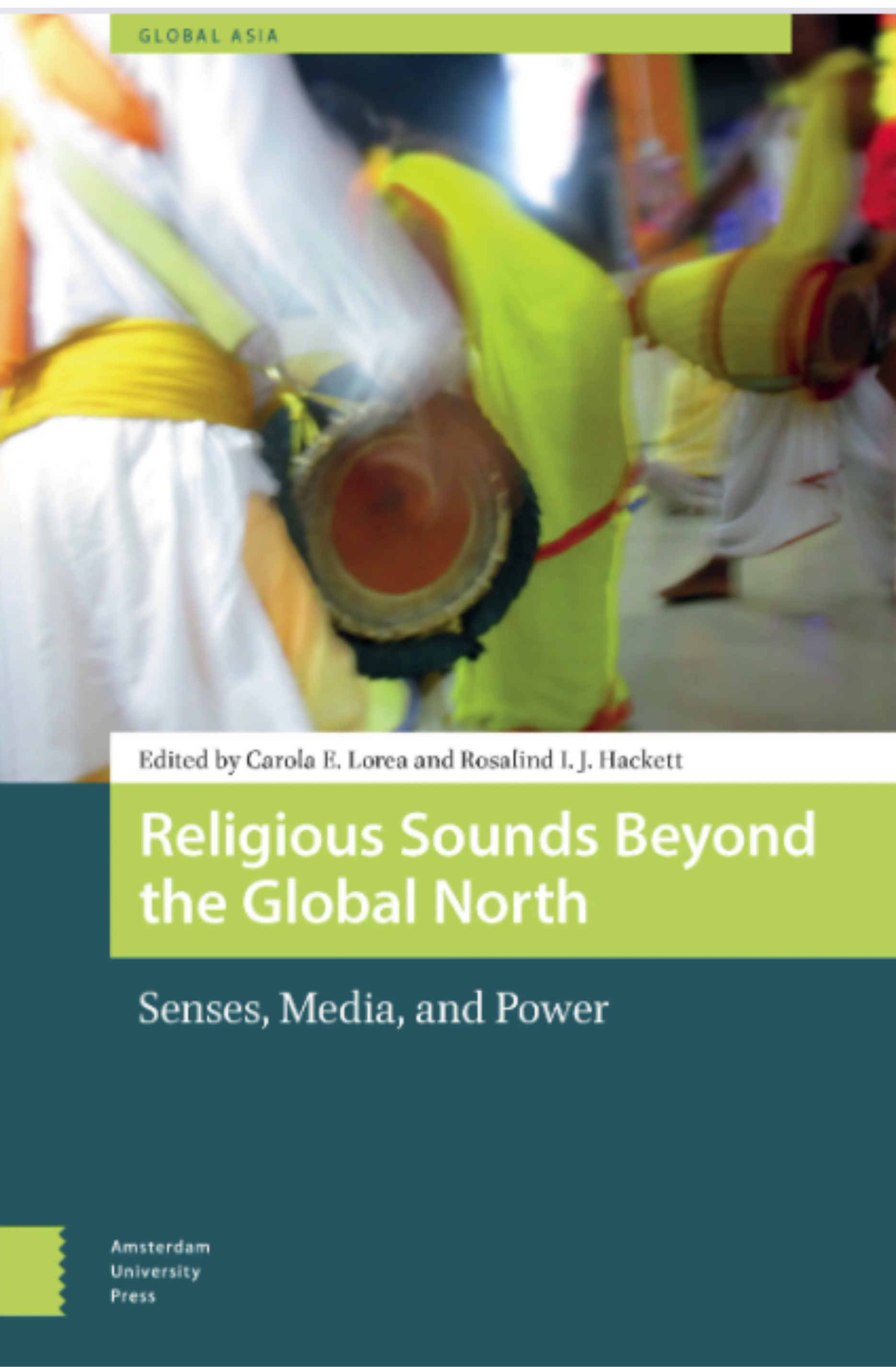
Dr. Carola Lorea is a Junior Professor at the Institute for Religious Studies, Faculty of Philosophy, University of Tübingen (since 2023) and former Senior Research Fellow at NUS's Asia Research Institute (2022-2023). Her work bridges religious studies, cultural anthropology, and digital humanities with a focus on South/Southeast Asian borderlands. PhD in South Asian Studies (2015, La Sapienza University of Rome) 2023 Habilitation Venia Legendi in religious studies and cultural anthropology Research centers on Matua traditions , Baul oral cultures , religion and pandemics , and sensory scholarship . She pioneered the CoronAsur research blog (2020) and leads the MANTRAMS project with ERC Synergy Grant (2023). Key contributions include: Digital Archive of Baul Songs (EAP1247 PI) Theoretical work on bricolage thinking in borderland communities Critical analysis of caste dynamics in post-Partition Andaman settlers Sonic approaches to religious studies Teaching includes courses on Religious Sounds (Tübingen 2024), Religion and South Asian Society , and Bengali language instruction. She founded the Digital Archive 'Songs of the Old Madmen' and co-edits volumes on global religious sound studies.
John Finn serves as Associate Professor and Department Chair of the Department of Sociology, Social Work and Anthropology at Christopher Newport University's College of Arts and Sciences. He holds joint appointments with the Honors Program, Center for Crime Equity and Justice Research and Policy, and Center for Sustainability in Education. PhD in Geography, Arizona State University MA in Geography, University of Missouri BA in International Studies, University of Missouri Finn's research examines the socioeconomic, environmental, and health consequences of persistent racial segregation in the United States, with particular focus on Hampton Roads, Virginia and Latin American contexts including Cuba and Brazil. His work integrates urban geography, environmental justice, and human-environment interaction through field research methods. His 2024 solo exhibition 'Living Apart: Geography of Segregation in the 21st Century' at the Virginia Museum of Contemporary Art demonstrates his innovative approach to translating academic research into public engagement. Finn's recent publications reveal strong thematic focus on urban renewal impacts, environmental justice mapping, and Latin American geographies, with increasing emphasis on climate gentrification and spatial epidemiology. 2024 SCHEV Outstanding Faculty Award (Virginia's highest faculty honor) 2021 Alumni Society Award for Teaching and Mentoring 2020 Faculty Excellence Award in Scholarship Class of 2013 Faculty Development Award (2019) Finn has secured over $200,000 in research funding and delivered more than 100 invited lectures across North America, Latin America, and Europe. His work bridges academic research and practical applications through partnerships with medical schools, planning associations, and environmental organizations. He maintains active research teams focused on mapping segregation patterns and analyzing environmental health disparities in coastal Virginia.
Dr Harrison Smith is a Lecturer in Digital Media & Society at the University of Sheffield's School of Sociological Studies, Politics and International Relations. He holds a PhD from the University of Toronto’s Faculty of Information, alongside MA and BA degrees in Sociology from Queen’s University, Canada. His research focuses on the political economy of data analytics, particularly in smart cities and consumer surveillance contexts. Education: PhD in Information Studies, University of Toronto (Canada) MA in Sociology, Queen’s University (Canada) BA (Hons) in Sociology, Queen’s University (Canada) Smith’s research examines how data infrastructures shape socio-economic inequality through processes like surveillance, classification, and market segmentation. Key areas include location-based marketing, 5G data infrastructures, and industry consolidation in data analytics. His work critiques how digital technologies reconfigure urban spaces and labor markets, particularly in 'smart city' contexts. Recent publications explore the metaverse's industrial implications, blockchain’s role in dispute resolution, and surveillance practices at music festivals. His teaching includes leading the module SCS2016: The Sociology of the Media. Smith’s expertise bridges media theory, urban informatics, and critical data studies, emphasizing ethical and political dimensions of digital technologies in everyday life.
Prof. Dr. Heike Bungert is a leading scholar in North American History at the Westfälische Wilhelms-Universität Münster , focusing on ethnic migration, cultural history, and civil religion. Habilitation (2004) and Doctorate (1995) from German institutions Extensive teaching career since 2000, including visiting roles at UC Berkeley and Columbia University Her research bridges: German-American identity formation through festivals and cultural practices Transnational university history and academic networks Civil religion in US patriotic holidays Native American representation in film and collective memory Key article trends: 19th-20th century German migration patterns Academic institutions in transnational contexts Civil religion analysis in political rituals Historiography of indigenous peoples Scientific Honors : Heisenberg Fellowship (DFG, 2005) DAAD and DFG research fellowships Stuart L. Bernath Prize (1995) As a supervisor , she has guided doctoral research on topics like: Russian-American periodicals Symbolic communication in colonial legislatures Evangelical responses to immigration
Brittnay Proctor-Habil is an Assistant Professor of Race and Media in the School of Media Studies at The New School. Her research focuses on performance, popular culture, and sound/visual culture at the intersection of blackness, gender, and sexuality. She authored Minnie Riperton’s Come to My Garden (2022) and is currently working on two book projects: one tracing Black Southern migration to California through sound, and another analyzing funk music’s gender and sexuality discourses via LP records and CDs. Proctor-Habil holds a Ph.D. from Northwestern University and a B.A. from the University of California, Riverside. Her scholarly work spans platforms like Essence.com , Journal of Popular Music Studies , and ASAP/Journal . She teaches courses such as Black Feminist Media Methods and Blaxploitation Films , and supervises thesis projects. Her writing often intersects cultural critique, Black studies, and interdisciplinary methodologies.
Joyce Marie Jackson is the James J. Parsons Endowed Professor in the Department of Geography & Anthropology at Louisiana State University (LSU), part of the College of Humanities & Social Sciences. She holds a Ph.D. from Indiana University and additional studies from Atlanta University and LSU. Her research focuses on African American folklore, music traditions, and cultural identity in the U.S. South. Jackson explores topics such as spirituals, blues, gospel quartets, Mardi Gras Indian rituals, and diasporic religious practices. Her work bridges anthropology, musicology, and cultural studies, often examining how African cultural heritage manifests in Southern U.S. communities. Notable contributions include studies on the Fazendeville community displacement, Easter Rock rituals, and the cultural significance of New Orleans second-line traditions. Jackson teaches courses on urban ethnography, African American folklore, and ritual theory. Jackson’s publications span academic journals, encyclopedias, and music documentation projects. She has contributed to Smithsonian Folkways recordings and Louisiana state cultural initiatives. Her research frequently highlights marginalized voices and historical preservation efforts in Louisiana and the broader South.