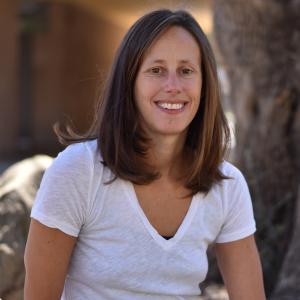
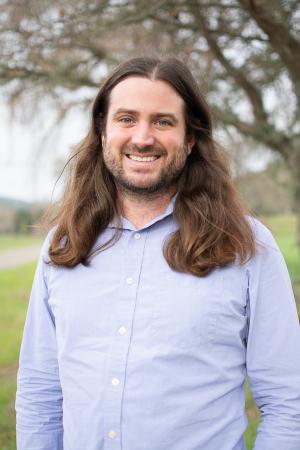
Toija Cinque is Associate Professor of Communication at Deakin University's School of Communication and Creative Arts, where she founded the Intelligent Media Lab and leads research on digital media ecologies. Her work examines dark social networks, AI ethics, and data cultures through a critical socio-technical lens. Cinque directs the Critical Digital Infrastructures & Interfaces (CDII) research group and the Science and Society Network's Data Cultures strand. Her research spans: Dark social studies and encrypted communications AI impacts on education and society Digital identity and quantified self-practices Media archaeology and technological futures She has supervised 13 doctoral projects exploring digital culture, narrative VR, environmental communication, and synthetic media. Cinque's publications demonstrate consistent innovation in media theory, with recent focus on workplace surveillance technologies and pandemic contact tracing systems. Awards include the New York International Film Award for ethnographic filmmaking (2021). Cinque serves on ACM SIGCHI Melbourne Chapter and Internet Society Online Safety SIG, contributing to public debates on digital policy.
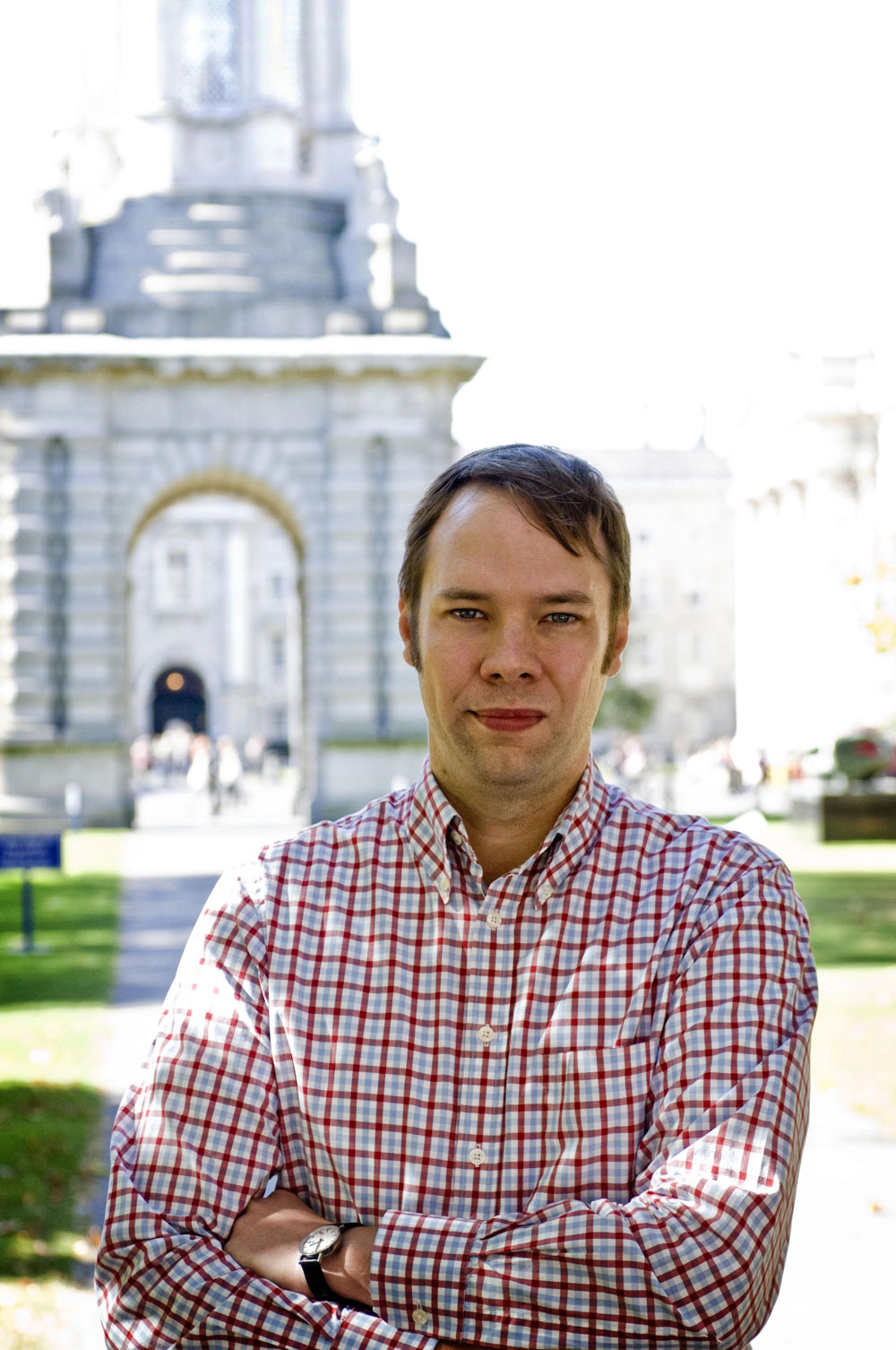
Dr. Daniel Geary is the Mark Pigott Professor of U.S. History at Trinity College Dublin, where he has been based since 2008. His research focuses on the intellectual, political, and cultural history of 20th-century America, with an emphasis on race and ethnicity, transnational movements, and the intersection of politics with popular culture. He holds a prominent position in Trinity’s Department of History, contributing to undergraduate and graduate teaching programs. His work includes seminal studies on the Moynihan Report, C. Wright Mills, and global white nationalism. Geary’s research interests span political ideologies (liberalism, left-wing movements), transnational civil rights and white nationalist histories, and the role of music in activism (e.g., Johnny Cash’s prison advocacy). He leads projects exploring connections between U.S. and Northern Ireland civil rights movements and the evolution of racial integration concepts. He co-edited Global White Nationalism: From Apartheid to Trump and is pursuing an ERC-funded study on U.S.-Northern Ireland transatlantic ties. Awarded Trinity’s Provost’s Teaching Award (2015), Geary teaches courses on American politics, race, and culture. His media contributions include writing for Irish Times , Jacobin , and BBC/RTE broadcasts. Current projects include a book on divided 1960s/70s liberals and a study of integration’s historical meanings.
Malcolm Ryan is an Associate Professor in the School of Computing at Macquarie University, affiliated with the Ethics and Agency Research Centre and the Performance and Expertise Research Centre. His research focuses on game design, virtual reality, and the intersection of morality with technology. He has led projects including Social Eye Gaze in Virtual Agents (2018–present) and Moral Video Games Collaboration (2024), and has been recognized with the Vice-Chancellor's Educational Leader Award 2023. Ryan's work explores ethical decision-making in games, cybersecurity ethics training, and narrative-driven design methodologies. His research interests span cognitive decision-making, games-based learning, and moral psychology. Notable projects include developing serious games for vision science and cybersecurity ethics. Ryan has collaborated widely, publishing over 49 research outputs, with recent focus on systemic gameplay for moral expertise and AI-enhanced cybersecurity training. His work bridges technical innovation with ethical and psychological insights. Key Projects: Social Eye Gaze in Virtual Agents, Measuring Morality, Videogames for Vision Science. Grants & Funding: Multiple ARC and industry-funded projects since 2017. Labs/Teams: Ethics and Agency Research Centre, Performance and Expertise Research Centre. Ryan's publications analyze moral decision-making mechanisms in games, with contributions to conferences like DiGRA and peer-reviewed journals. His work emphasizes practical applications of game design in education and healthcare.
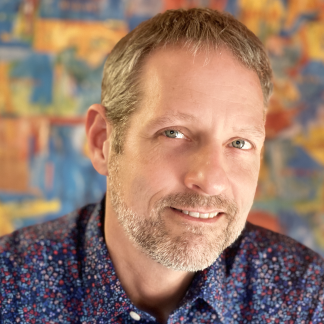
Jason Miller is a Distinguished Professor in the Department of English at North Carolina State University, affiliated with the College of Humanities and Social Sciences. He specializes in African American Studies, public humanities, and digital archiving. His work bridges academia and public media through podcasts, documentaries, and articles featured on networks like ABC, NBC, and NPR. Notable research includes MLK’s rhetoric influenced by Langston Hughes, Nina Simone’s connections with Hughes, and the historical intersection of MLK’s 1966 speech in Raleigh with a KKK protest. Education: B.A. and M.A. from the University of Nebraska at Kearney, Ph.D. from Washington State University. Awards include the Alumni Distinguished Undergraduate Professor title (2022) and induction into NC State’s Research Leadership Academy (2022). He has secured $350k in grants from the National Endowment for the Humanities and Teagle Foundation, and served as inaugural Scholar-in-Residence at the African American Cultural Center (2019-20). Research focuses on Civil Rights history, digital humanities, and cultural preservation. Major projects include King’s First Dream (first online recording of MLK’s 1963 Rocky Mount speech) and the Don Welch Digital Archive (5,000+ pages of poet Don Welch’s works). His work often combines historical artifacts with modern media to engage broader audiences. Awards span teaching (Academy of Outstanding Teachers, 2017), research, and outreach, reflecting his commitment to interdisciplinary scholarship. He has been an Honorary Citizen of Rocky Mount (2017) and presented at venues like the Smithsonian’s National Museum of African American History and Culture.
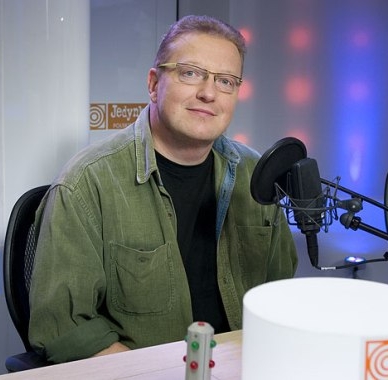
Bohdan Szklarski is an Associate Professor of Political Science at the University of Warsaw and Head of Leadership Studies at the American Studies Center (ASC). He holds a graduate degree from the English Institute, Warsaw University, and the Department of Political Science at Northeastern University, Boston. With over 30 years of teaching experience across multiple U.S. and Polish universities, he previously directed the ASC from 2012 to 2016. He also lectures at Collegium Civitas, a non-public social sciences college, and has guest-lectured globally, including in China, Germany, Italy, France, Greece, Czech Republic, Georgia, and Vietnam. His research focuses on political leadership, communication, American political culture, comparative politics, and political anthropology. He has authored over 60 academic publications and frequently comments on U.S. and Polish political events in media. His work spans topics like democratic sustainability in post-authoritarian systems, American institutional dynamics, and Sino-American relations. Notable publications include analyses of populism in U.S. democracy, the symbolic nature of presidential leadership, and historical conflicts like the Roosevelt Court-Packing controversy. Prof. Szklarski’s articles reflect interdisciplinary engagement, blending political theory with cultural analysis. His recent work emphasizes transnational political challenges, including the role of China in American politics and the evolving nature of Polish-American relations. He is recognized for bridging academic research with public discourse, leveraging media platforms to contextualize complex political phenomena.
Anders Fagerjord is Head of Department at the Department of Linguistic, Literary and Aesthetic Studies at the University of Bergen. His work spans digital humanities, media studies, and the evolving landscape of digital media technologies. With a career spanning several decades, he has made significant contributions to understanding the convergence of media, streaming services, and locative media. Research Interests Fagerjord's research primarily focuses on the intersection of digital technology and media. His work explores how streaming services like Spotify and Netflix represent innovations in media distribution, the rhetoric of digital spaces, and the design principles behind locative media experiences. He has developed humanist evaluation methods for assessing media technologies, arguing for approaches that go beyond standard user experience metrics to understand content and meaning. His scholarship consistently addresses the theoretical frameworks needed to understand media convergence, examining how older media forms influence emerging digital platforms. This includes analyzing how rhetorical traditions shape web media and how location-based technologies create new forms of narrative and communication. Publication Trends Over the past two decades, Fagerjord's work has tracked the evolution of digital media from early web technologies through the rise of mobile applications and streaming services. His recent publications focus on the systemic changes brought by streaming platforms, examining them through innovation theory to understand their disruptive impact on traditional media industries. His research shows a consistent thread connecting theoretical media studies with practical design considerations, particularly in how digital environments shape human experience and communication. Academic Contributions Co-authored the influential book "Digital Humanities: Knowledge and Critique in a Digital Age" (2017) Developed theoretical frameworks for understanding media convergence Created humanist evaluation methods for locative media design Explored the rhetoric of digital spaces and location-based media Documented the historical development of streaming services through innovation theory Professional Activities As Head of Department at the University of Bergen, Fagerjord leads academic initiatives in linguistic, literary, and aesthetic studies with a strong emphasis on digital approaches. His work bridges traditional humanities disciplines with contemporary digital media studies, fostering interdisciplinary research that examines both the theoretical underpinnings and practical applications of emerging media technologies. He has supervised numerous research projects examining how digital platforms reshape cultural production, distribution, and consumption.
Heery Francis (b. 1980) is an Irish composer, researcher, and sound artist affiliated with the Department of Music at University College Cork (UCC). He holds a Ph.D. in Composition from UCC and an M.Phil. in Music and Media Technologies from Trinity College Dublin. His compositional studies included work with mentors Donnacha Dennehy, John Godfrey, and Jesse Ronneau. Francis specializes in both electronic and instrumental music forms. His research focuses on 20th/21st century compositional aesthetics, spectral music, and the interplay between music and language. Notable influences include Morton Feldman and Horatiu Radulescu. His instrumental works have been performed globally by ensembles like the JACK Quartet, Talujon Percussion Ensemble, and Crash Ensemble. Electronic works appear on labels Lamour Records, farpoint Recordings, and Fort Evil Fruit. No academic awards or grants are explicitly mentioned in the provided text. Francis maintains active creative output without listed supervisory roles or formal publications in academic journals.
Jeffery Gore, PhD, is a Senior Lecturer in the Department of English at the University of Illinois Chicago (UIC), within the College of Liberal Arts and Sciences. His research focuses on Renaissance literature and early modern pedagogy, particularly the intersection of religious issues with education and citizenship debates. He explores authors like Shakespeare, Erasmus, and Milton to analyze how moral virtue, religious change, and social class shaped early modern intellectual frameworks. Teaching specialties include medieval/Renaissance literature, writing, Shakespearean global film adaptations, and utopian/dystopian literature. He actively contributes to educational initiatives, such as revising UIC’s First Year Writing curriculum and leading post-performance discussions on Shakespeare plays for UIC’s School of Theatre and Music. Recent presentations include invited talks at the Newberry Library Milton Seminar (2021) and Oakton Community College’s Great Books Series (2019), focusing on topics like Milton’s educational prose and racial interpretations of Othello . His current monograph project, The Cunning of Pedagogical Reason: Monism and Social Ontology in John Milton’s Educational Writings , bridges historical scholarship with modern classroom practices, emphasizing the role of literature in shaping literate citizenship.
Sarah Hirsch is a Continuing Lecturer in the Writing Program at the University of California, Santa Barbara (UCSB), within the College of Letters and Science. She holds a Ph.D. in English from UCSB, with a focus on American literature and maritime culture. Her research explores visual rhetoric and New Orleans, including the interpretation of the 'X Code' spray-painted by Urban Search and Rescue teams post-Hurricane Katrina, and the visual, material, and embodied rhetorics of the Mardi Gras Indians. She teaches courses such as Writing for the Humanities (109HU) and Writing for the Visual Arts (109V), which engage students with New Orleans' rich cultural history, including its architecture, music, and post-Katrina legacy. Her scholarly publications analyze topics ranging from shipping containers' cultural impact to the Gothic elements in Southern literature. While no scientific awards are noted, her work bridges literary studies with visual and material culture. She advises no listed students, and her teaching emphasizes interdisciplinary research and community engagement. No lab or team affiliations are mentioned in the provided text.
John Schranck is a Lecturer in the Writing Program at the University of California, Santa Barbara (UCSB). He holds a PhD in Comparative Literature from UCSB, completed with distinction in August 2022. His doctoral work included emphases in Writing Studies and Translation Studies, with a dissertation titled Sonic Alterities . Specializing in interdisciplinary research, Schranck explores the rhetoric of classroom space through a sound studies lens, spanning from ancient to virtual environments. He also engages with neurolinguistics, African American music and literature, and pedagogical innovation. Education: A PhD in Comparative Literature from UCSB (2022), with emphases in Writing Studies and Translation Studies. Teaching & Research Interests: Focuses on sound studies, rhetoric of educational spaces, and interdisciplinary approaches to writing pedagogy. Teaches Writing 2 and Writing 105 at UCSB. Has designed courses in neuro-humanities and African American cultural studies. Awards: • Dissertation with Distinction (UCSB, 2022) Professional Activities: Office Hours: Fall 2022: 3:30pm–5:30pm Office Location: South Hall 1516
Casper de Jonge is a Professor of Greek Language and Literature at Leiden University's LUCAS Centre. Specializing in Greek literature during the Roman era, he explores migrant narratives, rhetorical practices, and classical aesthetics. He leads the OIKOS Research Group on Ancient Rhetoric and Aesthetics, coordinates the Rhetoric Minor, and chairs the LUCAS Advisory Board. His research has been funded by NWO's Veni and Vidi grants. He actively engages with public discourse, analyzing ancient texts' relevance to modern rhetoric through media commentary on topics like Herculaneum papyri and political speech patterns. Academic leadership roles include editorial board membership at Mnemosyne , program director for Classics MA programs, and supervision of 4 PhD candidates. His interdisciplinary approach bridges antiquity with contemporary cultural studies through projects linking classical music and ancient reception.
Michael Brooks Cryer is a Senior Lecturer in the English Department at Arizona State University (ASU), specializing in creative writing, poetry, and rhetoric. He holds an M.F.A. in Poetry (1999) and a B.A. in Classics (1996), both from the University of Arizona. His research interests include 20th-century American literature, composition studies, and rhetoric. Cryer has published extensively, including the poetry collection Selected Proverbs (Elixir Press, 2017), which won the 2016 Antivenom Poetry Award, and the chapbook Channels, Frequencies & Sequences (Four Chambers Press, 2017). His work has appeared in journals such as Quarterly West , Ecotone , and DIAGRAM , as well as freelance music criticism for Phoenix New Times . Education : M.F.A. Poetry, University of Arizona, 1999 B.A. Classics, University of Arizona, 1996 Research Interests : Cryer’s creative and scholarly work bridges contemporary poetry, literary analysis, and pedagogical innovation. His poetry engages themes of personal narrative, historical allusion, and experimental form. He frequently explores the intersection of classical traditions (e.g., his classics background) with modern creative practices. Teaching : Cryer has taught courses such as ENG 102 (First-Year Composition) and ENG 105 (Advanced First-Year Composition) across multiple semesters since at least 2021. His teaching focuses on composition studies and writing pedagogy. Awards : 2016 Antivenom Poetry Award (Elixir Press) Professional Activities : Cryer contributes to literary journals and maintains an active presence in creative writing communities. His work often intersects with interdisciplinary themes, such as the relationship between astronomy and human experience, reflected in his poetry and critical essays.
Rihan Yeh is an Associate Professor of Anthropology at the University of California, San Diego (UCSD), specializing in sociocultural and linguistic anthropology. She leads the Linguistic Anthropology Lab and focuses on the dynamics of publics and the public sphere in Tijuana, Mexico, particularly the impact of the US-Mexico border on social identity, citizenship, and transnational mobility. Her research explores how border dynamics shape subjectivity and collective identity through everyday interactions, visual exchanges, and linguistic practices. Affiliations: UCSD Department of Anthropology, Linguistic Anthropology Lab Education: PhD in Sociocultural Anthropology (University of Chicago, 2009), MA (University of Chicago, 2004), BA in Music (Barnard College, 2000) Research Interests: She investigates transborder mobilities, urban studies, semiotics, and the interplay between sovereignty and citizenship. Her book Passing: Two Publics in a Mexican Border City (2018) examines how the border’s promise of passage and threat of prohibition shape Tijuana’s communal identity. Current projects include a book on visual exchanges at the border and semiotics of mobility. Recent Trends in Articles: Recent work analyzes border-related sovereignty, state violence, public discourse on migration, and the semiotics of border infrastructure. Articles often bridge linguistic analysis with broader sociopolitical themes, such as how jokes and visual displays reflect tensions between autonomy and heteronomy. Awards: Honorable Mention, Gregory Bateson Prize (Society for Cultural Anthropology) Labs/Teams: Active in UCSD’s Anthropology Department, running the Linguistic Anthropology Lab, which focuses on language and social interaction in border contexts.
Lambros Fatsis is a Senior Lecturer in Criminology at City St George's, University of London, within the School of Humanities and Social Sciences. He previously held academic positions at the University of Brighton, the University of Southampton, and the University of Sussex, where he earned multiple teaching and research awards. His work sits at the intersection of criminology, sociology, and Black radical thought, focusing on the criminalization of Black music cultures and police racism in Britain. PhD in Sociology, University of Sussex MSc in Sociology, London School of Economics and Political Science BA Hons in Sociology, Bangor University Postgraduate Certificate in Higher Education, University of Southampton Fellowship and Associate Fellowship, Higher Education Academy Dr Fatsis’ research centers on Cultural and Critical Criminology, with a specific focus on the policing of UK grime and drill music, the criminalisation of Black/Afro-diasporic music cultures, and the racial politics of law enforcement. His work draws on Black radical thought to critique how creative expression is pathologized and criminalized. He has published in top journals such as The Sociological Review , Crime, Media, Culture , and Popular Music , and co-authored books including Policing the Pandemic and The Public and Their Platforms . His forthcoming monograph, Policing the Beats , will be published by Manchester University Press in 2026. His recent publications reflect a consistent engagement with themes of racial injustice, digital surveillance, and the weaponization of music in legal contexts. Across these works, he examines how YouTube videos, media narratives, and judicial practices contribute to the discriminatory treatment of Black youth. The interdisciplinary nature of his scholarship spans criminology, sociology, music studies, and decolonial theory, with recurring sub-fields including police racism, youth criminalization, cultural resistance, and the sociopolitical dimensions of sound. Scientific awards and recognitions include: British Society of Criminology Blogger of the Year (2018) Outstanding Research & Enterprise Impact Award, University of Brighton (2021) Most Engaging Lecturer, University of Southampton (2019) Excellence in Teaching Award, University of Sussex (2016) Nominee for Vice-Chancellor’s Teaching Award and Students’ Union ‘Best Academic Support’ Dr Fatsis is actively involved in public sociology and advocacy. He supervises PhD students in his areas of expertise and welcomes proposals on cultural criminology, Black British subcultures, and the sociology of public life. He has served as an expert witness in criminal trials involving rap lyrics as evidence and is a member of the Prosecuting Rap Expert Network. He also advises the Art, Not Evidence campaign and was a Trustee and Advisor at AudioActive, a youth music charity. His media contributions appear in The Guardian , The Independent , BBC, RAI, and The Conversation , and he has been featured in documentaries on UK drill music. He is also a practicing DJ under the name Boulevard Soundsystem, performing all-vinyl sets and collaborating with prominent figures in the UK and European reggae and soundsystem scene, including MC Brother Culture, DJ Cut La Vis, and Roots Garden Records. This lived engagement with music culture deeply informs his academic and activist work.
Maria Börno is a Research Associate at the Humboldt University of Berlin's Institute of Classical Philology, specializing in the history of ancient science and medicine. She is part of the DFG long-term project on Galen's Commentary on the Hippocratic Aphorisms and the Collaborative Research Center 980 "Episteme in Motion." Her work focuses on ancient medical texts, particularly Galen's commentaries and their reception in late antiquity. Holds dual Master's degrees in Greek Studies (2013) and Musicology (2010), both from Humboldt University Completed doctoral studies in the History of Ancient Science program (BerGSAS, 2022) Formerly a research assistant at the Berlin-Brandenburg Academy of Sciences and Humanities (2013–2020) and at Prof. van der Eijk's chair (2016–2017) Her research interests include textual transmission of medical works, Galen's methodologies, and the interplay between Hippocratic traditions and later medical scholarship. She has organized workshops on Galenic texts and participated in international conferences addressing ancient medical errors and textual fluidity. Teaching includes designing the course "Ancient Writings on Music" (2020/21) and leading research colloquia on ancient medicine and science. She is actively involved in collaborative projects such as the CMG edition of Galen's works and the Marburg Talks on Ancient Medicine working group.