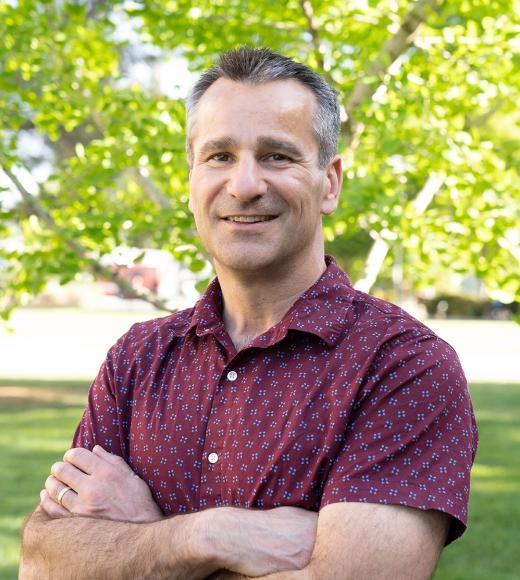
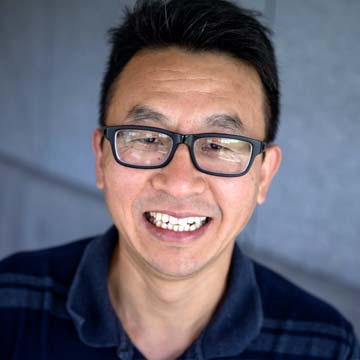
Keith Baar is a Professor in the Department of Physiology and Membrane Biology at the University of California, Davis. His research focuses on skeletal muscle biology, tendon/ligament engineering, and the impact of nutrition on musculoskeletal health. He explores mechanisms of muscle protein synthesis, tendinopathy treatment, and the role of dietary interventions like ketogenic diets in aging populations. Key research interests include: Exercise-induced adaptations in muscle and connective tissues Collagen supplementation strategies for injury prevention Ketogenic diets' effects on mitochondrial function and healthspan extension Tissue engineering approaches for ligament regeneration His work bridges basic science and translational applications, with over 150 peer-reviewed publications. Recent studies investigate the interplay between mechanical loading, nutrition, and molecular signaling pathways in musculoskeletal health. Dr. Baar collaborates extensively on projects involving cellular agriculture and bioreactor optimization for cultivated meat production.
Dr. Suzanne Eldridge - Senior Lecturer of Musculoskeletal Regenerative Medicine Dr. Eldridge is a molecular biologist with an engineering background, focusing on musculoskeletal tissue regeneration. She is affiliated with Queen Mary University of London's Faculty of Medicine and Dentistry, specifically the Experimental Medicine and Rheumatology department. Her research centers on developing therapies to prevent cartilage breakdown and enhance repair in osteoarthritis and trauma, leveraging discoveries like the role of Agrin in cartilage homeostasis. Education & Research Focus : Eldridge's PhD work identified Agrin's role in cartilage health. Her current projects include exploring Wnt signaling, ROR2 blockade, and exosome-based therapies for cartilage regeneration. She advises PhD students Aida Barawi and Zara Khan. Grants & Collaborations : Supported by Versus Arthritis, Rosetrees Trust, MRC, and UCB. She offers research opportunities for undergraduate, MSc, and PhD students through her lab, The ReGen Lab (@TheReGenLab). Lab & Team : The lab focuses on translational research, combining molecular biology and engineering approaches to address musculoskeletal challenges. Collaborations involve clinical and industry partners to advance therapeutic technologies.
Associate Professor Paul Rothmore is the Head of Physiotherapy and Deputy Head of School at the School of Allied Health Science and Practice, University of Adelaide. With over 30 years of experience as an OHS Physiotherapist, OHS Manager, and academic, he focuses on occupational health, injury prevention, and musculoskeletal disorders. His research employs mixed-methods approaches to enhance workforce health and longevity, including studies on aging workers and climate change impacts on outdoor workers. Key achievements include leadership roles in the ICOH Scientific Committees on Ageing & Work and Musculoskeletal Disorders, and recognition as a Fellow of the Australian College of Physiotherapists. He has secured significant grants, such as the $100,000 Adelaide City Council study on heatwave management and the SafeWork SA-funded projects addressing musculoskeletal risks in aged care and workplace ergonomics. Rothmore has authored over 50 peer-reviewed publications, with recent work exploring climate-related occupational health risks, nature-based interventions, and ergonomic strategies. His teaching and supervision span Masters and PhD programs, emphasizing translational research to bridge academic and practical challenges in occupational health.
Dr. Paula Holland is a Senior Lecturer in the Department of Health Research at Lancaster University, part of the Faculty of Health and Medicine (FHM). Her research focuses on the intersection of work, disability, and health, addressing barriers to disabled employment and interventions to support workers with chronic illnesses. She leads the Nuffield Foundation-funded Inclusive Remote and Hybrid Working Study , exploring equitable workplace design for disabled employees. As a member of the Versus Arthritis/MRC Centre for Musculoskeletal Health and Work, she investigates policies to reduce work disability among individuals with musculoskeletal disorders. She co-leads the WORKWELL trial on vocational rehabilitation for inflammatory arthritis patients. Her teaching includes convening the Principles of Research Design module for PhD students in blended learning programs. She is a Senior Fellow of the Higher Education Academy (SFHEA) and actively contributes to editorial roles at the Disabilities journal. Dr. Holland’s work spans qualitative research on workplace adjustments, chronic illness impacts, and gender/social inequalities in health. She advises on policies to bridge the disability employment gap and frequently presents at conferences on topics like hybrid working inclusivity and musculoskeletal health. Key projects include the Inclusive Remote and Hybrid Working Study (2023–2025) and the WORKWELL trial (2018–2021), with ongoing collaborations in health inequities research. Her activities include advisory roles for the Department for Work and Pensions and contributions to initiatives like the Amplifying Underrepresented Voices conference. Dr. Holland’s research emphasizes translating evidence into actionable policies, such as her interim report Beyond the Office? , which highlights hybrid work’s potential to improve disabled workers’ employment outcomes. She also explores challenges faced by disabled entrepreneurs and the role of organizational policies in supporting long-term workplace retention.
Dr. Carla Prado is a Distinguished University Professor and Canada Research Chair in Integrative Nutrition, Body Composition, and Energy Metabolism at the University of Alberta's Faculty of Agricultural, Life and Environmental Sciences. She leads the Human Nutrition Research Unit, a globally recognized facility for body composition and energy metabolism assessments. Her research focuses on nutritional status evaluation in chronic diseases, particularly cancer, and developing precision nutrition interventions to optimize muscle health. Dr. Prado has authored over 200 peer-reviewed articles and co-authored the award-winning High Protein Cookbook , which guides cancer patients in dietary choices. She holds prestigious honors including Fellow of the Canadian Academy of Health Sciences and Clarivate's Highly Cited Researcher distinction (top 1%). Education and Training: PhD in Nutrition & Metabolism (University of Alberta) Postdoctoral Fellowships: NIDDK (NIH), Cross Cancer Institute (U of Alberta) Visiting Professorships: University of Hawaii Cancer Center, Newcastle University (UK) Research Interests: Dr. Prado investigates body composition abnormalities in chronic illnesses, with emphasis on cancer cachexia, sarcopenia, and malnutrition. Her work bridges clinical practice and research, emphasizing translational strategies for personalized nutrition. Key areas include: Muscle health biomarkers Protein intake optimization Imaging-based diagnostics Prehabilitation strategies Awards: Canada’s Top 40 Under 40 (2015) Clarivate Highly Cited Researcher (2024) Member, Royal Society of Canada College of New Scholars (2020) Lab Activities: The PradoLab develops clinical tools and educational resources, including: Body composition educational modules (ANHI) Clinical decision-support algorithms Public health campaigns on muscle health
Xiaogai Li is an Associate Professor in the Department of Neuronic Engineering at KTH Royal Institute of Technology, Sweden. He is affiliated with the School of Technology and Health (STH) and the Digital Futures interdisciplinary research center. His roles include Co-Principal Investigator (Co-PI) for projects like the AI-based Positioning and Personalization Platform for Human Body Models (HBMs) and Seed funding for large grant proposals. He leads the Rich and Healthy Life working group within Digital Futures. Li holds a PhD in Neuronic Engineering from KTH (2012) and is a Docent in Technology and Health. His research focuses on finite element modeling, neuroimaging, and clinical applications, particularly in traumatic brain injury mechanisms (with emphasis on pediatric cases), forensic diagnosis, and protective strategies. Key projects include the EU-funded PIPER and HEADS ITN initiatives, and collaborations with RISE and Stockholm University. His research integrates computational methods, neuroimaging, and clinical data to advance injury understanding and develop protective technologies. Notable contributions include biomechanical visualizations for child restraint system (CRS) awareness campaigns, which have been adopted by public health practitioners. He also investigates helmet safety standards through finite element simulations and leads efforts in personalizing human body models for accident reconstruction. Education: PhD in Neuronic Engineering, KTH Royal Institute of Technology (2012) Grants: Swedish Research Council (VR) BioLEAP/BioSAVE, Vinnova, STINT, KTH Innovation Labs/Teams: Neuronic Engineering Division, Digital Futures, PIPER EU Project Li teaches courses such as Biomechanics and Neuronics, Simulation Methods in Medical Engineering, and oversees the CRS Awareness initiative, which uses biomechanical visualizations to enhance child safety education. His work bridges engineering and clinical practice, with applications in forensic pathology and public health interventions.
Adam Gordon is the inaugural Professor of Care of Older People at Queen Mary University of London, based at the Wolfson Institute of Population Health, Barts Health NHS Trust, and Whipps Cross Hospital. He holds an MBE for services to healthcare of older people and is an NIHR Senior Investigator. His clinical expertise is in Geriatric Medicine, with training spanning Edinburgh, Sydney, and the East Midlands. He previously served as Professor of Care of Older People at the Centre for Rehabilitation and Ageing Research in Nottingham. Research Interests: Care homes and frailty management Geriatric rehabilitation and post-COVID recovery Novel technologies in elderly care Sarcopenia and muscle wasting Frailty assessment methodologies His work focuses on improving healthcare delivery to older populations, including policy development, education curricula for geriatrics, and clinical trials evaluating interventions. Notable achievements include leadership roles in the British Geriatrics Society and contributions to international guidelines on aging and geriatric care. Awards: MBE (2024), NIHR Senior Investigator. Key Projects: Leads the Care Home and Ambulatory Workstream at the NIHR Oxford Healthtech Research Centre, and developed the Recommended Undergraduate Curriculum in Ageing and Geriatric Medicine .
Dr. Natalie Doody is a Research Fellow at the University of St Andrews, affiliated with the School of Psychology and Neuroscience. Her work focuses on interdisciplinary research at the intersection of neuroscience, neurobiology, and exercise physiology, with a particular emphasis on molecular mechanisms underpinning neural plasticity and vascular adaptations. Her research interests include understanding the effects of exercise on central nervous system modulators, gene expression in neurobiological pathways, and the biomechanical analysis of muscle function. She also investigates immunological and inflammatory processes in chronic diseases like type 2 diabetes mellitus, leveraging population-based studies to explore disease development in specific demographics. Recent publications highlight her exploration of RhoA/ROCK pathway dynamics in brain regions subjected to hypoxia and exercise, spinal cord injury's microvascular consequences, and the biomechanics of insect flight muscles. This body of work reflects a progression from epidemiological studies in diabetes to more mechanistic investigations in neurophysiology and muscle biology. Dr. Doody's research narrative encompasses grants and collaborations within the School of Psychology and Neuroscience, though specific grant details are not provided in the text. She advises no listed students but contributes to academic mentorship through her faculty role. Her involvement in research teams and labs is implied by her position but not explicitly stated here.
Dr. Jun Yu is a Senior Lecturer in the Department of Finance at the University of Melbourne's Faculty of Business and Economics. His research focuses on MACRO-FINANCE and ASSET PRICING, contributing to financial market dynamics and investment strategies. He is affiliated with the Centre for Asian Business and Economics, exploring economic implications in regional contexts. His academic work demonstrates interdisciplinary engagement, with publications spanning biological and medical research areas such as proteomics, cell biology, and infectious disease mechanisms. These studies include investigations into lipid droplet interactions, neuronal differentiation, and bacterial pathogenesis. Awards and grants are not explicitly mentioned in the provided materials. Dr. Yu collaborates across disciplines, evident in his diverse publication portfolio. His research integrates quantitative methods with empirical analysis, addressing both financial and biomedical challenges.
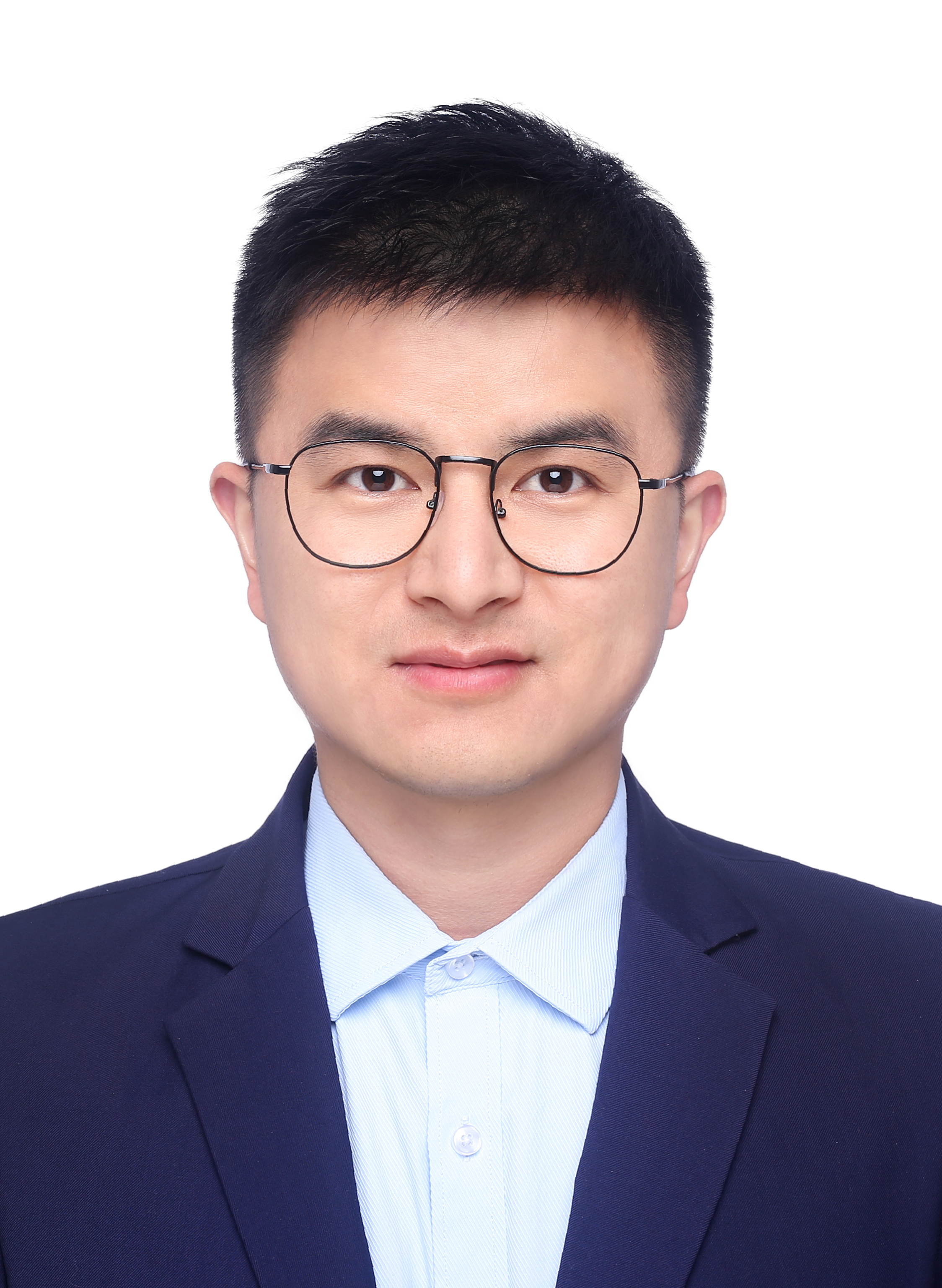
Xu Xu is an Associate Professor at North Carolina State University's Department of Industrial and Systems Engineering, within the College of Engineering. His research focuses on human motion data analysis, theoretical biomechanical modeling, and occupational safety promotion. He has secured funding from NSF, NIOSH, and NC State's seed programs, publishing over 80 journal articles and conference papers. Education: Ph.D. in Industrial Engineering, NC State University (2008) MS in Industrial Engineering, NC State University (2006) Bachelor's in Industrial Engineering, Tsinghua University (2004) Research interests include human factors engineering, occupational biomechanics, data mining of human motion, and injury prevention. His work bridges biomechanical modeling and real-world applications in safety-critical industries. Key scientific achievements include the C. A. Anderson Outstanding Faculty Award and Goodnight Early Career Innovator Award. His lab, the Biomechanics Lab, explores human-robot collaboration dynamics, ergonomic design, and workplace safety innovations. Teaching responsibilities include courses like Fundamentals of Human-Machine Systems Design (ISE352) and Advanced Biomechanical Modeling (ISE794). He advises students such as Ziyang Xie, whose work on collision avoidance earned a CES Innovation Award.
Sigmund Østgård Gismervik is an Associate Professor and researcher at the Department of Public Health and Nursing at NTNU’s Faculty of Medicine and Health Sciences. He leads the R&D Unit of Work and Health in Central Norway and is affiliated with ISM (Institute of Health and Society). His primary roles include academic research, clinical advisory work for the Norwegian Labour and Welfare Service (NAV), and leadership in health technology innovation. Education: MD (2003), Cognitive Behavioral Therapist (2007), Consultant Specialist in Physical Medicine and Rehabilitation (2012), and PhD candidate in Work and Health Research since 2012. His research focuses on occupational rehabilitation, musculoskeletal disorders, eHealth solutions, and the intersection of work health policies. Key research interests include the efficacy of AI-driven self-management apps for musculoskeletal pain, inpatient vs outpatient rehabilitation models, and the impact of insomnia on work participation. His work integrates behavioral therapies like Acceptance and Commitment Therapy (ACT) with multidisciplinary approaches. Recent studies highlight long-term outcomes of occupational rehabilitation programs (7-year follow-ups), usability of electronic health records, and cost-benefit analyses of rehabilitation interventions. He collaborates extensively on national and international trials evaluating digital health tools and workplace health strategies. Labs/Teams: Active in the Work and Health Research Group at NTNU and the R&D Unit of Work and Health in Central Norway, focusing on translational research to improve workplace health policies and clinical practices.
Professor Tony Kenna is an immunologist at Queensland University of Technology (QUT), leading research in autoimmune diseases like ankylosing spondylitis (AS) and scleroderma. He holds a PhD in Pharmacology from University College Dublin and is based in the School of Biomedical Sciences within QUT's Faculty of Health . His work integrates genomics, microbiome studies, and cellular immunology to identify therapeutic targets for immune-mediated diseases. He collaborates with the Centre for Immunology and Infection Control and Centre for Microbiome Research at QUT. Teaching focuses on undergraduate immunology, emphasizing problem-based learning. His editorial roles include journals like Clinical and Translational Immunology and Discovery Immunology . Professional memberships include the Australia and New Zealand Society for Immunology and the Australian Society for Medical Research. Research interests span genetic drivers of AS/scleroderma, microbiome-immune interactions, and translational therapies. Recent work highlights T-cell dysregulation in autoimmune conditions and biomarkers for disease progression. His lab explores therapeutic strategies like CAR-T cells and TCR-engineered regulatory T-cells for autoimmune diseases. Publications emphasize genomics-driven discoveries (e.g., HLA-B27 interactions, Runx3 deficiency in SKG mice), microbiome roles in AS pathogenesis, and long-term post-COVID-19 immunopathology. Collaborations bridge clinical and basic science to advance understanding of immune system dysregulation.
Ericka N. Merriwether is an Associate Professor in the Department of Physical Therapy at New York University’s Steinhardt School of Culture, Education, and Human Development. She directs the Inclusive and Translational Research in Pain Laboratory (I-TRIP), focusing on multi-level mechanisms of chronic musculoskeletal pain in adults with higher BMI. Her work integrates basic science, clinical assessment, and biophysical measurement to characterize pain phenotypes. Dr. Merriwether holds a BSc in Kinesiology from the University of Illinois at Urbana-Champaign, a DPT from the Mayo Clinic School of Health Sciences, and a PhD in Movement Science from Washington University in St. Louis. Her postdoctoral training was at the University of Iowa’s Department of Physical Therapy and Rehabilitation Science. Her research emphasizes racial and weight discrimination’s impact on pain in diverse populations, with NIH-funded studies on post-weight loss pain and non-pharmacological interventions for fibromyalgia. Key areas include pain inequities, obesity-related pain, and the sociocultural determinants of chronic pain. She serves on the Board of Directors of the United States Association for the Study of Pain (USASP) and holds leadership roles in the International Association for the Study of Pain. Awards include the Gabriel Carras Award and NYU Steinhardt’s Champions of Equity Distinguished Service Award. Her grants include support from the NIH, Foundation for Physical Therapy, and NYU Steinhardt initiatives. Current projects explore mediators of chronic widespread pain post-weight loss and the role of systemic inflammation in fibromyalgia pain outcomes. Dr. Merriwether advocates for anti-racist research practices through initiatives like the Antiracism CoaliTION in Pain Research (ACTION-PR), emphasizing equitable study design and cultural competency in pain care.
Dr. Enwu Liu is a Senior Research Fellow at the Mary Mackillop Institute for Health Research, Australian Catholic University, Melbourne. He is a key member of the Bone Health and Fractures Research Program and holds an Adjunct Senior Lecturer position at the College of Medicine and Public Health, Flinders University. He also serves as a Research Fellow in Rehabilitation Aged & Extended Care at Flinders University and as an Associate Lecturer at the Research Unit for Schizophrenia Epidemiology, UNSW. His research is centered on epidemiology, clinical trials, and advanced biostatistical methods. Bachelor of Medicine, North China University of Science and Technology Bachelor of Science in Mathematics, Beijing Normal University Master of Science in Epidemiology and Biostatistics, Peking Union Medical College PhD in Epidemiology, University of California, Los Angeles (UCLA) Dr. Liu's research focuses on epidemiology, clinical trials, mathematical statistics, and biostatistics , with a strong emphasis on developing predictive models for clinical decision-making. He specializes in survival analysis using counting processes and Bayesian methodologies. His applied research spans osteoporosis, fracture risk assessment (including FRAX®), sarcopenia, dementia, and medication use in residential aged care . He has extensive experience managing large datasets using Oracle, SQL Server, and Access, and has developed custom data collection software. His recent publications highlight a consistent focus on aged care, geriatric pharmacology, and musculoskeletal health . Themes include medication appropriateness, quality of life in nursing homes, cost analysis of dementia care, and improvements to fracture risk prediction tools. His work often involves large cohort and cross-sectional studies, with frequent collaboration across Australian and international institutions. Dr. Liu is actively involved in academic service, serving on the review panels of prestigious journals including: Journal of the American College of Cardiology American Journal of Physical Medicine & Rehabilitation Drugs & Aging Statistical Applications in Genetics and Molecular Biology Biomedical and Environmental Sciences Drug and Alcohol Review Journal of Substance Abuse Treatment He has contributed to major clinical and epidemiological studies, particularly in rehabilitation post-hip fracture and medication management in dementia. While not formally HDR-accredited, his role in multi-center trials and data leadership positions indicates significant mentorship and collaborative supervision. Dr. Liu leads or contributes to projects involving data infrastructure, predictive analytics, and policy-relevant health outcomes research. Dr. Liu is affiliated with research teams at ACU’s Mary Mackillop Institute, Flinders University’s College of Medicine and Public Health, and UNSW’s schizophrenia epidemiology unit. His interdisciplinary collaborations span public health, geriatrics, biostatistics, and health economics, contributing to national and international efforts in improving care for older adults.
Denise O'Connor is a Professor (Research) and Deputy Director of the Wiser Health Care Unit at Monash University's School of Public Health and Preventive Medicine. She holds an NHMRC Investigator Leadership Fellowship and leads national initiatives to reduce low-value healthcare practices, particularly overdiagnosis and overtreatment through the Wiser Healthcare Centre of Research Excellence. She also co-leads the Australia and New Zealand Musculoskeletal Clinical Trials Network (ANZMUSC), focusing on optimizing musculoskeletal health through high-quality trials. Her research expertise spans implementation science, health services research, and systematic reviews. She directs the Australasian Satellite of Cochrane Effective Practice and Organisation of Care, publishing reviews to improve healthcare delivery systems. Key collaborations include projects funded by NHMRC, Australian Department of Health, and HCF Research Foundation. Recent research highlights include interventions to reduce antibiotic overuse, optimize imaging practices for musculoskeletal complaints, and assess greenhouse gas emissions in healthcare. She has published over 135 peer-reviewed articles and led 34 research projects, emphasizing translating evidence into practice. Awards include three NHMRC Fellowships (Early Career, TRIP, and Investigator Leadership) and grants from state and federal health agencies. Her work aligns with UN Sustainable Development Goals addressing health equity and sustainable systems.