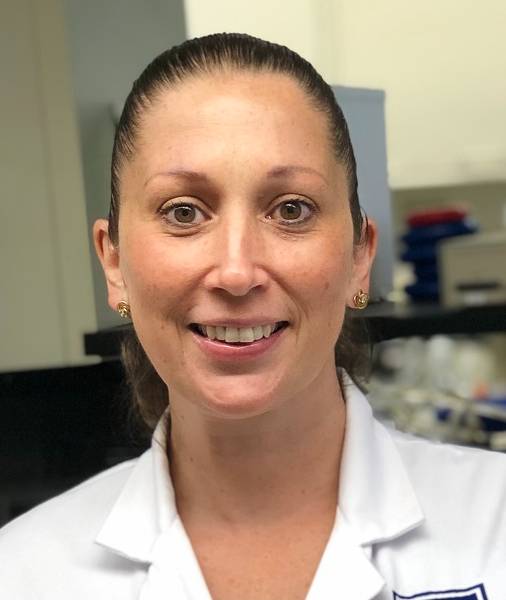
Fernanda Priviero is a Research Professor in the Department of Cell Biology and Anatomy at the University of South Carolina School of Medicine. Her research explores molecular mechanisms of vascular and urogenital dysfunction in hypertension, diabetes, heart failure, and aging. Key focuses include heat shock protein regulation, oxidative stress, calcium signaling, sexual dysfunction pathophysiology, vascular inflammation and sex differences in cardiovascular disease. Recent work investigates COVID-19 vascular complications, epigenetic hypertension inheritance, and ion channel modulation. Studies utilize preclinical models to examine phosphodiesterase inhibitors, TLR pathways, exosomal communication, and novel therapeutic targets for vascular and erectile dysfunction.
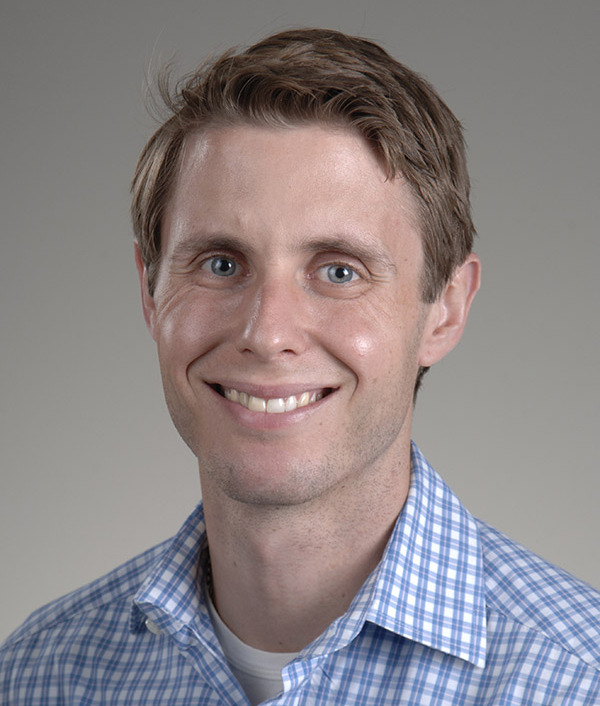
Cameron McCarthy is an Assistant Professor in the Department of Cell Biology and Anatomy at the University of South Carolina School of Medicine. His research focuses on vascular physiology in cardiovascular and metabolic diseases, with particular emphasis on hypertension mechanisms, autophagy regulation, and energy sensing pathways. Dr. McCarthy co-leads the Cam Squared Labs with Dr. Wenceslau, studying mechanical and biochemical properties of microvascular tissue using mouse and rat models. His work examines dysregulation in cellular recycling processes and metabolic sensing in cardiovascular deterioration. His publications demonstrate consistent focus on vascular dysfunction mechanisms across multiple pathologies including hypertension, Alzheimer's, diabetes, and obesity. Recent articles explore novel pathways involving endothelial plasticity, cellular reprogramming, and specialized lipid mediators. Research is supported by the University of South Carolina School of Medicine and investigates therapeutic approaches targeting vascular-immune interactions and metabolic dysregulation.
Cam McCarthy is an Assistant Professor in the Department of Cardiovascular Translational Research Center Cell Biology and Anatomy at the University of South Carolina’s Molinaroli College of Engineering and Computing. He is also affiliated with the School of Medicine, Biomedical Engineering. His research focuses on vascular physiology in cardiovascular and metabolic diseases, particularly mechanisms of hypertension, autophagy dysregulation, and therapeutic interventions like exercise. McCarthy holds a Ph.D. in Physiology from the Medical College of Georgia, an M.S. in Exercise and Sports Science from the University of Memphis, and a B.S. in Physical Education from Appalachian State University. Research Interests: McCarthy’s lab investigates vascular deterioration in diseases such as hypertension and metabolic syndrome, emphasizing autophagy, energy sensing, and the role of innate immune cells (e.g., neutrophils). His work explores how interventions like caloric restriction and exercise can reverse vascular dysfunction. Recent studies include the impact of opioids on vascular aging, the role of beta-hydroxybutyrate in vasodilation, and the interplay between microbiota and blood pressure regulation. Awards and Honors: American Physiological Society (APS) Cardiovascular Section Clinical Science Young Investigator Award Fellow of the AHA (FAHA) Council on Hypertension NIH Pathway to Independence Award (K99/R00) American Heart Association Career Development Award (CDA) Labs and Teams: McCarthy co-leads the Cam Squared Labs (Laboratory of Vascular and Integrative Physiology) with Dr. Camilla F. Wenceslau, focusing on hypertension and vascular dysfunction mechanisms. The lab uses advanced techniques like myography, microscopy, and in vivo hemodynamics. Their work is supported by grants from NIH and AHA.
Dr. Vikram Mohan serves as Senior Lecturer in Physiotherapy at Bournemouth University. He completed a PhD in Biomedical Sciences from Chiang Mai University focused on respiratory characteristics in low back pain patients, building on his clinical background as a registered nurse and physiotherapist. His research examines cardiorespiratory interactions in musculoskeletal disorders, therapeutic exercise efficacy, and work-related injury prevention. Current investigations validate assessment tools for dysfunctional breathing patterns and explore traditional Malay massage for stroke rehabilitation. Mohan maintains active collaborations with Malaysian universities on projects analyzing obesity-fatigue-pain relationships in osteoarthritis. Recent publications demonstrate methodological focus on reliability studies for clinical assessment tools, including systematic reviews of diaphragmatic mobility measurement techniques. His 2015-2024 outputs emphasize quantitative validation of physiotherapy interventions for chronic conditions. Mohan contributes to curriculum development as former WCPT accreditation committee member and teaches undergraduate courses in acute rehabilitation and clinical management. His doctoral supervision addresses pulmonary rehabilitation, geriatric fitness, and fall prevention strategies.
Edla da Silva, PT, MSc, PhD, is an Associate Professor in PT Programs at the University of St. Augustine for Health Sciences (Austin, TX campus). She holds a PhD in Neurology from the Federal University of Rio Grande do Sul and an MSc in Neurology from the Pontifical Catholic University of Rio Grande do Sul. Her expertise includes post-stroke rehabilitation, pediatric neurodevelopment, and cognitive neuroscience. As former coordinator of Physiotherapy at the University of Caxias do Sul, she developed MOH-approved academic programs and directed a neuropediatric clinic for eight years.
Associate Professor Veronique Angeli leads research in immunology and vascular biology at NUS Medicine. Her lab investigates lymphatic system disorders and macrophage functions in tissue homeostasis. She directs the Immunology Programme at the Life Sciences Institute and serves as Assistant Dean (Research). Her work connects lymphatic dysfunction with chronic conditions like lymphedema in cancer survivors. Research examines cholesterol transport mechanisms, macrophage-collagen interactions, and therapeutic strategies for vascular complications. She received the Faculty Research Excellence Award in 2022 and contributes to the Singapore Society of Immunology and Lymphedema Society. Current projects include deciphering lymphedema pathophysiology post-cancer treatment and characterizing LYVE-1+ macrophage populations regulating tissue collagen. Her work spans molecular mechanisms to clinical applications in fibrosis and vascular diseases.
Eddy U is a Professor of Sociology and Director of East Asian Studies at the University of California, Davis. His research focuses on political sociology, social change, and Chinese socialism, particularly examining classification systems and societal structures in 20th-century China. Key works include Creating the Intellectual: Chinese Communism and the Rise of a Classification (2019) and Disorganizing China: Counter-Bureaucracy and the Decline of Socialism (2007). He holds a Ph.D. from UC Berkeley and has taught courses on global social change and contemporary China. His academic journey began in Hong Kong, leading to a career blending theoretical sociology with empirical analysis of Chinese history. Current research explores the Cultural Revolution’s dynamics. Eddy U’s affiliations include the College of Letters and Science, with offices at 1 Shields Ave. Contact: eu@ucdavis.edu. Despite no listed students or awards, his scholarly contributions span books, edited volumes, and journal articles analyzing Marxist class formations, bureaucratic organization, and knowledge production in modern China. Recent work addresses the reification of social categories and intellectual identity in revolutionary contexts.
Nathan Tykocki is an Associate Professor and Director of the Cubi3C Core Facility at Michigan State University (MSU), affiliated with the College of Human Medicine and College of Osteopathic Medicine. He holds a PhD in Pharmacology and Toxicology from MSU (2012) and a BS in Science and Technology Studies from Lyman Briggs College (2002). His research focuses on urinary bladder physiology, emphasizing afferent nerves, vasculature, and stress-induced dysfunction. He employs multidisciplinary approaches, including in vivo physiology, myography, and imaging, to study bladder function in health and disease. Key research areas include bladder wall mechanics, vascular contractility, and TRPV1-mediated stress responses. His lab has developed novel tools like the pentaplanar reflected image macroscopy system to quantify bladder biomechanics. He leads grants from the National Institute of Diabetes and Digestive and Kidney Diseases (NIDDK), including projects on bladder stiffness and stress-induced dysfunction. As a mentor, he advises graduate students (e.g., Ashika Goel, Marlene Masino) and oversees postdocs like Eli Broemer. His lab team includes technicians Osvaldo Vega and Emma Flood. He contributes to academic programs such as the Integrated Pharmacological Sciences Training Program and advises the Undergraduate Minor in Pharmacology and Toxicology. Labs and facilities include the Tykocki Lab (focusing on lower urinary tract research) and the Cubi3C facility. His work spans collaborations in drug discovery, computational biology, and urology, with a strong emphasis on translational research.
Robert Drummond serves as a Teaching Fellow at the Strathclyde Institute of Pharmacy and Biomedical Sciences, University of Strathclyde, where his research centers on cardiovascular pathophysiology with emphasis on atrial fibrillation mechanisms and pulmonary vein electrophysiology. His primary research investigates the role of intracellular calcium dynamics in generating spontaneous electrical activity within pulmonary vein cardiomyocytes, exploring how these mechanisms trigger atrial fibrillation and identifying novel therapeutic targets. Additional work spans vascular pharmacology including P2Y receptor characterization, endothelial metabolism, and natural product effects on vascular tone, reflecting an integrated approach to cardiovascular dysfunction. Drummond's publication record (2018-2025) demonstrates consistent focus on calcium signaling in arrhythmogenesis, purinergic vascular regulation, and metabolic aspects of endothelial function, with methodological emphasis on electrophysiological recording, receptor pharmacology, and systematic review methodologies. He serves as editorial board member for Pharmacology Research & Perspectives since 2013 and previously led a British Heart Foundation-funded project (2011-2014) investigating intracellular calcium in pulmonary vein arrhythmogenesis as Principal Investigator, with Edward Rowan as Co-investigator. His supervised research portfolio includes 4 projects focused on cardiovascular mechanisms.
Per-Johan Jakobsson is a Professor and Research Group Leader at Karolinska Institutet in the Division of Rheumatology, Department of Medicine, Solna. He leads the Translational Inflammation Research group, focusing on prostaglandin pathways (e.g., mPGES-1 inhibitors), lipid metabolomics, and biomarkers in rheumatic and autoimmune diseases. His research explores the arachidonic acid cascade, proteomics, cytokine profiling, and collaborations with Guangdong Provincial Hospital of Chinese Medicine for traditional medicine-based drug discovery. Key interests include: Molecular mechanisms of inflammation in rheumatology and cancer Development of mPGES-1 inhibitors for therapeutic intervention Lipid mediator pathways in autoimmune disorders Integrative approaches combining proteomics and metabolomics Recent publications (2021-2025) emphasize prostaglandin biology, autoantibody roles in systemic lupus and myositis, tumor microenvironment modulation, and cardiovascular implications of anti-inflammatory therapies. Trends include biomarker discovery and targeted inhibition of inflammatory enzymes. Jakobsson mentors PhD students and postdocs, overseeing projects on prostaglandin signaling, autoimmunity, and cancer biology. His team utilizes advanced analytical techniques (e.g., proteomics, lipidomics) and collaborates globally to validate therapeutic targets.
Dr. Yves Ouellette, MD, PhD, is a Professor at the Mayo Clinic College of Medicine and Science in the Department of Pediatrics. Specializing in Pediatric Critical Care Medicine , his research focuses on Microcirculatory Dysfunction in Sepsis , Endothelial Cell Communication , and Vascular Smooth Muscle Cell Physiology . With over two decades of leadership in institutional review boards and critical care committees, he has pioneered ethical frameworks for research involving vulnerable populations. MD (1990), University of Toronto PhD (1988), University of Western Ontario Post-doctoral Fellowship (1996), Children's Hospital of Western Ontario His peer-reviewed publications (2015–2025) span topics including: Pediatric organ dysfunction criteria development Endothelial dysfunction in sepsis Ethical challenges in pandemic research Global health disparities in critical care Scientific honors include the 2025 Child and Adolescent Health Champion award, the 2019 Ministry of Health Medal for contributions to Vietnam's pediatric care, and multiple research fellowships. His work bridges clinical practice, research ethics, and international healthcare policy through extensive collaborations with organizations like the Society of Critical Care Medicine and North American Vascular Biology Organization .
Matthias Salathe, M.D. is a Professor of Pulmonary, Critical Care and Sleep Medicine at the University of Kansas Medical Center School of Medicine. He currently serves as Department Chair of Internal Medicine and Vice Chancellor for Research at KUMC. Previously, he held leadership positions including division chief of pulmonary, critical care and sleep medicine at the University of Miami. Dr. Salathe received his medical degree from the University of Basel, Switzerland and completed residencies in anesthesiology and internal medicine in Switzerland followed by clinical and research fellowships at the University of Miami. His educational background includes a Post Doctoral Fellowship in Cellular & Molecular Pharmacology. Dr. Salathe's research focuses on airway diseases with particular emphasis on cilia and mucociliary function, innate airway host defense, and airway ion transport. His laboratory pioneered techniques to measure ciliary beat frequency and fluorescent signals in live cells and established a biorepository of airway epithelial cells from over 600 lungs. His recent work has demonstrated how vaping causes mucociliary dysfunction through TRP channel activation and airway inflammation. His publication record shows consistent contributions to understanding airway physiology, with recent articles focusing on ciliary regulation, mucociliary clearance mechanisms, and the pathophysiology of cystic fibrosis. Dr. Salathe has maintained continuous NIH funding since 1999, along with support from the State of Florida, Cystic Fibrosis Foundation, and other organizations. His current research portfolio includes studies on anti-inflammatory therapy for cystic fibrosis, mechanisms of mucociliary dysfunction in cystic fibrosis related diabetes, and TRP-mediated airway inflammation by e-cigarette vaping. He also serves as site-PI for the ACTIV-1 trial studying treatments for COVID-19. American Thoracic Society, Fellow (2020-Present) Association of Professors of Medicine, Member (2018-Present) American College of Physicians, Fellow (2001-Present) American Physiological Society, Member (2001-Present) American College of Chest Physicians, Fellow (1999-Present) As an educator, Dr. Salathe developed and taught the respiratory system module at the University of Miami, receiving 11 student awards for excellence in teaching from 2002-2018. He is an active advocate against teen vaping, using his research findings to inform public health policy.
Dr. Ian P. Salt is a Reader in Molecular Biosciences at the University of Glasgow, affiliated with the School of Molecular Biosciences. His work bridges molecular and vascular biology, focusing on the interplay between diabetes and cardiovascular disease. University of Glasgow School of Molecular Biosciences His research explores how insulin and AMP-activated protein kinase (AMPK) regulate endothelial and adipose tissue function. Key areas include: Molecular mechanisms linking diabetes to cardiovascular complications Nitric oxide synthesis and vascular relaxation AMPK-dependent anti-inflammatory pathways Nutrient sensing in obesity-related inflammation Recent publications highlight AMPK's role in adipogenesis, endothelial metabolism, and metformin's protective effects. He collaborates extensively with experts in vascular pharmacology and endocrinology. Scientific awards: British Heart Foundation Intermediate Fellowship Diabetes UK R.D. Lawrence Fellowship Dr. Salt supervises students like Ralston, Maximilian R. and Wang, Zhe, while securing grants from Diabetes UK and the Wellcome Trust. His lab contributes to international efforts in metabolic and vascular medicine.
Dr. Simon Christopher Robson is a Professor of Anaesthesia at Beth Israel Deaconess Medical Center and the Charlotte F. and Irving W. Rabb Professor of Medicine at Harvard Medical School. His research focuses on purinergic signaling, immunology, and transplantation biology with applications in oncology, neuroscience, and vascular medicine. Education MBChB (MD equivalent) with honors and distinction from the University of Cape Town (1978) PhD in Medicine and Immunology from the University of Cape Town (1988) Dr. Robson’s research spans purinergic signaling pathways , particularly the CD39/CD73-adenosine axis , in diseases such as acute myeloid leukemia , ischemic stroke , cardiac arrest , and autoimmune hepatitis . He investigates how these pathways regulate immune responses , vascular function , and organ transplantation outcomes . His work includes targeting ectoenzymes for cancer therapy, endothelial-targeted CD39 for stroke, and hormonal influences (e.g., estrogen) on microvascular disease. Scientific Awards Biennial Gold Medal, South African Immunology Society 2010 Robert C. Moellering Teaching Award 2015 Ambulatory Teaching Awards (Specialist) 2015 Honorary Fellowship, Royal College of Physicians of Ireland (RCPI) 2016 Fellow, American Association for the Study of Liver Diseases (AASLD) Dr. Robson leads the Robson Lab , which explores purinergic metabolism in inflammation, thrombosis, and transplantation. He has secured multiple NIH grants, including projects on PGC-1α, purines, and postmenopausal heart disease , purinergic immunotherapy in leukemia , and thromboregulatory strategies for xenograft survival . His collaborations with institutions like Massachusetts General Hospital highlight his interdisciplinary impact.
Aikaterini Anagnostopoulou is a researcher affiliated with the University of Westminster. Her academic work spans vascular biology, redox signaling, and molecular mechanisms in hypertension and cardiovascular disease. She has contributed to proteomic studies in Lymnaea stagnalis and research on Nox isoforms, calcium signaling, and metabolic syndrome. Her research interests focus on Vascular redox signaling in hypertension Molecular biology of Nox isoforms Proteomic analysis of CNS proteins Calcium-redox crosstalk in disease Metabolic-cardiovascular links Recent publications include peer-reviewed articles in the FASEB Journal , Journal of Experimental Biology , and Antioxidants and Redox Signaling , with themes in vascular function, LC-MS proteomics, and neurobiological mechanisms. She has collaborated on studies involving Lymnaea CNS databases, TRPM2 channels, and PARK7/DJ-1 protein regulation.