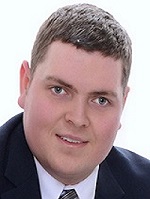
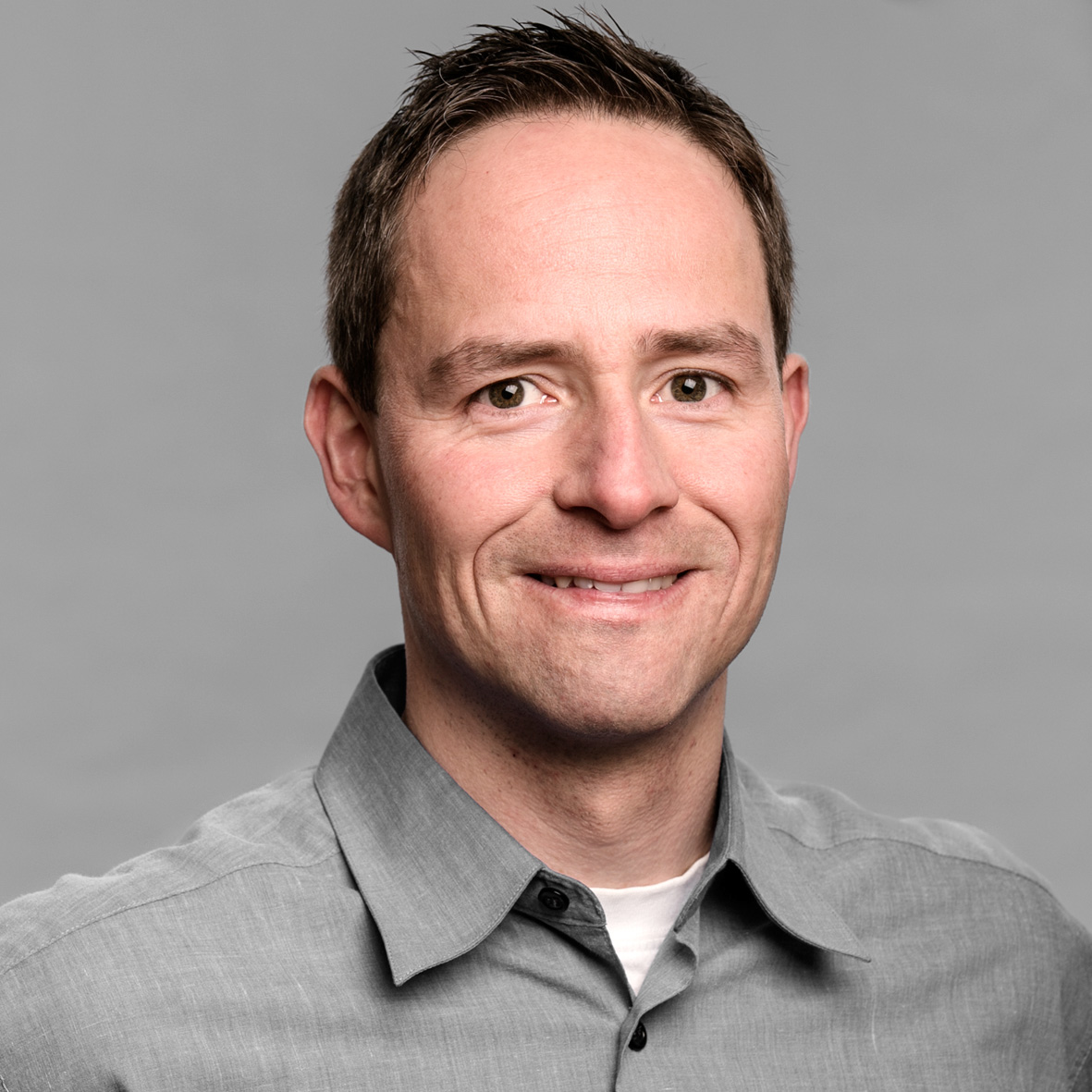
Dr. Bill Sheel is a Professor and Distinguished University Scholar at the School of Kinesiology, University of British Columbia. His research focuses on the integrative physiology of exercise, particularly respiratory and cardiovascular interactions. Email: bill.sheel@ubc.ca Office: Chan Gunn Pavilion, Room 221B, Vancouver, BC Lab: Health and Integrative Physiology Laboratory Research Interests: Dr. Sheel investigates respiratory physiology during exercise, cardiovascular modulation by breathing patterns, and human performance optimization. His work spans elite athletes, aging populations, and clinical applications. Publication Trends: Recent studies include pulmonary mechanics in exercise physiology, respiratory muscle training applications, and socio-cultural factors in sports science. Collaborative works address aging interventions and environmental influences on athletic performance. Scientific Recognition: Distinguished University Scholar, UBC Laboratory & Collaborations: Leads the Health and Integrative Physiology Laboratory at UBC, focusing on respiratory-cardiovascular integration and exercise tolerance mechanisms.
Gustavo Nader, Ph.D., is a Professor of Kinesiology at The Pennsylvania State University's College of Health and Human Development, where he holds the Dorothy Foehr Huck and J. Loyd Huck Endowed Chair in Molecular, Cellular and Integrative Physiology. His research laboratory at 101 Noll Lab focuses on molecular mechanisms of skeletal muscle adaptation, employing human, animal, and cellular models to investigate ribosome biogenesis, transcriptional regulation, and muscle growth control in contexts ranging from exercise hypertrophy to cancer cachexia. Dr. Nader's research examines fundamental processes including: Ribosome biogenesis and its role in muscle growth regulation Epigenetic control of RNA Polymerase I activity Molecular pathways in mechanical overload-induced hypertrophy Tumor-induced muscle wasting mechanisms Biomimicry approaches inspired by hibernator physiology His work spans exercise physiology, cancer biology, and environmental stress responses. Analysis of his 15 most recent publications (2015-2025) reveals predominant themes in muscle hypertrophy mechanisms, cancer cachexia pathophysiology, ribosomal function analysis, and environmental stress impacts on muscle. His work consistently integrates molecular techniques with physiological models across species. Notable scientific recognitions include: Dorothy Foehr Huck and J. Loyd Huck Chair appointment (2024) Huck Institutes Leadership Fellowship (2025-2026) Dr. Nader leads an active research team investigating muscle plasticity, with current projects funded through the Huck Institutes of the Life Sciences. He collaborates extensively through Penn State's Integrative and Biomedical Physiology graduate program and Center for Cellular Dynamics.
Dr. Bradley Schoenfeld is a Professor of Exercise Science at Lehman College, serving as Graduate Director of the Human Performance and Fitness program. He previously acted as Sports Nutritionist for the New Jersey Devils hockey team. His research focuses on the effects of exercise on body composition, particularly muscle hypertrophy and fat loss, along with related nutrition interventions. Schoenfeld has authored over 300 peer-reviewed papers and the influential textbook Science and Development of Muscle Hypertrophy . He has received notable awards including the 2016 Dwight D. Eisenhower Fitness Award and 2018 NSCA Young Investigator of the Year. His work examines muscular adaptations from exercise variables manipulation, body composition changes, and supplementation effects. Key research themes include resistance training protocols, load progression strategies, and the physiological mechanisms underlying muscle growth. Education: Doctoral degree in Exercise Science Key Affiliations: National Strength and Conditioning Association (NSCA Fellow) Publications consistently address practical applications of resistance training science, emphasizing evidence-based approaches to optimize muscle development. His studies frequently explore training variables like volume, frequency, intensity, and rest periods. Grants and collaborations have supported investigations into deload strategies, isometric training effects, and nutritional strategies for hypertrophy. Labs/Teams: Conducts research through Lehman College's Human Performance Lab Future Work: Continuing exploration of training variables optimization and nutritional ergogenic aids
Vignesh Ram Somnath is a Professor in the Biosciences of Sports at the University of Hildesheim since 2018. Previously, he served as an Acting Professor (2016-2018) and Research Associate (2010-2016) at the Institute of Sports Science, German Sports School Cologne. His work bridges molecular biology with sports science, focusing on skeletal muscle adaptation. Current: University Professor W2, University of Hildesheim 2016-2018: Acting Professor, University of Hildesheim 2010-2016: Research Associate, German Sports School Cologne 2005-2007: Research Assistant, German Sports School Cologne Research Interests: Regulation of molecular signaling pathways in skeletal muscle Mechanoprotective mechanisms during exercise Protein degradation dynamics Optimization of training and nutrition in competitive sports Integration of molecular biology with traditional sports science Key Publications (2020-2017) demonstrate expertise in: Metabolomics of muscle hypertrophy AMPK signaling in training Mitochondrial adaptations Extracellular vesicle analysis Calcium signaling pathways
Norwegian University of Science And TechnologyNorway
Jan Helgerud is a Professor in the Department of Circulation and Medical Imaging at the Norwegian University of Science and Technology (NTNU), Faculty of Medicine and Health Sciences. His research focuses on exercise physiology, endurance training, and cardiovascular health, with particular emphasis on aerobic capacity, muscle strength, and their clinical applications in chronic diseases and rehabilitation. Research Interests: Exercise physiology and its impact on health and disease High-intensity interval training (HIIT) adaptations in athletes and clinical populations Cardiovascular and metabolic responses to exercise Strength training in patients with rheumatic diseases, Parkinson's disease, and spinal cord injuries Physiological determinants of endurance performance in sports like cycling and cross-country skiing Recent Article Trends: Recent work emphasizes the efficacy of high-intensity training protocols for improving aerobic capacity (VO2max) and functional outcomes in diverse populations, including elite athletes and patients with long-term conditions like long-COVID or rheumatic diseases. Studies also explore mechanisms of muscle adaptation, heat tolerance in occupational settings, and digital health tools for exercise assessment. Advising & Grants: Collaborations with colleagues on randomized controlled trials for strength and endurance interventions Focus on translational research linking physiological insights to clinical outcomes Labs/Teams: Active in NTNU's Department of Circulation and Medical Imaging, contributing to interdisciplinary projects in sports science and rehabilitation medicine.
Yibing Qyang is a Professor of Medicine (Cardiovascular Medicine) at Yale University School of Medicine (YSM), affiliated with the Department of Internal Medicine. He serves as Director of the Yale Stem Cell Research Forum since 2010. His expertise spans stem cell biology, cardiovascular disease modeling, and regenerative medicine. Qyang holds a B.S. from Nanjing University, an M.S. from Chinese Academy of Sciences, and a Ph.D. from the University of Texas M.D. Anderson Cancer Center. He completed postdoctoral training at UC San Diego and Harvard Medical School. Research Interests: The Qyang Lab focuses on engineering vascular tissues using induced pluripotent stem cells (iPSCs), elucidating cardiovascular disease mechanisms, and developing therapeutic strategies. Key areas include: Vascular tissue engineering for graft development Stem cell-derived models of diseases like supravalvular aortic stenosis Cardiac progenitor cell therapies for heart repair Biomechanical signaling in hypertrophic cardiomyopathy Preclinical porcine models for translational research Key Achievements: Developed immunocompatible 'universal donor' vascular grafts using CRISPR-engineered iPSCs Pioneered iPSC-derived vascular smooth muscle and endothelial cells for tissue engineering Identified elastin-based therapies for supravalvular aortic stenosis Grants & Awards: Connecticut Stem Cell Program Established Investigator Awards (2011, 2015) ISSCR Membership (2007–Present) Highlighted in Yale News for groundbreaking discoveries in heart disease and vascular grafts Lab Team & Collaborations: The lab includes researchers and students from institutions worldwide, with collaborations at Harvard, UCSD, and Yale’s Cardiovascular Research Center. Projects span iPSC differentiation, biomechanical modeling, and preclinical trials. Future Directions: Expanding studies on universal donor grafts, cardiac tissue engineering, and clinical translation of iPSC-derived therapies.
Amjad Javed is a Professor and Associate Dean at the University of Alabama at Birmingham , with primary appointments in the School of Dentistry - Oral & Maxillofacial Surgery and joint affiliations in Cell, Developmental and Integrative Biology , Otolaryngology , and Biomedical Engineering . His research spans bone biology, cartilage development, and myeloma bone disease. PhD in Physiology (University of the Punjab, 2003) MS in Zoology/Animal Biology (University of the Punjab, 1992) Research Interests focus on transcriptional regulation via RUNX2 and Sp7 in skeletogenesis, vascular calcification mechanisms, epigenetic control of bone formation, and tumor-bone microenvironment interactions in multiple myeloma. Key subfields include endochondral ossification, osteoclast differentiation, and nanomatrix-based tissue engineering. Scientific Contributions include discoveries about RUNX2's role in postnatal bone resorption, λ5 protein's impact on skeletal aging, and heparanase's promotion of myeloma metastasis. His work demonstrates RUNX2's dual function in chondrocyte apoptosis and cartilage degradation. Teaching & Mentorship involves graduate committee service for over 15 students and instruction in courses like Connective Tissue and Bone , Oral & Skeletal Biology , and Journal Clubs . Collaborations span Comprehensive Arthritis, Musculoskeletal, Bone and Autoimmunity Center , Integrative Center for Aging Research , and Biomatrix Eng Regen Med Center .
Tommy Lundberg is a Senior Lecturer and Docent in Physiology at Karolinska Institutet. He works at the Department of Laboratory Medicine, Division of Clinical Physiology. His email address is tommy.lundberg@ki.se, and his postal address is H5 Laboratoriomedicin, H5 Klinisk Fysiologi Gustafsson, 141 52 Huddinge. Lundberg is affiliated with the university library and has held positions since 2022. Research Interests: Lundberg's research focuses on skeletal muscle mass and function adaptation, particularly in athletic performance, disease contexts, aging, and transgender individuals undergoing hormone therapy. He investigates molecular, metabolic, morphological, and functional responses to resistance and aerobic exercises. His work also explores biological maturity selection biases in youth sports, bio-banding applications in soccer and ice hockey, and the impact of anti-inflammatory drugs on muscle hypertrophy. Article Trends: Lundberg's recent publications (2025–2024) cover topics like sex differences in disc golf, muscle atrophy in space exposome, longitudinal hormone therapy effects in transgender individuals, and bio-banding in youth sports. Earlier works delve into molecular pathways in muscle hypertrophy, concurrent training effects, mitochondrial function, and imaging techniques (CT/MRI) for muscle assessment. Scientific Recognition: Most prominent young researcher in Sport Science, Swedish Central Association for Sport Promotion (SCIF), 2017 Teaching and Editorial Roles: Lundberg teaches human physiology and sports science in nursing, physiotherapy, and biomedical analytics programs. He leads a contract education course in advanced exercise physiology and contributes to a PhD course on scientific writing. He is an Associate Editor for Frontiers in Physiology - Exercise Physiology (2022) and a member of the editorial board for Translational Exercise Biomedicine (2024). Collaborations and Expertise: He collaborates with the Swedish Football Association and Swedish Ice Hockey Association on bio-banding studies. Lundberg served as an invited speaker at the ACSM Annual Meeting (2024) on transgender athletes and as an expert panelist for World Rugby's transgender workshop (2020). His supervision includes Andrea Tryfonos (2021) and thesis evaluations at Mid Sweden University and Linköping University.
Icahn School of Medicine at Mount SinaiUnited States
Woojin Han is an Assistant Professor in the Departments of Orthopedics and Cell, Developmental & Regenerative Biology at the Icahn School of Medicine at Mount Sinai. His research program focuses on the mechanobiology of skeletal muscle stem and progenitor cells, with applications in disease modeling and the development of advanced therapeutics for muscle injuries and degenerative diseases. Dr. Han earned his BS in Biomedical Engineering from the University of Rochester and his MS and PhD in Bioengineering from the University of Pennsylvania. He completed his postdoctoral training at the Georgia Institute of Technology, where he received awards from the American Federation for Aging Research (AFAR) and the NIH. Dr. Han's research integrates biomaterials, bioengineering, and in vivo genetic approaches to investigate cell-matrix interactions and mechanobiological signaling, aiming to uncover the mechanisms driving muscle regeneration and pathology. His work is supported by the National Institutes of Health (NIH) and the Department of Defense (DoD). Analysis of Dr. Han's recent publications reveals a strong focus on muscle regeneration mechanisms, particularly examining the role of extracellular matrix proteins, mechanical confinement, and signaling pathways in muscle stem cell behavior. His research spans from fundamental mechanobiology to translational applications using biomaterials for tissue regeneration. 2025 NEBEC Emerging Investigator Award 2024 Mount Sinai Faculty Council Award for Junior Faculty 2023 Popular Science's The Brilliant 10 2022 Stephen I. Katz Early Stage Investigator Grant Awardee American Federation for Aging Research (AFAR) award NIH award Dr. Han's research is supported by significant funding from the National Institutes of Health (NIH) and the Department of Defense (DoD). His work bridges basic science and clinical applications, with particular emphasis on developing advanced therapeutics for muscle injuries and degenerative diseases. Through his lab, he mentors junior researchers in the fields of biomechanics, bioengineering, and regenerative medicine. Dr. Han leads the Han Lab, which focuses on skeletal muscle regeneration research. The lab employs a multidisciplinary approach combining biomaterials engineering, molecular biology, and advanced imaging techniques to develop novel strategies for enhancing muscle repair and preventing pathological changes following injury.
Eduardo Saez De Villarreal Sáez is a Professor in the Department of Sports and Information Technology at Universidad Pablo de Olavide, where he is affiliated with the Center for Research in Physical and Sports Performance (CIRFD) and the AFSD Physical Activity, Health and Sport research group. His academic work spans both theoretical and applied aspects of sports science, with a particular focus on physical performance metrics and training methodologies. His research interests center on athletic performance optimization, with specific expertise in strength training methodologies, sprint mechanics, and resistance training adaptations. Dr. Saez De Villarreal's work frequently examines velocity-based training, blood flow restriction techniques, and the biomechanical aspects of athletic movement. His research bridges laboratory findings with practical applications for athletes across multiple sports disciplines including football (soccer), water polo, cycling, and even unique applications to professional bullfighting performance. Analysis of his recent publications (2024-2026) reveals a strong focus on velocity-based resistance training, with particular attention to velocity loss thresholds and their impact on strength development. His work demonstrates increasing sophistication in training methodology research, with systematic reviews and meta-analyses becoming more prominent alongside experimental studies. The research spans multiple sports contexts while maintaining a strong physiological and biomechanical foundation. Dr. Saez De Villarreal supervises doctoral students in the Physical Activity, Sports and Health Sciences program and collaborates with researchers internationally. His work shows consistent output with publications extending into 2026, indicating ongoing active research. His laboratory work appears to focus on practical applications of sports science research across various athletic populations, from youth athletes to professionals.
Gustavo Alberto Nader is a Professor of Kinesiology at The Pennsylvania State University , holding the Dorothy Foher and J. Lloyd Huck Chair in Molecular, Cellular and Integrative Physiology. His research focuses on skeletal muscle growth control , ribosome biogenesis , and transcriptional/epigenetic regulation in health and disease contexts. Affiliated with the Huck Institutes of the Life Sciences and College of Health and Human Development Principal Investigator on NIH-funded projects examining ribosomal control of muscle mass Research Interests span molecular mechanisms of muscle adaptation to exercise, cancer cachexia, chronic disease impacts on muscle, and cross-species Wnt signaling regulation by CO₂ levels. Key methodologies include human/animal/cell models, ribosomal analysis, and epigenetic profiling. Publication Trends show sustained focus on: Ribosome biogenesis in muscle hypertrophy (2012–2025) Cancer-induced muscle wasting mechanisms (2015–2024) CO₂/Wnt pathway interactions (2015–2019) Exercise-induced transcriptional responses (2001–2016) Scientific Awards include the Huck Chair, while his Grants & Collaborations involve NIH-funded studies on transcriptional/epigenetic mechanisms (2019–2026) with cross-disciplinary teams in physiology, oncology, and respiratory medicine.
Max Planck Institute for Dynamics and Self-OrganizationGermany
Claudia Crocini is a DZHK junior research group leader at the Max Rubner Center for Cardiovascular Metabolic Renal Research, Charité - Universitätsmedizin Berlin. Her work bridges cardiac physiology, epigenetics, and sex-specific medicine to address critical gaps in cardiovascular research where female hearts have been historically neglected. Her research program centers on sex-dependent differences in human cardiac cells, investigating how biological sex influences contractility, ionic currents, gene expression, and epigenetic regulation. By leveraging induced pluripotent stem cell technology, tissue engineering, and computational modeling, her lab identifies fundamental mechanisms underlying sex-specific cardiac responses to disease. This approach integrates cardiac mechanobiology with molecular analysis to uncover targets for precision medicine. Analysis of her publication record reveals a consistent trajectory toward understanding sex-dimorphic cardiac function, with recent work emphasizing sarcomere mechanics, RNA splicing, and nuclear mechanosensing. Her methodology combines voltage/calcium imaging, contractility assays, and next-generation sequencing to establish sex-specific biomarkers and therapeutic pathways. Dr. Crocini's scientific contributions have been recognized through competitive awards: First prize: Best Postdoc at the MDC (2022) Marie Skłodowska-Curie Fellowship for 'TiGER: Titin can govern epigenetic remodelling' (2021) American Heart Association Postdoc Fellowship (2020) Biophysical Society Travel Award (2020) HSFP Long-Term Fellowship (2017) As principal investigator of her DZHK-funded research group, she directs projects examining sex-dependent cardiac adaptation mechanisms while securing major grants including the Marie Skłodowska-Curie and American Heart Association fellowships. Her work directly addresses the urgent need for sex-inclusive cardiac research to improve clinical outcomes. The Crocini Lab operates within the Max Rubner Center, utilizing stem cell differentiation platforms, engineered cardiac tissues, and advanced imaging to dissect sex-specific cardiac physiology. Current projects focus on translating cellular findings into clinically relevant insights for sex-tailored cardiovascular therapies.
Dr. Michael Gallaugher is an Assistant Professor of Statistical Science at Baylor University. He holds a Ph.D., M.S., and B.S. in Statistics from McMaster University. His research focuses on clustering and classification methodologies, particularly in matrix/tensor variate data, mixed-type data, clickstream analysis, and outlier detection. He has been recognized with prestigious awards including the Vanier Canada Graduate Scholarship and the Banting Postdoctoral Fellowship. Education: Ph.D., Statistics, McMaster University (2020) M.S., Statistics, McMaster University (2017) B.S., Statistics, McMaster University (2015) Research Interests: Dr. Gallaugher's work emphasizes advanced clustering techniques for complex data structures, including high-dimensional datasets, clickstream behavior analysis, and skewed distribution modeling. His contributions span statistical methodology development and applications in fields like bioinformatics and sports science. His recent work explores hidden Markov models for time series and robust co-clustering algorithms. Publications Trends: His publications reflect a strong focus on matrix-variate distributions, skewed data modeling, and algorithmic innovation in clustering. Recent work (2022-2025) highlights advancements in contaminated normal mixtures, co-clustering for high-dimensional data, and spatial regression models. Awards: Vanier Canada Graduate Scholarship Banting Postdoctoral Fellowship Advising & Grants: While no advisees are listed, his research has been supported by grants from the Natural Sciences and Engineering Research Council of Canada. He contributes to statistical consulting services at Baylor and collaborates internationally on methodological projects. Labs & Teams: He is affiliated with Baylor's Department of Statistical Science and collaborates with research groups focused on machine learning and statistical computing.
Prof. Dr. Stephan Schiemann is a faculty member at Leuphana University of Lüneburg specializing in Sports Science and Health Sciences . With over 122 publications and active research in physical education, strength training, and rehabilitation, his work focuses on biomechanics, muscle adaptation, and digital health interventions. Key Research Areas: Strength training, flexibility protocols, youth athlete development, inclusive sports, and digital health applications Projects: KITA GUT & GESUND, RoBaTaS (Rollstuhlbasketball), HeaLinGo (health-language integration) Research Trends Recent publications analyze: Strength-performance correlations across sports (basketball, cross-country skiing) Long-term stretching effects on muscle hypertrophy Measurement error differentiation in ultrasound diagnostics Comparative training methods for plantar flexors His work bridges theoretical development with practical applications in school sports and rehabilitation.
Assoc. Prof. Dr. Koray KIRIKCI is a faculty member at Kırşehir Ahi Evran University, Faculty of Agriculture, Department of Animal Science, where he currently serves as Associate Professor since 2024. Previously, he held positions as Doctoral Faculty Member (2020-2024) and Research Assistant (2011-2020) at the same institution. He also holds administrative positions including Department Vice Chair (since 2022), Education Coordinator (since 2021), and Education and Teaching Committee Member. Dr. KIRIKCI earned his BSc in Agricultural Engineering from Gaziosmanpaşa University (2005-2009), followed by an MSc in Animal Science from Ondokuz Mayıs University (2010-2012), and completed his PhD in Animal Science at the same institution (2012-2017). He also received a YÖKDİL certificate with 85 points in 2021. His research focuses on animal breeding and genetics, particularly in small ruminants. His primary interests include sheep and goat breeding, biometrics, genetics, gene polymorphisms related to reproductive traits, meat quality, and molecular markers for selection. He has made significant contributions to understanding the genetic basis of litter size, multiple births, and meat production traits in Turkish native sheep breeds. Analysis of his recent publications reveals a strong emphasis on reproductive genetics in sheep, particularly investigating BMP15 and GDF9 genes and their relationship with litter size. His work spans multiple Turkish native sheep breeds including Akkaraman, Karayaka, Çepni, and Of, as well as international collaborations with Kazakh researchers on Saryarka sheep. His research combines molecular techniques like PCR-RFLP with quantitative genetic analysis to identify markers for selective breeding. Dr. KIRIKCI has supervised at least one Master's student, Melike Kavuzkoz, whose thesis focused on FSHR, LHβ, and GPR54 gene mutations in Sakız sheep. He has taught numerous graduate and undergraduate courses including Genetic Analysis, Population Genetics, and Animal Breeding Methods. He has been principal investigator for 20 research projects, including studies on indel and major gene mutations related to multiple births in Ankara goats (2025-2027), polymorphism and phylogenetic relationships of BMP15 and GDF9 genes in native sheep breeds from Kazakhstan and Türkiye (2024-2025), and investigation of FSHR, LHβ, and GPR54 gene mutations in Sakız sheep (2023-2024). His work demonstrates strong international collaboration, particularly with Kazakh National Agrarian Research University.