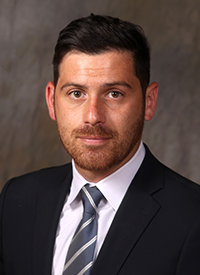
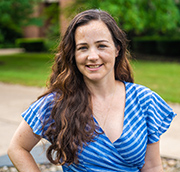
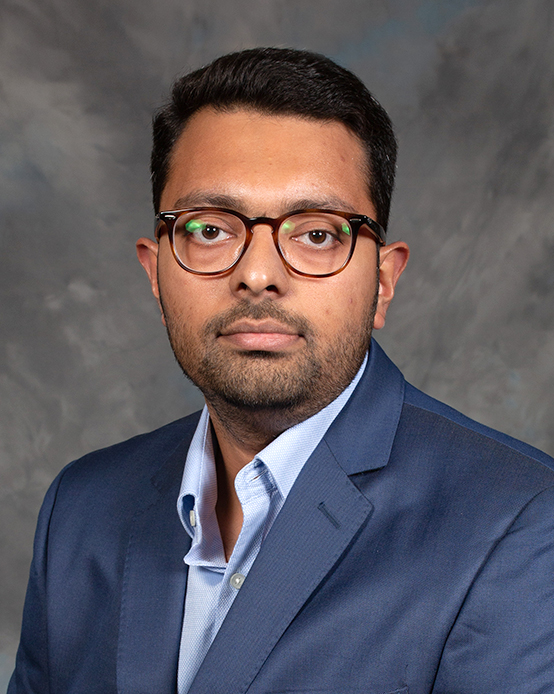
Dr. Allan Robert is a Professor of Sports Science and Exercise Physiology at the University of Central Lancashire, focusing on cryotherapy applications, post-exercise recovery strategies, and nutritional interventions in health and chronic diseases. His research spans over 20 years, with a strong emphasis on translational studies in sports medicine and public health. Affiliations: University of Central Lancashire (UCLan) Key Research Themes: Thermal therapies in sports injury recovery, clinical trials for nutritional interventions, and biomechanical adaptations to cold exposure. His work has contributed to evidence-based guidelines on post-exercise cooling, including cold-water immersion and whole-body cryotherapy, and their impact on muscle recovery, cognitive performance, and chronic conditions like type-2 diabetes and ulcerative colitis. Recent studies include randomized controlled trials evaluating Montmorency tart cherry juice for ulcerative colitis management and patellofemoral pain relief, alongside investigations into the systemic effects of cooling modalities on gene expression (e.g., PGC-1α).
Dr. Christina Marley is a Senior Lecturer at Aberystwyth University's Institute of Biological, Environmental & Rural Sciences (IBERS), where she leads research in optimizing nutrient use within ruminant livestock systems to reduce reliance on imported feeds and fertilizers. Her work aligns with UN Sustainable Development Goals for environmental sustainability and food security. Role: Reader, IBERS Key Collaborations: UK Research and Innovation, Welsh Government, Hybu Cig Cymru, Dŵr Cymru Welsh Water Projects: NUE-Leg Innovate, Grassland Resilience for Net Zero, Transforming the UK Food System CDT, SMART Nutrient Cymru Her research focuses on sustainable agriculture through plant breeding for improved root systems, soil health, and animal nutrition. She investigates how strategic forage selection impacts methane emissions, parasite control, and meat quality while addressing climate resilience in grassland systems. Recent publications examine nutrient cycling in forage crops, drought mitigation using sheep wool amendments, proteolysis reduction during ensiling, and soil compaction resilience in Festulolium hybrids. These works highlight trends in sustainable feed development, climate-adaptive breeding, and precision nutrient management. Scientific Awards: VC Award for Exceptional Impact in Science Research (2021) Prizes: 2021 Aberystwyth University VC Impact Award Marley actively engages with farmers and policymakers through initiatives like the British Grassland Society, PROSOIL project, and Welsh Government-funded trials. She has supervised numerous research outputs and participated in 52 activities, including conferences, workshops, and media outreach on sustainable livestock feeds and climate adaptation.
Dr. Gregory King is an Associate Professor in the Department of Civil and Mechanical Engineering at the University of Missouri – Kansas City (UMKC), School of Science and Engineering. He also holds a courtesy appointment at Truman Medical Center in Kansas City, MO. His research is centered on human musculoskeletal biomechanics, particularly the kinetic and kinematic analysis of human motion, with applications in aging, fall prevention, and healthcare ergonomics. Ph.D., Mechanical Engineering, University of Kansas, 2006 M.S., Mechanical Engineering, University of Kansas, 2002 B.S., Mechanical Engineering, University of Kansas, 1999 Dr. King's research focuses on understanding balance, mobility, and postural control in aging populations and healthcare providers. His work applies biomechanical principles to real-world problems such as fall prevention in older adults, the physical demands on surgeons and dentists, and the interplay between psychological states and physical movement. He utilizes motion capture, posturography, and electromyography to quantify human motion and performance. His recent publications show a strong trend in applying biomechanics to clinical and occupational settings, especially in surgery, dentistry, and ophthalmology. The studies often involve interdisciplinary collaboration and use advanced tools like virtual pelvic models, load cells, and machine learning to analyze human motion and improve safety and ergonomics. Dr. King is a licensed Professional Engineer in Missouri and actively teaches courses such as Biomechanics, System Dynamics, and Vibration Analysis. While no specific awards are listed, his consistent publication record and lab affiliation indicate sustained scholarly activity. He advises students in biomechanics and related fields and is affiliated with the Human Motion Laboratory at UMKC. His research has been supported through institutional and collaborative grants, though specific funding sources are not detailed in the provided text.
Susan Fairweather-Tait is a Professor at the University of East Anglia , affiliated with the Norwich Medical School . She is also a member of the Norwich Institute for Healthy Aging and contributes to research on Lifespan Health . Her career spans academia, public health policy, and international research collaboration. Education: BSc (2:1) in Food Sciences, University of London MSc (Distinction) in Nutrition, University of London PhD, University of London DSc, University of London Her research interests center on micronutrient metabolism , particularly iron and selenium, nutrient bioavailability , mineral requirements , and the role of food biofortification in preventing deficiencies. She investigates diet and aging, including the impact of the Mediterranean diet on health outcomes in older adults, as demonstrated in the NU-AGE study. Her work extends to health claims , dietary reference values , and risk assessment in food safety. The recent articles reflect a strong focus on human nutrition trials , micronutrient status , and population health . Themes include iron bioavailability from biofortified crops , gut microbiome interactions , sarcopenia prevention , and nutritional interventions in aging . Many studies are part of large-scale European projects and utilize clinical, biochemical, and epidemiological methods. Scientific awards and honors: Fellow of the American Society for Nutrition Honorary Fellow of the UK Nutrition Society Registered Nutritionist Member of the European Iron Club She holds significant advisory and leadership roles , including: Chair, FAO/WHO Expert Group on Nutrient Requirements for Children (0–36 months) Chair, Public Health England UK Nutrition and Health Claims Committee (2020–2023) Member, UK Food Standards Agency Advisory Committee on Novel Foods and Processes (2020–2023) Member, Biotechnology and Biological Sciences Research Council (BBSRC) Member, Big C Research Advisory Panel She has led multiple externally funded research projects from BBSRC, HarvestPlus, and EU initiatives, focusing on iron/zinc bioavailability, colonic delivery systems, and early-life nutrition. Her work contributes to UN Sustainable Development Goals related to health and nutrition. She teaches medical and postgraduate students in areas such as nutritional anemias , vitamins and minerals , and obesity . Labs and Research Groups: She is associated with the Norwich Medical School and the Norwich Institute for Healthy Aging , contributing to interdisciplinary research on nutrition and healthy aging.
Professor Mark A Febbraio is a Senior Principal Research Fellow at Monash Institute of Pharmaceutical Sciences, Monash University, Australia. He heads the Cellular and Molecular Metabolism Laboratory within the Drug Discovery Program. His research focuses on exercise physiology, obesity, type 2 diabetes, and cancer, with a goal to develop novel pharmaceutical therapies for lifestyle-related diseases. He also serves as CSO of N-Gene Research Laboratories (USA) and founder/CSO of Kinomedica. Research Interests His work spans cellular metabolism, drug discovery targeting metabolic pathways, and mechanisms linking exercise to healthspan extension. Key areas include: Exercise-induced signaling molecules (myokines/exerkines) Metabolic reprogramming in obesity-related cancers Role of extracellular vesicles in inter-organ communication Ceramide-driven insulin resistance and NASH progression Notable Achievements Over 260 peer-reviewed publications (H-index 105) 35,000+ career citations Awarded prestigious prizes including the A K McIntyre Prize (1999), ESA/ADS Plenary Lecture (2009), and Kellion Award (2017) Current Projects Development of GPCR-targeted therapeutics for heart failure Targeting gut ceramides to improve insulin sensitivity Mapping inter-organ cross-talk during exercise Collaborations & Industry He collaborates internationally and leads industry partnerships through his roles in biotech companies, focusing on translating lab discoveries into clinical treatments for metabolic disorders.
Markus Amann, PhD, is a Professor of Anesthesiology at the University of Utah, holding the Theodore H. Stanley Presidential Endowed Chair. He also serves as an Adjunct Professor in Internal Medicine and Biomedical Engineering. His research focuses on autonomic dysfunction, cardiovascular physiology, fatigue mechanisms, and neuromuscular control during exercise. Amann leads the Utah Vascular Research Laboratory , investigating oxygen transport and vascular-skeletal muscle interactions in aging and disease. Education: Postdoctoral Fellowship: University of Wisconsin PhD: University of Utah MS: Technical University of Munich Research Interests: Dr. Amann's work examines neural control of circulation, mechanisms of central nervous system fatigue, and how cardiovascular diseases affect autonomic reflexes. His lab explores applications of these findings to conditions like hypertension, heart failure, and chronic obstructive pulmonary disease (COPD). Key Contributions: Over 150 peer-reviewed articles, including studies on group III/IV muscle afferents' role in exercise performance and the impact of aging on vascular function. His research bridges physiology, bioengineering, and clinical medicine. Labs/Teams: Director of the Utah Vascular Research Laboratory, collaborating with interdisciplinary teams to advance understanding of human performance and disease mechanisms.
Jeremy Witchalls is an Associate Professor in Physiotherapy at the University of Canberra's UC Research Institute for Sport & Exercise. With over 35 years of clinical experience in musculoskeletal physiotherapy, he specializes in proprioception research related to injury prevention and performance optimization. His work spans stroke rehabilitation, military human performance, and sports injury surveillance. He collaborates on projects involving aviation crew fitness, talent identification in sports, and injury prevention in hockey athletes. Research interests focus on the role of somatosensory perception in musculoskeletal health, with contributions to systematic reviews on chronic ankle instability and gluteal muscle activation. His recent studies examine ankle proprioception in stroke survivors and the effects of multifocal lenses on mobility. Witchalls leads and participates in interdisciplinary projects, including fighter pilot physical readiness programs and athlete performance optimization initiatives.
Megan Reissman is an Associate Professor in the Department of Mechanical and Aerospace Engineering at the University of Dayton, School of Engineering. She is a full-time faculty member actively engaged in research and teaching in biomechanics and rehabilitation engineering. Education: Ph.D., Mechanical Engineering, Northwestern University M.Eng., Mechanical Engineering, Cornell University B.S., Mechanical Engineering, Cornell University Her research focuses on understanding and enhancing human movement, particularly in individuals with neurological impairments such as stroke or spinal cord injury. She employs experimental biomechanics, virtual reality, and wearable sensor technologies to assess and improve gait and balance. Her work seeks to develop devices that challenge abnormal movement patterns and deliver real-time visual feedback to promote motor learning. The recent publications highlight a strong trend in using virtual reality, exoskeletons, and auditory/visual feedback systems to study gait mechanics, motor control, and rehabilitation strategies across various populations, including post-stroke patients, spinal cord injury survivors, and healthy adults under load or hypoxic conditions. The integration of engineering principles with clinical rehabilitation is a consistent theme. Scientific Awards: Kern Entrepreneurial Engineering Network Faculty Fellow, University of Dayton, 2017 Sarah Baskin Award for Excellence in Rehabilitation Research, Rehabilitation Institute of Chicago, 2014 Searle Center Teaching Assistant Fellow, Northwestern University, 2012 Dr. Reissman advises student projects, particularly in capstone design and experimental mechanics. She teaches courses such as Engineering Experimentation (MEE 341), Engineering Analysis (MEE 460), and Multidisciplinary Design II (MEE 432L). While specific grant funding is not detailed, her research output and awards suggest active involvement in funded projects related to rehabilitation technology and engineering education. She is also engaged in advancing pedagogical methods, particularly in fostering entrepreneurial mindset through scaffolded learning in mechatronics. Her lab likely involves interdisciplinary collaboration with health sciences and rehabilitation specialists, utilizing facilities such as motion capture systems, instrumented treadmills, and wearable inertial sensors for data collection and analysis.
Timothy Reissman is an Associate Professor in the Department of Mechanical and Aerospace Engineering at the University of Dayton’s School of Engineering. He is a full-time faculty member actively engaged in research, teaching, and professional service. His work bridges engineering and healthcare, focusing on human-machine interfaces and assistive technologies. Education: Ph.D., Mechanical Engineering, Cornell University, 2013 M.S., Mechanical Engineering, Cornell University, 2008 B.S., Mechanical and Aerospace Engineering, Cornell University, 2002 Dr. Reissman's research centers on developing mechatronic systems to improve medical and assistive devices such as prostheses, exoskeletons, rollator walkers, and canes. His work integrates biomechanics, control systems, and wearable technology. He maintains clinical collaborations with physical therapy faculty and hospitals in the Dayton area, ensuring real-world relevance. His group also investigates coupled electromechanical systems and energy harvesting for autonomous devices. His recent publications span from 2025 to 2020, showing sustained productivity in interdisciplinary areas including rehabilitation engineering, robotics, smart thermostats, and engineering education. The research demonstrates a strong trend toward human-centered design, sensor integration, and the application of virtual reality and wearable sensors in mobility assessment. Scientific Awards: University Teaching Fellow, University of Dayton, 2017–2018 Kern Entrepreneurial Engineering Network Faculty Fellow, 2017 National Institutes of Health NRSA T32 Postdoctoral Fellow, 2013–2015 Intelligence Community Research Fellow, Department of Defense, 2010–2012 Dr. Reissman advises student research and teaches courses such as Mechatronics, Robotics, and Dynamic Systems. He has secured research grants related to assistive technology and engineering education, including NSF IUSE grants. He serves as an Associate Editor for the Journal of Assistive Technology and is active in ASME, IEEE, and ASEE. His work is supported by strong institutional and clinical partnerships. He leads a research group focused on autonomous systems and human augmentation, with access to labs in Kettering Laboratories. His team develops novel solutions such as smart prosthetic liners, energy-harvesting structures, and feedback devices for mobility aids. Future work includes expanding the use of VR and AI in rehabilitation and enhancing the functionality of wearable assistive devices.
Dr. Michele (Mike) Aquino serves as Assistant Professor and Program Director in the Department of Health and Sport Sciences within Adelphi University's Ruth S. Ammon College of Education and Health Sciences. Appointed to full-time faculty in Fall 2018 after serving as adjunct faculty since 2012, he maintains active clinical practice while leading undergraduate education and research initiatives. Education: Doctor of Physical Therapy, Stony Brook University (2016) Masters of Science in Exercise Physiology, Adelphi University (2012) Bachelors of Science, Adelphi University (2011) Dr. Aquino's research centers on power production and fall risk with emphasis on cognitive-physical interactions. His work explores how exercise interventions affect orthopedic, cardiac, and neurologic populations through biomechanical analysis and clinical applications. Key interests include: Power-based rehabilitation protocols Cognitive/memory function relationships with physical performance Orthopedic and sports medicine applications Cardiac and neurophysiological adaptations His 11+ publications demonstrate consistent focus on resistance training mechanics, rehabilitation techniques, and metabolic responses across diverse populations. Recent work examines power training in aging adults and equipment-modified strength protocols. Scientific Recognition: Valedictorian, Stony Brook University DPT program (2016) Alpha Eta Society Honor Member (2016) Graduate Honor Award for perfect 4.0 GPA (2016) Dr. Aquino advises 20+ undergraduate Exercise Science students while serving on multiple university committees including the Exercise Science Committee and Technology Committee. His research utilizes Adelphi's Human Performance Lab with BTS force plate technology, supported by ongoing data collection across three studies. External service includes peer review for sports medicine journals and advisory roles at Stony Brook University. He directs research in Adelphi's Human Performance Lab, implementing advanced biomechanical analysis through the BTS force plate system to validate clinical measurement protocols for power production and fall risk assessment.
Mary Kate O'Donnell is an Assistant Professor of Biology at Lycoming College. She holds a Ph.D. in Biology from the University of South Florida and a B.S. in Biology and English from St. Joseph's University. Her academic training includes a postdoctoral fellowship at Brown University, where she studied muscle physiology in mice and frogs. Her research centers on the biomechanics of animal movement and feeding, with a strong focus on amphibians and reptiles. Drawing from engineering principles, she investigates how organisms perform challenging physical behaviors, particularly climbing and clinging in salamanders. Her work bridges biology and biomechanics, emphasizing functional morphology and physiological performance. O'Donnell's research, while not detailed in specific publications here, reflects a consistent theme in comparative biomechanics across vertebrate groups, especially ectothermic tetrapods. Her training across multiple model systems suggests interdisciplinary and integrative approaches to understanding locomotor and feeding performance. No scientific awards listed. She currently does not have any listed advisees or funded grants. There is no information available about specific labs or research teams she leads at Lycoming College.
Kirk Personius, PT, PhD, is a Clinical Associate Professor and Director of the Doctor of Physical Therapy Program in the Department of Rehabilitation Science at the University at Buffalo's School of Public Health and Health Professions. His research explores neuromuscular development, regeneration, and disorders, with active investigations into NANOG-mediated nerve recovery and diabetic neuropathy. He teaches Foundations in Physical Therapy and Integumentary courses. Education: Postdoctoral Training: Neuroscience, University of Pennsylvania School of Medicine PhD: Physiology, University of Arizona (1998) BS: Physical Therapy, Northeastern University (1989) Research Focus: Dr. Personius leads a lab studying how motor neuron-muscle communication guides neuromuscular junction development and repairs after injury/disease. Key areas include: NANOG reprogramming to extend nerve regeneration windows, glutamatergic signaling in neuropathy, sarcopenia mechanisms, and muscle stem cell therapies. His work integrates molecular biology, animal models, and translational rehabilitation approaches. Publication Trends: Recent articles (2022-2025) highlight innovations in skeletal muscle reprogramming, metabolic interventions for aging muscles, and engineered reinnervation strategies. Earlier works (2010s) established foundational insights into NMDA receptor roles in synapse elimination, exercise benefits for frailty, and dystrophy treatments. Awards: Paper selected by Faculty of 1000 Neuroscience (Proc. Natl. Acad. Sci.) Lab Leadership: Directs research on neuromuscular repair using murine models, focusing on extending critical periods for functional recovery post-injury through cellular reprogramming and metabolic modulation.
Dr. Cristian L. Klunk is an active researcher at the Department of Biology, Technical University of Darmstadt , focusing on the biomechanics and functional morphology of ant mandibles. His work bridges ecology, evolutionary biology, and insect physiology, with a particular emphasis on how morphological traits influence mechanical performance.
Anirban Roy is a Research Assistant Professor in the Department of Pharmacological and Pharmaceutical Sciences at the University of Houston College of Pharmacy. His research focuses on skeletal muscle signaling and molecular mechanisms in atrophy, hypertrophy, regeneration, and muscular dystrophy, with particular emphasis on metabolic changes in muscle affecting whole-body metabolism. Ph.D., Biochemistry, University of Calcutta M.Sc., Biochemistry, University of Calcutta B.Sc., Biochemistry, University of Calcutta Roy's research spans skeletal muscle biology, pharmacology, and metabolic regulation. Key areas include TAK1 signaling, ER stress, Fn14 receptor function, mitochondrial homeostasis, and cancer cachexia mechanisms. Recent publications explore myoblast fusion, dystrophinopathy counteraction, and exercise capacity modulation. Scientific recognition includes the 2021 PPS Research Symposium 1st place award, EMBO Travel Grant (2017), and Bose Institute Travel Grant (2017). Peer-review activities encompass journals like iScience, PLOS ONE, and Frontiers.
Dr. Alex Dallaway is a Lecturer in Public Health and Health Studies at the University of Wolverhampton, affiliated with the School of Public Health Studies within the Faculty of Education, Health & Wellbeing. He holds a PhD in Molecular Biochemistry and Biophysics from Coventry University and has prior academic experience as a visiting lecturer at the University of Wolverhampton, Coventry University, and Chester University. His professional background also includes public health roles at Birmingham City Council. PhD in Molecular Biochemistry and Biophysics – Coventry University MSc (Distinction) in Exercise and Sport Biomechanics – Manchester Metropolitan University BSc (First Class Honours) in Sport and Exercise Science – University of Wolverhampton His research interests focus on public health across the lifespan, particularly in physical activity as preventative medicine, biomechanical and physiological changes with aging, sarcopenia, and quantitative methods. He employs systematic reviews, meta-analyses, and statistical modeling in his work. His expertise spans epidemiology, health needs assessment, human physiology, and signal processing. His recent publications demonstrate a consistent focus on age-related musculoskeletal degeneration, particularly in the lumbar spine, using biomechanical and imaging techniques. He has also contributed to public health policy through local government reports on end-of-life care, substance use, and mental health. His methodological strengths in meta-analysis and data visualization are evident in both academic and applied outputs. While no formal scientific awards are listed, his contributions to public health research and education are substantial. He has delivered invited seminars on advanced statistical methods and has co-authored multiple peer-reviewed articles and government reports. Delivered teaching and curriculum development in public health and health studies Supervised research projects and provided student tutoring Co-produced and led international, national, regional, and local public health projects Contributed to scholarship and enterprise activities within the Faculty Dr. Dallaway has been involved in public health research and education through academic and governmental roles, contributing to both scholarly knowledge and practical public health initiatives. His work bridges biomechanics, aging, and population health, with strong methodological rigor in quantitative analysis and evidence synthesis.