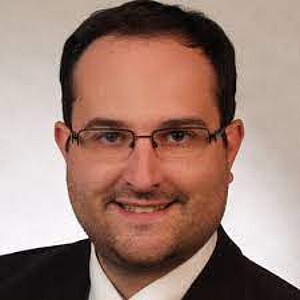
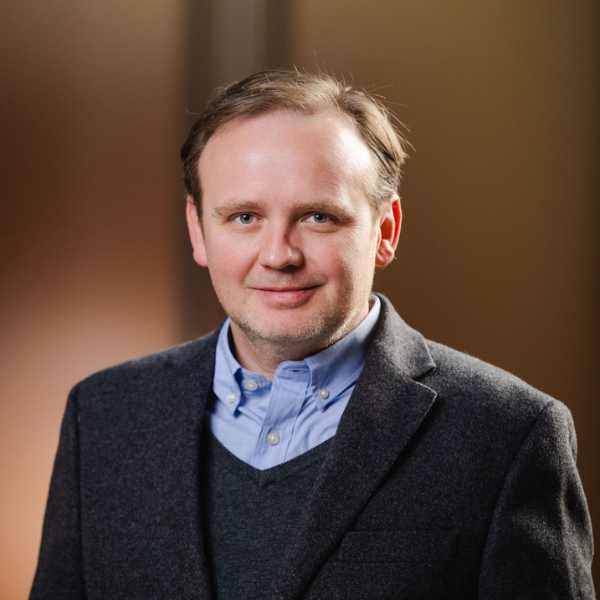
Patrick Thorwarth is a Professor and Academic Director at the State Plant Breeding Institute of the University of Hohenheim, focusing on applied plant breeding and genetic research. His work integrates machine learning, multi-omics analysis, and traditional methods like GWAS and genomic selection to develop sustainable agricultural solutions for wheat, maize, and triticale. He leads projects on genetic resistance, nutrient efficiency, and climate adaptation. Education: PhD in Crop Biodiversity and Breeding Informatics (University of Hohenheim) Teaching: Leads courses in Plant Genetic Resources, Quantitative Genetics, and Breeding Methodology His research spans Phenomic Prediction , Genotype-Environment Interactions , and Optimization of Field Trials , with a strong emphasis on digitalization and open-source platforms. Recent projects include bwHemp2.0 for industrial hemp breeding and SENSOJA for sensor-based soybean selection. He secures third-party funding from agencies like BMEL and DFG. Key publications analyze NIRS data preprocessing for phenomic prediction, feature engineering in durum wheat trials, and genetic diversity in staple crops. His work demonstrates how digital tools can bridge the gap between theoretical research and practical agricultural challenges.
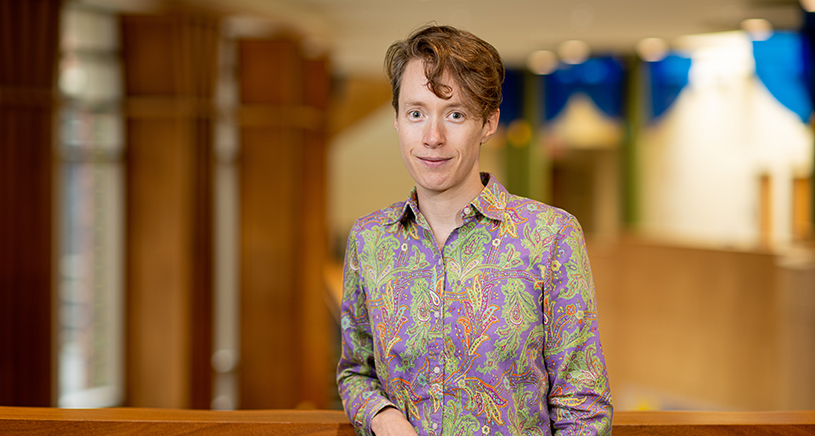
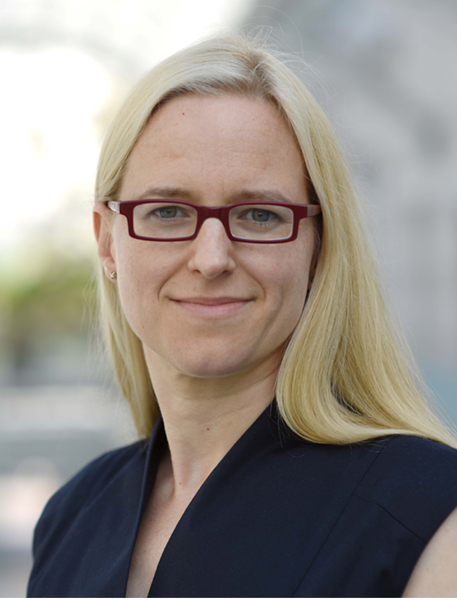
Jean Morrison serves as the John G Searle Assistant Professor in the Department of Biostatistics at the University of Michigan School of Public Health, a position she assumed in 2020 following postdoctoral work at the University of Chicago and doctoral studies at the University of Washington. Her academic trajectory reflects deep specialization in statistical methodologies for complex biological systems. Her educational foundation includes: PhD in Biostatistics, University of Washington (2016) BA in Mathematics, University of Chicago (2009) Dr. Morrison's research centers on statistical genetics and genomics , with pioneering work in high-dimensional phenotype analysis (e.g., brain imaging, proteomics, and clinical trait clusters). She develops advanced causal inference frameworks, notably for Mendelian randomization with robust pleiotropy handling, and integrates empirical Bayes methodologies with deep learning for genomic applications. Her approach emphasizes biologically interpretable low-rank representations of genetic associations. Recent publications (2022-2025) reveal escalating focus on multi-omics integration (genome, transcriptome, proteome), probabilistic fine-mapping of causal variants, and methodological refinements for Mendelian randomization. Her work increasingly addresses genetic pleiotropy complexity through factor analysis and develops computational tools like GWASBrewer for realistic simulation of genetic data. No scientific awards are documented in available sources. Similarly, public records contain no details regarding student advising, research grants, or laboratory leadership.
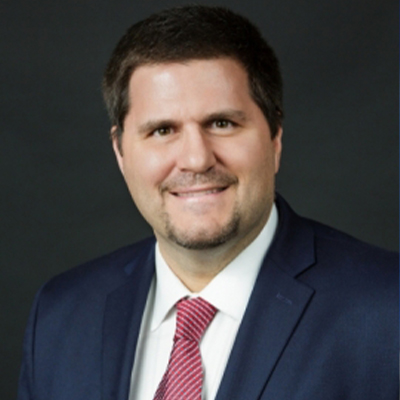
Michael Gandal, MD, is an Associate Professor of Psychiatry, Genetics, and Pediatrics at the University of Pennsylvania, affiliated with Penn Medicine and the Children’s Hospital of Philadelphia. His research focuses on genomic and transcriptomic profiling of the human brain across development to elucidate gene and isoform-level regulatory mechanisms linked to neurodevelopmental and psychiatric disorders. Lifespan Brain Institute, Penn Medicine Children’s Hospital of Philadelphia His lab conducts genome-wide association studies (GWAS) of EHR-based developmental phenotypes and develops tools for complex trait mapping. Key research areas include psychiatric genetics, neurogenomics, and single-cell multi-omic analysis. Recent work explores the genetic architecture of psychiatric disorders, isoform-level transcriptome dysregulation in neuropsychiatric conditions, and cross-ancestry genomic atlases. His studies integrate neuroimaging phenotypes, suicide attempt genetics, and neuroinflammatory mechanisms in autism. The Gandal Lab has published extensively on topics such as cannabis use disorder, cortical organization, and therapeutic targets for Fragile X syndrome, emphasizing diverse ancestral populations and functional genomics.
Jeffrey S. Morris is a Professor and Director of Biostatistics in the Department of Biostatistics, Epidemiology, and Informatics. His work focuses on statistical methods for complex big data, computational biology, data integration, and translational bioinformatics. Research interests include: Statistical methods for high-dimensional and distributional data Translational bioinformatics and computational biology Data integration across clinical sites and domains Epidemiological modeling of infectious diseases Biomarker discovery in oncology and virology Recent publications highlight applications of machine learning, causal inference, and distributed modeling to analyze SARS-CoV-2 transmission, vaccine effectiveness, long COVID, and cancer biomarkers. Key methodologies include Wasserstein centroids, penalized regression, and functional data analysis.
Stefania Scarsoglio is a Professor at the Department of Mechanical and Aerospace Engineering (DIMEAS) at the Polytechnic University of Turin, where she actively contributes to the College of Mechanical, Aerospace and Automotive Engineering. She serves as a member of the Interdepartmental Center PolitoBIOMed Lab - Biomedical Engineering Lab and has held significant roles in doctoral education, serving on Aerospace Engineering doctoral colleges since the 31st cycle (2015-2016). Her academic journey includes a notable Visiting Researcher position at the Massachusetts Institute of Technology (October 28 - December 21, 2011). Her research interests span Cardiovascular fluid dynamics , Complex network theory , Computational hemodynamics , Transition and turbulent flows , with significant contributions to biofluid dynamics and space medicine applications. Her work bridges engineering principles with biomedical applications, particularly focusing on cardiovascular dynamics in both terrestrial and space environments. Dr. Scarsoglio's publication record reveals a strong focus on cardiovascular modeling, particularly examining the effects of atrial fibrillation on cerebral hemodynamics, spaceflight-related physiological changes, and the application of complex network theory to fluid dynamics problems. Her recent work (2023-2025) shows increasing emphasis on space medicine applications, cardiovascular digital twins, and the neurological implications of cardiac arrhythmias. Fund for the Financing of Basic Research Activities (FFABR) from MIUR, Italy (2017) As a dedicated educator, she supervises multiple PhD students including Luca Congiu, Francesco Tripoli, Matteo Fois, and Davide Perrone, guiding research on cardiovascular modeling, space medicine applications, and turbulent flow dynamics. She leads significant research projects including CEDEAFIB (2023-2025), Risk map for SANS (2025-2028), and optimization of countermeasures for cardiovascular deconditioning in spaceflight (2023-2026). Her teaching portfolio includes advanced courses in Biofluid dynamics and space medicine, Fluid dynamics in space flight, and Thermofluid dynamics, reflecting her interdisciplinary expertise at the intersection of mechanical engineering, aerospace applications, and biomedical research. Dr. Scarsoglio's work primarily takes place within the Fluid Dynamics research group at DIMEAS, where she leads investigations into cardiovascular modeling, space medicine applications, and complex network analysis of fluid systems. Her research bridges theoretical fluid dynamics with practical biomedical applications, particularly in understanding cardiovascular responses to physiological stressors including spaceflight conditions and cardiac arrhythmias.
Florian Bähner is a Senior Physician and Head of the Research Group for Behavioral Physiology in Psychiatry at the Central Institute of Mental Health (ZI) in Mannheim, Germany. His work focuses on translational neuroscience and psychiatric research. Primary Affiliation: Central Institute of Mental Health (ZI), Mannheim Role: Senior Physician & Research Group Leader Department: Clinic for Psychiatry and Psychotherapy Dr. Bähner's research explores hippocampal-prefrontal connectivity as a translational phenotype for schizophrenia, cognitive mechanisms in psychiatric disorders, and species-conserved neural processes through neuroimaging and animal models. Selected Publication Trends: His recent studies address cognitive flexibility in complex environments, fMRI-based task stage segregation, and executive function differences in rodent models. These works span neuroscience, psychiatry, and computational neuroimaging. Laboratory: Based in the Laboratory Building, 1st Floor, Room 1.0, his research group integrates human and animal translational studies to uncover fundamental cognitive mechanisms.
Ryan Senger serves as Associate Professor in the Department of Biological Systems Engineering at Virginia Tech's College of Engineering, with courtesy appointments in Chemical Engineering (Virginia Tech) and Surgery (Virginia Commonwealth University School of Medicine). His research bridges metabolic engineering, synthetic biology, and biomedical diagnostics through innovative applications of Raman spectroscopy. Education: Ph.D., Chemical Engineering, Colorado State University, 2005 M.S., Chemical Engineering, Colorado State University, 2002 B.S., Chemistry, Millikin University, 1999 Senger's research focuses on developing bio-based technologies for sustainable chemical production, disease detection through urine analysis, and synthetic biology containment. His lab pioneers Raman spectroscopy-based chemometric urinalysis (Rametrix) for detecting diseases including bladder cancer, chronic kidney disease, Lyme disease, and Long COVID. Current projects involve bioelectrical system engineering in microbes, electron harvesting from waste biomass, and secure synthetic genetic material containment. His work integrates AI/ML for spectral analysis and genome-scale metabolic modeling. His recent publications demonstrate strong trends in veterinary diagnostics (canine cancer detection), neurological disease monitoring, and renal dysfunction profiling using Raman chemometrics. The research consistently applies spectral fingerprinting to translate complex biological data into clinical diagnostic tools. Awards: 2022-24: Celebrating Innovation Recognition (x4) 2023: Dean’s List of Instructors 2016: VT Knowledgeworks Innovation Challenge Winner 2009: The Gaden Award for Metabolic Engineering Senger actively mentors students through laboratory research and teaches courses including Thermodynamics of Biological Systems, Metabolic Engineering, and Bio-Raman Chemometrics. His funding portfolio includes NSF grants for metabolic modeling workshops and commercial projects with Rametrix Technologies (where he serves as CTO), focusing on dialysis patient monitoring, renal disease management, and aquaculture feed development. He directs the Rametrix Technologies research team that develops urine-based diagnostic devices and spectral analysis software, maintaining strong industry-academic partnerships for technology commercialization.
Karl Øyvind Mikalsen is an Associate Professor at the Department of Clinical Medicine, UiT The Arctic University of Norway. He is also a division leader at the Center for Patient-Near Artificial Intelligence (SPKI) at University Hospital of North Norway (UNN). His research focuses on applying artificial intelligence (AI) to healthcare, particularly in analyzing medical images, speech, and text using language models and machine learning, with applications such as anonymizing patient records and evaluating AI tools for clinical use. Research Interests: Mikalsen’s work bridges medical informatics and computer science, emphasizing explainable AI, clinical time series analysis, and medical image processing. He collaborates with UiT and UNN to integrate AI into healthcare systems. Recent Publications: His studies span AI-driven clinical coding, breast cancer detection via mammography, surgical infection prediction, and self-supervised representation learning for medical data. Key methodologies include transformer models, kernel methods for time series, and uncertainty-aware ensembles. Collaborations: Mikalsen works with researchers such as Robert Jenssen, Michael Kampffmeyer, and Arthur Revhaug, focusing on clinically relevant AI applications in Scandinavia.
Ulrik Fredrik Malt is a Professor at the University of Oslo's Faculty of Medicine, specifically within the Institute of Clinical Medicine's Division of Clinical Neuroscience. His research is centered at the Oslo University Hospital (OUS) Ullevål campus where he maintains a visiting address at Kirkeveien 166, 0450 Oslo. As a prominent figure in neuropsychiatric research, Malt leads investigations into the neurobiological underpinnings of mood disorders with particular emphasis on bipolar disorder and depression. Malt's research interests span multiple interconnected domains within clinical neuroscience. His primary focus involves examining structural and functional brain changes in bipolar disorder using advanced neuroimaging techniques. He has conducted extensive work on cortical plasticity, particularly investigating how mood episodes correlate with cortical thinning patterns over time. His research also explores the intersection of immunology and psychiatry, examining cytokine profiles in depression and their relationship to symptom severity and pain perception. Additional research strands include the study of alexithymia in mood disorders, sleep deprivation effects on brain microstructure, and somatic symptom disorders in both psychiatric and medical patient populations. Analysis of Malt's recent publications reveals a strong emphasis on collaborative mega-analyses through the ENIGMA consortium, where he contributes to large-scale neuroimaging studies of bipolar disorder involving thousands of participants across multiple international sites. His work consistently integrates clinical psychiatry with advanced computational methods to identify brain-based biomarkers for mood disorders. The research demonstrates particular attention to how metabolic factors like obesity interact with brain morphology in bipolar disorder, and how inflammatory markers correlate with clinical symptoms in major depression. Malt actively participates in research on heart transplantation patients' psychological outcomes, examining anxiety, depression, and cognitive function in this medically complex population. His work spans multiple clinical contexts including organ transplantation, chronic obstructive pulmonary disease, and congenital gastrointestinal conditions, demonstrating a broad application of psychiatric principles across medical specialties. As part of the Brain Plasticity and Neuropsychiatry research group, Malt supervises multiple projects investigating longitudinal brain changes in psychiatric disorders. His laboratory employs multimodal neuroimaging approaches combined with detailed clinical phenotyping to understand the progression of mood disorders. Current research directions include examining how sleep architecture affects cortical plasticity markers, investigating the neural correlates of emotional processing difficulties in bipolar disorder, and exploring the relationship between inflammatory processes and structural brain changes in depression.
Stéphanie M. van den Berg is an Associate Professor at the University of Twente , affiliated with the Digital Society Institute and TechMed Centre . Her research spans interdisciplinary domains including Psychology , Genetics , Statistics , and Artificial Intelligence , with a focus on educational achievement, mental health assessment, and data-driven methodologies. Key Themes : Heritability analysis, machine learning applications, educational technology, longitudinal data modeling, and personalized medicine. Recent Work : In 2025, she investigated measurement invariance in child behavior phenotypes, while 2024 saw her contribute to personalized medicine through intensive longitudinal data. Methodologies : Expertise in item response theory, text mining, and statistical model selection, as demonstrated in her 2017 publications. She actively collaborates across disciplines, with recent work involving biomedical informatics and behavioral genetics. Her research outputs (97 total) reflect a sustained focus on integrating data science with psychological and health-related applications.
Serdar Yavuzyigitoglu is a Researcher in the Department of Ophthalmology at Erasmus University Medical Center (Erasmus MC), Rotterdam, specializing in uveal melanoma research. His work spans molecular diagnostics, treatment outcomes, and epidemiological studies of this rare ocular malignancy. His primary research focuses on genetic drivers of uveal melanoma (particularly BAP1 and SF3B1 mutations), metastatic progression patterns, and comparative effectiveness of radiation therapies. He investigates how chromosomal aberrations like 8q gain influence prognosis, examines global incidence patterns correlated with pigmentation factors, and analyzes 30-year treatment trends in Dutch patient cohorts. His research bridges molecular biology with clinical outcomes to improve risk stratification and therapeutic decision-making. Analysis of his 15 most recent publications reveals consistent emphasis on metastatic uveal melanoma biology, with growing integration of genomic data into clinical frameworks. His work demonstrates strong epidemiological rigor in population studies while advancing molecular understanding of treatment resistance mechanisms, particularly in liver metastasis contexts. Yavuzyigitoglu actively collaborates with the Rotterdam Ocular Melanoma Study Group (ROMS), contributing to multi-center investigations that have generated significant clinical insights published in high-impact journals including Scientific Reports, Ophthalmology Science, and Cancers.
Jozef Madzo, Ph.D., serves as an Assistant Professor in the Genome Regulation and Cell Signaling Program at The Wistar Institute's Ellen and Ronald Caplan Cancer Center. He also holds the position of Scientific Director of the Bioinformatics Facility, which he began leading in July 2024. Dr. Madzo joined The Wistar Institute faculty as part of their strategic expansion of bioinformatics capabilities across advanced biomedical research programs. Dr. Madzo's research focuses on computational biology approaches to cancer research, with particular emphasis on DNA methylation drift during normal aging, disease-driven inflammation, and neoplastic transformation. His lab investigates how epigenetic changes, particularly in DNA methylation patterns, influence cancer development and progression. Notably, his work has shown that cells exhibit changes in DNA methylation patterns during aging, and that diet and calorie restriction can slow down age- or inflammation-related DNA methylation drift. His research suggests cancer cells display similar DNA methylation drift, indicating cancer may represent accelerated aging. Analysis of Dr. Madzo's publication record reveals a strong focus on the intersection of epigenetics, aging, and cancer. His work spans DNA methylation analysis, gut microbiome interactions with host epigenetics, and the role of epigenetic modifications in cancer development. Recent publications demonstrate increasing sophistication in multi-omics approaches, integrating RNAseq, ATACseq, and scRNA-seq data to uncover mechanisms of genetic and epigenetic regulation. Dr. Madzo's laboratory utilizes advanced computational methods including permutation tests, multivariate analysis, and machine learning techniques such as random forest, XGBoost, and stochastic gradient descent. They work extensively with high-dimensional data from public repositories like TCGA, ENCODE, and GEO, applying both existing open-source bioinformatics tools and custom Python and R scripts.
Prof. Dr. Angela Kaindl is an active faculty member specializing in pediatric neurology and neurodevelopmental research, with a focus on epilepsy mechanisms, genetic disorders, and cognitive development. Her work bridges clinical neurology and basic neuroscience, particularly in understanding memory consolidation across developmental stages. Her research examines critical areas including: Epilepsy pathophysiology and precision medicine approaches (e.g., TRPM3-linked encephalopathy) Neurodevelopmental outcomes in congenital conditions (corpus callosum agenesis, microcephaly) Memory formation dynamics in typical/atypical development (preterm/term infants vs. adults) Genetic basis of brain malformations (MN1 truncation, DYNC1H1 disorders) Analysis of her recent publications reveals strong thematic focus on: pediatric epilepsy interventions, neuroanatomical correlates of memory, genetic determinants of brain development, and neurocognitive outcomes in congenital disorders. Her work employs diverse methodologies including neuroimaging, molecular genetics, and systematic clinical evaluations. No awards, students, or explicit affiliation details were documented in the source materials. Collaborative networks include multidisciplinary teams across neurology, genetics, and psychology research groups.