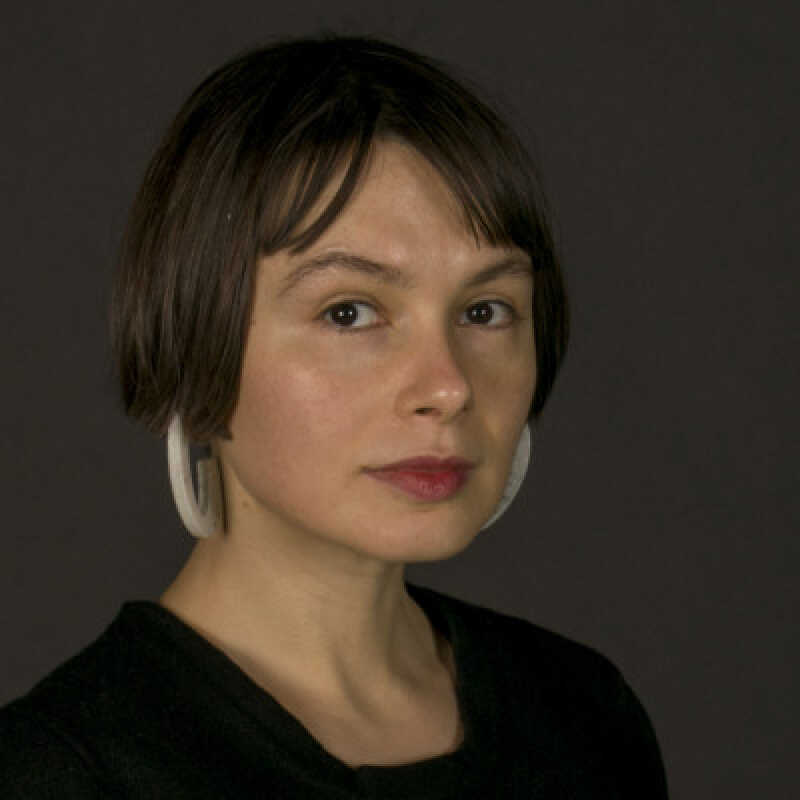
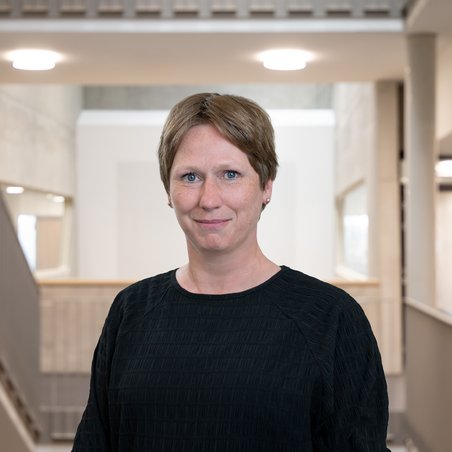
Shannon Donnally Quinn serves as Associate Professor of Russian and Technology Specialist in the Department of Linguistics, Languages, and Cultures at Michigan State University's College of Arts and Letters. Her dual expertise bridges Slavic linguistics and instructional technology, driving innovation in language pedagogy through digital solutions and multicultural curriculum development. Her educational background includes a Ph.D. and M.A. in Slavic Languages and Literature from the University of Wisconsin-Madison, an M.Ed. in Instructional Design from the University of Massachusetts-Boston, and a B.A. in Russian from Oberlin College. Quinn's research trajectory evolved from Soviet science fiction dissertation work to contemporary focus on technology-enhanced language learning, with significant contributions during the pandemic-driven shift to online education. Quinn's scholarly impact centers on Developing award-winning open educational resources like Diverse Russian: A Multicultural Exploration Leading the RAILS project for advanced Russian listening skills Pioneering inclusive pedagogy models addressing linguistic diversity Integrating emerging technologies (H5P, DALL·E, planetarium systems) into language instruction Her publication analysis reveals consistent focus on crisis-responsive teaching methodologies, with increasing emphasis on cultural representation and AI applications since 2020. Major honors include the 2025 MAFLT LCTL Innovation Award, IALLT's Harold H. Hendricks Award (2023), and multiple MSU teaching excellence recognitions. Her grant portfolio features Department of Education funding for RAILS and Center for Teaching and Learning Innovation support for H5P integration. As Editor-in-Chief of The FLTMAG and webinar coordinator for IALLT, Quinn shapes national conversations on language technology. Her leadership extends to the Slavic, East European, and Eurasian Folklore Association and MSU's Inclusive Pedagogy Fellows program, where she develops frameworks for culturally responsive teaching in post-Ukraine invasion contexts.