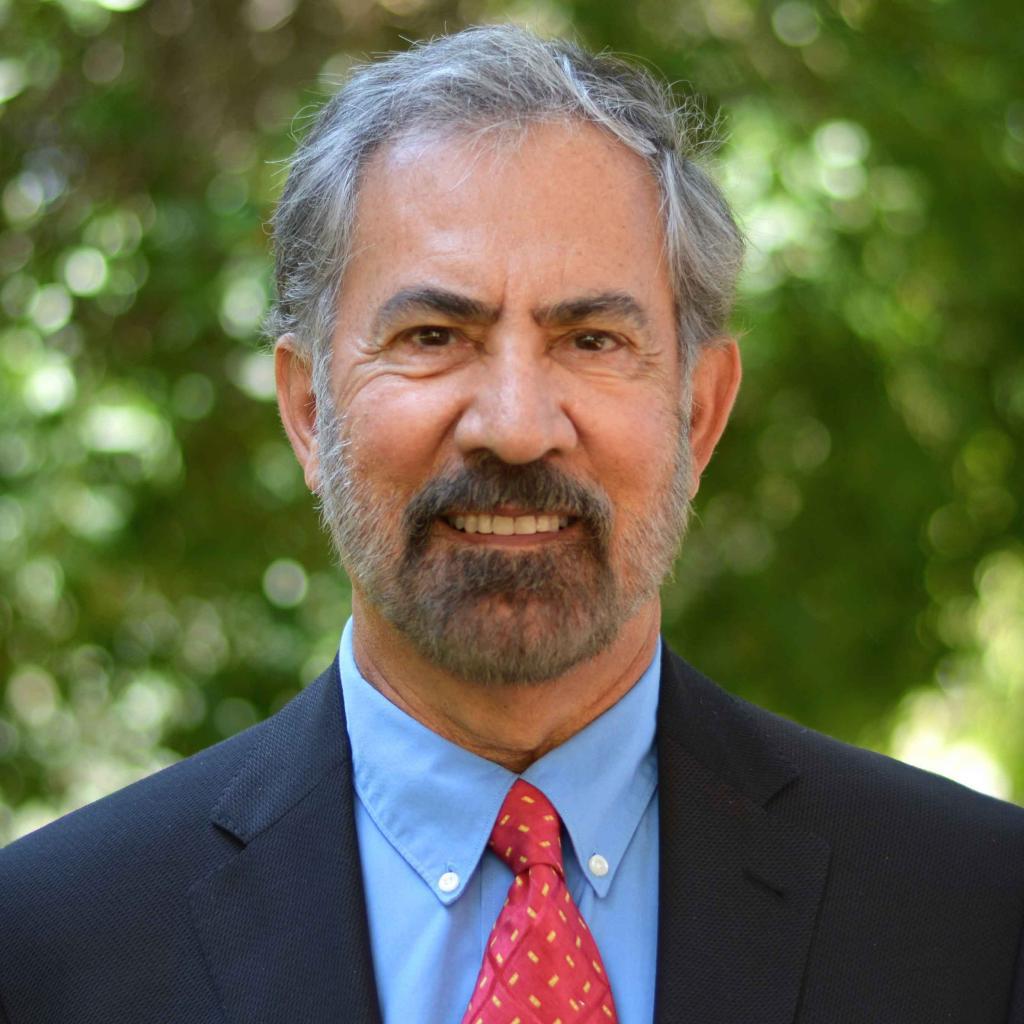
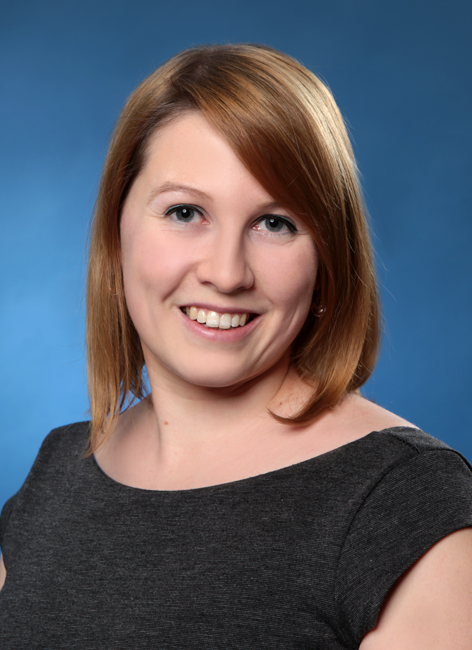
Dr. Bikram Koirala is a Postdoctoral Researcher at the Vision Lab, University of Antwerp, Belgium. His work focuses on machine learning, deep learning, and hyperspectral image processing, supported by the Research Foundation – Flanders (FWO). Research areas include radiative transfer modeling, computer vision, and geomatics. Research Interests Machine learning and deep learning for spectral analysis Hyperspectral unmixing (linear and nonlinear models) Computer vision and remote sensing applications Radiative transfer modeling and Bayesian inference Geomatics and graph theory Publications & Data Dr. Koirala has published extensively on hyperspectral unmixing, including benchmarks for intimate mixtures, spectral-spatial attention networks, and nonlinear decomposition using Bézier surfaces. His work bridges algorithm design and environmental/material science applications. Labs & Teams Vision Lab, University of Antwerp
Lucy Pao is a Professor and Palmer Endowed Chair in the Department of Electrical, Computer and Energy Engineering at the University of Colorado Boulder. She serves as Director of the Control Systems, Sensor Fusion, and Robotics Laboratory and is a Fellow at the Renewable and Sustainable Energy Institute (RASEI). Palmer Endowed Chair Professor Control Systems, Sensor Fusion, and Robotics Laboratory Director Courtesy Professor, Aerospace Engineering Sciences Richard and Joy Dorf Professor (2009-2014) Her research focuses on control systems for wind energy, multisensor fusion, haptic interfaces, and robotics. Recent work emphasizes floating offshore wind turbines, control co-design, and optimization of wind farms. Her 15 most recent publications address advanced control frameworks for wind turbines, including Lyapunov-based stability, multi-loop control tradeoffs, and haptic interface innovations. Key sub-fields include floating offshore wind, motion control, and sensor fusion. Fellow, Renewable and Sustainable Energy Institute (RASEI) Richard and Joy Dorf Professor (2009-2014) General Chair, 2013 American Control Conference Founding Scientific Director, Center for Research and Education in Wind (CREW)
Amel Dechemi is a Research Fellow in the Department of Computer Science, Electrical Engineering and Mathematical Sciences. Their work focuses on robotics applications in precision agriculture, assistive robotics, and computer vision for healthcare. Research spans autonomous systems for crop monitoring, infant action recognition, and data fusion techniques. Key research interests include robotic perception, agricultural automation, and lightweight neural networks for unconstrained environments. Their robotic systems address challenges like leaf retrieval, irrigation optimization, and infant motion analysis for pediatric rehabilitation. Publishing trends highlight contributions to IEEE Robotics & Automation Magazine and specialized journals. Ongoing projects aim to bridge robotics with sustainable agriculture and medical technology.
Stefan Krauss, a Professor and Director of the Centre of Excellence Hybrid Technology Hub at the University of Oslo's Institute of Medical Biology, specializes in developmental biology, organoid engineering, and biomedical technology. His research focuses on morphogenetic signaling in organoid development, organ-on-chip systems, and their applications in disease modeling. He leads the EU-funded SUMO project and collaborates with the Wellcome Leap consortium to develop micro-physiological systems for age-dependent stressor responses. With 130 peer-reviewed articles and six patents, his work spans prestigious journals like Cell and Nature. Key projects include FDA-validated LC-MS systems for organoid analysis and acoustic-based cell mechanotyping. His research integrates advanced biotechnology with medical applications, emphasizing cross-disciplinary approaches to biomedical challenges. Krauss's contributions include pioneering organ-on-chip platforms modeling metabolic interactions between islets and liver tissue, as well as innovations in drug metabolism analysis using electromembrane extraction and preparative agarose gel electrophoresis. His lab also develops smart wireless multisensor platforms for optogenetic brain implants and 3D-printed microfluidic tools. Notably, his discovery of the Shh signaling molecule was highlighted by Nature as a milestone in developmental biology. Current work explores glucose regulation in stem cell differentiation and anti-fibrotic effects of tankyrase inhibitors in preclinical models. The Hybrid Technology Hub under his direction bridges engineering and medicine, advancing organoid-based technologies for precision healthcare.
Dr. Lu Yin was a Research Fellow at Lancaster University, focusing on interdisciplinary research at the intersection of wireless communication systems and biomedical data analysis. His work includes advancements in signal processing for aviation and healthcare applications. Research Interests: Dr. Yin’s primary areas of expertise lie in wireless communication , multisensor systems , and signal integration . His contributions to positioning-communication hybrid signals and cooperative localization algorithms highlight his technical depth in telecommunications. Additionally, he contributed to cardiovascular studies analyzing risk factors in myocardial infarction patients, showcasing his ability to bridge engineering and biomedical fields. Publications: His recent work includes future aviation communication systems (2025), multisensor localization frameworks (2021), and wireless positioning protocols (2019). These publications reflect a focus on optimizing signal efficiency and reliability across dynamic environments. Collaborations: As a co-author in datasets like the China Acute Myocardial Infarction registry analysis (2022), Dr. Yin demonstrated expertise in handling large-scale health data and interdisciplinary research.
Manmeet Singh is a Distinguished Postdoctoral Fellow at the Jackson School of Geosciences, University of Texas at Austin, and a former Staff Scientist at the Indian Institute of Tropical Meteorology (IITM). His expertise spans climate modeling, AI/ML applications in Earth System Science, and numerical weather prediction. He holds a PhD from IIT Bombay and a B.E. in Civil Engineering from Thapar University. Key roles include: Associate Editor, Journal of Indian Society of Remote Sensing Editorial Board Member, Discover Cities (Springer Nature) Member, IPCC CMIP7 ScenarioMIP Advisory Group Mentor, Geoscience Hackathon 2024 Research interests focus on: Climate solutions using mathematical models and deep learning Aerosol impacts on monsoons and land-atmosphere coupling High-resolution urban digital twins for flood/wildfire prediction Physics-inspired ML algorithms for weather downscaling Awards include the Best Poster Award (2024), Distinguished Postdoctoral Fellowship (2024–2026), and Prof DR Sikka Award (2020). He has contributed to IPCC AR6 reports through IITM-ESM simulations and developed novel AI tools like UT-MeteoGAN for weather forecasting. Grants and projects include: Development of high-resolution urban gridded datasets AI-driven cloudburst prediction systems Global building height mapping (UT-GLOBUS) Led initiatives such as the Workshop on Atmospheric and Urban Digital Twins and maintains active collaborations with NASA, Microsoft, and the Ministry of Earth Sciences (India).
Siamak Khorram is an Adjunct Professor in the Department of Environmental Science, Policy, & Management at the University of California, Berkeley. His research focuses on remote sensing, geospatial analysis, and computational methods for land cover classification and environmental monitoring. He developed foundational techniques in neural network-based image classification and correspondence analysis fusion, with applications spanning urban mapping, land use change detection, and water quality modeling. His publications demonstrate consistent innovation in remote sensing methodologies since the 1980s. Professor Khorram established the Computer Graphics Center (later Center for Earth Observation) at North Carolina State University and held leadership roles at the International Space University, including Dean and Vice President for Academic Programs. He currently serves on ISU's Board of Trustees.
Stephanie Jones is a Research Fellow in the Crop and Soils department at Scotland's Rural College (SRUC). Her work focuses on agricultural soil management, greenhouse gas emissions, and sustainable land use. She has contributed to projects like the RESAS Strategic Research Programme and the Soils Programme Research Partnership. Her research spans topics such as nitrous oxide mitigation, methane dynamics, and carbon sequestration in grasslands. Jones has authored over 40 peer-reviewed publications and collaborates internationally on climate change mitigation strategies. Projects: RESAS 22-27: Agriculture Climate and Carbon (2022-2027) Soils Programme Research Partnership: Management for Soil Biology and Health (2017-2021) Research Interests: Her work integrates field measurements and modeling to understand soil-ecosystem interactions. Key areas include emissions from agricultural soils, grassland carbon dynamics, and the impacts of land-management practices on climate. Impacts: Her findings inform policy on agricultural emissions reduction and sustainable farming practices, with contributions to environmental policy frameworks.
Dr. Wojtek J. Bock is a Full Professor of Electrical Engineering at the University of Quebec in Outaouais (UQO), Canada. He holds the Senior SPI/NSERC Industrial Research Chair in Photonic Sensing Technologies for Safety and Security Monitoring and directs the Photonics Research Center at UQO. His research focuses on fiber optic sensor technologies, including novel device solutions and sensing techniques for applications in sectors critical to Canada. He has authored over 380 scientific publications and patents, with an h-index of 27. Education: M.Sc. (1971) and Ph.D. (1980) in Solid State Physics from Warsaw University of Technology, Poland. Professional roles include former Canada Research Chair Tier-I (2003–2016), IEEE Fellow, and editor for IEEE/OSA Journal of Lightwave Technology (2006–2014) and International Journal of Sensors . Research interests emphasize fiber optic sensors, multisensor systems, and precise measurement systems. Key areas include photonic sensing components for safety/security, novel fiber devices for non-electric quantity measurements, and bio-inspired sensors for pathogen detection. His work integrates advanced techniques like atomic layer deposition, femtosecond laser micromachining, and microcavity interferometers. Scientific Awards: Fellow of IEEE, Canada Research Chair, Senior SPI/NSERC Chair. Notable contributions include pioneering dual-resonance LPG platforms for hypersensitive biosensing and developing fiber-optic systems for the ATLAS Inner Detector at CERN. Advising & Grants: Supervised numerous graduate students and led major research initiatives funded by NSERC and industrial partnerships. Active in international conferences, including chairing the 2011 International Optical Fiber Sensor Conference (OFS21). Labs/Teams: Director of UQO’s Photonics Research Center, leading interdisciplinary teams in optical fiber sensor development, nanomaterial integration, and photonic device fabrication. Collaborates globally on applications ranging from biomedical sensing to structural health monitoring.
Dr. Seung-Kyum Choi is an Associate Professor at the School of Mechanical Engineering, Georgia Institute of Technology. He joined Georgia Tech in 2006 and currently directs the Center for Additive Manufacturing Systems (CAMS), focusing on advancing additive manufacturing technologies and educational programs. His research emphasizes robust design optimization, uncertainty quantification, and probabilistic mechanics applied to engineered systems, including additive manufacturing, metamaterials, and aerospace components. Education: Ph.D., Mechanical Engineering, Wright State University (2006) M.S., Mechanical Engineering, Ajou University, South Korea (2001) B.S., Mechanical Engineering, Ajou University, South Korea (1996) Research interests span additive manufacturing, structural reliability, and multidisciplinary design optimization. He develops simulation tools for uncertainty management in complex systems, such as 3D-printed lattice structures and aerospace components. His work integrates machine learning, meta-learning, and surrogate modeling to enhance decision-making in engineering design. Notable awards include the 2009 Lockheed Martin Aeronautics Dean’s Award for Teaching Excellence. He contributes to journals like International Journal of Materials and Product Technology and Structure & Infrastructure Engineering , and actively mentors students through CAMS and his research labs.
Mary Henry is an Associate Professor in the Department of Geography at Miami University, affiliated with the Geospatial Analysis Center. She holds a B.A. in Geography & Environmental Studies from the University of California, Santa Barbara (1992), an M.A. in Geography from San Diego State University (1996), and a Ph.D. in Geography from the University of Arizona (2002). Her research focuses on remote sensing applications, GIS techniques, and landscape ecology, with a particular emphasis on environmental monitoring, wildfire patterns, and invasive species dynamics. Dr. Henry’s work involves satellite and multispectral data analysis to study land-use changes, fire history reconstruction, and vegetation dynamics. She has contributed to studies of burn scars in Kenya, American beech distribution in Ohio, and the impact of agricultural expansion on Midwestern ecosystems. Her methods often integrate optical and microwave remote sensing with GIS modeling to address ecological and conservation challenges. Her publications highlight advancements in detecting invasive shrubs using remote sensing, modeling dissolved organic carbon in alpine lakes, and analyzing wildfire occurrence in diverse landscapes. She has mentored graduate students who have authored or co-authored several of her papers, particularly in fire ecology and GIS applications. Mary Henry has no explicitly listed scientific awards but has maintained a prolific publication record since the late 1990s, demonstrating sustained contributions to geospatial science and environmental research. Her teaching includes courses on physical environments, natural hazards, landscape ecology, and remote sensing techniques.
Antonio Candea Leite is an Associate Professor at the Department of Mechanical Engineering and Technology Management, Norwegian University of Life Sciences (NMBU). His research focuses on adaptive and robust control systems, visual servoing, robot manipulators, and agricultural robotics applications. His work emphasizes: Development of autonomous navigation systems for agricultural robots Integration of computer vision for precision agriculture tasks Control strategies for uncertain robotic systems Automation in food quality measurement and pest management Advanced sensor integration for manufacturing processes Recent research trends show strong emphasis on: CNN-based crop row detection for autonomous navigation (2024) Human-robot collaboration frameworks for fruit picking (2024) Robotics solutions for fatty acid measurement in food production (2023-2022) Precision pest control systems using smart automation (2023) No scientific awards or grants are explicitly listed in the provided information. He is actively involved in advising and developing robotic platforms for agricultural and industrial applications without specific student names mentioned here.
Csaba Zoltán KERTÉSZ is a Lecturer at the Department of Electronic and Computers, Faculty of Electrical Engineering and Computer Science, Technical University of Brașov. His research focuses on embedded systems, microcontroller applications, graphical user interfaces, digital signal processing, and real-time operating systems. He has contributed to IoT/M2M communication, wireless sensor networks, and SDR platforms. He has also explored the use of GitHub in collaborative learning and automotive industry-supported curriculum design. Key research interests include: Embedded GUI development frameworks IoT gateway systems using SDR Real-time monitoring and control systems HbbTV architecture performance analysis His recent work (2021-2024) emphasizes: AI-driven programming assessment tools SIMD extension optimization Wireless sensor networks for water distribution Reconfigurable IoT infrastructure Publications span over 15 years, showing sustained contributions in embedded systems, telecommunications, and educational technology. No specific awards mentioned. Labs/Teams: Actively involved in the University's embedded systems and IoT research groups.
Sohyung Cho is a Lecturer in the Department of Industrial Engineering at the University of Miami's College of Engineering. His research focuses on integrating machine learning techniques with manufacturing processes to improve quality control, tool monitoring, and operational efficiency. Key areas include SVM-based algorithms for geometric tolerance analysis, multisensor fusion systems for real-time tool condition assessment, and control-theoretic approaches to production scheduling. Cho's work emphasizes predictive modeling in manufacturing contexts, such as tool wear progression under semi-dry/dry conditions and capacity investment decisions under exchange rate uncertainty. He collaborates closely with industry stakeholders to develop solutions that reduce production costs and enhance consistency in manufacturing inspections. Notable projects include web-based open-source systems for cylindricity evaluation and ensemble machine learning frameworks for abnormality detection in milling processes. His research has been applied to improve the robustness of manufacturing systems through quantitative complexity measures and sensor data integration. Computational experiments highlight his focus on algorithm performance metrics like accuracy and CPU efficiency. While no explicit awards are listed, Cho's contributions have been referenced in patents and widely read on platforms like Mendeley.
Christin Schülke is a PhD Research Fellow in Biomedical Engineering at the Department of Physics, Faculty of Mathematics and Natural Sciences, University of Oslo (UiO) since April 2017. Her work is part of the EU-Project Training4CRM within the Horizon 2020 program and Marie Sklodowska-Curie Innovative Training Networks, focusing on bridging gaps in Cell-based Regenerative Medicine for neurodegenerative disorders including Parkinson's, Huntington's, and Epilepsy. Her academic background includes a Master of Science in Biochemistry from Leipzig University, Germany (2014-2016), with thesis work on neuronal differentiation potential of hiPS cells, and a Bachelor of Science in Biochemistry from the same institution (2011-2014). She also completed an Erasmus Exchange semester in Molecular Biology at Aarhus University, Denmark. Christin's research interests span Bioimpedance, Stem cells, Regenerative medicine, Neurobiology, Biosensors, Biochemistry, Biomedical instrumentation, and Biomedical physics. She specializes in developing electrode systems for non-invasive monitoring of vital cell parameters and neurotransmitter release, combining micro and nanoengineering with biotechnology. Her publication record shows a clear trajectory in bioimpedance applications, evolving from stem cell characterization to advanced brain implant technologies. The research demonstrates interdisciplinary integration of physics, engineering, and neuroscience to address challenges in regenerative medicine. She collaborates extensively with international partners including Oslo University Hospital, Center for Biotechnology and Biomedicine at Universität Leipzig, Technical University of Denmark, Universidad Autónoma de Madrid, Lund University, Verigraft AB, and Sciospec Scientific Instruments GmbH. Christin is an active member of the Oslo Bioimpedance group and the Martinsen Research Group, contributing to cutting-edge developments in biomedical instrumentation and neurotechnology through both theoretical and applied research approaches.