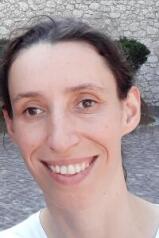
Dr. Agnes Lamacz-Keymling is a researcher at the University of Duisburg-Essen in the AG Optimal Control of Partial Differential Equations. Her research focuses on analysis of PDEs, multiscale problems, homogenization, and wave phenomena. PhD in Mathematics (2011) and Diploma in Mathematics (2008) from TU Dortmund Her work spans homogenization of periodic structures, wave propagation in heterogeneous media, negative index meta-materials, and multiscale modeling. She has received third-party funding through a DFG project on wave propagation in periodic structures and negative refraction. Recent publications highlight trends in Bloch wave homogenization, dispersive wave models, and photonic crystal analysis. Her teaching includes Mathematics E3 and E4 in the winter semester 2021/22. Third-party funding: DFG project on wave propagation in periodic structures and mechanisms of negative refraction (2014)
Pengyu Ni is a Research Fellow at Yale School of Medicine, specializing in genomics and computational biology. His research focuses on understanding cis-regulatory elements, gene annotation, and regulatory networks across species and tissues. He contributes to large-scale projects like GENCODE and explores applications of machine learning in protein phase transition prediction and functional genomics. His work bridges experimental and computational approaches to uncover fundamental mechanisms in gene regulation and neurodevelopmental disorders. Recent studies include single-cell transcriptomic analysis of human brains, comparative genomic studies of regulatory elements in humans and mice, and improving methodologies for functional genomics assays. Ni’s research also addresses challenges in motif discovery, epigenetic state modeling, and validation of regulatory sequences. His findings advance our understanding of genomic regulation in health and disease contexts such as schizophrenia and autism spectrum disorders. No formal academic awards or grants are explicitly listed in the provided information. Collaborations involve multi-cohort transcriptomic dissections and interdisciplinary teams leveraging AI-driven approaches. While specific lab affiliations aren’t detailed, his work aligns with genomic and computational biology initiatives at Yale School of Medicine.
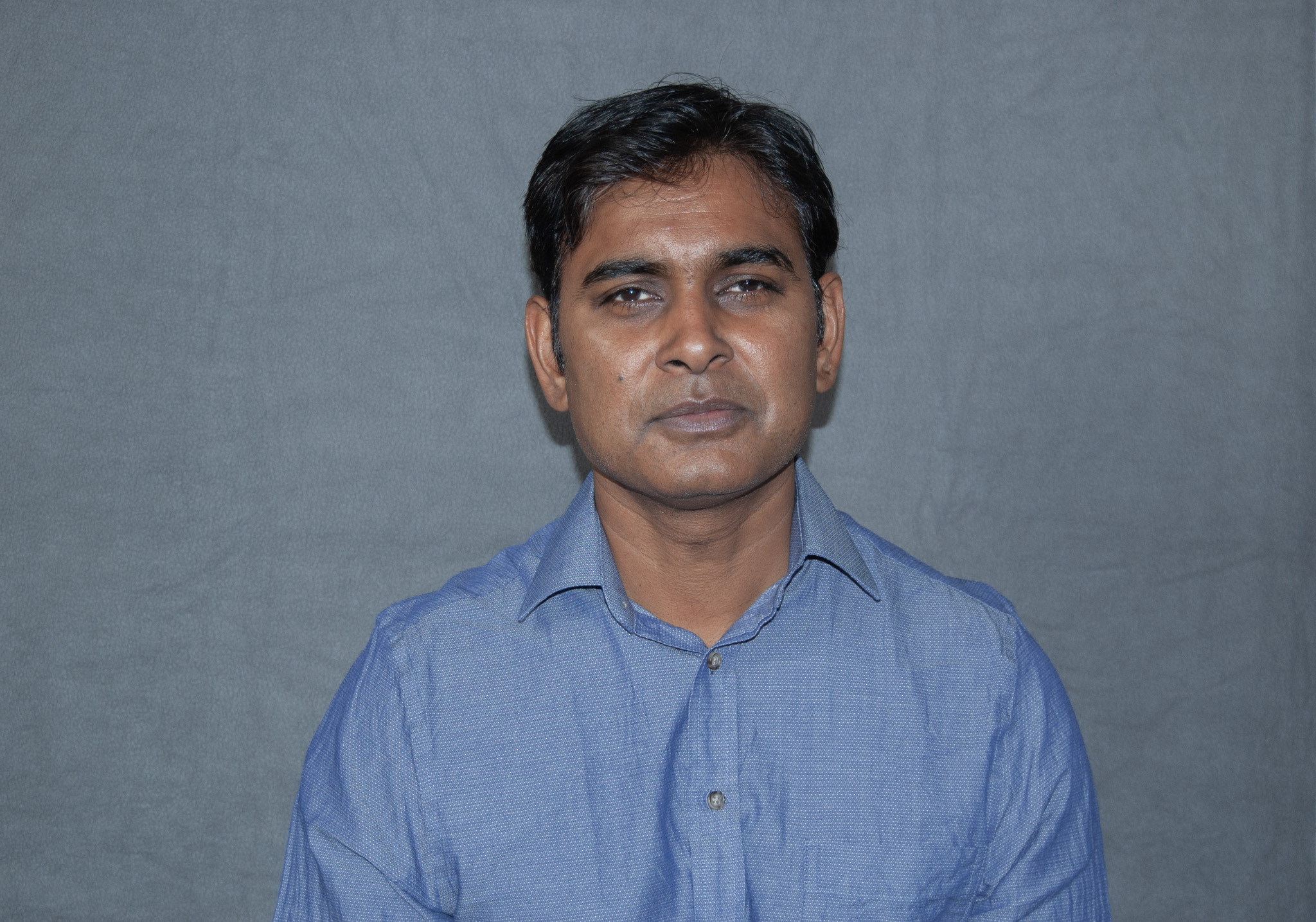
Dmitry Fedosov is a group leader at the Institute of Biological Information Processing at Forschungszentrum Jülich, Germany. His research focuses on non-equilibrium physics, biophysics, and soft/active matter, particularly in blood flow dynamics, cell mechanics, and microfluidics. He obtained his Habilitation in Theoretical Physics from the University of Cologne and leads a research group investigating complex biological systems. Education: Bachelor’s in Mathematics (Novosibirsk State University, 2002) MS in Aerospace Engineering (Pennsylvania State University, 2004) MS and PhD in Applied Mathematics (Brown University, 2007/2010) Habilitation in Theoretical Physics (University of Cologne, 2016) Awards: Sofja Kovalevskaja Award (Humboldt Foundation, 2012), David Gottlieb Memorial Award (2010), Nicholas Metropolis Award (2011). Research: Active systems, malaria pathophysiology, hemostasis, drug delivery, and multiscale modeling. Current projects include modeling parasite-host interactions and blood rheology.
Romit Maulik is an Assistant Professor at the College of Information Sciences and Technology, Pennsylvania State University, and holds a joint appointment as a faculty member at Argonne National Laboratory. His research focuses on integrating machine learning with computational physics, particularly in turbulence modeling, fluid dynamics, and high-performance computing. He leads projects such as the Interdisciplinary Scientific Computing Laboratory (ISCL), which develops AI-driven algorithms for applications like weather modeling and fusion energy. Education: Ph.D. from Oklahoma State University under Dr. Omer San, specializing in computational fluid dynamics. Postdoctoral work at Argonne National Laboratory with Prasanna Balaprakash and Bethany Lusch on scalable machine learning for scientific computing. Research interests include data-driven closure models, reduced-order modeling, and interpretable AI for fluid flow reconstruction. He is associated with the DeepHyper project for neural architecture search and has contributed to open-source tools like TensorFlowFoam and PythonFOAM. Recent achievements include awards from the NERSC AI4Science program for GPU hours and recognition for students like Xuyang Li and Dibyajyoti Chakraborty. His work bridges advanced computing, physics, and AI to solve complex multiscale problems.
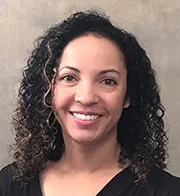
Olivia Feldman is an Associate Professor in the Department of Mathematics at the University of Tennessee. Her research focuses on the intersection of mathematics and biology, particularly in developing mathematical models to understand infectious disease dynamics. Key areas include vector-borne diseases, drug resistance, and spatial transmission patterns. She holds a Ph.D. from the University of Florida and has been supported by grants such as the NSF CAREER award for designing optimal sampling strategies in epidemiological models. Her work integrates pharmacokinetics/pharmacodynamics with population-level disease transmission, explores within-vector parasite diversity, and examines spatial heterogeneity's role in disease spread. Recent grants include DMS-1816075 (collaborative research on vector-borne diseases and drug resistance) and DMS-2045843 (CAREER grant on sampling strategies). Education: Ph.D., University of Florida Grants: NSF CAREER (2021-2026), Collaborative Research on Drug Resistance (2018) Publications span topics like malaria dynamics, pandemic modeling, and optimal sampling methods. She emphasizes bridging mathematical models with real-world data through methodologies addressing model identifiability challenges.
Arvind Singh is an Associate Professor in the Department of Civil, Environmental and Construction Engineering at the University of Central Florida (UCF), College of Engineering. He holds a Ph.D. in Civil Engineering from the University of Minnesota and specializes in hydrology and geomorphology, with a focus on sediment transport and landscape evolution modeling. Education: Ph.D., Civil Engineering, University of Minnesota, 2011 M.Tech., Civil Engineering, Indian Institute of Technology Bombay (IIT Bombay), 2006 B.Tech., Civil Engineering, Indian Institute of Technology Roorkee (IIT Roorkee) His research lies at the intersection of hydrology, geomorphology, and fluid dynamics, emphasizing multiscale analysis and nonlinear dynamics in earth surface systems. He investigates how interacting processes such as fluid flow, sediment transport, and topographic evolution shape landscapes under changing climatic and land-use conditions. His work integrates statistical mechanics, turbulence modeling, and network theory to understand river systems and drainage basin organization. The recent publications reflect a strong trend in modeling river networks, sediment dynamics, and landscape evolution using advanced analytical and experimental methods. Key themes include the application of network science to river systems, spectral and multiscale analysis of bedforms, and stochastic modeling of particle transport. These studies span disciplines including hydrology, geomorphology, and environmental fluid mechanics, with emphasis on predictive modeling for environmental change. Scientific Awards: No awards listed in the provided text. Advising and Grants: While specific students and grant funding are not mentioned in the provided content, Dr. Singh leads the Hydro-Geormorphology Lab at UCF and has been actively publishing in top-tier journals, indicating ongoing research and likely mentorship of graduate students. His postdoctoral experience at the National Center for Earth-Surface Dynamics also suggests a strong foundation in collaborative, funded research. Labs and Research Teams: Dr. Singh leads the Hydro-Geormorphology Lab at UCF, where he conducts experimental and computational research on earth surface processes. His team explores complex interactions between hydrology, sediment transport, and landscape morphology using innovative modeling techniques.
Adrian Muntean is a full Professor of Mathematics at Karlstad University, Sweden, specializing in mathematical modeling with a focus on multiscale analysis, partial differential equations, and applications in materials science and crowd dynamics. He holds editorial roles in journals such as Applied Mathematics in Science and Engineering and ROMAI Journal . His research integrates asymptotic methods, homogenization theory, and interacting particle systems to address challenges in civil engineering, logistics, and soft matter physics. Education: MSc from Babeș-Bolyai University (1999), Dr. rer. nat. from Universität Bremen (2006), Habilitation (2011). Prior roles include Assistant Professor at Eindhoven University of Technology (2007–2015). He has held visiting positions at University of Rome La Sapienza, Gran Sasso Science Institute, and University of Milan. Research interests include: Multiscale modeling of materials (concrete, steel) and their defect-induced behaviors Crowd dynamics and pedestrian flow simulations Asymptotic analysis of PDEs Measure-valued evolution equations Teaching: Courses on Fundamental Analysis, Multiscale Analysis (Homogenization), and Partial Differential Equations. Leads the Master Program in Industrial and Computational Mathematics at Karlstad University. Collaborations: Active projects with institutions like Gran Sasso Science Institute (Italy), Kanazawa University (Japan), and the Centre for Societal Risk Research (Karlstad University). Labs/Teams: Involved in interdisciplinary teams addressing energy systems, industrial mathematics applications, and morphology formation in materials.
Professor Yuntian Feng is a Personal Chair in Civil Engineering at Swansea University, affiliated with the School of Aerospace, Civil, Electrical and Mechanical Engineering. His research focuses on computational mechanics, discrete element methods, fluid-solid interaction, and high-performance computing. He leads the Discontinuum Mechanics for Engineering Disasters (DMED) group and is a co-editor of Discrete Element Methods & Numerical Modelling. He holds prestigious fellowships including the Plumer Visiting Fellowship and Leverhulme Research Fellowship. His research interests encompass finite/discrete element methods, stochastic modeling of engineering systems, and computational biomechanics. Key contributions include energy-conserving contact models for non-spherical particles and data-driven approaches for granular material simulation. Recent work emphasizes machine learning integration with computational models, particularly in granular materials and multiscale analysis. He has supervised PhD students in areas like high-performance boundary element methods and machine learning-based constitutive modeling. Affiliations: DMED Group, Swansea University Fellowships: Plumer (2009), Leverhulme (2007-2009), Sandia Lab (2003) Teaching: Structural Mechanics III, MSc Dissertations in Civil/Structural Engineering Publications span high-impact journals like Computer Methods in Applied Mechanics and Engineering, addressing topics from contact mechanics to fracture modeling. His work bridges computational methods with real-world applications in geomechanics and biomedical engineering.
Sébastien Brisard is a Professor in Mechanical and Materials Engineering at Gustave Eiffel University, affiliated with the Navier Laboratory. He specializes in theoretical and numerical homogenization, plate and shell mechanics, and non-destructive material characterization using advanced imaging techniques like X-ray tomography and small-angle X-ray scattering. His teaching includes plate and shell theory at the École Nationale des Ponts et Chaussées. Research focuses on multiscale modeling of heterogeneous materials, granular media mechanics, and stress-gradient composites. He has contributed to FFT-based numerical homogenization methods, poromechanics, and material microstructure analysis. His work bridges materials science and engineering through advanced computational techniques. Recent publications emphasize variance reduction strategies, fiber-reinforced composites, and pore structure analysis in cementitious materials. His methods are implemented in open-source tools like 'spam' for materials analysis. Brisard actively collaborates with institutions such as the Laboratory of Mechanics and Acoustics and the Multiscale Modeling group. Labs/Teams: Navier Laboratory (Gustave Eiffel University), Multiscale Modeling and Experimentation for Heterogeneous Solids group.
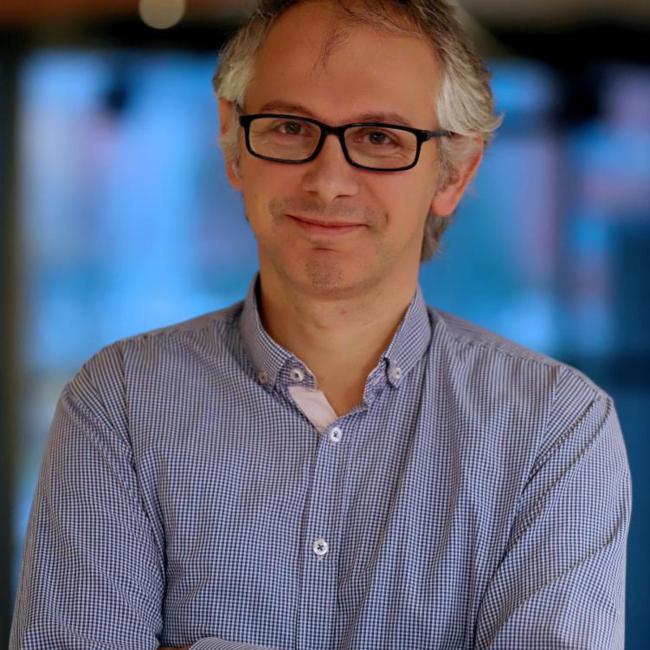
Eric CANCES is a Professor and Director of CERMICS (Applied Mathematics Laboratory) at École nationale des ponts et chaussées (ENPC). His research focuses on mathematical and numerical analysis of quantum and classical molecular simulation models, with applications in Chemistry and Materials Science. He leads the Matherials project team (ENPC-INRIA), specializing in multiscale modeling and computational chemistry. Education: PhD Thesis: Molecular Simulation and Environmental Effects (1998) Habilitation Thesis: Contributions to Molecular and Multiscale Simulations (2005) Research Interests: He investigates SCF algorithms, perturbation methods, diffusion Monte Carlo, time-dependent models, continuum solvation models (IEF-PCM), laser control of quantum processes, and multiscale modeling for complex fluids. His work bridges theoretical rigor with computational efficiency, addressing challenges in electronic structure calculations, solvation effects, and molecular dynamics. Teaching: He teaches at ENPC, École Polytechnique, University of Paris-Dauphine, and Université Pierre et Marie Curie, covering numerical analysis, quantum physics, and partial differential equations. Labs & Collaborations: CERMICS (ENPC) and Matherials (ENPC-INRIA) projects. Active collaborations include the development of reduced basis approaches, domain decomposition methods, and variational Monte Carlo algorithms.
John Weeks is a Distinguished University Professor at the University of Maryland, affiliated with the Institute for Physical Science & Technology. His research focuses on theoretical and computational studies of solvation phenomena, interfacial chemistry, and non-equilibrium systems. Key areas include molecular field theory, ion solvation dynamics, hydrophobic effects, and surface electromigration. He investigates long-range forces in aqueous systems, the structural and thermodynamic properties of liquids at interfaces, and the development of advanced simulation methods for complex fluids. His work bridges statistical mechanics, condensed matter physics, and chemical theory to explain molecular-scale phenomena in both equilibrium and non-equilibrium settings. Recent contributions address crystal nucleation mechanisms, the role of distant boundaries in charged particle solvation, and the application of local molecular field theory to ionic systems. His research has implications for understanding biological solvation, materials science, and environmental chemistry. Notable trends in his publications include: (1) advancing multiscale models for long-range interactions in confined systems, (2) analyzing hydrophobic effects through molecular-scale structural changes in water, and (3) developing efficient computational frameworks for simulating Coulombic systems. While no specific awards or grants are listed here, his extensive publication record reflects sustained leadership in theoretical chemistry and materials science. He has advised numerous researchers through collaborative projects at the Institute for Physical Science & Technology.
Stephen Wright is a Professor in the Department of Computer Sciences at the University of Wisconsin-Madison, serving as Department Chair from 2023-2025. He previously held roles at Argonne National Laboratory (1990-2001) and the University of Chicago (2000-2001). His research focuses on computational optimization, with applications in data science, machine learning, and engineering. He co-authored seminal books such as Numerical Optimization (with J. Nocedal) and Optimization for Data Analysis (with B. Recht). Wright leads the Wisconsin Institute for Discovery's research initiatives and has developed widely-used optimization software like PCx and SpaRSA . Key awards include the 2024 George B. Dantzig Prize, 2020 Khachiyan Prize, and SIAM Fellow status since 2011. He has served as editor-in-chief of the SIAM Journal on Optimization and Mathematical Programming, Series B . His teaching includes courses on nonlinear optimization (CS726) and introductory optimization (CS524). Wright’s work bridges theory and practice, emphasizing scalable algorithms and interdisciplinary applications.
Bill Cannon is a Computational Scientist at Pacific Northwest National Laboratory (PNNL) and affiliated with the Department of Mathematics at the University of California, Riverside. His research focuses on computational biophysics, biochemical systems modeling, and high-performance computing. He holds a B.A. in Chemistry from the University of California, Santa Cruz, a Ph.D. in Biochemistry and Biophysics from the University of Houston, and a postdoctoral fellowship in enzymology at Pennsylvania State University. Dr. Cannon’s work bridges experimental and computational approaches, with significant contributions to metabolic pathway modeling, proteomics data analysis, and thermodynamic frameworks for biochemical reactions. His research includes simulating microbial metabolism, optimizing enzyme activities, and leveraging cloud computing for large-scale biological simulations. He has pioneered methods for integrating proteomics data with computational models and advancing algorithms for peptide identification in mass spectrometry. His awards include multiple Outstanding Performance Awards from PNNL’s Computational and Information Sciences Directorate, NIH fellowships, and the Welch Foundation Graduate Award. Cannon’s interdisciplinary projects span systems biology, metabolic engineering, and computational infrastructure for biological research. He collaborates widely, contributing to initiatives like the Biological Modelling and Interface Exchange (BMX) framework and advancing novel approaches to chemical reaction network modeling.
Garegin A. Papoian is the Monroe Martin Professor of Chemistry and Biochemistry at the University of Maryland, College Park. He leads the Papoian Lab, which focuses on theoretical and computational studies of biological processes at multiple scales, including chromatin structure, actomyosin networks, and cell motility. His work integrates advanced computational methods from statistical mechanics, polymer physics, and molecular modeling. Dr. Papoian holds appointments in the Department of Chemistry & Biochemistry and the Institute for Physical Science and Technology. He received his Ph.D. from Cornell University under Prof. Roald Hoffmann and has held roles at the University of North Carolina at Chapel Hill and other institutions. Research Interests: The lab explores the physics of biological systems using mesoscopic and multiscale modeling approaches. Key areas include the mechanics of chromatin (nucleosome dynamics, histone variants), the biophysics of cytoskeletal networks (actomyosin contractility, filament organization), and the role of stochastic processes in cellular signaling. Recent work investigates how mechanical forces and chemical energy drive cell behavior, such as in cytoskeletal avalanches and mechanosensitive pathways. Publications & Awards: Notable contributions include seminal studies on DNA rigidity (JACS 2011) and histone assembly (JACS 2014). He has authored over 150 peer-reviewed articles and holds awards like the Camille Dreyfus Teacher-Scholar Award (2008–2013) and the NSF CAREER Award (2009–2014). His team develops open-source tools like MEDYAN and AWSEM-MD for simulating complex biomolecular systems. Lab & Collaborations: The Papoian Lab has trained numerous students and postdocs, many now leading academic/research positions worldwide. Collaborators include groups at UC San Diego, Cambridge University, and the Kavli Institute. Current projects address cancer-related chromatin plasticity, cytoskeletal criticality, and mechanistic models of axon guidance.
Elisa Davoli is a Professor of Multiscale Calculus of Variations at the Vienna University of Technology (TU Wien), leading the Research Group Multiscale Variational Calculus . She holds a PhD from SISSA (Trieste) and has earned prestigious awards including the Richard von Mises Prize (2020) and FWF START Prize (2020). Her research focuses on materials science, calculus of variations, and PDEs, with applications to elasticity, phase transitions, and image reconstruction. She teaches courses like Mathematics for Electrical Engineering and Gamma Convergence , and actively organizes international workshops on topics like Shape Optimization and Multiscale Modeling . Her work bridges mathematical analysis and material science, addressing challenges in metamaterials, homogenization, and nonlocal effects. Research Interests : Homogenization, magnetoelasticity, fracture mechanics, calculus of variations, nonlocal models. Key Projects : FWF-SFB grants, START Prize research on tunable materials, and international collaborations with institutions like UTIA (Prague). Awards : Richard von Mises Prize (GAMM, 2020), FWF START Prize (2020), Faculty Teaching Award (2018). Her publications span over 60 papers in journals like Archive for Rational Mechanics and Analysis and SIAM Journal on Mathematical Analysis , addressing topics from morphoelasticity to Cahn-Hilliard systems. She also supervises research groups and contributes to the SFB Taming Complexity in Partial Differential Systems initiative.