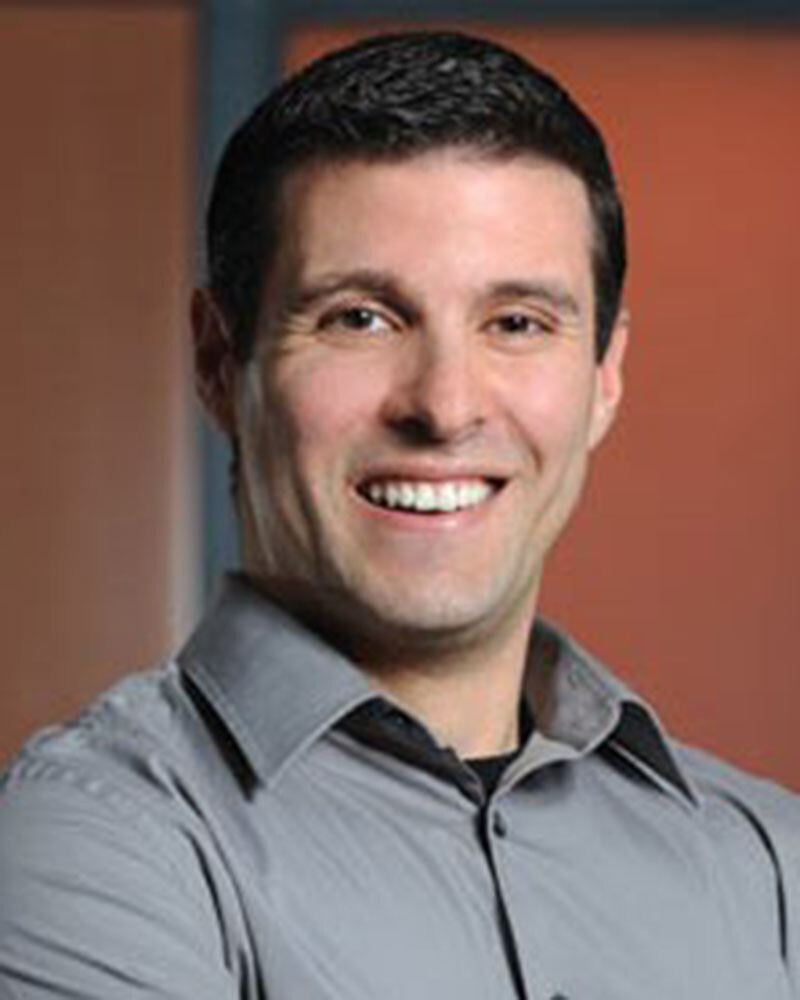
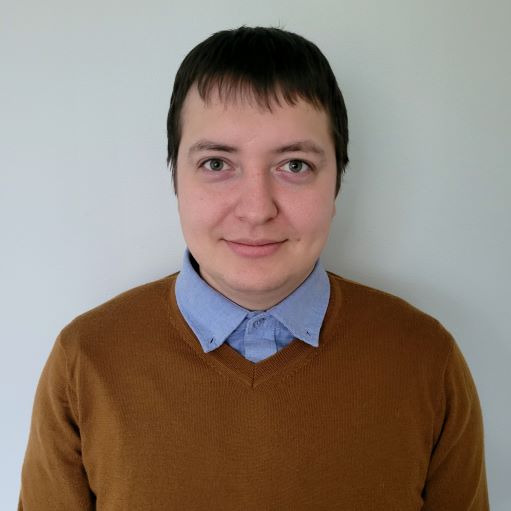
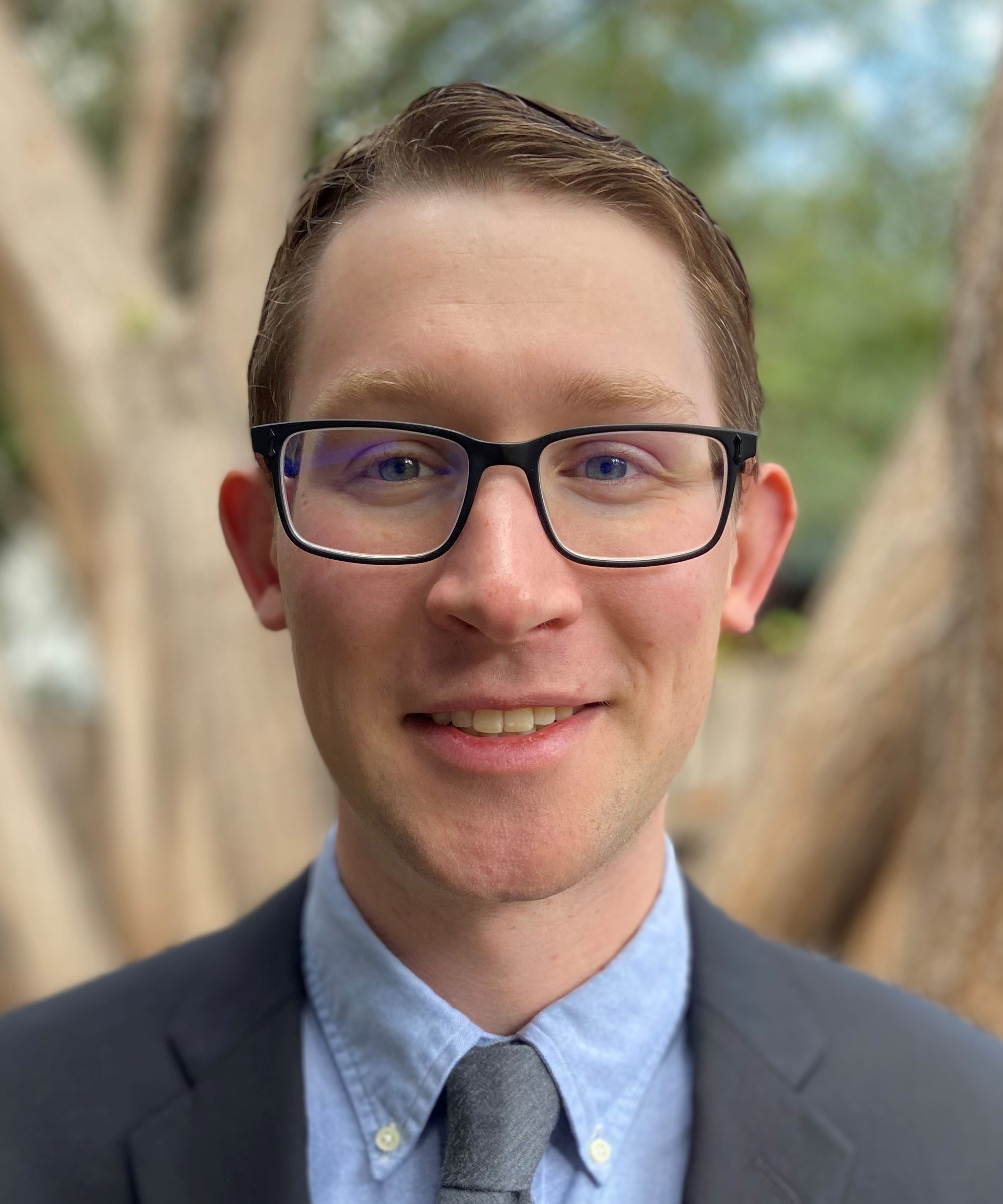
Dario De Marinis is an Assistant Professor at the Department of Mechanics, Mathematics & Management, Politecnico di Bari, Italy. His research focuses on fluid dynamics with applications in biomedical engineering, aerospace, and computational physics. Research Interests Fluid-structure interaction modeling Microfluidics and particle transport Biomedical applications (blood flow, valve mechanics) Aerospace engineering (hypersonic flows, turbulence) Numerical methods (Lattice Boltzmann, immersed boundary) Publications Trend Dario's recent work (2015–2025) spans computational fluid dynamics, with emphasis on multiphase flows, viscoelastic material behavior, and biomedical microfluidic devices. He has contributed to aerospace applications and turbulent thermal flows.
Matthew Alexander Clarke is an Assistant Professor in the Department of Aerospace Engineering at the University of Illinois. His research focuses on advanced aerospace systems, particularly electric aircraft design, battery technology, and thermal management systems. He collaborates on projects related to urban air mobility and sustainable aviation, addressing challenges such as noise pollution mitigation and battery longevity. His recent work includes developing metrics for evaluating the socioeconomic impacts of urban air mobility operations and optimizing thermal management systems for electric aircraft. Clarke has contributed to peer-reviewed journals and conference proceedings, with notable publications on liquid cooling systems for batteries and physics-based approaches for thermal system design. Clarke’s research trends emphasize interdisciplinary innovation at the intersection of aerospace engineering, battery technology, and environmental sustainability. His studies often involve collaborations with industry and academic partners to advance next-generation aviation technologies. While no awards or grants are explicitly mentioned in the text, his work demonstrates significant engagement with cutting-edge aerospace challenges. He advises on collaborative research projects but no formal advisees/students are listed here.
Anne-Virginie SALSAC is a leading researcher in bioengineering and biomechanics at the University of Technology of Compiègne (UTC), France. She heads the Biomechanics and Bioengineering Laboratory (BMBI, UMR CNRS 7338) and has held an ERC Consolidator Grant (2017) from the European Research Council for her work on multiphysics modeling of microcapsules. Her research focuses on numerical simulation, microfluidics, and bioartificial capsule design for biomedical applications, including hemodynamics in vascular systems and minimally invasive therapies. She has pioneered techniques for microcapsule characterization and sorting, with applications in drug delivery and tissue engineering. SALSAC has collaborated internationally with institutions like Sorbonne Université, University College London, and Queen Mary University of London. Education: Advanced training in bioengineering, with postdoctoral experience in fluid mechanics and biomedical systems. Teaching: Leads graduate courses in mechanical properties of biological materials, microfluidics, and vascular flow modeling at UTC. Previously taught at UC San Diego and University College London. Awards: ERC Consolidator Grant (2017), European scholarship for excellence (2018). Her research integrates experimental and computational methods, emphasizing real-time prediction of capsule deformation and fluid-structure interactions. Key projects include the ERC-funded MultiphysMicroCaps initiative, which explores multiscale modeling of microcapsules under physiological flows. She has developed novel microfluidic tools for capsule sorting and mechanical property analysis, published in top journals like Physical Review E and Journal of Fluids and Structures . SALSAC advocates for scientific mediation, organizing international symposia such as the DynaCaps conference, and has engaged in public outreach via television and media features. Her work bridges fundamental research and clinical applications, with patents on microcapsule fabrication and embolization techniques.
Professor Carmen Torres-Sanchez leads the Multifunctional Materials Manufacturing Research Theme at Loughborough University’s Wolfson School of Mechanical and Manufacturing Engineering. As Executive Director of the EPSRC Centre for Doctoral Training in Embedded Intelligence, she integrates advanced manufacturing with biomimetic principles to create novel lightweight materials through mathematical modeling and ultrasound applications. Education: MEng Chemical Engineering (University of Granada), PhD Mechanical Engineering (Heriot-Watt University) Research Focus: Ultrasound-controlled porosity in polymeric foams, computational modeling of acoustic-structure interactions, functionally graded materials manufacturing Collaborations: Prof Mulholland’s team at Strathclyde University, FAR Composites UK Ltd Her work combines Galilean mathematical principles with modern manufacturing to optimize material distribution. Publications in the Journal of Non-Newtonian Fluid Mechanics demonstrate her team’s contributions to porosity tailoring through ultrasonic irradiation. Current research explores applications in regenerative medicine scaffolds and food industry materials. Key Publications: 3D Acoustic-Structure Interaction (2025), Sonication Bubble Modeling (2025), Multiphysics COMSOL Conference Work (2017) Research Tools: Finite Element Analysis, Acoustic Pressure Field Modeling, Bubble Dynamics Simulation
Michael Neidlin is a Senior Researcher in the Department of Cardiovascular Engineering at the Helmholtz-Institute for Biomedical Engineering , RWTH Aachen University. His work focuses on numerical modeling of biological systems for cardiovascular and cardiopulmonary applications. Current Position: Oberingenieur (Senior Engineer), Modeling & Simulation Research Field (2020–present) Past Positions: Postdoctoral Fellow at National Technical University of Athens and Universitat Pompeu Fabra (2017–2020) Education: Dr. rer. medic. (2013–2016) and M.Sc./B.Sc. in Mechanical Engineering (RWTH Aachen) His research spans continuum biomechanics , systems-level modeling , and data-driven approaches to develop translational models for clinical and industrial applications. He specializes in: Multiscale modeling of cardiovascular hemodynamics In-silico evaluation of ventricular assist devices (LVADs) Computational tools for osteoarthritis drug screening Fluid-structure interaction studies in cardiopulmonary bypass
Dr. Min Yu is an Imperial College Research Fellow (ICRF) in the Department of Mechanical Engineering at Imperial College London . He leads an independent research program focused on in-situ multimodal sensing of mechanical interfaces , integrating advanced materials, intelligent control, multiphysics modeling, and data-driven technologies. His work bridges tribology, robotics, and sensing with applications in lubrication systems and robotic haptic interfaces. Education: PhD in Mechanical Engineering, Imperial College London (2014–2018) MSc in Engineering, Zhejiang University (2011–2014) BEng in Engineering, Xi’an Jiaotong University (2007–2011) Research Interests: Dr. Yu’s core research areas include tribology , ultrasonic sensing , robotic haptics , lubrication systems , and data-driven control . He develops novel sensing technologies for real-time monitoring of mechanical interfaces, with applications in engines, bearings, transmissions, and robotic systems. His work emphasizes closed-loop intelligent lubrication and bio-inspired robotic sensing . Publications & Trends: Dr. Yu has authored over 60 peer-reviewed papers and holds 6 patents . His recent work (2024–2025) focuses on ultrasonic-based oil film measurement, triboelectric sensors for robotics, and advanced control systems for automotive suspensions. These publications reflect a strong interdisciplinary approach combining mechanical engineering , AI-driven control , and sensor innovation . Awards & Grants: Imperial College Research Fellowship (ICRF 2022–2026) Royal Society International Exchanges – Cost Share Scheme State Key Laboratory of Fluid Power and Mechatronic Systems Open Foundation Taiho Kogyo Tribology Research Foundation Grant Dame Julia Higgins Engineering Postdoc Collaborative Research Fund (2019) Peter Jost Travel Fund (2022) Collaborations & Labs: Dr. Yu collaborates with multiple groups at Imperial College London including the Tribology Group , Non-Destructive Evaluation (NDE) Group , Control and Power Group , Optical & Semiconductor Devices Group , and Geotechnics Group . He also partners with international institutions such as Georgia Tech , Xi’an Jiaotong University , Zhejiang University , HUST , and Tsinghua University , as well as industry leaders like Shell , ExxonMobil , Toyota , and Jaguar Land Rover .
Tomasz Kozlowski is an Associate Professor and Associate Head for Undergraduate Programs at the University of Illinois at Urbana-Champaign's Grainger College of Engineering, Department of Nuclear, Plasma, and Radiological Engineering (NPRE). He holds additional positions as Associate Professor at Poland's National Centre for Nuclear Research (NCBJ) and Affiliated Professor in Computational Science and Engineering at UIUC. His research focuses on multi-physics modeling, reactor design/safety, computational methods, and thermal-hydraulics. He has taught courses like NPRE 200 (Mathematics), NPRE 455 (Neutron Transport), and advanced modeling topics. Education: B.S., M.S., and Ph.D. in Nuclear Engineering from Purdue University (2000–2005), followed by a Docent Habilitation in Nuclear Power Safety from the Royal Institute of Technology (KTH, 2011). He has collaborated on a $2M DOE grant for fuel storage solutions and contributed to UIUC's submission for a micro-reactor license application. His work includes advanced reactor design, uncertainty quantification, and computational tools like TRACE and MCNP-ORIGEN. Research emphasizes reactor analysis methods, numerical solver development, and inverse uncertainty quantification. Over 100 publications span topics like TRISO fuel performance, BWR instability, and hydrogen production integration with microreactors. He serves as Associate Editor for Nuclear Technology and actively engages in international benchmarks (e.g., BEAVRS, OECD/NEA).
Seulip Lee is a Norbert Wiener Assistant Professor in the Department of Mathematics at Tufts University, School of Arts and Sciences. His research focuses on scientific computing, numerical analysis, and computational fluid dynamics, with an emphasis on multiphysics simulations using finite element methods. He holds a PhD in Mathematics from the University of California, Irvine (2021), and degrees from Yonsei University (M.Sc., 2015; B.Sc., 2013). Lee’s work bridges theoretical analysis and computational experimentation, addressing challenges in partial differential equations and optimization. He has published extensively on enriched Galerkin methods and numerical techniques for fluid dynamics. Teaching responsibilities include MATH 51 (Differential Equations) and MATH 125 (Numerical Analysis). His courses emphasize both analytical rigor and computational implementation, using tools like MATLAB for practical problem-solving. Professional experience includes a Limited Term Assistant Professor role at the University of Georgia (2021–2024), with research collaborations under mentors like Xiaozhe Hu and James Adler. His lab and team activities focus on advancing numerical algorithms for complex physical systems.
Caglar Oskay is the Cornelius Vanderbilt Professor of Engineering and Chair of the Department of Civil and Environmental Engineering at Vanderbilt University. He is also a Professor of Mechanical Engineering. His research focuses on multiscale computational modeling of material and structural systems under extreme conditions, with expertise in composite materials, failure mechanisms, and computational mechanics. Dr. Oskay earned his Ph.D. in Civil Engineering from Rensselaer Polytechnic Institute (2003) and has held academic roles there before joining Vanderbilt in 2006. He was honored as an ASME Fellow in 2017 and as a Chancellor Faculty Fellow in 2016. Key research areas include multiscale failure modeling, life prediction of heterogeneous materials, and computational methods for composites and multiphysics systems. His work integrates advanced simulation techniques with experimental validation, addressing challenges in infrastructure resilience, additive manufacturing defects, and quantum computing applications in engineering. Education: Ph.D., Civil Engineering, Rensselaer Polytechnic Institute (2003) M.S., Civil Engineering, Rensselaer Polytechnic Institute M.S., Applied Mathematics, Rensselaer Polytechnic Institute B.S., Civil Engineering, Middle East Technical University Recent research highlights include stochastic modeling of geotechnical infrastructure failures, quantum-enhanced finite element methods, and predictive analytics for additive manufacturing defects. He leads interdisciplinary efforts on backward erosion piping in flood protection systems and has secured grants for multiscale modeling of titanium alloys and composites. Awards: ASME Fellow (2017) Chancellor Faculty Fellow (2016) Advising and grants: Dr. Oskay’s grants include NSF-funded studies on backward erosion piping and quantum computing applications. His research group collaborates with industry partners on materials for aerospace and energy sectors, emphasizing computational tools for failure prediction and material design. His work bridges computational mechanics with practical engineering challenges, advancing methods for infrastructure resilience, advanced materials, and sustainable design through multiscale modeling innovations.
Renzo Arina is a Tenured Associate Professor at the Department of Mechanical and Aerospace Engineering (DIMEAS) at the Polytechnic University of Turin . His academic career spans decades of contributions to Aeroacoustics and Computational Fluid Dynamics (CFD) . Research Interests : Numerical simulation of flow-induced noise Drag reduction techniques for vehicle optimization Computational methods for aeroacoustic modeling Boundary layer dynamics and separation control Research Projects : Erasmus Mundus Master in Aeroacoustics (2024–2025): Member of research group Aerodynamic Optimization of Vehicles (2016): Scientific Director for industrial efficiency Detailed Numerical Modeling of Airborne Sound Field (2013–2016): EU-funded research Discontinuous Galerkin Method for Aeroacoustics (2010–2012): National PRIN project Advising : Supervises PhD candidates Daniele Fabbri (Mechanical Engineering, 2023–ongoing) and Francesco Bellelli (Aerospace Engineering, 2022–ongoing) Labs & Teams : Member of the Boundary Layer Flow, Separation and Control research group at DIMEAS
Tomohiro Suzuki is an Associate Professor at KU Leuven and Ghent University (UGent) , affiliated with the Department of Civil Engineering under the Faculty of Engineering Science (KU Leuven) and Faculty of Engineering and Architecture (UGent) . With 25 years of expertise in coastal engineering, he specializes in wave overtopping , wave-structure interactions , and Nature-Based Solutions for coastal management. Key research areas: Numerical Modeling (DualSPHysics, SWASH), Wave-Current-Vegetation Interaction , Coastal Flood Resilience Teaching roles: Project Hydraulic Engineering 3 , Hydraulic Structures , Hydrodynamics His recent projects include: INTEGRATOR (2024–2026): Integrated coastal hydrodynamics modeling Numerical Coastal Basin (2021–2025): Virtual testing for floating structures Wind Generation System (2025–2028): Fan Array Wind Tunnel for Coastal & Ocean Basin Publications focus on 3D wave-vegetation dynamics , SPH-based coastal simulations , and shallow foreshore resilience against extreme waves. No scientific awards are explicitly mentioned.
Aleksandr Zinoviev is a Senior Research Associate at the School of Engineering and Information Technology (SEIT) at UNSW Canberra, where he has been working since 2022. His research spans multiple institutions across the globe, including previous positions at Siemens Digital Industries Software in Belgium, University of Bremen and AMSIS GmbH in Germany, and Institute of Strength Physics and Materials Science of the Russian Academy of Sciences and Tomsk Polytechnic University in Russia. He has also conducted research stays at the University of Bremen (Germany) and São Paulo State University (Brazil). Dr. Zinoviev's research interests are highly interdisciplinary, focusing on metal additive manufacturing, thermodynamics of materials, computational materials science, solid mechanics, software engineering, and machine learning. He specializes in developing and applying novel knowledge-based approaches to address engineering challenges, particularly in improving materials and parts produced by advanced manufacturing, optimizing production processes, and enhancing data processing. His work bridges the gap between fundamental materials science and practical engineering applications, with a strong emphasis on computational modeling and simulation. Analysis of his recent publications (2021-2025) reveals a consistent focus on additive manufacturing process modeling, microstructure-property relationships in additively manufactured metals, and computational approaches to materials science. His research particularly emphasizes cellular automata modeling, multiscale simulation techniques, and the application of machine learning to materials processing. The publications demonstrate expertise in both experimental characterization and advanced computational methods for predicting mechanical behavior of additively manufactured components. Dr. Zinoviev actively mentors prospective PhD and Research Master's candidates, offering guidance on topics related to thermal modeling of additive manufacturing and process optimization. He has indicated that scholarships of up to $35,000 (AUD) are available for qualified candidates who achieved High Distinction in their undergraduate program and/or have completed a Masters by Research.
Jason Szafron is an Assistant Professor in the Department of Biomedical Engineering at Carnegie Mellon University’s College of Engineering. He leads a research group focused on developing computational tools to understand and treat cardiovascular diseases, particularly congenital heart defects, pulmonary vascular diseases, and fetal growth restriction. His work integrates biomechanical modeling with experimental data to improve treatment planning and medical device design. Education: B.S. in Biomedical Engineering, Texas A&M University (2015) M.S. and Ph.D. in Biomedical Engineering, Yale University (2018, 2020) Postdoctoral Research Fellow at Stanford University’s Department of Pediatrics (2023) Research Interests: Simulation tools for cardiopulmonary disease progression Biomechanical modeling of vascular adaptation Computational frameworks for organ-scale growth remodeling Optimization of tissue-engineered vascular grafts His lab combines experimental and computational approaches to study disease mechanisms, with a focus on mechanobiological and immunological factors driving vascular pathology. Publications highlight advancements in pulmonary hypertension modeling, vascular graft design, and open-source diagnostic tools like HemoLens. Recent work emphasizes personalized treatment planning via neural network-based digital twins. Awards: Parker B. Francis Fellow (2022–2025) for pulmonary disease research Labs/Teams: Director of the Szafron Lab at CMU, focused on translational cardiovascular engineering. Collaborates with Stanford University and Mayo Clinic on clinical applications.
Satya Prakash Saraswat is a Postdoctoral Researcher at KTH Royal Institute of Technology's Nuclear Science and Engineering Unit in Stockholm, Sweden. He holds a Ph.D. from the Indian Institute of Technology Kanpur, with expertise in thermal-hydraulics, nuclear reactor safety, computational fluid dynamics (CFD), and system code development. His work spans fission and fusion reactor analysis, including contributions to the VALIDATIO project (University of Pisa) for fusion safety tools and the ATLAS project (Khalifa University) for advanced reactor safety enhancements. Research interests focus on computational modeling, AI integration in nuclear safety, and experimental validation of safety systems. He has developed skills in both experimental and numerical techniques, addressing challenges in multiphase flow, reactor core dynamics, and material compatibility. Key projects include validation of ASYST and SIMMER codes for condensation phenomena and lead-lithium interaction studies. Publications highlight advancements in burn-up wave characterization, code stability analysis (RELAP5/SIMMER), and thermal-hydraulic safety assessments for reactors like ESBWR and ITER systems. His work emphasizes enhancing safety tools through rigorous validation and innovative methodologies.
Stefano Scialo' is an Associate Professor in the Department of Mathematical Sciences "G.L. Lagrange" (DISMA) at the Polytechnic University of Turin. He is also a member of the Interdepartmental Center Ec-L - Energy Center Lab and serves as the contact person for the Bachelor's Degree Program in Mathematics for Engineering (L3). His academic journey began with a Master’s in Aerospace Engineering (2007), followed by a PhD in Mathematics for Engineering (2014), both from the same institution. After his PhD, he held postdoctoral and Assistant Professor positions at DISMA before being promoted to Associate Professor. Education: PhD in Mathematics for Engineering, Politecnico di Torino, 2014 Master in Aerospace Engineering, Politecnico di Torino, 2007 His research focuses on advanced numerical methods for partial differential equations, particularly in the context of complex multiscale and multiphysics systems. Key areas include the Virtual Element Method (VEM), domain decomposition techniques based on PDE-constrained optimization, and the simulation of flows in fractured porous media. He has made significant contributions to 3D-1D coupled problems, with applications in geosciences and biomedical modeling such as tumor-induced angiogenesis. His methodological work emphasizes robustness, scalability, and applicability to non-conforming and polygonal meshes, enabling high-performance computing solutions. The trend in his recent publications reveals a strong emphasis on developing and analyzing mixed virtual element methods, optimization-based coupling strategies, and their applications to engineering and biological systems. His work bridges theoretical numerical analysis with practical implementations in fluid dynamics and subsurface flow. Scientific Contributions: Principal Investigator of the FREYA project (2023–2026) on hybrid numerical approaches for fault reactivation. Coordinator of the INdAM-GNCS research project (2018–2019). Member of the research group "Numerical Analysis and Scientific Computing" at DISMA. Stefano Scialo' actively supervises doctoral students, including Matteo Trombini in the PhD program in Mathematical Sciences. He teaches a range of courses such as Advanced Scientific Programming in MATLAB, Numerical Methods and Scientific Computing, and specialized topics on Virtual Element Methods. He also contributes to curriculum development and academic governance through roles in doctoral colleges and degree program committees, including those for Mathematical, Mechanical, Aerospace, and Automotive Engineering. Laboratories and Research Groups: Member, Interdepartmental Center Ec-L - Energy Center Lab Research Group: Numerical Analysis and Scientific Computing (DISMA)