Ravza Gur is a Postdoctoral Computational Biologist at the University of Oxford's MRC Weatherall Institute of Molecular Medicine (MRC WIMM) and member of the Genome Biology Lab. Her work focuses on integrating single-cell multiomic epigenetics and transcriptomics with machine learning to study non-coding genetic variations in human diseases. Affiliation: University of Oxford Department: MRC WIMM Centre for Computational Biology Role: Postdoctoral Computational Biologist Volunteer: President of ISCB SC RSG-Turkiye (2023) Her research spans single-cell genomics , machine learning , and gene regulation , with a focus on improving scATAC-seq resolution and developing tools like the CREST-GV platform. Current work involves Deep Neural Network methods for analyzing non-coding genomic regions. Scientific contributions include 14 publications on scATAC-seq, chromatin accessibility, and multiomic disease analysis. Her Google Scholar highlights projects like REnformer and GTAC. Recent work emphasizes epigenetic variation in AML and IMiD-induced neutropenia . 2023: Elected President of ISCB SC RSG-Turkiye 2022: Analyzed ATRX chromatin remodelling mechanisms Labs & Collaborations: Genome Biology Lab (Oxford) Centre for Computational Biology (MRC WIMM) ISCB SC RSG-Turkiye
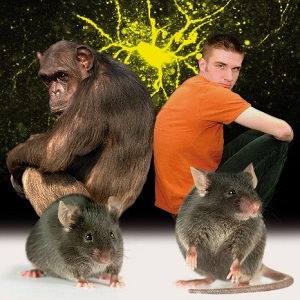
Prof. Dr. Wolfgang Enard is a faculty member at Ludwig Maximilian University of Munich, leading research in Primate Genomics , Evolutionary Biology , and Computational Biology . His work bridges evolutionary genomics with experimental molecular mechanisms to understand human-specific traits, particularly focusing on speech evolution and brain size development. Studying FOXP2 transcription factor in human speech evolution using mouse models Investigating genetic basis of brain size evolution through cross-species genomic comparisons Generating and analyzing induced pluripotent stem cells (iPSCs) from primates for evolutionary studies His laboratory employs RNA-Seq , ChIP-Seq , and proteomics to explore regulatory networks, with recent publications emphasizing cross-species comparisons, epigenetic evolution, and stem cell engineering. While no explicit awards are listed, his work has been cited in numerous high-impact publications across genomics, neurobiology, and disease modeling. Key trends in his research include comparative epigenomics of neural development, iPSC-based evolutionary studies , and multiomic approaches to disease mechanisms . His lab maintains active collaborations and generates specialized stem cell lines for cross-primate investigations.
Mehmet Gönen is a Professor in the Department of Industrial Engineering at Koç University's College of Engineering. His academic career spans multiple disciplines at the intersection of engineering, computer science, and biomedical research. He maintains an active research program with significant contributions to machine learning applications in biological and medical contexts. Education: PhD, Boğaziçi University (2010) MSc, Boğaziçi University (2005) BS, Boğaziçi University (2003) Professor Gönen's research primarily focuses on developing and applying machine learning methodologies, particularly multiple kernel learning techniques, to solve complex problems in computational biology and medicine. His work bridges theoretical algorithm development with practical applications in cancer biology, infectious disease modeling, and drug discovery. He has made significant contributions to single-cell multiomics analysis, antibiotic resistance research, and cancer genomics. His methodological innovations in kernel-based machine learning have found applications across diverse biological domains, demonstrating the versatility and power of his computational approaches. Analysis of his recent publications (2022-2025) reveals a consistent research trajectory centered on applying advanced machine learning techniques to pressing biomedical challenges. His work demonstrates strong interdisciplinary collaboration, spanning computational methods development, clinical applications, and biological discovery. Key thematic areas include cancer genomics (particularly pathway analysis and biomarker discovery), infectious disease modeling (with emphasis on antibiotic resistance mechanisms), and methodological innovations in kernel learning for biological data integration. His research has practical implications for precision medicine, drug discovery, and healthcare analytics. Professor Gönen has maintained a robust publication record with significant contributions to both methodology development and domain-specific applications. His work on scMKL for single-cell multiomics analysis represents cutting-edge integration of computational techniques with modern biological data. The consistent focus on interpretable machine learning methods suggests an emphasis on creating tools that provide biological insights rather than just predictive accuracy. His research group appears to collaborate extensively with domain experts in microbiology, oncology, and clinical medicine, ensuring that computational approaches address real-world biomedical challenges.
Kathryn Luker is a Researcher in the Department of Radiology at the University of Michigan Medical School, affiliated with the Biointerfaces Institute. She specializes in molecular imaging of cell signaling in cancer, developing fluorescence and bioluminescence tools for single-cell analysis of tumor microenvironments. BS in Chemistry (University of Kansas, 1987) PhD in Biochemistry & Molecular Biology (Washington University, 1993) Research Interests: Biochemical mechanisms of chemokine/growth factor signaling in cancer progression, autocrine/paracrine signaling, fluorescence/bioluminescence reporters, custom image analysis, and multiscale computational modeling of tumor environments. Her recent work focuses on CXCR4 inhibition in breast cancer immunotherapy, CX43 -mediated tumor-stroma interactions in bone marrow metastases, and machine learning approaches to decode cancer cell heterogeneity. She has received major grants from NIH, Army-DoD, and the W. M. Keck Foundation. Mentoring: Committed to team-based mentorship, she has co-mentored over 70 trainees across biology, medicine, engineering, and computational disciplines.
Liming Pei, Ph.D., serves as Associate Professor of Pathology and Laboratory Medicine at the University of Pennsylvania's Perelman School of Medicine and Children's Hospital of Philadelphia (CHOP), where he directs a research program focused on inter-organ communication in metabolic homeostasis. His laboratory investigates how the heart functions as an endocrine organ, employs single-cell multiomics to decode cardiac development and disease, and elucidates cell-type-specific metabolic regulation through nuclear receptors like ERRγ. Dr. Pei earned his B.S. from the University of Science and Technology of China (2000) and Ph.D. from UCLA (2006), followed by postdoctoral training at the Salk Institute. He joined CHOP/UPenn in 2013 as Assistant Professor before promotion to Associate Professor. His research spans three synergistic domains: (1) Cardiac endocrinology, where his team discovered GDF15 as a heart-derived hormone regulating body growth and liver metabolism, explaining failure-to-thrive in pediatric heart disease; (2) Single-cell multiomics, pioneering snRNA-Seq in cardiac research to build human heart atlases through NIH HuBMAP and study Fontan-associated liver disease; (3) Mitochondrial metabolism, identifying ERRγ as a master regulator of cell-type-specific energy pathways essential for cardiac, neuronal, and renal function. His work employs proximity labeling, single-nucleus sequencing, and transgenic models to uncover fundamental mechanisms with therapeutic implications. Recent publications reveal his lab's dominance in cardiac multiomics, with 2024-2025 studies on Fontan physiology, mitochondrial heteroplasmy, and ERRγ-targeted heart failure therapies appearing in Science Translational Medicine and Nature Cell Biology. His work demonstrates consistent innovation in linking molecular mechanisms to clinical metabolic and cardiac disorders. Funded by multiple NIH grants and Department of Defense awards, Dr. Pei actively mentors postdoctoral fellows and graduate students through CHOP/UPenn training programs. His lab offers rotation projects in cardiac hormone discovery, single-cell atlas development, and mitochondrial disease modeling, emphasizing computational and experimental integration. The Pei Lab operates within CHOP's Center for Spatial and Functional Genomics, collaborating with UPenn's Institute for Diabetes Obesity and Metabolism and the Cardiovascular Institute. Current initiatives include developing ERRγ-based therapies for kidney disease and expanding the understanding of heart-liver metabolic crosstalk through clinical-translational partnerships.
Avi Srivastava, Ph.D. is an Assistant Professor in the Genome Regulation and Cell Signaling Program at The Wistar Institute's Ellen and Ronald Caplan Cancer Center. A computational biologist with expertise spanning computer science and biology, Dr. Srivastava leads research focused on understanding how epigenomic regulation influences cellular fate determination, particularly in the context of hematopoiesis and leukemia development. Dr. Srivastava's research interests center on computational approaches to single-cell genomics, epigenomics, and transcriptomics. His work integrates epigenetic, computational, and cancer biology analysis with state-of-the-art multimodal single-cell technologies and sophisticated uncertainty-aware computational models. His lab specifically investigates chromatin dynamics during cell differentiation, with special emphasis on dysregulation in leukemia. Analysis of Dr. Srivastava's publication record reveals a strong focus on developing computational methods for RNA-seq and single-cell analysis. His work spans transcript quantification algorithms , uncertainty-aware Bayesian models for single-cell data, and integrated analyses of epigenomic data to understand hematopoietic malignancies. His contributions address critical challenges in handling gene-ambiguous reads and improving accuracy in gene abundance estimation. Dr. Srivastava's laboratory currently includes Postdoctoral Fellow Rajeev Ramisetti, Ph.D. and Research Assistant Calen Nichols, working together to advance understanding of the molecular mechanisms underlying blood cell development and malignancy.
Dr. Ljiljana (Lili) Paša-Tolić is a distinguished Lab Fellow and Lead Scientist for Visual Proteomics at Pacific Northwest National Laboratory (PNNL), where she works within the Environmental Molecular Sciences Division and the Environmental Molecular Sciences Laboratory (EMSL) user program. She brings world-leading expertise in native-state and top-down proteomics, mass spectrometry, and the Biomolecular Pathways Integrated Research Platform, combining these with Functional Bioimaging and Cell Signaling platforms to develop transformational capabilities for dynamic spatio-temporally resolved proteomic imaging in cells. Shipley Capturing Federal Business Course (2013) Emerging Leader Program (2012) Management Skills Development Program (2003) Postdoc, National High Magnetic Field Laboratory (1995–1997) Postdoc, PNNL (1993–1995) PhD in Chemistry, University of Zagreb (1992) MS in Theoretical and Physical-Organic Chemistry, University of Zagreb (1989) BS in Chemistry, University of Zagreb (1986) Dr. Paša-Tolić specializes in developing sophisticated analytical methods with emphasis on Fourier transform mass spectrometry and micro-separations. Her research focuses on applying these techniques to accurately quantify spatiotemporal changes in protein (metabolite) abundance, identity, and activity. Her work bridges the gap between advanced instrumentation development and biological applications, particularly in environmental systems, microbial communities, and plant-microbe interactions. She has pioneered approaches for single-cell metabolomics, top-down proteomics, and mass spectrometry imaging that have transformed how researchers study complex biological systems at unprecedented resolution. The trend in Dr. Paša-Tolić's recent publications demonstrates her leadership in advancing mass spectrometry technologies while applying them to increasingly complex biological questions. Her work spans environmental science, microbiology, plant biology, and immunology, showing how fundamental advances in analytical methodology can be leveraged across diverse research domains. Key themes include single-cell analysis, interlaboratory standardization, top-down proteomics, and the development of novel instrumentation approaches that push the boundaries of detection sensitivity and spatial resolution. The Analytical Scientist Power List (2019) Spectrometry Global Impact Award (2015) Director's Award, EMSL (2010) Systems Biology Fellows Mentor Award (2007) Outstanding Merit Award, International Immunology (2007) Key Contributor Award, PNNL (2002, 2003) Outstanding Performance Award, PNNL (1998, 1999, 2000) International Institute of Quantum Chemistry and Solid-State Theory Award (1988) As a leader in her field, Dr. Paša-Tolić has served in numerous professional capacities including Treasurer of the American Society for Mass Spectrometry (2020–2022), Editorial Board Member for the Journal of the American Society for Mass Spectrometry (2017–Present), and Member at Large on the Board of Directors for the Consortium for Top-Down Proteomics (2012–Present). She has organized and lectured at the 'Mass Spectrometry in Biology and Medicine' summer school in Dubrovnik, Croatia since 2007, demonstrating her commitment to training the next generation of scientists. Her research has been supported by multiple federal agencies including the Department of Energy, National Institutes of Health, and National Science Foundation. Dr. Paša-Tolić leads a dynamic research team at PNNL focused on visual proteomics, which combines advanced mass spectrometry with imaging techniques to study biological systems at unprecedented resolution. Her group works at the intersection of the Functional and Systems Biology group, the Biomolecular Pathways Integrated Research Platform, and the Functional Bioimaging platform, creating a synergistic environment for innovation. The team has developed novel capabilities for single-cell analysis, top-down proteomics, and mass spectrometry imaging that are being applied to diverse research areas from environmental systems to human health.
Erica Teixeira Prates is a Computational Systems Biologist at Oak Ridge National Laboratory (ORNL), working within the Biological and Environmental Systems Science Directorate's Biosciences Division. She leads computational research in the Computational and Predictive Biology Group and Biocomputing and Information Section, focusing on integrating molecular dynamics simulations with multi-omics data to study protein structure-function relationships. Her research spans three major domains: Bioenergy (CBI projects on plant-microbe interfaces and cellulose biosynthesis) Plant-Microbe Interactions (modeling receptor-ligand pairing in Populus systems) Viral Pathogenesis (SARS-CoV-2 protease mechanisms and antiviral strategies) She develops computational protocols for proteome-wide modeling, virtual screening, and enhanced sampling techniques to bridge molecular biophysics with systems-level biological traits. Publication analysis reveals consistent focus on structural bioinformatics (47% of articles), with growing emphasis on AI-driven approaches since 2020. Her work connects quantum biology with CRISPR optimization, metabolite-GWAS networks in plants, and opioid addiction genetics through meta-multiomics integration. Professional contributions include key projects: Plant-Microbe Interfaces (PMI) initiative for bioenergy crops COVID-19 research on NEMO cleavage and bradykinin storms Development of explainable AI models for viral mutation tracking
Jesse Moreira-Bouchard is a Clinical Assistant Professor in Human Physiology at Boston University School of Medicine and Faculty in Health Sciences at Sargent College, where they co-lead the Q.U.E.E.R. Lab. Their work bridges cardiovascular physiology research with LGBTQIA2S+ health equity advocacy through community-engaged science and inclusive pedagogy. Bachelor of Arts in Biology, Salem State University (2017) Master of Science in Human Physiology, Boston University (2018) PhD in Human Physiology, Boston University (2021) Postdoctoral Fellowship in Cardiovascular Medicine, BU School of Medicine (2021-2023) Research focuses on cardiovascular disease mechanisms in LGBTQIA2S+ communities, examining hypertension and chronic stress through minority stress frameworks while developing exercise interventions. Concurrently, they pioneer inclusive physiology education by restructuring curricula to address structural inequities in STEM, with documented success in reducing classroom stress through alternative assessments and authentic queer teaching presence. Their community-based approach partners with local centers to co-design studies that translate research into tangible health equity outcomes. Recent publications reveal a cohesive trajectory: foundational cardiovascular physiology work (2019-2021) evolved into focused LGBTQIA2S+ health disparities research (2022-2024), now integrating sex/gender research guidelines and inclusive survey methodologies. This progression demonstrates rigorous basic science expertise applied to urgent health equity questions through mixed-methods community partnerships. Dr. Moreira-Bouchard mentors students through the Q.U.E.E.R. Lab's community-engaged framework and teaches courses spanning neuroanatomy to pathophysiology in marginalized populations. Their institutional funding supports curriculum innovation and community-partnered health disparities research, with lab activities emphasizing anti-racism training and open-access knowledge dissemination. The Q.U.E.E.R. Lab operates as a community-academic hybrid space where undergraduate researchers, community health workers, and faculty collaborate on projects from hypertension epidemiology to inclusive pedagogy development. This model extends to national impact through APS leadership and NIH-featured work, while maintaining local roots in Boston's LGBTQIA2S+ centers.
David Rovnyak is Professor of Chemistry and Chemistry Department Co-chair at Bucknell University, with additional affiliation in the Cell Biology and Biochemistry Program. His research integrates biophysical chemistry, nuclear magnetic resonance (NMR) spectroscopy, and structural biology to solve complex biological problems. Educational background: B.S., University of Richmond Ph.D., Massachusetts Institute of Technology (M.I.T.) His laboratory specializes in advanced NMR methodologies , particularly nonuniform sampling (NUS) techniques for spectral acquisition and reconstruction. Research spans metabolomics (honey bee physiology, NAFLD), micelle characterization using multi-CMC models, and structural biology of biomolecules. The lab is renowned for creative methodological innovations and interdisciplinary collaborations. Recent publications reveal a strong trajectory toward metabolomics applications and NMR technology development, with work featured on the cover of Annual Reports and collaborations including Barnard College's Snow lab and Geisinger Obesity Institute. Professor Rovnyak mentors a dynamic team of undergraduate and graduate students across specialized research groups. His lab maintains active operations with recent demonstrations including NMR of cranberries, candy canes, and snow featured on WNEP, reflecting commitment to scientific outreach.