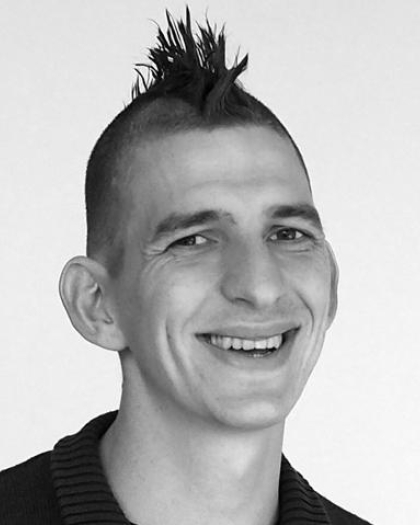
Decky Aspandi is a Researcher at Universitat Stuttgart in the Analytic Computing department. He holds a Ph.D. in Information and Communication Technologies from Universitat Pompeu Fabra, Barcelona, an M.Sc. in Computer Engineering from King Mongkuts University of Technology Thonburi, and a Bachelor in Computer Science from University of Mulawarman. Research Focus: Machine Learning, Deep Learning, Computer Vision, Affective Computing, Temporal Modeling, and Human-Computer Interaction. Teaching Experience: Teaching Fellow at Universitat Stuttgart (2022-2023, 2021-2022), Universitat Pompeu Fabra (2017-2020), and University of Mulawarman (2009-2013). Key Publications: 14 recent works on topics including eye-gaze prediction, facial alignment, lie detection, and affective computing applications.
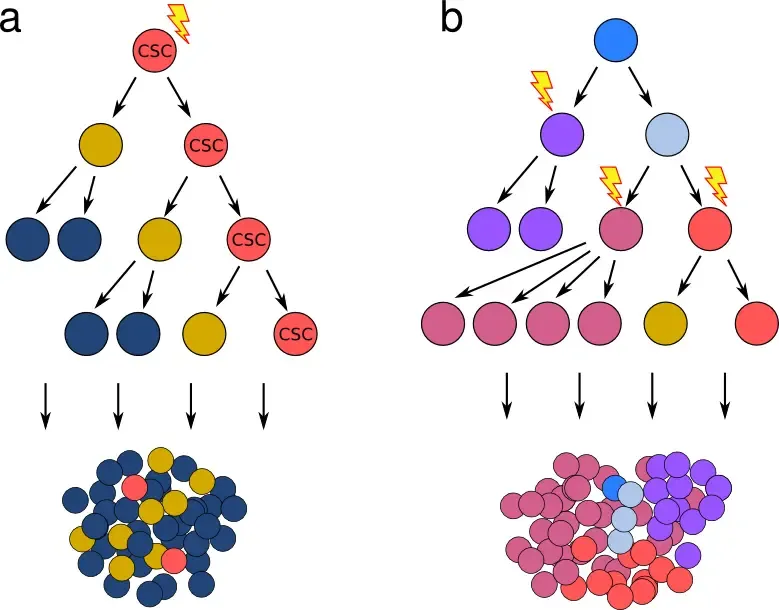
Martin Enge is a Senior Researcher and Associate Professor in the Department of Oncology-Pathology at Karolinska Institutet. He holds a Medicine Doctoral degree (2009) from Karolinska Institutet and has been recognized for developing innovative single-cell multiomics methodologies to study cancer biology. Employment: Senior Researcher (2022-), Associate Professor (2023) Location: Bioclinicum v6, Stockholm His research focuses on clonal evolution , gene regulation , and cell interaction in cancer, particularly in pediatric acute lymphoblastic leukemia (ALL) . He investigates how both genetic and epigenetic changes drive tumor progression and response to treatment, using advanced single-cell techniques to distinguish cancer stem cells from stochastic models of tumor growth. His 15 most recent publications span topics including MYC super-enhancer regulation , single-cell transcriptomics in psoriasis , pre-malignant subclones in neuroblastoma , and chromatin interactome in colorectal cancer . These works integrate genomic , transcriptomic , and computational approaches to decode complex disease mechanisms. Scientific Awards: Swedish Childhood Cancer Foundation grant (2021) He leads the research group Cancer stem cells and clonal structure in acute lymphoblastic leukemia at Karolinska Institutet, which has developed novel methods for analyzing functional and genetic errors in individual cells across leukemias and other cancers. His lab is actively involved in understanding pre-leukemic states , relapse mechanisms , and stromal interactions in tumor microenvironments.
Evren U Azeloglu is a Professor of Medicine in the Division of Nephrology at the Icahn School of Medicine at Mount Sinai, with a secondary appointment in the Department of Pharmacological Sciences. He is affiliated with the Center for Engineering and Precision Medicine and the Black Family Stem Cell Institute. B.E., Stony Brook University M.S., Stony Brook University Ph.D., Columbia University His research focuses on biomechanics , systems biology , and precision medicine , utilizing multiomics and computational modeling to study kidney and cardiovascular diseases. He develops microfabricated platforms for tissue engineering and mechanobiology research. Recent publications emphasize multiomics approaches to kidney injury, machine learning in transplant assessment, and mechanistic modeling of drug toxicity. Key themes include cell adhesion , cytoskeletal dynamics , and biomechanical regulatory networks . NephCure Kidney International ASN Foundation Kidney Research Award (2015) Howard Hughes Medical Institute Fellowship (2010) Stony Wold Herbert Fellowship (2005) Yuen-huo Hung & Chao-chin Huang Award (2004) Dr. Azeloglu's Systems Bioengineering Lab receives extramural grants and collaborates with Flowpoint Medical Inc. , where he serves as Board Member , Equity Owner , and Founder .
Associate Professor Belinda Gray is a Heart Foundation Future Leader Fellow at the University of Sydney's Central Clinical School. She serves as a Consultant Cardiologist and Director of the Sports Cardiology Program at Royal Prince Alfred Hospital (RPAH). Gray's academic journey includes a PhD from the University of Sydney (2013-2016), NHMRC overseas fellowship at St George’s, London, and Level 3 CMR Certification . Her research integrates genetic heart disease , athlete’s heart differentiation , and prevention of sudden cardiac death in young individuals. BSc(Med), University of Sydney MBBS, University of Sydney PhD, University of Sydney Fellowship of the Cardiac Society of Australia and New Zealand (FCSANZ) Fellowship of the Heart Rhythm Society (FHRS) Gray's research focuses on genetic heart diseases such as hypertrophic cardiomyopathy, Brugada syndrome, and long QT syndrome. She investigates how to differentiate athlete’s heart from pathological conditions using proteomics, metabolomics, and genomics . Her work on cardiac MRI explores structural and electrical markers for risk stratification in genetic disorders. Key projects include ORCCA Study (international registry for athletes with cardiac conditions) and RASE Brugada Study (machine learning for ECG risk scores). Recent publications highlight her expertise in genetic testing applications for athlete screening, risk assessment in inherited arrhythmias, and multiomics approaches to cardiac disease. Collaborations include the Precision Medicine Laboratory at Charles Perkins Centre, St George’s University of London, and University of Washington. 2024 Heart Foundation Future Leader Fellowship 2020 Cardiovascular Initiative Catalyst Award 2019 European Heart Rhythm Association Educational Grant 2018 Heart Rhythm Society Travelling Fellowship 2016 Heart Foundation Collaboration and Exchange Award Gray supervises PhD students including Rita-maria ABDO and Yuchen Chang. She leads national initiatives like the NSW Sudden Cardiac Arrest Registry and the Elusive Hearts Study , funded by NHMRC and Heart Foundation grants. Her lab at RPAH collaborates with institutions in the UK and USA on sports cardiology and inherited conditions.
Halla S Nimeiri, MBBS, serves as a Clinical Assistant Professor in the Department of Medicine (Hematology and Oncology division) at Northwestern University's Feinberg School of Medicine, with clinical practice at Northwestern Memorial Hospital's Arkes Family Pavilion in Chicago. Her educational foundation includes: MBBS from University of Khartoum (1992) Internal Medicine Residency at Mercy Catholic Medical Center (2005) Hematology-Oncology Fellowship at University of Chicago Hospitals (2008) Board-certified in both Medical Oncology and Hematology by the American Board of Internal Medicine, Dr. Nimeiri specializes in translational cancer research with emphasis on real-world treatment outcomes. Her work critically examines immune checkpoint inhibitors, genomic biomarker applications, and minimal residual disease detection across multiple cancer types. Analysis of her 2025 publications reveals dominant research trajectories in immunotherapy optimization for NSCLC through KRAS stratification, real-world implementation of genomic profiling, multiomic algorithm development for immunotherapy prediction, and ctDNA-based recurrence monitoring in colorectal cancer. These studies collectively demonstrate her focus on bridging genomic discoveries with clinical practice through real-world evidence generation. Dr. Nimeiri maintains active clinical engagement with no disclosed awards or formal student mentorship in the provided materials. Her research operates within Northwestern Medicine's integrated cancer care framework, though specific laboratory affiliations remain unmentioned in available documentation.
Dr Benjamin Weger is an NHMRC Emerging Leadership Fellow at the Institute for Molecular Bioscience, University of Queensland. He holds a PhD from Ruprecht Karls Universität Heidelberg. His research focuses on circadian rhythms, metabolism, and their interactions with microbiota, liver physiology, and endocrine systems. Key areas include circadian clock mechanisms in metabolic diseases, maternal-fetal interactions, and the role of circadian dynamics in drug discovery. Recent work explores how circadian clocks regulate liver gene expression, blood-brain barrier function, and renal metabolism. He has pioneered studies on humanized liver models and the impact of circadian disruption in ICU environments. Dr Weger has secured significant grants, including NHMRC Investigator Grants and Alzheimer's Association funding. He advises on PhD projects investigating circadian-clock metabolism interactions and collaborates on R packages like DryR for circadian data analysis. His lab's tools include the Clockprofile database and expertise in multiomics approaches, advancing understanding of chronobiology's clinical applications.
Jeroen Pasterkamp is a Professor of Translational Neuroscience at Utrecht University Medical Centre and Utrecht University. He serves as Scientific Director of the UMC Utrecht Brain Center and Director of the MIND Facility. His research bridges fundamental and clinical neuroscience, focusing on neuronal connectivity in ALS, epilepsy, and developmental disorders using brain organoids and iPSC models. Education: PhD in Neuroscience, Netherlands Institute for Neuroscience (2000) MSc in Medical Biology, VU Amsterdam (1996–2000) Basic Education Qualification (BKO) in Molecular Biology (2017) His work integrates molecular biology, stem-cell research, and translational models to study early brain development and disorders like language acquisition deficits. He collaborates with clinical and industrial partners and leads interdisciplinary projects such as 'The First 1001 Days of a Child's Life.' Scientific Awards: NWO Gravitation grant BRAINSCAPES (2019) NWO VICI (2015) ZonMW TOP (2008) NWO VIDI (2006) HFSP Career Development Award (2005) NWO VENI (2004) NWO Talent grant (2000) Pasterkamp's group uses brain organoids to model disease mechanisms, identify genetic/environmental factors, and screen therapies. He also contributes to global ALS research through international advisory roles and co-organizes academic events like the Utrecht Brain Conference.
Professor Silvana Gaudieri is a Professor and Head of the School of Human Sciences at The University of Western Australia. Her research focuses on host-viral interactions, with over 20 years of expertise in studying viruses like Hepatitis C, B, and HIV, alongside their adaptation to immune responses. She innovates high-throughput methods for epitope discovery and T cell immunophenotyping. Her work has been funded internationally and nationally, yielding over 100 publications. Professor Gaudieri teaches genetics, immunology, and biological anthropology at undergraduate and postgraduate levels, maintaining a strong teaching-research nexus. She has supervised over 30 Honours, Masters, and PhD students. Her research aligns with UN Sustainable Development Goals related to health and well-being. Recent research highlights include studies on HIV adaptation to HLA selection pressures, ERAP2-HLA interactions in HIV outcomes, and applications of multiomic single-cell sequencing in autoimmune disorders. She leads projects funded by the National Multiple Sclerosis Society and Wellcome Trust, among others. Her lab investigates viral immune evasion, cancer immunotherapy design, and climate impacts on pregnancy complications. She collaborates globally on topics ranging from anorexia nervosa genetics to extreme heat health risks.
Andrew James Martins is an Assistant Professor in the Department of Immunobiology at Yale School of Medicine. His primary affiliation is with the Yale School of Medicine, and he is part of multiple affiliated programs including the Human and Translational Immunology Program and the Yale Center for Systems and Engineering Immunology (CSEI). He holds a PhD in Microbiology and Immunology from The University of Western Ontario and a BSc (Honors) in Biological Sciences from The University of Windsor, with postdoctoral training at the National Institute of Allergy and Infectious Diseases. His research focuses on systems biology approaches to human immunology, leveraging single-cell omics technologies to analyze clinical samples. Key research interests include cataloging cell states, developing therapeutic interventions targeting immune behaviors, and understanding cell state heterogeneity in immune responses. His lab also develops methods for dynamic imaging assays and tissue-mimicking culture conditions to study human immune cells. Current projects emphasize scalable single-cell analysis methods, refining gene sets from single-cell data, and modeling immune responses with in vitro systems. Notable contributions include studies on H5N1 vaccine responses, Teplizumab's impact on type 1 diabetes, and a unified metric for human immune health. His work integrates computational and experimental components, often collaborating with other labs. Recent publications span immunodeficiency analysis, SARS-CoV-2 immunity, and influenza vaccination effects. Martins advises graduate students like SiYi Chen and postgraduate associates such as Wen Yuan Tong. Labs/Teams: Martins Lab (Yale School of Medicine), collaborating with the Tsang Lab and others in systems immunology initiatives.
Ying Ding is an Associate Professor of Biostatistics at the University of Pittsburgh's Dietrich School of Arts and Sciences, serving as Associate Dean for Graduate Academic Affairs and Faculty Senate President. She holds a Ph.D. from the University of Michigan (2010), an M.A. from Indiana University (2005), and a B.S. from Nanjing University (2003). Her research focuses on semiparametric methods for time-to-event data , precision medicine , multi-omics data integration , and deep learning in causal inference . Collaborative work spans cancer studies, neuropsychiatric disorders (e.g., schizophrenia), aging-related research (e.g., Alzheimer's disease and age-related macular degeneration), and pediatric pulmonary diseases (e.g., asthma). Dr. Ding has secured significant funding, including: R01GM141076 (2022–2026): $800,000 for statistical methods in multivariate survival data NIH/NEI R21EY030488 (2020–2023): $270,000 for AMD progression prediction R03MH108849 (2016–2018): $100,000 for proteomics analysis in schizophrenia Her awards include the 2021 James L. Craig Excellence in Education Award and 2022 Delta Omega Honor Society induction. Her work bridges statistical methodology with clinical applications, emphasizing reproducibility and translational impact. Key educational contributions include teaching courses like Applied Survival Analysis and Biostatistics Seminar. She advises students on projects combining statistical theory with real-world health challenges.
Douglas Morgan is a Professor of Medicine in Gastroenterology at the University of Alabama at Birmingham (UAB), holding dual appointments in the School of Medicine and School of Public Health. He also serves as Senior Scientist at the O'Neal Comprehensive Cancer Center. His academic roles include Division Director of Gastroenterology and leadership in multi-institutional initiatives. Education: Master of Public Health in Epidemiology, University of California, Berkeley (1996) Doctor of Medicine, Case Western Reserve University (1991) Research Focus: Douglas Morgan's work centers on gastric cancer epidemiology, Helicobacter pylori pathogenesis, and disparities in gastrointestinal health. Key areas include: High-risk populations in Central America Molecular mechanisms of premalignant conditions Cancer prevention strategies and screening innovations Gene-environment interactions in carcinogenesis His studies often integrate clinical, epidemiological, and molecular approaches. Recent Articles Summary: Morgan’s 2025 work highlights H. pylori virulence factors in Central America and genetic contributors to gastric cancer. His guidelines on premalignant conditions emphasize surveillance protocols for high-risk groups. Collaborative projects include the Helicobacter pylori Genome Project analyzing global strain diversity and the Gastric Cancer Epidemiology Initiative in Central America. Grants & Funding: Current grants include: Gastric Cancer Epidemiology Initiative in Central America (UC Davis) COOP colonoscopy comparison study (Mary Hitchcock Memorial Hospital) Multiomics CRC screening development (Freenome) Teaching: He teaches the Clinical Gastroenterology course at UAB, focusing on advanced clinical practice and evidence-based management of gastrointestinal disorders.
Korbinian Bösl is a Researcher affiliated with the Computational Biology Unit at the Department of Informatics, University of Bergen . His work focuses on Research Data Management (RDM) within national infrastructures like ELIXIR Norway and Centre for Digital Life Norway , where he coordinates workshops, trains data stewards, and contributes to FAIR data policy development. Roles: Data Management Coordinator, ELIXIR Norway Helpdesk member, RDMkit editorial board, Software Carpentry instructor Education: PhD in Biomedicine from Norwegian University of Science and Technology (2019) Research interests include FAIR data principles , multiomics analysis of host-pathogen interactions , and proteogenomics in life sciences. His 15 most recent publications (2018-2024) demonstrate expertise in RDM practices across Norwegian research infrastructures, with specific contributions to data stewardship training , metadata standards , and software integration in projects like BioMedData. While no scientific awards are explicitly mentioned, Bösl has led critical infrastructure reports including Life Sciences DSW Knowledge Model and easyDMP integration studies . He provides RDM education through courses CCBIO906 and BT8121, and participates in the BioMedData and ELIXIR Norway consortia.
David T. Broome, MD, is a Clinical Assistant Professor at the University of Michigan Medical School in the Metabolism, Endocrinology, and Diabetes Division . He serves as a Center Member of the Precision Health Initiative and Caswell Diabetes Institute , with clinical focus on diabetes subtypes including Type 1 Diabetes , Type 2 Diabetes , and Monogenic Diabetes (MODY) . Dr. Broome leads the University of Michigan’s MODY Registry and Type 1 Diabetes Exchange initiatives.
Dr. Francine Foss is a Professor of Medicine (Hematology) and Dermatology at Yale School of Medicine , where she serves as Director of the Multidisciplinary T-cell Lymphoma Program and Scientific Leader of the Lymphoma CRT at Yale Cancer Center. She is also a Co-Director of the Cutaneous Lymphoma Program with Dr. Michael Girardi and President of the United States Cutaneous Lymphoma Consortium . Dr. Foss specializes in the development and testing of therapies for T-cell lymphomas, with a focus on: FDA-approved biologic drugs (e.g., Interleukin-2-Diphtheria toxin fusion protein) Stem cell transplantation and graft-versus-host disease reduction National T-cell lymphoma registry (COMPLETE Registry) and international collaborations Molecular target identification in T-cell lymphomas Novel small molecule therapeutic development (PITCH program) Her research has led to NCI-sponsored clinical trials and global PETAL Consortium studies on relapsed/refractory lymphomas. She has published extensively on: Spatial multiomics in angioimmunoblastic lymphoma Prognostic scoring systems for T/NK-cell lymphomas Vaccine response in post-transplant patients Biopsy practice standardization for cutaneous lymphomas Dr. Foss collaborates with laboratories at Yale and leads the Smilow Cancer Center's T-cell Lymphoma clinical team , attracting global patients. Her work bridges clinical practice and translational research.
Sean O'Donoghue is a Conjoint Professor at the School of Biotechnology and Biomolecular Science, University of New South Wales (UNSW). He concurrently serves as a Laboratory Head and Senior Faculty Member at the Garvan Institute of Medical Research and a Visiting Scientist at CSIRO Data61. He holds a B.Sc. (Hons) and Ph.D. in Biophysics from the University of Sydney. His research integrates bioinformatics, structural biology, and data visualization to decode complex biological systems. Key interests include: Development of computational tools for protein structure/function analysis Visual analytics for genomics and multiomics data Mechanisms of viral protein assembly (e.g., SARS-CoV-2) Epigenetic dynamics and cancer transcriptomics Recent publications (2018–2022) demonstrate a strong focus on: Protein annotation frameworks and dark proteome characterization SARS-CoV-2 structural mechanisms Single-cell transcriptomics in breast cancer Innovations in biological data visualization tools He leads the VIZBI initiative (advancing bioinformatics visualization) and VizbiPlus (public science outreach). No awards or student advisories are detailed in the source material.