Nicolette (Lettie) Bishop is a Professor of Exercise Immunology at Loughborough University. Her research focuses on the effects of exercise on immunity, inflammation, and infection risk across populations, including individuals with chronic conditions and elite athletes. She has secured over £2.5 million in grant funding and is a core investigator in the £11.6 million Leicester Biomedical Research Centre. With over 100 peer-reviewed publications, she co-authored the International Society of Exercise and Immunology Consensus Statements in 2013 and 2017. Dr. Bishop chairs the UK Society for Exercise Immunology and previously served as Associate Editor for Medicine and Science in Sports and Exercise . Education: BSc, PhD from the University of Birmingham (PhD thesis: Nutritional Influences on Immune Response to Exercise under Prof. Mike Gleeson) Research Interests: Exercise immunology, inflammation modulation, chronic disease management via physical activity, and translational research in sports medicine. Her work emphasizes exercise as a therapeutic tool in kidney transplantation, inflammatory arthritis, and post-COVID rehabilitation. Grants & Awards: Funding from Heart Research UK, National Ankylosing Spondylitis Society, and Yakult Honsha. Collaborates with the English Institute of Sport on performance health projects. Recognized for editorial contributions and leadership in exercise immunology societies. Labs & Teams: National Centre for Sport and Exercise Medicine (NCSEM), Leicester Biomedical Research Centre (Lifestyle Theme), and interdisciplinary collaborations in chronic disease rehabilitation.
Marios Georgakis is a clinician-scientist and Junior Group Leader at the Institute for Stroke and Dementia Research (ISD) at LMU Munich. He also holds a Visiting Scientist position at the Broad Institute of MIT and Harvard. His research focuses on leveraging multi-omics data and causal inference methods (e.g., Mendelian randomization) to discover drug targets for atherosclerosis, develop personalized risk stratification tools for cerebrovascular disease, and identify in vivo biomarkers of disease activity. His work bridges human genetics, molecular biology, and clinical translation. Education : MD and PhD (Epidemiology) from the National and Kapodistrian University of Athens; doctoral studies in Systemic Neurosciences at LMU Munich. Honors : Emmy Noether Award (DFG), CHARGE Consortium Early Career Achievement Award, Hertie Network Fellowship, and multiple scholarships/fellowships. Research Themes : Drug target discovery for cardiovascular disease via multiomics integration Molecular phenotyping of atherosclerosis using single-cell RNA-seq and spatial transcriptomics Development of AI-driven tools for vascular imaging and aging Genetic studies of inflammation, cytokines, and stroke subtypes Causal inference in vascular risk prediction and post-stroke outcomes Recent Article Trends : His team's publications (2024-2020) emphasize: Proteogenomic and genetic studies of atherosclerosis Cytokine signaling pathways (e.g., IL-6, CCL2/CCR2) Polygenic and genomic risk scores for stroke Multi-omics biomarkers in cerebrovascular disease Clinical translation of Mendelian randomization findings Meta-analyses of population-based data Scientific Awards : Emmy Noether Group Leader Award (DFG, 2023) CHARGE Consortium Early Career Achievement (2023) Hertie Network Fellowship (2023) Walter-Benjamin Postdoctoral Fellowship (2021-2022) Team Leadership : Georgakis mentors multiple PhD students and postdocs in his lab. His group collaborates with vascular surgeons, neurologists, and computational biologists. Current projects include the AtherOMICS biobank and AI-driven vascular phenotyping tools.
Doheon Lee serves as a Professor in the Department of Bio and Brain Engineering at Korea Advanced Institute of Science and Technology (KAIST), directing the Bio-Information System Laboratory (BISL). Designated a National Research Laboratory in 2005, BISL pioneers the convergence of computer science and life sciences to solve biomedical challenges through innovative data-driven technologies. His Ph.D. was earned at KAIST. Research focuses on Bioinformatics , Synthetic Biology , and Machine Learning , specifically developing AI frameworks for the design-build-test-learn cycle in synthetic biology. Current national projects model cellular physiology via deep learning and multiomics to optimize retro-metabolic circuits for drug discovery and biological system design. Key recognition includes: National Research Laboratory for Bioinformatics Systems (2005) Professor Lee mentors graduate students and postdoctoral researchers through BISL, securing substantial national grants for AI applications in biomedicine. The lab actively recruits talent for projects spanning AI-driven drug discovery and synthetic biology innovation. BISL operates as an interdisciplinary hub within KAIST's CMS Building, integrating expertise in bioinformatics, artificial intelligence, and systems biology to advance next-generation biomedical technologies through collaborative research.
Professor Damian Smedley is a Professor of Computational Genomics at Queen Mary University of London, affiliated with the William Harvey Research Institute's Clinical Pharmacology and Precision Medicine department. His research focuses on integrating clinical and model organism phenotype data to elucidate human disease mechanisms, particularly through initiatives like the International Mouse Phenotyping Consortium (IMPC) and the MorPhic project. He leads the development of the Exomiser software, a critical tool for prioritizing genetic variants in rare disease diagnostics, widely used in global projects such as the UK's 100,000 Genomes Project and NHS Genomic Medicine Service. His work bridges computational biology, genetics, and clinical translation, with collaborations spanning academia and industry. Key research areas include genotype-phenotype associations, precision medicine, and federated machine learning applied to multiomics data. Funded by NIH, MRC, Horizon Europe, and Barts Charity, his team collaborates with institutions like the Berlin Institute of Health and the University of Colorado. Notable contributions include advancing diagnostic pipelines for rare diseases and understanding the role of missense variants in genetic disorders. His group's work has been featured in high-impact studies, such as identifying novel disease genes through cross-species phenotype comparisons and optimizing variant prioritization algorithms. External collaborations include Prof. Peter Robinson (Berlin) and Dr. Chris Mungall (Lawrence Berkeley Lab), reflecting his global impact in computational genomics.
Julie Ahringer is Professor of Genetics and Genomics at the University of Cambridge and Director of the Wellcome Trust/Cancer Research UK Gurdon Institute. She leads a research group investigating chromatin structure and gene regulation using C. elegans as a model system. Her work integrates genomics, super-resolution microscopy, and computational approaches to understand epigenetic controls in development and disease. She holds fellowships from the Royal Society (FRS) and Academy of Medical Sciences (FMedSci). Research Focus: Her laboratory studies chromatin regulation mechanisms including heterochromatin formation, Polycomb domain function, genome architecture, and enhancer/promoter interactions. Key approaches include single-cell multiomics, high-throughput genomics, and super-resolution microscopy to analyze developmental trajectories. Research areas span: H3K27me3 domain formation and Polycomb repression Constitutive heterochromatin organization Regulatory element characterization 3D genome architecture via ARC-C technology Single-cell resolution developmental mapping Awards & Honors: Fellow of the Royal Society (FRS) Fellow of the Academy of Medical Sciences (FMedSci) Wellcome Senior Research Fellowship Academic Leadership: She mentors PhD students and postdoctoral researchers, with funding from Wellcome, MRC, and CRUK. Her lab develops open-source bioinformatics tools (VplotR, periodicDNA) and maintains the genome-wide C. elegans RNAi feeding library. Lab & Collaborations: The Ahringer Lab is based at the Gurdon Institute and collaborates widely on chromatin dynamics, nuclear organization, and developmental genomics projects across model organisms.
Isaac T Schiefer is a Professor in the Department of Medicinal and Biological Chemistry at the University of Toledo College of Pharmacy and Pharmaceutical Sciences. He serves as Director of the Center for Drug Design and Development (CD3) and Associate Director of the Shimadzu Laboratory for Pharmaceutical Research Excellence. Research Focus : Neuropharmacology, drug design, nitric oxide mimetics, zebrafish models, and gut-brain axis interactions Key Techniques : Photoaffinity labeling, LC-MS metabolomics, neurobehavioral analysis His recent work examines: Allosteric modulation of M1 receptors in zebrafish neurotoxicity Impact of gut bacterial short chain fatty acids on cardiovascular function Hybrid NO mimetics for neurodegenerative diseases SPC toxicity mechanisms using zebrafish models Pharmacokinetics of brain-penetrant compounds Publications demonstrate expertise in: Drug metabolism via sulfotransferases Neuroprotective agent development Pharmaceutical microbiome interactions Calpain inhibition for Alzheimer's disease
Vanessa Vermeirssen is a Research Professor at Ghent University , leading the Computational Biology, Integromics and Gene Regulation (CBIGR) Laboratory and affiliated with the Cancer Research Institute Ghent (CRIG) . Her work focuses on unraveling disease mechanisms through bioinformatics, systems biology, and multi-omics integration. Specializes in gene regulatory networks , network inference , and machine learning Key application areas: neuroblastoma , glioblastoma , Alzheimer's disease , and neuroinflammation Develops tools like HTSplotter for high-throughput data analysis Research trends combine single-cell transcriptomics , multi-omics modeling , and personalized medicine approaches. Her lab applies network biology to identify therapeutic targets in complex diseases. Active in radiation-induced developmental defects and electroceutical therapies (e.g., vagus nerve stimulation) Investigates stress response networks in plants and humans
Fulai Jin, PhD, is an Associate Professor in the Department of Genetics and Genome Sciences at Case Western Reserve University School of Medicine, with joint appointments in the Department of Population and Quantitative Health Sciences and the Department of Computer and Data Sciences. He is also Co-Leader of the Cancer Genomics and Epigenomics Program at the Case Comprehensive Cancer Center. Dr. Jin holds a PhD in Molecular and Medical Pharmacology from UCLA and bachelor’s degrees in Biology and Computer Science from USTC. His postdoctoral training at the Ludwig Institute for Cancer Research focused on genomics and epigenetics. His research focuses on 3D genome architecture, computational tools for genomic data integration, and single-cell technologies applied to health and disease. Key areas include cancer, diabetes, and neurological disorders, with a focus on chromatin structure, enhancer function, and ancestry-related disease mechanisms. His lab develops low-input 3D genome mapping methods and employs CRISPR tools, scRNA-seq, and multi-omic integration. Research is funded by NIH grants. Dr. Jin seeks motivated students/postdocs with experimental or computational expertise. The lab’s work is detailed on their website, and publications are listed on PubMed.
Guo-Cheng Yuan is a Senior Faculty member in the Department of Genetics and Genomic Sciences at the Icahn School of Medicine at Mount Sinai. His research focuses on genomics, epigenetics, and computational biology , with particular emphasis on single-cell analysis, chromatin regulation, and cancer immunology. Institution: Icahn School of Medicine at Mount Sinai School: Graduate School of Biomedical Sciences Department: Genetics and Genomic Sciences Research Interests Dr. Yuan's work spans multiple domains including: Single-cell RNA sequencing applications in brain development and cancer Chromatin structure analysis in differentiation processes Spatial transcriptomics for tissue microenvironment characterization Computational methods for multiomic data integration Enhancer-promoter interaction dynamics Development of robust bioinformatics pipelines Scientific Trends Analysis His recent publications (2021-2025) demonstrate a focus on single-cell and spatial omics methodologies applied to diverse biological contexts ranging from cancer immunology to neurodevelopment . Notable trends include: Development of trajectory analysis algorithms Multiomic integration for regulatory network mapping Epigenetic mechanisms in cell differentiation Computational approaches for data robustness Three-dimensional genome organization studies Applications in both developmental biology and oncology
Stein Aerts is a full professor at the Faculty of Medicine of KU Leuven and head of the Laboratory for Computational Biology (VIB-KU Leuven). He is affiliated with multiple institutes including VIB.AI Center for AI & Computational Biology, the Leuven Brain Institute, Leuven.AI, LIMNI, LISCO, and the Leuven Cancer Institute. He also serves on the Faculty Council of Medicine and departmental boards. Research Focus: Regulatory genomics and gene regulatory networks Single-cell transcriptomics and epigenomics Deep learning for genomics and enhancer design Neurodevelopmental genomics and evolution Cancer genomics and synthetic biology Comparative genomics across species (Drosophila, octopus, mammals, birds) His recent work emphasizes using AI-driven approaches to decode enhancer logic, model cell-type-specific gene regulation, and understand brain evolution. He leads multiple large-scale projects funded through 2029–2030, including SpaceTimeOmics and enhancer-targeted glioblastoma modeling. Scientific Output: Aerts has a prolific publication record with over 15 high-impact papers in 2024–2025 alone, including in Science , Cell Genomics , Nature Reviews Bioengineering , and eLife . His work spans methodological advances (e.g., HyDrop, CREsted, GAME) and biological discoveries in enhancer function, cell-type evolution, and neurodegeneration models. Institutional Roles & Collaborations: Principal investigator in 10+ active grants (2024–2030) Founder and head of the Computational Biology Laboratory at VIB-KU Leuven Member of steering committees for HPC curriculum and bioinformatics POC Active collaborator across European and international consortia
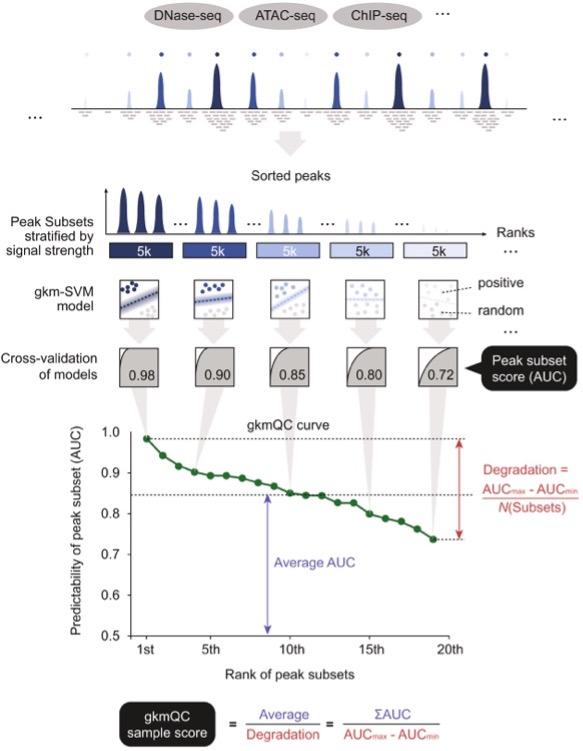
Dongwon Lee is an Assistant Professor of Pediatrics in the Division of Nephrology at Boston Children's Hospital and Harvard Medical School. He is affiliated with the Manton Center for Orphan Disease Research and serves as an Associate Member of the Broad Institute of MIT and Harvard. Additionally, he is a faculty member of the Harvard Bioinformatics and Integrative Genomics (BIG) PhD Program, where he contributes to training the next generation of computational biologists. Dr. Lee received his PhD in Biomedical Engineering from Johns Hopkins University in 2013 and completed postdoctoral research at the Center for Human Genetics and Genomics at NYU School of Medicine. His educational background has provided a strong foundation for his interdisciplinary research at the intersection of computational biology, genomics, and pediatric kidney diseases. Dr. Lee's research focuses on understanding how gene regulation contributes to the development and progression of human diseases, specifically pediatric kidney diseases. His laboratory employs a combination of single-cell multiomics data, genetic data from disease cohorts, functional assays, and machine-learning approaches to address complex biological problems. Key research areas include building cell-type-specific gene regulatory networks, developing machine-learning models to identify regulatory variants, and validating predictions using high-throughput sequencing technologies in collaboration with experimental biologists. His work has significant implications for understanding the molecular basis of kidney diseases and developing new genomic computational tools. Analysis of Dr. Lee's recent publications reveals a strong trend toward increasingly sophisticated integration of single-cell multiomic data with machine learning techniques to understand transcriptional regulation in kidney disease. His research spans computational method development, regulatory genomics, and translational applications in nephrology, with a growing emphasis on cell-type-specific resolution and clinical correlations. Dr. Lee leads an active research laboratory with multiple computational biologists and research assistants. His team includes current members Anya Greenberg, Jeerthi Kannan, Yangyang Lin, Daniel Nguyen, and Eric Sakkas, as well as notable alumni including Seong Kyu Han (now Assistant Professor in South Korea), Ana Onuchic-Whitford (now Instructor at Harvard Medical School), and Jihoon Yoon (now Clinical Fellow in South Korea). His laboratory regularly recruits postdoctoral fellows and research assistants with computational backgrounds to advance their research on genomic regulation of kidney diseases. The Lee Laboratory has developed several important computational tools including LS-GKM (a scalable gkm-SVM for large-scale datasets), gkmQC (for quality assessment of chromatin accessibility data), and MTSA (for MPRA tag sequence analysis). These resources are publicly available on GitHub and have been widely adopted by the genomics research community. The laboratory maintains strong collaborative relationships with clinicians and experimental biologists to ensure their computational approaches have meaningful biological and clinical relevance.
Gareth McKay is a Reader at Queen's University Belfast's School of Medicine, Dentistry and Biomedical Sciences, affiliated with the Centre for Public Health. He leads projects using multiomic approaches to study diabetic kidney disease and renal transplant outcomes, integrating genomic, epigenetic, and metabolomic data. He chairs the Data Access Committee for the Northern Ireland Cohort for Longitudinal Ageing (NICOLA) and advises organizations like the Northern Ireland Kidney Research Fund. His research also involves collaborations with institutions in Thailand, Europe, and the Americas. Dr. McKay's teaching spans clinical genetics and bioinformatics modules, having supervised 9 PhD and 5 Master's students. He has held external examiner roles at universities worldwide. His administrative roles include managing the University’s Human Tissue Act license and serving on EU Horizon research panels. His research focuses on biomarkers for microvascular decline in chronic diseases, leveraging UK Biobank and international cohorts. Key interests include nutrigenomics, carotenoid impacts, and socioeconomic factors influencing health outcomes. Notable awards include Fellow of the Higher Education Academy and multiple research grants from the MRC, EU Horizon programs, and Diabetes UK. His 271+ publications span biomarker discovery, AI in healthcare, and systematic reviews on drug efficacy.
Gabriel Loeb, MD, PhD is an Assistant Professor at the University of California, San Francisco (UCSF) School of Medicine , where he operates as a physician-scientist specializing in genetic kidney diseases . His research integrates human genetics , genomics , and novel kidney disease models to identify molecular mechanisms in chronic kidney disease and Autosomal Dominant Polycystic Kidney Disease (ADPKD). Clinically, he focuses on familial and genetic kidney disease care at the UCSF Nephrology Faculty Practice . Education BS in Biology (2005), Stanford University MD (2015), Cornell PhD in Immunology (2015), Cornell/Rockefeller/Sloan Kettering Internal Medicine Residency (2018), Brigham and Women's Hospital/Harvard Medical School Nephrology Fellowship (2021), UCSF Research Interests center on leveraging human genetic variation to decode kidney disease mechanisms, with a focus on ADPKD and tubule epithelial regulatory elements . His work explores cell type-specific genomics , polycystin channel function , and urine multiomics for non-invasive diagnostics. Recent Publications highlight advancements in ADPKD mechanistic understanding , urine-based liquid biopsies , and genomic deep learning model limitations . Key journals include Nature Genetics , Nature Communications , and bioRxiv . Grants & Programs Laboratory for Genomics Research Innovation Award (2024–2025) Physician Scientist Scholars Program, UCSF (2021–2026)
Lindsay Fernandez-Rhodes serves as Assistant Professor of Biobehavioral Health in the College of Health and Human Development at Pennsylvania State University, with dual affiliation at the Penn State Cancer Institute. Her research focuses on genetic and sociocultural determinants of health disparities, particularly among Hispanic/Latino populations through the Hispanic Community Health Study/Study of Latinos (HCHS/SOL). Her primary research interests span Genetic Epidemiology , Health Disparities , and Sociocultural Determinants of Obesity . She investigates how genetic ancestry interacts with acculturation, socioeconomic status, and environmental factors to influence cardiometabolic outcomes. Her work integrates multi-omics approaches with life course epidemiology to uncover mechanisms driving health inequities in minority populations. Analysis of her recent publications reveals a strong emphasis on Hispanic/Latino health across multiple domains: genomic fine-mapping ( 2023, 2025 ), epigenetic mediation of socioeconomic effects ( 2024 ), pubertal development ( 2025 ), cognitive aging ( 2023 ), and cardiometabolic disease ( 2024, 2025 ). Her methodological innovations include synthetic data applications for privacy preservation ( 2025 ) and commentary on genomic inclusion ( 2023 ). Dr. Fernandez-Rhodes actively contributes to major collaborative initiatives including HCHS/SOL, PAGE consortium, and TOPMed. Her work has secured substantial NIH funding for population genomics research, though specific grant details aren't listed in the provided text. She mentors graduate students in biobehavioral health and genetic epidemiology through Penn State's PhD programs. Her laboratory work centers on the Penn State Cancer Institute's Cancer Control program, with additional collaborations through the Center for Research on Tobacco and Health and Office for Cancer Health Equity. She utilizes HCHS/SOL data infrastructure and Penn State's biostatistics/bioinformatics shared resources for multi-omics analyses.
Amir A. Sadighi Akha, M.D., Ph.D., is a faculty member at the Mayo Clinic Department of Laboratory Medicine and Pathology. He holds a D.Phil in Immunology from the University of Oxford and an M.D. from the University of Tehran School of Medicine, with postdoctoral training in immunopathology at Johns Hopkins University School of Medicine. Education 1999: Fellow, Immunopathology & Pediatric Immunology, Johns Hopkins University 1996: D.Phil in Immunology, University of Oxford 1991: M.D., University of Tehran His research focuses on immunological mechanisms in aging, autoimmune disorders, and clinical cytometry for immunodeficiencies. Recent work includes: Development of diagnostic frameworks for primary immunodeficiencies Investigation of genetic variants in immune dysregulation Multiomics modeling for predictive biomarkers in infectious diseases Studies on cytokine signaling and mucosal immunity in mouse models Notable scientific awards include the 1991 Iranian Presidential Certificate of Appreciation for top graduate status and the 2004 Keble College Senior Common Room appointment. Professional Memberships Clinical Immunology Society (2025–present) Federation of Clinical Immunology Societies (2024–present) Association of Medical Laboratory Immunologists (2023–present) He contributes to Mayo Clinic's Centers of Excellence and pediatric clinical programs, with expertise in flow cytometry and anti-cytokine autoantibody analysis.