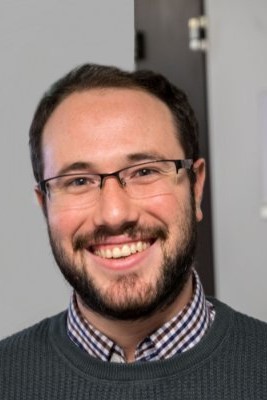
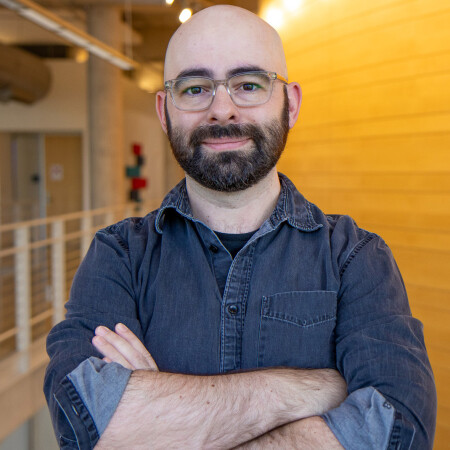
Jan Alexandersson is a Researcher at the German Research Center for Artificial Intelligence (DFKI) in Saarbrücken, Germany, where he leads work in the Cognitive Assistance Systems group. His research bridges artificial intelligence and healthcare, focusing on developing multimodal systems for therapeutic applications and medical diagnostics. His core research interests include Affective Computing , Natural Language Processing , and Human-Computer Interaction , with specialization in emotion recognition, motivational interviewing analysis, and engagement estimation. Current projects explore AI applications for mental health support, pediatric therapy, and medical diagnostics through interdisciplinary collaborations. Recent publications reveal a strong trend toward multimodal AI architectures integrating linguistic, visual, and behavioral data. His 2024 work demonstrates increasing adoption of large language models for clinical applications, particularly in emotion regulation strategy identification and therapeutic dialogue analysis across diverse healthcare contexts. Dr. Alexandersson actively contributes to major initiatives including MULTI-IMMERSE (virtual reality therapy for hospitalized children), GAIN (Georgian AI networking), AI@Home (elderly care risk prediction), Kitatta (corneal transplant quality assessment), and MePheSTO (digital phenotyping for psychiatric disorders). These projects collectively focus on translating AI research into practical healthcare solutions through sensor integration, behavioral modeling, and clinical validation.
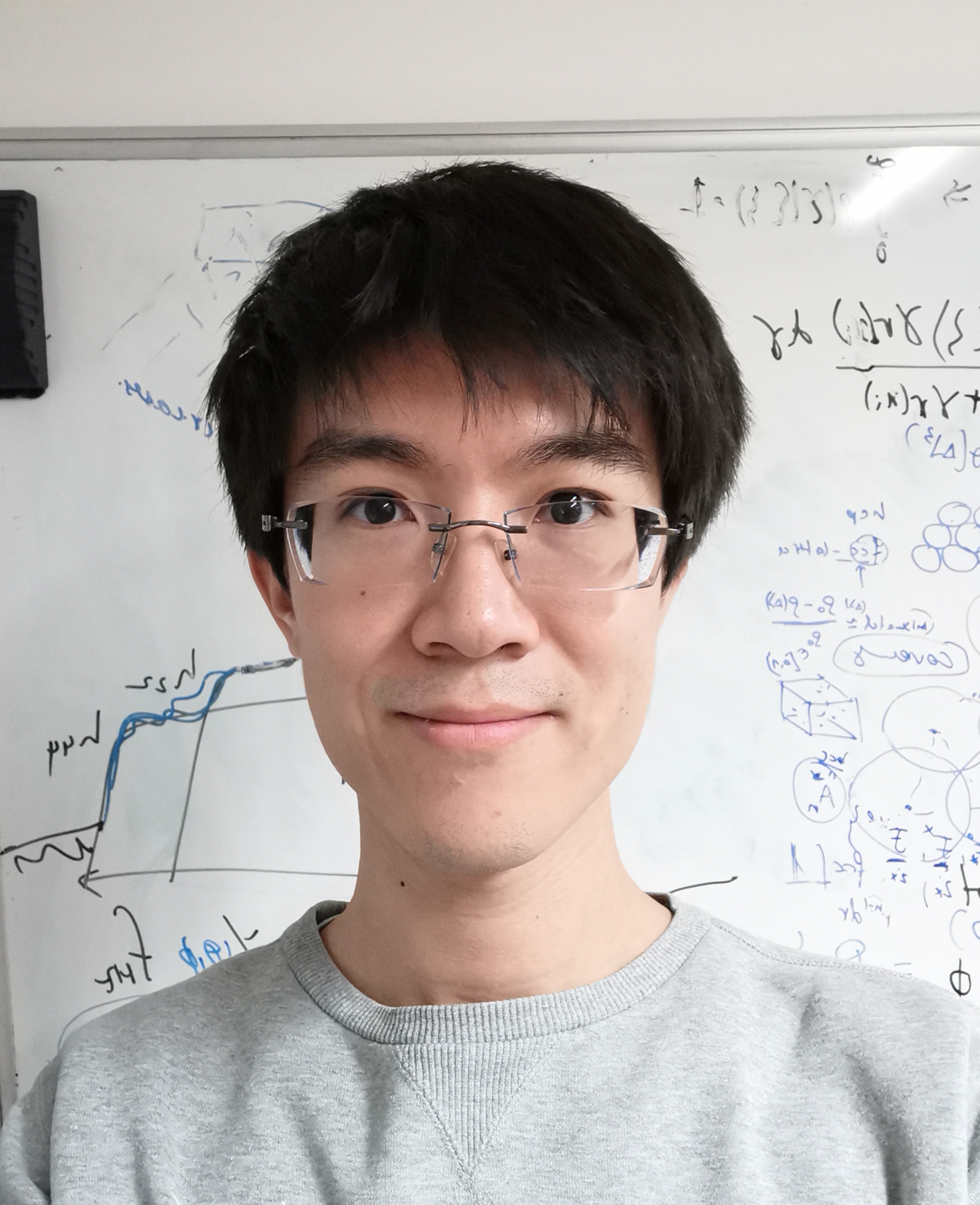
Yang Cao is a Professor at the University of Science and Technology of China , Department of Automation, Hefei, China. He holds a PhD from Northeastern University (2004, Shenyang, China) and has active affiliations with institutions like Virginia Tech and Huazhong University of Science and Technology. Research Focus: Spatiotemporal modeling, event-based vision, 3D human-object interaction, and industrial defect detection. Publications: 15 recent articles highlight his work in diffusion models, transformers, and state-space networks for tasks like traffic emission imputation, eye tracking, and PCB defect detection. Collaborative Work: Co-authored with Zheng-Jun Zha, Wei Zhai, Yu Kang, and others in journals like IEEE Transactions on Neural Networks and CVPR Workshops. Scientific Contributions: His research bridges computer vision, machine learning, and industrial applications, emphasizing real-world challenges such as low-light enhancement and sensor fusion.
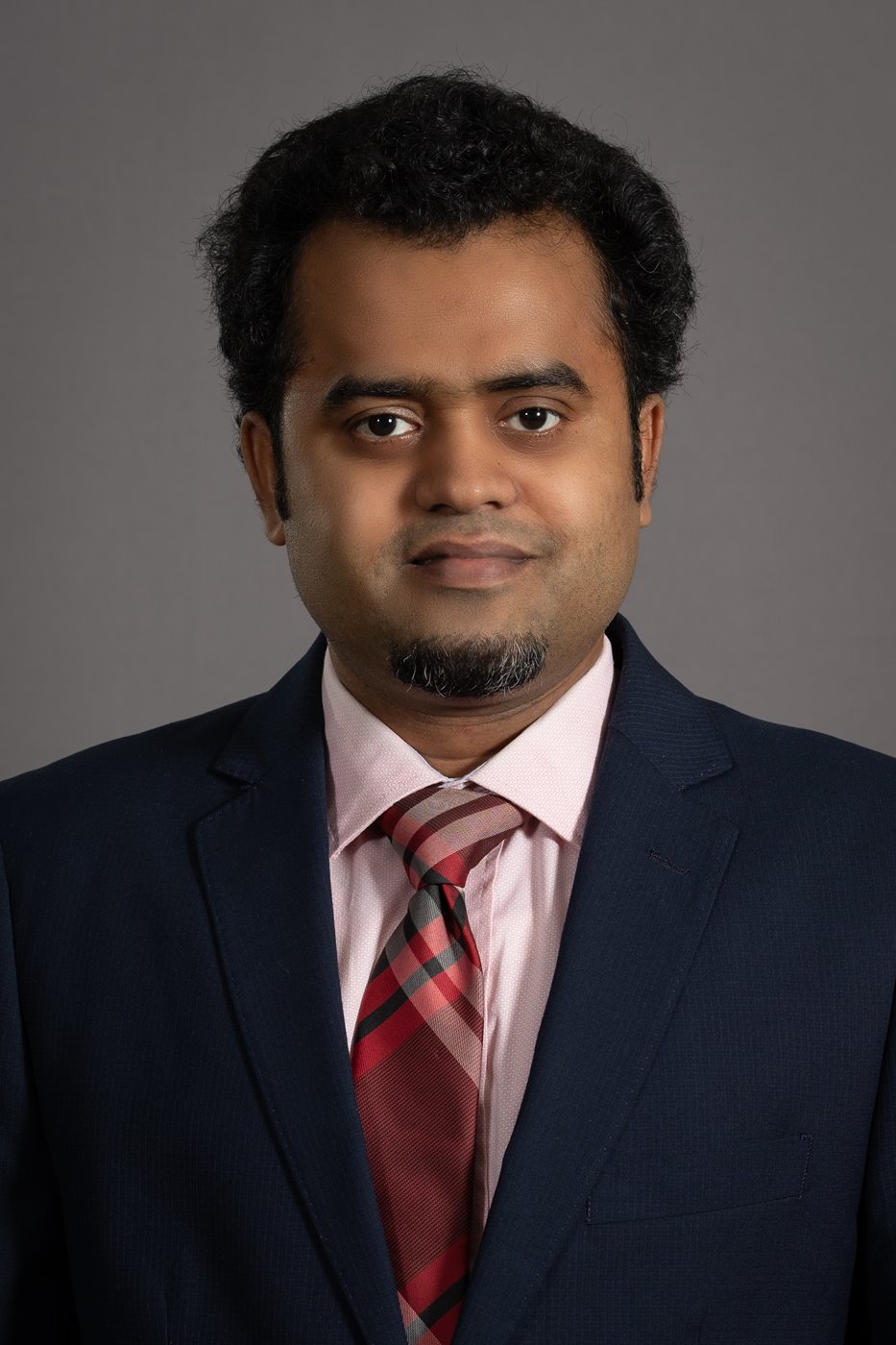
Md Rasedul Islam is an Associate Professor in the Department of Mechanical Engineering at the University of Wisconsin-Green Bay, affiliated with the College of Science, Engineering and Technology. His research focuses on bio-robotics, ergonomic mechanisms, intelligent control systems, and automation. Ph.D. in Mechanical Engineering (2020), University of Wisconsin-Milwaukee B.Sc. in Mechanical Engineering (2012), Khulna University of Engineering & Technology, Bangladesh Islam's work bridges robotics with rehabilitation, emphasizing wearable systems like exoskeletons and humanoid robots. His studies explore hybrid control methodologies, adaptive algorithms, and automation of dynamic systems for therapeutic applications. His publications highlight advancements in exoskeleton robotics, EMG-based control, and real-time sensor systems. Notable awards include the Chancellor Graduate Student Award (2020), Distinguished Dissertation Fellowship (2018-2019), and Prime Minister Gold Medal (2012).
Hugo Lewi Hammer er professor ved Oslo Metropolitan University, tilhørende Faculty of Technology, Art and Design og Department of Information Technology – Mathematical Modeling . Hans forskning fokuserer på forbedring av pålitelighet og transparens i maskinlæring, forsterkende læring og dyb læringsmodeller gjennom metodikk innen modelltolkning, usikkerhetskvantifisering, robust statistikk og kausal inferens. Hans nylige arbeid inkluderer: AI-drevet optimering i assistert reproduksjonsteknologi (embryoutvalg og sædcelleanalyse) Medisinsk bildebehandling (polypdeteksjon, meibomkertutgang) Neural nettverkstolkning og usikkerhetsmodellering i EEG-analyse Biomekanisk prediksjon av muskelutmatting Hans publikasjoner viser mangfoldige anvendelser av AI i medisin og teknologi, med spesialvekt på: Explainable AI (XAI) i diagnostikk og behandling Usikkerhetskvantifisering i dyb læring Automatisering av medisinske prosedyrer (ICSI, embryoanalyse) Stokastisk simulering og kausal inferens Hammer er engasjert i forskningsgruppene Applied Artificial Intelligence og Mathematical Modeling og har publisert over 130 vitenskapelige artikler og 7 forskningsrapporter.
Christophe Grova is an Associate Professor at the Department of Neurology and Neurosurgery at McGill University , with adjunct status in the Department of Biomedical Engineering . He leads the Multimodal Functional Imaging Laboratory , focusing on integrating EEG, MEG, fMRI, and fNIRS to study brain mechanisms in epilepsy and sleep disorders. Expertise in multimodal neuroimaging techniques Develops advanced source localization algorithms Key applications in epilepsy diagnosis and sleep physiology His research bridges neuroimaging and clinical translation , with a focus on: EEG-fNIRS integration for whole-night sleep monitoring Validation of MEG and fMRI connectomes with intracranial EEG Computational modeling of neuron-astrocyte interactions Development of open-source tools like NIRSTORM The lab collaborates across institutions, including the McConnell Brain Imaging Centre and Concordia University . Current projects emphasize glymphatic system dynamics , epileptogenic zone localization , and neurovascular coupling mechanisms.
Ing. Petr Schwarz, Ph.D. , is an Assistant Professor at the Department of Computer Graphics and Multimedia, Faculty of Information Technology, Brno University of Technology. He specializes in speech recognition and biometric systems, with a focus on robustness in real-world conditions. Current roles: Assistant Professor, Researcher, Project Lead Key affiliations: Brno University of Technology (FIT), EU Horizon Europe, Czech Defense Research Program His research spans speech recognition , language identification , and multimodal datasets for security applications. Recent work includes AI-driven emergency call systems and tools to combat voice deepfakes. Notable projects include: Multilingual and Cross-cultural Dialogue Systems (EU Horizon Europe, 2024-2026) Voice Deepfake Detection (Czech Sectech Program, 2024-2026) His publications analyze Gaussian mixture models, i-vector migration, and phonetic search techniques. Trends emphasize robust algorithms for security-critical domains . Scientific accolades include the Silver Medal from BUT Rector (2006) and Brno FIT Bronze Medal (2022). He has contributed to open-source tools like Kaldi and developed systems for NIST evaluations.
Yifan Wang is a Postdoc/Research Fellow at the Department of Astrophysical and Cosmological Relativity , Max Planck Institute for Gravitational Physics (Albert Einstein Institute) in Potsdam, Germany. He obtained his B.S. (2015) from the University of Science and Technology of China and his Ph.D. (2019) from the Chinese University of Hong Kong. From 2019-2023, he worked at the Observational Relativity and Cosmology department in AEI Hannover. Research Focus : Data analysis of gravitational waves from compact binary coalescence, multi-messenger astronomy, testing general relativity, and black hole ringdown phenomena. Publications : His recent work (2025-2019) spans gravitational wave detection, compact binary systems (black holes/neutron stars), waveform modeling, multi-messenger correlations (gamma-ray bursts, FRBs), and tests of general relativity using open catalogs. Key subfields include eccentric binary black holes, quasi-normal modes, parity symmetry, and subsolar mass binaries. He collaborates with Alexander H. Nitz, Collin D. Capano, and others, contributing to LIGO/Virgo collaborations and catalogs like 4-OGC. Tools & Collaborations : Actively develops Python-based gravitational wave analysis tools (e.g., pycbc, pycbc-plugin-seobnr) and contributes to open-source projects. His GitHub activity reflects commits, pull requests, and code reviews in gravitational wave software repositories.
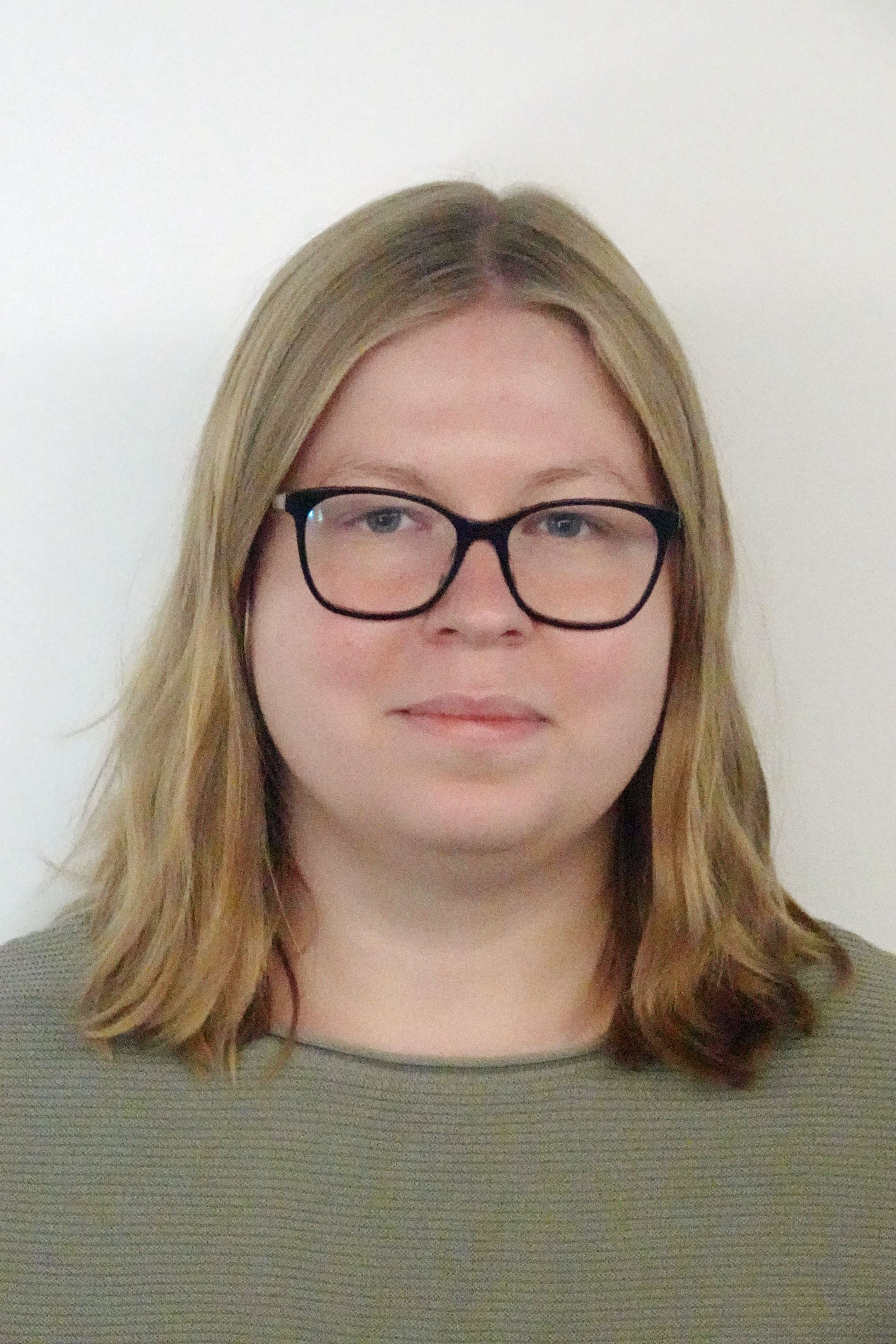
Joanna Rutkowska is a postdoctoral researcher at the Jacobs Center for Productive Youth Development, Department of Psychology, University of Zurich (since 2023). Her academic journey includes a PhD in Brain, Behaviour and Cognition (Radboud University, 2018-2023), MSc in Evolutionary and Comparative Psychology (University of St Andrews, 2017-2018), and MA in Psychology (University of St Andrews, 2013-2017). PhD, Donders Institute for Brain, Behaviour and Cognition, Radboud University MSc, Evolutionary and Comparative Psychology, University of St Andrews MA, Psychology, University of St Andrews Her research focuses on social-cognitive development across mono-, bi-, and multilingual children, communicative behavior evolution, and action perception-motor development relationships. She employs multimodal methodologies including movement kinematics analysis, facial EMG processing, and biological motion sensitivity assessments. Recent publications examine how infants decode emotional expressions through visual/manual exploration (2025), data-driven EMG processing (2024), biological motion intention sensitivity (2022), and adult kinematic interpretation limitations (2021). These works span developmental psychology, computational affective science, and cognitive neuroscience.
Prof. Damian Octavio Elias is a Professor in the Department of Environmental Science, Policy, & Management at UC Berkeley. His research focuses on neuroethology, behavioral ecology, and evolutionary biology of arthropods, particularly spiders. He leads the Elias Lab, investigating sensory physiology, communication mechanisms, and biophysical constraints on animal behavior. His work integrates field studies, lab experiments, and biomechanical modeling to understand complex signaling systems. Research Interests: Substrate-borne vibrational communication in spiders Thermal ecology and climate change impacts on ectotherms Multimodal courtship displays and sexual selection Sensory adaptation and signal evolution Current Projects: Climate change effects on desert-dwelling spider behavior Evolutionary origins of peacock spider displays Human noise pollution impacts on arthropod communication Lab Facilities: Laser vibrometry for vibration analysis, field equipment for thermal ecology studies, and behavioral observation suites. Collaborations include work with the University of Western Ontario and the University of Colorado, Boulder.
Prof Darran O'Connor is a Professor of Molecular Oncology at the Royal College of Surgeons in Ireland (RCSI), leading the School of Postgraduate Studies. His academic journey includes postdoctoral training at Columbia University and the University of Glasgow, followed by roles at UCD and RCSI. He specializes in molecular determinants of cancer progression, focusing on genomics, drug resistance, and therapeutic development. His lab is funded by SFI, EU, and cancer-focused foundations. Awards include the St Luke's Young Investigator Award and EMBO fellowships. Education: PhD in Cancer Biology, Trinity College Dublin/RCSI (1995–2000) MSc in Biological Sciences, Dublin City University (1994–1995) BA (Mod) Microbiology, Trinity College Dublin (1990–1994) Research Interests: Molecular oncology, cancer genomics, spatial transcriptomics, tumor microenvironment, and translational therapeutics. His work integrates functional genomics, in vitro/ex vivo models, and clinical translation using tissue microarrays. Grants & Awards: Science Foundation Ireland (SFI), EU, Susan G. Komen Foundation 9th St Luke's Young Investigator Award (2012) EMBO and Human Frontiers Science Programme Fellowships Labs & Teams: Leads a multidisciplinary team at RCSI's Molecular & Cellular Therapeutics department, focusing on cancer biology and precision medicine. Collaborates globally with institutes like Dana-Farber Cancer Institute and Netherlands Cancer Institute.
Dr. Richard F. Loeser, Jr. is the Joseph P. Archie, Jr. Eminent Professor of Medicine and Director of the UNC Thurston Arthritis Research Center at the University of North Carolina School of Medicine. His research focuses on osteoarthritis (OA) mechanisms, particularly the role of oxidative stress, aging, and cellular signaling in joint degeneration. He has pioneered studies on redox regulation of chondrocyte signaling and integrin function, using both in vitro and rodent models. Education: Undergraduate: Virginia Tech Medical School: West Virginia University Residency/Fellowship: Wake Forest Baptist Medical Center Research interests include OA biomarkers, exercise interventions, and gut microbiota's role in joint health. His clinical work emphasizes translating basic science discoveries into therapeutic strategies, including weight loss and exercise programs for knee OA patients. He leads multidisciplinary teams studying OA phenotypes and metabolomics. Publications reflect a blend of clinical trials (e.g., START trial on strength training) and mechanistic studies on cellular senescence and Sirt6 pathways. He holds leadership roles in arthritis research and has contributed to major reviews defining OA as a systemic joint disease.
Dr. Yannick Salamin is an Assistant Professor at CREOL, The College of Optics and Photonics at the University of Central Florida (UCF). His research focuses on quantum properties of light and nonlinear optical systems, particularly exploring quantum states of light, macroscopic quantum phenomena, and applications in quantum technology. His work utilizes optical parametric oscillators (OPOs) to generate and characterize quantum states, aiming to advance computing and metrology. Dr. Salamin holds a B.S. in Electrical Engineering from the University of Applied Sciences of Western Switzerland (2010), an M.S. from Zhejiang University (2014), and a Dr.Sc. from ETH Zurich (2019). His postdoctoral research at MIT under Prof. Marin Soljačić furthered his expertise in quantum nonlinear photonics. His research group develops systems to harness quantum vacuum noise for probabilistic computing and machine learning. Key areas include controlling nonlinear driven-dissipative systems, biasing quantum vacuums, and creating macroscopic probability distributions. Recent work includes generating large Fock states and squeezed states via nonlinear bound states in the continuum. Research Themes: Quantum vacuum engineering, nonlinear photonics, stochastic computing, and quantum metrology. Applications: Quantum computing, advanced sensors, and probabilistic machine learning. Dr. Salamin has received prestigious awards including the 2025 Ralph E. Powe Award, ABB Research Prize (2021), and the ETH Medal (2020). His lab includes three Ph.D. advisees and multiple undergraduate researchers. He collaborates widely, with publications in Nature Photonics , Science , and Proceedings of the National Academy of Sciences . Current projects emphasize scalable quantum systems and novel photonic devices.
Kevin Sweet is an Assistant Professor of Design and Interactive Arts: Immersive Experience at the University of Texas at Dallas, affiliated with the Harry W. Bass Jr. School of Arts, Humanities, and Technology. His work bridges art, science, and technology to explore possibilities for social transformation through creative play. Sweet's practice spans digital media, performance, virtual reality, and community-based projects that address social justice issues and interdisciplinary collaboration. Education PhD in Emergent Technologies and Media Art Practices, University of Colorado Boulder (2022) MFA in Film/Video, Massachusetts College of Art and Design (2012) BA in Film Studies, Keene State College (2009) Research Focus Sweet's research centers on narrative refiguration through embodied creative play at intersections of art, science, and technology. His work explores how digital media can address systemic inequities, preserve cultural heritage, and create new communal storytelling forms. Recent projects focus on community media labs, ancestral land rights, and speculative methodologies challenging anthropocentric narratives. He investigates how virtual and augmented reality can be leveraged for social justice and community empowerment, as evidenced by his ongoing work with high school students in San Luis, Colorado. His practice demonstrates a commitment to using art and technology as tools for community engagement and historical preservation. Publication Trends Sweet's creative output shows a clear trajectory from traditional film and video toward increasingly complex interdisciplinary projects. His early work focused on material properties of analog media (like 'Intervals'), while recent projects integrate virtual reality, AI, and community-based practices. His publications reveal a pattern of ambitious cross-disciplinary collaborations, from partnerships with astrophysicists in 'Sound Planetarium' to community-based projects like 'La Sierra' addressing systemic inequities. There's a consistent evolution toward more socially engaged work addressing land rights, historical memory, and non-human agency. Professional Activities Faculty board member, UTD Student Media Operating Board President of the Board of Directors, Denver Digerati 501(c)(3) (2022-2024) Co-Principal Investigator, Sound Planetarium (astrophysics and art collaboration) Head of Creative Development, JoyceStick (VR adaptation of James Joyce's Ulysses) Former Director of Media, Guestbook Project (international peacebuilding organization) First Artist in Residence, Institute of Liberal Arts at Boston College Labs and Community Engagement Sweet has developed community media labs, partnering with History Colorado to build a local media lab in San Luis, Colorado. This initiative creates critical digital arts curriculum for high school students, empowering them to become authors of their community's history. His collaborative work involves interdisciplinary teams spanning artists, scientists, community organizers, and educators working on issues of land rights, historical memory, and cultural preservation.
Nasser Kehtarnavaz is an Erik Jonsson Distinguished Professor and Director of the Embedded Machine Learning (EML) Laboratory at the University of Texas at Dallas's Erik Jonsson School of Engineering and Computer Science. He holds a PhD from Rice University (1987) and has over 40 years of academic and industrial experience. His research focuses on signal/image processing, machine learning, biomedical applications, and real-time embedded systems. He has authored/co-authored 11 books and over 450 publications, and supervised 37 PhD and 35 MS students. Leadership roles: Editor-in-Chief of Journal of Real-Time Image Processing , SPIE Conference Chair, IEEE Fellow (2013), AAIA Fellow Industrial collaborations: Texas Instruments, AT&T Bell Labs, US Army TACOM Research Lab Key contributions: Smartphone-based signal processing labs, hearing aid amplification algorithms, and FPGA-based embedded systems Research interests include real-time implementation on embedded processors, biomedical signal analysis, and smartphone-based laboratories. He has pioneered educational tools like anywhere-anytime labs using smartphones for signal processing education. Recipient of numerous awards including IEEE Region 5 Professional Leadership Award (2015), Outstanding Engineering Educator Award (2013), and community recognition from SPIE (2020-2021). His funded projects (62 as PI/Co-PI) span healthcare tech, energy systems, and semiconductor manufacturing. Director of the EML Lab and previously the Signal and Image Processing Lab. Teaches graduate courses like Machine Learning and Pattern Recognition and undergraduate courses in signals and systems.
Raul Fernandez Rojas is an Associate Professor in the Department of AI and Robotics at the University of Canberra. His research focuses on multimodal neurophysiological sensing, machine learning applications in healthcare, and pain assessment using technologies like fNIRS, EEG, and facial expression analysis. He leads projects integrating brain-body interactions in neurological disorders such as Parkinson's disease and dementia, and develops intelligent systems for driver distraction detection. Education: PhD (details unspecified) Research interests include cognitive workload analysis, sensor fusion for biomedical applications, and AI-driven diagnostics for mental and neurological conditions. His work spans clinical pain assessment, human-swarm interaction, and real-time monitoring systems. He has contributed to over 55 peer-reviewed publications and actively supervises PhD candidates in machine learning for neurophysiological applications. Current projects include a dementia detection initiative using machine learning and exercise interventions, funded from 2024–2026. He collaborates internationally on topics like head motion patterns for depression biomarkers and fNIRS-based pain assessment for non-verbal patients. Advising focuses on PhD projects involving neurophysiological sensors (EEG, fNIRS, etc.) and facial expression analysis for pain recognition. Grants include funding for multimodal signal fusion research and wearable sensor systems.