Liadh Kelly is an Assistant Professor in the Department of Computer Science at Maynooth University's Faculty of Science & Engineering. She supervises PhD students in applied artificial intelligence, focusing on intelligent search, ubiquitous computing, and multimodal information access. She is affiliated with the ADAPT SFI Research Centre, SFI Centre for Research Training in Foundations of Data Science, and Human Health Institute. BSc in Computer Science MSc (Research) in Computer Science PhD in Computer Science Her research explores context-sensitive retrieval and evaluation methodology in AI-driven systems. Key areas include ubiquitous computing for personal data analysis, deep learning classification for mental wellness indicators, and multimodal lifelogging integration. Recent publications focus on urban mental wellbeing classification , contextual cue analysis , and AI-driven health search systems . Articles address smart city applications , consumer health search , and cross-lingual medical retrieval . Professional roles include Doctoral Consortium Chair at ECIR 2023 and Programme Committee member for SIGIR and ICWSM conferences. She leads grants for 4-year PhD studentships with stipend and fee coverage.
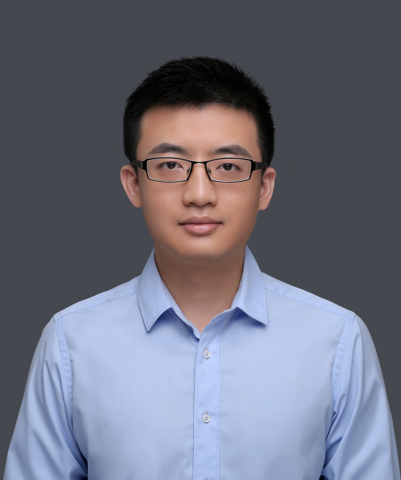
Kede Ma is an Associate Professor in the Department of Computer Science at City University of Hong Kong (CityUHK). He received his B.E. from the University of Science and Technology of China (USTC) in 2012, and MASc and Ph.D. degrees from the University of Waterloo in 2014 and 2017, respectively. From 2018 to 2019, he was a Research Associate with the Howard Hughes Medical Institute and New York University. Prof. Ma has been named to the Highly Cited Researchers list by Clarivate Analytics in 2024 and currently serves on the editorial boards of IEEE Transactions on Image Processing, IEEE Transactions on Information Forensics and Security, and IEEE Signal Processing Letters. Prof. Ma leads the Multimedia Analytics (MA) Laboratory, an interdisciplinary research group focused on computational vision, computational modeling of human visual perception, perceptual multimedia signal processing, quality assessment, and multimedia forensics. His research spans computational photography, high dynamic range imaging and rendering, omnidirectional video analysis, camera processing pipeline design, and artificial intelligence safety in multimedia systems. His work integrates machine learning techniques including reinforcement learning, generative modeling, self-supervised learning, and continual learning for multimedia signal processing applications. His recent publications demonstrate a strong focus on image quality assessment, deep learning for multimedia processing, and multimedia forensics. His work bridges theoretical computer vision principles with practical applications in multimedia systems. The research trends show increasing integration of foundation models with specialized multimedia processing tasks, particularly in quality assessment and security applications. Highly Cited Researchers list by Clarivate Analytics (2024) Best Paper Award at IEEE International Conference on Virtual Reality and Visualization (2021) Best Paper Runner-Up at International Joint Conference on Artificial Intelligence Workshop (2021) Top 10% Award at IEEE International Conference on Image Processing (2015) Finalist for the Governor General's Gold Medal, University of Waterloo (2017) Spotlight presentation at NeurIPS (2022) Highlight paper at ICCV (2025) Oral presentation at ICLR (2025) Prof. Ma advises numerous PhD students and postdoctoral fellows in the MA Laboratory. His research is supported by various grants enabling work in multimedia analytics, image processing, and computer vision. The laboratory maintains active collaborations with researchers at institutions including SUSTech, ZJU, and HIT. Current projects focus on advancing image quality assessment methodologies, developing more robust deep learning techniques for multimedia forensics, and exploring new approaches to HDR imaging and omnidirectional video processing. The Multimedia Analytics Laboratory maintains a strong focus on both theoretical foundations and practical applications of multimedia processing. Current research directions include integrating large language models with image quality assessment, developing more robust deepfake detection methods, and advancing techniques for continual learning in multimedia applications. The lab emphasizes rigorous evaluation methodologies and maintains multiple datasets for multimedia quality assessment research.
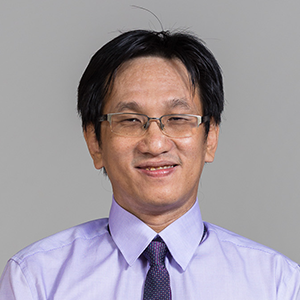
Anthony TUNG Kum Hoe is a Professor in the Department of Computer Science at the National University of Singapore (NUS), where he has established himself as a leading researcher in database systems and data mining. He is also affiliated with the NUS Graduate School for Integrative Sciences and Engineering and serves as a SINGA supervisor. His educational background includes a Ph.D. in Computer Science from Simon Fraser University (2001), an M.Sc. in Information Systems & Computer Science from NUS (1998), and a B.Sc. with 2nd Class Upper Honours in Information Systems & Computer Science from NUS (1997). Professor Tung's research spans several interconnected areas within database systems and data mining. His primary focus is on developing efficient methods for indexing and searching complex data structures including time series, trajectories, trees, graphs, and high-dimensional objects. He has pioneered work in visual query processing, keyword search, and ranking systems. His GENIE (Generic Inverted Index) and LAMP (semi-Lazy Mining Paradigm) projects represent significant contributions to big data analytics, particularly in handling the 'variety' aspect of big data by providing unified frameworks for processing diverse data structures while preserving semantic meaning. His research bridges theoretical database concepts with practical applications in visual data mining, collaborative analytics, and just-in-time model construction. His recent publications reveal a clear evolution from traditional database research toward more complex analytics on diverse data types. While maintaining his core expertise in database indexing and query processing, his work has expanded to incorporate machine learning techniques, particularly in areas like nearest neighbor search, anomaly detection, and predictive analytics. There's a noticeable trend toward interdisciplinary applications, with publications spanning computer vision, natural language processing, transportation systems, and social computing. His research group consistently publishes in top-tier venues including SIGMOD, VLDB, ICDE, and KDD, demonstrating both theoretical rigor and practical relevance. 2005 Best Paper Award for 'Indexing DNA Sequences Using q-grams' 2007 Invited panel speaker on 'Advice for a successful database researcher career in Asia' at SIGMOD 2010 Guest Lecturer for VLDB Database School 2012 VLDB 2012 Research PC Co-chairs 2015 10 Years Best Paper Award, DASFAA 2015 Invited to SIGMOD 2008 and SIGKDD 2008 Program Committees Professor Tung has supervised numerous PhD students and research associates throughout his career, including notable researchers like Zhang Zhenjie (recipient of the 2007 President Graduate Fellowship) and Wang Nan (published in SIGMOD'08). His research group has been consistently productive, with students publishing in top conferences including SIGMOD, ICDE, and VLDB. His professional service is extensive, having served as PC Chair for COMAD'06, Research PC Co-chair for VLDB 2012, and on program committees for virtually all major database and data mining conferences over the past two decades. His research has been supported by various grants that have enabled significant contributions to database technology. His GENIE and LAMP projects represent a cohesive research direction focused on developing systematic approaches to big data analytics. GENIE provides a unified platform for storage and retrieval of big data with various structures, while LAMP introduces a novel paradigm for predictive analytics that combines the strengths of lazy and eager learning approaches. These projects have evolved to incorporate GPU acceleration and parallel processing capabilities, reflecting his commitment to addressing real-world scalability challenges in data-intensive applications.
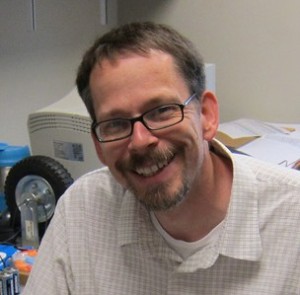
Ernest Davis is a Professor at the Department of Computer Science , Courant Institute of Mathematical Sciences , New York University . His research focuses on representing commonsense knowledge in AI systems , with an emphasis on spatial and physical reasoning , and he collaborates with Gary Marcus on integrating AI and psychological models. He has authored over 50 scientific papers and three books, including Linear Algebra and Probability for Computer Science Applications (2012). His teaching includes courses on Artificial Intelligence and Fundamental Algorithms. Research Trends: His recent work examines benchmarks for commonsense reasoning , limitations of large language models (e.g., GPT-4, DALL-E 2), mathematical reasoning in AI, and the Winograd Schema Challenge . Professional Activities: He has served as an ACM reviewer, program committee member for 50+ conferences, and area editor for ACM Transactions on Computational Logic . He contributes book reviews to Computing Reviews , SIAM News , Artificial Intelligence journal, and others. Non-Technical Writing: Davis writes for general audiences on topics spanning computer science, mathematics, cognitive psychology, and literary themes, published in outlets like The New Yorker , Wired , and The Times Literary Supplement .
Dr. Maryam Ghahramani is a Senior Lecturer in AI & Robotics at the Faculty of Science & Technology, University of Canberra, Australia. She holds a BSc in Electrical Engineering from Shiraz University, Iran, and a PhD in Biometric Gait Analysis from the University of Wollongong, Australia. Biomedical Engineering Researcher Machine Learning Specialist Human Motion Analysis Expert Her research focuses on applying machine learning to human motion analysis for rehabilitation purposes, particularly in three key areas: Parkinson's Disease: Using fNIRS and machine learning for disease detection and motor function assessment Fall Prevention: Analyzing postural sway and risk of falls in older adults Spatial Disorientation: Studying balance in hypoxic aviation environments Recent publications demonstrate her work at the intersection of biomedical engineering, machine learning, and clinical rehabilitation. Current projects include: Young Onset Dementia Detection with 12-week Home-Based Exercise Programs Mild Hypoxia Analysis for Aviation Safety Balancing Mat Performance Evaluation
Dr. Ghazal Bargshady is a Lecturer at the University of Canberra , with expertise in Affective Computing , Artificial Intelligence , and Healthcare Technology . Her roles include teaching units such as Computer Vision, Data Analytics, and Soft Computing, as well as supervising PhD and Master by Research students in AI-driven projects for healthcare and road safety. Education: She earned her PhD in Artificial Intelligence and Computer Vision from the University of Southern Queensland in 2020. Research Interests: Dr. Bargshady specializes in Computer Vision Deep Learning Biosignal Processing Facial Expression Analysis Human Factors in AI Wearable Sensors Multimodal Data Fusion Brain–Computer Interfaces Her work addresses real-world challenges in pain assessment, depression recognition, and driver safety using cutting-edge AI models. Article Trends: Her recent publications focus on Transformer architectures , fNIRS signal analysis , multimodal pain detection , and depression severity estimation via facial video data. These studies highlight her contributions to AI in healthcare , transportation safety , and biomedical signal processing . Teaching Activities: Dr. Bargshady has lectured units including Programming for Data Science , Computer Vision , and Soft Computing , emphasizing practical AI applications.
Panying Rong, Ph.D. is an Assistant Professor in the Department of Speech-Language-Hearing: Sciences & Disorders at the University of Kansas , within the College of Liberal Arts and Sciences. Her research focuses on the neuromechanical basis of motor speech disorders and the development of quantitative tools for speech assessment. Primary Affiliation: University of Kansas Department: Speech-Language-Hearing: Sciences & Disorders Academic Rank: Assistant Professor Email: prong@ku.edu Research Interests Dr. Rong’s work investigates the biomechanical and neurological mechanisms underlying speech impairments in neurodegenerative diseases like ALS and Parkinson’s. Key areas include: Mechanistic modeling of speech motor control Development of data-driven speech diagnostics Acoustic and kinematic analysis of bulbar disorders Compensatory articulatory strategies in speech pathologies Temporal structuring of speech signals Integration of multimodal assessments for neurological conditions Article Trends Her recent publications emphasize automated, multimodal frameworks for assessing bulbar ALS, neuromechanical biomarkers, and cultural-linguistic influences on speech outcomes. Techniques include EMA, EMG, kinematic modeling, and computational analysis of speech subsystems.
Paul A. Yushkevich is a Professor of Radiology at the Perelman School of Medicine, University of Pennsylvania , with affiliations in the Bioengineering Graduate Group . He leads the Penn Image Computing and Science Laboratory (PICSL) , focusing on advanced biomedical image analysis techniques. Developed first-of-its-kind computational atlas of the hippocampal formation Led NIH R01-funded research on MRI-derived biomarkers for Alzheimer's disease Created open-source software tools: ITK-SNAP and Convert3D Expert in statistical shape modeling and histology-MRI co-registration Research Focus: Specializes in hippocampal segmentation using high-resolution MRI, with applications in Alzheimer's disease research and cardiac imaging . His work combines differential equations and machine learning for accurate image analysis. Scientific Achievements: First-place MICCAI segmentation challenges (2012, 2013) Over 169 PubMed publications in neuroimaging and computational anatomy Developed DTI-TK toolkit for diffusion MRI analysis Collaborations: Works with Alzheimer's Disease Neuroimaging Initiative (ADNI) and multiple international institutions. Supervises graduate students in biomedical image analysis.
Lauri Väkevä is a Professor in the Department of Education at the University of Helsinki, specializing in educational sciences with a focus on performing arts, music education, and STEAM pedagogy. He actively supervises doctoral students in the Doctoral Programme in School, Education, Society, and Culture and leads the SKAPA project (2024–2026) on developing study paths in arts education. His research explores the intersection of artificial intelligence, creativity, and multimodal learning environments. Key Affiliations: Department of Education, Sibelius Academy collaboration, Gaudeamus publishing network Research Themes: AI in music education, safe spaces for artistic expression, responsible AI pedagogy, historical evolution of Finnish music institutions Recent Work Highlights : 2025: Generative AI as a Collaborator in Music Education (Action-Network Theory application) 2025: Voicing Responsible AI Pedagogy (Ethical frameworks for arts education) 2024: Changing Role of Sibelius Academy (Historical analysis of Finnish music education) Leadership & Engagement : Project Manager for SKAPA, organizing committee member for the 2024 Ainedidaktinen Symposium, and active participant in AI research events.
Christian Smith is an Associate Professor and Lecturer at the Department of Robotics, Perception and Learning at Kungliga Tekniska Högskolan (KTH Royal Institute of Technology). His research focuses on robotics and applications in human-centered environments like home environments, small workshops, and healthcare facilities, including the development of new robotic systems for research. Teaching Roles: Course Coordinator/Teacher/Examiner for courses such as Introduction to Robotics (DD2410), Research Project in Robotics (DD2411), and Java Programming for Python Programmers (DD1380) Research Themes: Human-Robot Interaction, Behavior Trees, Exoskeletons, Intent Recognition, and Multimodal Perception Awards: No specific scientific awards mentioned in the provided text His KTH profile highlights work on adaptive robotics systems and formalized control strategies. The research portfolio spans from theoretical studies on behavior tree programming to applied work in assistive technologies and teleoperation systems.
Professor Clinton Fookes is a faculty member at the Queensland University of Technology (QUT) within the School of Electrical Engineering & Robotics . His research focuses on leveraging computer vision and artificial intelligence to develop automated systems that understand, anticipate, and interact with human behaviors, with applications in medical diagnostics, autonomous vehicles, defense, and industrial efficiency . Research areas include AI adaptability, multimodal biosignal analysis, and human-machine interaction Collaborates with CSIRO Data61, Defence Science and Technology Group, Orica, Airbus, and Sentient Vision Systems Develops systems for human action detection, infrastructure monitoring, and stress response prediction His work addresses critical challenges in AI deployment, such as environmental adaptability and reducing diagnostic errors in medical and autonomous systems. Recent publications highlight trends in self-supervised learning, zero-shot knowledge transfer, multimodal integration , and 3D reconstruction for healthcare , while exploring ethical AI use in sectors like mining and defense . Professor Fookes emphasizes interdisciplinary collaboration, bridging engineering, medicine, and social sciences to advance AI systems capable of real-world impact. His research agenda includes improving AI memory capabilities and explainability for safer, more reliable automation.
Prof. Markus Axer is a Professor and Deputy Head of the Structural and Functional Organisation of the Brain (INM-1) at the Institute of Neuroscience and Medicine (INM) within Forschungszentrum Jülich. His research focuses on connectomics, neuroimaging technologies (e.g., 3D-Polarized Light Imaging), and high-performance computing applications in brain architecture analysis. He leads the 'Fiber Architecture' working group, advancing microscopy techniques like scattered light imaging and MRI-histology correlation for studying brain microstructure. His work bridges experimental neuroscience with computational methods, aiming to decode brain organization at meso- and macroscales. Key achievements include developing the HippoMaps atlas of the human hippocampus and improving fiber orientation mapping in brain tissue. Awards include Fellowship in the Royal Netherlands Academy of Arts and Sciences (2024). Research emphasizes cross-modal data integration, with applications in Alzheimer’s disease biomarker validation and primate brain evolution studies. He collaborates with academic institutions like the University of Wuppertal and contributes to international initiatives like the BigBrain Analytics Learning Laboratory.
Angelica Lim is an Assistant Professor of Professional Practice and Rajan Family Scholar in the School of Computing Science at Simon Fraser University. Her research focuses on Human Robot Interaction, Affective Computing, and Multimodal Perception with applications in healthcare and developmental robotics. She holds a PhD in Informatics from Kyoto University (2014), an M.Sc. from Kyoto University (2012), and a B.Sc. in Computing Science from SFU (2008). Her work bridges robotics and human-centered AI through projects like the ROSIE Lab, exploring emotion-aware systems, socially assistive robots, and VR programs for aging populations. Key contributions include benchmarking emotional speech recognition (BERSting), developing embodied emotion models for robots, and co-designing healthcare technologies with patient partners. Recent publications emphasize ethical AI, multimodal perception systems, and human-robot collaboration in dynamic environments. Teaching includes courses on software engineering, artificial intelligence, and introductory computer science. Her research has been applied in dementia care through VR programs, robotic companionship for older adults, and emotion-aware human-robot communication systems. Current initiatives focus on inclusive HRI design and sim2real methodologies for underrepresented data in affective computing.
Professor Dian Tjondronegoro is a leading academic at Griffith University's Department of Management within the Griffith Business School. He holds roles such as Acting Head of Department and Deputy Head (Research), and is affiliated with the Centre for Work, Organisation and Wellbeing, Griffith Asia Institute, and the Griffith Inclusive Future Beacon. His research focuses on AI ethics, eHealth systems, and digital governance, with over $9M in grants from bodies like the ARC and NHMRC. He has published 145+ peer-reviewed papers and leads initiatives like the 'Governing in the Digital Age' program. A Fellow of the Australian Computer Society and Senior Member of IEEE/ACM, he has won the Gold Disrupters Award (2019) and multiple teaching accolades. Education: PhD in Information Systems (Deakin University, 2005), BIS (QUT, 2001). Research Interests: AI, machine learning, healthcare innovation, responsible AI, workplace design, and digital economy strategies. His articles emphasize AI applications in healthcare monitoring, workplace productivity, and ethical surveillance. Recent work explores post-COVID workplace trends and AI-driven public health solutions. He advises on government policy and innovation through roles like Gold Coast Health's Digital Innovation Advisory Committee. His teaching includes courses on digital strategy and innovation management.
Dr. Tim Oates is a Professor in the Department of Computer Science and Electrical Engineering at the University of Maryland, Baltimore County . His research spans machine learning, artificial intelligence, and brain-machine interfaces, with a focus on weakly supervised methods, human-in-the-loop reinforcement learning, and grounded policy development for robotics. Ph.D., Computer Science, University of Massachusetts, Amherst, 2000 M.S., Computer Science, University of Massachusetts, Amherst, 1997 B.S., Computer Science and Electrical Engineering, 1989 Current research threads include: Developing non-invasive brain injury severity assessment via medical time series Modeling human brain development through computational frameworks Designing algorithms for autonomous robotic learning Recent publications highlight AI security mechanisms (backdoor detection via tensor decomposition, matrix factorization) Medical applications (3D artery reconstruction, skin lesion diagnosis, EEG denoising) Neuro-symbolic integration (holographic representations, language-guided reinforcement learning) Mathematical reasoning (schema-based problem solving, subitizing algorithms) Contact: oates@cs.umbc.edu | Office: 336 Information Technology and Engineering (ITE) Building