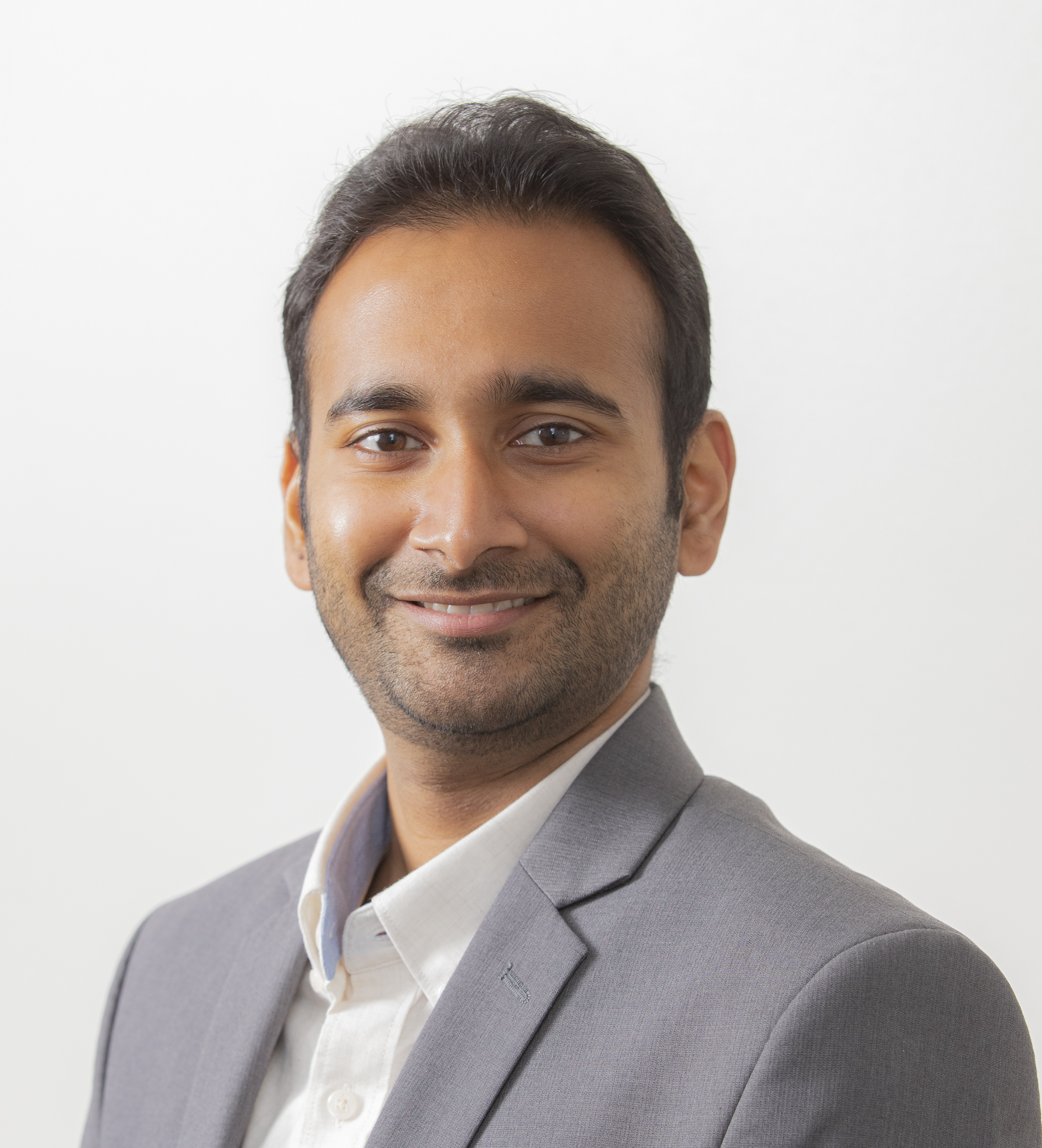
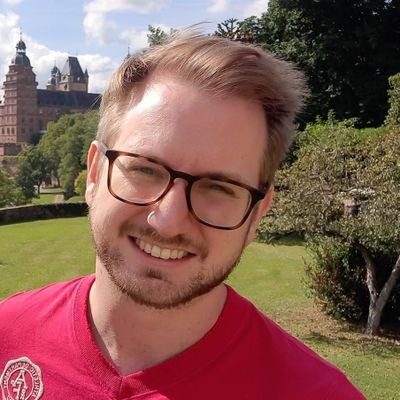
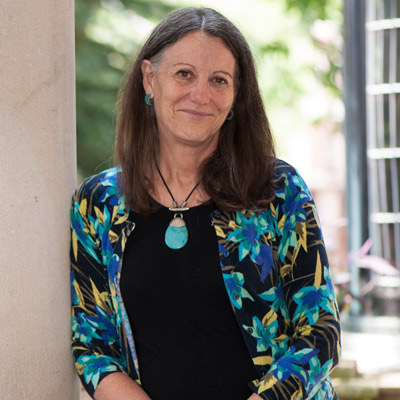
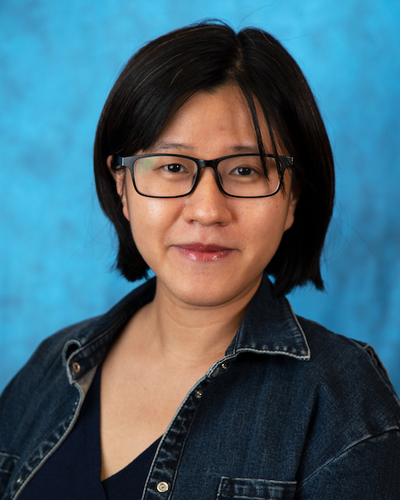
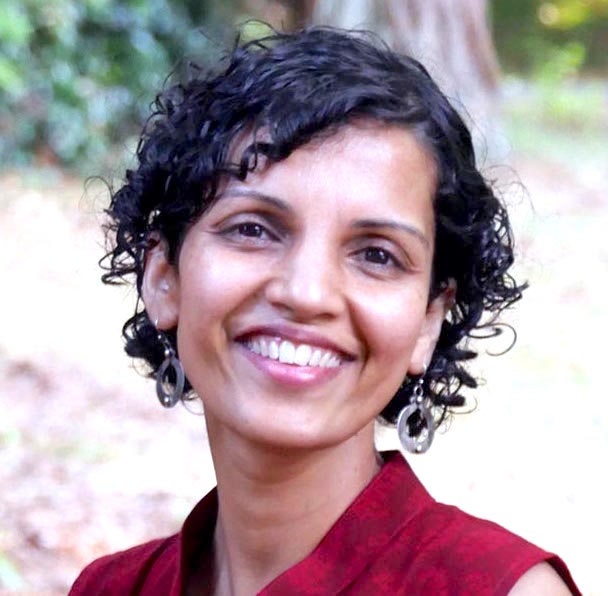
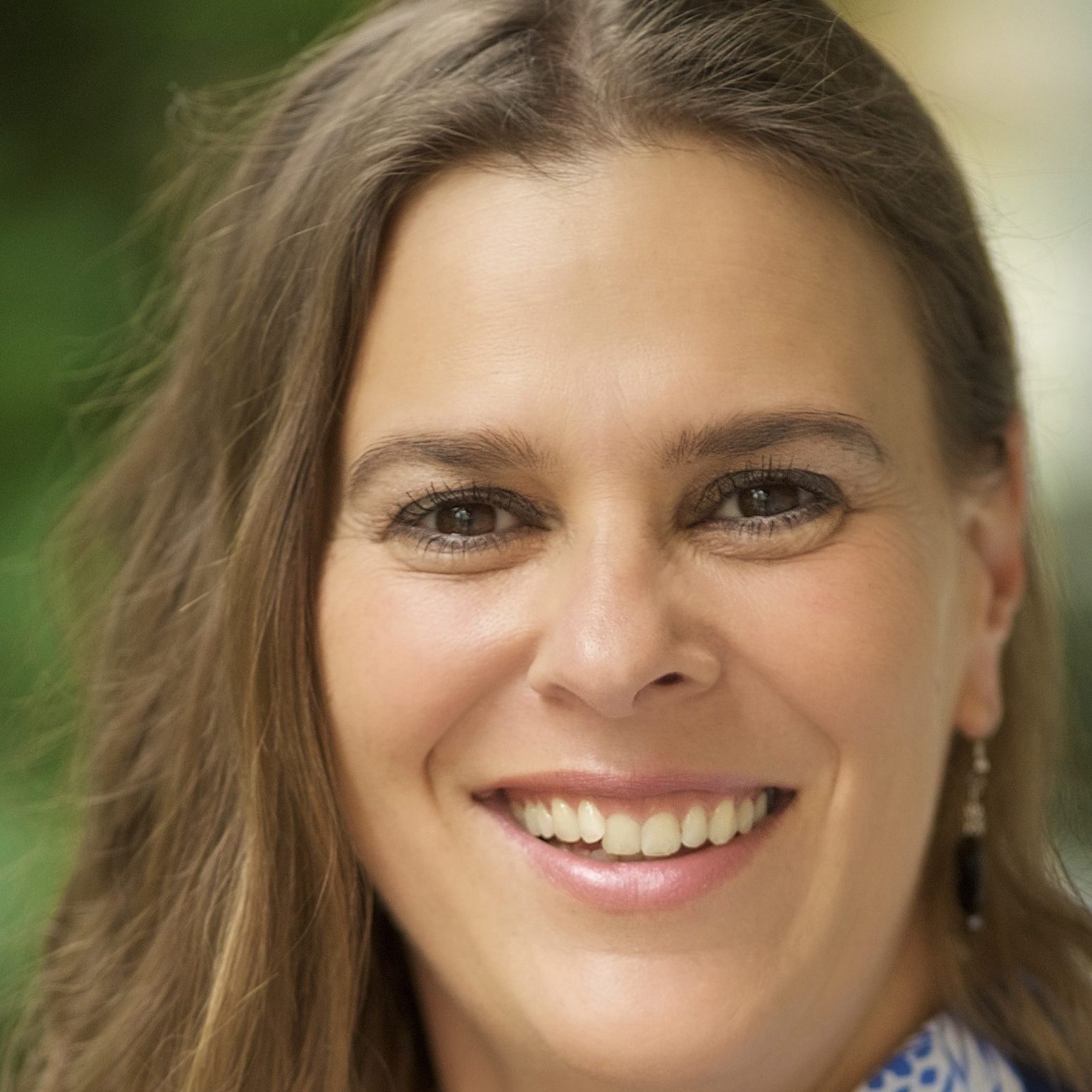
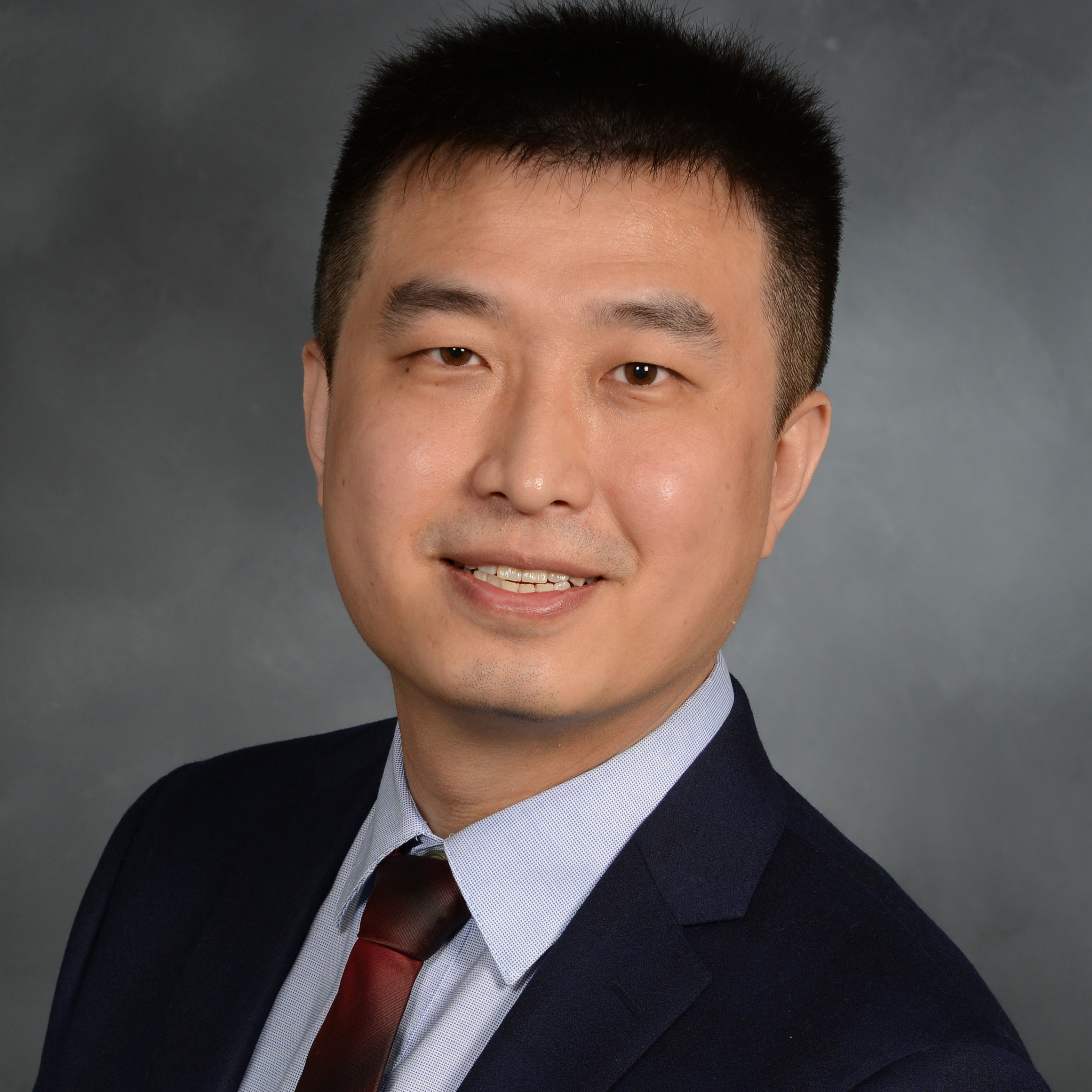
Eduardo Calò is a PhD Candidate in Natural Language Processing (NLP) at the Department of Information and Computing Sciences , Utrecht University, under Prof. Kees van Deemter. He works on the Interactive Natural Language Technology for Explainable Artificial Intelligence (NL4XAI) project, funded by EU Horizon 2020 under a Marie Sklodowska-Curie grant. Research Focus: Logic-to-text generation, formula simplification, and explainable AI Projects: LoLa system development, GECko+ error correction tool Expertise: Computational linguistics, hybrid symbolic-neural approaches, multilingual NLP His work spans four key areas: (1) translating logical formulae into natural language with hybrid methods, (2) evaluating text quality through faithfulness and fluency metrics, (3) simplifying first-order logic expressions, and (4) developing writing assistance tools. He seeks to bridge symbolic logic with neural language models while addressing cross-linguistic challenges. Recent publications demonstrate technical depth in formula minimization using QBF solvers, UX optimization for NLP interfaces, and discourse-level error correction systems. Collaborations include Albert Gatt, Jordi Levy, and Kees van Deemter across multiple EU-funded initiatives.
Srijan Kumar is an Assistant Professor in the Computer Science and Engineering department at the College of Computing, Georgia Institute of Technology. His research focuses on developing AI and data mining methods to enhance web safety and security, with particular expertise in graph and multimodal learning for detecting malicious actors and harmful content. Dr. Kumar earned his Bachelor's degree from the Indian Institute of Technology at Kharagpur, followed by his Master's and Ph.D. from the University of Maryland, College Park. Prior to joining Georgia Tech, he was a visiting researcher at Google AI and a postdoctoral researcher at Stanford University. His research spans four main areas: (1) AI for Security, developing methods to detect misinformation, malicious actors, and online hate; (2) Secure, Robust, and Responsible AI, investigating the trustworthiness of AI systems; (3) Graphs and Networks, modeling large-scale interconnected data; and (4) Recommender Systems and Behavior Modeling. His work has been deployed at Flipkart and has influenced Twitter's Birdwatch platform. Dr. Kumar leads The CLAWS (Computational Data Science Lab for the Web and Social Media), which has received funding from NSF, DARPA, CDC, Adobe, Google, Facebook, and Microsoft. His lab mentors numerous PhD, MS, and undergraduate students working on cutting-edge web safety and AI security challenges. NSF CAREER Award recipient Kavli Fellow by the National Academy of Sciences Forbes 30 Under 30 (2022) Rising Star in Data Science by Frontiers in Big Data ACM SIGKDD Doctoral Dissertation Award Runner-Up WWW Best Paper Award Honorable Mention
Misty Adoniou is an Associate Professor in Language, Literacy and TESL at the University of Canberra. With a background as a primary school teacher and English language consultant in Greece, her work bridges classroom practice and academic research. She holds a PhD, MEd (Hons), and BEd from the University of Canberra. Her research examines literacy development, teacher education, and multilingual pedagogy, with emphasis on spelling instruction, EAL/D learners, and teacher autonomy. Publications analyze educational policy impacts, language acquisition in mathematics/arts, and teacher professional identity. Research grants include evaluations of refugee orientation programs (e.g., for Australia's Department of Social Services) and literacy development in International Baccalaureate curricula. Awards include the Vice-Chancellor's Award for Teaching Excellence and recognition as an Inaugural Life Member of ACT TESOL Association. She serves on advisory boards for TESOL International, ACARA (English Language Proficiency Working Group), and Australia's Department of Immigration.
Dr. Debra Aarons is a Senior Lecturer in Linguistics within the School of Humanities & Languages at the University of New South Wales (UNSW), specializing in the linguistic analysis of humor and signed language linguistics. With a distinguished academic career spanning decades, she has established herself as a leading researcher at the intersection of language structure, cultural expression, and comedic performance. Her educational background includes: BA (Majors English and Philosophy) from Witwatersrand University (1976) BA Honours (English Literature) from Witwatersrand University (1977) Higher Dip. Ed PG from Witwatersrand University (1979) BA Honours (Applied Linguistics) from Witwatersrand University (1986) PhD (Applied Linguistics) from Boston University (1994) Dr. Aarons' research centers on the linguistic structures of humor , examining both formal grammatical properties and pragmatic dimensions of jokes and comedic performance. She investigates how linguistic play reveals tacit knowledge of language systems and how cultural contexts shape humorous expression. Her work spans multiple domains including standup comedy analysis, Jewish comedy traditions, and language play in both spoken and signed modalities. Earlier in her career, she made significant contributions to South African Sign Language linguistics , examining syntactic structures, sociolinguistic variation, and educational inclusion for deaf communities. Analysis of her publication record reveals a clear evolution from foundational work in sign language linguistics to her current specialization in humor studies, while maintaining connections between these fields through her interest in language structure. Recent publications demonstrate particular focus on socially critical standup comedy, with detailed analyses of performers like Sarah Silverman and examinations of Jewish comedy traditions across historical contexts. Her work consistently bridges theoretical linguistics with cultural analysis, revealing how language structures underpin comedic expression across diverse media and social settings. Her scholarly recognition includes: British Council Scholarship (Lancaster UK, 1986) Fulbright Scholarship (Boston University, 1987) University of Bologna, Senior Visiting Fellowship (2017) Dr. Aarons maintains an active research program with ongoing collaborative projects, particularly with Marc Mierowsky. She is currently co-authoring a monograph titled 'Playing with Food and Language: Eating, Joking and Disgust' with Delia Chiaro for Taylor and Francis. Her research methodology combines rigorous linguistic analysis with cultural context, examining how language structures facilitate humor across different communicative settings. Though specific laboratory structures aren't detailed, her collaborative publication pattern suggests active research partnerships across disciplines. Her work bridges linguistics with cultural studies, performance studies, and cognitive science, creating a multidisciplinary approach to understanding the complex relationship between language structure and humorous expression.
Fabian David Schmidt is a Research Associate and Doctoral Student at the CAIDAS Chair for NLP at Julius-Maximilians-Universität Würzburg. He works on multilingual representation learning and sample-efficient cross-lingual transfer, co-advised by Prof. Dr. Goran Glavaš (University of Würzburg) and Ivan Vulić (University of Cambridge). Research Interests: His work focuses on cross-lingual transfer methods, low-resource NLP, and robust knowledge editing in LLMs. He also explores vision-language benchmarks, process mining, and semantic encoders for information retrieval. Key areas include Robust Cross-Lingual Transfer Sample-Efficient Training Vision-Language Integration LLM Evaluation Publication Trends: Fabian's recent publications emphasize multilingual and cross-lingual NLP advancements, including sliced fine-tuning for NER, model averaging for robustness, and domain adaptation. His 2025 work extends into vision-language tasks and LLM generalization across cultures. He also contributes to spoken language understanding benchmarks. Labs & Teams: Affiliated with the WüNLP group and the CAIDAS Chair at the University of Würzburg, collaborating with international researchers on cross-lingual NLP and LLM optimization.
Kathryn Murphy-Judy serves as Professor of French in the School of World Studies at Virginia Commonwealth University, where she instructs all levels of French language and Francophone media courses. With continuous service since 1994, she has held significant leadership roles including Director of the Liberal Studies for Early and Elementary Education program (1994-2021) and currently contributes to statewide initiatives through Global Virginia. Her educational foundation includes a Ph.D. in French from the University of Minnesota (1986), complemented by M.A. and B.A. degrees from Colorado State University. These credentials established her expertise in medieval literary studies before her pivot toward language pedagogy and technology integration. Ph.D., University of Minnesota, 1986 M.A., Colorado State University B.A., Colorado State University Dr. Murphy-Judy's research centers on the dynamic interplay between language, technology, and culture in meaning-making processes. She pioneers methodologies for transitioning learners from zero proficiency to culturally appropriate communication, with specialized expertise in computer-assisted language learning (CALL), online language learning (OLL), and open educational resource (OER) development. Her work bridges historical semiotic analysis with contemporary digital literacy challenges. Her extensive publication record reveals consistent focus on technology-enhanced language instruction, with recent emphasis on post-pandemic pedagogical adaptation. Current scholarship demonstrates strategic integration of student-driven OER development within curricula, emphasizing blended learning models that maintain social and cognitive presence in virtual environments. This trajectory reflects her commitment to accessible, innovative language education responsive to technological evolution. Recognition of her contributions includes prestigious awards: CHS Award for service CHS Award for mentoring FLAVA Distinguished Service Award Dr. Murphy-Judy has secured substantial grant funding including a current VIVA grant for collaborative OER e-textbook development across Virginia institutions. Her mentorship extends through formal student collaborations on R.E.A.L. projects and leadership in professional organizations where she shapes national teaching standards. She maintains active curriculum development through the L'Atelier RÉEL OER initiative. Professional engagement spans CALICO (Secretary), FLAVA (Treasurer), ACTFL (DL SIG chair), and founding membership in Global Virginia. Her work integrates with VCU's Recruitment Inclusive Champions and Grace E. Harris Leadership Institute initiatives, demonstrating commitment to educational equity and institutional advancement.
Anna Ruth Grüters is an Associate Professor in Norwegian Didactics at the Department of Teacher Education, Norwegian University of Science and Technology (NTNU). She specializes in digital literacy, media ecology, and multilingual education within Nordic contexts. Currently leading the project Digital Canon in Norwegian Education Contributed to the Finnish government-funded project Diversity in Education (DivED) as a visiting researcher Co-developer of the PraksisWeb platform for practice-based teacher education Her research focuses on: Media ecology and translingual practices in Nordic media (e.g., the series SKAM ) Digital integration in teacher training and curriculum design Evolution of literary canon in digital education environments Recent publications analyze: Language and cultural sensitivity among teacher trainees Transition from hidden to dynamic literary canons Digital competence development in teacher education programs She has collaborated with institutions across the Nordic region, including Åbo Akademi University in Finland.
Professor Andreas Grünewald serves as Head of the Working Group for Didactics of Romance Languages at the University of Bremen's Faculty of Linguistics and Literature since 2010. His roles include supervising Master's theses and dissertations, overseeing teacher training programs for French and Spanish, and holding multiple governance positions within the university. His research focuses on Foreign Language Didactics , particularly exploring multimedia integration in language teaching, digital sovereignty for educators, and science communication strategies for making language education research accessible. His work bridges theoretical frameworks with practical classroom applications, especially in Romance language instruction. Grünewald's recent publications reveal strong trends in digital educational transformation , with emphasis on YouTube-based learning, AI integration, and developing teachers' critical technology literacy. His work consistently connects language pedagogy with broader educational technology movements while maintaining subject-specific focus on Romance languages. Fellowship of the Stifterverband for Innovations in Higher Education (2021) Prize for Excellent Teaching of the Free and Hanseatic City of Hamburg (2009) Appointment to the Excellence Network for Higher Education Teaching (2017) As supervisor, he has guided numerous doctoral and Master's students to completion, including award-winning theses on gamification in language learning and diagnostic approaches in speaking competence. His current major project DiSo-SGW receives BMBF funding to develop nationwide teacher training modules for digital sovereignty across language disciplines. Grünewald leads multiple research teams including the Lost in Translation project that trains students to create science-communicative videos, and coordinates international collaborations such as the CUBA LIBre partnership with Havana institutions.
Yi-Fan Li, Ph.D. , is an Assistant Professor in the Interdisciplinary Learning and Teaching department at the University of Texas at San Antonio (UTSA) . Her work focuses on transition education, self-determination, and universal design for learning (UDL) for individuals with disabilities. Education: Ph.D. in Educational Psychology with emphasis on Special Education from Texas A&M University (2021) Research Interests: Dr. Li investigates individual, family, and school-based practices for transition education, emphasizing self-determination and UDL. Her studies explore inclusive teaching strategies, digital tools like ChatGPT for skill acquisition, and pandemic impacts on remote learning accessibility. Article Trends: Her recent work bridges AI technology (e.g., chatbots) with special education, examines cross-cultural caregiver involvement, and addresses systemic barriers in higher education for students with disabilities. Scientific Awards: Co-Principal Investigator, Texas Council for Developmental Disabilities (2024) Principal Investigator, UTSA VPREDKE (2023) Principal Investigator, COEHD Faculty Research Award (2022) Advising & Grants: Dr. Li mentors teacher candidates on inclusive practices and has secured grants for transition research. She actively presents at international conferences like CEC and UDL-IRN.
Dr. Kristiina Kumpulainen is a Professor and Head of the Department of Language and Literacy Education in the Faculty of Education at the University of British Columbia. Previously, she served as Associate Dean, Academic and Faculty Development at Simon Fraser University and Associate Dean, Research at University of Helsinki, Finland. She has also worked for the Finnish National Agency for Education and held visiting professorships at the University of California, Santa Barbara, University of Warwick, and University of British Columbia. Dr. Kumpulainen received her PhD in education from the University of Exeter, UK. Her research scholarship is grounded in relational and cultural-historical inquiries into communication, learning and education, focusing on how social, historical, political, cultural and material contexts shape educational opportunities for diverse learners. She has extensively researched how digitalization transforms young people's communication and learning across various settings including formal education, museums, science centers, libraries, outdoors, and homes as well as in digital and immersive worlds. Her work spans several important areas including critical and digital literacies, multiliteracy and multimodality, place-based literacies, storytelling/narrative inquiry, identity, and imagination. She has actively engaged in interdisciplinary research with academic, industry and community partners to co-develop playful, imaginative and participatory pedagogies for early childhood, K-12, and teacher education. Her research has illuminated how knowledges, agency and identities are valued and negotiated across space and time, with particular attention to STEAM learning, multiliteracies, health literacies, and children's ecological literacies and climate change education. She has developed methods for visual, participatory, and multimodal research, and researching with children and teachers, increasing knowledge of democratic and ethical forms of inquiry. Dr. Kumpulainen's recent publications reflect a strong focus on the intersection of digital technologies, environmental education, and children's learning. She has pioneered work on children's ecological imagination using augmented storying techniques, exploring how digital mediation transforms children's relationships with the more-than-human world. Her research increasingly incorporates posthuman perspectives to examine child-environment relations, aesthetic experiences, and multispecies encounters, while maintaining a strong commitment to equity and social justice in educational contexts. She has also made significant contributions to maker education, particularly in school-based makerspaces, examining how these environments foster digital literacy, creativity, and collaborative problem-solving among young learners. Dr. Kumpulainen has received numerous prestigious awards including: Fellow of the Finnish Academy of Science and Letters (2019) Immersive Learning Pedagogy Award from the Immersive Learning Research Network (iLRN 2022) BJET Editors' Choice Award for her work on teacher interventions in collaborative learning Outstanding Publication Award from the European Association for Research on Learning and Instruction (EARLI) Shortlisted by UKLA for the 2021 Academic Book Award for 'Enhancing digital literacy and creativity. Makerspaces in the early years' Dr. Kumpulainen has supervised numerous graduate students and has been Principal Investigator or Co-PI on dozens of major research grants. Her current projects include 'Children's ecological imagination with augmented storying' (SSHRC Insight Grant, 2023-2025), 'Re-storying community: Arts-based digital storytelling for community inquiry' (SSHRC Canada New Frontiers in Research Fund, 2023-2025), and 'Understanding and assessing learning in makerspaces' (SSHRC Insight Development Grant, 2022-2024). She has received funding from diverse sources including SSHRC, Academy of Finland, Horizon 2020, EU HORIZON RISE program, and others. She is Co-Editor of Elsevier's journal Learning, Culture and Interaction and leads several research networks including the Nordic research network on digitalising childhoods (DigiChild). Her work bridges academic research with practical applications in educational settings, particularly through her development of methods for visual, participatory, and multimodal research with children and teachers, emphasizing democratic and ethical forms of inquiry.
Harini Rajagopal serves as an Assistant Professor in the Department of Language & Literacy Education at the University of British Columbia's Faculty of Education. Her scholarly work centers on antiracist and decolonizing approaches to education, focusing on integrating diverse communicative repertoires—including multiple languages, photography, and arts—into mainstream classrooms while addressing systemic inequities. Her research spans arts-based research, multiliteracy and multimodality, bilingual/multilingual education, literacy education, decolonizing pedagogies, critical literacies, teacher education, and race and antiracism. She employs feminist ethics of care and reflexive methodologies to develop caring, justice-oriented pedagogies that value multiliterate practices as resources for all students' learning. Her collaborative work with children and teachers emphasizes relational approaches to navigating cultural and linguistic diversity. Analysis of her recent publications (2021-2025) reveals consistent focus on emergent bilinguals and refugee-background children using multimodal and arts-based strategies to address intersectional inequalities. Key trends include decolonizing practices in teacher education, critical multilingual awareness, and antiracist frameworks that center student agency through drawing, storytelling, and language brokering. Her work consistently bridges theoretical rigor with practical classroom applications. Dr. Rajagopal actively contributes to teacher education through collaborative research that promotes equity-oriented pedagogy. Her projects often involve co-designing culturally sustaining curricula with educators, emphasizing participant-friendly methods that honor diverse linguistic repertoires. She works on the traditional, unceded territories of the hən̓q̓əmin̓əm̓ speaking xʷməθkʷəy̓əm people, grounding her practice in Indigenous land acknowledgments and ethical research partnerships.
Erika Fundelius is an Assistant Professor in the Department of Educational & Counselling Psychology, and Special Education at the University of British Columbia's Faculty of Education. She joined UBC in July 2023 after completing her doctoral studies at Florida State University. Her primary teaching focus is in the visual disabilities program where she prepares educators to work with students who have visual impairments. With over twenty-five years of experience in education, Dr. Fundelius has worked as a paraprofessional, substitute teacher, preschool teacher, general education teacher, and teacher of students with visual disabilities. She has also served as an orientation and mobility specialist in an adult rehabilitation setting, providing her with extensive practical knowledge across educational contexts. Her research focuses on self-determination within and beyond the Expanded Core Curriculum, professional development for teachers of students with visual disabilities, and consent education. Her work examines how cultural considerations influence perspectives on physical touch and consent in educational settings. She employs methodologies including single-case design, mixed methods, and survey research, grounded in Bronfenbrenner's ecological systems theory, Social Constructivism, and Cognitivism. Dr. Fundelius is actively involved in several professional organizations and initiatives: US Department of Education; Federal Review Panel of the American Printing House for the Blind Shared Vision; Collaboration Network of BC Visual Impairment and Deafblind organizations Council for Exceptional Children-Division on Autism and Developmental Disabilities [DADD]; Diversity, Equity, and Inclusion [DEI] Committee She is currently accepting MA and PhD students beginning with the 2025/26 academic year and is working on research projects including: SNAAP: Preserving self and personal autonomy to support long term quality of life outcomes for people with disabilities Personnel Prep: Book club using lived experiences of individuals with visual impairments Personnel Prep: Barriers and enablers to balancing the expanded core curriculum Perceptions, understanding, and practices of self-determination among TSVIs (Teachers of Students with Visual Impairments)
Professor Rob Gaizauskas is a faculty member at the University of Sheffield , serving as Co-Director of the UKRI Centre for Doctoral Training in Speech and Language Technologies and leading the Natural Language Processing (NLP) research group . His academic journey began with a DPhil in Cognitive and Computing Sciences from the University of Sussex (1992), preceded by degrees in Philosophy from Carleton University and a Diploma in Information Processing. Education : DPhil (University of Sussex, 1992), MA (Carleton University, 1978), BA (Carleton University, 1975) His research focuses on NLP , particularly information extraction from texts, temporal/spatial information processing , automatic image description , argument mining , and evaluation of NLP systems . He has pioneered work in multi-document summarization , dialogue analysis , and comparable corpora for machine translation. Notable grants include: UKRI Centre for Doctoral Training in Speech and Language Technologies (2019–2027, £5.5M) VisualSense (2013–2016, £310k) SENSEI Project (2013–2016, £459k) ACCURAT (2010–2012, £268k) Scientific contributions : Co-developer of the GATE framework for text engineering Led biomedical NLP projects like BioWSD and PASTA Pioneering work in temporal relation identification (TempEval)
Yifan Peng is an Associate Professor at Weill Cornell Medicine, with joint appointments in the Department of Population Health Sciences and the Department of Radiology. He directs the Peng Lab and VIVO research group, specializing in AI-driven healthcare solutions. His research integrates biomedical natural language processing, deep learning for medical imaging, and clinical AI validation. Education: Ph.D. in Computer Science, University of Delaware (2016) M.S. in Computer Science, University of Delaware (2013) M.Eng. in Signal and Information Processing, Peking University (2010) B.S.E. in Computer Science, Beijing University of Technology (2007) Research Focus: Dr. Peng's work spans generative AI in radiology, fairness in diagnostic algorithms, NLP for clinical evidence synthesis, and multimodal data fusion for predictive modeling. Recent projects explore LLMs for social determinants of health extraction and AI-assisted radiology report curation. Publications: His recent articles (2023–2025) emphasize radiology AI, clinical NLP robustness, and ethical AI deployment. Trends include LLM validation in healthcare, bias mitigation in medical imaging, and scalable NLP for low-resource clinical contexts. Awards: Fellow, American College of Medical Informatics (2024) AMIA New Investigator Award (2023) NIH Fellows Award for Research Excellence (2020) Multiple NIH Honor Awards (2018–2019) Grants & Advising: He leads NIH R01 grants (e.g., 1R01LM014306, 1R01CA289249) and an NSF CAREER award (2145640). Mentees include 9+ PhD students focused on NLP, medical imaging, and AI fairness. Lab initiatives include the DermpathNet project and radiology report generation tools.
Dr. Fritz Günther is a Researcher at the Institute of Psychology , Humboldt University of Berlin , leading the Emmy Noether Junior Research Group "What is a Name?" since 2021. His work bridges computational linguistics and experimental psychology to investigate how labels influence concept perception. Research Focus: Günther develops computational models for concept representations, exploring distributional semantics, large language models, vision-based models, and embodied cognition. His work examines semantic transparency in compounds, morphological processing, and the interplay between linguistic and perceptual systems. Key Publications (2023-2025): Recent studies analyze LLM limitations in language comprehension, pseudoword valence dynamics, multimodal compound semantics, and the philosophical implications of AI's symbolic capabilities. His modeling work spans lexical networks, perceptual simulation, and semantic transparency effects. 2019 : Dissertationspreis der Universität Tübingen 2018 : 3rd Place, DGPs Dissertationswettbewerb Projects: Current work combines computational modeling with empirical experiments to study label selection effects and language production mechanisms. Past DFG-funded projects include "CAOSS and Transcendence" and "Swinging Lexical Network" implementations. He has contributed to consensus frameworks for embodied cognition research.