- Construction Engineering & Management
- Resilient Infrastructure
- Sustainable & Green Buildings
- +۲ مورد دیگر
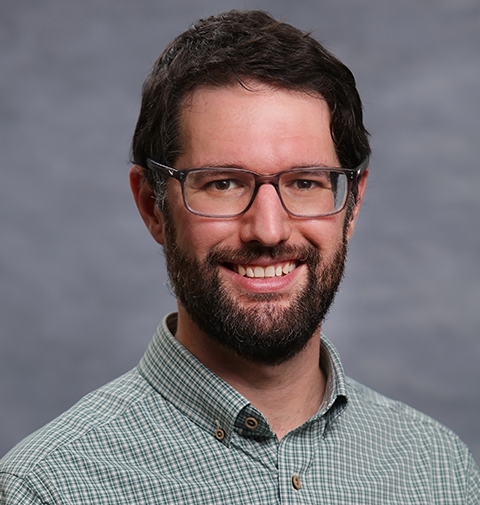
Yassir AbdelRazig serves as a Professor in the Department of Civil & Environmental Engineering at Florida State University's College of Engineering. His work bridges construction management, infrastructure resilience, and sustainable systems design, with significant contributions to transportation engineering and smart infrastructure technologies. His academic foundation includes: Ph.D. in Civil Engineering from Purdue University (1999) M.S. in Civil Engineering from Bradley University (1995) B.S. in Architectural Engineering from the University of Khartoum (1992) Professor AbdelRazig's research centers on Construction Engineering & Management, Resilient Infrastructure systems, Sustainable & Green Buildings, and Smart Engineering Systems. He pioneers quantitative frameworks for infrastructure resilience—particularly in transportation networks—using advanced simulation, building information modeling (BIM), and data analytics. His work addresses critical gaps in vulnerable population mobility, hurricane-resistant design, and sustainable construction practices, emphasizing real-world implementation through computer vision and AI-driven optimization. Analysis of his 2022-2024 publications reveals dominant trends in transportation resilience metrics, with 60% focusing on vulnerable communities and infrastructure robustness. Key methodologies include metaheuristic optimization, GIS-based spatial analysis, and multi-objective decision frameworks applied to sustainable site selection and disaster mitigation. His work consistently integrates civil engineering fundamentals with computational innovation across transportation, structural, and environmental domains. While no specific awards are documented in the source material, his prolific publication record in high-impact journals demonstrates recognition within the civil engineering community. Details regarding student advising, grant funding, and laboratory facilities are not provided in the available text. Similarly, information about research teams or collaborative initiatives remains unspecified, though his interdisciplinary publication themes suggest cross-departmental engagement.