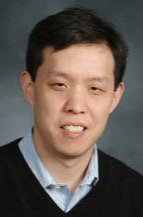
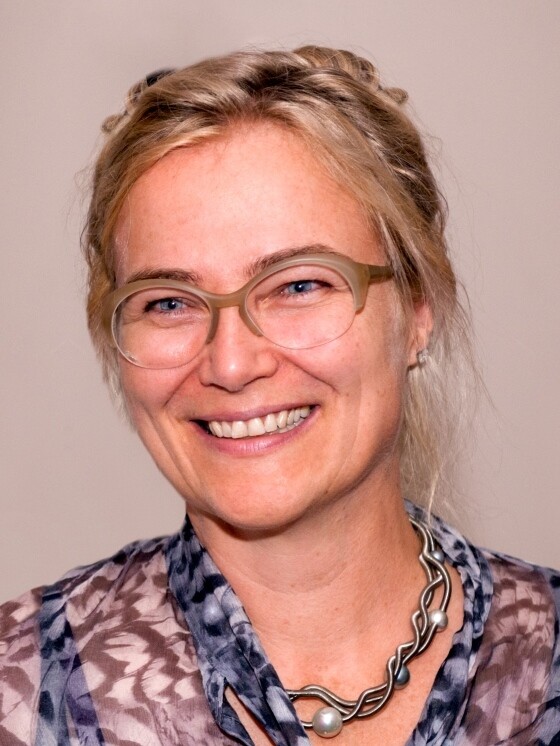
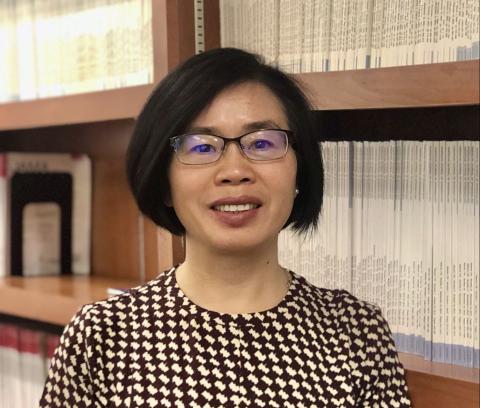
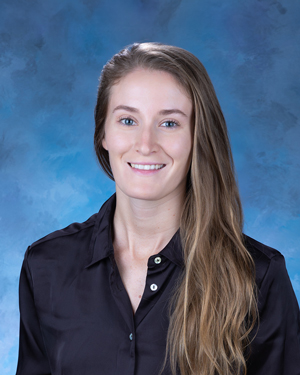
Kyu Y. Rhee is a Professor of Medicine and Professor of Microbiology and Immunology at Weill Cornell Medical College . His research focuses on Mycobacterium tuberculosis , with emphasis on metabolic pathways , antibiotic resistance mechanisms , and drug development . Research highlights include: Multi-omic approaches to TB drug discovery Mechanistic studies of antibiotic action Deciphering TB transmission genetics Metabolomics-driven target identification Current funding includes: Bill & Melinda Gates Foundation : AI/ML-assisted bacterial permeability platform National Institute of Allergy & Infectious Diseases : UM1 TB drug regimen design consortium National Heart, Lung, & Blood Institute : Studies on M. tuberculosis PE/PPE proteins and fructose-induced cancer He has authored over 50 publications on TB metabolomics, drug development, and pathogen persistence. His work bridges systems biology , chemical biology , and clinical research to address antimicrobial resistance.
Hartmut Michel is a Scientific Member and Director at the Max Planck Institute of Biophysics in Frankfurt, Germany, where he leads the Department of Molecular Membrane Biology. He has held this position since 1987 and has also served as an Adjunct Professor at the University of Frankfurt since 1989. Michel received his PhD in Biochemistry from the University of Wuerzburg in 1977 and completed postdoctoral work there before joining the Max Planck Institute of Biochemistry as a research associate. Michel's research focuses on membrane proteins, particularly in the areas of structural biology, biochemistry, photosynthesis, and respiratory complexes. His work has centered on understanding the structure and function of membrane proteins, especially cytochrome c oxidase and photosynthetic reaction centers. He pioneered techniques for membrane protein crystallization and has made significant contributions to understanding electron transfer processes and proton pumping mechanisms in respiratory enzymes. His publication record spans over four decades, with recent work focusing on cryo-EM structural analysis of membrane proteins including cytochrome bd oxidases, ABC transporters, and photosynthetic complexes. The research demonstrates a consistent trajectory from fundamental structural studies toward understanding functional mechanisms and applications in areas like antibiotic development and bioenergetics. Scientific Awards 1986 Leibniz Prize of the German Research Foundation 1988 Otto Bayer Prize (with Johann Deisenhofer) 1988 Nobel Prize in Chemistry (with Johann Deisenhofer and Robert Huber) 2008 Keilin Medal of the British Biochemical Society Honorary doctorates from the Universities of Wuerzburg and Bologna Michel has maintained an active research program with numerous collaborations across Europe and internationally. His laboratory has developed innovative approaches for membrane protein expression, purification, and structural characterization. The team has made significant contributions to understanding the structure-function relationships in respiratory chain components and photosynthetic apparatus. His department at the Max Planck Institute serves as a leading center for membrane protein research, with specialized facilities for protein crystallization, cryo-electron microscopy, and functional characterization of membrane proteins. The research has implications for understanding fundamental biological energy conversion processes and developing new therapeutic approaches targeting membrane proteins.
Rada Savic is a Professor in the Department of Bioengineering and Therapeutic Sciences at the University of California San Francisco (UCSF), with a focus on computational pharmacology and precision medicine. She serves as Codirector of the Pharmaceutical Sciences and Pharmacogenomics Graduate Program (PSPG) and is affiliated with the Quantitative Biosciences Institute (QBI). PhD, Pharmacometrics, Uppsala University (2008) MS, Biomedical Sciences, Uppsala University (2004) BSc, Pharmacy, University of Belgrade (2003) Her research integrates computational methods to study drug-disease interactions across molecular to whole-body scales, particularly in tuberculosis, HIV, malaria, and pediatric pharmacology. Key areas include pharmacometrics, systems pharmacology, precision dosing, and translational modeling. Recent work examines drug penetration in tuberculosis lesions, regimen optimization for drug-resistant infections, and pregnancy-related pharmacodynamic models for malaria. She has published extensively in journals like Nature Communications , Clinical Infectious Diseases , and Antimicrobial Agents and Chemotherapy . Leon I. Goldberg Early Investigator Award (2021) UCSF KL2 Career Award (2013) PhRMA Foundation Research Grant (2013) She leads NIH-funded tuberculosis consortia and contributes to global health initiatives through malaria and HIV pharmacology studies. Her collaborations span institutions including University of Belgrade, Uppsala University, and CDC Tuberculosis Trials Consortium.
Salmaan A. Keshavjee, MD, PhD, ScM, serves as Professor of Global Health and Social Medicine at Harvard Medical School and Director of the Center for Global Health Delivery. He concurrently holds appointments as Associate Professor of Medicine at Brigham and Women's Hospital and Faculty Dean of Adams House at Harvard University. His leadership targets critical global health delivery challenges in regions including the Middle East, North Africa, and sub-Saharan Africa through research, training, and policy engagement. Dr. Keshavjee's interdisciplinary foundation combines medical (MD), anthropological (PhD), and public health (ScM) training. This unique background informs his approach to health systems analysis and policy implementation across diverse cultural contexts. As a leading expert in drug-resistant tuberculosis treatment and the anthropology of health policy, his research examines the intersection of infectious disease control, social determinants of health, and structural barriers to care. Additional interests include mental health integration in TB programs, health economics, and digital health applications for disease screening. His fieldwork spans 16 years in Russia, Lesotho, and Pakistan, with extensive collaboration through Partners In Health. Analysis of his recent publications reveals consistent focus on tuberculosis prevention and treatment optimization, with growing attention to mental health comorbidities and artificial intelligence applications. His work addresses diverse populations including prisoners and household contacts across multiple continents, emphasizing regimen feasibility, health system barriers, and economic consequences of inadequate TB control. Key initiatives include the Zero TB Cities project aiming for tuberculosis elimination. Dr. Keshavjee has held influential policy roles including chair of the WHO/Stop TB Partnership’s Green Light Committee for MDR-TB Treatment (2007-2010) and co-authorship of U.S. Institute of Medicine policy papers, though no formal scientific awards are specified in source materials. Through the Center for Global Health Delivery, he mentors fellows in programs such as the Paul Farmer Global Surgery Research Fellowship and Global Mental Health Delivery Fellowship. These initiatives support implementation research in resource-limited settings through structured training and field placements. The Center operates six core programs—Infectious Disease, Mental Health, Noncommunicable Disease, Primary Care, Public Policy, and Surgery—developing evidence-based interventions through partnerships with institutions worldwide. Current priorities include scaling depression screening in TB care, optimizing preventive therapy regimens, and strengthening health systems in the Middle East and North Africa.
Bouke de Jong is a Professor and Unit Head of Mycobacteriology at the Institute of Tropical Medicine in Antwerp, Belgium. She holds a PhD and MD in Medicine, alongside an MSc in Epidemiology from the Netherlands Institute for Health Sciences and the University of Amsterdam. Her research focuses on molecular epidemiology of Mycobacterium species, including tuberculosis (TB), Buruli Ulcer, and leprosy, emphasizing improved diagnostics, treatment optimization, and evaluating public health interventions to curb transmission. Supported by an ERC Starting Grant, she leads a team studying the impact of interventions on disease spread in endemic regions. Education and Academic Qualifications: PhD in Medicine, University of Amsterdam MD in Medicine MSc in Epidemiology, Netherlands Institute for Health Sciences Research Interests: Improved molecular diagnostics for TB, Buruli Ulcer, and leprosy Phylogeography and phylodynamics of Mycobacterium species Optimized treatment regimens for drug-resistant strains Public health strategies to reduce transmission Grant and Project Activity: Dr. de Jong oversees 82 active projects, including ERC-funded research on drug-resistant TB lineages and USAID-supported Tuberculosis Implementation Framework Agreements (TIFA DRC). Notable collaborations involve studies in The Gambia, Rwanda, Niger, the Comoros, and Cuba, addressing TB epidemiology, drug resistance, and clinical intervention efficacy. Scientific Contributions: Her work has advanced understanding of M. africanum, transmission dynamics of M. leprae, and the development of rapid diagnostic methods like ethanol-based RNA preservation and tongue swab culturing. She advocates for global health security funding and participates in clinical trials optimizing treatments for multidrug-resistant infections.
Hua He is a Professor in the Department of Biostatistics and Data Science at Tulane University's School of Public Health and Tropical Medicine, specializing in advanced statistical methodologies for public health research. Her work bridges theoretical biostatistics with practical applications in infectious disease diagnostics and causal inference frameworks. Her academic credentials include: PhD in Statistics, University of Rochester MA in Statistics, University of Rochester BS in Mathematics, Southwest Normal University, China Dr. He's research focuses on mixture population modeling, causal inference, longitudinal data analysis, and ROC analysis, with significant applications in tuberculosis diagnostics and molecular epidemiology. She develops novel statistical approaches for social media data analysis, drinking outcome modeling, and zero-modified datasets, emphasizing methodological rigor in public health contexts. Her textbook Applied Categorical and Count Data Analysis and edited volume Statistical Causal Inferences and Their Applications in Public Health Research establish her as a leading methodological authority. Recent publications (2023-2025) demonstrate a concentrated focus on CRISPR-based diagnostic technologies and next-generation sequencing for tuberculosis detection, with strong emphasis on point-of-care applications, diagnostic accuracy validation, and low-resource setting adaptations. These works integrate biostatistical innovation with molecular diagnostics to address critical gaps in infectious disease control. Her scientific recognition includes: Teaching Excellent Award (2020) Dr. He directs the Methodology/Biostatistics Unit at Tulane University Translational Science Institute (TUTSI) and serves as Principal Investigator for an NIH R01 grant Moving beyond description: statistical and causal inference for social media data , alongside multiple pilot studies and foundation-funded projects. She has contributed biostatistical expertise to dozens of NIH-funded investigations, particularly in tuberculosis and infectious disease research. As Co-director of TUTSI's Clinical Research Core and Statistical Deputy Editor for the American Journal of Public Health , she leads institutional research infrastructure while advancing methodological standards in public health science.
Dana Holger is an Assistant Professor at the Barry and Judy Silverman College of Pharmacy, Nova Southeastern University, Fort Lauderdale/Davie, since 2022. She holds a Pharm.D. and MPH, and is a licensed Consultant Pharmacist in Florida. Education : Pharm.D. (Nova Southeastern University), Master in Public Health (Wayne State University) Research Focus : Multidrug-resistant bacterial infections, phage-antibiotic synergy, health outcomes, biofilm modeling, and antimicrobial stewardship. Her key research areas include: Pharmacokinetic/pharmacodynamic modeling of antimicrobials Quantification of outer membrane vesicle production Evaluation of novel therapeutic strategies against drug-resistant pathogens Use of electronic health records and REDCap for clinical data Recent publications (2024-2022) span Antimicrobial Agents and Chemotherapy , PLoS One , and Infectious Disease Therapy , focusing on phage-antibiotic combinations, drug-resistant tuberculosis, and clinical outcomes in multidrug-resistant infections. She serves as Program Director for the Infectious Diseases Health Outcomes Research Fellowship at her college.
Soumya Ramu is a researcher affiliated with the University of Queensland's Frazer Institute, focusing on antimicrobial drug discovery and antibiotic development. Her work spans antibacterial, antifungal, and antiparasitic compounds with an emphasis on overcoming antibiotic resistance mechanisms. Research Interests: Ms. Ramu's research includes developing novel antibiotics against drug-resistant bacteria, evaluating existing drugs for repurposing (e.g., cannabidiol), and studying chemical agents targeting biofilm-associated infections. She explores metal-ion complexation effects on antibiotic activity and investigates mechanisms of bacterial resistance. Collaborations: Her work involves interdisciplinary teams across medicinal chemistry, microbiology, and pharmacology, collaborating with institutions like the Translational Research Institute and global researchers in antibiotic development. Publications: Ramu's 24+ journal articles and conference papers (2012-2022) highlight contributions to antibiotic design, resistance mechanisms, and drug-activity optimization. Key topics include lipoglycopeptides for biofilm infections, platinum-based antibacterial complexes, and minor groove binder therapeutics.
Dr. Thomas Manning is a Professor at Valdosta State University teaching Instrumental Analysis, Environmental Chemistry, Physical Chemistry, and marine-related courses. His research bridges pharmaceutical innovation and marine ecosystem restoration, with significant contributions to drug development for cancer, infectious diseases, and neurological disorders. Education: B.S. in Chemistry, College of Charleston M.S. in Chemistry, University of Florida Ph.D. in Chemistry, University of Florida His primary research focuses on metal-based drug complexes, yielding 20 pre-clinical candidates at the National Cancer Institute, a patented multidrug-resistant tuberculosis treatment, and novel COVID-19 therapies. Concurrently, he leads oyster and coral restoration projects applying chemical defense systems and nutrient substrates to marine rehabilitation. His work integrates medicinal chemistry with environmental science to address therapeutic and ecological challenges. Recent publications (2025-2016) reveal consistent themes: copper/iron complexes enhancing drug efficacy against cancer and infections (e.g., paclitaxel-copper crystals, isoniazid repurposing), inhalation therapies for tuberculosis/COVID-19, and microbial-nutrient systems for marine restoration. These span pharmaceutical chemistry, virology, and marine ecology, demonstrating translational applications from antiviral agents to coral reef rehabilitation. Dr. Manning mentors undergraduate researchers in his lab, producing patented drugs and pre-clinical candidates through National Cancer Institute collaborations. His marine restoration projects involve field implementation of microbial coatings and mineral substrates for oyster/coral rehabilitation, supported by university resources and interdisciplinary partnerships. Based in Bailey Science Building #3076, his research group leverages university facilities for drug synthesis and marine ecosystem studies, maintaining active projects in pharmaceutical development and coastal habitat restoration through undergraduate-driven innovation.
Mercedes Becerra is the Jeffrey Cheah Professor of Global Health and Social Medicine at Harvard Medical School and Faculty Dean of Adams House at Harvard College. Her work focuses on improving treatment strategies for drug-resistant tuberculosis (TB), with a particular emphasis on pediatric cases and household transmission dynamics. She holds a Sc.D. in Epidemiology from the Harvard School of Public Health and has conducted research globally through collaborations with organizations like Partners In Health and IRD Global. Education: AB in History, Harvard College (1991) MSc in Population and International Health, Harvard School of Public Health (1993) Sc.D. in Epidemiology, Harvard School of Public Health (1999) Her research explores TB transmission patterns, treatment efficacy for multidrug-resistant (MDR-TB) and extensively drug-resistant (XDR-TB) cases, and interventions to reduce TB rates in high-risk communities. Co-founder of the Sentinel Project on Pediatric Drug-Resistant Tuberculosis and the Zero TB Initiative, she advocates for global health equity and access to effective treatments. Key contributions include studies on household TB transmission, pediatric MDR-TB outcomes, and the impact of aggressive treatment regimens on recurrence rates. Her work emphasizes programmatic approaches in resource-limited settings and addresses systemic barriers to care.
Michael P. Veve, PharmD, MPH is a Clinical Associate Professor in the Department of Pharmacy Practice at Wayne State University's Eugene Applebaum College of Pharmacy and Health Sciences. He simultaneously serves as a Clinical Pharmacy Specialist in Infectious Diseases at Henry Ford Hospital in Detroit, where he is actively involved in antimicrobial stewardship patient care. Dr. Veve also directs the outcomes pharmacotherapy fellowship, a two-year program jointly funded through the Eugene Applebaum College of Pharmacy and Health Sciences and Henry Ford Hospital. Dr. Veve's primary research interests focus on the implementation and assessment of novel antimicrobial stewardship interventions, epidemiology and outcomes of multi-drug resistant pathogens, antimicrobial optimization in specialized patient populations, and prevention and treatment optimization of infections due to injection-drug use. His work spans both clinical practice and academic research, with particular emphasis on improving antibiotic use in various healthcare settings including ambulatory care, emergency departments, and specialized patient populations. His recent publications demonstrate a strong focus on antimicrobial stewardship across multiple dimensions - from evaluating diagnostic approaches for candidemia to optimizing antibiotic selection for specific pathogens like AmpC-producing Enterobacterales and New Delhi metallo-β-lactamase-producing Escherichia coli. His work frequently addresses practical clinical questions that directly impact patient care and antibiotic use patterns. Preceptor of the Year, 2023-2024; College of Pharmacy and Health Sciences, Wayne State University Professor of the Year, 2018-2019, University of Tennessee Health Science Center College of Pharmacy Dr. Veve has been actively involved in mentoring pharmacy students through his teaching of PHA5215 - Principles of Pharmacotherapy IV: Infectious Diseases. His professional memberships include the Michigan Pharmacists Association, American Association of Colleges of Pharmacy, Making a Difference in Infectious Diseases (MAD-ID) Research Network, and Society of Infectious Diseases Pharmacists.
John Metcalfe is a Professor In Residence in the Department of Pulmonology at Zuckerberg San Francisco General Hospital (ZSFG), part of the University of California, San Francisco (UCSF) School of Medicine. His email contact is john.metcalfe@ucsf.edu. Dr. Metcalfe has a particular interest in the clinical management of multidrug resistant tuberculosis (MDR-TB) in high HIV burden settings in Southern Africa. His research includes the development of non-invasive pharmacokinetic measures to enhance MDR-TB drug development and clinical trials. He is a member of the AIDS Clinical Trials Group TB Transformative Science Group and has specialized training in epidemiology, statistical prediction, and diagnostic test evaluation. Dr. Metcalfe serves as a specialty editor for respiratory diseases at PLoS Medicine. His research focuses on several critical areas within tuberculosis: Drug-resistant tuberculosis diagnostics and treatment HIV-TB co-infection management Pharmacokinetic monitoring using novel methods like hair sampling Genomic analysis of drug resistance mutations Development of improved diagnostic tools for tuberculosis Analysis of Dr. Metcalfe's recent publications reveals a strong emphasis on genomic approaches to understanding and detecting drug resistance in tuberculosis. His work frequently employs next-generation sequencing technologies and novel molecular diagnostic approaches. There's a clear focus on practical applications in resource-limited settings, particularly in Southern Africa where HIV-TB co-infection is prevalent. His research increasingly incorporates innovative methods like hair sampling for therapeutic drug monitoring and the development of more accessible diagnostic tools. Dr. Metcalfe has contributed significantly to several important areas of tuberculosis research: Development of LC-MS/MS panels for quantifying drug-resistant TB medications in small hair samples Investigation of bedaquiline resistance mechanisms and detection methods Studies on the prevalence and management of drug-resistant TB in Zimbabwe and South Africa Research on chronic lung disease following tuberculosis treatment Validation of novel diagnostic approaches for tuberculosis Dr. Metcalfe's work has involved collaboration with numerous research groups across Africa and the United States. His research has been supported by various grants focused on tuberculosis diagnostics, treatment, and epidemiology. He has contributed to important policy discussions regarding tuberculosis management in high HIV burden settings and has been involved in clinical trials evaluating new approaches to drug-resistant TB treatment. His laboratory and research team focus on translational tuberculosis research, bridging the gap between basic science discoveries and clinical applications. The team employs a range of techniques from molecular biology to epidemiology to address critical challenges in tuberculosis control, particularly in settings with limited resources.
Helen I. Zgurskaya is a George Lynn Cross Research Professor at the University of Oklahoma , Department of Chemistry and Biochemistry. Her research focuses on bacterial cell membrane biochemistry, antibiotic resistance mechanisms, and drug permeation across membranes. She leads a lab investigating multidrug efflux pumps, synergistic resistance mechanisms, and transporters in Gram-positive bacteria like Mycobacterium tuberculosis. Education: B.S., 1989, Dnepropetrovsk State University, Ukraine Ph.D., 1992, Russian Academy of Sciences, Russia Postdoc, 1995-1996, Stanford University School of Medicine Postdoc, 1996-1999, University of California, Berkeley Research Interests: Her lab explores three core areas: 1. Multidrug efflux inhibition to combat antibiotic resistance. 2. Synergistic resistance mechanisms involving outer membrane permeability and efflux pumps. 3. Efflux transporters in Gram-positive bacteria , including Mycobacterium tuberculosis’s MmpL3 protein. She is a key member of the Center for Antibiotic Discovery and Resistance (CADR) , a multi-institutional collaboration advancing antibiotic discovery. Awards: 2019: George Lynn Cross Research Professorship (University of Oklahoma) Labs & Teams: Her lab collaborates with CADR to develop novel antibacterial therapies and inhibitors targeting efflux pumps. Research tools include proteoliposome reconstitution, biochemical assays, and computational modeling.
Suerie Moon is a Professor of Practice at The Graduate Institute of International and Development Studies, specializing in global health governance, pandemics, and international relations. She co-directs the Global Health Centre and has held roles such as Secretary of the Board of Directors of the Drugs for Neglected Diseases initiative and member of WHO advisory groups. Her research focuses on equitable innovation systems, outbreak preparedness, and fair pricing of medicines. Education: BA in History (Yale University), MPA in International Relations (Princeton University), PhD in Public Policy (Harvard Kennedy School). Research Interests: Global health diplomacy, governance gaps in health equity, pathogen sharing, and pharmaceutical R&D models. She leads projects like the Knowledge Network on Innovation and Access to Medicines and has published widely on global health policy and ethics. Recent Articles Highlight Trends in: Pandemic governance reforms, fair pricing frameworks, non-commercial R&D efficiency, and equitable access to countermeasures. Her work bridges academic rigor with policy impact, emphasizing systemic reforms in global health. PRIMA Grant Recipient (Swiss National Science Foundation) Principal Investigator on multiple research projects Advising & Grants: Advises doctoral students at Harvard and leads grant-funded research (e.g., Swiss National Science Foundation grants). Her work includes analyses of outbreak financing, vaccine equity, and global health system resilience. Labs/Teams: Directs the Global Health Centre’s Knowledge Network on Innovation and collaborates with global institutions on pandemic preparedness initiatives.
Elisa López Varela is a certified pediatrician and researcher at the Barcelona Institute for Global Health (ISGlobal) , with significant contributions to pediatric HIV and TB research across Mozambique and South Africa. She holds a PhD from the University of Barcelona and a Master’s in Public Health from Harvard University , and has led research projects combining clinical care and global health strategies. Research Interests: Biomarker-based diagnostics for pediatric respiratory infections Optimization of pediatric TB treatment and pharmacokinetic studies Operational research to improve HIV care cascades in Mozambique Development of novel diagnostic strategies in high HIV burden settings Publication Trends: Her recent work focuses on TB treatment outcomes in children, diagnostic innovations for HIV-TB co-infections, and operational challenges in rural Mozambique. Studies span epidemiology, clinical research, and molecular diagnostics, emphasizing resource-limited settings. Scientific Awards: 2020: RESPIRE4 Marie Sklodowska-Curie Fellowship for pediatric respiratory infection management Professional Contributions: She conducted postdoctoral research at the Desmond Tutu TB Center (2018–2020) and currently serves as Global Medical Affairs Director at ViiV Healthcare , leading initiatives to improve pediatric TB and HIV care through clinical and operational research.