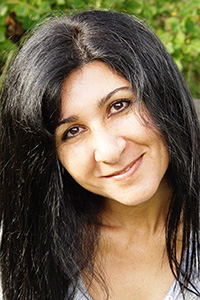
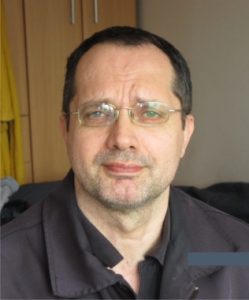
Nasrine Olson is a researcher at the Department of Library and Information Science, University of Borås. She serves as Director of INCLUDE - Center for Inclusion Research and coordinates the Horizon Europe MuseIT project, focusing on inclusive digital heritage technologies. Her work bridges accessibility research, human-centered design, and cultural heritage preservation.
Maria Johansson is a Professor at the Department of Architecture and Built Environment (ABM) within the Lund University Faculty of Engineering (LTH) . As a member of the LU Profile Area 'Nature-based Future Solutions' and LTH Profile Area 'Photon Science and Technology', her work bridges environmental psychology with sustainable urban development. Lund University, Faculty of Engineering (LTH) Department of Architecture and Built Environment Advisor for PhD students across multiple universities Research Focus on human-environment transactions, emphasizing sustainable development through: Active transportation (walking/cycling) and urban design Public perception of biodiversity and large carnivores Healthcare environment design for mental health support Climate crisis communication through private conversations Wind farm perception studies Energy-efficient outdoor lighting impact analysis Recent Articles highlight multidisciplinary approaches to: Wildlife disease surveillance motivation Psychological restoration in natural settings ForestPath project on multifunctional forests Climate-induced health threat mitigation Urban lighting standards (VSC targets) Scientific Leadership includes: Project management for IAPS 24 conference Supervision of 7 PhD students Collaborations with 24+ institutions 34 active/recent research projects
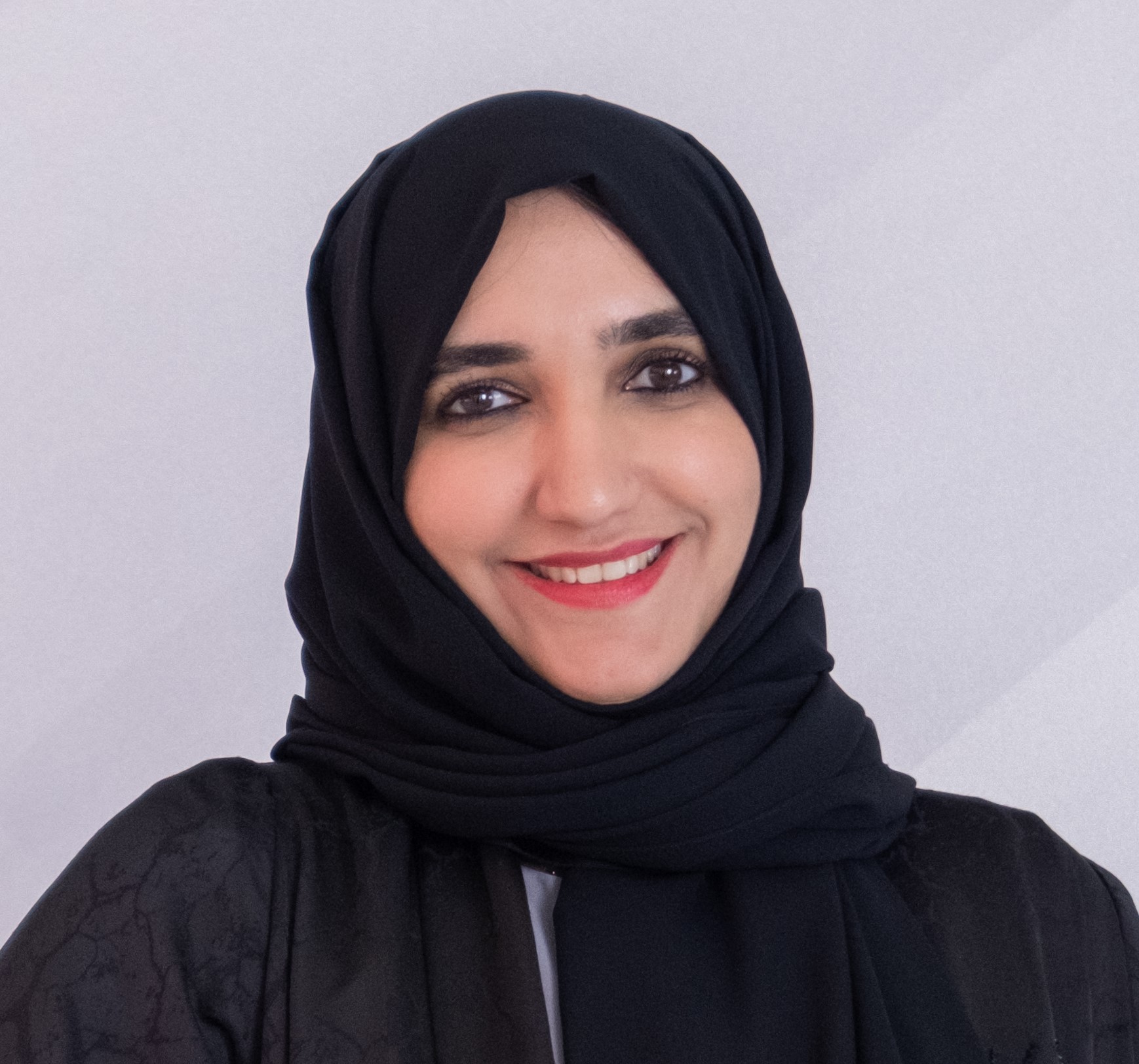
Dr. Aamna AlShehhi serves as an Assistant Professor in the Department of Biomedical Engineering and Biotechnology at Khalifa University, where she has pioneered AI-driven healthcare solutions since joining in 2020. Her interdisciplinary expertise bridges electrical engineering, computer science, and clinical medicine through innovative research collaborations with MIT, Imperial College London, and Novartis. Her educational foundation includes: Bachelor's in Software Engineering, United Arab Emirates University (2009) Master's in Computing and Information Science, Masdar Institute (MIT collaboration) (2013) PhD in Interdisciplinary Engineering, Masdar Institute (MIT collaboration) (2017) Dr. AlShehhi's research centers on artificial intelligence for healthcare transformation , with emphasis on neurodegenerative disease prediction, rare disease diagnostics, and wearable-based gait analysis. She develops constrained deep learning models for Alzheimer's biomarker discovery, self-supervised frameworks for emotion recognition using smartphone data, and physics-informed neural networks for biomechanical analysis. Her work integrates multimodal data including fMRI, genomic sequences, and real-world behavioral metrics to address critical gaps in dementia screening, cancer detection, and mental health monitoring. Analysis of her 2023-2025 publications reveals three dominant trends: (1) Explainable AI architectures for clinical decision support, particularly constrained graph neural networks analyzing comorbidity networks in Alzheimer's; (2) Multimodal sensor fusion systems combining wearables, keystroke dynamics, and fMRI for neurological assessment; (3) Self-supervised learning approaches enabling robust performance with limited medical data. Her work consistently targets real-world clinical deployment through portable systems like smart gait analyzers and remote depression screening tools. Dr. AlShehhi actively mentors the next generation of biomedical engineers: Ferial J. Abuhantash (Ph.D. candidate) Khalid Ahmed Abdulla (Master's student) Her research is supported through strategic partnerships with Novartis Institute for Biomedical Research and collaborative grants enabling AI-driven drug repurposing for dementia and genomic cancer detection. She leads projects analyzing skin lesions for melanoma screening and developing deep learning models for early-stage cancer detection using genomic data. As a core member of Khalifa University's Healthcare Engineering Innovation Group , she directs a multidisciplinary team including Postdoctoral Fellow Dr. Sherlyn Jemimah and Research Assistant Chahd Maher Musthafa Chabib. Current initiatives focus on creating deployable AI systems for clinical settings, with ongoing work on portable gait assessment tools for rehabilitation centers and real-time emotion recognition platforms for mental health monitoring.
Diego AROSIO is an Associate Professor at the Department of Chemical and Geological Sciences, University of Modena and Reggio Emilia. His academic focus is in Applied Geophysics (GEOS-04/B), where he conducts research and teaches courses related to geophysical investigations, seismic monitoring, and environmental applications of geophysical methods. Dr. AROSIO teaches several advanced courses including: In situ Geognostic and Geophysical Investigations for the Master's Degree in Geosciences, Georisks and Georesources Seismic Sources and Microzonation for the Master's Degree in Geosciences, Georisks and Georesources Geophysics with elements of seismology for the Degree Course in Geological Sciences His teaching emphasizes practical applications of geophysical methods for environmental monitoring, landslide risk assessment, and cultural heritage preservation. His research interests span multiple areas of applied geophysics: Geophysical monitoring of landfills and waste containment systems Ground Penetrating Radar applications for structural assessment and cultural heritage conservation Seismic and microseismic monitoring of unstable rock slopes and landslides Development and validation of novel geophysical instrumentation and methodologies Application of optical fiber sensors for geohazard monitoring Dr. AROSIO's work demonstrates a strong focus on developing practical, field-deployable geophysical solutions for environmental and engineering challenges. His recent research output shows consistent trends toward developing and validating geophysical methods for environmental monitoring applications, particularly in landfill integrity assessment, landslide monitoring, and cultural heritage preservation. He frequently employs mixed-method approaches combining laboratory testing, field validation, and numerical modeling to advance geophysical techniques. Dr. AROSIO collaborates extensively with researchers across multiple institutions and disciplines, as evidenced by his publication record which includes collaborations with experts in hydrogeology, structural engineering, and environmental science. His laboratory and field research focuses on: Development of monitoring protocols for landfill integrity using geoelectrical methods Application of Ground Penetrating Radar for quality control in marble conservation Microseismic monitoring networks for rock slope stability assessment Optical fiber sensor applications for early detection of landslide precursors These research activities position Dr. AROSIO at the intersection of geophysics, environmental engineering, and geohazard mitigation.
Katie Berns is a Postdoctoral Researcher at Aalto University's Department of Design within the School of Arts, Design and Architecture. She contributes to the NODUS Research Group with primary focus on human-computer interaction and sustainable technology solutions. Current affiliation: Aalto University Academic position: Researcher Research group: NODUS Contact: katie.berns@aalto.fi Research Focus: Berns bridges technology innovation with environmental sustainability through three key areas: AI and data science applications for climate policy Design of configurable technologies for community initiatives Human-computer interaction in domestic sustainability contexts Her recent publications demonstrate collaboration across multidisciplinary teams investigating climate policy dashboards, utopian design frameworks, and activist food-sharing technologies. While no formal awards are documented, her work emphasizes societal impact and participatory design approaches.
Shaya Vosough is an Assistant Professor at Aalto University, focusing on the Built Environment . Her research bridges transportation engineering and urban mobility, with a strong emphasis on micromobility systems , dynamic traffic management , and environmental impact analysis . Current research interests include: Micromobility Adoption - Analyzing e-scooter usage patterns and policy impacts Seamless Multimodal Transportation - Developing frameworks for integrated urban mobility Reinforcement Learning Applications - Optimizing dynamic traffic incentives Emission Analysis - Geospatial modeling of transportation-related emissions Social Routing Behavior - Understanding driver decision-making with navigation apps Publications from 2024-2025 demonstrate expertise in E-scooter safety , reinforcement learning for traffic systems , and sustainable transportation policy . Key trends show strong focus on Helsinki case studies , emerging mobility technologies , and data-driven urban planning . Prior affiliations include collaborative work with the Micromove research group and international multidisciplinary teams.
Fernando Diaz is an Associate Professor at Carnegie Mellon University's Language Technologies Institute within the School of Computer Science . His research spans Information Retrieval , Recommender Systems , and the Societal Impacts of Artificial Intelligence , with a focus on fairness, ethics, and evaluation metrics. Education : PhD in Computer Science from University of Massachusetts Amherst Research Interests include: Information Retrieval (web search, crisis informatics, search latency) Recommender Systems (multi-interest personalization, cultural content recommendation) AI Fairness (exposure fairness, data minimization, bias mitigation) Evaluation Methodology (metric robustness, contextual meta-evaluation) Human-AI Collaboration (mouse behavior analysis, preference-based evaluation) Retrieval-Augmented Generation (fair ranking, model synthesis) His recent work analyzes scaling laws , tip-of-the-tongue retrieval , and multisided fairness in AI systems. Diaz also explores the cultural implications of AI in music recommendation and content curation. Teaching : Leads courses on Search Engines and LTI Colloquium Advisees : Shaily Jagat Bhatt, Athiya Deviyani, Alfredo Gomez, Jessica Huynh, To Eun Kim
Jose Gabriel Martinez Gil is an Associate Professor at Linköping University, affiliated with the Department of Physics, Chemistry and Biology (IFM) and the Sensor and Actuator Systems (SAS) research unit. His work focuses on electroactive materials, particularly conducting polymers, for applications in soft robotics and multifunctional devices. Education: PhD in Electrochemistry from Universidad Politécnica de Cartagena (2015) Current Role: Research Fellow at Linköping University His research addresses the limitations of traditional rigid robotics by developing soft, lightweight actuators that mimic biological systems. These materials undergo reversible changes in volume, color, and porosity, enabling innovations like soft exoskeletons and glucose-powered artificial muscles , as highlighted in 2019 and 2022 news items. Recent publications emphasize double coiled yarn actuators , bioelectroactive surfaces , and 3D-printed textile actuators . These studies explore electro-chemo-mechanical processes and material optimization for soft robotics. Awards include recognition for his PhD dissertation as the best at Universidad Politécnica de Cartagena and the Antonio Aldaz award from the Spanish Royal Society of Chemistry. He is part of the Bionics and Transduction Science unit and the interdisciplinary Forum Scientium Graduate School , reflecting his multidisciplinary background in electronics, robotics, and electrochemistry.
Dr. Kimberly Chan is an Assistant Professor and FIRST scholar at UT Southwestern Medical Center, jointly affiliated with the Advanced Imaging Research Center and the Department of Biomedical Engineering. Her work bridges biomedical engineering and clinical neuroscience through the development of advanced magnetic resonance spectroscopy (MRS) techniques. Research Interests: Dr. Chan's research centers on the development and application of novel MRS methods to study brain chemistry in neurological and psychiatric disorders. Her work focuses on spectral editing, metabolite quantification (e.g., GABA, glutathione), motion correction, and multi-site reproducibility. She aims to improve diagnosis, disease monitoring, and treatment planning through non-invasive neurochemical profiling. Publication Trends: Her recent publications demonstrate a strong focus on methodological innovation in MRS, including Hadamard encoding (HERMES, HERCULES), multi-metabolite detection, motion correction, and standardization across scanners and sites. These techniques are applied to conditions such as Huntington’s disease, Lafora disease, spinal cord injury, and cancer, showing translational impact. Scientific Awards: First Scholar Advising and Grants: As principal investigator of the CHAN Lab (Chemical Advanced Neuroimaging Lab), she mentors graduate students and postdoctoral fellows. She is actively recruiting and likely holds independent research funding, supported by her FIRST scholar status. While specific grants and advisees are not listed, her leadership role indicates active research supervision and extramural funding. Labs and Teams: Dr. Chan leads the CHAN Lab, a multidisciplinary team of biomedical engineers and imaging scientists focused on advancing MRS for clinical applications. The lab collaborates widely, as evidenced by multi-center studies like Big GABA, involving over 25 research sites globally.
Xianrui Cheng serves as Assistant Professor in the Department of Biological Sciences at the University of Southern California's Dornsife College of Letters, Arts and Sciences, where he investigates cytoplasmic spatial organization and its implications for neurological diseases, developmental disorders, and cancer. His educational background includes: Ph.D. in Computational Biology and Bioinformatics from Duke University (2012) Postdoctoral training at Stanford University (2013-2020) under Professor James Ferrell Cheng's research centers on the self-organization of cytoplasmic structures using Xenopus laevis egg extracts to study de novo assembly of microtubule cytoskeleton and endoplasmic reticulum networks. His work bridges biophysics, cell biology, and systems biology to uncover fundamental design principles of living systems, with applications in synthetic biology and understanding disease mechanisms through the lens of spatial architecture. Analysis of his publications (2013-2022) reveals a progression from computational modeling of gene networks to experimental dissection of cytoplasmic self-organization. Key discoveries include enhanced protein diffusion in organized cytoplasm, trigger-wave propagation of apoptosis, and spontaneous emergence of cell-like structures in scrambled extracts. His interdisciplinary approach consistently integrates live imaging with mathematical modeling to explore emergent properties of biological systems. No scientific awards were mentioned in the provided text. The provided text does not specify student advising roles or research grant details. Cheng's laboratory employs a multidisciplinary methodology combining molecular biology, biochemistry, and engineering tools. His team utilizes Xenopus egg extracts for in vitro reconstitution of cytoplasmic organization while extending to in vivo models including C. elegans and sea urchin embryos. The lab focuses on four core questions regarding microtubule-ER organization, pattern length scales, cell cycle functions, and synthetic cell engineering through live imaging, quantitative image analysis, and mathematical modeling.
Luke Olsen is an Associate Professor (Teaching) at UCL's Bartlett School of Architecture with 20+ years of teaching experience, renowned for pioneering interdisciplinary design education that bridges architecture, engineering, and sustainability through integrated curricula and innovative pedagogy. His educational background: Master of Architecture, University College London (2005) Diploma, University College London (2001) Pre-Diploma, University College London (2000) Bachelor of Science, University College London (1997) Luke's research centers on integrated design methodologies for decarbonisation, exploring minimum energy systems, nuclear-renewable integration, super lightweight structures, and timber tension techniques. He advances omni-disciplinary approaches that merge architectural design with engineering to create regenerative built environments while investigating public space reclamation and sustainable construction innovations. His publication on transcending disciplinary boundaries in architectural education exemplifies a critical shift toward integrated curricula that dismantle silos between architecture and engineering, preparing students for complex sustainability challenges through collaborative teaching models and holistic design thinking. Luke's work has earned international recognition for transforming design education, particularly through his award-winning MEng Engineering and Architectural Design programme which achieved triple accreditation and set new global standards for interdisciplinary pedagogy. As founder of Engineering and Architecture Design, he has advised 240+ programme cohorts across UCL, AA, Greenwich and Nottingham, creating 'Archineers' who integrate disciplines to solve complex built environment challenges. His leadership spans design units, technology modules, and international short courses that foster cultural change in sustainability-focused education. He directs the globally pioneering MEng Engineering and Architectural Design programme—a triple-accredited collaboration across Architecture, Civil Engineering, and Building Services Engineering departments—producing graduates where two-thirds achieved first-class honours in 2024 through its revolutionary integrated teaching model.
Andy Smith is a Research Scientist at the Department of Computer Science within the College of Engineering at North Carolina State University. He is affiliated with the Intellimedia Group and focuses on enhancing learning environments through data-mining and artificial intelligence techniques. Education: Ph.D. in Computer Science (2020), North Carolina State University M.S. in Computer Science (2016), North Carolina State University B.S.E. in Electrical/Computer Engineering and B.S. in Computer Science (2005), Duke University His research spans game-based learning environments, military training scenario generation, and automated analysis of student drawings in digital science notebooks. He applies machine learning and behavioral modeling to personalize educational experiences and assess learning outcomes. Scientific Awards: President’s Volunteer Service Award – Gold Level (2013) NCSU College of Engineering Fellowship (2011) NCSU Graduate Dean’s Fellowship (2010) Smith previously worked at SPAWAR Systems Center in San Diego, developing sensor integration systems for underwater gliders. He is part of the Intellimedia Group, which designs intelligent educational technologies and adaptive learning frameworks.
Cynthia Ann Toth is the Joseph A.C. Wadsworth Distinguished Professor of Ophthalmology at Duke University, with additional appointments as Professor of Ophthalmology and Professor of Biomedical Engineering. Her extensive career has positioned her as a leading authority in vitreoretinal diseases and surgery, particularly in the development and application of optical coherence tomography (OCT) technologies for both adult and pediatric patients. She has made significant contributions to retinal imaging, with a special focus on retinopathy of prematurity and age-related macular degeneration. Joseph A.C. Wadsworth Distinguished Professor of Ophthalmology Professor of Biomedical Engineering Specialist in Vitreoretinal Diseases & Surgery Director of advanced imaging research programs Dr. Toth received her M.D. from Drexel University in 1983, followed by ophthalmology training at Geisinger Medical Center (1984-1987) and the University of California, Davis, School of Medicine (1989-1991). Her educational background provided the foundation for her pioneering work in retinal imaging technologies. Dr. Toth's research primarily focuses on advancing optical coherence tomography for clinical and surgical applications. Her work spans several critical areas including: development of handheld OCT devices for infant and pediatric imaging; intraoperative OCT for vitreoretinal surgery; OCT angiography for microvascular assessment; and application of OCT in retinopathy of prematurity and age-related macular degeneration. She has been instrumental in translating OCT technology from research settings to clinical practice, particularly for vulnerable patient populations like premature infants who require bedside imaging. Her publication record demonstrates a clear trajectory from foundational OCT technology development to sophisticated clinical applications. Recent work shows increasing integration of artificial intelligence, robotics, and novel optical clearing techniques with OCT systems. The research consistently bridges engineering innovation with immediate clinical needs, particularly in pediatric ophthalmology and retinal surgery. ARVO/Alcon Keynote (2022) Gertrude Pyron Award from American Society of Retina Specialists (2021) Scientific Achievement Award from Women in Ophthalmology (2019) Wacker Prize from Club Jules Gonin (2018) Paul Henkind Award and Lecture from Macula Society (2018) Rockefeller Foundation Academic Writing Residency (2017) As a mentor, Dr. Toth has guided numerous students and junior faculty in ophthalmic research, with particular emphasis on imaging technology development. Her research has been supported by significant grant funding from NIH and other organizations, enabling her team to develop innovative imaging approaches that have transformed clinical practice in retinal diseases. She has been particularly active in collaborative research efforts, often leading multi-center studies that establish standards for retinal imaging and diagnosis. Dr. Toth leads a multidisciplinary research team that includes ophthalmologists, biomedical engineers, computer scientists, and clinical researchers. Her laboratory focuses on developing next-generation imaging technologies that can be deployed at the bedside for infants and during surgery for precise guidance. The team has pioneered several handheld OCT systems specifically designed for pediatric use and has developed novel image processing techniques that extract maximum diagnostic information from OCT scans.
Sreten Mastilovic is a Research Professor at the Department of Materials Science, Institute for Multidisciplinary Research, University of Belgrade. He holds a PhD in Technical Sciences from Arizona State University (1997) and has spent over 25 years in academic and research institutions. Education: PhD (1997), MSc (1994), and BSc (1989) from University of Belgrade and Arizona State University His research focuses on Mechanics of Materials , particularly damage and fracture mechanics, micromechanics, constitutive modeling, and dynamic material behavior. He also works on Finite Element Analysis for structural and penetration mechanics, and Wind/Solar Energy Analysis for renewable energy projects. His recent publications highlight size effects in fracture mechanics, scaling behaviors in fragmentation, and computational modeling of material failure. He has led projects like SEEWIND (European Commission FP6) and SYNENERGY (Hellenic Aid), and contributed to national grants including OI 174010 (2011–2019) and TR 14067 (2008–2011).
Hilkka-Maija Fagerlund is a Lecturer at Aalto University's Department of Design within the School of Arts, Design and Architecture. Her expertise focuses on advanced woven fabrics and jacquard workshop methodologies. Email: hilkka-maija.fagerlund@aalto.fi Phone: +358443573129 Research Interests As a textile design specialist, her work emphasizes: Textile Innovation through jacquard weaving and pattern development Sustainable Design principles in fabric creation Material Experimentation with hybrid structures Collaborative Design between institutions like Tama Art University Digital-Physical Integration in textile workflows Climate-Responsive Textiles through Designs for a Cooler Planet Publication Trends (2019-2025) Her research output demonstrates consistent focus on jacquard innovation and sustainable material applications across multiple exhibitions and collaborative publications. Key themes include pattern development, digital weaving technologies, and climate-conscious design solutions. Scientific Awards 2024: Heimtextil University Contest Student Prize 2024: Näyttely24 Award 2019: Aalto ARTS Grant 2019: ITHIB Fabric Design Contest awards 2019: Dorothy Waxman Prize finalist 2019: Minna Canth 175 competition winner 2015: Dorothy Waxman Prize finalist (as advisor) 2016: Protoshop finalist (as advisor) Student Advising She has mentored multiple award-winning students including: Leonardo Hidalgo Uribe Mithila Mohan Hanna-Kaisa Korolainen Teija Vartiaisen