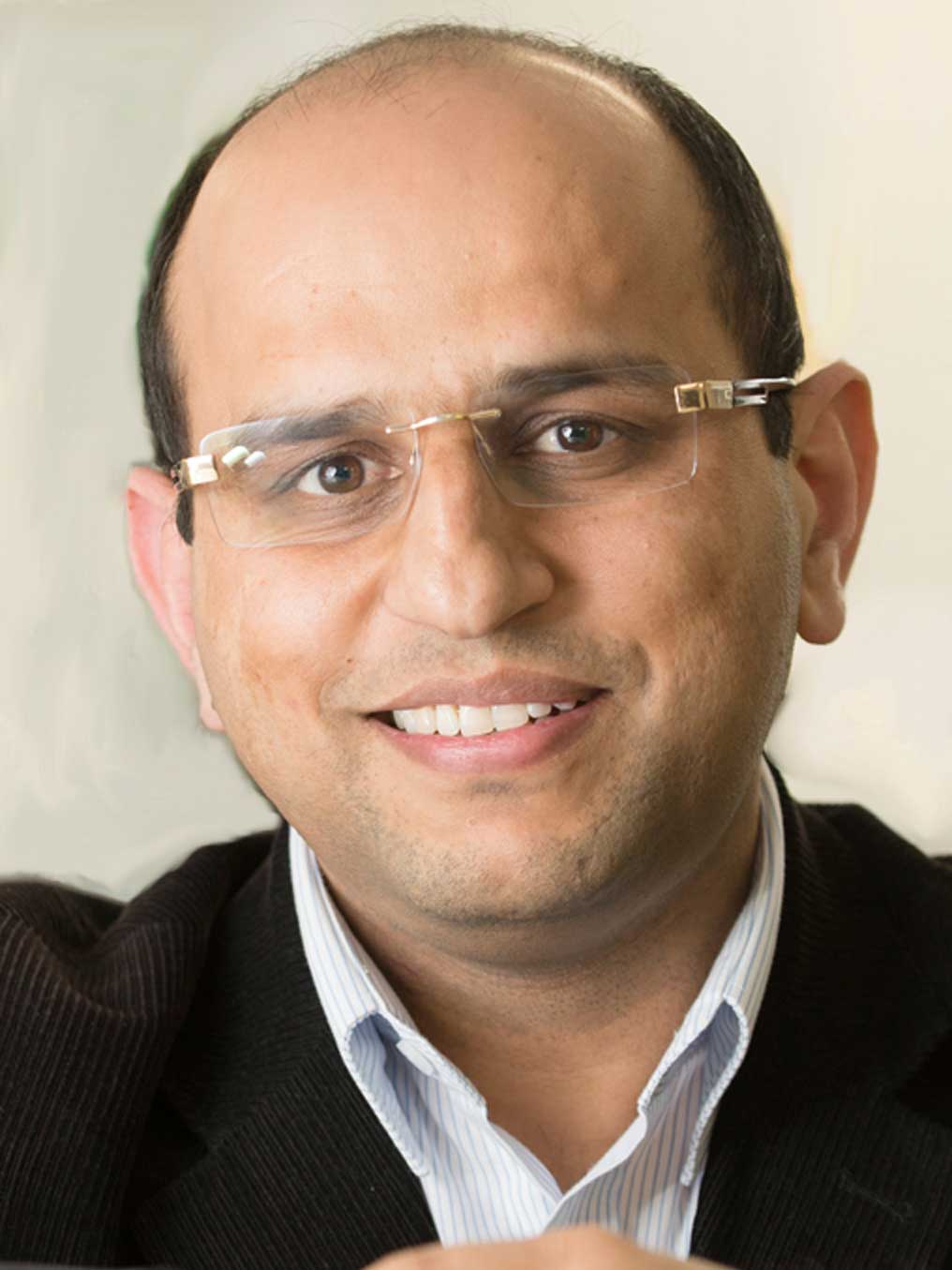
Avramidis Elias is a Professor at the University of Thessaly, specializing in Research Methodology and Qualitative Research Methods. His academic focus centers on inclusive education, addressing barriers to its implementation across primary, secondary, and tertiary settings. His research explores effective policies and pedagogies for students with learning difficulties, including emotional and behavioral challenges, and evaluates social impacts of inclusive programs. He also investigates support systems for disabled university students within lifelong learning frameworks and methodological advancements in educational research. His recent work emphasizes collective responsibility in education, teacher attitudes, and cross-national comparisons of inclusive practices. Notable contributions include studies on peer tutoring, teacher resilience during the pandemic, and interventions to enhance student social participation. Despite extensive research output, his profile does not mention formal awards or grants, though his work is widely published in reputable journals. Avramidis collaborates globally, evidenced by co-authored papers with researchers from Canada, Germany, Italy, and Switzerland. He teaches courses such as Statistics and Curriculum Applications in Special Education, reflecting his commitment to both research and pedagogy. His office is located at the Papastratos Complex (Building Rosa Imbrioti, 2nd floor, Room 7), and he holds regular office hours on Wednesdays and Thursdays.
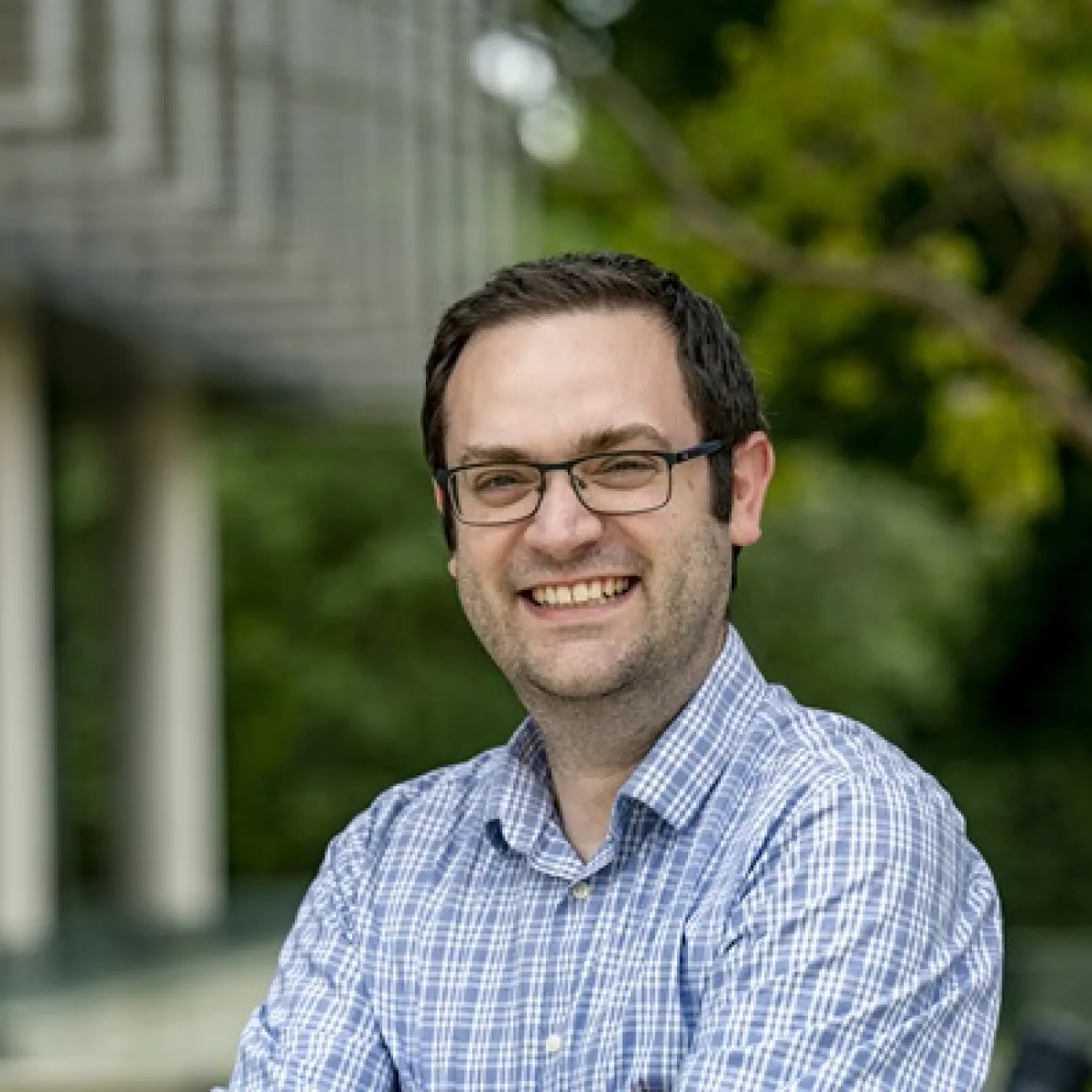
Theresa E. Gildner is an Assistant Professor of Biological Anthropology at Washington University in St. Louis. Her research focuses on biocultural health determinants, with a particular emphasis on how environmental and lifestyle factors influence disease outcomes. She investigates soil-transmitted helminths among the Shuar of Amazonian Ecuador and leads the Rural Embodiment and Child Health (REACH) Study examining child health in low-resource U.S. regions. She also contributed to the World Health Organization's SAGE study on aging and co-founded the CARE Study on pandemic impacts during pregnancy. Education: B.S., University of Notre Dame (2011); M.S. and Ph.D., University of Oregon (2013, 2018). Research interests include parasitic disease epidemiology, immune function, and the intersection of structural racism with health outcomes. She explores evolutionary mismatch theory and the design of culturally appropriate interventions. Current projects address intestinal inflammation, maternal-child health disparities, and the long-term effects of environmental exposures. Her work emphasizes ethical data-sharing practices and community engagement, particularly with Indigenous populations. Recent findings include associations between lead exposure and urban flooding, and the role of social support in mitigating postpartum mental health challenges during the pandemic. Affiliations include the American Association of Biological Anthropologists and the Human Biology Association. She collaborates with multidisciplinary teams on global health equity initiatives and has published extensively on topics ranging from helminth immunology to pandemic reproductive health impacts.
Jaap Keijer is a Full Professor and Chairholder in the Department of Human and Animal Physiology at Wageningen University & Research. His research focuses on metabolic physiology, particularly energy metabolism, mitochondrial function, and the interplay between diet, aging, and chronic metabolic diseases. He leads projects investigating nicotinamide nucleotide transhydrogenase (NNT) in energy metabolism, galactose's effects on metabolic programming, and the role of environmental factors like hypoxia in muscle physiology. He serves on the editorial board of Molecular Nutrition and Food Research and advises the German Institute of Human Nutrition. His work integrates molecular, cellular, and whole-organism approaches to understand health and disease mechanisms. Key research themes include metabolic adaptations in obesity, mitochondrial dysfunction in aging, and translational biomarker development for physical activity and metabolic health. Dr. Keijer teaches courses on molecular nutritional physiology, model organisms for lifespan research, and dissection-free human/animal physiology. His projects address clinical challenges such as sarcopenia, atrial fibrillation, and nutrient interventions for metabolic disorders. Recent studies explore dietary galactose's programming effects on intestinal metabolism and the impact of NNT deficiency on cardiac health. His lab employs advanced techniques like single-cell transcriptomics and Seahorse extracellular flux analysis to study metabolic pathways in humans and animal models. Publications emphasize mitochondrial dysfunction, metabolic biomarkers, and translational models for aging and disease. His work bridges basic research and clinical applications, aiming to improve metabolic health through dietary and lifestyle interventions. Current initiatives include developing a human gut-on-a-chip model and validating integrative biomarkers for physical activity in adolescents.
Prof. Hester van de Bovenkamp is a Full Professor at the Erasmus School of Health Policy & Management (Erasmus University Rotterdam), specializing in Health Care Governance. She leads research in Patient Sciences, focusing on patient experiences, participation, and representation. Her work integrates qualitative research and text mining to analyze patient narratives, contributing to healthcare improvement and reflexive governance. She is a member of interdisciplinary research collaboratives involving academics, patients, healthcare providers, and policymakers. Her research emphasizes institutional layering, regulatory frameworks, and participatory approaches in healthcare. Notable contributions include exploring patient-parent-clinician relationships through arts-based projects and analyzing frontline professionals' experiences in complex care systems. She has received awards such as the 'Best Supervisor 2021' and contributed to datasets like 'From promise to practice: a guide to pooled procurement mechanisms'. Teaching roles include coordinating the HEPL course 'Comparative Health Policy' and supervising master’s theses. Her work aligns with UN Sustainable Development Goals, particularly improving healthcare quality and equity. Key Research Themes: Patient-centered care, regulatory governance, qualitative methodologies, and participatory healthcare. Recent Projects: Analysis of European Reference Network CRANIO’s arts-based initiatives and systemic reviews on rare congenital conditions. Awards: Vide publicatieprijs 2024, Best Supervisor 2021, Frans Rutten Research Award. She actively engages in media and public discourse, emphasizing the importance of patient voices in healthcare policy. Her interdisciplinary approach bridges academic research with practical healthcare challenges, fostering innovation in governance and care delivery.
Ali Hamidi is a researcher affiliated with Linnaeus University's Department of Informatics under the Faculty of Technology. His work focuses on computational thinking (CT) education, systems thinking integration, and STEM pedagogical innovation. He leads the Computational Thinking and Coding Skills in Schools (CoCoS) research group and contributes to the Linnaeus University Systems Community (LNU-STC). Current projects include the EU-funded IGNITE initiative to reform Albanian/Kosovo education systems and the TACTIDE project empowering teachers with digital tools. Hamidi's research emphasizes bridging CT with systems thinking frameworks, robotic learning for children, and maker technologies for inclusive education. He co-edited proceedings for Linnaeus Student Conferences on IT (2019-2021) and holds a Licentiate in Education Sciences (2023). His 2025 Human Systems Management paper advances CT education through systems theory, while 2024 work critiques CT pedagogical foundations. Publications span robotics in early programming education (2022), digital competence for preschool teachers (2022), and textile-based STEM engagement (2019). Collaborations with Milrad, Zerega, and Mirijamdotter highlight interdisciplinary approaches. Current research groups address CT integration across formal/informal learning contexts.
Ravinder Dahiya is a Professor in the Department of Electrical and Computer Engineering at Northeastern University's College of Engineering. He is also an Affiliated Researcher at the Dublin Innovation Institute. His research focuses on flexible printed electronics, soft robotics, electronic skin, and sustainable technologies, emphasizing biodegradable materials and energy-efficient systems. Education: PhD in Microelectronics from the Italian Institute of Technology (2009). Awards include Fellowships from IEEE, The Royal Society of Edinburgh, and The Institution of Engineers in Scotland, alongside the Microelectronic Engineering Young Investigator Award (2016). Research interests span tactile sensing, haptics, and wearable systems, with a lab (BEST Group) developing multidisciplinary solutions for societal challenges like electronic waste reduction. Key projects include self-powered energy harvesters and biodegradable triboelectric nanogenerators. Recent grants include a $230,000 NSF EAGER award for robotic e-skin integration. Media highlights include features in TechXplore and Chemical & Engineering News, along with speaking roles at global summits like the AI for Good Global Summit (2023). Labs/Teams: Bendable Electronics and Sustainable Technologies (BEST) Group, focusing on printed electronics, material science, and robotics.
David Donkor is an Associate Professor in Performance Studies at Texas A&M University (TAMU), with affiliations in Africana Studies. He holds a PhD in Performance Studies and a doctoral certificate in African Studies from Northwestern University, an MFA in Directing, an MS in Multidisciplinary Studies (Ethnic Studies, Speech Communication, Educational Foundations) from Minnesota State University, and a Diploma in Theatre from the University of Ghana. Educational Background PhD in Performance Studies & African Studies, Northwestern University MFA in Directing, Minnesota State University MS in Multidisciplinary Studies, Minnesota State University Diploma in Theatre, University of Ghana Dr. Donkor specializes in Ghanaian and broader African diasporic performance cultures, examining how theatre, stand-up comedy, and storytelling intersect with political liberalization, neoliberal economics, and transnational blackness. His work explores postcolonial nationalism through theatre architecture, Cold War soft power dynamics, and urban cultural performances of African migrants in the U.S. His Google Scholar publications reveal a focus on Ghanaian trickster performance, political commodification, and the interplay between performance and historical memory. Key themes include Ananse folklore, neoliberal market influences on theatre, and the dramaturgy of independence celebrations. Dr. Donkor has received scientific recognition including the Entertainment Critics and Reviewers Association of Ghana Talent award for his acting and musical composition in the film Shoeshine Boy . He has taught courses on directing, africana studies, global performance, and diasporic popular music at TAMU. As an active scholar, he co-convenes international working groups at the International Federation of Theatre Research (IFTR) and the American Society for Theatre Research (ASTR), and has presented at major conferences including Performance Studies International and the African Studies Associations of the U.S.A., Australasia, and Pacific.
Dr. David Toal is an Associate Professor at the University of Southampton, specializing in the application of machine learning techniques to aerospace system design optimization. His research focuses on automated geometry creation, prediction of simulation outputs, and fundamental machine learning advancements. He is affiliated with the Computational Engineering and Design Group and the Institute for Life Sciences. His teaching interests include engineering design methods, optimization, reliability, and CAD integration. He supervises multiple PhD students in areas such as aerodynamic geometry generation and structural design automation. Dr. Toal has led projects funded by the European Union and EPSRC, including E-Break (FP7) and equipment grants for advanced computational tools. His work emphasizes multidisciplinary collaboration, leveraging CAD systems and deep learning for applications in advanced aerial mobility and turbine optimization. Recent publications highlight advancements in Kriging models, adversarial auto-encoders, and semantic segmentation for engineering design. Dr. Toal's research bridges computational methods with practical aerospace challenges, aiming to accelerate design processes through data-driven and AI-enhanced approaches.
Associate Professor Zoe McKeough is a physiotherapist and internationally recognized researcher at the University of Sydney , affiliated with the Discipline of Physiotherapy and the Charles Perkins Centre . Her work focuses on respiratory physiotherapy, particularly exercise training and sedentary behavior interventions in chronic lung diseases like COPD, cystic fibrosis, and dust-related conditions. Education : BAppSc(Physiotherapy) with distinction, PhD (2004) Her research explores pulmonary rehabilitation, telerehabilitation, digital health platforms (e.g., m-PR™ app), and Indigenous health initiatives (e.g., BE WELL project). She has published over 100 peer-reviewed papers and 132 abstracts, with 3191 citations. Recent publications highlight her work on COPD management , mHealth applications, behavioral interventions , and partnerships between GPs and physiotherapists. Her projects include optimizing oxygen use, reducing sedentary time, and improving chronic disease care through technology. Scientific Awards : REDI Fellowship (2022) She supervises 5 PhD students , 1 MPhil , and 1 Honours student , mentoring 10 PhD and 17 Honours completions. Her teaching includes cardiopulmonary physiotherapy in undergraduate and graduate programs. Current projects involve telerehabilitation , sedentary behavior reduction, mobile health platforms , and Indigenous COPD management. She collaborates with organizations like the Australian Physiotherapy Association , Thoracic Society of Australia and New Zealand , and Perx Health (industry partner).
Dr. Neil Pillinger is a Clinical Lecturer affiliated with the Central Clinical School at the University of Sydney. His research focuses on prehabilitation strategies, surgical outcomes, and cardiopulmonary exercise testing in cancer surgery patients. He has contributed to international studies on postoperative delirium management, preoperative risk stratification, and functional capacity assessment. Dr. Pillinger’s work emphasizes improving patient outcomes through evidence-based interventions and multidisciplinary collaboration. His research priorities include validating predictive models for surgical outcomes, optimizing prehabilitation protocols, and enhancing understanding of physiological mechanisms like the endothelial glycocalyx. He has led and contributed to pilot trials, systematic reviews, and international Delphi studies to advance perioperative care. Dr. Pillinger’s publications span journals in anesthesiology, oncology, and surgical specialties, reflecting his interdisciplinary approach. His work bridges clinical practice and research, aiming to reduce complications and improve recovery trajectories for surgical patients.
Connie Van is a Senior Lecturer at the University of Sydney's School of Pharmacy, with expertise in medication management, chronic kidney disease, adverse drug reactions, and interprofessional collaboration. Her research bridges clinical practice and healthcare systems, with a focus on optimizing care for vulnerable populations such as pediatric cancer patients, dialysis patients, and critically injured children. Education: BPharm(Hons), PhD, Grad Cert Ed Stud (Higher Ed), Fellow of the Higher Education Academy (FHEA). Key research interests include: Medication safety and adverse drug reaction reporting Pharmacist-physician collaboration in primary care Sick day management protocols for chronic kidney disease Pediatric trauma psychosocial support Emergency nursing frameworks (e.g., HIRAID) Recent work emphasizes translational research, including a cluster-randomized trial for CKD screening and a pharmacy-led intervention study. Over 40 publications since 2007 reflect her multidisciplinary approach across nephrology, oncology, and emergency medicine. Notable grants include funding from the Department of Health and Aged Care for kidney disease quality initiatives, and multiple University of Sydney grants for projects like adverse drug reaction reporting tools and pharmacology education innovation. Current research student: Mimi Truong (project on sick day medication management in kidney disease).
Dr. Naomi Norton serves as Lecturer in Music Education at the University of York's School of Arts and Creative Technologies, where she concurrently holds leadership positions as School Wellbeing Lead, Musicians' Health and Wellness Coordinator, and Chair of the Musicians' Health and Wellness Group. Her professional mission centers on eliminating barriers to musical proficiency related to health, socioeconomic status, and wellbeing, driving her multifaceted career in teaching, research, consultancy, and performance. Dr. Norton's academic foundation includes a BA in Music (2011) and MMus in Applied Psychology of Music (2012, Santander scholarship) from the University of Leeds, followed by AHRC-funded doctoral research at the Royal Northern College of Music (validated by Manchester Metropolitan University, 2016). Her dissertation examined health promotion in instrumental/vocal lessons from UK teachers' perspectives. BA in Music (2011), University of Leeds MMus in Applied Psychology of Music (2012), University of Leeds PhD in Music (2016), Royal Northern College of Music / Manchester Metropolitan University Her research program critically investigates intersections between music education, health psychology, and behavioral science, with particular emphasis on teacher perspectives in health promotion. She pioneers applications of frameworks like the Behaviour Change Wheel to develop evidence-based wellness strategies for musicians, addressing physical, mental, and occupational health dimensions across educational and professional contexts. This work consistently challenges systemic barriers to musical participation while advancing pedagogical approaches that integrate wellbeing into core music training. Analysis of her publication record (2014-2021) reveals evolving scholarship from foundational demographic studies of UK music teachers toward practical implementation of health promotion models. Key thematic threads include teacher health status, interdisciplinary collaboration models, and curriculum-integrated wellness education, with increasing focus on ensemble settings and behavioral change methodologies. This trajectory demonstrates growing influence in establishing health promotion as essential infrastructure within music education ecosystems. Dr. Norton has secured competitive research funding including an Arts and Humanities Research Council grant for doctoral studies and Santander scholarship support for her Master's degree. Her teaching portfolio spans undergraduate BA Music modules (Musicians' Health and Wellness, Creative and Professional Practice) and postgraduate instruction across MA Music Education, MA Community Music, and MA Vocal Studies pathways, where she specifically teaches Instrumental/Vocal Teaching and Group Teaching Leadership. Professionally, she contributes to the International Society for Music Education as committee member for the Music Health and Wellness Special Interest Group, while leading institutional change through York's Musicians' Health and Wellness Group to coordinate cross-departmental wellbeing initiatives for students and staff.
Geoff Childs is a Professor of Sociocultural Anthropology at Washington University in St. Louis, Department of Anthropology. He holds a PhD from Indiana University. His research bridges anthropology and demography, focusing on Tibetan communities in Nepal, China, and India. He investigates demographic trends, migration, family strategies, and adaptation to rapid development. Education: PhD in Anthropology and Tibetan Studies from Indiana University (2001). Research interests include: Interdisciplinary methods combining quantitative demography and qualitative ethnography. Demographic transitions in Tibetan societies, including fertility, migration, and aging. Impact of development policies on highland communities. Key projects include: Long-term fieldwork in Nubri, Nepal, since 1995, supported by NSF, Fulbright, and others. Collaborative research on elderly well-being in Tibet with Melvyn Goldstein and Puchung Wangdui. Studies on Yartsa Gunbu (cordyceps) harvesting and its socioeconomic impacts. Publications span books and peer-reviewed articles, including Tibetan Diary (2004) and From a Trickle to a Torrent (2018). His work frequently explores themes of cultural preservation, migration, and development. Grants and collaborations include funding from NSF, Wenner-Gren, and co-PI roles with institutions like Case Western Reserve University and the Tibet Academy of Social Sciences. Labs/Teams: Active in multidisciplinary teams studying highland adaptation, including projects on genetics and reproduction in high-altitude populations with Cynthia Beall and Sienna Craig.
Eur Ing Malcolm Macdonald is a Professor of Electronic and Electrical Engineering at the University of Strathclyde. He serves as Director of the Applied Space Technology Laboratory (ApSTL) and the Centre for Signal and Image Processing (CeSIP). Additionally, he holds Visiting Professor roles at University College Dublin's Centre for Space Research and is Vice-Chair of the UK Space Agency's Space Technology Advisory Committee. His expertise spans space mission design, networked systems, and sustainable space technologies, with a focus on democratizing space data accessibility. He contributed to Scotland's first CubeSat and led initiatives like the Scottish Centre of Excellence in Satellite Applications (SoXSA). Research interests include astrodynamics, swarm engineering, and Earth observation, leveraging systems engineering to address global challenges. Notable awards include the 2020 Copernicus Masters Transport Challenge and the 2024 CompleNet Best Poster Award. He advises on over 80 research projects, focusing on satellite constellations, offshore energy monitoring, and space debris mitigation. His work integrates multidisciplinary approaches, emphasizing resilience and innovation in space systems. Labs and teams include ApSTL and CeSIP, where he leads a team of researchers and postgraduate students. Equipment resources include specialized drones and control systems for experimental validation. Collaborations span academia, industry, and government, driving advancements in space technology and policy.
Dr. Alisa Stephens Shields serves as an Associate Professor in the Biostatistics Division of the Department of Biostatistics, Epidemiology and Informatics at the University of Pennsylvania Perelman School of Medicine. She also holds an adjunct faculty position at Harvard University where she earned her PhD in Biostatistics. Her leadership extends to directing the Biostatistics and Data Science Core at the Penn Center for AIDS Research (CFAR) and chairing the Student Recruitment Committee for Penn Biostatistics. Her educational background includes: BS in Mathematics from University of Maryland (2006) AM in Biostatistics from Harvard University (2009) PhD in Biostatistics from Harvard University (2012) Dr. Stephens Shields' research focuses on enhancing clinical trial design and analysis through innovative applications of causal inference methods. She has made significant contributions to patient-reported outcome development for population-appropriate trial endpoints, particularly in areas of pediatrics, chronic pain, urology, and infectious disease. Her work bridges statistical methodology with real-world health challenges, addressing issues of diversity in clinical trials and improving trial generalizability for complex, heterogeneous conditions. Analysis of Dr. Stephens Shields' publication record reveals a consistent trajectory of methodological innovation applied to pressing clinical problems. Her work spans from foundational statistical methods (particularly in causal inference) to direct applications in clinical research domains such as chronic pelvic pain, infectious disease, and cardiovascular health. A notable trend is her increasing focus on behavioral economic approaches to address diversity gaps in clinical trial participation, reflecting her commitment to health equity. Her scientific recognitions include: 2024 Myrto Lefkopoulou Distinguished Lectureship 2021 Committee of Presidents of Statistical Societies Leadership Award 2018 Distinguished Faculty Award, University of Pennsylvania Fellow of the American Statistical Association Dr. Stephens Shields demonstrates exceptional leadership in mentoring and educational initiatives. She co-developed a causal inference course for Penn's Master of Science in Clinical Epidemiology program and directs the Design of Interventional Studies course for doctoral students. As chair of the Student Recruitment Committee, she actively fosters diversity in quantitative health careers and regularly participates in diversity-focused workshops including the ENAR Fostering Diversity Workshop and STATFest. Her mentorship extends beyond Penn through her adjunct role at Harvard University. Dr. Stephens Shields leads or contributes to several significant research teams and initiatives including the Multidisciplinary Approach to the Study of Chronic Pelvic Pain (MAPP) Research Network, the Randomized Evaluation of Trial Acceptability by Incentive (RETAIN) trial, the Behavioral Economics to Transform Trial Enrollment Representativeness (BETTER) Center, and the Handoffs and Transitions in Critical Care research program. Her role as director of the Biostatistics and Data Science Core at CFAR demonstrates her leadership in HIV research methodology and statistical mentorship.