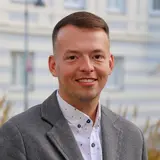
Kristian Hadjiev is a Professor at the Department of Administration and Management of New Bulgarian University (NBU) . With over 25 years of academic experience since 1997, he specializes in virtual teams , organizational design , and project management , focusing on high-performance organizations and cultural change management . Received his PhD from NBU in 2004 and a second Doctorate from the Higher Attestation Commission (VAK) in 2009. Has served as Head of the Department of Business Administration (2012) and currently leads in virtual team management. Active in editorial boards including the International Journal of Private Higher Education and the Bulgarian Academy of Sciences' Economic Thought journal. His research explores virtual team effectiveness , organizational transformation , and innovative management models , supported by projects like TUdi (2021-2025) for EU-China soil sustainability and earlier work on training virtual teams in business competitions. He has developed curricula for online education, including e-health programs, and contributed to accreditation standards for doctoral programs. Prof. Hadjiev participates in international conferences (e.g., Struga International University , Dubai Management Conference ) and co-founded the Center for Risk Analysis (CAUR) while mentoring students and contributing to policy frameworks for higher education reform.
Dr. Shaji Daniel is an Assistant Professor of Counseling at the College of Adult and Graduate Studies - School of Counseling, Colorado Christian University (CCU). He is a Licensed Professional Counselor-Supervisor (LPC-S) in Texas and a National Certified Counselor (NCC), integrating clinical expertise with spiritual formation in his teaching and practice. His work emphasizes holistic care for individuals, couples, and families, grounded in both psychological and faith-based frameworks. Educational Background: Ph.D. in Counselor Education and Supervision, University of the Cumberlands M.Ed. in Professional Counseling, University of Houston–Victoria Master of Theology and Divinity degrees, Serampore University, India Dr. Daniel's research and clinical focus lies at the intersection of multicultural counseling and spiritual integration. He explores the lived experiences of immigrant communities, particularly in the context of interracial marriage, and advocates for culturally competent, spiritually sensitive therapeutic practices. His work addresses depression, anxiety, relationship challenges, grief, and cancer-related distress, employing Cognitive Behavioral Therapy (CBT), Solution-Focused Brief Therapy (SFBT), and interactive counseling models. As a certified SYMBIS facilitator, he also provides premarital and marital counseling. The recent publications reflect a strong trend in qualitative, phenomenological research on intercultural and interracial relationships, spiritual dimensions of mental health, and faith-informed conflict resolution. His scholarly work bridges Christian theology with contemporary counseling practices, contributing to the development of contextually relevant, integrative models of care. Scientific Awards: Doctoral Award for Excellence in Leadership and Advocacy, University of the Cumberlands Ramaiah Award for Excellence in Scholarship, United Theological College, Bangalore While specific grant information is not mentioned, Dr. Daniel's leadership and advocacy recognition suggest involvement in initiatives promoting equity and excellence in counselor education. He mentors future counselors through a pedagogy that combines clinical rigor with spiritual depth, emphasizing journaling, reflection, and contemplative practices to foster inner formation. His teaching philosophy aligns with CCU’s mission to develop compassionate, truth-rooted leaders in the counseling profession. Though no formal lab or research team is mentioned, Dr. Daniel's collaborative publication with his spouse, Dr. Mary Daniel, indicates interdisciplinary engagement, particularly in culturally sensitive counseling. His work with organizations like the American Association of Christian Counselors (AACC) and Journey of Hope Cancer Care Ministries reflects broader professional affiliations and outreach.
Maria Gindidis is an Associate Professor at the School of Curriculum, Teaching & Inclusive Education at Monash University . Her work focuses on Teacher Education in marginalized and culturally diverse contexts, contributing to UN Sustainable Development Goals on Quality Education ( SDG 4 ) and Reduced Inequalities ( SDG 10 ). Current roles include Chief Examiner and Coordinator of first and fourth-year core units in the Bachelor of Education with Honours program. State Coordinator of the Bilingual Schools Project Acting Assistant Principal, eastern region secondary school Coordinator of bilingual programs in 15 Victorian schools Research Interests center on Neuroscience and Learning , particularly the bilingual brain, and the intersection of Community Languages with teacher training. Her PhD explored marginalised teachers' lived experiences in community schools using phenomenology. Recent projects examine digital literacy, transmedia storytelling, and equity in teacher coaching. Article Trends include autoethnographic methodologies, critical explorations of cultural conformity in diaspora communities, and integrative approaches to arts and language education during crises. Publications emphasize pedagogical innovation, digital-physical learning intersections, and systemic challenges in community language programs. Scientific Awards : Australian Linguistics Society Michael Clyne Award (2014) Monash Students Association Outstanding Teacher of the Year (2016) Teaching Excellence Award (2019) Grants and Collaborations include a 2019 national parent survey grant on immigrant language maintenance and leadership research in marginalized communities. International collaborations span professional learning programs in Zhejiang, China. Media engagements address language education innovation and aged-care language labs for preschoolers.
Dr. Misty Ginicola is a Professor in the Counseling and School Psychology (CSP) department at Southern Connecticut State University (SCSU). She holds a PhD from Yale University and has been with SCSU since 2006. Education : B.S. in Psychology (SUNY Cortland), M.A. in Psychology (SUNY New Paltz), M.S./M.Ph. (Yale University), Ph.D. in Clinical Psychology (Yale University, 2006) Her research focuses on Multicultural Counseling , LGBTQI+ Counseling , Creative Counseling Techniques (including phototherapy and yoga), and Highly Sensitive People . She integrates Indigenous and Celtic spirituality into her therapeutic practice. Dr. Ginicola's recent publications (2017) in the Affirmative Counseling with LGBTQI+ People book cover topics from identity development to religious/spiritual integration. Her earlier work (2004–2013) includes program evaluations for the Mutt-i-grees® initiative and critiques of educational policies like NCLB. She serves as President of the American Counseling Association’s Association of Lesbian, Gay, Bisexual and Transgender Issues in Counseling (ALGBTIC) and contributes to the Journal of LGBT Issues in Counseling . Her grants focus on multicultural competence and counseling research. As a Licensed Professional Counselor, she operates Walk in Balance Counseling in West Haven, CT. The practice emphasizes holistic, person-centered care and employs her training in shamanism, Breath Body Mind techniques, and yoga.
Dr. Mariusz Chrostowski is a Researcher at the Chair of Didactics of Religious Education, Catechetics, and Religious Pedagogy at the Catholic University of Eichstätt-Ingolstadt. He holds dual doctorates (Dr. theol. and Dr. phil.) and is pursuing a habilitation in religious education. His primary roles include research assistantship (100% since 2023), teaching courses on liturgy, pastoral practice, and intercultural learning, and organizing interdisciplinary conferences on artificial intelligence and religious education. Chrostowski has extensive experience in Polish and German educational systems, including teaching high school religion and pastoral work in dioceses. He is actively involved in research projects funded by the Fritz Thyssen Foundation and the German-Polish Science Foundation, focusing on AI in religious education and religious contributions to civil society. Education: PhD in Theology (2021) and Philosophy (2022) from Eichstätt-Ingolstadt Master’s in Theology from Cardinal Stefan Wyszynski University (2014) Postgraduate studies in pedagogy, special education, and social work in Poland and Germany Research Interests: Religious education challenges, populism’s impact on education, AI ethics in theology, intercultural pedagogy, and the role of religion in civil society. Publications: Over 30 peer-reviewed articles on AI in education, religious didactics, and populism’s sociopolitical effects, with a focus on Germany and Poland. Key works include exploring AI’s ethical implications and strategies for integrating technology into religious instruction. Chrostowski’s academic leadership includes organizing international conferences (e.g., „Minding the Gap“ on AI and religious education) and serving on editorial boards (e.g., Paedagogia Christiana). He is a voting member of the Faculty Council of Eichstätt’s Theology Faculty and spokesperson for Bavarian religious educators. His habilitation project examines the relationship between religious education and alternative subjects like ethics, emphasizing theological and philosophical reflections on schooling.
Annette Woods is a Professor at Queensland University of Technology (QUT), specializing in literacy education, early childhood development, and Indigenous education. Her work emphasizes culturally responsive pedagogy, social justice, and equity in curriculum design. She has led projects such as the Home Languages in Schools initiative (HLinS) and contributed to evaluations like the Stronger Smarter Learning Communities Project . Dr. Woods collaborates extensively with educators and communities to develop inclusive teaching practices. Research Interests: Literacy and numeracy pedagogy for diverse learners Indigenous methodologies and curriculum integration Digital childhood studies and media literacy Teacher professional development and culturally nourishing pedagogies Ethical frameworks for educational research Publications & Projects: Dr. Woods has authored/co-authored over 100 peer-reviewed articles, book chapters, and reports. Notable outputs include the 2020 edited volume Literacies in Early Childhood and the 2024 Digital Child Ethics Toolkit . Her work spans topics from early literacy interventions to systemic educational equity reforms. Grants & Collaborations: Key projects include evaluations of national education initiatives (e.g., National Community Hubs Program) and partnerships with Indigenous communities to enhance educational outcomes. She serves as a lead evaluator for the Stronger Smarter Learning Communities Project, focusing on Indigenous student success. Labs/Teams: Active in QUT's Education research clusters, particularly those addressing digital childhoods and culturally responsive education.
Filomena Capucho serves as an Assistant Professor in the Department of French within the Faculty of Arts and Humanities at the Catholic University of Portugal. She is also a Senior Researcher at CECC (Center for Communication and Culture Studies) at UCP, with extensive experience in linguistic research and academic leadership. Her academic journey includes coordinating PhD and MA programs in Linguistics and Language Teaching from 2000-2011. Her primary research interests focus on Discourse Analysis , Intercomprehension , and Intercultural Communication , with particular attention to multilingual interactions, healthcare communication for migrant populations, and plurilingual education frameworks. Her work bridges theoretical linguistics with practical applications in educational and healthcare settings. Analysis of her recent publications (2010-2018) reveals a strong emphasis on plurilingual communication strategies across diverse contexts, with significant contributions to understanding intercomprehension in multilingual environments and intercultural dynamics in healthcare settings. Her research demonstrates consistent exploration of how language functions in power relations and cross-cultural understanding. Capucho has coordinated multiple international research projects and supervised graduate programs, though specific grant details and student names aren't provided in the source material. Her academic service includes leadership roles in MA and PhD programs from 2000-2011. She teaches Communication in Organizations for the Master's Degree in Applied Management program and has developed curriculum for advanced training in Psychological Assessment, Volunteer Management, and Healthcare Unit Management.
Professor Alfred Riedl is a distinguished faculty member at the Technical University of Munich (TUM), specifically within the School of Education, where he focuses on Vocational Education. His academic career spans decades of dedicated research and teaching in vocational pedagogy, teacher training, and educational innovation. Riedl has established himself as a leading expert in vocational education research, particularly in developing integrated teacher training programs that bridge theory and practice. His research interests encompass vocational education research, teacher training methodologies, language promotion in vocational settings, educational language for vocational schools, and action-oriented instructional approaches. Riedl has pioneered innovative programs such as the "Berufliche Bildung Integriert" (BBI@TUM), which connects the first and second phases of vocational teacher education with a strong emphasis on theory-practice integration. His work on language support for immigrants in vocational schools and career perspectives for asylum seekers and refugees demonstrates his commitment to addressing contemporary educational challenges. Professor Riedl's recent publications reveal a strong focus on competency-oriented and evidence-based approaches to teacher education, with particular attention to migration contexts and language diversity. His work spans from theoretical foundations of vocational pedagogy to practical implementation of innovative teaching methods in vocational settings. The recurring themes across his publications include teacher professionalization, integration of theory and practice, and addressing the challenges of diverse student populations in vocational education. As an active supervisor, Riedl has guided numerous doctoral candidates and master's students through their academic journeys, with recent theses focusing on topics such as inclusive education, digital learning environments, action-oriented instruction, and sustainable development education in vocational contexts. His teaching portfolio includes foundational courses in vocational pedagogy and didactics, as well as specialized seminars on action-oriented learning and sustainable development education. Riedl's collaborative projects demonstrate his commitment to practical relevance in teacher training, including international master's programs for vocational education and language support initiatives for immigrants in vocational schools. While he has announced his imminent retirement, his extensive contributions to vocational education research and teacher training continue to shape the field at TUM and beyond.
Farhat Taj is an Associate Professor at the Department of Child Welfare and Social Work , UiT The Arctic University of Norway, with research focusing on legal pluralism , women's human rights , religious extremism , and Afghanistan-Pakistan relations . Her work bridges Social Work , Political Science , and Law . Department of Child Welfare and Social Work, UiT Member of The Grey Zone, Indigenous Voices, WarPeD, and SAMPRO research groups Expert on Islam, human rights, and ontological security in conflict zones Research Trends: Her recent publications analyze enforced disappearances in Pakistan's war on terror, digital economic violence against immigrant women, and ontological security dynamics in South Asia. She examines how sharia councils and multicultural legal frameworks intersect with gender equality. Public Engagement: Taj contributes to podcasts , blogs , and media commentary on topics like eid celebrations , Pashtun identity , and immigrant integration in Norway.
Susanne Reichl is a full Professor at the Department of English and American Studies within the Faculty of Philological and Cultural Studies at the University of Vienna. She serves as Head of the interdisciplinary research platform Mediatised Lifeworlds: Young people's narrative constructions, connections and appropriations, a position she has held since autumn 2021 for its second period. Reichl maintains an active teaching schedule, offering courses on contemporary British literature, children's and young adult literature, and teaching methodology for literature and culture. Her research interests span contemporary British literature and culture, children's and young adult literature, cognitive approaches to literature, tales of time travel, Black and Asian British literature, and teaching literature at university and school. Reichl's work demonstrates a consistent focus on how young people engage with literature and media, particularly examining narrative construction in digital environments and the intersection of reading practices with identity formation. Reichl's recent publications reveal a strong trend toward interdisciplinary research connecting literary studies with media studies, cognitive science, and educational theory. Her work on youth media practices, particularly through the #YouthMediaLife platform, demonstrates innovative approaches to understanding how young people navigate contemporary digital landscapes through narrative construction. She has made significant contributions to understanding time travel narratives, multimodal literature, and social reading practices, particularly on platforms like Goodreads. Figdor-prize of the Austrian Academy of Sciences for literary studies (2005) Erwin-Schrödinger international scholarship by the FWF (Austrian research fund) (2005/2006) Reichl has supervised numerous master's students, though she has announced she cannot take on new master supervision until March 2026. Her research platform Mediatised Lifeworlds has secured significant institutional support at the University of Vienna, indicating successful grant acquisition. Reichl maintains an active research agenda with consistent publication output across multiple formats including monographs, edited collections, journal articles, and book chapters. As Head of the interdisciplinary research platform Mediatised Lifeworlds, Reichl leads a collaborative team examining young people's narrative constructions in digital environments. This platform brings together researchers from multiple disciplines to investigate how youth appropriate and connect through mediatised experiences, with particular attention to the narrative frameworks they employ in social media and other digital spaces.
Jenni Alisaari is a Professor of Education specializing in Linguistically and Culturally Diverse Education at the School of Applied Educational Science and Teacher Education, University of Eastern Finland. Her work focuses on linguistically responsible pedagogy, multilingualism in education, and culturally responsive teaching practices. Teaches Master’s Degree Programme in Early Language Education for Intercultural Communication Former roles include University Lecturer of Finnish at University of Stockholm, Special Researcher in Sociology at INVEST Research Centre, and Teacher Trainer at University of Turku and Åbo Akademi Research interests intersect language, culture, and identity in educational contexts. She studies: Linguistically Responsible Pedagogy Multilingual Learners Support for Newly Arrived Students Using Music in Language Instruction Language as a Cultural Identity Resource Curriculum Reform Implementation Her publications since 2015 reveal a focus on: Intercultural Communication in Classrooms Migrant Student Belonging Language Policy in Nordic Countries Cognitive Benefits of Musical Language Instruction Teacher Training for Linguistic Diversity Educational Equity Frameworks
Samia Bano is a Reader in Law and External Engagement Lead at the School of Law, Gender and Media at SOAS University of London. She holds a PhD from the University of Warwick and has previously served as Deputy Director of Research at the University of Reading’s School of Law. Her academic focus centers on Muslim family law in the UK and Europe, multiculturalism, citizenship, Islamic jurisprudence, and gender equality. She teaches courses on family law, multiculturalism, and research methods, and has led initiatives on admissions, inclusivity, and widening participation in higher education. Her research emphasizes the intersection of Muslim legal practices and state law, advocating for policies rooted in the lived realities of marginalized communities. Dr. Bano’s work has been widely recognized, including through extensive media coverage and invitations to speak at conferences. She is an editorial board member of Feminist Legal Studies and Mediation, Theory and Practice , and is completing a monograph on cultural expertise in English family law. She actively advises on social policy projects and supervises doctoral students exploring family law, comparative law, and critical legal theories.
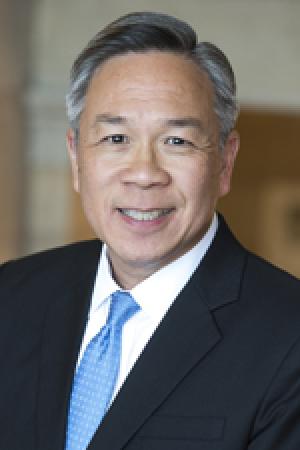
Michael Goh serves as Professor and Campbell Leadership Chair in Education and Human Development at the University of Minnesota's College of Education and Human Development, where he coordinates Graduate Programs in Higher Education. Previously (2017-2022), he held the systemwide position of Vice President for Equity and Diversity across the university's five campuses. His educational foundation includes: PhD in Counseling and Student Personnel Psychology from the University of Minnesota MS in Counseling and Counselor Education from Indiana University BA in Psychology and Sociology (double major) from Indiana University Goh's research centers on cultural intelligence (CQ) and intercultural competence development within higher education contexts, examining cross-cultural counseling practices, leadership for inclusive excellence, and culturally intelligent frameworks for mental health services. His interdisciplinary approach bridges psychology, sociology, and educational leadership to address diversity, equity, and inclusion challenges in global academic environments, with particular focus on international student development and culturally responsive administration. His 2020-2025 publications reveal consistent exploration of intercultural competence in higher education internationalization, with strong emphasis on Asian case studies (Japan, Singapore) and practical applications for DEI leadership. Recurring themes include global citizenship education frameworks, equity-driven institutional transformation, and cross-cultural therapeutic expertise development, demonstrating both theoretical depth and practical implementation strategies across diverse educational settings. Notable recognitions include: Fellow of the American Psychological Association (2024) Commissioner for Midwestern Higher Education Compact (2021-2025) Senior Fellow at Minnesota Institute for Trauma Informed Education (2021-present) Pacific Circle Consortium Honors Recognition for cross-border scholarly work (2018) Exemplary Diversity Leadership Award from American Counseling Association (2010) Multiple distinguished teaching and mentorship awards from University of Minnesota His grant leadership includes NSF-funded Louis Stokes North Star STEM Alliance targeting underrepresented students in STEM fields, and NIH Partners in Research Grant developing culturally responsive children's mental health practices. Current projects focus on linguistic access to mental health services and multinational studies of expert counselors across Asia. Goh previously directed the University of Minnesota's Institute for Diversity, Equity, and Advocacy (IDEA), fostering interdisciplinary equity research, and maintains connections with the Workforce Development and Research Lab through his focus on culturally intelligent leadership development.
Joyce S. Osland serves as the Executive Director of the Global Leadership Advancement Center at San José State University's School of Global Innovation and Leadership, affiliated with the Lucas College and Graduate School of Business. Education: PhD in Organizational Behavior from Case Western Reserve University (1990). Her research focuses on global leadership, cross-cultural management, international business, and organizational behavior. She has contributed to frameworks for cultural sensemaking, expatriate repatriation knowledge transfer, and defining global leadership competencies. Key publication trends include global leadership development, expatriate management, cross-cultural knowledge transfer, and experiential organizational behavior models. Notable works span from 1999 to 2014, with a focus on Latin American cultural implications, repatriation processes, and cognitive expertise in global leadership. She teaches courses like BUS 268: Managing Across Cultures and BUS 262B: Global Leadership Development at San José State University's Lucas Business Complex in Santa Clara, CA.
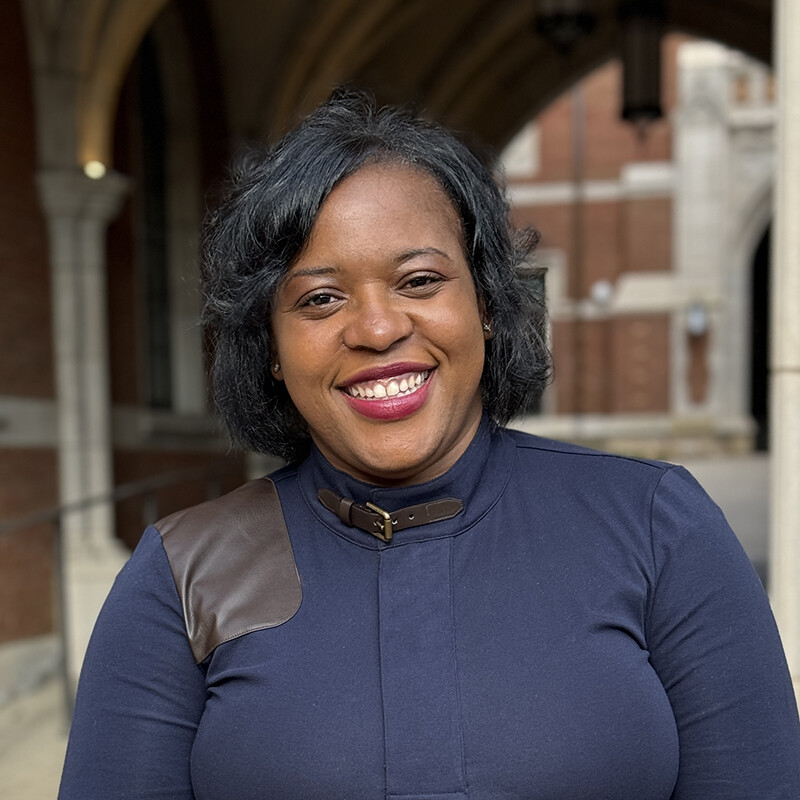
Jeremi London is an Associate Professor of Mechanical Engineering and Assistant Provost of Academic Opportunity and Belonging at Vanderbilt University’s School of Engineering. She leads programs like the Posse Scholars Program and First-Generation initiatives, focusing on broadening undergraduate access to academic opportunities. Her expertise spans engineering education research, with a focus on diversity, equity, and inclusion (DEI). She has secured over $5.8M in grants and authored over 100 publications. London previously chaired the American Society for Engineering’s Diversity Commission and has held roles at the NSF, GE-Healthcare, and Anheuser-Busch. Education : Ph.D. Engineering Education, Purdue University (2014) M.S. Industrial Engineering, Purdue University (2013) B.S. Industrial Engineering, Purdue University (2008) Research Interests : London investigates the impact of STEM education through mixed methods, emphasizing DEI in engineering and authentic learning experiences. Her work addresses systemic barriers to participation, leveraging technologies like augmented reality (AR) to enhance educational outcomes. Recent focus areas include Black students’ experiences, faculty development programs, and institutional equity initiatives. Grants & Awards : NSF CAREER Grant Best Paper Awards Leadership in ASEE’s Year of Impact on Racial Equity Advising & Grants : London directs over $5.8M in grants, including the NSF-funded CAREER project. She advises on national DEI initiatives and graduate student support programs, emphasizing multicultural environments and faculty development. Labs & Teams : Her work integrates with Vanderbilt’s Office of Undergraduate Education and the Center for Equity in Engineering, fostering collaborations across academia and industry.