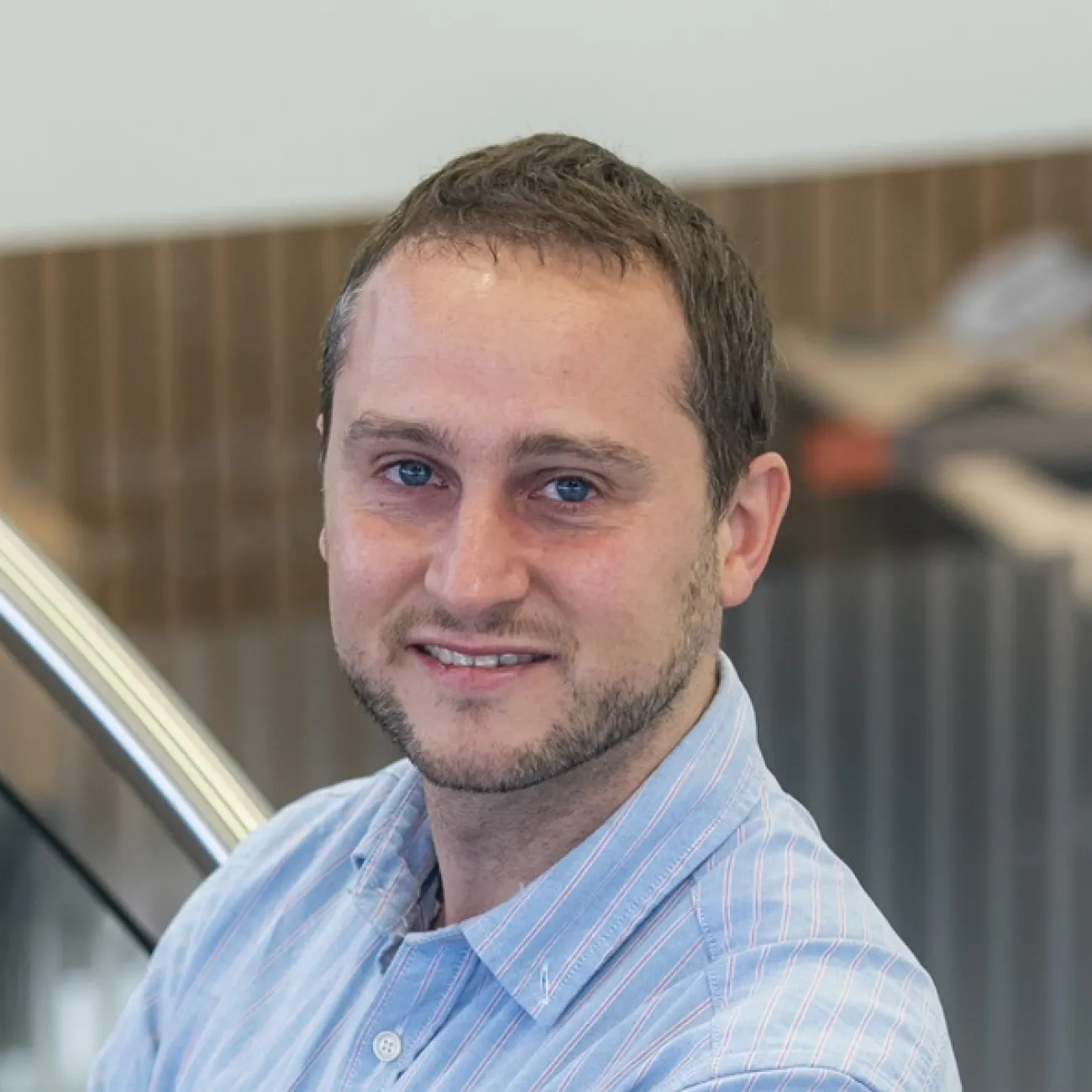
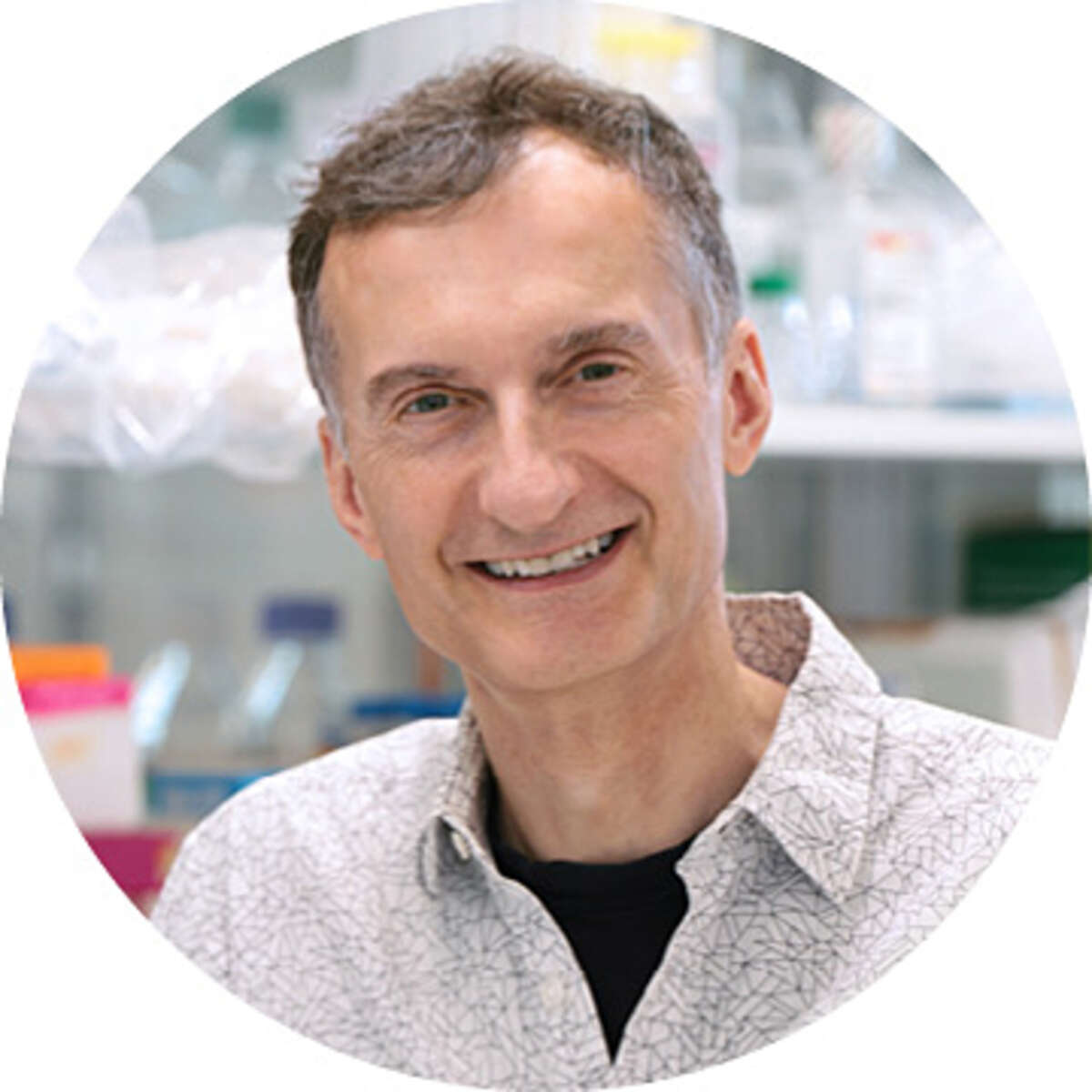
David Umulis is the Dane A. Miller Head of Biomedical Engineering and Professor of Agricultural & Biological Engineering at Purdue University. His research focuses on systems biology, particularly the mechanisms of Bone Morphogenetic Protein (BMP) signaling and its role in development. He leads the EMBRIO Institute , exploring emergent mechanisms in biological robustness and organization. His work integrates experimental and computational approaches, including finite-element modeling, quantitative microscopy, and data-driven analysis to study BMP regulation in organisms like Drosophila and zebrafish. Key areas include understanding BMP pathway dynamics, tissue-scale patterning, and systems-level interactions. Research interests span interdisciplinary topics such as morphogen gradient formation, developmental patterning, and computational tools for biological data analysis. His lab develops innovative methods like wavelet-based 3D nuclei segmentation (WaveletSEG) and neural network models to accelerate biological simulations. Collaborations bridge engineering, biology, and medicine, addressing challenges in regenerative engineering and disease mechanisms linked to BMP signaling abnormalities, such as cancer and congenital disorders. Publications emphasize computational models of BMP signaling, tissue morphogenesis, and systems biology. His work highlights the importance of geometry and scale invariance in developmental processes, with applications in biomedicine and synthetic biology. Umulis also contributes to educational initiatives, exploring computational thinking in engineering curricula and student learning outcomes in interdisciplinary contexts.
Haicen Yue is an Assistant Professor in the Department of Physics at the University of Vermont, affiliated with the College of Engineering and Mathematical Sciences. His research focuses on applying physics principles from soft matter, active matter, and statistical physics to study multicellular biological systems. Key areas of interest include collective cell migration, tissue engineering, embryonic development, and cancer invasion. Dr. Yue holds a Ph.D. in Physics from the University of California, San Diego (2018) and a B.S. in Physics from Peking University, China (2011). Education: Ph.D. in Physics, UC San Diego, 2018 B.S. in Physics, Peking University, 2011 His work bridges biophysics and computational modeling to understand how physical principles govern biological processes. Recent studies investigate electrotactic guidance of cell groups, supracellular organization in developmental systems, and chemotactic memory mechanisms. The Yue Lab explores emergent behaviors in dense cellular sheets and the interplay between mechanical forces and biological signaling pathways. Research trends in his articles highlight a focus on collective phenomena, such as group size-dependent migration dynamics, frictional fluid mechanics in active matter, and scale-dependent tissue behaviors. He employs both theoretical frameworks and experimental collaborations to address questions in developmental biology and cancer mechanics. His lab's website (YUE LAB) details ongoing projects and interdisciplinary approaches to biophysical systems.
Srigokul Upadhyayula is an Assistant Professor in Residence in the Department of Molecular and Cell Biology at the University of California, Berkeley. He serves as the Scientific Director of the Advanced Bioimaging Center (ABC) and is a Chan Zuckerberg Initiative Imaging Scientist. His work bridges applied engineering with basic science, focusing on developing cutting-edge imaging technologies like the Adaptive Optical Multi-functional Lattice Light-Sheet Microscope. The ABC specializes in handling tera- to petabyte-scale imaging data, integrating artificial intelligence to analyze complex datasets and advance both fundamental and translational research. Academic Role: Assistant Professor in Residence Directorships: Advanced Bioimaging Center, CZI Imaging Scientist Research interests center on optical imaging systems, high-resolution microscopy, and computational workflows for biological data analysis. Key projects include multi-scale imaging across millimeter-scale specimens and long-term imaging sessions, emphasizing the synergy between advanced microscopy and AI-driven data interpretation. Publications highlight breakthroughs in lattice light-sheet microscopy, clathrin-mediated endocytosis, and mitochondrial dynamics. His work has been featured on Science and eLife covers, underscoring contributions to cellular and developmental biology. Advising and grants involve leading interdisciplinary teams to develop imaging infrastructure and computational tools. The ABC aims to democratize access to advanced imaging through open-source workflows. Laboratory initiatives include the ABC’s global imaging initiative, combining hardware innovation with AI to solve complex biological questions.
Dr. Myron R Szewczuk is a Full Professor in the Department of Biomedical and Molecular Sciences at Queen's University's School of Medicine, Faculty of Health Sciences. With over thirty-five years of experience at Queen's University, he has established himself as a leading researcher in cancer immunology, cell biology, and receptor signaling. His work focuses on the molecular mechanisms underlying cancer progression, inflammation, and receptor activation, with particular emphasis on glycosylation processes and Neu1 sialidase activity. Department of Biomedical and Molecular Sciences, School of Medicine, Faculty of Health Sciences Translational Institute of Medicine (TIME), Research Centres & Institutes Editor-in-Chief of MOJ Polymer Science special issue on Insulin Receptor Signaling Editorial Board Member of Discovery Medicine Section Board Member of Biomolecules journal Dr. Szewczuk earned his B.Sc. (Hons.) in Physical Chemistry from the University of Guelph in 1971, followed by an M.Sc. in Biochemistry and Thermodynamics of Protein-Protein Interactions from the same institution in 1972. He completed his Ph.D. in Biology and Immunochemistry at the University of Windsor in 1974. His postdoctoral training included positions as a Killiam and NIH Post-doctoral Research Scholar at Cornell University Medical College, focusing on cellular immunology under Dr. Greg Siskind. Dr. Szewczuk's research program centers on several interconnected areas that reveal fundamental mechanisms in disease pathophysiology. His work on Neu1 sialidase has uncovered its critical role in receptor activation across multiple systems, including TOLL-like receptors, insulin receptors, and cancer-related pathways. His laboratory has identified that Neu1 sialidase forms a molecular platform with matrix metalloproteinase-9 (MMP-9) and G-protein coupled receptors (GPCRs) that is essential for receptor activation in health and disease. This discovery has significant implications for understanding cancer progression, inflammation, and metabolic disorders. His research on biased GPCR agonism has revealed novel mechanisms by which receptors can be selectively activated, opening new therapeutic possibilities. His work on medicinal marijuana has provided scientific foundations for understanding cannabinoid effects on cancer cells through specific receptor mechanisms. Analysis of Dr. Szewczuk's recent publications reveals a strong focus on the intersection of receptor signaling, cancer metastasis, and therapeutic interventions. His work consistently explores how glycosylation processes regulate receptor activation and how this knowledge can be translated into novel cancer therapies. A significant theme is drug repurposing, particularly using oseltamivir phosphate (Tamiflu) and aspirin in combination with standard chemotherapeutics to overcome treatment resistance. His research increasingly incorporates nanomedicine approaches for targeted drug delivery, especially using folate receptor-targeted systems. The laboratory has made significant contributions to understanding how cytokines, sweeteners, and cannabinoids influence cancer cell behavior through receptor transactivation mechanisms, particularly focusing on epithelial-mesenchymal transition and tunneling nanotube formation in cancer metastasis. Nominated for Best Paper Award 2024 for 'Cutting-Edge Approach to Targeted Therapy' Editor-in-Chief appointment for MOJ Polymer Science special issue on Insulin Receptor Signaling Section Board Member for Biomolecules journal (Impact Factor: 6.064) Editorial Board Member for Discovery Medicine (Impact Factor: 3.222) Co-organizer of International Conference on Cancer Research & Nucleic Acids 2021 Conference Chair for International Conference on Cancer Science and Therapeutics Dr. Szewczuk has mentored numerous graduate and undergraduate students, with many going on to successful careers in academia, medicine, and biotechnology. His trainees have consistently published in high-impact journals, with many receiving prestigious awards including Vanier Canada Graduate Scholarships, Terry Fox Research Institute fellowships, and Queen's Graduate Awards. He has supervised PhD students to completion in approximately 3 years and MSc students in 1.5 years, with most students publishing multiple first-author papers. His undergraduate research students have contributed to publications and have gone on to medical schools and graduate programs. Dr. Szewczuk has secured funding from various sources including Mitacs Accelerate Postdoctoral Fellowships and industry partnerships with Encyt Biotechnologies. His research has resulted in an international patent filing (PCT/CA2011/050690) related to cancer treatment approaches targeting Neu1 sialidase. Dr. Szewczuk leads a vibrant research laboratory that focuses on the molecular mechanisms of receptor activation and their implications in cancer and inflammatory diseases. His team employs advanced techniques in cell biology, molecular signaling, and nanomedicine to investigate how glycosylation processes regulate receptor function. The laboratory has developed innovative models for studying 3D multicellular tumor spheroids and has made significant contributions to understanding the role of Neu1 sialidase in receptor signaling platforms. The research group collaborates extensively with clinicians and scientists both nationally and internationally, contributing to a robust research environment that bridges basic science with clinical applications.
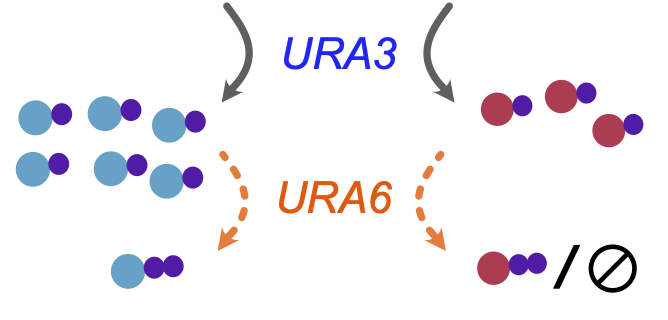
Pengyao Jiang is an Assistant Professor at Arizona State University's School of Life Sciences and the Biodesign Center for Mechanisms of Evolution. Her research focuses on the genetic basis of mutation processes in natural populations and their phenotypic consequences, using yeast and fruit flies as model systems. She holds a PhD in Ecology and Evolution from the University of Chicago (2010-2017) and a B.E. in Computer Science from East China Normal University (2006-2010). Research : Jiang’s lab investigates evolutionary mechanisms at the molecular level, integrating experimental genetics, bioinformatics, and quantitative modeling. Key areas include mutation rate variability, mutational robustness, and the genotype-to-phenotype map. Recent work includes studies on URA6 mutations in yeast and the impact of mutational robustness on evolvability. Teaching : Teaches courses on genetics, research techniques, and computational methods, including BIO 340 (General Genetics), BCH 392 (Intro to Research Techniques), and BIO 539 (Computing for Research). Awards/Grants : No specific awards listed, but active in securing research funding through grants (details not provided). Labs/Teams : Leads a lab focused on evolutionary genetics, with recent milestones including undergraduate thesis defenses and CRISPR plasmid cloning successes.
Dr. Philip Greulich is a Lecturer in Applied Mathematics at the University of Southampton, specializing in mathematical modeling of biological systems. He is affiliated with the Institute for Life Sciences and the Mathematical Modelling research groups. His work focuses on understanding stem cell dynamics, cell lineage architectures, and population-level interactions using stochastic processes and dynamical systems theory. Education: PhD in Theoretical Physics from the Universities of Cologne and Saarland (2010). Postdoctoral research at the University of Edinburgh (2010–2012) and the University of Cambridge’s Cavendish Laboratory (2013–2016). Research Interests: Mathematical modeling of stem cell fate decisions Universal features of cell lineage structures Cell population dynamics under environmental constraints Bayesian model comparison with experimental data Teaching: Modules include MATH3090/6140 (Structure and Dynamics of Networks) and MATH3052 (Mathematical Biology). Grants & Awards: Recipient of the Alan Turing Fellowship (2021) and Cancer Research UK funding. Received the Blackboard VLE Award for Best Learner Support (2022). Lab/Team: Collaborates with the Applied Mathematics and Theoretical Physics groups, contributing to interdisciplinary projects at the interface of mathematics and biology.
Dr Ramin Mostofi Zadeh Farahani is a Lecturer at the University of Sydney , affiliated with the Department of Life Sciences and The Centre for Drug Discovery Innovation . His research investigates how temporal dimensions in biological systems are regulated by microRNAs and non-coding DNA, with applications in neurosensory biology , mitochondrial dynamics , and evolutionary developmental biology . Current projects include: miRNA-mediated temporal reprogramming of cell fate Role of miRNAs in buffering genetic noise Evolution of microRNAs and interactomes His scientific contributions span molecular biology , genetics , and systems biology , focusing on microRNAs , mitochondrial activity , and cellular clock mechanisms . Recent publications highlight cross-disciplinary themes from neurogenesis to cancer evolution , emphasizing RNA's role in adaptive biological responses. Grants include funding from the Dental Board of NSW for research on dental pulp microvasculature and growth factor expression in reactionary dentinogenesis. Collaborations span Cell Communication and Signaling , Genome Biology , and Nucleic Acids Research journals.
Tomás Alarcón is an ICREA Research Professor at the Centre de Recerca Matemàtica (CRM) in Bellaterra, Barcelona, where he leads the Cancer Modelling Group. He has been affiliated with CRM since November 2010 and was appointed to an ICREA Research Professorship in October 2015. He also serves as deputy director of CRM since March 2016 and is an Affiliated Professor at the Department of Mathematics, Universitat Autònoma de Barcelona since September 2013. Dr. Alarcón earned his PhD in Theoretical Physics from the University of Barcelona in 2000. Following his PhD, he held postdoctoral positions at the University of Oxford (2001-2003), University College London (2003-2006), and Imperial College London (2006-2009). He briefly served as a senior researcher and group leader at BCAM in Bilbao, Spain (2009-2010) before joining CRM. His research focuses on mathematical modeling of complex biological systems, with particular emphasis on multiscale modeling of tumor growth, hybrid methods for multiscale models, stochastic modeling of somatic cell reprogramming, robustness and evolvability in relation to drug resistance, stochastic models in population dynamics, and membrane biophysics and microfluidics of biofluids. His work integrates phenomena across different biological scales, from angiogenesis to cell-cycle progression under oxygen starvation. Analysis of his recent publications reveals a strong focus on computational oncology, with particular attention to epigenetic regulation, tumor microenvironment mechanics, and cancer metabolism. His work combines mathematical rigor with biological relevance, often collaborating with experimentalists to validate theoretical predictions. Key themes in his recent work include chromatin dynamics, metabolic regulation in cancer, multiscale modeling approaches, and the application of dynamical systems theory to biological problems. ICREA Research Professorship (2015) Dr. Alarcón has mentored numerous PhD students and postdoctoral researchers, many of whom have gone on to successful academic careers. His group collaborates extensively with researchers at institutions including University of Oxford, University College London, Universitat Autònoma de Barcelona, and various international centers. He has received research funding for projects related to cancer modeling and mathematical biology, though specific grants are not detailed in the provided information. His laboratory, the Cancer Modelling Group at CRM, consists of research fellows, postdocs, PhD students, and collaborators working on various aspects of mathematical oncology and computational biology. The group is also part of the DysCoVir I2SysBio-CRM Associated Unit, indicating a broader collaborative network in systems biology.
Prof. Dr. Alex Schier is a Swiss/US scientist and Director of the Biozentrum, University of Basel , where he leads research on vertebrate development and sleep regulation . He previously served as the Leo Erikson Life Sciences Professor and Chair of the Department of Molecular and Cellular Biology at Harvard University (2005–2019) and held academic roles at NYU School of Medicine (1996–2005). Research Focus: Embryonic development, sleep/wakefulness mechanisms, single-cell lineage tracing, and Nodal signaling in morphogenesis. Methods: Genetic, genomic, biophysical, and microscopic approaches in zebrafish and mice. Scientific Leadership: He is a member of EMBO, served on editorial boards (Science, Developmental Cell), and directed the Allan Discovery Center for Cell Lineage Tracing . Recent awards include an ERC Advanced Grant (2020–2024) and NIH MERIT/Pioneer Awards. Publications highlight advances in single-cell technologies , sleep-related neuropeptides , and evolutionary developmental biology . His lab collaborates on projects like brain-wide transcriptomics and optogenetic signaling control .