Alexandros Paspatisمشاهده پروفایل
مدرس ارشد
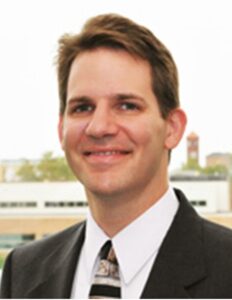
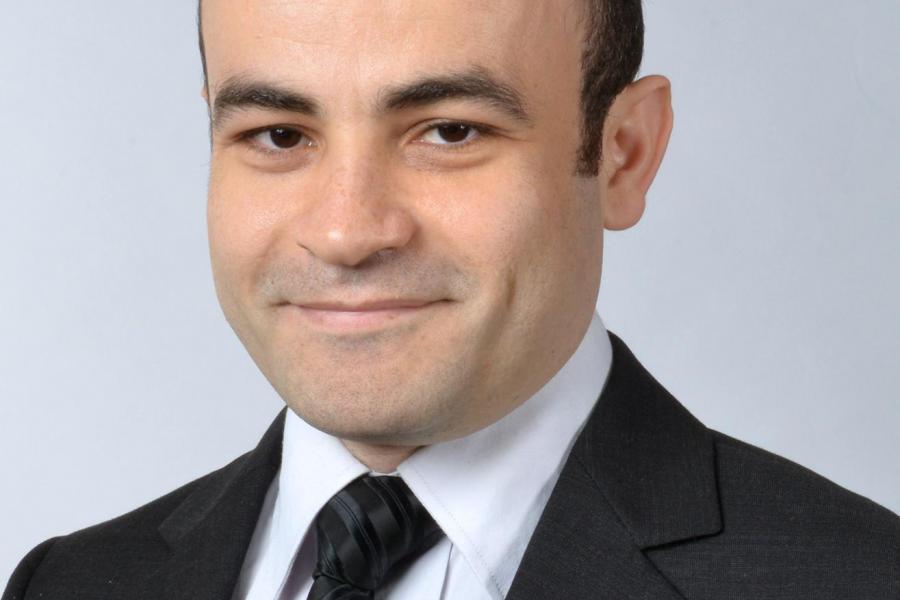
Dr. Alexandros Paspatis is a Senior Lecturer in Electrical and Electronic Engineering at Manchester Metropolitan University (MMU). He holds an MEng in Electrical and Computer Engineering from Democritus University of Thrace (2016) and a PhD in Automatic Control and Systems Engineering from the University of Sheffield (2020). His research focuses on control of power converters, microgrid stability, and laboratory validation methods, with over 40 peer-reviewed publications. He serves as Associate Editor for the IEEE Journal of Emerging and Selected Topics in Industrial Electronics and contributes to flagship IEEE conferences. Education: MEng, Electrical and Computer Engineering, Democritus University of Thrace, Greece (2016) PhD, Automatic Control and Systems Engineering, University of Sheffield, UK (2020) Research interests include inverter-based power systems, grid-forming inverters, hardware-in-the-loop (HIL) testing, and renewable energy integration. He leads projects like ERIGrid 2.0, advancing validation tools for complex power systems. His work emphasizes cybersecurity in smart grids and financial implications of renewable infrastructure deployment. Editorial & Leadership Roles: Vice-chair, IEEE Industrial Electronics Society Technical Committee on Smart Grids (2023–present) Advisory Board Member, Haliogen Power Limited (2025–present) Key Awards: Fellow of the Higher Education Academy (FHEA) Member, IEEE and IET Advising & Grants: Actively supervising PhD students in inverter-based systems. Collaborates with industry on projects like HIL testing methodologies and microgrid resilience. His research has been showcased in invited talks at leading institutions worldwide, including the University of Warwick and China University of Mining and Technology. Labs & Teams: Core contributor to ERIGrid 2.0, developing open-source tools for energy system validation. Engages in educational initiatives to enhance interdisciplinary engineering training through power electronics labs and real-time simulation frameworks.